Ulua Average Size in Hawaii
It’s a common dream for any angler visiting or living in Hawaii: to hook into a monster ulua. We’ve all seen the pictures, heard the stories, and maybe even glimpsed a massive one at a local weigh station. But what's the real deal when it comes to the average size of these powerful fish here in the islands? Many people get discouraged when their catches don't match the "trophy" images, leading to a lot of questions about what's actually realistic. This guide aims to clear up the confusion, helping you understand the typical size ranges for ulua, what factors influence their growth, and what you can truly expect on your next Hawaiian fishing adventure.
What Exactly is an Ulua? The King of the Reefs
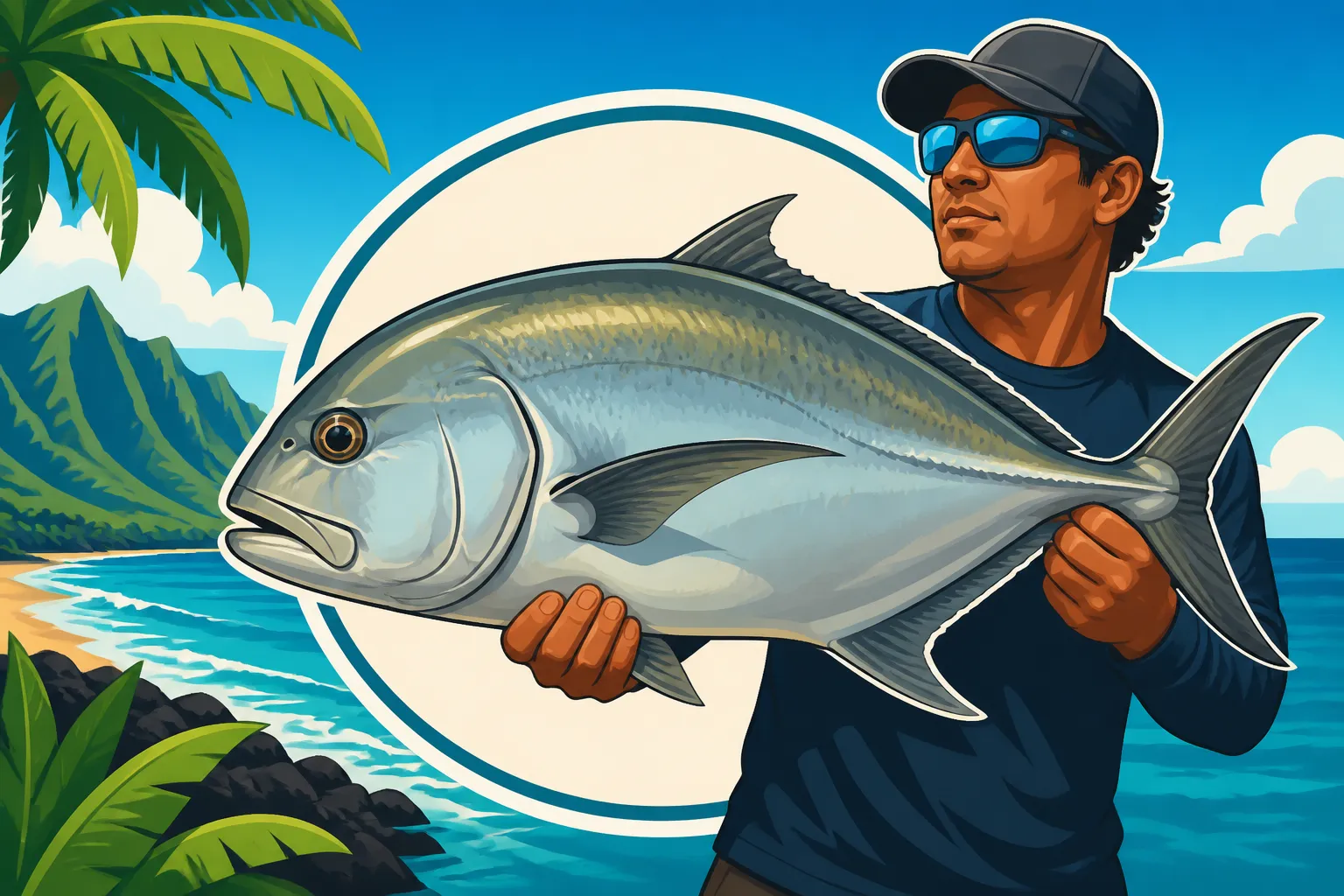
The term "ulua" often conjures images of huge, broad-shouldered fish, but it's important to understand that "ulua" isn't a single species in the scientific sense. In Hawaii, "ulua" is the common name given to adult Giant Trevally (Caranx ignobilis), especially the larger specimens. These magnificent creatures are apex predators in our nearshore waters, known for their incredible strength and relentless fighting spirit, which is why they are so highly prized by anglers.
The Papio-Ulua Connection
Before an ulua becomes a formidable force in the ocean, it starts its life as a smaller, equally aggressive fish known locally as "papio." This is where a lot of the confusion often arises. Papio are simply juvenile Giant Trevally. They are the same species, just at different stages of growth. Anglers often catch papio ranging from a few ounces up to several pounds, and while they put up a fantastic fight on light tackle, they are not yet considered "ulua."
Think of it like a kid growing into an adult. A papio is still learning the ropes, often found in shallower reef areas, bays, and even harbors, where they can ambush smaller baitfish. As they grow, they gradually move into deeper waters and more exposed areas, becoming the brawling giants we know as ulua. Understanding this connection is key to appreciating the entire life cycle of this incredible fish and setting realistic expectations for your catch. When you're targeting papio, you're essentially targeting the future generation of ulua.
Giant Trevally vs. Other Trevallies
While the Giant Trevally (GT) is the undisputed "ulua" king, there are other species of trevally found in Hawaiian waters that locals might sometimes refer to generically as "ulua" or "papio." These can include species like the Bluefin Trevally (Caranx melampygus), Yellowspot Trevally (Carangoides orthogrammus), and Bigeye Trevally (Caranx sexfasciatus). Each of these has its own average size and characteristics, but none typically reach the sheer mass and power of the Giant Trevally.
The true Giant Trevally stands apart with its distinctive steep head profile, dark coloration, and, of course, its impressive size. When an angler talks about a "trophy ulua," they are almost always referring to a large Giant Trevally. It's important to be able to distinguish these species, not just for bragging rights, but also for understanding potential size limits and regulations, as specific rules might apply. For instance, while you might catch a 15-pound bluefin trevally, it won't have the same body mass or fighting characteristics as a 15-pound Giant Trevally. For a deeper dive into distinguishing these fish, check out Ulua vs Papio: What's the Difference.
Factors Influencing Ulua Size in Hawaii
The size an ulua ultimately reaches isn't just a matter of time; it's a complex interplay of environmental factors, food availability, and even genetics. Hawaii's unique marine environment offers both advantages and challenges for these powerful predators, shaping their growth patterns across the islands.
Food Availability and Reef Health
Just like any growing creature, ulua need a steady and abundant food supply to reach impressive sizes. Their diet primarily consists of smaller fish, crustaceans, and cephalopods. Healthy, thriving reef ecosystems and abundant baitfish schools are crucial for fostering large ulua populations. Areas with diverse and plentiful prey, such as those found around productive deep-water ledges or near significant baitfish aggregations, tend to produce larger fish.
Conversely, areas where baitfish populations are struggling, or where reef health has declined, may see smaller average sizes of ulua. This highlights the importance of marine conservation; a healthy ocean means healthy fish, and bigger ulua for those who seek them. Understanding the feeding patterns and preferred prey of ulua can also give you an edge in where and how you target them, knowing that big fish are often found where big food sources gather.
Habitat and Depth Preferences
Ulua are highly adaptable, but certain habitats are more conducive to reaching trophy sizes. While juvenile papio might frequent shallow tide pools, estuaries, and protected bays, the biggest ulua often roam deeper reef edges, offshore pinnacles, and areas with strong currents that bring in abundant food. These environments offer not only a richer food source but also more protection from predators (though adult ulua have few natural predators other than larger sharks and humans) and the opportunity to grow without excessive competition from smaller individuals.
For instance, the deep drop-offs of the Kona Coast on the Big Island are renowned for their large ulua, partly because of the immediate access to deep, nutrient-rich waters and a constant flow of pelagic bait. Similarly, rocky points and ledges with access to deeper water on islands like Oahu or Maui can hold very large fish. Shoreline anglers often target these specific points where deep water is accessible from land. This behavioral trait means that if you're truly after a giant, you'll likely need to venture beyond the calmer, shallower waters.
Age and Growth Rate
Ulua are relatively long-lived fish and can grow quite large given enough time and the right conditions. Their growth isn't linear; they grow faster when they are young and then their growth rate slows down as they mature. A papio might reach 10-20 pounds relatively quickly, but adding another 20-30 pounds to become a true ulua takes significantly more time.
A 50-pound ulua might be several years old, while a 100-pound specimen could be a decade or more into its life. The largest ulua, those pushing into the 150-pound plus range, are truly ancient fish that have navigated countless challenges in the ocean. This underscores the value of these fish and why catching a truly massive one is such a rare and celebrated event. It's a testament to the fish's resilience and the health of its ecosystem.
Average Size Expectations by Location and Method
When it comes to ulua fishing in Hawaii, "average" is a pretty flexible term. What you can realistically expect depends heavily on where you're fishing and how you're doing it. A small papio from a shallow bay is very different from a monster GT pulled from deep water offshore. Let's break down some typical expectations.
Shore-Based Catches
Shore fishing for ulua, or "ulua fishing from the makai," as locals call it, is a time-honored tradition in Hawaii. It's challenging, requires specialized gear, and often involves long waits. While it's certainly possible to hook truly massive ulua from the shore, the average size for shore-based catches tends to be in the 10 to 40-pound range.
You'll catch many more papio (juvenile GTs) in the 2 to 15-pound range, which still put up a phenomenal fight, especially on medium-heavy tackle. These are often caught whipping with lures or using live bait in accessible shore areas like rocky points, channels, and sometimes even sandy beaches near reef structure. The true "ulua" over 50 pounds are a less frequent but highly coveted catch for the dedicated shore caster, often requiring heavy-duty rods, powerful reels, and techniques like slide baiting with large baits. Patience and persistence are key, as well as knowing your spot. For tips on battling these fish from land, look into How to Catch Ulua from Shore.
Boat-Based Catches
Venturing out on a boat, especially one equipped for offshore or deep-reef fishing, significantly increases your chances of encountering larger ulua. These methods allow access to prime habitats that are out of reach for shore anglers, such as offshore pinnacles, seamounts, and deep ledges where big ulua often congregate to hunt.
When fishing from a boat, particularly bottomfishing or trolling along reef lines, it's not uncommon to encounter ulua in the 30 to 70-pound range. These are solid, strong fish that will test your tackle and your stamina. Trophy-sized ulua, those pushing 80, 100, or even 150+ pounds, are more frequently landed from boats, though they still represent exceptional catches. Many charter operations specifically target these larger fish using heavy conventional tackle and live baits or large jigs. The scale here shifts dramatically compared to shore fishing, making boat trips a popular option for those truly seeking the "big one."
Regional Variations
Hawaii's islands each offer unique fishing environments, and this can lead to some regional differences in ulua sizes.
- Big Island (Kona Coast): Known worldwide for its deep-sea fishing, Kona also produces some of the largest ulua. The immediate deep-water access and rich pelagic environment contribute to a higher chance of hooking truly massive specimens, both from boats and from certain shorelines.
- Oahu: While Oahu has dense population centers, its extensive coastline and diverse habitats, from the North Shore to the Waianae Coast, offer excellent ulua fishing. Anglers regularly land ulua in the 20 to 60-pound range, with dedicated specialists occasionally hooking into giants. Places like Kaena Point are legendary for their shore-based ulua potential.
- Maui: Maui's varied coastline, from the reefs off Kihei to the rugged shores of Hana, provides good opportunities. Average sizes here can be similar to Oahu, with larger fish targeted in deeper waters accessible by boat.
- Kauai: The Garden Isle boasts wild and less pressured fishing grounds. Its often-rugged coastline and pristine reefs can yield impressive ulua, with good chances for both shore and boat anglers to find solid fish.
The "average" size is truly relative, but generally, expect anything from a feisty 5-pound papio to a respectable 40-pound ulua to be a common and exciting catch across the islands. Anything beyond that is a bonus!
Here's a quick overview of average sizes you might encounter:
| Fishing Method | Typical Size Range (Papio/Ulua) | Common Weight (Ulua) | Notes |
|---|---|---|---|
| Shore Casting | 2 lbs – 40 lbs | 10-30 lbs | Frequent papio catches; 40+ lbs is a trophy. |
| Boat – Inshore | 10 lbs – 70 lbs | 20-50 lbs | Access to deeper reef structure; higher chance for solid fish. |
| Boat – Offshore | 30 lbs – 150+ lbs | 40-80 lbs | Targeting pinnacles and deep drop-offs for the biggest specimens. |
| Spearfishing | 15 lbs – 100+ lbs | 30-60 lbs | Requires skill and knowledge of reef systems; usually target solid adults. |
Identifying Trophy Ulua vs. Papio
The line between a large papio and a true "trophy ulua" can sometimes feel blurry, especially to newer anglers. However, there are some generally accepted distinctions in Hawaii that go beyond just the numbers on a scale. It's not just about the weight, but also the overall presence and condition of the fish.
Size and Weight Thresholds
While there's no strict scientific cutoff, most Hawaiian anglers consider a Giant Trevally to be an "ulua" once it hits a certain size, typically around the 15 to 20-pound mark. Below that, even if it's a GT, it's usually still called a papio. A "trophy ulua," however, is generally understood to be a fish that breaks the 50-pound barrier, and often well beyond that. Landing a 50-pound ulua from shore is considered an incredible achievement, and from a boat, it's a very respectable catch.
Fish over 100 pounds are truly exceptional and are often referred to with reverence. These are the fish that dominate local fishing stories and social media feeds. When you hear anglers talking about specific weight classes for tournaments, these thresholds become even more significant. Remember, even a 15-pound "papio" on light tackle can feel like an absolute monster, so don't discount the fight regardless of its official "ulua" status.
Physical Characteristics Beyond Size
Beyond sheer weight, trophy ulua often exhibit distinct physical characteristics that differentiate them from their younger counterparts. They typically have:
- Broader Shoulders: A very pronounced, muscular shoulder region that tapers to a powerful tail. This gives them immense power during a fight.
- Thicker Caudal Peduncle: The narrow part of the body just before the tail fin will be notably thick and strong, indicating great swimming power.
- Deep Body: Their body depth relative to their length will be greater, giving them a more robust and mature appearance.
- Battle Scars: Older, larger ulua often bear the marks of a lifetime of hunting and surviving in the ocean – scars from old fights, darker, more pronounced coloration, and a weathered look that speaks to their experience.
These visual cues, combined with the sheer effort required to land such a fish, contribute to the "trophy" designation. It's not just a big fish; it's a veteran of the reef. Many experienced anglers can spot a true trophy GT just by its profile even before it hits the scale.
The Thrill of the Fight: Regardless of Size
Let's be real for a moment: while catching a massive ulua is a dream, the thrill of battling any Giant Trevally or large papio is an experience unto itself. These fish are known for their explosive runs, their head-shaking dives, and their sheer unwillingness to give up. Whether you're fighting a 10-pound papio on light spinning gear or a 100-pound ulua on heavy conventional tackle, the intensity of the battle is undeniable.
Sometimes, the frustration comes from the idea that anything under 50 pounds isn't "good enough." I'm here to tell you that's simply not true. Every hook-up, every screaming drag, every muscle-aching retrieve is a victory. Focus on the experience, the challenge, and the connection to the ocean. A 20-pound ulua caught from a difficult shore spot can be far more rewarding than a larger one that comes in easily on a boat. The fight is the true prize, and every fish, regardless of its ultimate size, offers a chance to experience that incredible power. Make sure you're using robust gear for the job; finding reliable heavy-duty fishing lines or powerful reels on Amazon can make a huge difference in converting hook-ups into landed fish.
Hawaii State Records and Beyond
For those chasing the ultimate bragging rights, the Hawaii state records for Giant Trevally represent the pinnacle of angling achievement. These are the truly legendary fish, the kind that inspire awe and fuel fishing dreams for generations.
Understanding Record Categories
The Hawaii state record system, maintained by the Hawaii Department of Land and Natural Resources (DLNR) Division of Aquatic Resources, recognizes records based on weight for various species. For ulua, or Giant Trevally, this means the heaviest fish caught by legal means (rod and reel, spearfishing, etc.) is the one that sets the bar.
It's not just about setting a new record; it's about acknowledging the exceptional size and rarity of these fish. These records are meticulously documented, often requiring official weigh-ins and photographic evidence. Studying the state records can give you an idea of the absolute maximum potential size of these fish in Hawaiian waters, though remember that these are truly once-in-a-lifetime catches. You can often find lists of these impressive catches, including the biggest Hawaii state record ulua weight and other species, on the DLNR website or in local fishing publications.
The Legend of the Grander
While the term "grander" typically refers to marlin weighing 1,000 pounds or more, in the context of Giant Trevally, it's used more loosely to describe fish that reach truly enormous, jaw-dropping sizes. For ulua, a fish exceeding 150 pounds is often talked about with the same reverence as a marlin grander. These fish are incredibly rare and represent the absolute peak of the species' growth in Hawaiian waters.
Most anglers will go their entire lives without ever seeing an ulua of this magnitude, let alone hooking and landing one. The pursuit of such a fish is what drives many dedicated ulua specialists, turning their quest into a lifelong passion. The legendary stories you hear about "grander" ulua are usually attached to these behemoths that push the very limits of what's possible for a shore or boat angler to land.
Realistic vs. Dream Catches
It's essential to temper the dream of a state-record ulua with a healthy dose of realism. The average angler, even one who fishes regularly, is more likely to encounter papio and medium-sized ulua. A fish in the 15-40 pound range is a fantastic catch, representing a significant challenge and a rewarding experience.
While the pursuit of a record-breaker is certainly exciting, focusing solely on it can lead to frustration and missed opportunities to appreciate the incredible fishing Hawaii offers. Celebrate every fish you land, respect the ocean, and understand that every time you wet a line, you have a chance for an unforgettable encounter, whether it's a feisty papio or a once-in-a-lifetime monster. For many, just the opportunity to be out on the water, soaking in the beauty of the islands, is a prize in itself.
Conservation and Sustainable Practices for Ulua
As anglers, we have a responsibility to protect the very resources that bring us so much joy and challenge. Ulua populations, like all fish species, face pressures from fishing and environmental changes. Practicing good conservation habits ensures that future generations can also experience the thrill of battling these magnificent fish.
Minimum Size and Bag Limits
To help sustain ulua populations, the State of Hawaii implements specific regulations regarding minimum sizes and bag limits. For Giant Trevally (ulua/papio), there are rules about the smallest fish you can legally keep and the maximum number of fish you can harvest per day or trip. These regulations are designed to allow fish to reach maturity and spawn at least once, contributing to the next generation before being harvested.
It is absolutely crucial to be aware of and adhere to these regulations. They are not arbitrary; they are based on scientific data aimed at ensuring a healthy fishery. Always check the latest Hawaii Bag and Size Limits by Species provided by the Hawaii DLNR, as these can change. Ignorance of the law is no excuse, and penalties for violations can be stiff. Keeping undersized fish or exceeding bag limits directly harms the population and diminishes future fishing opportunities for everyone.
Catch and Release Best Practices
For those targeting ulua, especially the larger, older fish that are vital for spawning, practicing catch and release is a highly recommended and ethical approach. If you decide to release a fish, it's imperative to do so in a way that maximizes its chances of survival. Here are some key best practices:
- Minimize Fight Time: Use appropriate tackle that can subdue the fish as quickly as possible without over-stressing it.
- Handle with Care: Avoid dragging the fish over rough surfaces. If you must handle it, do so gently, supporting its body weight horizontally, especially larger fish. Avoid holding it by the jaw vertically, as this can damage its internal organs and spine.
- Wet Hands: Always wet your hands before touching the fish to protect its slime coat, which is crucial for its health and disease resistance.
- Quick Release: Have your camera ready for a quick photo, then release the fish promptly. Avoid excessive time out of the water.
- Revive If Necessary: If the fish seems lethargic, hold it upright in the water, facing into the current, and gently move it back and forth until it regains its strength and swims off on its own.
By thoughtfully releasing ulua, especially the larger ones, we contribute directly to the health and abundance of the species. For specific gear that assists with quick releases, like dehookers or specialized nets, you can often find a good selection on Amazon.
Protecting Ulua Habitats
Ultimately, the health of ulua populations is intrinsically linked to the health of their marine habitats. Ulua rely on vibrant coral reefs, abundant baitfish schools, and clean waters for their survival. Supporting broader conservation efforts that protect these ecosystems is vital. This includes:
- Respecting Marine Life Conservation Districts (MLCDs): Be aware of and respect areas designated as Hawaii Marine Life Conservation Districts, Explained, where fishing and other activities may be restricted or prohibited. These areas serve as vital refuges and breeding grounds.
- Responsible Waste Disposal: Never litter or discharge pollutants into the ocean. Even seemingly small actions can have cumulative negative impacts on marine life.
- Advocacy: Support organizations and policies that promote sustainable fisheries management, protect marine ecosystems, and combat issues like illegal fishing.
Our choices as anglers, both on and off the water, have a direct impact on the future of ulua fishing in Hawaii. By understanding and respecting these powerful fish and their environment, we ensure that the thrill of the ulua hunt continues for generations to come.
Disclaimer
This article is for general informational purposes only and does not constitute professional advice. Laws, prices and regulations vary by location and change over time. Consult a qualified professional for guidance on your specific situation.