How deep marlin go during the day
It's a common misconception among anglers, especially those new to the thrilling world of big game fishing in Hawaii, that marlin are always found busting bait on the surface, their towering fins cutting through the waves. While those spectacular surface explosions certainly happen and are etched into every fisherman's dream, the reality of where these powerful predators spend their days can be far more complex and, frankly, deeper than many imagine. This guide will dive deep into the daily habits of marlin, exploring the various depths they inhabit during daylight hours, why they choose those zones, and how this knowledge can dramatically improve your chances of hooking into one of Hawaii's prized billfish.
The Dynamic Depths of Daytime Marlin
Marlin are truly pelagic warriors, ranging across vast stretches of the open ocean, and their preferred depth during the day isn't a single, fixed number. Instead, it's a dynamic range influenced by a cocktail of environmental factors and, most importantly, the hunt for their next meal. You might find them sunbathing near the surface one moment and then plummeting hundreds of feet the next, all within the span of a few hours. Understanding this variability is key to successful Marlin Fishing off the Kona Coast.
Surface Cruising and Topwater Attacks
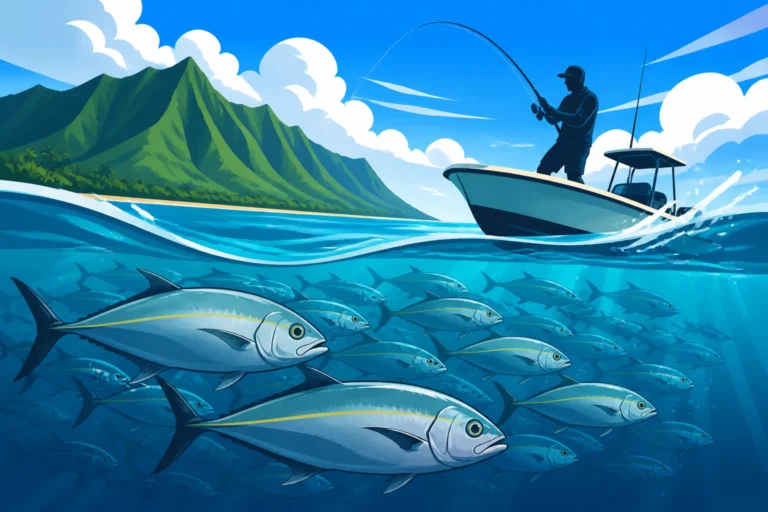
Yes, marlin do spend a significant amount of time near the surface, especially when conditions are right for hunting. This is often what we dream of: seeing that dorsal fin and bill break the water, signaling an impending strike. During periods of lower light, such as dawn and dusk, or when there's a strong current pushing bait schools to the upper layers, marlin will actively patrol just below the surface. They’re often looking for easy targets like schooling tunas, mahimahi, or even flying fish, which tend to be more vulnerable closer to the light.
Imagine a calm morning off the Kona Coast, the sun just beginning to warm the ocean. You might be trolling a spread of lures, and suddenly, a massive blue marlin erupts behind your boat, crashing into a daisy chain just a few feet below the surface. This isn't random; the marlin was likely cruising the top 50 feet or so, taking advantage of the favorable light conditions and the presence of bait. They use their incredible eyesight and speed to ambush prey, and the surface zone provides ample opportunity when bait is concentrated there. It’s also where they might come to "warm up" or regulate their body temperature after deeper dives.
The Thermocline and Beyond
While the surface gets all the glory, a significant portion of a marlin's daytime hunting happens around the thermocline. The thermocline is that magical boundary layer in the ocean where the water temperature changes rapidly with depth. Below it, the water gets much colder. This layer is an absolute magnet for baitfish and, consequently, for the predators that feed on them. For marlin, especially the larger blues and striped marlin, the thermocline often acts as a highway or a gathering point for forage.
Depending on the time of year and specific oceanographic conditions, the thermocline off Hawaii can be anywhere from 100 feet to 500 feet deep, or even deeper. Marlin will often patrol these depths, moving up and down to follow bait schools that are themselves influenced by the thermocline. They might dive below it to hunt or use its cooler waters for comfort, only to shoot up through it for a quick strike on bait pushed above. Advanced sonar units, like those you can find on Amazon, become invaluable tools for charter captains seeking to identify these crucial temperature breaks and the bait schools holding there. Understanding What water temperature marlin prefer is deeply intertwined with understanding thermocline behavior.
Diving for Deeper Delicacies
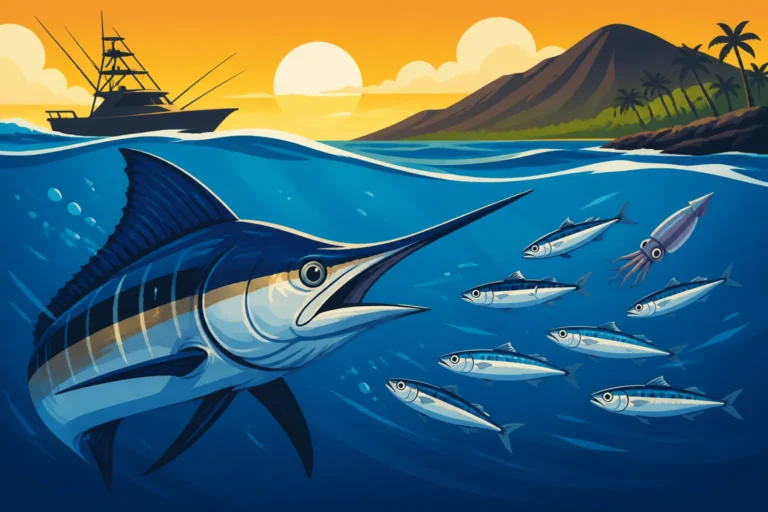
It might surprise some, but marlin are incredibly adept at diving to astonishing depths during the day, far beyond what most recreational anglers might target. Research has shown that marlin, particularly blue marlin, can make regular forays into waters several hundred feet deep, and sometimes even over a thousand feet, in pursuit of prey. They don't just stay in the top 100 feet. These deeper dives are usually spurred by the presence of large squid, deepwater tuna species, or other substantial prey that prefer the cooler, darker depths.
Consider a situation where surface activity is slow. A smart captain might start watching their fish finder not just for bait balls, but for larger, deeper marks that could indicate marlin holding in the thermocline or even below it, perhaps feeding on a school of deep-dwelling opelu or akule. While these deep dives might be for feeding, they're not necessarily where the marlin will stay all day. They are often power-feeding events, followed by a return to shallower waters. This dynamic behavior highlights just how versatile and adaptable these fish are in their search for food.
Factors Influencing Marlin Depth Preferences
Marlin aren't just swimming aimlessly; their depth choices are strategic, driven by instinct and immediate environmental cues. If you want to increase your odds, it’s crucial to think like a marlin, or at least understand what influences their decisions. Knowing these factors can help you adjust your How to Catch Marlin off the Kona Coast strategies throughout the day.
Baitfish Presence and Movement
By far the most critical factor dictating a marlin's depth is the location and behavior of its prey. Marlin are opportunistic predators, and they will go where the food is. If schools of skipjack tuna (aku), opelu, or mahimahi are concentrated near the surface, that's where the marlin will be. If those baitfish are holding deeper, perhaps pushed down by currents, temperature, or even other predators, then the marlin will follow them down.
Think about the vast schools of baitfish that can congregate around FADs (Fish Aggregating Devices) or natural underwater structures off the Hawaiian Islands. Often, these baitfish form dense schools that extend hundreds of feet vertically in the water column. A marlin might patrol the edges of such a school, darting in to pick off stragglers or launch an explosive attack right through the middle. Understanding How baitfish schools affect Kona marlin fishing is paramount. For instance, if you're marking bait at 200 feet, running your lures just above that depth might be more effective than simply dragging them on the surface. Many successful anglers use high-quality marine binoculars, easily purchased from Amazon, to spot diving birds or surface disturbances that often signal baitfish activity, guiding them to the right general area.
Water Temperature and Thermoclines
We touched on the thermocline earlier, but it deserves a deeper dive (pun intended!) into its role. Marlin, like all fish, are cold-blooded and are sensitive to water temperature. Each species has a preferred temperature range. While they can tolerate brief excursions into colder waters for feeding, they generally prefer to stay within their comfort zone, which tends to be warmer. The thermocline often acts as a thermal barrier, concentrating baitfish above it, below it, or right within it, depending on the species of bait and the overall ocean conditions.
A strong, well-defined thermocline can be a game-changer. It’s like a ceiling for warm-water baitfish and a floor for colder-water species. Marlin will often use this boundary to their advantage, ambushing prey as it tries to cross this temperature barrier. On days when the surface water is exceptionally warm, marlin might retreat to the cooler waters just below the thermocline to regulate their body temperature, only surfacing for quick dashes to feed. This is particularly true for blue marlin, which prefer slightly cooler offshore waters compared to some other pelagic species.
Light Levels and Oceanographic Features
Light penetration also plays a significant role in marlin depth. During bright midday hours, especially in clear Hawaiian waters, the surface can offer little cover for ambushing prey. In such conditions, marlin may retreat to deeper, dimmer waters where they have a tactical advantage, using the lower light to camouflage themselves. Conversely, at dawn and dusk, or on overcast days, they might be more inclined to hunt closer to the surface.
Beyond light, underwater topography and oceanographic features like current lines, seamounts, ledges, and deep canyons are critical. Marlin are often found patrolling these areas, using them as ambush points or as navigation routes. A deep-sea ridge that rises from 1,000 feet to 500 feet, for example, can create upwellings of nutrient-rich water, attracting baitfish and, inevitably, marlin. These features act as structure in an otherwise boundless ocean, providing specific locations where both predator and prey can congregate. Best sonar settings for finding structure off Kona are vital for identifying these underwater hotspots.
Strategies for Targeting Marlin at Various Depths
Knowing where marlin could be is one thing, but knowing how to target them at those depths is where skill and the right equipment come into play. Adaptability is the name of the game when it comes to How to Catch Marlin off the Kona Coast.
Surface Trolling and Lure Selection
This is the most iconic and often the most exciting way to target marlin. When marlin are actively feeding near the surface, a spread of well-presented trolling lures can be incredibly effective. Lures mimic baitfish or squid, and when pulled at the right speed, they create an enticing commotion. The typical spread might involve lures run on the long rigger, short rigger, shotgun, and flat lines, covering different positions in the wake.
For surface trolling, you'll want lures that track well, create a good smoke trail, and can withstand violent strikes. Colors can matter too, with captains often having their "lucky" combinations. Heavy-duty tackle is essential, often 80-pound or even 130-pound class outfits, to handle the immense power of a marlin. While many offshore shops specialize in these, you can also find a wide array of high-quality trolling lures, teasers, and even complete rigging kits on Amazon, which can be a great resource for both beginners and experienced anglers looking to experiment. Best Lures for Marlin Trolling off Kona often include vibrant colors and specific head shapes designed to push water and create commotion.
Downriggers and Dredges for Mid-Water
When marlin are holding a bit deeper, perhaps around the thermocline at 100 to 300 feet, surface trolling alone might not cut it. This is where specialized gear like downriggers and dredges become indispensable. A downrigger uses a heavy lead ball to carry your bait or lure down to a precise depth, far below where standard trolling lines would run. Your fishing line is temporarily clipped to the downrigger release, and when a fish strikes, the line releases, allowing you to fight the fish directly.
Dredges are another fantastic tool for mid-water targeting. These are large, umbrella-like rigs adorned with dozens of artificial squids, baitfish, or even natural baits, designed to create the illusion of a massive school of baitfish. They don't typically have a hook but rather serve as a giant teaser, drawing marlin up from the depths to investigate. Once a marlin approaches the dredge, you can then pull it in and present a hooked bait or lure to the excited fish. This technique is highly effective at bringing otherwise unseen marlin up into your fishing zone.
Live Baiting and Deep Dropping
For those truly deep-holding marlin, or when targeting a specific, marked fish on the sonar, live baiting and deep dropping are powerful techniques. Live baiting involves slow-trolling or drift-fishing with a large, frisky live bait such as a skipjack tuna, mahimahi, or even a large mackerel scad. These baits are often presented on heavy tackle, sometimes with balloons to keep them at a specific depth, or with small lead weights to get them down deeper. The erratic movement and natural scent of live bait can be irresistible to a reluctant marlin.
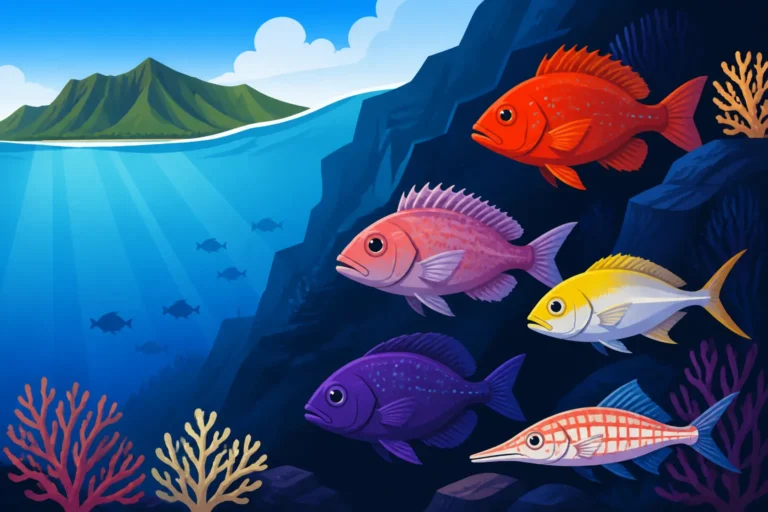
Deep dropping, while more commonly associated with bottom fishing for species like opakapaka and onaga, can also be adapted for marlin, especially if they are observed feeding on deep-dwelling prey. This involves sending large, weighted baits, often whole tunas or large squid, down to significant depths using electric reels. It's a highly specialized technique that requires robust gear and a good understanding of current and drift, but it can be incredibly effective for enticing a bite from a marlin that isn't interested in a surface presentation. Some of the most advanced electric reels and deep-dropping rigs are available through specialist marine suppliers or online marketplaces like Amazon.
Here's a quick comparison of common marlin fishing methods and their target depths:
| Method | Primary Target Depth Range (Approx.) | Conditions Best Suited For | Advantages | Disadvantages |
|---|---|---|---|---|
| Surface Trolling | 0 – 50 feet | Active surface bite, calm seas, dawn/dusk | Visually exciting, covers large areas quickly | Less effective when fish are deep, weather dependent |
| Downrigger Trolling | 50 – 300 feet | Marlin around thermocline, deeper bait schools | Precise depth control, targets specific depths effectively | Slower presentation, more equipment to manage |
| Dredge Teasing | 50 – 200 feet | Drawing fish up from mid-water, creating a baitball illusion | Highly effective for attracting attention, less invasive | Not a direct fishing method (used with other baits), requires specific setup |
| Live Bait Trolling/Drift | 0 – 500 feet (with weights/balloons) | Finicky fish, when marlin are focused on natural prey | Highly enticing to marlin, natural presentation | Requires fresh live bait, can be slow, limited range |
| Deep Dropping | 500 – 1500+ feet | Targeting specific deep marks, very deep feeding behavior | Can reach fish no other method can | Very specialized, expensive equipment, slow retrieve, less common for recreational marlin fishing |
Understanding Daily and Seasonal Patterns
Marlin behavior, including their preferred depths, isn't static throughout the day or even the year. Recognizing these patterns can give you a significant edge, helping you predict when and where these magnificent fish might be encountered. This is part of the art of Best Time of Year to Fish in Hawaii for marlin.
Dawn and Dusk Feeding Frenzies
Just like many other predators, marlin are often most active and aggressive during periods of low light. The hours around dawn and dusk, when the sun is low on the horizon, provide optimal hunting conditions. During these times, baitfish are often more vulnerable as they move between their nighttime and daytime holding patterns, and the reduced light penetration near the surface allows marlin to hunt more effectively without being silhouetted.
It's not uncommon to see marlin activity, such as crashing surface strikes or aggressive lure attacks, peak during these windows. This is often the time when they might be found shallower, actively patrolling the upper water column. A good captain will have their spread in the water well before sunrise and will keep fishing aggressively until after sunset, knowing these are prime times for a trophy bite. Many successful Best charters targeting marlin at the 100-fathom line often start their day at the crack of dawn, or earlier, to take advantage of these patterns.
Midday Lulls and Deeper Retreats
As the sun climbs higher and light penetrates deeper into the water column, marlin activity near the surface can sometimes slow down. During the bright midday hours, especially on clear, calm days, marlin might retreat to deeper waters, seeking the comfort of the thermocline or the cover of greater depths. They might become more lethargic or simply less willing to chase fast-moving surface lures in the glaring sunlight.
This isn't to say you can't catch marlin at midday; spectacular bites can happen at any time. However, smart anglers might adjust their tactics during these hours. This could mean switching to downriggers to target deeper fish, or slowing down their troll speed to give a less aggressive fish more time to react. Sometimes, simply running different baits or lures deeper in the spread can make all the difference when the fish are less inclined to come to the surface. It's all about adapting to what the ocean is telling you.
Seasonal Shifts and Migratory Depths
Marlin are highly migratory fish, and their presence and preferred depths can vary significantly with the seasons. While Hawaii boasts year-round marlin fishing, certain times of the year see larger numbers or specific species arriving. For example, blue marlin tend to be more prevalent in Hawaiian waters during the warmer summer months, while striped marlin might be more common in the cooler parts of the year. These migrations are directly tied to the availability of their primary food sources.
When vast schools of tuna or other pelagic baitfish move through Hawaiian waters as part of their own migrations, marlin will follow. The depth at which these baitfish travel will, in turn, influence the depths at which the marlin are encountered. Understanding broader marlin migration patterns around Hawaii can provide valuable clues about where to start looking and at what depths. A captain who has fished the same waters for decades will have an intimate knowledge of these seasonal patterns and can adjust their fishing strategy, including target depths, accordingly. This experience is invaluable in a place like Kona, where the deep-sea fishing tradition runs strong.
By truly understanding that marlin don't just stay in one depth zone all day, but actively move through the water column in response to their environment and feeding opportunities, you can become a more adaptable and ultimately more successful angler. It’s a complex dance with a magnificent creature, and every piece of knowledge helps you lead.
Disclaimer
This article is for general informational purposes only and does not constitute professional advice. Laws, prices and regulations vary by location and change over time. Consult a qualified professional for guidance on your specific situation.