Is Ono Good to Eat?
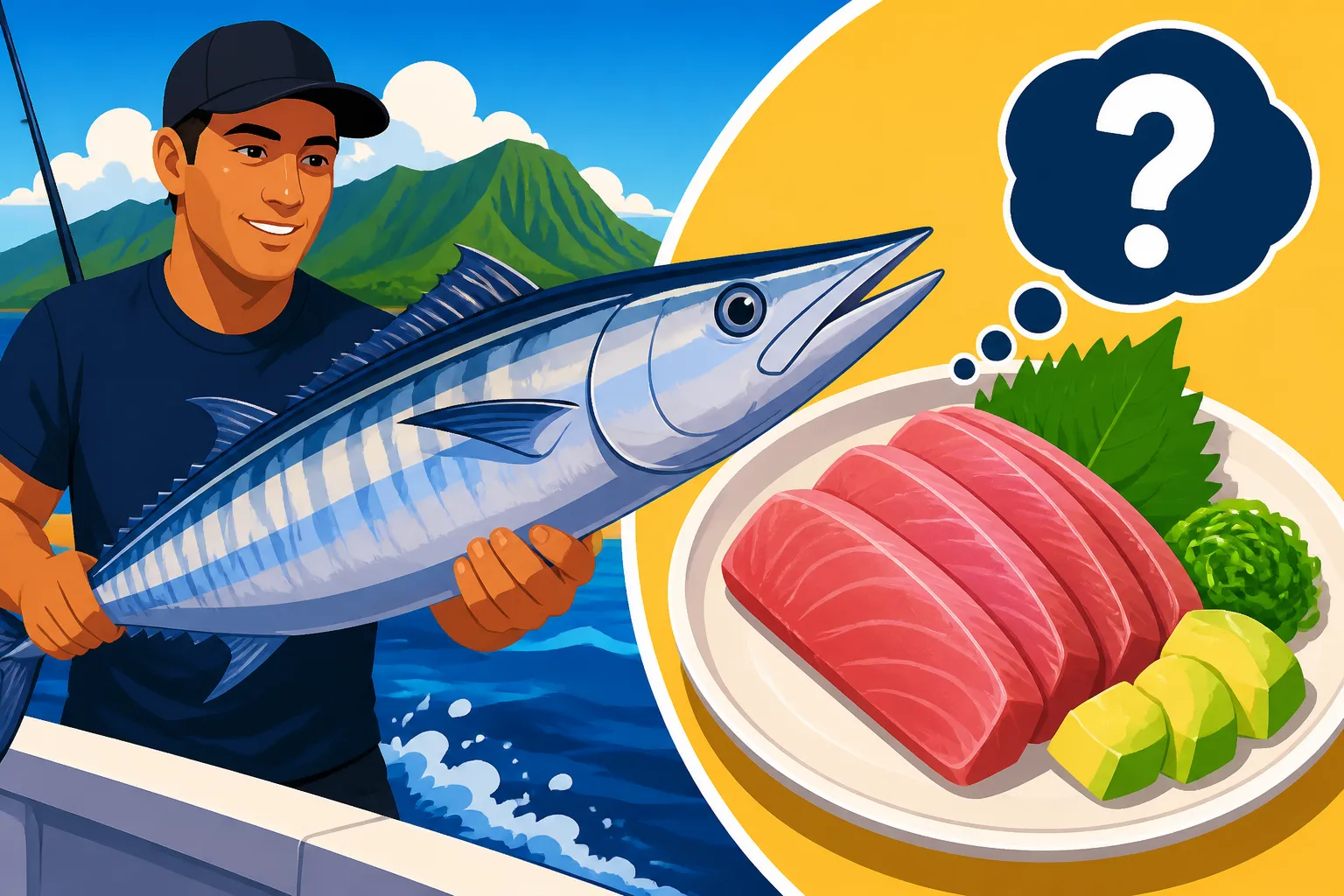
After a thrilling day on the water fishing in Hawaii, you've landed a beautiful ono, also known as wahoo, and now the big question looms: "Is ono good to eat?" It's a valid query, especially when you're looking to turn your fresh catch into a delicious meal. This guide will dive deep into everything you need to know about the culinary appeal of ono, from its exquisite flavor and texture to the best ways to prepare it, ensuring your hard-earned catch becomes a memorable dish.
The Verdict on Ono: A Culinary Delight from Hawaiian Waters
Let's cut right to the chase: absolutely, ono is good to eat, and in fact, it's often considered one of the finest fish in Hawaiian waters for its table fare. Known for its distinct flavor and firm, flaky white meat, ono is a prized catch among both recreational anglers and commercial fishermen alike. The excitement of reeling in one of these fast, powerful fish is truly matched only by the anticipation of tasting its succulent flesh. Many visitors to the islands dream of catching a prized pelagic species, and when they do, bringing it back to prepare is the ultimate experience.
Ono translates to "delicious" in Hawaiian, and it's no accident this speedy predator carries such a fitting name. When you see it on a menu or catch it yourself, you're looking at a fish that delivers a consistent, high-quality dining experience. The experience of savoring a freshly prepared piece of ono, perhaps caught earlier that day on an offshore trolling trip, is one of the quintessential flavors of the islands. It's a fish that holds its own against other highly sought-after pelagic species, both in terms of the fight it puts up and the feast it provides.
Flavor Profile and Texture: What to Expect
The flavor of ono is often described as mild, slightly sweet, and clean, without a strong "fishy" taste that can sometimes deter those new to seafood. This makes it an incredibly versatile fish for a wide range of palates, even for those who might be a bit wary of stronger-flavored seafood. Its gentle taste allows it to absorb and complement various seasonings and marinades beautifully, rather than being overpowered by them. You'll find it pairs wonderfully with both simple preparations and more complex, aromatic sauces.
In terms of texture, ono is remarkably firm and dense, yet it flakes apart easily when cooked properly. It has a lean, white meat that holds together well, making it ideal for grilling, searing, or even smoking. Unlike some more delicate white fish that can fall apart on the grill, ono stands up to heat with grace, maintaining its structural integrity. This robust texture is one of its most appealing qualities, offering a satisfying bite that is both meaty and tender. It’s a texture that signifies freshness and quality, a true testament to its life in the pristine ocean waters.
Many compare ono's texture to that of swordfish, though often a bit less "steak-like" and more flaky, or even to a very firm mahimahi, but with a more refined and less pronounced flavor. This makes it a fantastic substitute for a variety of recipes where you might typically use a firmer white fish. Whether you're a seasoned chef or a home cook, you’ll appreciate how forgiving and consistent ono is to work with, delivering a delicious result almost every time.
Nutritional Powerhouse: Health Benefits of Eating Ono
Beyond its fantastic taste, ono is also a remarkably healthy choice for your dinner plate. It's packed with lean protein, making it an excellent option for those looking to build muscle or maintain a healthy diet. A single serving can provide a significant portion of your daily protein needs without adding excessive calories or unhealthy fats. This makes it a smart choice for athletes, health-conscious individuals, or anyone simply trying to eat a more balanced diet.
Ono is also a good source of essential vitamins and minerals that are crucial for overall health. You’ll find a beneficial amount of B vitamins, particularly B12, which is vital for nerve function and red blood cell formation. It also contains minerals like selenium, which acts as an antioxidant, and potassium, important for heart health. Incorporating fish like ono into your diet several times a week can contribute significantly to your overall well-being.
One of the most celebrated health benefits of eating fish like ono is its content of Omega-3 fatty acids. While not as high in Omega-3s as fattier fish like salmon or ahi, ono still contributes valuable amounts of these beneficial fats. Omega-3s are renowned for their anti-inflammatory properties and their role in supporting heart health, brain function, and even vision. So, when you're enjoying a delicious piece of ono, you're not just treating your taste buds; you're nourishing your body with vital nutrients that contribute to a healthy lifestyle.
Preparing Ono for the Plate: From Catch to Kitchen
The journey of ono from the ocean to your plate is a crucial one. Proper handling immediately after the catch makes all the difference in preserving its quality and ensuring that delicious flavor shines through. Many anglers who fish for Ono (Wahoo) Fishing in Hawaii understand that the care taken onboard directly translates to the quality of the meal later. Knowing how to prepare your fish is just as important as knowing how to catch it, especially with a prize like an ono.
Handling Your Fresh Catch: Ensuring Quality
When you land an ono, the first and most critical step is to bleed it properly and immediately. This process involves making a quick, clean cut to the gill arch or severing the caudal artery near the tail. Bleeding removes blood from the flesh, which significantly improves the taste, texture, and shelf life of the fish. If blood is left in the meat, it can lead to a stronger, sometimes metallic, flavor and a softer texture. This simple step is non-negotiable for serious anglers wanting the best eating experience.
After bleeding, the fish should be immediately immersed in an ice slurry. This means a mixture of ice and saltwater (or freshwater if saltwater isn't available) that keeps the fish cold and prevents spoilage. Chilling the fish rapidly slows bacterial growth and helps firm up the meat. For those targeting Hawaii Pelagic Species Bag Limits, bringing a large cooler filled with ice is always a priority. If you're on a charter, they'll usually take care of this for you, but if you're out on your own boat, make sure you're prepared. You can find quality coolers and all the necessary filleting knives on platforms like Amazon, ensuring you're ready to handle your catch correctly from the moment it comes aboard.
Once you're back on shore, filleting the ono cleanly and efficiently is the next step. A sharp, flexible fillet knife is essential for getting good, boneless cuts. Take your time, familiarize yourself with the anatomy of the fish, and try to maximize your yield. Properly filleted ono can then be portioned, vacuum-sealed, and frozen for later enjoyment, or kept fresh in the refrigerator for immediate use. Just remember, the fresher the better when it comes to any fish.
Best Cooking Methods to Enhance Ono's Flavor
Ono’s firm, white flesh lends itself beautifully to a variety of cooking methods, each bringing out different nuances of its mild, sweet flavor. One of the most popular and straightforward ways to prepare ono is grilling. Whether you're using a gas grill, charcoal, or even a grill pan, a hot fire sears the outside, creating a delicate crust while keeping the inside moist and flaky. Marinate it lightly with olive oil, lemon juice, salt, and pepper, or try a simple Hawaiian-inspired marinade with soy sauce, ginger, and garlic.
Pan-searing is another excellent method, especially for those who prefer to cook indoors. A hot skillet with a touch of oil will give you a beautiful golden-brown crust. Cook for just a few minutes per side until it’s opaque throughout. This method works wonderfully when paired with a fresh salsa or a light butter-lemon sauce. Many home cooks swear by cast iron pans for that perfect sear, and you can easily find high-quality options and gourmet cooking oils for delicate fish preparation on Amazon.
Beyond grilling and searing, baking or broiling ono in the oven provides a gentler cooking approach. This is ideal if you want to infuse the fish with more flavors from herbs, vegetables, or a creamy sauce. Ono can also be fantastic when lightly smoked, absorbing a wonderful smoky aroma that complements its natural sweetness. For a truly local experience, don't shy away from trying it as poke if it's super fresh. While Ahi (Yellowfin Tuna) Fishing in Hawaii is often synonymous with poke, thinly sliced ono can also make an incredible, unique poke with soy sauce, sesame oil, and green onions. The possibilities are truly endless, catering to almost any culinary preference you might have.
Ono vs. Other Hawaiian Favorites: A Taste Comparison
Hawaii's waters are teeming with incredible fish, each offering a unique culinary experience. When you're talking about pelagic species, ono often finds itself in the company of other local superstars like ahi (yellowfin tuna) and mahimahi. While all are highly prized, they each bring something different to the table in terms of flavor and texture, which is important to consider when planning your meal. Understanding these differences can help you appreciate ono even more.
| Feature | Ono (Wahoo) | Ahi (Yellowfin Tuna) | Mahimahi (Dorado) |
|---|---|---|---|
| Flavor | Mild, slightly sweet, clean | Rich, meaty, distinct umami | Moderately strong, sweet, distinctive |
| Texture | Firm, lean, flaky, white | Very firm, dense, steak-like, red/pink | Medium-firm, flaky, moist, white/off-white |
| Fat Content | Lean | Moderate to High (rich in Omega-3s) | Low to Medium |
| Best Cooked | Grilled, seared, baked, broiled, smoked | Seared rare, grilled, poke, sashimi | Grilled, baked, blackened, fried, ceviche |
| Versatility | Very versatile, great with many flavors | Versatile, shines in raw/lightly cooked dishes | Versatile, holds up to strong flavors and spices |
How Ono Stacks Up Against Ahi and Mahimahi
Ahi, particularly yellowfin tuna, is perhaps the most iconic fish from Hawaii, especially known for its use in poke and sashimi. Its flesh is deep red, firm, and boasts a rich, savory, almost beef-like flavor. Unlike ono, ahi is often best enjoyed raw or very lightly seared, maintaining its beautiful ruby color in the center. The fat content in ahi is higher, contributing to its succulent mouthfeel. So, while ono is celebrated for its delicate, flaky qualities, ahi is revered for its robust, meaty richness. Both are phenomenal, but they offer distinctly different dining experiences. If you're looking to broaden your knowledge, you might find Ahi (Yellowfin Tuna) Fishing in Hawaii fascinating.
Mahimahi, also known as dolphin fish (though unrelated to marine mammals), is another popular Hawaiian catch, recognized for its vibrant colors and aggressive fight. When cooked, mahimahi has a moderately firm, flaky white flesh that is moister than ono. Its flavor is a bit stronger and sweeter than ono, but still very pleasant and universally enjoyed. It can sometimes have a slightly more "fishy" aroma when raw compared to ono, but this dissipates beautifully with cooking. Like ono, mahimahi is incredibly versatile and shines on the grill or pan-seared. If you enjoy the bright, clean taste of ono, you’ll likely appreciate mahimahi, but you'll notice a difference in the intensity of its sweetness and moisture content. For those curious about this other popular catch, exploring Mahimahi Fishing in Hawaii can provide more insight.
Ultimately, while ahi, mahimahi, and ono are all fantastic choices from Hawaii’s bountiful waters, ono stands out for its unique combination of mild sweetness, lean profile, and firm, flaky texture. It's truly a fish that can be enjoyed by everyone, whether they're seasoned seafood lovers or just beginning their culinary journey with Hawaiian fish.
The Versatility of Ono in Local Cuisine
One of the great joys of ono is its incredible versatility in the kitchen. Its mild flavor and firm texture make it a blank canvas for a multitude of culinary creations, fitting seamlessly into many different styles of cooking, both traditional Hawaiian and contemporary. Whether you're looking for a quick weeknight dinner or a sophisticated dish for a special occasion, ono can deliver. This is why many chefs and home cooks include it in their repertoire of Best Eating Fish Species From Hawaiian Waters.
For a taste of classic island flavors, ono can be prepared lau lau style, wrapped in taro leaves with other ingredients and slow-cooked to tender perfection. While this is more common with pork or chicken, a well-seasoned piece of ono can be a delightful twist. It also holds up beautifully to tropical fruit salsas featuring mango, pineapple, or papaya, where the sweetness of the fruit and a hint of spice complement the fish's delicate flavor. Imagine a perfectly grilled ono fillet topped with a vibrant mango-lime salsa – a true taste of paradise.
Beyond these island-inspired preparations, ono excels in more global culinary applications. It can be transformed into delicious fish tacos, with shredded cabbage, a creamy sauce, and a squeeze of lime. It makes excellent fish and chips, with a crispy batter coating its flaky interior. For something a bit more adventurous, consider a Mediterranean-style preparation with olives, tomatoes, and capers, or an Asian-inspired dish with ginger, soy, and sesame. The firm texture also means it holds up well in stir-fries or even curries, absorbing the rich flavors without falling apart. The simple act of creating a meal with ono, perhaps with some spices and a new recipe book you picked up on Amazon, can be a wonderful way to experience its breadth of flavor.
Responsible Harvesting of Ono
As anglers and consumers, it's always important to consider the sustainability of the fish we enjoy. For ono, the good news is that populations in Hawaiian waters are generally considered healthy and well-managed. The Hawaii Division of Aquatic Resources (DAR) continuously monitors fish stocks and implements regulations to ensure sustainable fishing practices for all species, including ono. Understanding Hawaii Fishing Regulations Explained and Hawaii Pelagic Species Bag Limits is crucial for any responsible angler.
Commercial and recreational fishermen alike adhere to guidelines that help prevent overfishing. Ono is a fast-growing species with a wide distribution across tropical and subtropical waters, contributing to its resilience. However, responsible fishing practices, such as adhering to bag limits and practicing proper catch and release when appropriate, are always encouraged to maintain these healthy populations for future generations. When you choose to eat ono, you're generally making an environmentally sound choice within the realm of seafood. This commitment to sustainable resources is a shared value among those who cherish Hawaii's oceans.
Disclaimer
This article is for general informational purposes only and does not constitute professional advice. Laws, prices and regulations vary by location and change over time. Consult a qualified professional for guidance on your specific situation.