Ono (Wahoo) Fishing in Hawaii
There's nothing quite like the blur of a wahoo streaking across the surface, especially when you're fishing in Hawaii's incredible waters. But if you've ever felt frustrated trying to consistently hook into these speedsters, you're not alone. Ono are elusive, incredibly fast, and known for their razor-sharp teeth, making them a true challenge for even seasoned anglers. This comprehensive guide is dedicated to helping you unlock the secrets of ono (wahoo) fishing in Hawaii, from understanding their behavior to mastering the best techniques to bring these prized pelagics to the boat.
Understanding the Elusive Ono (Wahoo)
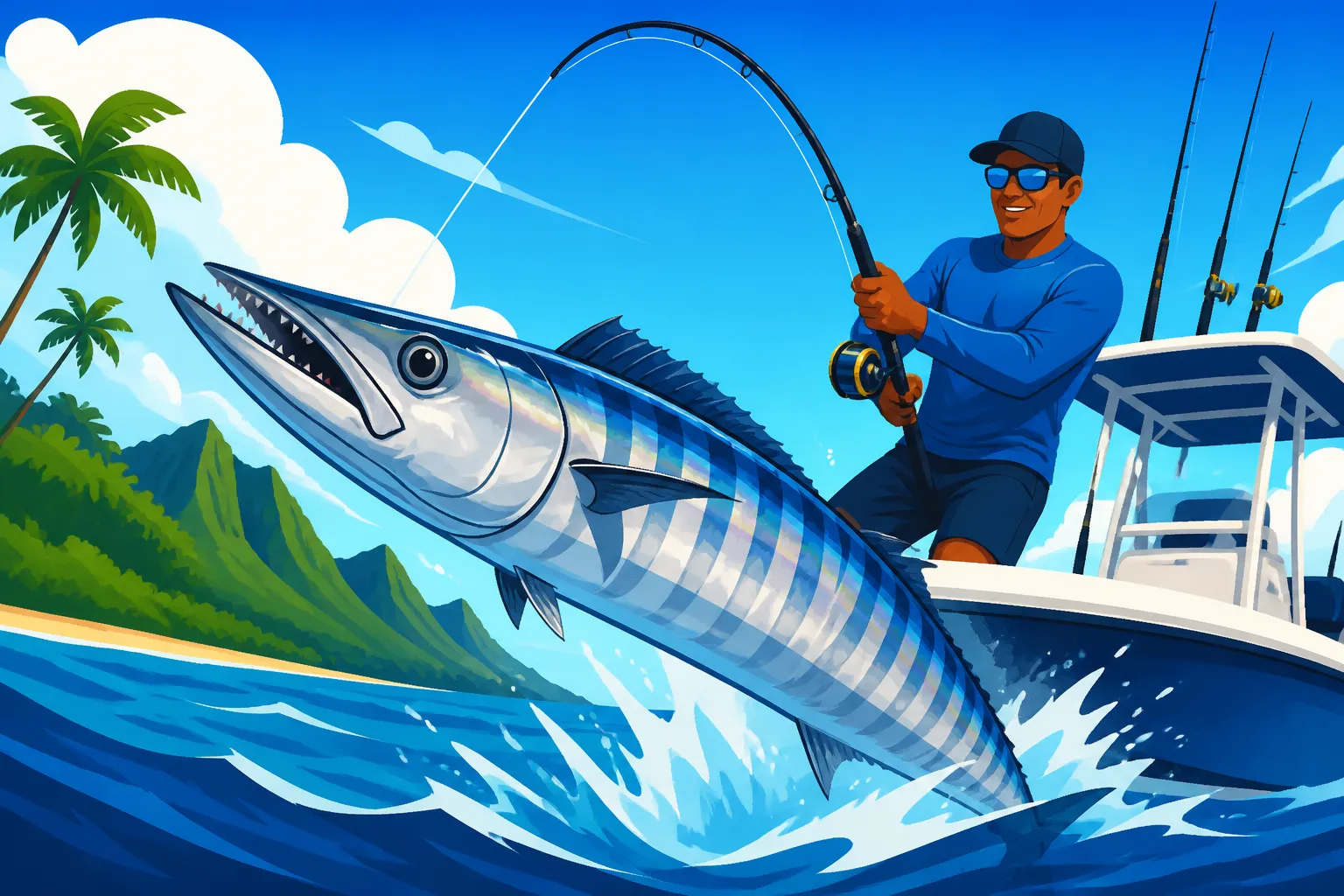
Before you can catch them, you need to understand them. Ono, known scientifically as Acanthocybium solandri, are one of the fastest fish in the ocean, capable of blistering speeds. Their distinctive torpedo-shaped bodies and iridescent blue-green markings make them easily identifiable, but it's their aggressive feeding habits and powerful runs that truly capture an angler's imagination. In Hawaiian culture, "ono" means delicious, and indeed, these fish are highly prized for their firm, white flesh.
The Biology and Behavior of Ono
Ono are solitary hunters for the most part, though they can sometimes be found in small groups, especially around schooling baitfish or offshore structures. They are apex predators in the open ocean, preying on mackerel, squid, and smaller tunas. Their hunting strategy relies heavily on their incredible speed and stealth, often ambushing prey from below or with lightning-fast lateral strikes. This behavior means they respond well to fast-moving lures and baits that mimic their natural prey. Understanding their solitary nature means that while you might pick up one, you often won't find a whole school in the same way you might with ahi (yellowfin tuna).
What makes an ono so formidable is its formidable set of teeth – sharp, conical, and designed for slicing. This is a critical factor for anglers, as light leader lines are often no match for an ono's bite, leading to heartbreaking cut-offs. They tend to patrol currents, temperature breaks, and the edges of underwater structures, making these areas prime targets for anglers. Their migration patterns can be somewhat unpredictable, but they are generally present in Hawaiian waters year-round, with certain seasons seeing increased activity.
Why Ono are a Prized Catch in Hawaii
For many anglers, landing an ono is a bucket-list achievement, and for good reason. Beyond the thrilling fight they offer, their reputation as a culinary delight is unmatched. Their flesh is firm, white, and flaky when cooked, with a mild flavor that lends itself to a variety of preparations, from sashimi to grilling. This makes them highly sought after by both recreational and commercial fishermen across the islands.
The challenge of catching an ono also contributes to its status. It's not just about the size of the fish, but the sheer adrenaline rush of seeing one hit a lure at top speed, the line screaming off the reel, and then the careful, strategic fight to bring it boat-side. Success often requires specific gear, honed techniques, and a good understanding of ocean conditions, making each successful catch a testament to an angler's skill and persistence.
Where and When to Target Ono in Hawaiian Waters
Hawaii's waters are rich with pelagic species, and ono are no exception. Knowing where and when to look for them can dramatically increase your chances of success. They are widely distributed throughout the Hawaiian archipelago, but certain areas and times of year tend to be more productive.
Prime Ono Habitats and Locations
Ono are primarily found in offshore waters, often associated with structure, current lines, and temperature breaks. The deep waters around the Big Island, particularly the Kona Coast Fishing Guide, are legendary for their productive ono grounds, thanks to the deep drop-offs and prevailing currents that sweep baitfish past. You'll often find them cruising the 100-fathom line (about 600 feet deep) or shallower, along ledges and seamounts.
Beyond Kona, other islands also offer excellent opportunities. Around Oahu, anglers often find success trolling offshore from areas like the Waianae Coast or the deep channels between Oahu and Molokai. Maui's waters, especially off the coast near Lahaina and Maalaea, can also be productive, particularly where deep water comes close to shore. Look for areas where schools of baitfish are aggregating, or where current rips are visible on the surface. These are highways for ono looking for an easy meal. Best Deep Sea Fishing Spots in Hawaii offers more details on these prime locations.
Best Seasons and Conditions for Ono Fishing
While ono can be caught year-round in Hawaii, their activity tends to peak during the warmer months, roughly from late spring through fall. During this time, the water temperatures are ideal, and baitfish populations are often abundant, drawing in these voracious predators. However, don't rule out the winter months entirely, as a warm spell or favorable currents can still bring them within striking distance.
Beyond the calendar, specific conditions play a huge role. Look for clean, blue water, especially where it meets murkier green water – these "blue water breaks" are often feeding zones. Strong current lines, tide lines, and areas with floating debris (like logs or FADs – Fish Aggregating Devices) can also hold ono. Calm to moderately choppy seas are often preferred, as extremely rough conditions can disperse baitfish and make it harder for ono to hunt. Paying attention to these subtle cues can make all the difference in locating a hungry ono. For more general timing, check out Best Time of Year to Fish in Hawaii.
Essential Gear for the Ono Angler
Taming an ono requires more than just luck; it demands specialized gear designed to withstand their brutal speed and razor teeth. Skimping on tackle will almost certainly lead to disappointment. A solid setup will give you the confidence to tackle these powerful fish.
Rods and Reels for Speed Demons
When it comes to rods, you'll want something with a fast action and medium-heavy to heavy power. A 6 to 7-foot rod is typically ideal for trolling, providing enough leverage for the fight without being unwieldy in the boat. Graphite composite rods are popular for their strength and sensitivity. For reels, a high-quality conventional reel is the standard for offshore trolling for ono. Look for models with a smooth, powerful drag system that can handle sustained runs. Reels in the 30 to 50-pound class are common, capable of holding a substantial amount of line with sufficient breaking strength.
The key here is durability and performance. Ono hit hard and fast, and a sticky drag or flimsy rod can quickly lead to a pulled hook or a broken line. Many experienced anglers invest in top-tier reels that are built to last, often from reputable brands known for their offshore reliability. You can find a wide range of options, from entry-level to professional-grade, by checking out fishing gear suppliers, even online retailers like Amazon can provide a great starting point for comparing models and reading reviews.
Line and Leader Choices
This is perhaps the most critical component when targeting ono. Because of their teeth, a heavy mono or fluorocarbon leader is absolutely non-negotiable. Many anglers opt for a short section (3-6 feet) of heavy monofilament or fluorocarbon leader, in the 100 to 200-pound test range, directly ahead of the lure. This is then connected to a longer, lighter mainline (e.g., 50-80 lb braided line or monofilament) via a heavy-duty swivel or knot.
However, even thick mono can be severed. For serious ono anglers, a wire leader is often the preferred choice, especially if you're experiencing repeated cut-offs. A section of 80 to 150-pound test single-strand wire (Malin or similar) or multi-strand cable leader (like American Fishing Wire) can provide the necessary protection. The length of the wire leader can vary, but typically 12 to 24 inches is sufficient to prevent the ono from biting through your main leader material. Many anglers often check Amazon for bulk spools of wire and high-quality crimps to make their own custom leaders, ensuring the strength and length they need for specific fishing conditions.
Lures That Get Noticed
Ono are visual predators, and fast-trolled lures are incredibly effective. Surface lures that create a lot of commotion and leave a distinct smoke trail are often deadly. Jet heads, chuggers, and bullet-shaped lures in various colors are popular. Dark colors like purple and black, or bright, contrasting colors like green, yellow, pink, and chartreuse, are often favorites. Size matters too; lures ranging from 6 to 12 inches are typically effective, mimicking the baitfish they feed on.
Soft plastic skirted lures over a lead head, often rigged with a stinger hook, are also very productive. The key is to run your lures at speeds that make them swim erratically, mimicking an injured baitfish. Different lure shapes perform best at different speeds, so having a selection and experimenting is crucial. You might find that a particular style of lure from a brand like Iland Lures or Zuker's lures consistently produces. Having a good variety is important, and browsing online marketplaces like Amazon can reveal new and popular lures that other anglers are having success with, often with reviews to guide your purchase.
Natural Baits for Ono
While lures are often the go-to for trolling, natural baits can also be highly effective, especially when dead drifting or slow trolling. Live bait, if you can get it, is king. Small tunas, mackerel, or large scads (opelu or akule) can be irresistible to a hungry ono. These baits are typically rigged through the nose or dorsal fin with a heavy-duty single hook, and often with a stinger hook further back for short-striking fish.
Dead baits, such as Spanish mackerel, ballyhoo, or small tunas, can also work wonders when rigged correctly to swim naturally behind the boat. Pin-rigging ballyhoo is a classic technique, creating a streamlined bait that can be trolled at speed. The key with natural baits, live or dead, is presentation. They need to look alive and appealing to trigger an ono's predatory instincts. Ensure your rigging is solid, as an ono's strike is powerful enough to tear poorly rigged bait.
Top Techniques for Landing Ono
Catching ono is an art form that combines speed, precision, and an understanding of ocean dynamics. These fish demand specific techniques to entice them and then the right strategy to bring them to the boat.
High-Speed Trolling for Ono
High-speed trolling is hands down the most popular and often most effective method for targeting ono in Hawaii. This technique involves pulling lures at speeds ranging from 7 to 15 knots, or even faster, depending on the lure and sea conditions. The idea is to cover a lot of water quickly and present lures that mimic fleeing prey, triggering the ono's chase instinct. Your trolling spread will typically consist of several lines, each with a different lure, set at varying distances behind the boat.
A common spread might include heavier, deeper-running lures closer to the boat and lighter, surface-skimming lures further back. Outriggers are invaluable for spreading your lines and preventing tangles, especially when making turns or in choppy seas. Keep a keen eye on your rod tips and the surface; an ono strike is often violent and unmistakable, with the line screaming off the reel as the fish bolts. For a deeper dive into pelagic trolling, see Trolling Techniques for Hawaii Pelagics.
Jigging for Ono
While less common than trolling, jigging can be a highly effective method for ono, particularly if you locate a school or find them holding around specific structure. Vertical jigging with heavy metal jigs (often 6 to 12 ounces or more) can entice strikes from deeper-holding fish. Drop the jig to the desired depth and then work it back up with a rapid, erratic retrieve, mimicking a wounded baitfish.
Speed jigging, where you crank the reel as fast as possible while simultaneously lifting and dropping the rod, can be incredibly productive. Ono are attracted to fast-moving, flashy presentations. The key to successful jigging is finding where the fish are holding, often using your boat's sonar, and then presenting the jig in their strike zone. Be ready for a brutal hit, as ono will often attack a jig with incredible force.
Live Baiting and Slow Trolling
When ono are picky or scattered, live bait can often out-produce artificial lures. Slow trolling or drifting with live bait is a patient but rewarding technique. This involves presenting a lively baitfish, such as an opelu or scad, on a heavy leader at a very slow speed, or allowing it to drift naturally with the current. The natural movement and scent of live bait are often irresistible.
When slow trolling, keep your boat speed just fast enough to keep the bait swimming naturally, usually around 1-3 knots. Use your boat's electronics to identify bait schools or areas of structure where ono might be lurking. When drifting, cover different depths by varying the amount of line you let out, or by adding a small sinker to get the bait down. This method often requires more finesse but can yield larger, less pressured fish that might ignore traditional lures.
Landing and Handling Your Ono Catch
Once you've hooked an ono, the battle is far from over. Their incredible speed, powerful runs, and sharp teeth make landing them a challenge. Proper handling is also crucial for safety and for preserving the quality of the fish.
The Fight and Bringing it to the Boat
The initial strike from an ono is often explosive – a screaming drag and a rod tip burying towards the water. Let the fish run, keeping steady pressure. Resist the urge to crank against a screaming drag, as this can lead to pulled hooks or broken lines. Once the initial run subsides, you'll need to pump the rod and reel to gain line, using the boat's movement to your advantage if you're trolling. Ono often make multiple powerful runs, so be prepared for a sustained fight.
As the fish gets closer to the boat, be wary of their last-ditch efforts. They'll often make another surge when they see the boat. Keep the rod tip up, maintain pressure, and communicate with your boat captain if you're on a charter. Bringing the fish to the gaff is a critical moment. The person on the gaff needs to be ready, experienced, and decisive. A well-placed gaff shot ensures the fish is secured quickly and safely. How to Catch Ono on the Troll delves into more specific fight dynamics.
Safe Handling and Processing for Quality
Once the ono is onboard, safety is paramount. Their sharp teeth can inflict serious injury. Many experienced anglers will use a fish bat or "priest" to quickly subdue the fish with a precise strike to the head, minimizing thrashing and potential harm. Once calmed, the fish should be immediately bled out by cutting the gills or severing the caudal artery near the tail. This improves the meat quality significantly.
After bleeding, the fish should be placed in an ice-filled cooler or fish box. Rapid cooling is essential to prevent spoilage and maintain the firm texture and delicate flavor that ono is prized for. If you're on a multi-day trip or have a large catch, gutting the fish before icing can further enhance preservation. Proper handling from hook-up to cooler ensures that your delicious ono will be at its best when it reaches the dinner table. Is Ono Good to Eat? discusses why this processing is so vital.
Ono Conservation and Regulations in Hawaii
Responsible fishing practices are vital to ensure the long-term health of Hawaii's ono population. Understanding and adhering to local regulations is not just about legality, it's about being a good steward of the ocean.
Hawaii's Regulations for Ono (Wahoo)
In Hawaii, the Division of Aquatic Resources (DAR) under the Department of Land and Natural Resources (DLNR) sets regulations for marine species, including ono. While ono are typically plentiful, it's always important to check the current Hawaii Bag and Size Limits by Species for specific regulations. Generally, there aren't restrictive size or bag limits for ono compared to some other reef or bottomfish species, given their pelagic nature and typically healthy populations.
However, regulations can change, and it's your responsibility as an angler to stay informed. This includes understanding general marine fishing license requirements, even if you're on a chartered boat where the captain's commercial license often covers the passengers. Always carry your valid fishing license if required, and consult the latest DLNR publications before heading out. Hawaii Fishing Regulations Explained provides an excellent overview of the legal framework.
Ethical Angling Practices
Beyond legal requirements, ethical angling practices contribute to a sustainable fishery. This includes practicing catch and release judiciously, especially if you've already met your family's needs for dinner. If releasing an ono, do so quickly and with minimal stress to the fish. Avoid bringing large fish into the boat unless absolutely necessary, and use de-hooking tools to minimize handling.
Another aspect of ethical angling is minimizing bycatch. If you're consistently catching non-target species, consider changing your lure, bait, or fishing location. Respect other anglers and ocean users, and always dispose of your trash properly. The ocean is a shared resource, and our actions as anglers directly impact its health and future.
Common Challenges and Troubleshooting in Ono Fishing
Even with the right gear and techniques, ono fishing can be challenging. These fish are notorious for their evasive tactics and their ability to get off the hook. Understanding common problems and how to troubleshoot them will help improve your success rate.
Dealing with Cut-Offs and Line Failure
Nothing is more frustrating than a powerful strike followed by a sudden slack line and the realization that your leader has been cleanly severed. Ono's razor-sharp teeth are the primary culprit here. If you're experiencing frequent cut-offs, it's a clear sign you need to upgrade your leader material.
Troubleshooting steps include:
- Increase Leader Strength: Go to a heavier monofilament or fluorocarbon leader, perhaps 150-200 pound test.
- Switch to Wire Leader: If mono/fluoro isn't cutting it, literally, then a short section of single-strand or multi-strand wire leader is your best bet. Ensure your crimps are correctly applied.
- Check Lure Rigging: Sometimes the leader is too short, and the ono bites directly into your mainline or swivel. Ensure the leader length provides adequate protection for the entire lure and hook assembly.
- Inspect Your Line: Regularly check your mainline for nicks, abrasions, or weakened spots, especially after a long fight or if it's been exposed to sharp rocks or coral. A compromised line can fail under the intense pressure of an ono strike.
Finding the Fish: When They're Not Biting
Sometimes, despite your best efforts, the ono just aren't around or aren't interested. This can be due to a variety of factors, from changes in water temperature and currents to bait migration. Don't get discouraged; instead, adjust your strategy.
Troubleshooting steps include:
- Vary Your Trolling Speed: Experiment with faster or slower speeds. Sometimes a slight change can make all the difference.
- Change Lure Colors/Styles: If what you're running isn't working, switch it up. Try different colors, sizes, or lure types (e.g., from jet heads to chuggers).
- Cover More Ground: If a specific area isn't producing, don't be afraid to move. Troll along different depth contours, current lines, or explore new seamounts.
- Look for Signs of Life: Keep an eye out for diving birds, baitfish breaking the surface, or even debris in the water. These are often indicators of feeding activity that can attract ono.
- Check Ono Habits and Feeding Behavior: Revisit the basics of what they typically do to refine your search pattern.
Navigating Challenging Ocean Conditions
Hawaii's ocean can be unpredictable, and rough seas or strong currents can make ono fishing difficult and even dangerous. It's crucial to prioritize safety, but also to understand how conditions affect fishing.
Troubleshooting steps include:
- Adjust Boat Speed and Direction: In rough seas, you might need to slow down your trolling speed to keep lures running true and to ensure crew comfort. Trolling directly into or with waves can be more stable than broadsiding them.
- Use Heavier Lures: Heavier lures will help maintain depth and stability in strong currents or choppier water, preventing them from blowing out of the water.
- Stay Safe: If conditions are too severe, don't risk it. There's always another day to fish. Ensure all safety equipment is on board and functioning, as detailed in Hawaii Boating Laws for Anglers.
- Focus on Protected Areas: In very windy conditions, sometimes fishing the lee (downwind side) of an island can offer calmer waters, though this might not always be prime ono territory.
Ono fishing in Hawaii is an exhilarating pursuit that combines raw power, strategic thinking, and the stunning beauty of the open ocean. With the right knowledge, gear, and a healthy dose of persistence, you too can experience the thrill of battling and landing one of Hawaii's most iconic and delicious game fish.
Disclaimer
This article is for general informational purposes only and does not constitute professional advice. Laws, prices and regulations vary by location and change over time. Consult a qualified professional for guidance on your specific situation.