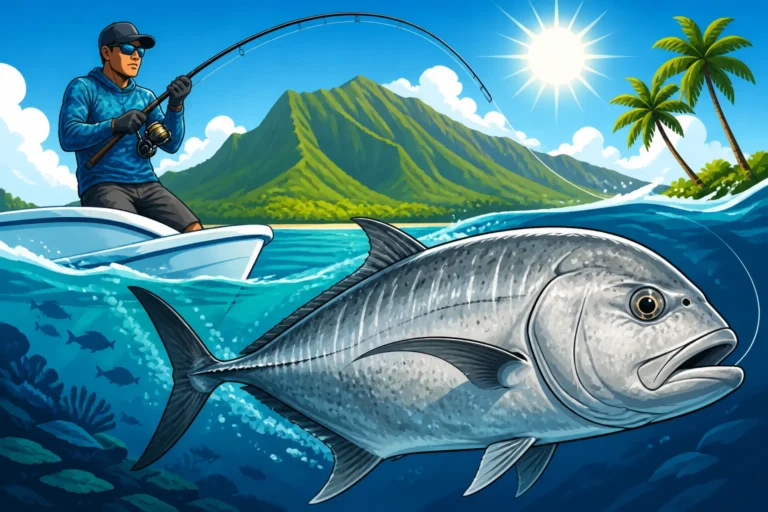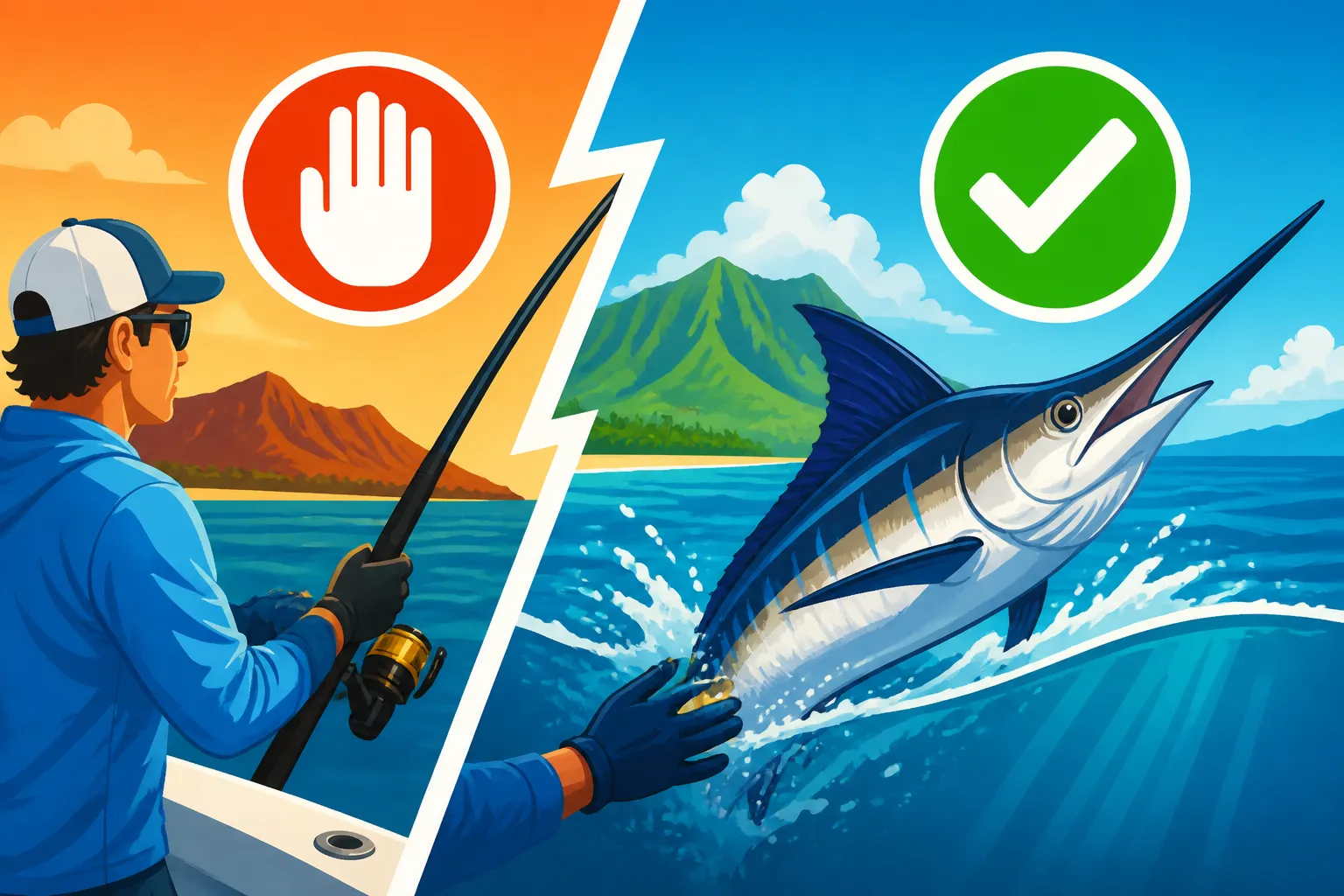
Is It Legal to Release a Marlin You Catch in Hawaii?
There's a common question that swirls around the docks and fishing forums across the islands: if you're out chasing those magnificent Pacific giants, is it truly legal to release a marlin you've caught in Hawaiian waters? Many anglers worry about breaking some obscure rule, especially when they just want to enjoy the sport and ensure these incredible fish continue to thrive. This guide will dive deep into Hawaii's fishing regulations to clarify the rules around marlin catch-and-release, helping you fish with confidence and respect for these apex predators.
Understanding Hawaii's Marlin Fishing Regulations
When you're out on the deep blue waters off Hawaii, especially when targeting majestic marlin, it's easy to feel a world away from regulations. But even miles offshore, the rules of responsible fishing apply. Hawaii's Division of Aquatic Resources (DAR) has a clear stance on the harvest and release of pelagic species like marlin, emphasizing conservation alongside recreational opportunity. Unlike some other species that might have strict slot limits or mandatory retention, marlin often fall into a different category, especially for recreational anglers who prioritize sport over harvest.
General Rules for Pelagic Species
Hawaii's fishing regulations for pelagic species, which include tuna, marlin, mahimahi, and ono, are generally focused on sustainable management. For many of these species, there aren't always hard and fast daily bag or size limits for recreational anglers in the same way you might find for reef fish or freshwater species. Instead, the focus for marlin often shifts towards safe handling and release practices. This approach acknowledges the pelagic nature of these fish, their often large size, and the significant role they play in the marine ecosystem. However, it's crucial to understand that while a specific release regulation might not be overtly stated as "mandatory," the ability to release a fish safely and legally is often implied through best practices and the absence of a mandatory retention rule for recreational catches. Commercial fishing, of course, operates under a much stricter set of guidelines, often with quotas and specific reporting requirements. For a broader overview of local laws, check out Hawaii Fishing Regulations Explained.
The Importance of Conservation for Marlin
Marlin are iconic, not just in Hawaii, but globally. They represent the pinnacle of offshore sportfishing, and their populations are vital for the health of the ocean. The conservation ethic is strong among many Hawaiian anglers and charter operators, who understand that releasing a healthy fish ensures future generations can experience the thrill of a marlin bite. While there isn't a federal mandate to release marlin in Hawaiian state waters, the practice is highly encouraged, particularly for recreational anglers not intending to sell their catch. Many charter captains, especially those specializing in sportfishing off the Kona Coast, pride themselves on successful releases and often keep detailed records of released fish. This voluntary conservation effort goes a long way in supporting healthy fish stocks and is a deeply ingrained part of responsible fishing culture in the islands. When a magnificent blue marlin streaks across the surface, greyhounding away after a hard fight, it's not just a sign of a successful release, but a testament to a commitment to the ocean's future.
Commercial vs. Recreational Catch Rules
It's really important to distinguish between commercial and recreational fishing when we talk about marlin in Hawaii. The rules, and the expectations, are quite different. For commercial fishermen, marlin are a valuable commodity, and there are specific reporting requirements, permits, and sometimes even quotas or retention rules they must adhere to. Their goal is often to harvest for sale.
Recreational anglers, on the other hand, are typically fishing for sport, for personal consumption, or for the sheer joy of the experience. For us, the emphasis is often on the fight itself, and the personal satisfaction of encountering such a powerful creature. While you can keep a marlin caught recreationally (within any applicable size or bag limits, though these are less common for large pelagics), there's no requirement to do so. This is where the legality of releasing a marlin truly shines: if you're not planning to sell it and you've followed best practices for its health, releasing it is perfectly fine and often celebrated. Many local tournaments even have specific categories for "release only" or awards for the most successful releases. This distinction is vital for understanding why catch-and-release is not only legal but often the preferred method for many recreational anglers. For details on what you can keep, you can read Hawaii Pelagic Species Bag Limits.
The Ethics and Best Practices of Marlin Release
Deciding to release a marlin is a powerful statement about your commitment to the ocean's health. But it's not enough to simply cut the line; a successful release requires knowledge, skill, and the right approach to give that fish the best chance of survival. There's a real art to it, and practicing good technique ensures that the marlin swims away strong, ready to fight another day.
Why Catch-and-Release is Encouraged for Marlin
Beyond the legal aspect, catch-and-release for marlin is deeply rooted in conservation and sportsmanship. These fish are slow-growing, long-lived, and, let's be honest, absolutely magnificent. Bringing a grander marlin back to the dock is certainly a monumental achievement, but the thought of letting that potential breeder swim free to perpetuate the species is just as, if not more, rewarding for many. This practice helps maintain healthy populations, ensuring that future generations of anglers will also have the opportunity to chase these incredible fish. It also aligns with the growing global understanding that marine resources are finite and need protection. On many Best Fishing Charters in Hawaii, especially those focusing on Marlin Fishing off the Kona Coast, the default practice is catch-and-release, unless a client specifically requests to keep a fish (and it meets any criteria for retention). This commitment to the resource is a big part of what makes Hawaiian fishing culture so special.
Essential Gear for a Successful Release
Having the right tools on board isn't just about catching the fish; it's about making sure you can release it effectively and safely for both the fish and your crew. You don't want to be fumbling around when you have a thousand pounds of fighting fish at the boat.
Here’s a look at some essential gear:
| Item | Purpose |
|---|---|
| Dehooker | A long, sturdy dehooker allows you to remove hooks quickly without bringing the fish out of the water or handling it excessively. Critical for safety and fish survival. |
| Long-Nosed Pliers | For smaller hooks or situations where the dehooker might not work. Also helps with cutting leaders if necessary. |
| Heavy-Duty Line Cutters | Essential for cleanly cutting leaders, especially if the hook is too deep to remove without causing further harm, or if the fish is too agitated for safe handling. Keep a sharp pair easily accessible, perhaps in a sheath you can find on Amazon. |
| Release Knife | A sharp, easily accessible knife to quickly cut the main line or leader if the fish is too large or dangerous to bring close to the boat. |
| Gloves | Protects your hands from sharp fins, gill plates, and teeth, and improves grip for brief handling if necessary. |
| Camera (Waterproof) | For capturing that epic moment of release! Just remember, prioritize the fish's well-being over the perfect photo. A quick shot and then get that fish swimming. |
| Tail Rope (optional for large fish) | Some experienced crews use a tail rope for very large marlin to help control the fish alongside the boat, ensuring it's revived properly before release. This is a specialized technique and requires careful execution. |
Make sure all this gear is in good working order and easily accessible before you even start fishing. There's nothing worse than needing to cut a line quickly and realizing your cutters are dull or buried at the bottom of a tackle box. Having your tools ready means a faster, less stressful release for the fish. For more on getting your trophy, check out Marlin Growth Rate to Grander Size.
Proper Handling Techniques for Marlin
This is where the rubber meets the road. Catch-and-release only truly works if the fish survives the ordeal. Marlin are incredibly powerful, and mishandling can lead to injury, stress, and ultimately, a reduced chance of survival.
Here are some best practices:
- Fight the Fish Efficiently: Don't prolong the fight unnecessarily. Use appropriate tackle and pressure to bring the fish to the boat as quickly as possible while still fighting it responsibly. A shorter fight means less lactic acid buildup and stress for the marlin.
- Minimize Time Out of Water: Ideally, a marlin should never be removed from the water for release. Their internal organs are not designed to support their immense weight out of the water, and it can cause severe internal damage. Keep the fish in the water alongside the boat.
- Use a Dehooker or Cut the Leader: If the hook is visible and easily accessible in the jaw, use a long dehooker to remove it. If the hook is deeply ingested or removal would cause significant damage, it's almost always better to cut the leader as close to the hook as possible. Stainless steel hooks will eventually rust out, but cutting the leader minimizes the time spent handling the fish and the potential for injury. You can find quality leader material and cutting tools on Amazon to ensure clean cuts.
- Avoid Gaffing (Unless Keeping): If your intention is to release, do not gaff the fish. A gaff causes unnecessary injury and significantly reduces the chances of survival.
- Support the Fish During Revival: Once the hook is out or the line cut, hold the fish gently by the bill (with gloves!) and allow it to swim alongside the boat. Move the boat forward slowly to push water over its gills. This helps the fish "breathe" and revive. You'll feel it when the fish starts to regain its strength and push away. Do not let go until it is strong enough to swim off on its own.
- Limit Photo Time: We all want that hero shot, but keep it brief. If you must get a picture, do it with the fish still in the water, preferably with someone holding the bill for control. Avoid lifting the fish's head out of the water for extended periods.
Following these guidelines significantly increases the marlin's chances of survival and ensures your catch-and-release effort truly contributes to conservation. For more detailed tips, definitely check out Marlin catch and release survival tips.
What Happens if You Don't Follow Release Guidelines
While the specific act of releasing a marlin is legal and often encouraged, there are implications if you handle the fish improperly, regardless of whether you intend to release or keep it. Hawaii's aquatic resources division is concerned with the humane treatment of fish and the prevention of unnecessary waste. The regulations are in place to ensure sustainability and ethical practices.
Potential Consequences for Improper Handling
Let's be clear: Hawaii doesn't have a specific law that says "you must release a marlin perfectly or face a fine." However, there are broader laws and ethical considerations that come into play if a release goes horribly wrong due to negligence or cruel treatment. For example, if a fish is clearly mortally wounded due to reckless handling and then simply discarded, that could potentially fall under rules about wasting fish, which can carry penalties. More importantly, public perception and the reputation of the fishing community are at stake. A badly handled release, especially if witnessed or filmed, can cast a negative light on all anglers and even lead to calls for stricter regulations.
While rare, if you were found to be deliberately harming fish or engaging in practices that clearly lead to their unnecessary death, authorities could investigate under general animal cruelty statutes or waste laws. The unwritten consequence, of course, is the profound disappointment of seeing a magnificent fish perish due to poor technique, which goes against the spirit of ethical angling. It's about respecting the resource. The idea is to release fish that have a chance to survive, not to simply discard them after a bad fight. This ethos is often shared by reputable charter services, as highlighted in What to Expect on a Hawaii Fishing Charter.
The Role of Angler Responsibility
Ultimately, the legality and ethics of marlin release boil down to angler responsibility. The ocean is a shared resource, and the privilege of fishing for such incredible species comes with a duty to protect them. This means educating yourself, practicing proper techniques, and making sound judgments on the water.
Imagine you're out fishing, and you hook into a massive blue marlin. The fight is epic, and you finally get it to the boat. At this point, you have a choice: keep it, or release it. If you choose to release, your responsibility is to ensure that fish has the best possible chance of survival. This means using the right tools, handling it with care, and reviving it thoroughly. It means knowing when to cut the line if the hook is too deep, rather than trying to force it out. This mindset extends beyond marlin to all species, including how you approach How to Catch Marlin off the Kona Coast or even smaller reef fish. It’s about being a steward of the marine environment, ensuring that the magic of fishing in Hawaii endures for generations to come. When you purchase quality gear, whether it's from a local tackle shop or through a convenient online retailer like Amazon, you're investing in your ability to be a responsible angler.
Disclaimer
This article is for general informational purposes only and does not constitute professional advice. Laws, prices and regulations vary by location and change over time. Consult a qualified professional for guidance on your specific situation.