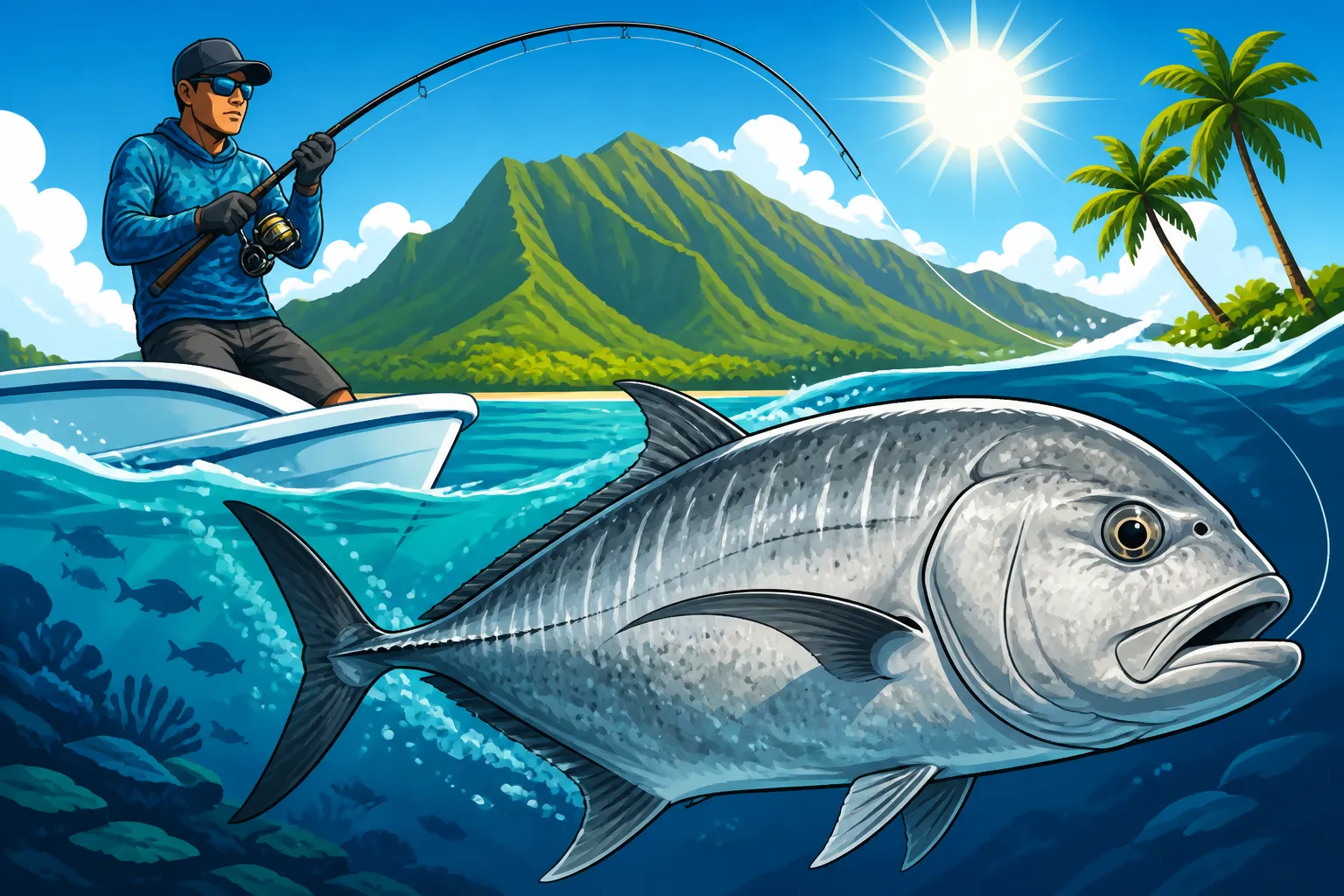
Ulua (Giant Trevally) Fishing in Hawaii
There's a special kind of thrill that comes with fishing in Hawaii, but for many, the ultimate challenge, the true test of skill and patience, is the pursuit of ulua. These powerful, intelligent fish, known elsewhere as Giant Trevally, are legendary for their strength and cunning, often leaving anglers with tales of broken lines and missed opportunities. This guide is here to unravel the mysteries of ulua fishing, providing you with the deep insights, proven techniques, and local knowledge you'll need to finally land one of these magnificent creatures.
What is Ulua? Understanding Hawaii's Giant Trevally
When we talk about ulua in Hawaii, we're referring to one of the ocean's most formidable inshore predators: the Giant Trevally, or Caranx ignobilis. These fish are not just big; they're built like tanks, with broad, powerful tails and an aggressive feeding style that makes them a top target for sport fishermen. They roam the shallows and deeper ledges of our islands, a true icon of the Hawaiian fishing experience.
Identifying Ulua vs. Papio
It’s easy to get confused, especially if you're new to Hawaii fishing, between a papio and an ulua. Both are trevally, and a papio is essentially a juvenile ulua. The distinction is largely based on size, though local regulations often draw a clear line. Papio are the smaller, younger fish, typically under 10 pounds, though some anglers might consider anything under 20 pounds a papio. The moment that fish crosses a certain size threshold, usually around 10-20 pounds, it earns the esteemed title of "ulua."
Imagine hooking into something that feels like a freight train, ripping line off your reel at an alarming rate. If it's a smaller version of that power, perhaps a 5-pounder, you'd proudly call it a papio. But if that same raw power is coming from a 30, 50, or even 100-pound specimen, then you've got yourself an ulua. There's a subtle but palpable difference in the fight too; while a papio is spirited, an ulua is a sustained, brutal tug-of-war that can last for what feels like an eternity. For a deeper dive into the nuances, you might find our article Ulua vs Papio: What's the Difference particularly helpful.
Ulua Habitat and Behavior
Ulua are primarily reef and inshore predators, but don't let that fool you into thinking they stick to just one type of environment. They are incredibly adaptable and can be found in a wide variety of habitats. You'll find them patrolling shallow reef flats, lurking in the turbulent white water of rocky points, cruising deep-water drop-offs, and even hanging around harbor mouths and channel entrances. Their behavior is largely dictated by food availability and current. They are opportunistic feeders, preying on anything from small baitfish like akule and opelu, to crabs, squid, and even smaller reef fish.
Picture this: you're casting near a lava rock point, where the waves crash and churn. This foamy, oxygenated water creates a perfect hunting ground for ulua, as it disorients smaller prey. They’ll often hold just on the edge of the whitewater, darting in to ambush unsuspecting fish. On the other hand, a quiet, deep channel with a strong current can also be an ulua highway, where they ambush schools of bait passing by. Understanding these varied habitats and how What Ulua Eat Around Hawaii's Reefs can inform where and when you decide to cast your line.
Growth, Size, and Life Cycle
Ulua are relatively fast-growing fish, especially in their juvenile stages, but they can live for many years and reach truly massive sizes. While a typical keeper ulua might range from 15 to 40 pounds, trophy-sized specimens can easily exceed 100 pounds, with the current world record well over that mark. These fish start their lives as tiny larvae, eventually settling into protected inshore waters and estuaries as papio, where they feed on smaller crustaceans and fish. As they grow, they move to more exposed reef environments and eventually become the apex predators we know as ulua.
The sheer power of a large ulua is something to behold. They are designed for explosive bursts of speed and incredible stamina, which is why a 50-pound ulua can feel like you're fighting a small car. Their impressive size and strength are a testament to their longevity and their place at the top of the inshore food chain. To get a better grasp on what to expect, check out Ulua Average Size in Hawaii, which provides some great context on their typical dimensions in our waters.
Essential Gear for Ulua Fishing
When it comes to ulua fishing, you absolutely cannot skimp on your gear. These fish are notorious for finding the weak link in your setup and exploiting it with brutal efficiency. Think of it as preparing for a wrestling match with a powerful, slippery opponent – you need every advantage you can get.
Rods, Reels, and Line for Ulua
For shore-based ulua fishing, especially slide baiting, you're going to need heavy-duty surf rods. We're talking about rods typically ranging from 10 to 14 feet, with a stiff backbone and a medium to fast action. These rods are designed to cast heavy weights and large baits a significant distance, and more importantly, to absorb the shock and power of an ulua's initial run. When it comes to reels, a robust conventional reel is preferred for its raw power and line capacity. Look for models with a strong drag system that can handle 30 to 50 pounds of pressure and hold at least 300-400 yards of heavy monofilament or braided line. Many experienced ulua anglers opt for 80 to 130-pound braided mainline, often backed with a heavy monofilament top shot for abrasion resistance.
If you're whipping or casting lures, a slightly lighter but still powerful spinning setup might be used, typically a 9-11 foot heavy action spinning rod paired with a large, durable spinning reel capable of holding 50-80 pound braid. The key here is durability and strength. You're not just casting; you're battling a fish that will test every component. For specific recommendations, our guide on Best Rod Setup for Surfcasting Ulua could be incredibly beneficial, helping you choose exactly what you need for this demanding pursuit. You can often find excellent deals on robust surf rods and heavy-duty reels suitable for ulua fishing on platforms like Amazon, making it easier to assemble your powerful setup.
Terminal Tackle: Hooks, Leaders, and Swivels
Your terminal tackle is arguably the most critical component, as it's the direct link to the fish. For hooks, you'll need large, incredibly strong, corrosion-resistant circle hooks or J-hooks, typically ranging from 10/0 to 20/0, depending on your bait size. Circle hooks are often favored for their ability to hook the fish in the corner of the mouth, reducing gut-hooking and improving the chances of a successful release. However, some traditionalists still swear by J-hooks for a solid hookset when slide baiting.
Leaders are paramount; ulua have incredibly abrasive mouths and powerful jaws. Many anglers use heavy monofilament or fluorocarbon leaders, often 100 to 200-pound test, sometimes even heavier, ranging from 3 to 6 feet long. The leader is often connected to the main line via a high-quality, heavy-duty swivel that can withstand the immense torque and sudden changes in direction an ulua can exert. Don't cheap out on these small but mighty components. A weak swivel or a frayed leader can mean the difference between landing your dream fish and telling another 'one that got away' story.
Baits and Lures for Ulua
Ulua are not picky eaters, but they do have preferences, and fresh, lively bait is almost always king. For slide baiting, popular choices include whole fresh opelu, akule, moi, or even smaller reef fish like hage or hahalalu. The fresher, the better. Live bait, if you can get it, is irresistible. When preparing your bait, ensure it's securely rigged to the hook to withstand the cast and the current.
For those who prefer artificials, ulua can be caught on a variety of lures. Large poppers and stickbaits are excellent for creating surface commotion, especially at dawn or dusk, mimicking a struggling baitfish. Heavy casting spoons and large metal jigs can also be effective, particularly when targeting ulua holding deeper or in areas with strong currents. The trick with lures is often matching the hatch – using lures that resemble the local baitfish in size, shape, and color. Don't be afraid to experiment, but always start with what the ulua are likely feeding on in that specific area. Remember, a good selection of durable lures can be found on Amazon, ensuring you're ready for any ulua encounter.
Best Techniques for Targeting Ulua from Shore
Shore fishing for ulua is a revered tradition in Hawaii, a true test of patience, skill, and sheer physical endurance. It's not for the faint of heart, but the rewards are truly unforgettable.
Slide Baiting for Big Ulua
Slide baiting is perhaps the most iconic and effective technique for targeting large ulua from shore in Hawaii. This method involves casting a heavy lead weight far out into the ocean, allowing it to settle on the bottom. Once your weight is set, a specialized "slider" clip, which attaches to your mainline, is used to send a live or fresh dead bait down the line, usually with the help of current, until it reaches the desired fishing depth. The slider allows the bait to swim or drift freely, presenting it naturally to cruising ulua without the added resistance of a heavy sinker directly attached to the bait.
The art of slide baiting lies in reading the current, understanding the bottom structure, and selecting the right bait. You'll need a good understanding of wave action and how it influences the movement of your line and bait. This method requires strong gear and a great deal of patience, as you might wait hours for a bite. But when that rod bends over and line screams off the reel, you know it's an ulua, and the fight of a lifetime has begun. Our dedicated guide to Sliding Bait Techniques for Ulua offers even more in-depth advice on mastering this method.
Whipping and Casting Lures for Ulua
For anglers who prefer a more active approach, whipping (also known as casting and retrieving lures) for ulua can be incredibly productive and exciting. This technique involves repeatedly casting various artificial lures from rocky points, sandy beaches, or harbor entrances, aiming to entice a predatory strike. Popular lures include large poppers, stickbaits, heavy metal jigs, and even large soft plastics rigged on stout jig heads. The key is to cover a lot of water and vary your retrieve until you find what the fish are responding to.
Timing is crucial with whipping. Dawn and dusk are often prime times, as ulua move into shallower waters to feed under the low light conditions. Look for signs of baitfish schools or predatory activity like birds diving or bait jumping. The thrill of a visual strike from a powerful ulua hitting a popper on the surface is an experience that keeps many anglers coming back for more. It's a highly engaging method that demands constant attention and effort, but the explosive strikes make every cast worthwhile. If you're looking for broader shore fishing advice, Shore Fishing Techniques for Hawaii is an excellent resource.
Night Fishing Strategies for Ulua
Night fishing for ulua is a whole different ballgame and a favorite among many seasoned local anglers. Ulua are nocturnal hunters, often becoming more active and bold under the cover of darkness. The techniques for night fishing can vary, but slide baiting is particularly effective, as the bait is presented naturally in the strike zone without the fish being spooked by daytime visibility. You might also find success casting glow-in-the-dark lures or jigs, especially around areas where artificial lights might attract baitfish, creating a feeding frenzy.
Safety is paramount when fishing at night, particularly on Hawaii's often treacherous rocky coastlines. Always fish with a buddy, bring reliable headlamps or flashlights, and be aware of the tides and wave sets. The quiet solitude of night fishing, punctuated by the sudden, heart-stopping scream of a reel as an ulua takes off, creates a truly unique and memorable experience. For comprehensive tips on staying safe and successful after dark, explore our article on Night Fishing for Ulua in Hawaii and consider the Best Night Fishing Spots in Hawaii.
Offshore Ulua Fishing Methods
While shore fishing for ulua is legendary, targeting these powerful trevally from a boat opens up a whole new world of opportunities, allowing access to deeper reefs, submerged structures, and offshore FADs (Fish Aggregating Devices) where truly giant ulua often reside.
Trolling for Ulua
Trolling is a highly effective method for covering large areas and finding ulua that might be cruising deeper reefs, ledges, or offshore structures. This technique involves dragging lures or baits behind a moving boat at various speeds. For ulua, you'll want to use large, robust trolling lures, often with heavy skirts or heads, designed to create significant commotion and mimic large baitfish. Depths can vary, but many anglers target the 30-100 foot range, often near structure or drop-offs.
The key to successful trolling for ulua lies in varying your speeds, lure colors, and depths until you discover what's triggering bites on a particular day. Some days, a fast troll might entice an aggressive strike, while other times, a slower, more deliberate presentation is required. Keeping an eye on your fish finder for bait schools or submerged structure is crucial for maximizing your chances. Trolling allows you to actively seek out these powerful fish rather than waiting for them to come to you, making it a dynamic and often thrilling experience.
Live Baiting from a Boat
Live baiting from a boat is arguably one of the most productive ways to catch large ulua offshore. This method involves presenting a fresh, lively baitfish, such as an opelu, akule, or even a small kahala, directly to areas where ulua are known to frequent. You might anchor over a productive reef, drift over a known ulua haunt, or even slow-troll a live bait near submerged pinnacles or ledges. The natural movement and scent of a live bait are often irresistible to a hungry ulua.
The setup for live baiting is typically heavy, similar to what you'd use for shore fishing, but with the added advantage of being able to maneuver your boat to follow a strong-running fish. You'll want strong hooks, heavy leaders, and a powerful reel with plenty of line capacity. One common strategy is to target the edges of reefs or deep channels, where ulua often patrol for passing prey. This method requires a good bait well to keep your live baits frisky and a keen eye on your sonar to locate promising structure and fish.
Jigging and Popping Offshore
For a more interactive and often physically demanding offshore experience, jigging and popping for ulua can be incredibly rewarding. Jigging involves dropping heavy metal jigs to the bottom or suspended bait schools and working them vigorously to mimic a wounded or fleeing baitfish. This technique is particularly effective over deep reefs and pinnacles where ulua often hold. Vertical jigging can be exhausting, but the strikes are often brutal and immediate.
Popping, on the other hand, involves casting large poppers or stickbaits to the surface and working them aggressively to create splash and commotion, drawing ulua up from deeper water. This method is thrilling because the strikes are almost always visual and explosive, often occurring right at the surface. Both jigging and popping require heavy-duty spinning or conventional gear capable of handling large lures and powerful fish. Many anglers find high-quality jigging and popping lures, along with appropriate rods and reels, on Amazon, especially when looking for specialized offshore tackle. These techniques are active, exciting, and give you a direct connection to the raw power of an offshore ulua.
Prime Ulua Fishing Spots in Hawaii
Hawaii offers a diverse range of environments for ulua fishing, from rugged shorelines to deep offshore ledges. Knowing where to focus your efforts can significantly increase your chances of success.
Big Island Hotspots
The Big Island, particularly the Kona Coast, is renowned worldwide for its deep-sea fishing, but its shorelines and nearshore reefs also hold an incredible population of ulua. The dramatic lava rock formations and deep-water access close to shore create ideal habitats for these powerful predators. Areas around South Point (Ka Lae) are legendary for their strong currents and access to deep water, making them prime locations for slide baiting for large ulua. The sheer remoteness and wildness of the landscape here add to the adventure.
Further north, around the Kohala Coast and even into areas accessible from Honokohau Harbor, there are numerous rocky points, ledges, and channels that consistently produce ulua for both shore and boat anglers. Fishing from these spots often requires local knowledge and careful attention to safety due to the steep cliffs and powerful waves. However, the opportunity to hook into a truly giant ulua from the shore here is very real. For more general guidance on fishing spots on the island, our Big Island Fishing Guide can point you in the right direction.
Oahu Shoreline Opportunities
Oahu, being the most populated island, still boasts numerous fantastic ulua fishing spots, especially if you know where to look. The North Shore, famous for its surfing, also offers incredible shore-based ulua fishing opportunities, particularly during calmer surf days when anglers can safely access rocky points and beach stretches. Areas like Kaena Point and Kahuku Beach are known for their strong currents and active reef systems, drawing in large ulua.
On the south and west shores, locations like Makapuu Point, Sandy Beach, and Barbers Point offer diverse structures, from exposed rocky ledges to sandy beaches adjacent to reef systems. Night fishing is particularly popular in many of these areas, especially around channels or areas where light might attract bait. While some spots require a bit of hiking, the reward of hooking into a powerful ulua off Oahu's iconic coastlines is well worth the effort. For specific locations, our Best Shore Fishing Spots in Hawaii article can provide excellent detailed guidance.
Other Island Prospects (Maui, Kauai, etc.)
While the Big Island and Oahu often get the most attention, Maui and Kauai also offer incredible ulua fishing. On Maui, the rugged south and west coasts, including areas around La Perouse Bay and McGregor Point, provide excellent shore access to deep water and strong currents that ulua favor. Harbor areas like Maalaea Harbor and Lahaina Harbor also see active ulua, especially at night when they might venture closer to the boat traffic and structure.
Kauai, with its lush, wild coastline, presents unique opportunities. The north shore, near Hanalei Bay, and the south shore, around Poipu, feature various rocky points, reef flats, and channels that are perfect for targeting ulua. The more remote nature of some of Kauai's fishing spots can also mean less pressure and potentially bigger, more aggressive fish. Regardless of the island, the common thread for finding ulua is usually strong currents, access to deep water, and nearby baitfish populations. Our general Maui Fishing Guide and Kauai Fishing Guide can offer more insights into these islands' broader fishing landscapes.
Understanding Ulua Regulations and Conservation
Fishing for ulua in Hawaii isn't just about the thrill of the catch; it's also about respecting the resource and ensuring these magnificent fish are here for future generations. Understanding and adhering to the regulations set by the Hawaii Division of Aquatic Resources (DAR) is crucial.
Size and Bag Limits for Ulua
Hawaii has specific regulations in place to protect ulua populations and promote sustainable fishing practices. For ulua (Giant Trevally), there is typically a minimum size limit and often a bag limit. While specific numbers can change, generally, an ulua must be of a certain length, usually measured from the tip of the snout to the fork of the tail, to be legally retained. This minimum size ensures that fish have had a chance to mature and reproduce at least once.
Additionally, there's a bag limit, which dictates the maximum number of ulua an individual angler can keep per day. These limits are designed to prevent overfishing and maintain healthy populations. It's not uncommon to see "trophy" limits where only one fish over a certain size can be kept. Always check the most current regulations before heading out, as they can be updated. Our article on Hawaii Papio and Ulua Size Rules provides more specific details, and a broader overview can be found in Hawaii Bag and Size Limits by Species.
Protected Areas and Seasons
Beyond statewide size and bag limits, certain areas in Hawaii might have additional restrictions or even be completely closed to fishing for specific species, including ulua. These can include Marine Life Conservation Districts (MLCDs), Fish Replenishment Areas (FRAs), or other special management zones designed to protect critical habitats or spawning grounds. Fishing within these areas, even for catch and release, may be prohibited or severely restricted.
There are generally no specific "seasons" for ulua fishing in the same way there might be for certain other species with distinct spawning periods, but local conditions, bait migrations, and even cultural practices can influence when and where ulua are targeted. Always be aware of your location and consult local signage or the Hawaii DLNR (Department of Land and Natural Resources) resources to ensure you're fishing legally and responsibly. A good general overview of the rules can be found in Hawaii Fishing Regulations Explained.
Practicing Responsible Catch and Release
Given the fighting power and sometimes massive size of ulua, practicing responsible catch and release is especially important for fish that are either undersized or for those trophy-class fish you choose to let go. Releasing a large ulua correctly significantly increases its chances of survival and contributes to the health of the population.
When practicing catch and release:
- Minimize Fight Time: Use appropriate gear to land the fish as quickly as possible without over-stressing it.
- Handle Gently: Avoid lifting large ulua by the tail or gill plates if possible. Support their body weight horizontally.
- Keep Wet: Try to keep the fish in the water as much as possible, especially if you're taking photos.
- Use Barbless Hooks (Optional): Some anglers choose to use barbless hooks to make removal easier, though with the power of ulua, stout barbed hooks are often preferred to ensure a solid hookset. If using barbed hooks, have pliers or a dehooking tool ready for quick removal.
- Revive Properly: If the fish seems exhausted, hold it gently in the water, facing into the current, until it regains its strength and can swim away on its own.
By following these practices, we can all help ensure that ulua populations remain healthy and provide thrilling fishing opportunities for years to come.
When to Fish for Ulua: Seasons and Conditions
Timing is everything in fishing, and ulua are no exception. While they can be caught year-round in Hawaii, certain seasons and conditions can significantly impact your success.
Best Times of Year for Trophy Ulua
While ulua are present in Hawaiian waters throughout the year, many experienced anglers agree that certain seasons offer better chances for landing trophy-sized fish. Often, the warmer months, particularly late spring through fall, can be very productive. During these periods, baitfish schools are abundant, and the increased food supply can bring larger ulua into more accessible areas, both inshore and offshore.
However, some local knowledge suggests that the bigger, more seasoned ulua might be more active during transitional periods or even the cooler, stormier winter months, especially along exposed coastlines with heavy surf. This is often when the biggest fish come in close to feed on dislodged prey. It's less about a strict calendar season and more about understanding how changing ocean conditions influence their feeding patterns and movements. For more general insights into local fishing cycles, Best Time of Year to Fish in Hawaii can provide useful context.
Tidal and Moon Phase Considerations
Tides and moon phases play a significant role in ulua fishing, particularly for shore-based anglers. Strong incoming or outgoing tides, especially around a new or full moon, often create powerful currents that flush out baitfish and concentrate them in specific areas, triggering ulua feeding frenzies. The increased water movement around these tidal swings can make certain spots come alive with activity. Many seasoned ulua anglers plan their trips meticulously around these tidal charts.
A full moon can also be a popular time for night fishing, as the increased lunar light can sometimes make ulua more comfortable venturing into shallower waters to feed. Conversely, the darkness of a new moon can create excellent conditions for species that rely on stealth. Experimentation and observation are key. Keep a fishing log to track your successes relative to the tide and moon phase, and you'll soon identify patterns specific to your favorite spots.
Weather and Ocean Conditions
Ulua are highly sensitive to changes in weather and ocean conditions. Stable, calm weather often makes for comfortable fishing but might not always be when the biggest fish are most active, especially for shore anglers. Conversely, a good swell or a stormy period that stirs up the water can be a prime time for ulua, as the turbulent conditions dislodge prey and create opportunities for these powerful predators to ambush. However, safety must always come first in rough conditions.
Water temperature also plays a role; ulua generally prefer warmer waters, so unusually cold snaps might push them into deeper, more stable environments. Strong winds can create chop, which might make boat fishing more challenging but could also concentrate bait. The best approach is to monitor marine forecasts, understand how different conditions affect specific fishing spots, and adapt your strategies accordingly. Sometimes, the most uncomfortable conditions for anglers are precisely what brings the big ulua out to play. Remember, when the conditions are just right, it could be the Best Time of Day to Catch Ulua.
Safety Tips for Ulua Anglers
Ulua fishing, especially from Hawaii's rugged shorelines, is an exhilarating pursuit, but it's not without its risks. Taking proper safety precautions is paramount to ensuring your memorable fishing trip doesn't turn into a dangerous ordeal.
Navigating Rocky Shores and Rough Surf
Hawaii's coastlines are beautiful but can be incredibly treacherous. Lava rock points and rocky ledges, prime ulua fishing spots, are often exposed to powerful waves and strong currents. Always wear appropriate footwear with excellent grip – felt-soled wading boots or tabi socks are often preferred by local anglers for their superior traction on wet, slippery rocks. Never turn your back on the ocean, especially when fishing exposed areas. Rogue waves (or "sneaker waves") can appear out of nowhere and sweep you off your feet, or worse, into the water.
Fish with a partner whenever possible, especially in remote or challenging locations. Carry a fully charged cell phone (in a waterproof case) and let someone know where you're going and when you expect to return. Be aware of the tides; an incoming tide can quickly cut off your exit route from certain points. Always err on the side of caution. A fish is never worth risking your life.
Night Fishing Safety Precautions
As discussed earlier, night fishing for ulua can be incredibly productive, but it introduces an entirely new set of safety concerns. Reduced visibility amplifies all the dangers of fishing rocky shores. Essential gear for night fishing includes multiple reliable light sources, such as a powerful headlamp and a handheld flashlight, with extra batteries. This isn't just for seeing your line; it's for navigating the terrain safely.
Once again, fishing with a buddy is highly recommended. The sounds of the ocean can be disorienting in the dark, and a partner can help keep an eye out for rogue waves or unexpected movements on the rocks. Be extra vigilant about your footing, as obstacles that are easily visible during the day can become trip hazards at night. Familiarize yourself with the area during daylight hours before attempting to fish it after dark. Also, consider wearing reflective clothing or having reflective tape on your gear to make yourself more visible to others, and use a light source when handling sharp hooks or knives.
Handling and Releasing Large Fish
Catching a large ulua is an incredible feat, but handling these powerful fish requires care and caution, both for your safety and the fish's well-being. Their bodies are incredibly strong, and a thrashing tail can easily cause injury. If you plan to release the fish, try to keep it in the water as much as possible. Avoid dragging it onto sharp rocks or hot sand, which can damage its protective slime coat and scales.
When bringing an ulua to shore, have a plan for landing it safely. Some anglers use a large gaff (if keeping the fish and it's legal size), while others prefer to beach the fish gently in a sandy cove if available. If lifting the fish for a photo, support its body horizontally to avoid internal organ damage. Use heavy-duty pliers or a dehooker for quick hook removal. Be mindful of their sharp gill plates and teeth. Even after release, watch the fish to ensure it swims away strongly. These precautions ensure a successful and safe experience for both angler and fish.
Disclaimer
This article is for general informational purposes only and does not constitute professional advice. Laws, prices and regulations vary by location and change over time. Consult a qualified professional for guidance on your specific situation.