Best Time of Day to Catch Ulua
Trying to figure out the absolute best time to tangle with an Ulua in Hawaii can feel like chasing a ghost, right? These powerful giants are notoriously elusive, and pinning down their peak activity times is a puzzle every serious angler tries to solve. This guide is here to cut through the guesswork, offering you a deep dive into the optimal times of day, tidal conditions, and environmental factors that will dramatically increase your chances of landing one of Hawaii's most prized game fish.
Understanding Ulua Behavior and Feeding Patterns
Before we even talk about the clock, let's understand what makes an Ulua tick. These aren't your typical lazy reef fish; they're apex predators of the nearshore environment, driven by instinct and opportunity. Their entire existence revolves around finding and ambushing prey, which means understanding their feeding habits is paramount to timing your attack.
Predator Instincts and Ambush Tactics
Ulua, or Giant Trevally, are built for speed and power, designed to dominate their feeding grounds. They're opportunistic hunters, meaning they'll take advantage of any situation that presents an easy meal. This often involves lurking in strategic locations where currents bring food to them or where baitfish are concentrated and disoriented. Think about a lava flow with deep pockets or a sandy channel next to a rocky outcrop – these are prime ambush points. They rely on their incredible eyesight and lateral line sensitivity to detect movement and changes in water pressure, making them exceptionally effective in low-light conditions when their prey is less aware.
Their aggressive nature also means they can be surprisingly bold, venturing into very shallow water, especially under the cover of darkness or during periods of high water movement. They're not afraid to charge into a school of bait or smash a struggling fish, and observing these behaviors, even indirectly, can tell you a lot about when and where they might be active. It’s not just about when they're hungry, but when the conditions are most favorable for them to hunt successfully.
Habitat Preferences and Foraging Grounds
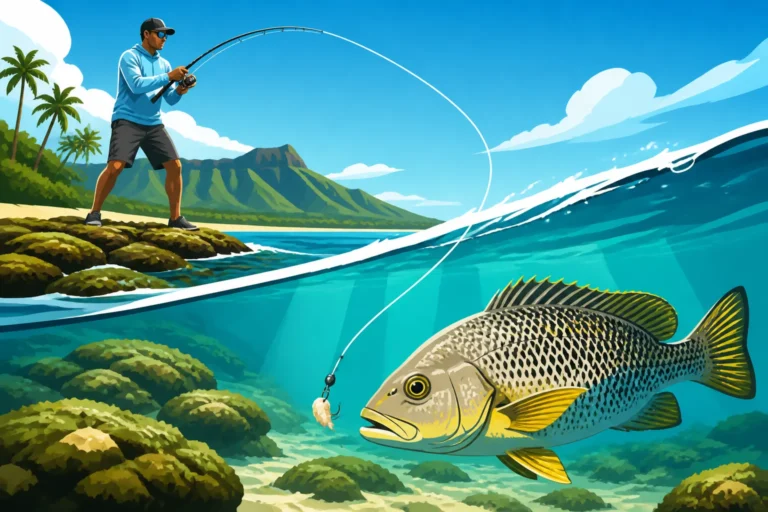
Ulua are incredibly adaptable, inhabiting a wide range of nearshore environments across the Hawaiian Islands. You'll find them cruising rocky points, hunting over shallow reef flats, lurking in deep channels, or patrolling sandy beaches. What they look for are areas that offer a combination of cover, current, and concentrations of baitfish or crustaceans. A perfect Ulua spot might have a steep drop-off adjacent to a shallow flat, allowing them to transition between deep water safety and shallow feeding frenzies quickly.
Coastal structures like jetties, harbors, and even certain public piers can also become Ulua hotspots, as they attract smaller baitfish that the Ulua prey upon. For example, areas near Maalaea Harbor or around the perimeter of Kewalo Basin, where bait schools often congregate, can be incredibly productive at the right times. Understanding the specific characteristics of your chosen fishing spot – whether it's a lava tube reef system or a surf-swept sandy beach – will inform when an Ulua is most likely to be present and actively feeding there.
Dawn and Dusk: The Golden Hours for Ulua
Ask any seasoned Ulua angler, and they'll likely tell you that the periods around sunrise and sunset are absolutely prime. These "golden hours" offer a unique combination of factors that favor Ulua predation, making them arguably the best times of day to target these formidable fish.
Low Light Advantages for Predators
The transitional periods of dawn and dusk create perfect hunting conditions for Ulua. As the sun dips below the horizon or begins its slow ascent, the ambient light levels drop significantly. For a visually acute predator like the Ulua, this means a distinct advantage over its prey. Smaller baitfish, crustaceans, and even octopus become less visible against the fading light, making it harder for them to spot an approaching threat. The dappled, indirect light also breaks up the Ulua's silhouette, allowing them to blend seamlessly into the underwater environment and launch surprise attacks.
This natural dimming of light also often coincides with increased activity from baitfish, which feel safer venturing out from their daytime hiding spots. The feeding chain becomes invigorated, and the Ulua are right there to capitalize. Many anglers report their most intense strikes during these twilight hours, often on larger baits or lures that mimic struggling prey in the murky light.
Baitfish Activity and Movement
Beyond just the light, dawn and dusk are typically when baitfish schools become most active. During the day, many smaller fish seek refuge in deeper waters or dense reef structures to avoid predators. As evening approaches, or just before sunrise, these schools often move into shallower, more accessible waters to feed on plankton or other small organisms. This concentrated movement of bait creates a buffet for hungry Ulua.
Imagine schools of 'opelu or akule schooling up near a rocky point just as the sun is coming up, their silvery scales flashing in the faint light. An Ulua isn't going to miss that opportunity. Similarly, as the sun sets, shrimp and crabs become more active, moving around the reef or along the sand, making them easy targets. Anglers often match their tackle and bait to these natural movements, using lures that mimic baitfish or deploying live baits in areas where they know schools gather. If you're looking to cast big poppers or slide live baits, the hours surrounding sunrise and sunset are your absolute best bet.
Night Fishing: Tapping into Ulua's Nocturnal Nature
While dawn and dusk are undeniably productive, many of Hawaii's most legendary Ulua catches happen under the cloak of night. Night fishing for Ulua is a commitment, requiring patience and specialized techniques, but the rewards can be truly spectacular. These fish are powerful, and fighting a monster Ulua in the dark is an unforgettable experience. If you're serious about targeting trophy Ulua, then Night Fishing for Ulua in Hawaii is an essential skill to master.
Moon Phases and Their Influence
The moon, surprisingly enough, plays a significant role in night fishing success for Ulua. Many experienced anglers swear by certain moon phases, attributing increased activity to the amount of ambient light the moon provides. A full moon, for instance, bathes the ocean in a soft, natural glow, which can make Ulua more active. The increased visibility might allow them to hunt more effectively, or perhaps it simply emboldens them to cruise shallower areas. Conversely, some anglers prefer the inky blackness of a new moon, believing that the complete absence of light forces Ulua to rely purely on their other senses, making them more susceptible to noisy lures or scent-heavy baits.
The science behind this isn't fully conclusive, but the anecdotal evidence from generations of local fishermen is hard to ignore. It’s worth tracking moon phases and seeing how they correlate with your success. A common practice is to fish the incoming or outgoing tide around a full or new moon for maximum effect.
Utilizing Artificial Light to Your Advantage
When fishing at night, artificial light sources can be incredibly effective, not just for illuminating your rigging, but for attracting bait and, in turn, Ulua. Anglers often use submersible fishing lights, headlamps, or even lanterns positioned on the shore to create a "bait ball" effect. These lights attract plankton, which then draws in small baitfish like 'ala'ihi and hīnana, forming a visible food source.
Once the bait is concentrated, it's only a matter of time before larger predators like Ulua move in to feed. When using artificial light, consider casting your bait or lure just outside the illuminated zone, allowing it to move from darkness into light, mimicking a vulnerable baitfish. This technique can be especially potent when combined with a well-placed sliding bait rig. Just be mindful of local regulations regarding artificial light use, as some areas may have restrictions. You can find more details in the comprehensive guide on Hawaii Fishing Regulations Explained.
Tidal Influences on Ulua Activity
Tides are like the breath of the ocean, constantly moving and shaping the underwater world. For Ulua, these movements are critical, influencing everything from their hunting grounds to their feeding intensity. Ignoring the tides is like fishing with one hand tied behind your back – you’re missing a crucial piece of the puzzle.
Incoming vs. Outgoing Tides
The debate over whether an incoming or outgoing tide is better for Ulua fishing is as old as time, and the truth is, both can be productive depending on the specific location and conditions.
- Incoming Tide (Flood Tide): As the water rises, it brings in fresh, cooler water from offshore, often carrying nutrients and baitfish closer to shore. This can stimulate feeding activity, especially on shallow reef flats or around rocky points that become submerged. The pushing water can also dislodge crustaceans and other organisms from the bottom, creating an easy meal. Many anglers find the mid to high incoming tide to be a sweet spot for Ulua, particularly in areas with strong current flow that funnels bait.
- Outgoing Tide (Ebb Tide): The falling tide can also be incredibly effective, especially around channels, estuaries, or river mouths. As the water recedes, it pulls baitfish and other food sources out from shallower areas into deeper channels, where Ulua often lie in wait for an easy ambush. The stronger currents created by an outgoing tide can also concentrate bait, making it easier for Ulua to hunt. The period just before dead low tide, or during a fast outgoing flow, can be explosive.
It's really about understanding how the tide interacts with the specific geography of your chosen spot. What works wonders at one location might be completely ineffective at another, so careful observation and local knowledge are key.
Understanding Kona Coast and Other Regional Tidal Patterns
Hawaii's tidal patterns are complex, influenced by the unique bathymetry and proximity to different island masses. What might be a strong tidal swing on Oahu could be a much milder one on the Kona Coast, for example.
The Kona Coast of the Big Island, with its deep drop-offs and consistent currents, often experiences more subtle tidal effects on pelagic species, but for nearshore Ulua, tides still matter. In areas like Honokohau Harbor or specific lava flows, even a slight tidal push or pull can create eddies and current lines where bait congregates, attracting Ulua. Local knowledge about specific coves or channels where strong tidal currents funnel bait can be invaluable. Don't forget to check your local tide charts – many fishing apps and websites, or even a simple Google search, can provide precise tide times for specific locations like Kailua-Kona or Waianae.
For those venturing into specific locations like Kealakekua Bay, understanding the unique currents and how they interact with the protected marine areas is crucial.
Weather and Environmental Factors
Beyond the clock and the tides, the natural elements around us play a huge role in Ulua activity. Hawaii's weather can be unpredictable, and learning to "read" the ocean in conjunction with meteorological forecasts is a skill that takes years to hone.
Water Clarity and Runoff
Ulua are primarily sight hunters, so water clarity is a significant factor. Generally, clear, clean water is preferred, as it allows them to spot prey from a distance. However, extremely clear, calm conditions can sometimes make them warier, especially in shallower areas. On the flip side, overly murky water, often caused by heavy rain runoff, can reduce their visibility and thus their feeding activity. A slight discoloration or "green water" can sometimes be ideal, offering enough cover for Ulua to ambush while still providing decent visibility.
After a significant rain event, freshwater runoff can push baitfish out of streams and into the ocean, creating feeding opportunities for Ulua in coastal areas. This is particularly true around river mouths or where large storm drains empty into the ocean. The turbulent, slightly discolored water near these areas can be an excellent place to target Ulua, as the disoriented baitfish become easy targets. Just remember to be safe and avoid fishing directly in strong currents or flash flood areas.
Swell, Current, and Ocean Conditions
Hawaii is famous for its powerful ocean swells, and these waves, along with their associated currents, heavily influence Ulua behavior. A moderate swell can be incredibly beneficial. The churning water dislodges food, creates turbulence that disorients baitfish, and provides excellent cover for Ulua to hunt. Rocky points and ledges that get pounded by a consistent swell are often prime Ulua territory, as the fish patrol just outside the heaviest surf, waiting for prey to be washed out.
However, an excessive swell can make fishing impossible and dangerous, pushing Ulua into deeper, calmer waters. Learning How to Catch Ulua During a Big Surf Swell requires specific techniques and a keen understanding of safety. Conversely, very calm, flat conditions ("kona winds") can sometimes make Ulua more sluggish or wary, particularly during daylight hours. The ideal condition often involves a manageable swell that creates good white water and current, without being overwhelmingly dangerous. Always prioritize safety and observe the ocean conditions carefully before venturing out.
Seasonal Considerations for Ulua Fishing
While we're talking about the best time of day, it's impossible to fully separate that from the broader seasonal cycles in Hawaii. Ulua are present year-round, but their activity levels and locations can certainly shift with the seasons, impacting your chances of a successful hook-up during those prime hours. The Best Time of Year to Fish in Hawaii also plays a role in how often you'll encounter them.
Summer Peaks and Abundant Bait
Generally speaking, the warmer months of summer (roughly May through September) are often considered peak season for Ulua fishing in Hawaii. This isn't necessarily because the Ulua themselves are "spawning" or anything like that in the same way some freshwater fish do, but rather due to the abundance of baitfish. Warmer water temperatures can lead to increased productivity in the marine ecosystem, resulting in larger and more numerous schools of baitfish like akule and 'opelu closer to shore.
When there's a reliable food source, the Ulua are there to capitalize. During these months, you'll often find them more actively cruising shallow reef flats and patrolling coastlines, especially during those golden hours of dawn and dusk, or throughout the night. The calm, warm nights of summer are also more comfortable for anglers, encouraging longer sessions out on the rocks or beaches. If you're planning a trip specifically for Ulua, targeting the summer months will likely provide the most consistent action.
Winter Challenges and Opportunities
Winter in Hawaii (typically October through April) brings larger swells, cooler water temperatures, and often more inconsistent weather patterns. This can certainly make Ulua fishing more challenging. Heavy surf can limit access to prime shoreline spots, and strong currents can make it difficult to present baits effectively. Ulua might retreat to deeper water or seek more sheltered areas, making them harder to find.
However, winter also presents unique opportunities. The big swells can dislodge large amounts of food from the reef, and the turbulent water can still be a magnet for large Ulua looking for an easy meal. Furthermore, if you're targeting Ulua using methods like sliding bait, the larger winter surf can actually help carry your bait further out into deeper channels where trophy Ulua often lurk. Just be sure you're equipped for the conditions, and understand that patience might be tested more frequently. For a truly deep dive into targeting these fish, you'll want to review specific techniques for How to Catch Ulua from Shore or even explore the subtle differences between Ulua vs Papio: What's the Difference to help identify your target.
Choosing Your Ulua Fishing Strategy by Time of Day
Now that we’ve broken down the "when," let's talk a little about the "how." The best time of day to catch Ulua isn't just about showing up; it's about matching your technique and gear to the conditions that time period presents. This strategic approach will undoubtedly boost your chances.
Early Morning and Late Evening Tactics
For the dawn and dusk bite, speed and presentation are often key. Ulua are actively hunting, so you want to present something that looks like an easy, vulnerable meal.
- Topwater Lures: Casting large poppers or stickbaits during these low-light periods can be incredibly effective. The commotion on the surface mimics a struggling baitfish, and the silhouette against the dim sky is irresistible. Look for areas with a good current flow or near baitfish schools. The aggressive strikes from an Ulua on a topwater lure are truly exhilarating. Make sure your retrieve is varied, with pauses and jerks to imitate wounded prey. Check out brands like Amazon for a wide selection of proven poppers that local anglers use.
- Live Bait: If you have access to fresh live bait (like 'opelu, akule, or even small moi), these twilight hours are prime. Rig them on a sturdy circle hook with a heavy leader, and either free-line them into current-rich areas or use a float to keep them in the strike zone. The natural movement and scent of a live bait are often too tempting for an active Ulua to pass up.
- Whipping and Casting: For smaller Ulua, often called Papio, whipping with smaller lures or baitfish imitations can be fruitful. Cast parallel to the shore or into channels where current is moving bait. Remember, Hawaii Papio and Ulua Size Rules are in place for a reason, so know your limits.
Night Fishing Specifics and Gear
Night fishing for Ulua is a different beast entirely, often favoring a more static, scent-based approach, though active lures can still work.
- Sliding Bait Rigs: This is perhaps the most iconic and effective night fishing technique for Ulua. It involves casting a heavy sinker out first, then sliding a large live or dead bait (like an entire squid, octopus, or big moi) down the main line via a specialized sliding rig. The bait then rests on the bottom or drifts just above it, emitting scent and looking vulnerable. The sound of the reel screaming as an Ulua takes a sliding bait is unforgettable. You can find robust sliding bait rig components and heavy-duty leader material on platforms like Amazon to ensure you're prepared for the fight.
- Heavy Duty Rods and Reels: Night fishing for Ulua means you're often targeting the biggest ones, so your gear needs to be up to the task. Think heavy surf rods (10-14 feet) capable of casting heavy weights, paired with large, robust spinning or conventional reels spooled with 50-100 lb braided line and heavy mono or fluorocarbon leader. A good Best Rod Setup for Surfcasting Ulua will make a world of difference.
- Patience and Persistence: Night fishing is often a waiting game. Set multiple rods, enjoy the stars, and be prepared for long periods of inactivity punctuated by sudden, violent strikes. A sturdy rod holder is essential, and good headlamps, bug spray, and plenty of water or snacks are your best friends.
Mid-Day and High Sun Approaches
While not typically considered "prime time," you can still catch Ulua during the middle of the day, especially if conditions are right. They tend to be less active and seek deeper water or heavy cover to escape the sun.
- Deep Jigging: If you're fishing from a boat or pier with access to deeper water, vertical jigging with heavy metal jigs can entice Ulua that are holding near structure. This is often more effective during strong current flows that might push bait into their vicinity.
- Bottomfishing: When Ulua are less active and hugging the bottom, presenting a fresh chunk bait or a whole dead bait directly on the bottom can sometimes provoke a strike. This is particularly true in deeper channels or around offshore pinnacles. This approach is often secondary to targeting other species but can still yield an unexpected Ulua. For general bottom fishing tactics, consider exploring Bottomfishing in Hawaii.
Remember, safety first, especially when fishing rocky shorelines or in heavy surf conditions. Always be aware of your surroundings, wear appropriate footwear, and never turn your back on the ocean.
Table: Ulua Activity Matrix by Time, Tide, and Moon Phase
This table offers a simplified guide to combining different factors for optimal Ulua fishing. Remember, these are general guidelines, and local conditions always play a major role!
| Factor | Dawn (Sunrise – 2 hours after) | Day (Mid-morning to afternoon) | Dusk (2 hours before sunset – sunset) | Night (After sunset – before dawn) |
|---|---|---|---|---|
| Ulua Activity | High (Aggressive Ambush) | Moderate-Low (Seeking Cover) | High (Increased Foraging) | High (Nocturnal Hunting) |
| Best Techniques | Topwater, Live Bait, Whipping | Deep Jigging, Bottom Fishing | Topwater, Live Bait, Whipping | Sliding Bait, Heavy Bottom Rigging |
| Ideal Tide | Incoming/Outgoing Peak | Slack or Moderate Flow | Incoming/Outgoing Peak | Incoming/Outgoing Peak |
| Moon Phase (Preference) | Full or New Moon | Less Critical | Full or New Moon | New Moon (Dark) or Full Moon (Bright) |
| Baitfish Activity | High (Moving to/from cover) | Lower (Seeking refuge) | High (Moving to/from cover) | Varies (Can be attracted by light) |
| Water Clarity | Good to Slightly Murky | Good to Clear (can be wary) | Good to Slightly Murky | Not as Critical (Scent/Vibration) |
| Swell/Current | Moderate Swell, Good Current | Calm to Moderate Swell | Moderate Swell, Good Current | Moderate Swell, Strong Current |
This matrix highlights that while there are "best" times, combining favorable conditions across multiple categories significantly boosts your chances.
Disclaimer
The information provided in this guide is for general informational purposes only and does not constitute professional advice. Fishing regulations, conditions, and safety protocols can change rapidly. Always consult the latest Hawaii Department of Land and Natural Resources (DLNR) regulations and local weather and ocean forecasts before engaging in any fishing activity. Prioritize your safety and the preservation of Hawaii's precious marine resources.