Best technique for fishing tide changes
One of the biggest head-scratchers for any angler, whether you're a seasoned local or just visiting our beautiful islands, is figuring out when the fish are actually biting. It’s not just about sunrise or sunset here in Hawaii; the ocean's intricate dance of the tides plays a monumental role in fish activity. Many folks get frustrated because they cast their lines for hours only to find nothing, not realizing that the subtle push and pull of the water can be the key to unlocking a feeding frenzy. This guide is all about helping you understand and leverage these powerful tidal shifts, providing actionable techniques to make your Hawaii fishing trips far more successful.
The Unseen Influence of Tides on Hawaii Fishing
You might look at the vast expanse of the Pacific surrounding Hawaii and think "water is water," but nothing could be further from the truth when it comes to fishing. The daily ebb and flow of the tides are not just about the water level changing on the beach; they are a driving force that orchestrates the entire nearshore ecosystem, influencing everything from baitfish movements to the feeding habits of our most sought-after game fish. Ignoring them is like trying to navigate a ship without a compass.
Why Tides Are Different Here (and Why It Matters)
Unlike many continental coastlines that experience massive tidal swings, Hawaii's tides are often described as "mixed semi-diurnal" and generally have a smaller range. This means we usually see two high tides and two low tides each day, but their heights can vary significantly. Don't let the smaller visual difference fool you, though; these subtle shifts are still incredibly powerful. Our unique volcanic geology, with its sharp drop-offs, intricate reef systems, and deep channels, interacts with these tidal currents in fascinating ways.
When the water starts to move, even slightly, it creates currents that sweep over these underwater structures. This movement is a siren call for fish. Predatory species like ulua (giant trevally), papio (young trevally), and various reef fish use these currents to their advantage. They'll position themselves strategically, waiting for the current to deliver their next meal. Understanding this interaction is crucial, as a seemingly small tide change can create a vibrant feeding zone in one spot and make another barren. It’s all about timing and knowing where to look when the water is doing its thing.
How Tidal Currents Stir Up the Food Chain
Think of tidal currents as the ocean's conveyor belt, constantly bringing fresh water, oxygen, and most importantly, food. As the tide comes in or goes out, it generates a flow that dislodges a buffet of delicacies from their hiding spots. Small baitfish, like opelu or akule, get pushed out of calm bays or swept over submerged reefs. Crabs, shrimp, and other invertebrates living in the sand or among the rocks get disturbed, sending out distress signals that larger predators can't resist.
For a fish, less effort equals more energy saved for growth and reproduction. If the current is doing the work of dislodging food, a predator can simply hold its position, expending minimal energy while waiting for a meal to drift by. This is why fishing during active tidal movements is often far more productive than during periods of slack water. The entire food chain becomes invigorated, from the tiniest plankton being moved around, attracting small baitfish, which in turn attracts bigger game fish. Learning about Hawaii Fishing Seasons by Month can help you align your tidal strategy with what fish are most active at certain times of the year.
Decoding Hawaii's Tides for Anglers
To truly master fishing with the tides, you need to understand how to read them, not just feel them. Relying solely on your intuition can be hit or miss; having the right information at your fingertips allows you to plan your trips for maximum impact. It's like having a secret playbook for the ocean.
Reading a Hawaiian Tide Chart Like a Local
If you want to fish like a local, you need to think like a local. That means getting familiar with tide charts. You can find these online through various marine forecast websites, or even on dedicated fishing apps. When you look at a tide chart for a specific Hawaiian location, you'll typically see:
- High Tides: The times and heights when the water reaches its maximum level.
- Low Tides: The times and depths when the water reaches its minimum level.
- Slack Water: The brief period when the tide changes direction, and there's little to no horizontal water movement. This occurs at the peak of high tide and the bottom of low tide.
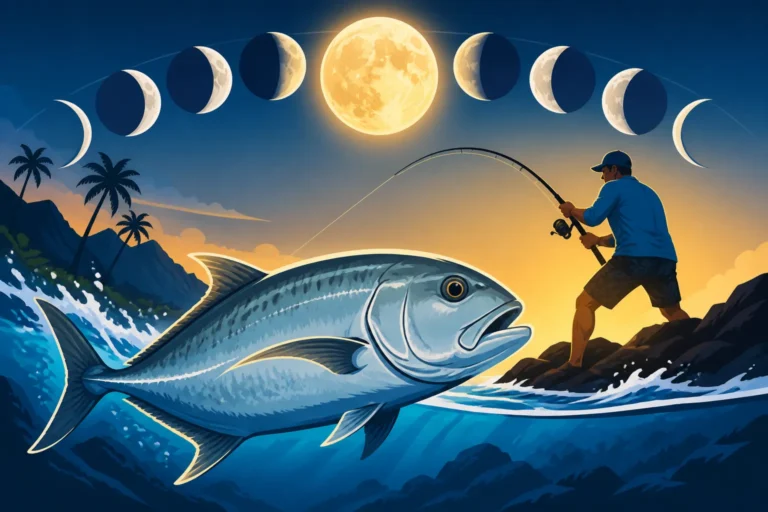
The crucial part here isn't just when high or low tide occurs, but the difference in height between them. A large difference (e.g., a high tide of 2.5 feet and a low tide of 0.1 feet) indicates a strong tidal swing, which usually means stronger currents and more active feeding. A small difference (e.g., 1.5 feet to 1.0 feet) suggests weaker currents. Pay close attention to these numbers; they tell a story about the ocean's energy. Some local anglers even track specific moon phases because they heavily influence tidal strength, with new and full moons bringing the strongest "spring tides."
The Critical Phases: Moving Water vs. Slack Tide
Generally speaking, moving water is almost always better for predatory fishing in Hawaii than slack water. Whether the tide is coming in (flooding) or going out (ebbing), that current is what gets the food moving and the fish agitated. Fish are ambush predators; they love current because it brings food to them and also helps obscure their presence from their prey.
However, it's not a hard and fast rule for every single species or situation. While actively moving water is prime for pelagic species and strong reef predators, there are times when slack tide can be unexpectedly productive. For example, during high slack tide, the lack of current might allow bottom-dwelling fish to venture out from heavy cover more comfortably, or make it easier to present bait precisely over deep structures without it being swept away. On the other hand, low slack can sometimes be a bust for many species, as exposed areas become dry and deeper spots become stagnant. It's about knowing your target species and understanding their preferences relative to the current. This deep understanding separates a lucky angler from a consistently successful one.
Mastering Techniques for Each Tidal Phase
Now that we understand why tides matter and how to read them, let's dive into the practical side. Different tidal phases call for different strategies. Adapting your approach to the current conditions is the hallmark of a skilled Hawaii angler.
Capitalizing on Incoming Tides (Flood Tide)
An incoming tide, often called a flood tide, is when the ocean water is pushing in towards the shore, rising to its high point. This phase is fantastic for several reasons and demands a particular set of tactics.
As the water floods in, it pushes small baitfish, shrimp, and crabs from deeper waters onto shallow reef flats, into estuaries, and over submerged rock formations. This inundation of new water and food attracts smaller predators. Imagine a wave of fresh, oxygenated water washing over a previously exposed or stagnant area – it's like opening a new buffet.
Techniques to Consider:
- Fishing the Leading Edge: Position yourself where the incoming water first meets a deeper channel or reef edge. As the tide rises, fish will move with it, pushing into these newly submerged areas. Casting small, flashy lures or live bait into these zones can be incredibly effective.
- Wading Flats: For species like bonefish (oio) and papio, wading onto shallow flats as the tide rises is a classic technique. The fish move with the rising water, foraging for crustaceans and baitfish. Light tackle and a stealthy approach are key. For more on this, check out Wading Techniques for Hawaii Shore Fishing.
- Targeting Submerged Structure: Rocky points, small islands, and even man-made structures that are only covered at high tide become prime feeding grounds. Cast lures or baits around these areas as they become submerged.
- Channel Entry Points: As water rushes into bays or harbors, the mouths of these channels become excellent ambush points for fish. Presenting a lure or bait here allows the current to do some of the work, carrying your offering naturally.
Target Species: During an incoming tide, you'll often find papio, oio (bonefish), kumu (goatfish), and sometimes smaller ulua actively feeding. These fish are opportunists, and the incoming tide offers them a smorgasbord.
Gear Considerations: You might opt for lighter spinning gear, especially if you're targeting bonefish on the flats. Small jigs, grubs, or topwater lures can mimic the displaced baitfish. Keep your tackle bag ready with a variety of options. Many anglers find great deals on versatile tackle kits suitable for shore fishing on Amazon.
Scenario: Picture yourself at the edge of a known fishing flat near Keehi Lagoon or Sand Island. You watch the water slowly creep in, covering the sand and rock. You grab your light spinning rod, rigged with a small, flashy spoon. As the first inch of water covers the flat, you start casting, working your lure across the shallow water, anticipating the sudden strike of a papio or a powerful run from an oio. This is precisely when the ocean comes alive.
Leveraging Outgoing Tides (Ebb Tide)
The outgoing tide, or ebb tide, is when the water recedes from its high point, flowing back out to sea. This phase is equally, if not more, crucial for targeting larger predatory fish in Hawaii, as it concentrates bait and creates powerful feeding opportunities.
As the water pulls back, it drains baitfish, small crabs, and other food sources off the flats, out of shallow lagoons, and from behind protective reef structures. These currents funnel the food into natural choke points, channels, and deeper drop-offs, where larger predators lie in wait. It’s like a seafood buffet being cleared, and all the tasty morsels are heading directly into the waiting mouths of hungry fish.
Techniques to Consider:
- Fishing Channel Mouths and Drop-offs: These are classic spots during an outgoing tide. Fish will position themselves at the entrances and exits of channels, or along steep drop-offs, to ambush anything the current brings their way. Heavy casting with live bait or large artificial lures can be highly effective. Shore Fishing Techniques for Hawaii provides great insights into these areas.
- Identifying Choke Points: Look for areas where the receding water is forced through a narrow opening. These "choke points" act as natural funnels for bait, making them prime spots for targeting ulua and other powerful predators.
- Using Heavier Baits and Sinkers: To keep your offering in the strike zone against a strong current, you'll often need heavier sinkers, especially when targeting bottom-dwelling predators or casting out for large trevally. A sturdy bottom-fishing rig with a 6-8 oz pyramid sinker can be essential to hold your bait in place.
- Sliding Bait Rigs: For those targeting trophy ulua from shore, a sliding bait rig, where a live bait (like an opelu or akule) is allowed to swim freely or drift with the current from a fixed weight, can be incredibly effective during a strong ebb. This technique often yields the biggest fish. For tips on this, explore How to Catch Ulua from Shore.
Target Species: Outgoing tides are often when you'll find bigger ulua, larger papio, reef sharks, and sometimes even barracuda feeding aggressively. The concentrated food source makes them less selective.
Gear Considerations: You'll generally want heavier tackle for an outgoing tide, especially if you're targeting big ulua. Think heavy-duty spinning reels with plenty of line capacity and strong drag, matched with sturdy surf rods. Braided line in the 50-80 lb class is often preferred for its strength and sensitivity. You can find robust fishing lines and heavy sinkers easily on Amazon, which can be delivered right to your door before your next big tide-fishing adventure.
Scenario: Imagine standing on a rocky point overlooking a channel near Makapuu as the sun dips low, and the tide is pulling out strongly. You've set up your heavy surf rod with a fresh chunk of local squid on a sliding rig, cast far out into the channel. The current is ripping, and you know baitfish are being pulled out with it. You might even consider trying Night Fishing for Ulua in Hawaii if the tide conditions are favorable after dark, as ulua are highly active nocturnal predators during outgoing tides. This is when the patience and preparation pay off for a powerful hook-up.
When Slack Tide Isn't So Bad After All
While the general wisdom for predatory fishing leans heavily towards moving water, dismissing slack tide entirely would be a mistake. There are specific scenarios and target species in Hawaii that can make fishing during the brief periods of high or low slack surprisingly productive, albeit with different techniques.
High Slack Tide: This is the period immediately after the water has reached its highest point and before it begins to recede. The current slows down, sometimes to a complete standstill, for a short while.
- Bottomfishing: For deep-dwelling bottomfish like opakapaka (pink snapper) or onaga (ruby snapper), the slack current can be ideal. It allows your bait to reach and stay directly on their preferred deep-water structures without being swept away. Dropping a leaded line with bait directly over a known reef or rock pile can be very effective.
- Targeting Less Current-Dependent Reef Fish: Certain reef species that don't rely as heavily on current for feeding might be more active during slack water, venturing out from cover to forage. Menpachi (squirrelfish) and some types of goatfish (like kumu) might be more approachable.
- Relaxed Shore Fishing: If you're simply enjoying a leisurely day of shore fishing with the family and not chasing trophy predators, high slack can offer a calm environment for smaller catches near shore, often with simpler bait-and-hook setups.
Low Slack Tide: This is the period after the water has reached its lowest point and before the incoming tide begins. This can often be the least productive phase for many predatory fish, as shallow areas are exposed, and deeper channels might become sluggish or stagnant.
- Exploring for Structure: Low slack is a fantastic time for observation. If you're shore fishing, you can often see submerged reefs, channels, and rocky outcrops that are usually hidden. This allows you to "scout" new spots and identify potential ambush points for when the tide starts moving again. Just be mindful of local regulations and never disturb marine life.
- Targeting Scavengers or Less Active Species: Sometimes, a few species might still be feeding, often scavengers or fish less impacted by current. However, these periods are generally better spent preparing for the next active tide cycle.
Scenario for High Slack: Imagine you're on a small boat offshore from the Big Island, using your sonar to locate a deep bottom structure. The tide chart indicates high slack is approaching. Instead of drifting with a strong current, you anchor precisely over the structure, deploying weighted baits. This precise presentation during the calmest part of the tide gives you the best chance to tempt a cautious opakapaka from its rocky lair. While it might not be the most high-octane fishing, the precision required can be incredibly rewarding.
Essential Gear and Mindset for Tidal Fishing
Regardless of the tide, successful fishing in Hawaii also comes down to having the right tools for the job and the right attitude. The ocean is powerful, and being prepared is key to both safety and success.
Rods, Reels, and Line: Choosing for Current
When you're fishing in Hawaii's currents, whether it's a gentle incoming push or a strong outgoing rip, your gear needs to stand up to the task.
- Rods: For shore fishing during active tides, especially the outgoing ebb when bigger fish are on the move, a medium-heavy to heavy surf rod is often preferred. Look for rods in the 9-12 foot range that can handle heavier sinkers and give you the leverage to cast a good distance. For lighter applications, like targeting papio on an incoming tide, a medium-action spinning rod around 7-8 feet will give you good casting distance and sensitivity.
- Reels: Your reel is arguably even more critical. It needs a smooth, powerful drag system and ample line capacity. A spinning reel in the 6000-8000 size range is a good all-around choice for many shore fishing scenarios, capable of handling tough runs from ulua. For lighter work, a 3000-4000 size reel will suffice. Brands like Shimano, Penn, and Daiwa are popular among local anglers for their durability and performance. You can find a wide selection of these reputable reels on Amazon, often with helpful reviews from other anglers.
- Line: Braided line is a game-changer for fishing in current. Its thin diameter means less drag in the water, allowing you to use lighter sinkers. It also offers incredible sensitivity, helping you feel even the subtlest bites. A 30-50 lb braid is a good starting point for general shore fishing, increasing to 60-80 lb for heavier applications targeting trophy ulua. Always remember to use a fluorocarbon leader, usually 50-100 lb test, as a buffer between your braid and hook. Fluorocarbon is nearly invisible in water and abrasion-resistant, essential around Hawaii's sharp reefs. Hawaii Fishing License Guide for 2026 and Hawaii Bag and Size Limits by Species should always be consulted, regardless of your tackle setup, to ensure you're compliant.
Lures, Baits, and Weights: Adapting to the Flow
Your terminal tackle needs to match the conditions and the fish you're targeting during tidal movements.
- Lures:
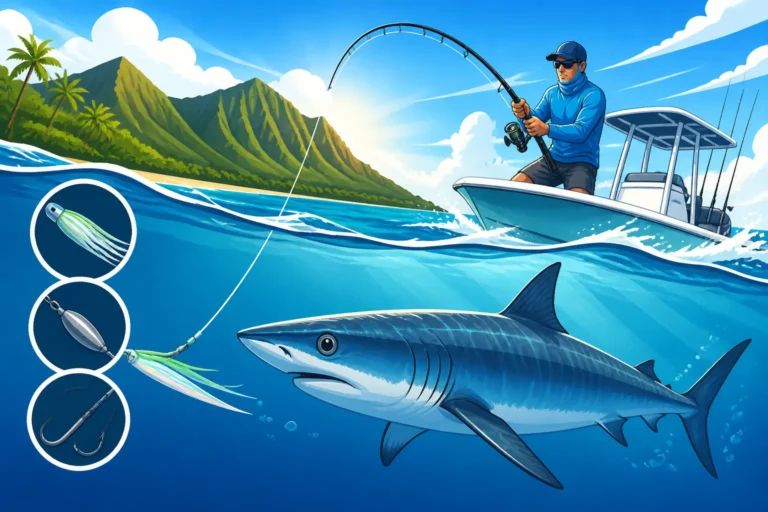
- Heavier Jigs and Spoons: During strong currents, lighter lures simply won't get down to the strike zone or will be swept away too quickly. Heavier metal jigs, spoons that are designed to cut through water, or even weighted soft plastics (like those from Gulp! available on Amazon) can be effective.
- Topwater Lures: For aggressive papio and smaller ulua on an incoming tide, topwater lures like poppers or walk-the-dog baits can create exciting surface strikes.
- Baits:
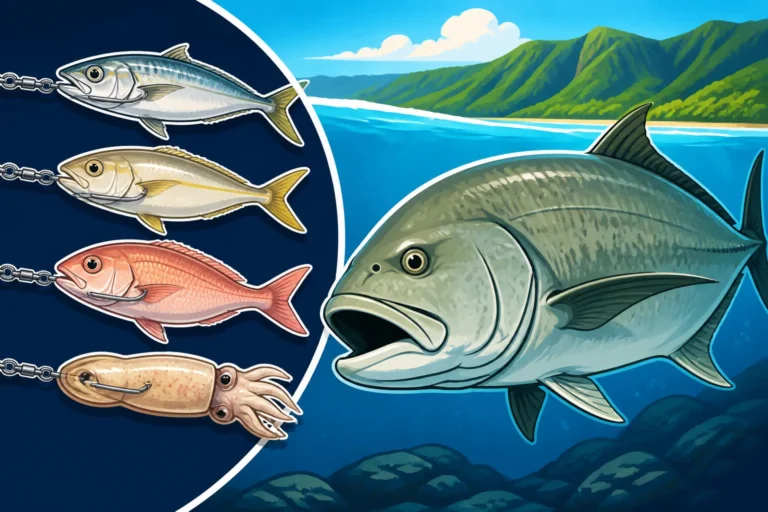
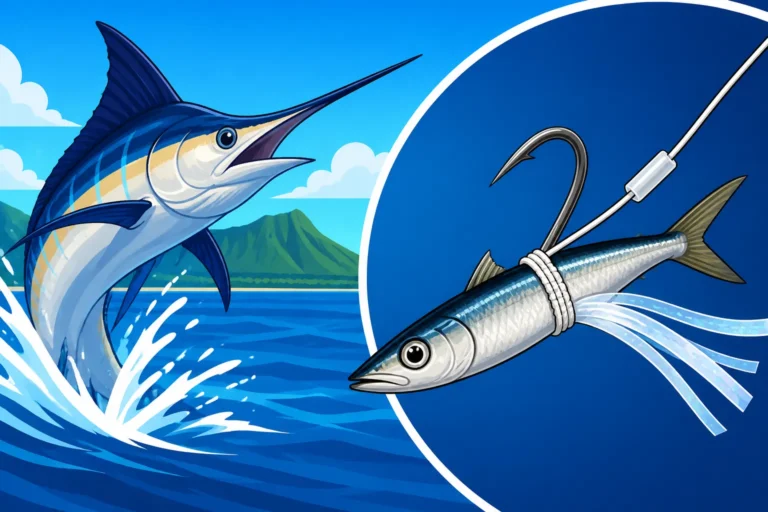
- Live Bait: Nothing beats live bait in many scenarios, especially for targeting bigger predators like ulua. Opelu (mackerel scad) and akule (bigeye scad) are prime choices. If you can cast net these yourself, that’s a huge advantage.
- Cut Bait: Fresh cut bait, such as pieces of local fish like uhu (parrotfish), squid, or even store-bought shrimp, can be very effective, especially for bottomfish or when targeting ulua with a scent trail.
- Weights/Sinkers: This is where adapting to the current is most evident. You might need a range of weights, from 1 oz egg sinkers for lighter work to heavy pyramid or grapple sinkers (8-12 oz or more) for holding bottom in strong currents, especially when trying to present bait in deep channels or turbulent areas. It’s better to have too many options than too few.
Scenario: Imagine you're fishing a strong outgoing tide near a rocky point known for ulua. You've got your heavy surf rod, a high-capacity spinning reel, and 80lb braid with a 100lb fluorocarbon leader. You tie on a large circle hook, bait it with a substantial chunk of opelu, and attach a 10-ounce pyramid sinker. You cast it out, allowing the current to take your bait to the edge of the drop-off, knowing that any fish hitting it will be big. This is when your gear needs to be up to the challenge, because when that line goes taut, you’ll be in for a battle.
Safety and Local Knowledge: The Unsung Heroes
Beyond the gear and techniques, two things are paramount for any angler in Hawaii: safety and tapping into local wisdom. The ocean can be unpredictable, and respecting it is non-negotiable.
- Safety First: Strong tidal currents can create dangerous conditions, especially near rocky shorelines or in channels. Always be aware of your surroundings. Never turn your back on the ocean. Rogue waves are a real threat, even on seemingly calm days. If you're wading, ensure you know the terrain and have stable footing. Always inform someone of your fishing plans and expected return time. Check out Hawaii Boating Laws for Anglers for broader safety information if you're taking a vessel out.
- Observe and Learn: Spend time watching the water before you cast. How do the currents behave? Where are the baitfish holding? What are other successful anglers doing? This observational learning is invaluable.
- Talk to Locals: Hawaiian anglers are often a wealth of information, especially about specific spots and the nuances of local tides. A friendly conversation at the tackle shop or on the beach can provide insights that no guide book can. Just be respectful and don't expect them to reveal their secret honey holes!
- Respect Regulations: Always be aware of and abide by Hawaii Fishing Regulations Explained, including bag and size limits, closed seasons, and protected areas. Protecting our precious marine resources ensures that future generations can also enjoy the incredible fishing Hawaii offers. Whether it's the season for Hawaii Moi Closed Season, Explained or the limits on Hawaii Opihi Harvest Limits and Size Rules, knowing the rules is part of responsible angling.
Fishing with the tides in Hawaii is a blend of science, art, and local wisdom. By understanding how the water moves and adapting your strategies accordingly, you'll not only increase your chances of a great catch but also gain a deeper appreciation for the rhythms of our incredible ocean.
| Tidal Phase | Expected Current Strength | Recommended Approach | Prime Lure/Bait Types | Key Target Species |
|---|---|---|---|---|
| Incoming Tide | Weak to Moderate | Wading flats, casting along channel edges | Small jigs, spoons, grubs, topwater lures, live shrimp | Papio, Oio (Bonefish), Kumu, smaller Ulua |
| High Slack | Very Weak to None | Deep bottomfishing, targeting fixed structures | Cut bait (squid, fish chunks), weighted artificials | Opakapaka, Onaga, Menpachi, smaller reef fish |
| Outgoing Tide | Moderate to Strong | Fishing channel mouths, drop-offs, choke points | Live bait (opelu, akule), large cut bait, heavy metal jigs | Ulua, larger Papio, reef sharks, barracuda |
| Low Slack | Very Weak to None | Reconnaissance, targeting very specific stagnant spots | Smaller baits, light tackle for opportunistic feeders | Opportunistic scavengers, very slow reef fish |
Disclaimer
This article is for general informational purposes only and does not constitute professional advice. Laws, prices and regulations vary by location and change over time. Consult a qualified professional for guidance on your specific situation.