Best moon phase for ulua fishing
Ask any seasoned ulua angler in Hawaii, and they'll likely have a strong opinion about which moon phase is best for landing one of these powerful giant trevally. It's a common frustration, isn't it? You put in the time, pick your spot, but sometimes it feels like the fish just aren't there, or they're not biting. Often, the unseen forces of the moon might be at play, subtly influencing the tides, the currents, and ultimately, the feeding behavior of ulua. This comprehensive guide will pull back the curtain on the lunar calendar, helping you understand how different moon phases can impact your ulua fishing success and how to adapt your strategies accordingly.
The Influence of Lunar Cycles on Ulua Behavior
It's easy to think of the moon as just a light in the night sky, but for us anglers, especially those targeting powerful predators like ulua, its gravitational pull is a game-changer. The moon's phases aren't just pretty to look at; they dictate fundamental elements of the ocean that directly impact where and when ulua choose to hunt. Understanding this connection is your first step to unlocking more consistent success on the water.
Tides and Currents: The Primary Lunar Effect
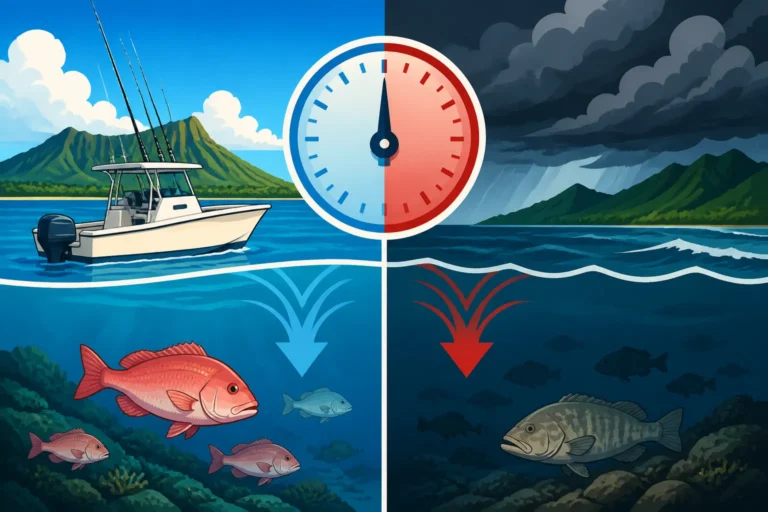
The most direct and significant way the moon affects fishing is through its influence on the tides. Everyone knows the moon causes tides, but the intensity of those tides changes dramatically with each phase. During a new moon and a full moon, we experience what are called "spring tides." These are characterized by exceptionally high high tides and very low low tides, resulting in strong tidal currents. These powerful currents can be a double-edged sword: they can stir up the bottom, dislodging baitfish and crustaceans, effectively ringing the dinner bell for opportunistic predators like ulua. Conversely, they can also make fishing challenging if the current is too strong, sweeping away your bait or making it difficult for fish to hold their position.
During the first and last quarter moons, the gravitational pull of the moon and sun are at right angles, leading to "neap tides." These tides have a smaller range, meaning less dramatic highs and lows and generally weaker currents. While weaker currents might mean less bait disruption, they can also make for a more predictable fishing environment where ulua might cruise more leisurely. A slight current is almost always beneficial, as it helps distribute scent from your bait and can trigger fish to feed. However, sluggish water can sometimes mean sluggish fish, especially for aggressive feeders like ulua. Anglers who keep a close eye on their Hawaii Fishing Seasons by Month and daily tide charts will often find patterns unique to their favorite spots.
Light Levels and Predator-Prey Dynamics
Beyond tides, the amount of natural light the moon provides—or doesn't provide—plays a crucial role in the nocturnal world of ulua fishing. Ulua are primarily nocturnal hunters, using their keen sense of smell and lateral lines to detect prey in low-light conditions. The interplay of moonlight and darkness significantly alters the predator-prey dynamics on the reef and along the shoreline.
On dark nights, such as during a new moon, the lack of ambient light offers maximum stealth for ulua. They can ambush prey more effectively, making baitfish and smaller reef inhabitants more vulnerable. This is often when ulua are at their most aggressive and least cautious. Anglers often report that the absence of moonlight makes fish feel safer to move into shallower waters to feed. Conversely, bright full moon nights illuminate the water, giving prey a better chance to spot an approaching predator. Ulua might become more wary, perhaps retreating to deeper shadows or only feeding during periods of peak tidal flow when the current offers some concealment. However, bright moonlight can also reveal large schools of baitfish, creating feeding frenzies that a smart angler can capitalize on. Understanding these nuances helps determine not just if you'll fish, but Best Time of Day to Catch Ulua to optimize your chances.
Dominating the Dark: New Moon Ulua Fishing
When it comes to targeting ulua, many seasoned Hawaii anglers will tell you that the new moon phase holds a special kind of magic. There's a particular energy that permeates the ocean during these darkest nights, often leading to some of the most memorable battles with these powerful fish.
Why the New Moon is Often Prime Time
The new moon phase, when the moon is barely visible or completely dark in the sky, is often considered prime time for ulua fishing. The overwhelming darkness provides the ultimate cover for these apex predators. Ulua rely heavily on surprise and ambush tactics, and with minimal ambient light penetrating the water, baitfish and crustaceans have fewer visual cues to detect an approaching giant trevally. This increased vulnerability for prey means ulua can hunt with greater confidence and aggression, often venturing closer to shore or into shallower reef areas where they might be more cautious during brighter phases.
Furthermore, the new moon brings with it some of the strongest tidal currents of the month – the spring tides. These powerful water movements dislodge food from the reef, stir up the sand, and create baitfish migration corridors, essentially creating a buffet line for hungry ulua. The combination of maximum darkness and strong currents often triggers intense feeding windows. Many local fishermen plan their entire month around these specific dark periods, knowing that their chances of hooking a trophy Ulua Giant Trevally Fishing in Hawaii dramatically increase. It's not just a superstition; it's a deep understanding of marine ecology and how the lunar cycle dictates the rhythm of the ocean.
Essential Gear and Tactics for New Moon Nights
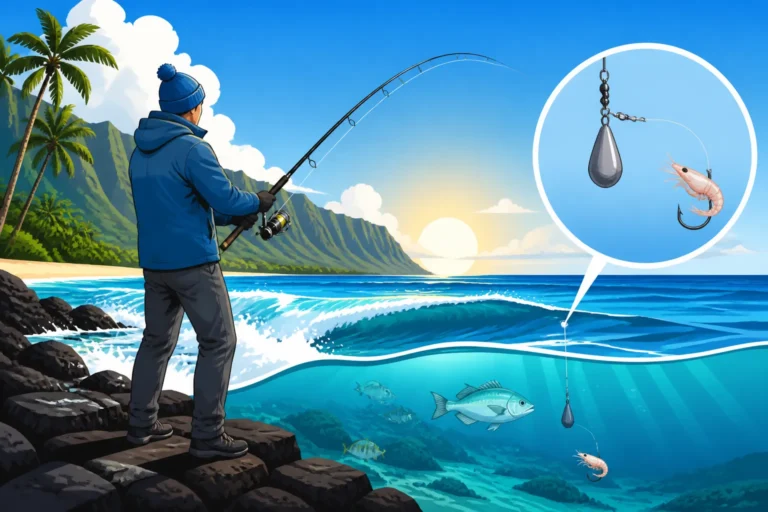
To make the most of the new moon's potential, you need to adapt your gear and tactics. Since visibility is at its absolute minimum, your reliance on other senses and specialized equipment becomes paramount. Heavy-duty surfcasting rods are a must, paired with robust reels capable of handling the brutal runs of a large ulua. For line, you'll want something strong and abrasion-resistant; many prefer braided line for its sensitivity, often with a fluorocarbon leader of at least 80-100 lb test, depending on the size of fish you're targeting and the amount of structure present. If you're wondering How thick a leader you need for ulua fishing, thicker is generally better, especially near lava rock.
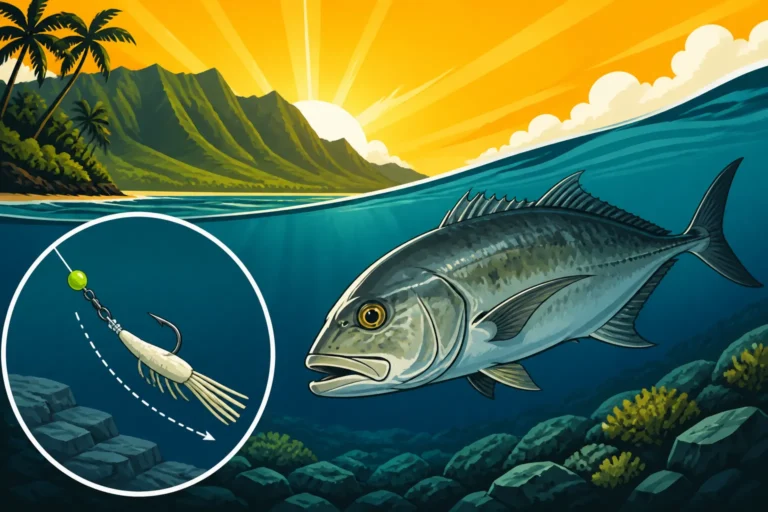
When it comes to bait, fresh is always best. During new moon nights, ulua are less discerning due to the low light, so a large, oily baitfish like a whole opelu, akule, or a big piece of squid can be incredibly effective. Many anglers employ Sliding Bait Techniques for Ulua, using a live or dead bait suspended under a balloon or drifted out on the current. This presents the bait naturally and keeps it off the bottom where it might get snagged. Since you'll be fishing in pitch black, a reliable headlamp is non-negotiable for tying knots, rigging bait, and moving safely along rocky shores. Consider one with a red light setting to preserve your night vision. Some anglers even use glow sticks or small LED lights attached to their main line or leader, not necessarily to attract fish, but to help them spot a strike or track their line in the dark. You can find a fantastic selection of waterproof headlamps and fishing glow sticks on websites like Amazon, making it easy to stock up before your next dark-of-the-moon adventure.
The Bright Side and Challenges of the Full Moon
While the new moon often gets all the glory for ulua fishing, completely dismissing the full moon would be a mistake. It presents its own unique set of conditions and opportunities that, with the right approach, can still lead to impressive catches.
Full Moon's Impact: Clarity, Caution, and Opportunity
The full moon bathes the night sky in bright light, illuminating the ocean's surface and penetrating the water column. For ulua, this means a significant reduction in their natural stealth advantage. Prey species have a much better chance of spotting an incoming predator, which can make ulua more cautious and less willing to expose themselves in open, brightly lit areas. You might find them hugging deeper ledges, shadowy reef edges, or areas with more turbulent water that breaks up the moonlight. This added wariness means that your presentation needs to be more refined, and your patience might be tested more.
However, the full moon also brings with it those same powerful spring tides as the new moon, generating strong currents that can be highly advantageous. These strong currents still dislodge bait and create feeding opportunities, even if the ulua are more wary. The bright light can also make it easier to spot large schools of baitfish, which, if located, can indicate where the ulua might be lurking just beyond the illuminated edges. Sometimes, the sheer volume of bait stirred up by the powerful tides is enough to overcome any caution the ulua might have, especially during the peak of the tide change. It’s also during these periods that you might observe different species of baitfish moving through, giving you clues about What ulua eat around Hawaii's reefs during this specific moon phase.
Adapting Your Approach for Full Moon Success
To succeed during a full moon, you need to think differently than you would during the dark new moon. First, consider your location. Instead of open, shallow flats, target deeper channels, shadowed drop-offs, or areas with significant structure that provides cover. Rocky points and harbors, where there's usually some deeper water nearby and plenty of places for fish to hide, can be excellent choices. Look for locations that offer some natural light blockage, or areas where the incoming and outgoing tides create strong rip currents that funnel bait without exposing the ulua too much.
Your presentation should also be more subtle. While a large, noisy splash from a big bait might be fine in the dark, a more subdued entry during a full moon can avoid spooking wary fish. Consider using smaller, more natural baits that blend in better with the environment. Live bait can be especially effective, as its natural movement is often irresistible, even to a cautious ulua. Timing is also critical. Ulua might be most active during the hour before and after the peak of the tide, when currents are at their strongest and offer some concealment. Additionally, the transition periods of dawn and dusk, when the moonlight is fading or just beginning to appear, can be highly productive as the light levels change and ulua adjust their hunting patterns. Keeping a keen eye on your Best Shore Fishing Spots in Hawaii and their unique characteristics during varying light conditions is key.
Navigating the In-Between: Quarter Moons and Beyond
While the new and full moons tend to get the most attention for their extreme tidal shifts and light conditions, the quarter moons and the intermediate phases between them offer their own unique advantages and challenges for ulua anglers. Don't overlook these periods, as they can still yield fantastic results if you know how to read the water.
First and Last Quarter: Steady but Subtle Conditions
During the first and last quarter moons, the gravitational pull of the sun and moon are at right angles to each other, resulting in "neap tides." These tides are characterized by a smaller range between high and low, meaning less extreme tidal swings and generally weaker currents compared to spring tides. For some anglers, this might sound less exciting than the powerful currents of a new or full moon, but it can actually create more consistent and predictable fishing conditions.
With less violent water movement, ulua might not be as actively stimulated by dislodged bait, but they also don't have to fight as hard against the current. This can lead to more stable feeding patterns. You might find ulua holding consistently in certain areas, rather than moving significantly with drastic current changes. The light conditions during quarter moons are also moderate – not pitch black like the new moon, nor brilliantly lit like the full moon. This "in-between" lighting can mean less caution from the fish than a full moon, while still offering enough ambient light to navigate if you prefer some visibility. It’s a great time to experiment with different techniques, perhaps even trying some of the casting methods detailed in How to Catch Ulua from Shore. These conditions can often reward persistent anglers who meticulously work their chosen spots.
Timing Your Efforts During Intermediate Phases
Regardless of the specific moon phase, understanding and paying attention to the daily tide charts remains paramount for successful ulua fishing. Even during neap tides, there will still be periods of stronger incoming and outgoing flow, and these periods often coincide with increased ulua activity. Aim to fish an hour or two on either side of the peak high or low tide, when the water movement is most pronounced. This applies to all moon phases, but it's especially critical during the quarter moons when the overall tidal influence is less dramatic.
Beyond tides, always consider local conditions. Are there significant swells running? Big swells can push baitfish closer to shore and stir up the bottom, providing excellent cover and feeding opportunities for ulua, even on a neap tide. Is there a recent rain runoff? This can bring nutrients and bait into the ocean, drawing in predators. Pay attention to the presence of baitfish schools; if you see activity, ulua are likely nearby, regardless of the moon phase. Having a diverse selection of baits and lures, perhaps some of the popular options you can purchase easily from Amazon, will also allow you to adapt on the fly. Ultimately, while moon phases provide a powerful framework, combining that knowledge with real-time observation of tides, currents, swell, and bait presence is the winning formula for any serious ulua angler. And remember, sometimes the Best Time of Year to Fish in Hawaii can also influence these factors, adding another layer to your planning.
Moon Phase Impact on Ulua Fishing
| Moon Phase | Light Conditions | Tidal Strength | Ulua Behavior | Recommended Tactics |
|---|---|---|---|---|
| New Moon | Very Dark | Strong (Spring) | Aggressive, less cautious, moves shallow | Large, oily baits; sliding rigs; glow sticks; focus on peak tides. |
| First Quarter | Moderate | Moderate (Neap) | Consistent, might hold steady | Live bait, subtle presentations; fish peak currents. |
| Full Moon | Very Bright | Strong (Spring) | Cautious, hides in shadows; feeds on strong currents | Deeper spots, shadowed areas; natural baits; target dawn/dusk/peak tides. |
| Last Quarter | Moderate | Moderate (Neap) | Consistent, might hold steady | Live bait, subtle presentations; fish peak currents. |
Disclaimer
This article is for general informational purposes only and does not constitute professional advice. Laws, prices and regulations vary by location and change over time. Consult a qualified professional for guidance on your specific situation.