Best technique for winter shore fishing
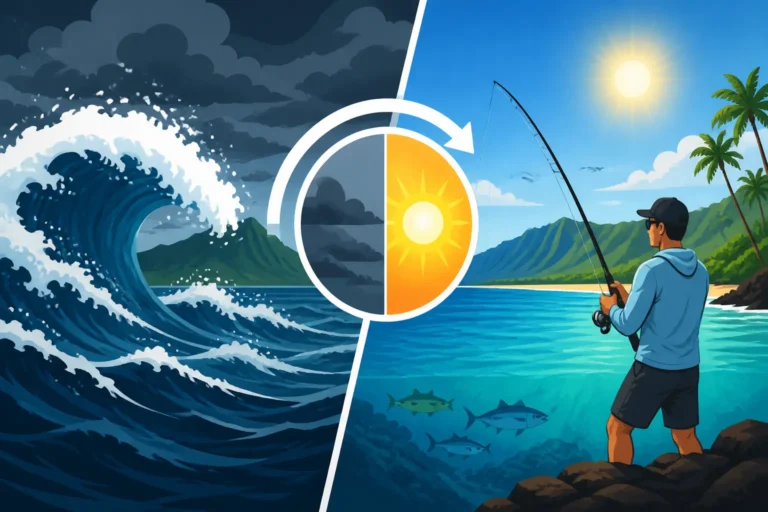
Winter shore fishing in Hawaii often feels like you're trying to solve a puzzle with moving pieces. The serene, glassy waters of summer give way to more dynamic conditions, bringing larger swells, stronger currents, and sometimes, a little more chill to the air. Many anglers get discouraged, thinking the bite shuts down, but that's far from the truth! This guide is here to help you understand the nuances of the ocean during Hawaii's "winter," offering practical techniques and strategies to find success when others might be packing up their gear.
Understanding Hawaii's Winter Conditions for Shore Anglers
Hawaii's winter isn't like the mainland's, but it certainly brings a noticeable shift in ocean behavior. You won't find snow on the beaches (unless you count the foam from big waves!), but you will encounter different challenges and, more importantly, different opportunities. Adapting to these changes is the first step to becoming a successful winter shore angler here.
Shifting Ocean Currents and Swells
One of the most defining characteristics of winter in Hawaii is the arrival of larger swells, particularly impacting our north and west-facing shores. These swells, generated by distant storms, can transform calm bays into frothing cauldrons, making many popular summer fishing spots inaccessible or simply too dangerous. Imagine your favorite sandy beach spot suddenly getting pounded by waves that break far up the shore – that's a common winter scenario on the North Shore of Oahu or parts of Maui.
These powerful swells aren't just about big waves; they also stir up the seafloor, dislodging food sources and creating a nutrient-rich "wash" that can attract predatory fish. While some areas become unfishable, others, particularly on protected south and east-facing shores, might actually benefit from increased current flow bringing bait closer in. Understanding which direction the swell is coming from – for instance, a strong northwest swell – will tell you immediately which sides of the islands will be rough and which might offer calmer, albeit still active, fishing.
The impact on water clarity is another big factor. Those crystal-clear waters we love can become murky and churned up, especially near river mouths or areas with heavy runoff. This reduced visibility can make fish rely more on scent and vibration than sight, which influences your bait and lure choices. It also means that fish might be less skittish and more willing to venture into shallower water, providing excellent opportunities for shore anglers who know how to read the conditions.
Cooler Water Temperatures and Fish Behavior
When we talk about "cooler water temperatures" in Hawaii, it's all relative, of course! We're not talking about freezing points, but rather a drop of a few degrees Fahrenheit from the summer highs. This seemingly small change can actually have a significant impact on certain fish species. Just like humans, some fish prefer warmer water, while others become more active in cooler conditions.
Bottomfish, for example, might move slightly deeper to find more stable temperatures, but many inshore species, like papio and ulua, can become incredibly active in the cooler, oxygenated water of the surf zone. The cooler water can also affect their metabolism, sometimes making them feed less aggressively or more sporadically, but when they do bite, it can be quite powerful. You might find fish holding in different structures or depths than they would in summer, often seeking out areas with more current or protection from the big waves.
For species that are more sensitive to temperature changes, like some of the smaller reef dwellers, they might retreat into deeper pockets of the reef or sheltered lagoons where the water remains a bit warmer and less disturbed. This means you need to adjust your target species and your fishing locations based on the prevailing water temperature and the comfort zones of the fish you're hoping to catch. Paying attention to tidal changes and the sun's position can also help you find pockets of slightly warmer water where fish might congregate.
Strategic Spot Selection for Winter Shore Fishing Success
Choosing the right spot is paramount for winter shore fishing in Hawaii. What worked in July might be a raging, unfishable mess in January. Successful winter anglers learn to read the ocean, anticipate conditions, and find the sheltered havens or the productive wash zones.
Targeting Protected Leeward Shores and Bays
When the big winter swells hit, your best bet for calm, fishable waters often lies on the leeward sides of the islands – those facing away from the prevailing winds and swells. For example, if a massive northwest swell is pounding Oahu's North Shore, the south and west shores (like areas around Honolulu or even Ewa Beach) will typically offer much calmer conditions. The same goes for Maui, where a north swell would send you looking towards Kihei or La Perouse Bay.
These protected areas act as natural refuges for baitfish escaping the rougher open ocean. Where there's bait, predatory fish will follow. You might find schools of opelu or akule holding in these calmer bays, drawing in larger game fish like trevally, barracuda, and even opportunistic mahimahi or ono. Look for areas with a mix of sandy bottom and rocky structure, as these transition zones are prime ambush points.
Fishing in these spots often involves lighter tackle than the exposed coastlines, allowing for more finesse presentations. Focus on channels, deeper holes, or the edges of reef lines within these bays. Even if the main swell isn't reaching them directly, the residual surge can still create enough movement to dislodge food and get fish feeding. Checking the local surf reports and understanding the swell direction is your secret weapon for finding these productive havens. You might even want to check out the specific rules for areas like Hawaii Marine Life Conservation Districts, Explained if you're fishing in a new bay.
Fishing During and After Winter Swells
While big swells can be intimidating, they also present unique opportunities if approached with caution and respect for the ocean. During a large swell, many anglers head for the hills, but some of the most dedicated (and safest) will find the "sweet spots." These are often rocky points or channels where the swell, instead of breaking directly, creates a strong current or "wash" that dislodges limpets, crabs, and other small critters from the rocks, sending them tumbling into the ocean.
Predatory fish like ulua (Giant Trevally) and papio thrive in this turbulent environment, using the white wash and current to their advantage to ambush prey. The key is to find spots where you can safely cast into this churn without being directly exposed to breaking waves. This might mean fishing from a slightly elevated vantage point, or targeting the very edges of the wash zone where the water is still moving but not dangerously rough. Understanding Hawaii Fishing Regulations Explained for specific locations is always important.
Even more productive can be the "post-swell bite." After a big swell has calmed down, the ocean floor remains stirred up, and the water might still be murky but with less dangerous wave action. This is when a lot of dislodged food is still available, and fish that were hunkering down or actively feeding in the wash will continue to forage. The days immediately following a major swell can be some of the most incredible for shore fishing, as the fish are often less wary and eager to feed on the abundant, easily accessible food. This is an excellent time to target species like ulua, using slide baiting or heavy casting techniques.
Go-To Winter Shore Fishing Techniques and Baits
Winter conditions demand a change in tactics. What worked for a small papio in a glassy summer tide pool isn't likely to cut it when the ocean is churned up and currents are strong. You need to adjust your gear, your bait choices, and how you present them.
Heavier Tackle and Robust Rigs for Rougher Conditions
When the winter swells roll in, it’s time to beef up your gear. Flimsy tackle just won't cut it against strong currents, pounding waves, and potentially larger, more aggressive fish that are actively feeding in the turbulent water. Think longer, stronger rods – typically 10 to 12 feet or even longer for serious surf casting – that can punch a heavy bait out past the shore break and handle the strain of a powerful fish fighting in the surge.
Your line choice is critical. While some might go for braid, a strong monofilament main line in the 20-30 lb test range (or even heavier for targeting big ulua) often performs better in rough conditions as it offers more stretch to absorb shock and is less prone to abrasion against rocks. Always use a heavy leader, usually fluorocarbon, significantly stronger than your main line – think 40 to 80 lb test or more, depending on your target. This is your insurance policy against sharp reef edges and the abrasive power of sand and rocks in the wash.
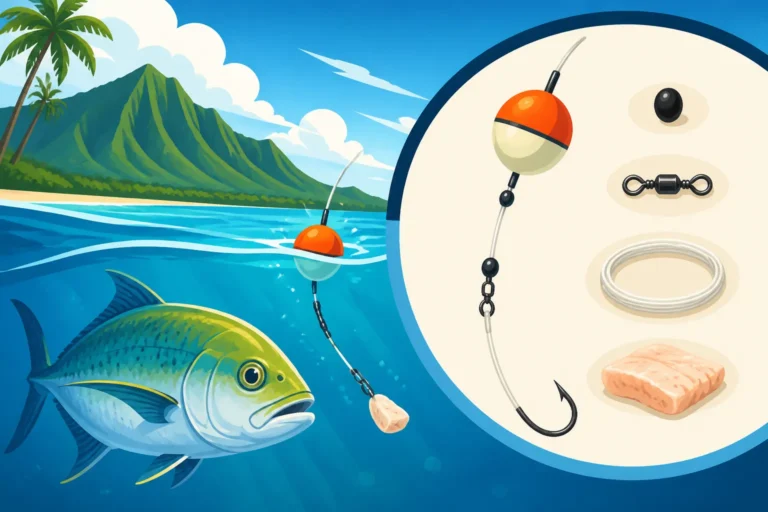
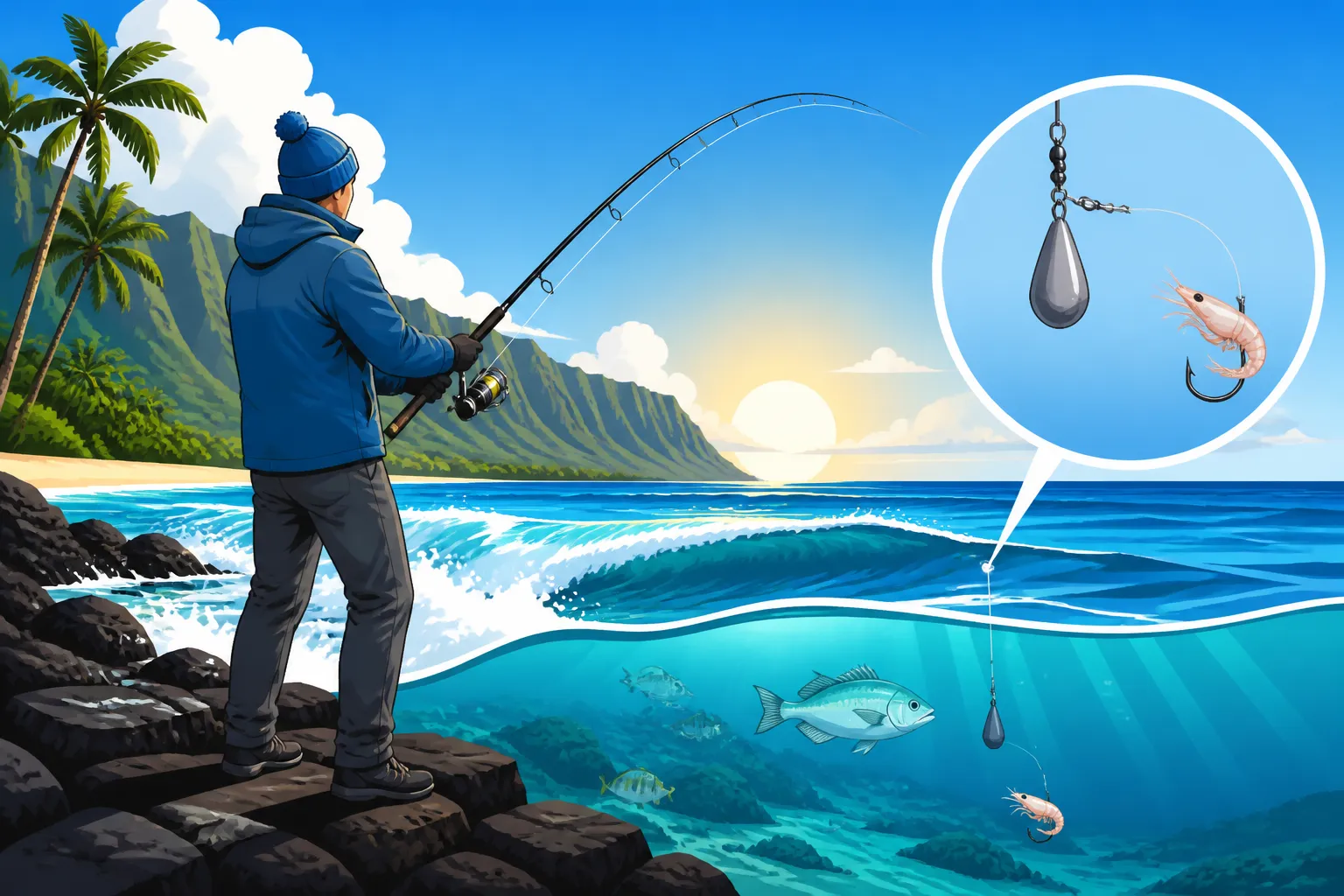
Rigging also changes. Simple Carolina rigs with heavy pyramid or Sputnik sinkers (designed to grip the bottom) are popular for holding bait in place. For targeting bigger fish with live bait, a "slide bait" rig can be incredibly effective, allowing you to cast out a heavy sinker, then clip on a live bait (like an opelu or akule) and let it slide down the main line to the desired spot. This keeps your lively bait away from the heavier sinker, allowing it to swim naturally. Don't forget strong, sharp hooks – Circle hooks are often preferred for their ability to set in the corner of the fish's mouth, reducing gut hooking and improving release rates, which is especially important when you're adhering to Hawaii Bag and Size Limits by Species.
Live Bait and Cut Bait Strategies
In cooler, murkier water, fish tend to rely more heavily on their sense of smell and vibration. This is where natural baits often outshine artificial lures. Live bait, if you can get it, is king. Small opelu (mackerel scad), akule (bigeye scad), or even local shrimp can be irresistible to hungry predators. A live bait struggling in the current sends out powerful vibrations and a natural scent trail that can attract fish from a distance, even if visibility is poor.
If live bait isn't an option, fresh cut bait is your next best friend. Sliced pieces of squid, fresh fish (like mackerel or bonito), or even the internal organs of a baitfish can release a potent scent cloud that draws fish in. The key is freshness. Old, freezer-burnt bait won't have the same appeal. Experiment with different sizes and shapes; sometimes a long strip of squid fluttering in the current is the ticket, while other times a chunk of bloody fish might be more effective.
For targeting specific reef species, smaller pieces of fresh shrimp, limu (seaweed), or even bread can work in calmer, protected areas. Remember that some fish, like moi (Pacific Threadfin), have a preference for certain natural foods. Always check the regulations for harvesting bait, as some species might have specific rules. You can often find a good selection of frozen bait at local tackle shops, or even on a platform like Amazon, which offers various bulk frozen baits and scent enhancers if you're stocking up for a longer trip.
Slow and Steady Lure Presentations
While natural bait often dominates in winter, artificial lures certainly have their place, especially for active predators. The trick is to adjust your presentation. Instead of fast, erratic retrieves typical for summer, think slow and steady. The colder water can make fish less inclined to chase quickly, so a lure that mimics a stunned, injured, or slow-moving baitfish can be incredibly effective.
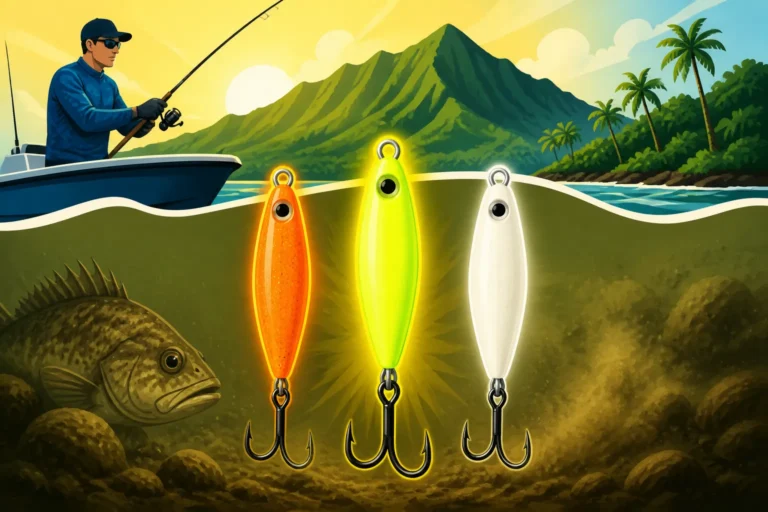
Heavy spoons, often in chrome, blue, or green patterns, are excellent for getting distance and depth, and their fluttering action on a slow retrieve can imitate a struggling fish. Soft plastics, especially those with paddle tails or grub bodies, rigged on jig heads can also be worked slowly along the bottom or through the mid-water column. Scented soft plastics can provide an added advantage in murky water.
Lipped plugs or stickbaits, retrieved at a slow, deliberate pace with occasional pauses, can also entice bites. The key is to match the hatch – use lures that approximate the size and general color of the baitfish currently in the area. Pay attention to how the current and waves affect your lure's action; sometimes, letting the natural motion of the water impart the action is more effective than aggressive rod work. When targeting certain pelagic species, remember to be aware of Hawaii Pelagic Species Bag Limits before you even cast.
Adapting to Specific Winter Targets
Hawaii's winter fishing isn't just about weathering the conditions; it's also about understanding which species are likely to be active and where they'll be found. Different fish react differently to the changing seasons, and adapting your focus can greatly improve your success rate.
Ulua and Papio in the Wash
Winter swells are often synonymous with prime ulua and papio (Giant Trevally and juvenile Giant Trevally) fishing. These powerful predators are opportunistic feeders and absolutely thrive in the turbulent, churned-up waters of the wash zone. As waves crash and recede, they dislodge crabs, small fish, and other invertebrates from the rocks and sand, creating a natural buffet line. Ulua and papio will patrol these areas, using the murky water and white foam for cover, ready to ambush anything that gets swept into their path.
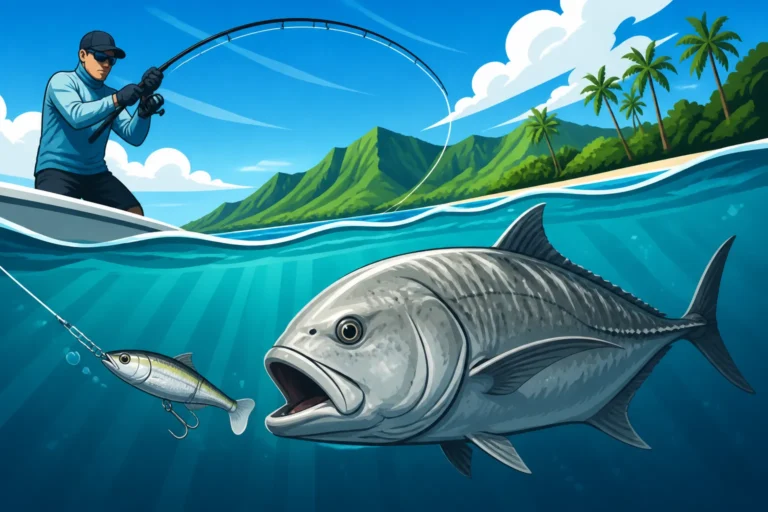
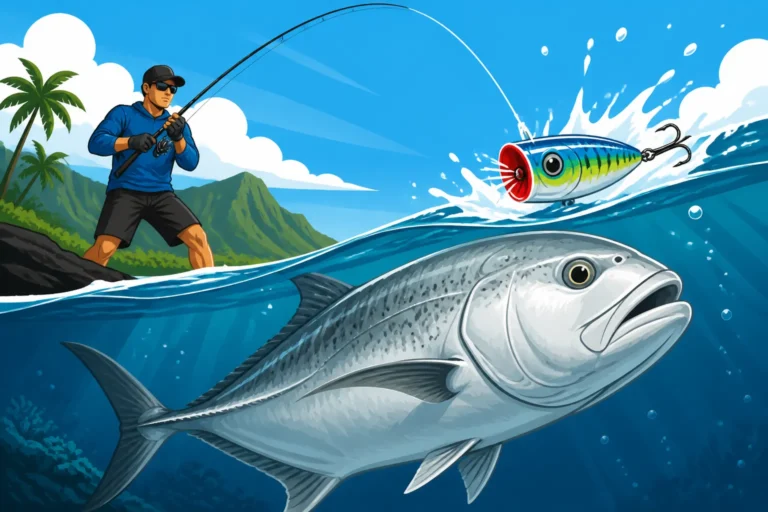
The most effective techniques for these species in winter often involve getting your bait or lure into this active wash. Slide baiting, as mentioned earlier, is a premier method for ulua. You cast a heavy sinker out beyond the break, then slide a live bait down to the target zone. The live bait, struggling against the current, is a beacon for hungry trevally. For papio, whipping (casting and retrieving lures) with heavy spoons, metal jigs, or even large soft plastics can be incredibly effective. The key is to cast into the whitewater and work your lure with a retrieve that mimics an injured or disoriented baitfish. You might find more detailed information on specific approaches in guides like How to Catch Ulua from Shore and How to Catch Papio on Hawaii's Shoreline. Always be prepared for a strong fight; these fish use the current to their advantage and can quickly spool an unprepared angler.
Reef Fish in Protected Waters
While the big game hunters are in the wash, many popular reef fish species will seek refuge in calmer, more protected waters during the winter months. Think about the leeward side coves, the protected corners of larger bays, or the inside sections of reefs where the water isn't getting directly pounded by swells. Species like kumu (Goatfish), weke (Goatfish), and smaller papio or even various types of snapper might congregate here, seeking consistent temperatures and readily available food.
For these species, you'll want to scale down your tackle a bit from the heavy surf gear. Light to medium spinning tackle, with 10-20 lb test line and a fluorocarbon leader, is usually sufficient. Small hooks baited with pieces of shrimp, squid, or even crab are highly effective. Simple bottom rigs, either with a small sliding sinker or a split shot, will keep your bait near the bottom where these fish forage. Finesse is often the name of the game; gentle presentations and sensitivity to light bites are crucial. These protected areas are often teeming with life, making for a fun and productive day, especially for families or beginners. Exploring the Best Reef Fishing Spots in Hawaii can provide a starting point for finding these calmer areas. Remember to consult specific guidelines regarding fish size, such as the Hawaii kumu minimum size limit.
Pelagics Close to Shore (Opportunistic)
While big offshore pelagic species like marlin and ahi are typically found in deeper waters, winter can sometimes bring smaller pelagics, or even juveniles of larger species, surprisingly close to shore. This is largely driven by baitfish movement. If large schools of opelu or akule are pushed into shallower waters by currents or predatory pressure, you might find mahimahi (Dorado), ono (Wahoo), or even small tuna species following them within casting distance from the shoreline or from a high cliff.
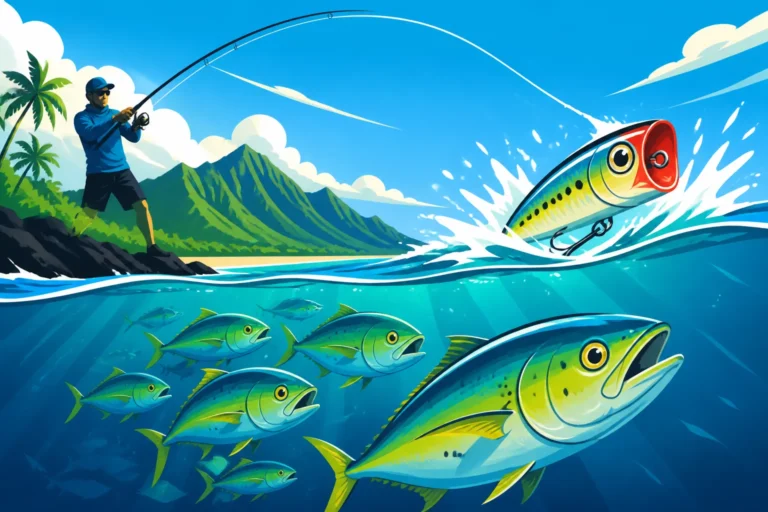
This is a more opportunistic form of fishing, relying on being in the right place at the right time. Your best bet is to keep an eye out for signs of baitfish schools – birds diving, surface commotion, or dark patches in the water. When you spot them, be ready to cast larger, fast-retrieving lures like metal jigs, lipped plugs, or even rigged baits. A long casting rod is essential for reaching these often fast-moving targets. This isn't an everyday occurrence, but when it happens, it can be an incredibly exciting and rewarding experience, offering a chance to catch a true trophy from shore. Just be sure to know your Hawaii Pelagic Species Bag Limits beforehand.
Essential Gear and Safety Considerations
Winter shore fishing in Hawaii, while exhilarating, demands careful preparation in terms of both gear and safety. The ocean is powerful year-round, but those winter swells add an extra layer of respect you need to have for the environment.
Wet Weather Gear and Footwear
Let's be realistic: if you're fishing the shoreline in winter, especially if there's any swell or rain, you're probably going to get wet. Invest in good quality wet weather gear. A waterproof jacket and pants are highly recommended. Look for lightweight, breathable materials that will keep you dry from the spray and occasional rogue wave, but won't make you overheat in Hawaii's mild temperatures. Quick-drying clothing underneath is also a smart choice. Nobody likes fishing in soggy jeans!
Footwear is perhaps even more critical. Rocky shorelines, slippery lava, and moss-covered ledges become even more treacherous when wet. Sturdy reef boots with good grip are essential, and for some spots, additional traction like cleated boots or even metal-spiked tabi socks can be a lifesaver. These prevent slips and falls on slick surfaces, which could lead to serious injury. Think about where you'll be accessing the water and choose your footwear accordingly. You can often find a good selection of specialized waterproof bags, dry boxes for electronics, and quality reef shoes online through retailers like Amazon, ensuring you have everything you need to keep yourself and your gear safe and dry.
Safety First: Watching the Waves
This cannot be stressed enough: never turn your back on the ocean, especially during winter swells. Rogue waves can appear seemingly out of nowhere, larger and more powerful than the ones before them. These "sneaker waves" are notorious for sweeping unsuspecting anglers off rocks or beaches. Always keep an eye on the incoming sets, observe wave patterns, and identify safe escape routes if a big one comes.
It's always a good idea to fish with a buddy, especially if you're venturing to less-frequented or more exposed areas. Inform someone of your fishing plans – where you're going and when you expect to return. Carry a fully charged cell phone in a waterproof pouch, just in case of emergencies. A whistle or other signaling device can also be useful. Understanding the power of the ocean and respecting its unpredictability is the most important "technique" you can master for winter shore fishing. It’s also wise to be familiar with general water safety, which includes related topics like Hawaii Boating Laws for Anglers, even if you're not in a boat. Stay vigilant, stay safe, and enjoy the incredible opportunities that Hawaii's winter fishing can offer.
Winter Shore Fishing Techniques at a Glance
| Technique | Target Species | Typical Gear | Best Conditions | Notes |
|---|---|---|---|---|
| Slide Baiting | Ulua (GT), Large Papio, Sharks | Heavy surf rod (10-12'+), 30-80lb mono/braid, heavy leader, large circle hooks, Sputnik sinker, live bait | High surf, strong currents, murky water | Excellent for reaching past the break. Requires sturdy rod holders and constant vigilance. |
| Bottom Fishing | Kumu, Weke, Smaller Papio, Snapper | Medium-heavy spinning rod (8-10'), 15-30lb mono, 20-40lb fluorocarbon leader, various sinkers, bait | Protected bays, calmer reefs, post-swell wash | Effective for scent-oriented fish. Fresh cut bait or live shrimp work best. Adjust weight to hold bottom. |
| Whipping (Lures) | Papio, Trevally, Barracuda, Needlefish | Medium-heavy spinning rod (7-9'), 15-25lb braid, 20-40lb fluorocarbon leader, spoons, jigs, plugs | Active wash, bait schools, clearer water | Focus on slow, erratic retrieves. Match lure size/color to local baitfish. Cast into foam lines. |
| Float Fishing | Moi, Smaller Reef Fish, Baitfish | Light to medium rod (7-9'), 10-15lb mono/braid, small hooks, light leader, floats, live bait/limu | Calm coves, protected reef edges, shallow flats | Keeps bait suspended above structure. Great for sensitive biters. Often targets specific species like Moi. |
Disclaimer
This article is for general informational purposes only and does not constitute professional advice. Laws, prices and regulations vary by location and change over time. Consult a qualified professional for guidance on your specific situation.