Hawaii Pelagic Species Bag Limits
Navigating the myriad of fishing regulations in Hawaii can feel like trying to untangle a particularly stubborn knot in your fishing line – confusing, frustrating, and sometimes, you just want to give up! Many anglers, especially those new to our beautiful islands or visiting from the mainland, find themselves scratching their heads over what they can keep and what needs to go back. This guide is here to cut through that confusion, giving you a clear, in-depth understanding of the bag limits for Hawaii's most sought-after pelagic species, ensuring your fishing adventures are both bountiful and compliant.
Understanding Hawaii's Pelagic Species and the Need for Limits
When we talk about "pelagic species" in Hawaii, we're referring to those incredible fish that live in the open ocean, far from the coast or the seabed. These are the powerful, fast-swimming predators that make deep-sea fishing here legendary. Think of the majestic marlin, the lightning-fast ono, the acrobatic mahimahi, and the highly prized ahi. Unlike reef fish that stay put, pelagics migrate vast distances, making them a shared resource across international waters, but also within our local ecosystems.
What are Pelagic Species in Hawaii?
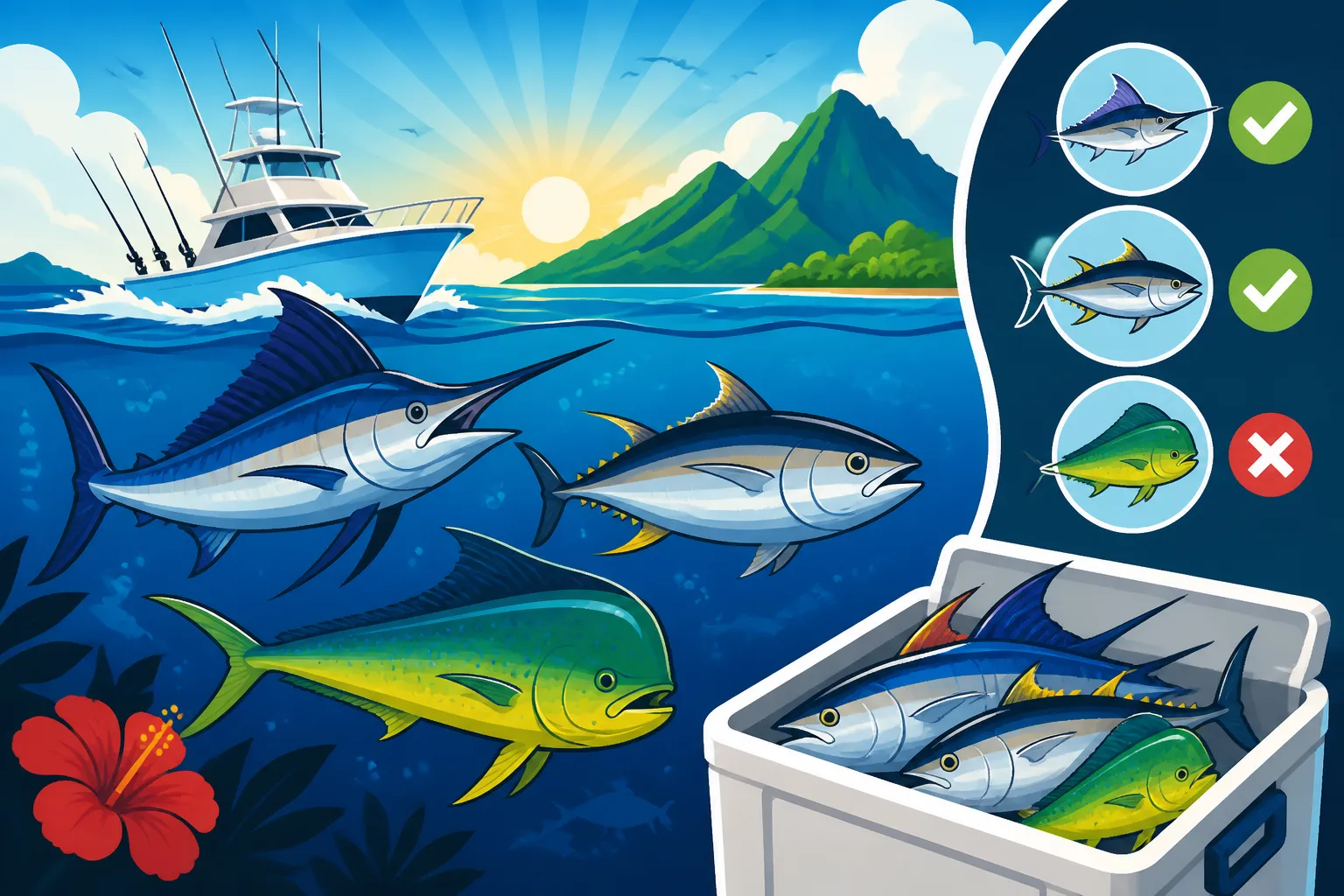
In Hawaii, our pelagic waters teem with life. The most popular species include various types of tuna like ahi (yellowfin tuna) and aku (skipjack tuna), billfish such as blue marlin, striped marlin, and shortbill spearfish, and other highly migratory species like ono (wahoo) and mahimahi (dolphin fish). These fish are central to both our cultural heritage and our vibrant fishing industry, supporting everything from local plate lunches to international sportfishing tournaments. It's truly a special connection we have to these ocean wanderers. If you're looking to identify your catch, our comprehensive Pelagic Species Identification Guide for Hawaii can be a huge help.
The Critical Role of Bag Limits for Sustainability
Bag limits aren't just arbitrary rules; they are a cornerstone of responsible fisheries management. For pelagic species, which often mature slowly and can be vulnerable to overfishing due to their migratory patterns, these limits are essential. They help prevent localized depletion, ensuring there are enough fish left to reproduce and sustain healthy populations for future generations of anglers. Imagine if everyone could take as many ahi as they wanted – it wouldn't be long before our waters felt the strain. The Hawaii Department of Land and Natural Resources (DLNR) Division of Aquatic Resources (DAR) carefully studies fish populations, growth rates, and reproductive cycles to set these limits. This ensures that while we enjoy the thrill of the catch, we're also contributing to the long-term health of our marine ecosystems. It's a delicate balance, and following these rules is our kuleana, our responsibility.
Why Hawaii's Regulations Can Be Confusing for Anglers
Let's be real: Hawaii's fishing regulations can be a bit of a maze. You're not alone if you find yourself confused! One major reason is the distinction between recreational and commercial fishing. What a recreational angler can keep is often vastly different from a licensed commercial fisherman. Then there's the distinction between state and federal waters, which have different jurisdictions and, sometimes, different rules. For instance, federal waters (generally from 3 to 200 nautical miles offshore) might have specific reporting requirements or size minimums that differ slightly from state waters (shoreline to 3 nautical miles). Add to that the fact that rules can change due to new scientific data or conservation concerns, and it's easy to see why keeping up can be a challenge. That's why understanding resources like the Hawaii Fishing Regulations Explained is so important.
Key Pelagic Species Bag Limits for Recreational Anglers
Now, let's dive into the specifics that most recreational anglers will encounter. It's vital to remember that these limits are for personal consumption and sport, not for selling your catch. Always double-check the latest regulations from the DLNR, but these guidelines will give you a solid foundation.
Ahi (Yellowfin Tuna) Limits
Ahi, particularly yellowfin tuna, are probably one of the most iconic catches in Hawaii. The thrill of hooking into a powerful ahi is unmatched! For recreational anglers, the rules for ahi are generally quite straightforward regarding bag limits, but size can be a factor.
Currently, for yellowfin tuna (ahi), there generally isn't a specific daily bag limit for recreational anglers in Hawaii state waters. This means you can keep multiple ahi, provided you adhere to any minimum size requirements. However, this leniency often comes with unspoken local etiquette – don't be a "fish hog." Take what you can reasonably consume and share, rather than filling your freezer to capacity. If you're looking for more specific details, our guide on Hawaii ahi bag limit rules provides an in-depth look.
Ono (Wahoo) Limits
Ono, known for its incredible speed and delicious white meat, is another pelagic favorite. Recreational bag limits for ono typically allow for a generous catch, reflecting their robust populations in Hawaiian waters.
Similar to ahi, there isn't usually a strict daily numerical bag limit for recreational anglers targeting ono in Hawaii. The focus here is more on sustainable practices rather than a hard cap on individual catches. However, anglers are expected to exercise good judgment. If you're on a private boat, taking an excessive amount could lead to scrutiny, even if technically within the regulations. Always prioritize quality over quantity and respect the resource. For tips on catching this swift predator, check out Ono (Wahoo) Fishing in Hawaii.
Mahimahi (Dolphin Fish) Limits
Mahimahi are celebrated for their vibrant colors and exciting aerial displays when hooked. They are also incredibly popular for their flaky, delicious meat. Thankfully, the recreational bag limits for mahimahi are generally quite liberal, allowing anglers to enjoy a productive day on the water.
Recreational anglers can typically keep multiple mahimahi per day, as there isn't a tight numerical bag limit. However, always be mindful of any minimum size limits that might be in place. These size restrictions are critical for allowing younger fish to mature and reproduce before being harvested. It's always a good idea to have a measuring device on hand, readily available on places like Amazon, to ensure your catch meets the legal requirements before it goes into the cooler. For more specific details, refer to our Hawaii mahimahi size limit rules guide.
Marlin (Blue, Striped, Shortbill Spearfish) Limits
Marlin are the apex predators of our waters, and catching one is often the pinnacle of a Hawaiian fishing trip. Whether it's a massive blue marlin or a spirited striped marlin, these billfish command respect. Recreational regulations for marlin, particularly blue marlin, often prioritize conservation through size limits and, increasingly, voluntary catch-and-release practices, rather than strict numerical bag limits.
For blue marlin, striped marlin, and shortbill spearfish, recreational anglers typically do not have a numerical daily bag limit in Hawaii. The emphasis is instead placed on minimum size requirements to ensure that only mature fish are harvested. For blue marlin, the federal minimum size for retention is usually 99 inches (measured from the tip of the lower jaw to the fork of the tail). Striped marlin and shortbill spearfish also have their own minimums, often around 57 inches and 39 inches, respectively. Many anglers, especially those on charter boats, also practice catch and release for marlin, particularly for smaller individuals or if they are not intending to keep the fish for consumption. This helps conserve these magnificent creatures. You can learn more about specific regulations in our article on Hawaii marlin bag limit rules or dive into the thrill of Marlin Fishing off the Kona Coast.
Aku (Skipjack Tuna) Limits
Aku, or skipjack tuna, are incredibly abundant in Hawaii and form the backbone of many local fisheries. They are a staple in poke and other local dishes. Given their high numbers and fast reproductive rates, recreational bag limits for aku are typically very generous.
There is generally no numerical daily bag limit for recreational anglers catching aku in Hawaii. Anglers can harvest a substantial amount of these fast-growing tuna, often catching them in large schools. While no specific limit is usually imposed, remember the principles of responsible fishing—take what you need and can use, and avoid waste. Aku are fantastic for fresh consumption or making your own dried fish snacks!
Opelu and Akule (Baitfish) Considerations
While not typically "pelagic" in the same sense as marlin or ahi, opelu and akule are schooling fish often found in nearshore pelagic waters and are crucial baitfish for many larger pelagics. They also make excellent table fare.
For both opelu (mackerel scad) and akule (bigeye scad), specific regulations apply, particularly concerning methods of take (e.g., net sizes, specific restricted areas) rather than just bag limits. When caught by hook and line, there generally isn't a strict daily bag limit for recreational anglers. However, if using nets for bait, you must be aware of local restrictions, such as those within certain Hawaii Marine Life Conservation Districts, Explained or Hawaii Net Fishing Restricted Areas. Always check the specific rules if you plan to target them with anything other than a rod and reel.
Here's a quick reference table summarizing the typical recreational bag and size limits for common pelagic species in Hawaii. Please note these are general guidelines and regulations can change. Always consult the official DLNR DAR website for the most current rules.
| Species | Recreational Daily Bag Limit (Numerical) | Minimum Size Limit (Lower Jaw to Fork of Tail) | Notes |
|---|---|---|---|
| Ahi (Yellowfin Tuna) | Generally None | Typically 34 inches (federal waters) | State waters generally no minimum size, but federal waters (beyond 3 miles) have a 34-inch minimum. Voluntary compliance with federal minimum even in state waters is a good practice. No harvest allowed under 20 pounds in tournaments. |
| Ono (Wahoo) | Generally None | None commonly cited for recreational | No specific recreational size limit, but common sense and sustainable harvesting practices are encouraged. |
| Mahimahi (Dolphin Fish) | Generally None | None commonly cited for recreational | No specific recreational size limit, but common sense and sustainable harvesting practices are encouraged. |
| Blue Marlin | Generally None | 99 inches (federal waters) | State waters generally no minimum size, but federal waters (beyond 3 miles) have a 99-inch minimum. Many anglers practice catch and release. |
| Striped Marlin | Generally None | 57 inches (federal waters) | State waters generally no minimum size, but federal waters (beyond 3 miles) have a 57-inch minimum. |
| Shortbill Spearfish | Generally None | 39 inches (federal waters) | State waters generally no minimum size, but federal waters (beyond 3 miles) have a 39-inch minimum. |
| Aku (Skipjack Tuna) | Generally None | None | Highly abundant, no specific limits. |
Disclaimer: This table is a simplified guide. Always consult current official Hawaii DLNR regulations before fishing.
Size Limits, Measuring, and Other Important Regulations
Beyond just the number of fish you can keep, there are other crucial rules designed to protect our fisheries. Size limits ensure that fish have a chance to grow and spawn, and rules about how you handle your catch aim to prevent waste and aid enforcement.
Minimum Size Requirements for Common Pelagics
While some pelagic species like mahimahi and ono often don't have explicit state minimum size limits for recreational anglers, federal waters (which you'll often be fishing for these species) do impose them for certain tuna and billfish. The most critical one to remember is the minimum size for blue marlin at 99 inches, and ahi (yellowfin tuna) at 34 inches, both measured from the lower jaw to the fork of the tail when fishing in federal waters. This distinction between state and federal waters can catch even seasoned anglers off guard, so it’s always better to err on the side of caution. Carrying a durable, waterproof measuring tape is a must-have piece of gear, and you can easily find reliable options on Amazon for just this purpose.
Rules Regarding Filleting or Processing Fish at Sea
This is a big one, folks, and it’s a common mistake! For enforcement purposes, it is generally illegal to fillet or process fish at sea if a size limit applies to that species. Why? Because without the head and tail, it's impossible for enforcement officers to verify if the fish met the minimum size requirement. The only exception is typically for species where no size limit applies, or if you're fishing far offshore and plan to preserve your catch immediately. For most recreational pelagic fishing, especially within state waters or near shore, you must bring the fish back to shore intact until it can be properly measured and identified. This helps the DLNR ensure compliance with Hawaii Bag and Size Limits by Species.
How to Measure Fish Correctly
Measuring your fish accurately is not just about compliance; it's about respecting the regulations and the resource. For most pelagic species in Hawaii, the measurement is taken from the tip of the lower jaw to the fork of the tail (LJFL).
Here's how to do it properly:
- Place the fish flat on a clean, stable surface.
- Close the fish's mouth gently, ensuring the lower jaw is at the zero mark of your measuring device.
- Pinch the tail so that the two lobes of the caudal fin are compressed to give you the longest possible measurement.
- Read the measurement at the deepest part of the "V" where the tail forks.
Avoid measuring along the curve of the body, as this will give an inaccurate (longer) reading. A flexible tape measure or a rigid measuring board works best. Keeping a laminated quick-reference card in your tackle box or on your boat, perhaps one printed after reviewing the Hawaii DLNR fishing regulations PDF, is an excellent way to ensure you always measure correctly.
Prohibited Gear or Methods Relevant to Pelagic Fishing
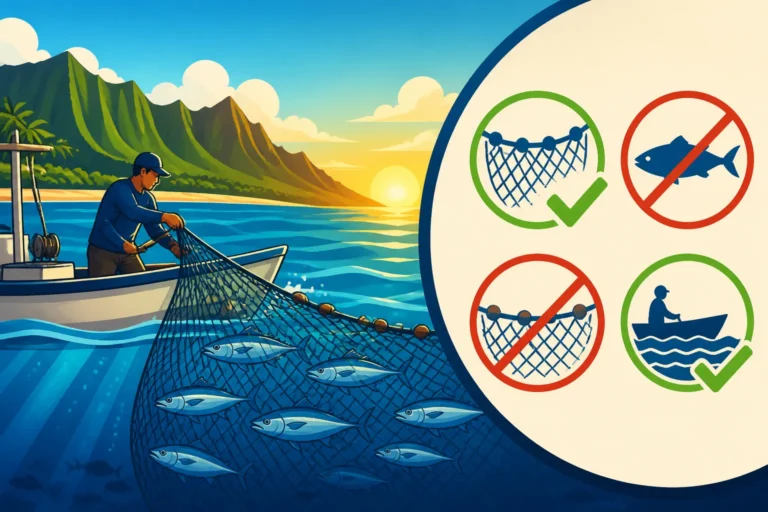
While pelagic fishing primarily involves trolling or live-baiting with rod and reel, there are still prohibited gear and methods you need to be aware of. For example, certain types of net fishing are restricted in many areas or require specific permits. Dynamite fishing or using poisons is strictly illegal and carries severe penalties. While not typically used for large pelagics, it's worth noting that spearfishing has its own set of rules, including restrictions on Hawaii SCUBA Spearfishing Ban and specific areas. Always ensure your gear and methods are approved for recreational use to avoid any legal troubles.
Navigating the DLNR Regulations and Staying Compliant
Understanding the rules is one thing, but knowing where to find the most current information and how to ensure you're always playing by the book is just as important. The Hawaii DLNR is your primary resource, and they take enforcement seriously.
Where to Find the Most Up-to-Date Information
The Hawaii Department of Land and Natural Resources (DLNR) Division of Aquatic Resources (DAR) website is your absolute go-to for the most current and official regulations. They publish regulatory updates, notices, and detailed legal codes that outline every rule, from bag and size limits to gear restrictions and closed seasons. It's not always the easiest website to navigate, but it's the authoritative source. Don't rely solely on old pamphlets or word-of-mouth; regulations can and do change. Before any significant fishing trip, especially to a new area or targeting a new species, take a few minutes to check their site. Our guide on Reading the Hawaii DLNR Fishing Regulations can help you decipher the legal jargon.
Common Mistakes Anglers Make
Even experienced anglers can slip up, especially when visiting unfamiliar waters or dealing with complex regulations. Some of the most common mistakes related to pelagic species include:
- Assuming no license is needed for ocean fishing: While Hawaii residents historically didn't need a license for ocean fishing, that's changed! Now, almost everyone needs one. Check out Do You Need a Fishing License in Hawaii for the latest.
- Ignoring federal water rules: Many popular pelagic fishing grounds extend into federal waters, where different size limits (like for ahi and marlin) apply. Always know where you are and whose rules you're under.
- Filleting fish at sea: As mentioned, this is a big no-no for species with size limits.
- Not knowing specific species identification: Accidentally keeping a protected species or misidentifying a fish that has a tighter limit than a similar-looking one can happen.
- Forgetting about seasonality or closed areas: While less common for major pelagics, some areas or species may have seasonal closures for conservation.
Staying informed and asking questions if you're unsure are the best ways to avoid these pitfalls.
Consequences of Violating Bag and Size Limits
Ignorance of the law is no excuse, and violating fishing regulations in Hawaii can lead to some pretty serious repercussions. Penalties vary depending on the severity of the offense, the species involved, and whether it's a first-time offense or a repeat violation.
Consequences can range from:
- Hefty fines: These can be hundreds or even thousands of dollars.
- Confiscation of catch: Your hard-earned fish will be seized.
- Confiscation of gear: Your boat, rods, reels, and other equipment might be confiscated.
- Loss of fishing privileges: Your fishing license could be revoked, or you could be prohibited from fishing for a certain period.
- Criminal charges: In severe cases, especially involving repeat offenses or egregious violations, criminal charges could be filed, leading to jail time.
It's simply not worth the risk. Understanding rules like the Hawaii Fishing License Guide for 2026 and the penalties for Fishing Without a Required License in Hawaii: Penalties can save you a lot of headache and heartache. Always be respectful of the DLNR enforcement officers; they are just doing their job to protect our precious marine resources.
Special Considerations for Specific Scenarios
Fishing isn't always just about catching and keeping. There are nuances, ethical considerations, and specific scenarios that warrant extra attention, particularly when it comes to our magnificent pelagic species.
Catch and Release Practices for Pelagics
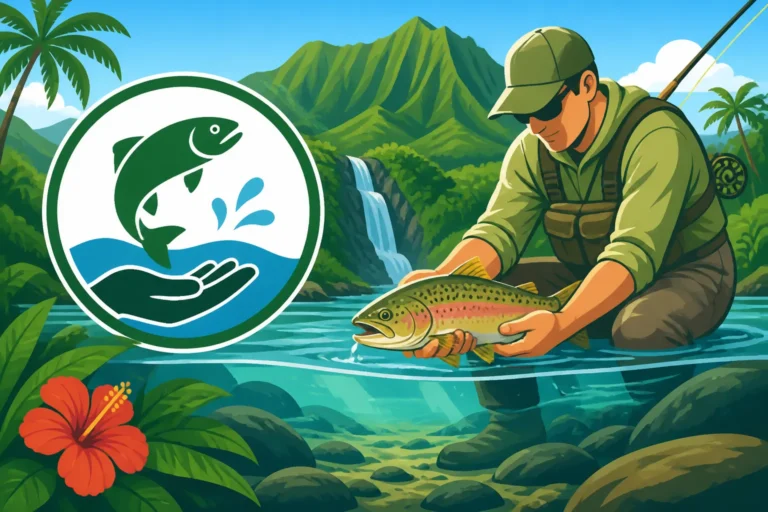
Catch and release has become an increasingly popular and responsible practice, especially for larger pelagic species like marlin. Many anglers prioritize the sport and the photo opportunity over harvesting every fish. When practicing catch and release, especially with billfish, minimizing stress and injury to the fish is paramount for its survival.
Here are some best practices:
- Use appropriate tackle: Don't underpower your setup, as a prolonged fight can exhaust the fish beyond recovery.
- Minimize handling time: Get the fish to the boat, get your photo, and release it as quickly as possible.
- Keep the fish in the water: If possible, do not hoist large billfish out of the water. Their internal organs can be damaged by their own weight without the support of the water.
- Cut the line close: If the hook is deeply set or difficult to remove, cut the line as close to the hook as possible. Circle hooks are excellent for reducing gut hooking.
- Revive the fish: Hold the fish by the bill (for billfish) and move it forward through the water to force water over its gills until it swims away strongly.
Many charter operations specialize in ethical catch and release, helping anglers experience the thrill while ensuring the fish's well-being.
Tournament Fishing Rules and Exceptions
Tournament fishing in Hawaii adds another layer of complexity to pelagic bag and size limits. Many tournaments, especially those targeting marlin or ahi, have their own specific rules that might be more stringent than general recreational regulations. These can include:
- Minimum weight requirements: Tournaments often have minimum weight limits for qualifying fish, which can be higher than the state's minimum size limits.
- Specific scoring rules: Points are often awarded based on weight, and sometimes tag-and-release points are also included.
- Gear restrictions: Certain types of tackle or bait might be prohibited.
- Reporting requirements: All catches, even releases, often need to be reported to the tournament committee within specific timeframes.
For example, the famous Bisbee's Black & Blue Marlin Tournament in Kona has very strict rules regarding minimum weights for marlin to qualify. Always read the tournament rules thoroughly before participating, as these can supersede general recreational regulations for the duration of the event.
Reporting Large Catches or Tag-and-Release Efforts
While not always mandatory for recreational anglers, reporting large or notable catches, especially those released, contributes valuable data to fisheries science. Organizations like the Pacific Gamefish Research Foundation (PGRF) and the tag-and-release programs supported by the International Game Fish Association (IGFA) rely on angler participation to track fish movements, growth rates, and population health.
If you catch and release a billfish, considering tagging it can be an incredibly rewarding experience that directly aids conservation. Tagging kits are available through various sportfishing organizations, often including information on how to report the tag. This data helps scientists understand the migratory patterns of fish like blue marlin and striped marlin, informing future management decisions. It's a fantastic way to give back to the resource that provides us with so much enjoyment.
Disclaimer
The information provided in this article is for general informational purposes only and does not constitute legal advice. Fishing regulations in Hawaii are subject to change by the Department of Land and Natural Resources (DLNR) Division of Aquatic Resources (DAR). It is the responsibility of every angler to consult the most current official Hawaii Administrative Rules (HAR) and relevant federal regulations before engaging in any fishing activity. Always verify specific bag limits, size limits, seasons, and gear restrictions directly with the DLNR or other authoritative sources.