Hawaii DLNR fishing regulations PDF
Trying to figure out Hawaii's fishing regulations can feel like trying to untangle a hundred-pound test line in a hurricane – confusing, frustrating, and prone to unexpected snags! As a seasoned angler who's spent countless hours chasing fish across these islands, I completely get the headache. It's not just about knowing what to catch, but how and where you're allowed to do it. This comprehensive guide is designed to cut through that confusion, showing you exactly where to find the official Hawaii Department of Land and Natural Resources (DLNR) fishing regulations PDF and how to make sense of its vital information, so you can fish confidently and legally.
The Struggle is Real: Why Finding the Right DLNR Regulations Can Be Tricky
Let's be honest, trying to pinpoint the definitive source for Hawaii's fishing rules can feel like a wild goose chase. You might stumble upon outdated websites, forum discussions that offer conflicting advice, or generic government portals that bury the specific information you need under layers of unrelated bureaucracy. It’s a common frustration, and one that every angler, from the seasoned local to the first-time visitor, has likely faced. This isn't just about finding a document; it's about finding the right document that ensures you're compliant and protecting our precious marine resources.
The Ever-Changing Landscape of Rules
One of the biggest reasons for this confusion is that regulations aren't static. The ocean, its inhabitants, and the science behind their management are constantly evolving, and so too are the rules designed to protect them. What was legal last year might have changed, or new restrictions might have been implemented for certain species or areas. For instance, popular species like moi or uhu often have seasonal closures or updated bag limits that change with scientific assessments and public input. Keeping up with these shifts requires diligence, and relying on word-of-mouth or old printouts just won't cut it. This dynamic nature means that finding the most current version of the DLNR fishing regulations PDF is not just a convenience, but a necessity for responsible angling.
Different Divisions, Different Rules
Adding another layer of complexity is the fact that the DLNR isn't a single monolithic entity when it comes to fishing. It’s comprised of different divisions, and each one might have oversight over specific aspects of aquatic life or land use. For general marine and freshwater fishing, your primary point of contact and source of regulations will be the Division of Aquatic Resources (DAR). However, if you're venturing into a State Park, or specific natural areas, there might be additional rules or permits required by other divisions. Understanding which division's regulations apply to your specific fishing activity is crucial. For example, the rules governing Hawaii Freshwater License Age Requirements might be distinct from the broader marine regulations.
The Online Maze: Where to Look and Not to Look
In our digital age, the first instinct is often to Google "Hawaii fishing regulations." While this can lead you to the right place eventually, it often takes you through a labyrinth of commercial sites, outdated news articles, or even official-looking but unofficial interpretation sites. It's easy to get lost or, worse, to inadvertently rely on incorrect information. Many anglers have found themselves in a bind because they didn't consult the authoritative source directly. The key is to know exactly which official government website to bookmark and revisit regularly, cutting through all the noise. Relying on an official, directly sourced PDF eliminates guesswork and provides peace of mind.
Unearthing the Official Hawaii DLNR Fishing Regulations PDF
Alright, let's get down to brass tacks. You need the official word, straight from the source. The good news is that the Hawaii DLNR does provide comprehensive documents, and with a little guidance, you can navigate their website directly to find what you need. Think of it as knowing the secret fishing spot for regulations – once you're there, the intel is golden.
The Division of Aquatic Resources (DAR) Website: Your Primary Resource
When it comes to fishing regulations in Hawaii, the undisputed authority is the Department of Land and Natural Resources' Division of Aquatic Resources (DAR). Their website is the official repository for all things related to recreational and commercial fishing rules, licenses, and marine life management. This is your go-to hub, the one website you should bookmark immediately. You won't find the general fishing regulations on the DLNR's main page or through a simple search on the state's broader government portal; you need to dig into the DAR-specific section. This often means looking for a link that specifically mentions "Regulations" or "Rules" within the DAR's online presence.
Navigating the DAR Site for the Latest Document
Once you're on the DAR website (dlnr.hawaii.gov/dar), you'll typically look for a section dedicated to "Regulations," "Rules," or "Permits & Licenses." The exact navigation can change slightly over time, but the core information remains accessible. Usually, there will be a main landing page for regulations, and from there, you'll see options for marine, freshwater, and even specific gear types like spearfishing. The goal is to locate the most current PDF document. Sometimes it's labeled as "Hawaii Administrative Rules (HAR)" related to aquatic resources, or simply "Fishing Regulations." Always check the date on the document to ensure you're downloading the latest version. It's not uncommon for them to have a general "fishing regulations" document and then separate updates for specific species like the Hawaii Moi Closed Season, Explained or Hawaii Uhu (Parrotfish) Size and Bag Limits.
For those who prefer a physical copy, downloading the PDF allows you to print it out. You might even consider a rugged, waterproof document holder from Amazon to protect your printed copy out on the water. Having a hard copy can be incredibly useful, especially in areas with spotty cell service.
What to Expect in the PDF: Beyond Just "Rules"
The Hawaii DLNR fishing regulations PDF isn't just a dry list of rules; it's a comprehensive document that outlines the legal framework for aquatic activities in the state. Expect to find detailed chapters covering various aspects of fishing, from general prohibitions to specific species regulations. It's laid out in a legal format, which can sometimes be a bit dense, but it's thorough. You'll see definitions of terms, administrative procedures, and often, maps or descriptions of regulated areas. This document serves as the legal backbone for all fishing activities, so it’s important to understand that every word has legal weight. It's not just a guideline; it's the law.
Here’s a snapshot of the types of information you'll commonly find within the official DLNR fishing regulations PDF:
| Section Title | Description | Key Angler Takeaway |
|---|---|---|
| General Provisions | Overarching rules, definitions, purpose of regulations, and prohibited activities applicable to all waters. | Establishes baseline legality; defines key terms like "take," "fish," etc. |
| Licenses & Permits | Requirements for various fishing licenses (freshwater, commercial, special permits) and exemptions. | Identifies if you need a license (e.g., for freshwater) and how to obtain one. |
| Prohibited Methods & Gear | Details specific fishing gear, methods, or practices that are illegal (e.g., explosives, certain nets, harmful substances). | Ensures you're using legal equipment and techniques to avoid penalties. |
| Species-Specific Regulations | Size limits, bag limits, closed seasons, and gear restrictions for individual fish and aquatic life species (e.g., Moi, Ulua, Opihi). | Crucial for knowing what you can keep, how many, and when you can fish for specific species. |
| Geographic Area Regulations | Rules pertaining to specific locations, such as Marine Life Conservation Districts (MLCDs), Fish Replenishment Areas, or harbors. | Indicates where fishing is restricted or prohibited entirely, or where special rules apply. |
| Freshwater Fishing | Regulations specific to Hawaii's freshwater bodies, including stocking programs, species allowed, and gear rules. | Essential for anyone planning to fish reservoirs or streams, like for trout at Kokee. |
| Penalties & Enforcement | Outlines the consequences for violating regulations, including fines and potential jail time. | Highlights the importance of compliance and the serious repercussions of illegal fishing. |
Key Information You'll Find Within the Regulations
Diving into the DLNR fishing regulations PDF is like opening a treasure chest of vital information. It's all there, from the broad strokes of what constitutes legal fishing to the minute details that can make or break your trip. Understanding these categories will help you quickly locate the answers you need, whether you're planning a trip to the shoreline or heading offshore.
Licensing Requirements and Exemptions
This is often the first question on any angler's mind: "Do I even need a license?" The DLNR PDF will lay out all the specifics. While marine recreational fishing generally doesn't require a license for Hawaii residents, there are important nuances. For example, if you're planning to fish freshwater, such as at the Wahiawa Public Fishing Area or the Kokee Public Fishing Area, a freshwater license is required. The document will detail the different types of licenses available, such as resident and nonresident options, and outline any exemptions (e.g., for youth, seniors, or disabled residents). It's also where you'd find clarification on situations like Hawaii Resident Ocean Fishing License Exemption. If you're a visitor, you'll definitely want to check the details for Hawaii Nonresident Marine Fishing License, Explained to ensure you're covered. This section is foundational to legal fishing in Hawaii, so don't skip it!
Bag and Size Limits by Species
Once you've got your license (if needed), the next crucial set of rules revolves around what you can actually keep. The DLNR PDF is meticulous in detailing bag and size limits for various species – and this is where many people get tripped up. Each species, from the common papio to the sought-after ulua, and even bottomfish like opakapaka, will have specific minimum (and sometimes maximum) size requirements, as well as a daily bag limit (how many you can keep per person per day). These limits are designed to ensure sustainable populations for future generations.
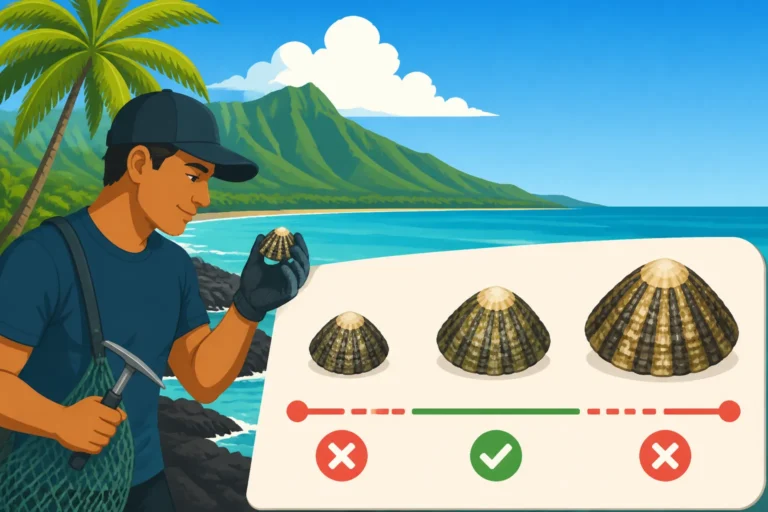
You'll find detailed tables or lists specifying, for instance, the Hawaii Papio and Ulua Size Rules, or the specific regulations for collecting shellfish like Hawaii Opihi Harvest Limits and Size Rules. Failing to adhere to these limits, even by a small margin, can lead to significant penalties, as outlined in sections like Fishing Without a Required License in Hawaii: Penalties. Always double-check these before you head out, and if you're unsure, it's better to release the fish. Consider carrying a small, waterproof measuring tape – you can find affordable ones on Amazon – to ensure your catch meets the legal requirements.
Restricted Areas and Gear Rules
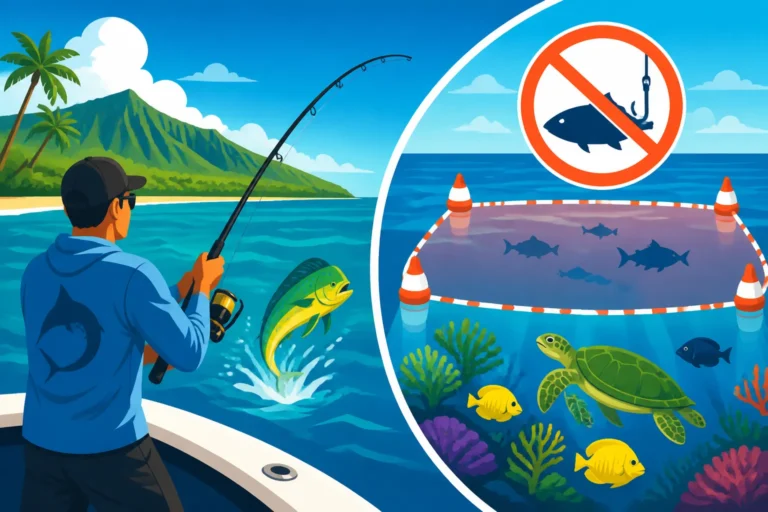
Hawaii's waters are beautiful but also fragile, and certain areas are designated for protection or have specific rules to manage human impact. The regulations PDF will clearly delineate these restricted areas, which might include Marine Life Conservation Districts (MLCDs) such as Hanauma Bay, where fishing is strictly prohibited or heavily regulated. Understanding Hawaii Marine Life Conservation Districts, Explained is vital for ethical and legal fishing. Other areas might have limitations on certain gear types, such as net fishing restrictions or prohibitions on spearfishing with SCUBA gear.
The document also covers general gear rules, for example, the legal specifications for nets, traps, or even the types of hooks allowed in certain areas. Hawaii Spearfishing Regulations will have its own detailed section, explaining what's allowed and what's not, including the Hawaii SCUBA Spearfishing Ban. These rules aren't just bureaucratic hurdles; they're essential for preserving the unique ecosystems that make Hawaii such an incredible fishing destination. Always cross-reference your planned fishing location with the restricted areas listed in the PDF before casting a line or diving in.
Making Sense of the Legal Jargon: Tips for Anglers
Reading through government regulations can sometimes feel like trying to decipher an ancient scroll. The language is often formal, dense, and full of legal terms that aren't part of everyday conversation. But don't let that intimidate you! While the DLNR fishing regulations PDF is a legal document, you don't need a law degree to understand its practical implications for your fishing trip. With a few strategies, you can confidently extract the information you need and fish within the rules.
Focus on What Applies to You
The comprehensive nature of the DLNR regulations means they cover a vast array of scenarios, from commercial fishing operations to specific aquaculture rules. As a recreational angler, you don't need to understand every single section. Your best bet is to focus on the chapters and subsections that directly apply to your specific fishing activity. Are you shore fishing? Look for "Shoreline Fishing" or "General Marine Fishing" rules, and then specific species limits. Planning to launch a boat? Then Hawaii Boating Laws for Anglers will be key. If you're targeting specific species, jump straight to those entries.
For example, if you're interested in How to Catch Ulua from Shore, you'd focus on the general marine regulations, then the specific bag and size limits for ulua, and finally, any geographic restrictions for the area you plan to fish. Skimming through the table of contents and using the search function within the PDF (Ctrl+F or Command+F) are your best friends for quickly pinpointing relevant sections. Don't feel overwhelmed by the sheer volume; just zero in on what matters to your personal angling adventure.
Cross-Referencing with Local Knowledge and Signage
While the official PDF is the ultimate authority, combining it with local knowledge and observable signage can provide a more complete picture. Local tackle shops, experienced local anglers (who are often happy to share wisdom if approached respectfully), and even fishing forums can offer practical interpretations and real-world advice on applying the regulations. This isn't to say you should rely solely on informal sources, but they can sometimes highlight common misconceptions or practical challenges that aren't explicitly detailed in the legal text.
Crucially, always pay attention to signage at boat ramps, piers, or beach access points. The DLNR and other agencies often post informational signs that summarize key regulations for that specific area, especially regarding Marine Life Conservation Districts or seasonal closures. These signs act as on-the-spot reminders and can confirm what you've read in the PDF. It's an excellent way to double-check that you haven't missed a hyper-local rule.
When in Doubt, Call DLNR
Even after diligently reading the DLNR fishing regulations PDF and consulting local sources, there might still be situations where you're unsure. Perhaps a rule seems ambiguous, or you encounter a unique scenario not explicitly covered. This is when you should never hesitate to contact the Division of Aquatic Resources directly. Their staff are there to help clarify regulations and answer questions. It's always better to ask for clarification before you fish, rather than risk a violation and face penalties. You can usually find contact information, including phone numbers for various district offices, within the DLNR's website or even embedded in the PDF itself. Don't let uncertainty ruin your day on the water; a quick call can save you a lot of headache and potential trouble. For those who want to be extra prepared, I've seen some serious anglers print out the DLNR contact numbers and laminate them, using an inexpensive laminator purchased from Amazon.
Disclaimer
Please remember that while this guide provides comprehensive information, fishing regulations in Hawaii can change. Always consult the most current official Hawaii Department of Land and Natural Resources (DLNR) Division of Aquatic Resources (DAR) regulations for the most accurate and up-to-date information before engaging in any fishing activities. This article is for informational purposes only and should not be considered legal advice.