Do Seniors Need a Freshwater Fishing License in Hawaii?
Navigating the ins and outs of fishing regulations can feel like trying to untangle a particularly stubborn fishing line, especially when you're visiting a new place or if the rules change. For many senior anglers looking to enjoy the serene freshwater fishing opportunities Hawaii offers, a common question arises: "Do I need a fishing license, or am I exempt?" It's a valid concern, and getting it wrong can lead to unnecessary hassles. This comprehensive guide will cast a clear light on Hawaii's freshwater fishing license requirements specifically for seniors, breaking down who needs what, where to get it, and what to keep in mind before you head out.
Do Hawaii Senior Residents Need a Freshwater Fishing License?
It's a common misconception that all seniors are automatically exempt from fishing license requirements everywhere, but the rules really vary from state to state. In Hawaii, while the beautiful ocean waters are generally open to everyone without a recreational marine license, freshwater fishing is a whole different kettle of fish, so to speak. The state has specific regulations for its limited freshwater resources, and these regulations apply to residents and non-residents alike, with some important distinctions for seniors.
General Freshwater License Rules
First off, let's talk about the baseline. If you're planning to fish for freshwater game fish in Hawaii's public waters – think about those serene reservoirs like Wahiawa or the stream in Kokee Public Fishing Area – pretty much every adult needs a license. This isn't just about collecting fees; it's a critical tool for the state's Division of Aquatic Resources (DAR) to manage and conserve these precious aquatic ecosystems. The funds generated from licenses often go directly back into stocking programs, habitat restoration, and enforcement, ensuring that future generations can also enjoy these unique fishing experiences. Without a licensing system, it would be much harder to track angler effort and gauge the health of specific fisheries.
For instance, if you're targeting rainbow trout in the Kokee Public Fishing Area, or hoping to hook some largemouth bass or tilapia in one of Oahu's reservoirs, a freshwater license is typically required. The state wants to ensure these fisheries remain sustainable, and understanding angler participation through license sales is a key part of that management strategy. It's a small but significant contribution to preserving Hawaii's unique freshwater fishing spots.
Age-Based Exemptions for Residents
Now, here's where it gets specific for our kūpuna, or elders, who are residents of Hawaii. The good news is that Hawaii does offer an exemption for its long-time residents who have reached a certain age. Specifically, Hawaii residents who are 65 years of age or older are exempt from the requirement to purchase a freshwater game fishing license. This is a wonderful perk that acknowledges the contributions of our seniors and encourages them to continue enjoying the natural beauty and recreational opportunities that freshwater fishing provides.
Imagine Uncle Kimo, who's lived in Kailua his whole life and just turned 67. He loves to head up to Wahiawa Reservoir on a quiet weekday morning. Because he's a Hawaii resident and over 65, he doesn't need to worry about buying a license. This exemption makes it easier for him to spontaneously decide to go fishing without the added step of a purchase. It's a small gesture from the state that means a lot to many local seniors. This particular exemption is a significant point of clarification, as many other states might require even seniors to purchase a discounted license, but Hawaii allows its resident kūpuna to fish its freshwater without that extra step. For more details on age requirements across the board, you can check out the guide on Hawaii Freshwater License Age Requirements.
Proving Residency and Age
Okay, so you're a Hawaii resident, you're 65 or older, and you're exempt – awesome! But how do you prove it if a Hawaii Division of Aquatic Resources (DAR) enforcement officer asks? It's not enough to just say you're a resident and meet the age criteria; you need to have the proper documentation on hand.
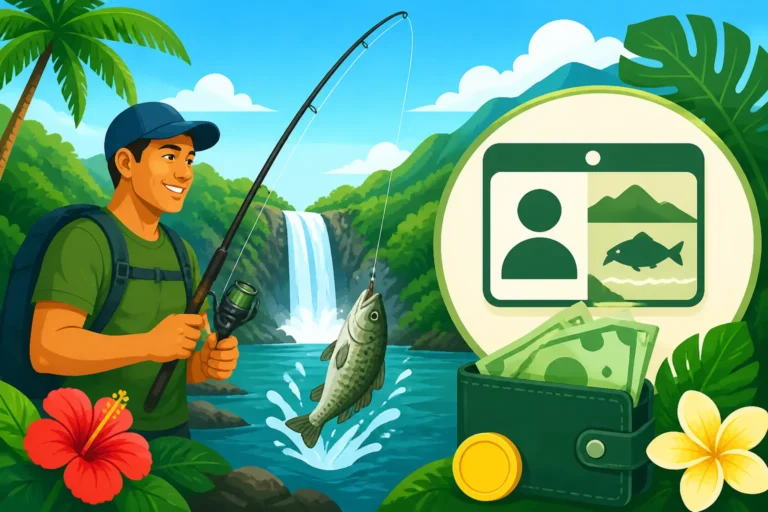
Typically, you'll need to carry a valid form of identification that clearly shows your date of birth and establishes your residency in Hawaii. A Hawaii State ID or a Hawaii Driver's License are the most common and widely accepted forms. These documents provide conclusive proof of both your age and your resident status. While enforcement officers are generally understanding, it's always best to be prepared. Think of it like carrying your car registration – you hope you don't need it, but you're glad to have it if you do. If you're stopped and asked, simply presenting your valid Hawaii ID will confirm your eligibility for the senior resident exemption. It’s always a good idea to keep it easily accessible, perhaps in a waterproof pouch, especially when you're out by the water.
Freshwater License Requirements for Non-Resident Senior Anglers
While resident seniors get a fantastic exemption, it's a different story for those visiting our beautiful islands. If you're a senior angler traveling to Hawaii from the mainland or another country, the general rule of thumb is that you will need a freshwater fishing license, regardless of your age. This can sometimes catch visitors by surprise, especially if they come from states with universal senior exemptions.
Why Non-Resident Rules Differ
The primary reason for the difference in rules between resident and non-resident seniors boils down to state resources and reciprocity. Resident exemptions are often a benefit offered to those who contribute to the state's tax base and long-term community. Non-residents, while welcome visitors, typically don't have the same enduring connection or contributions that would warrant an exemption.
Furthermore, many state wildlife agencies operate under the principle that visitors should contribute to the conservation efforts of the natural resources they utilize. The fees from non-resident licenses help offset the costs of maintaining Hawaii's limited freshwater fisheries, which include stocking programs (like the rainbow trout in Kokee) and managing invasive species. So, while it might feel like an extra step, your license purchase as a non-resident senior is actually helping to preserve the very fishing experience you've come to enjoy. It's part of being a responsible steward of the local environment, even for a short visit.
Available Non-Resident License Options
For non-resident seniors, Hawaii offers several convenient freshwater fishing license options designed to suit different lengths of stays. You won't find a special "senior" non-resident license with a discounted price, but the durations are flexible. This means you can choose a license that best fits your travel itinerary without having to pay for a full year if you're only here for a week or two.
The common options typically include:
- Annual Freshwater Game Fishing License: This is good for a full year from the date of purchase. It's the best value if you plan multiple trips within a 12-month period or have an extended stay.
- 30-Day Freshwater Game Fishing License: Ideal for longer vacations, snowbirds, or if you're staying for about a month.
- 7-Day Freshwater Game Fishing License: Perfect for a typical week-long Hawaiian getaway, allowing you to enjoy fishing during your vacation.
- 1-Day Freshwater Game Fishing License: Great for a single day outing or if you're just testing the waters.
For instance, if you're Grandma Betty, visiting from Oregon for two weeks and hoping to spend a few afternoons trying for tilapia, a 7-day license would be your most economical and practical choice. These options ensure that everyone, regardless of the length of their stay, can legally participate in freshwater fishing. You can learn more about the costs specifically for non-residents in the article, Hawaii freshwater license cost for nonresidents.
Understanding Short-Term Tourist Licenses
The short-term licenses – the 1-day, 7-day, and 30-day options – are specifically designed with tourists in mind. They provide flexibility, allowing visitors to enjoy Hawaii's unique freshwater fishing without committing to a full annual license. It's a pragmatic approach to accommodate the diverse needs of travelers.
When considering a short-term license, think about your fishing plans. Are you dedicating a single day to fishing at Wahiawa Reservoir, or do you envision several trips during a two-week stay? Choosing the right duration can save you a bit of money and prevent you from overpaying. These licenses can often be purchased quickly online, making them convenient for last-minute decisions. Many visitors appreciate this flexibility, as it allows them to decide on a fishing trip based on weather, family plans, or just a sudden urge to cast a line. For a breakdown of tourist freshwater license costs, check out Hawaii 7-day tourist freshwater license cost or Hawaii 30-day tourist freshwater license cost.
How to Obtain a Freshwater License (If Required) and Associated Costs
Once you've determined whether you, as a senior, need a freshwater fishing license in Hawaii, the next step is actually getting one. Thankfully, the process is pretty straightforward, whether you prefer the convenience of online shopping or the personal touch of an in-person visit to a local vendor.
Online Purchase Process
In today's digital age, buying your Hawaii freshwater fishing license online is often the easiest and quickest route. The Hawaii Department of Land and Natural Resources (DLNR) Division of Aquatic Resources (DAR) website is the official portal for these purchases.
Here's a general idea of how it works:
- Navigate to the DLNR DAR Licensing Portal: A quick search for "Hawaii freshwater fishing license online" will usually get you to the correct page.
- Select Your License Type: Choose the appropriate freshwater license (e.g., 7-day non-resident, annual non-resident).
- Provide Personal Information: You'll need to enter your name, address, date of birth, and usually a form of identification (like your driver's license number). This information is crucial for verifying your identity and residency status (if applicable).
- Payment: You'll complete the purchase using a credit or debit card.
- Print or Save: Once processed, you'll typically receive an email with a printable PDF of your license. It's highly recommended to print a physical copy and also save a digital version on your phone, just in case.
The beauty of the online system is its 24/7 availability. You can purchase your license from the comfort of your home, your hotel room, or even while sitting on the beach planning your next day's adventure. It’s quick, efficient, and ensures you’re legal before your hook even hits the water. For a step-by-step walkthrough, refer to How to Buy a Hawaii Fishing License Online.
Visiting an Approved License Vendor
If you prefer a more traditional approach, or if you have questions that a real person can answer, you can purchase your freshwater fishing license in person. There are numerous authorized license vendors scattered across the islands. These are often local tackle shops, sporting goods stores, or even some larger retail chains that have partnered with the DLNR.
When you go in person:
- Bring Photo ID: Again, a valid government-issued photo ID is essential for proving your identity and potentially your residency status.
- Cash or Card: Most vendors accept both.
- Ask Questions: This is a great opportunity to get some local fishing tips, find out what's biting, or inquire about specific rules for the area you plan to fish. The staff at these local shops are often avid anglers themselves and can be a wealth of knowledge.
For example, if you're on Oahu, places like certain Foodland or KTA Super Stores might be authorized vendors, as well as dedicated fishing supply stores. They'll have the system to print out your official license right there. This method is especially great for those who might not be as tech-savvy or who simply enjoy the social aspect of connecting with local fishing enthusiasts. Don't forget, while you're there, you might even pick up some new lures or bait! Many anglers find it convenient to stock up on gear from places like Amazon before their trip, but a local tackle shop can offer specialized items and advice. You can find a list of agents at Hawaii DLNR license agent list.
Overview of Freshwater License Costs
The cost of a freshwater fishing license in Hawaii varies depending on whether you're a resident or a non-resident, and for non-residents, the duration of the license. It's important to remember that these fees are subject to change, so always verify the current rates on the official DLNR website before purchasing.
Here's a general idea of the costs for freshwater licenses (as of current information, always check official sources):
| License Type | Resident (Hawaii) | Non-Resident (Tourist) |
|---|---|---|
| Annual Freshwater | $6.00 | $20.00 |
| 30-Day Freshwater | N/A | $10.00 |
| 7-Day Freshwater | N/A | $5.00 |
| 1-Day Freshwater | N/A | $3.00 |
| Seniors 65+ (Resident) | Exempt | Standard Non-Resident Rate Applies |
Note: These prices are illustrative and subject to change by the State of Hawaii DLNR. Always confirm current rates before purchase.
As you can see, the resident annual license is quite affordable, but for resident seniors, it's even better with the exemption. Non-residents have a range of options, allowing them to choose the most cost-effective solution for their visit. These fees directly support the management and enhancement of Hawaii's freshwater fisheries, contributing to the health of the very waters you'll be fishing in. It’s a worthwhile investment in the future of the sport. For a detailed look at resident costs, check out Hawaii freshwater license cost for residents.
Beyond the License: Essential Regulations and Common Senior Angler Questions
Getting your license (or confirming your exemption) is a huge first step, but it's just one piece of the puzzle when it comes to responsible and legal fishing in Hawaii's freshwater systems. There are other critical regulations you need to be aware of, and a few common questions that often pop up for senior anglers.
Penalties for Non-Compliance
It's easy to think, "Oh, it's just a small license fee, what's the big deal if I forget?" But trust me, fishing without a required license in Hawaii can lead to significant headaches and financial penalties. Ignorance of the law is generally not considered an excuse, so it's always better to be fully informed and prepared.
If you're caught fishing without a valid freshwater license when one is required (e.g., a non-resident senior without a license, or a resident under 65 without one), you could face fines that are much higher than the cost of the license itself. In addition to monetary penalties, there's always the possibility of having your fishing gear confiscated, and in more severe or repeated cases, you could even face legal action or lose future fishing privileges. It's simply not worth the risk. Imagine enjoying a peaceful day at Wahiawa Reservoir, only to have it ruined by a citation and a hefty fine. Always make sure you're compliant, so your focus can remain on the joy of fishing. The article Fishing Without a Required License in Hawaii: Penalties offers more in-depth information on this topic.
Key Freshwater Regulations to Know
Beyond the license itself, there are several other important regulations that every freshwater angler, including seniors, must adhere to. These rules are in place to protect fish populations, maintain ecological balance, and ensure fair access for everyone.
- Bag and Size Limits: Most game fish species, like rainbow trout, largemouth bass, and peacock bass, have specific daily bag limits (how many you can keep) and minimum or maximum size limits. These vary by species and sometimes by specific waterbody. For example, Kokee's trout season has very specific rules. It’s crucial to know these limits to avoid overharvesting and ensure sustainable fishing. You can usually find this information on the DLNR website or in a printed regulations booklet.
- Gear Restrictions: Certain types of bait or tackle might be prohibited in specific freshwater areas. For instance, some areas might restrict the use of live bait to prevent the introduction of invasive species. Always check for any limitations on the type of fishing methods you can employ.
- Seasonal Closures: While freshwater fishing generally has fewer closed seasons compared to marine fisheries, specific species or locations might have periods when fishing is restricted. The Kokee trout fishery, for instance, has a very distinct season. Always confirm if the area you plan to visit is open.
- Special Regulation Waters: Hawaii has specific freshwater areas, such as Wahiawa Public Fishing Area or the Kokee Public Fishing Area, each with its own detailed set of rules. These rules can be very particular about what you can fish for, how you can fish, and even how you access the area. Being familiar with these rules for your chosen spot is paramount. The article on Hawaii Wahiawa Reservoir Fishing Rules is a great resource if you plan to fish there.
Always check the most current Hawaii Freshwater Fishing Regulations, typically found on the DLNR Division of Aquatic Resources website, before you head out. A quick glance can save you a lot of trouble.
Clarifying Lifetime Licenses and Ocean vs. Freshwater Rules
It's natural to have lingering questions, especially with so many different rules for various types of fishing and different age groups. Let's tackle a couple of common ones that often confuse senior anglers.
Ocean vs. Freshwater Licenses: This is perhaps the biggest source of confusion. In Hawaii, you generally do not need a recreational fishing license for saltwater (ocean) fishing, whether you're fishing from shore, a pier, or a private boat. This applies to both residents and non-residents, including seniors. The only exception for marine fishing is if you're engaging in commercial activities. However, as this guide has emphasized, a freshwater fishing license IS required for adults (and non-resident seniors) to fish in Hawaii's limited freshwater systems. So, don't confuse the two! Many a visitor has assumed Hawaii is license-free across the board, only to find themselves mistaken when targeting bass in a reservoir.
Lifetime Licenses for Seniors: While many states offer lifetime fishing licenses, sometimes at a discounted rate for seniors, Hawaii currently does not offer a lifetime freshwater fishing license option for residents or non-residents. For resident seniors 65 and over, this isn't an issue since they're exempt anyway. Non-resident seniors will need to purchase an annual or short-term license for each visit if they wish to fish freshwater. It's a key distinction to understand, particularly if you're accustomed to lifetime license options in your home state. Always plan to purchase a temporary license if you're a non-resident senior and want to fish Hawaii's freshwater. The guide Can Nonresidents Buy a Hawaii Lifetime Fishing License further elaborates on this.
Knowing these distinctions helps ensure a smooth, enjoyable, and regulation-compliant fishing experience. After all, fishing is meant to be relaxing, not a source of stress over fines or misunderstandings!
Disclaimer
Please remember that fishing regulations, including licensing requirements, can change. While every effort has been made to provide accurate and up-to-date information, it is always your responsibility to verify the latest regulations with the official Hawaii Department of Land and Natural Resources (DLNR) Division of Aquatic Resources (DAR) before engaging in any fishing activities. This guide is for informational purposes only and does not constitute legal advice.