Hawaii disabled resident freshwater license exemption
Navigating the myriad of fishing regulations in Hawaii can feel like paddling upstream, especially when you’re dealing with a disability that adds an extra layer of complexity to everyday life. It can be frustrating trying to figure out what applies to you, what costs are involved, and how to simply enjoy the peace and tranquility of freshwater fishing without worrying about legalities. This comprehensive guide is here to shed light on the Hawaii disabled resident freshwater license exemption, breaking down who qualifies, how to apply, and what it truly means for your angling adventures on the islands.
Understanding Hawaii's Freshwater Fishing License Exemption for Disabled Residents
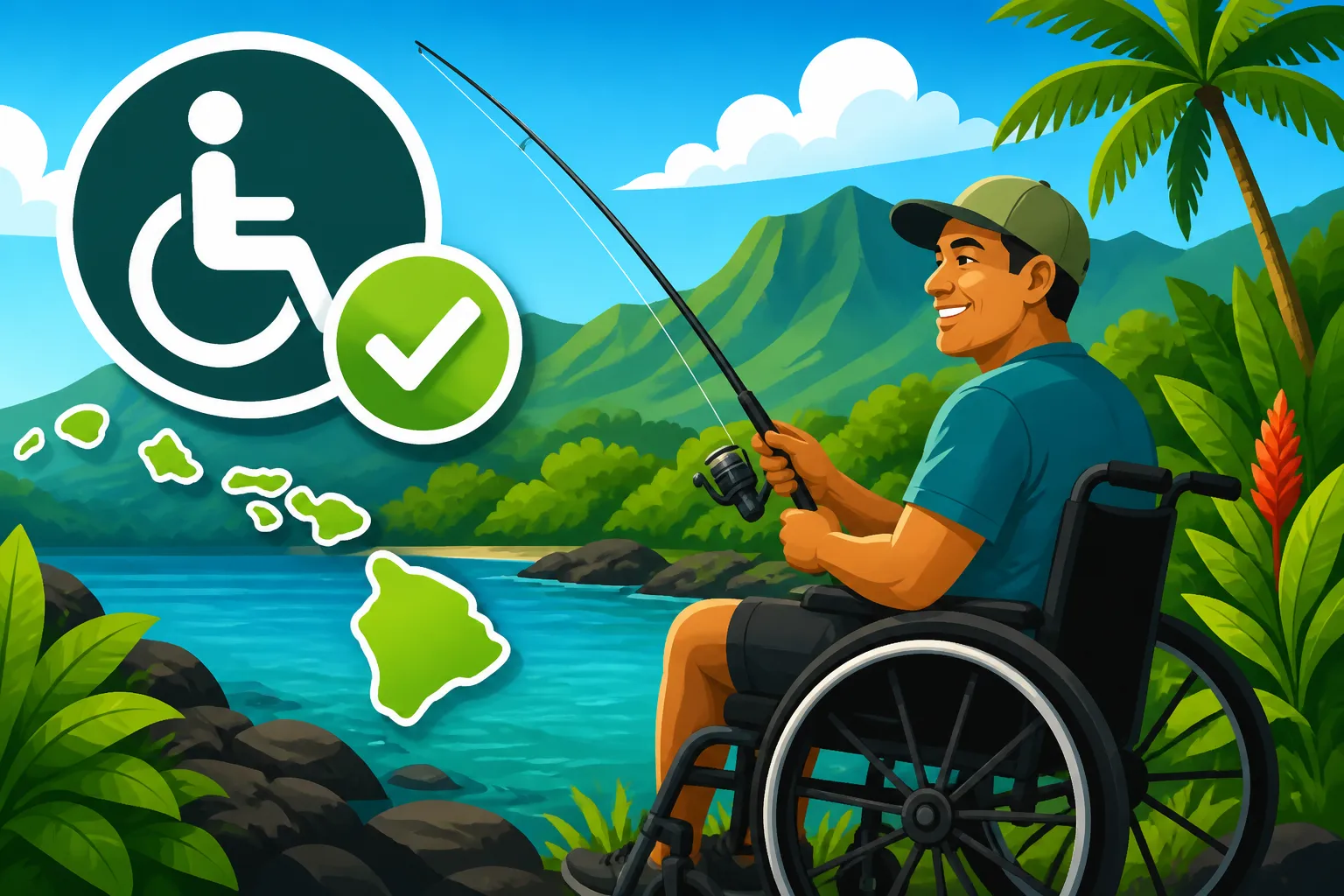
For disabled residents of Hawaii, the state offers a thoughtful exemption that waives the usual requirement and fee for a freshwater fishing license. This isn't just a discount; it's a full exemption designed to make the enjoyment of Hawaii's unique freshwater fisheries more accessible. It acknowledges that those living with disabilities might face additional financial or logistical hurdles, and aims to remove one of those barriers. This exemption is a testament to Hawaii's commitment to inclusivity, ensuring that everyone has the opportunity to connect with nature and experience the joy of fishing.
Who Qualifies as a Disabled Resident?
The key to unlocking this exemption lies in meeting the specific criteria for "disabled resident" as defined by the Hawaii Department of Land and Natural Resources (DLNR), Division of Aquatic Resources (DAR). Generally, qualification hinges on having a permanent physical or mental impairment that substantially limits one or more major life activities. This isn't a temporary condition; it implies a long-term or lifelong impairment.
For instance, this could include individuals who are legally blind, have significant mobility impairments requiring the use of a wheelchair, or possess other medically verifiable conditions that are considered permanent and substantially disabling. The intent is to provide support to those whose daily lives are significantly impacted by their disability, rather than for minor or transient health issues. While the specific legal definitions can be dense, the spirit is to help those with genuine, profound disabilities. It's not about self-diagnosis; it requires official medical documentation to prove eligibility.
What the Exemption Covers
It's crucial to understand that this exemption specifically covers the freshwater fishing license for residents of Hawaii who are disabled. This means that once you qualify and obtain this exemption, you are not required to purchase an annual or short-term freshwater fishing license to fish in the state's public freshwater bodies, such as reservoirs and designated streams. This is a significant benefit, as it removes the financial burden and the administrative hassle of annual renewals.
However, it's vital to note what it doesn't cover. This exemption applies only to freshwater fishing. It does not extend to ocean or marine fishing activities, which have entirely separate regulations and potential licensing requirements. If you're planning to drop a line in the ocean, even from shore, you'll still need to be aware of the Hawaii marine fishing regulations. Similarly, it doesn't exempt you from other specific rules and regulations that govern fishing in Hawaii, such as bag limits, size restrictions, or season closures. You’re still responsible for knowing and adhering to the general Hawaii Freshwater Fishing License and Rules for all freshwater fishing activities.
Navigating the Application Process and Required Documentation
Applying for the disabled resident freshwater fishing license exemption might seem daunting at first, but with the right information and preparation, it's a straightforward process. The most important thing is to gather all the necessary documentation to prove your eligibility as a disabled resident. The DLNR wants to ensure that these valuable exemptions are going to those who truly qualify.
Gathering Your Proof of Disability
The foundation of your application is solid proof of your disability. The Hawaii DLNR will require official, verifiable documentation from a medical professional or government agency. Typically, this includes one or more of the following:
- Physician's Statement: A signed letter or certificate from a licensed medical doctor, osteopathic physician, or other qualified healthcare provider detailing your permanent disability, its nature, and how it substantially limits major life activities. This statement should clearly indicate that the disability is permanent.
- Proof of Disability Benefits: Documentation showing that you are currently receiving disability benefits from a state or federal agency. This could include a letter from the Social Security Administration (SSA) confirming receipt of Social Security Disability Insurance (SSDI) or Supplemental Security Income (SSI), or a letter from the Department of Veterans Affairs (VA) if your disability is service-connected and meets the state's criteria.
- State-Issued Disability Identification: In some cases, a state-issued disability identification card or parking placard might be accepted, but it’s always best to check with the DLNR's Division of Aquatic Resources (DAR) directly, as supplemental medical documentation may still be required.
It’s always a good idea to have original documents or certified copies ready, as the DAR staff may need to review them thoroughly. Don't be shy about calling their office if you're unsure about what specific documents are needed for your unique situation. Getting it right the first time can save a lot of back-and-forth.
Where and How to Apply
Once you've compiled all your supporting documents, the next step is to submit your application to the Hawaii Department of Land and Natural Resources (DLNR), Division of Aquatic Resources (DAR).
You generally have a couple of options for applying:
- In-Person: This is often the most recommended method, as it allows you to speak directly with a DAR representative who can review your documents on the spot and answer any questions you might have. You can visit one of the DAR offices located on Oahu, Maui, Hawaii Island, or Kauai. This direct interaction can be incredibly helpful for ensuring all paperwork is correct and complete. For instance, if you live on Oahu, you could visit the main DAR office in Honolulu. Before heading out, it's always wise to call ahead and confirm their operating hours and any specific requirements for in-person visits.
- By Mail: If visiting an office isn't feasible, you can mail your application along with all supporting documentation. You'll need to download the appropriate application form from the DLNR's Division of Aquatic Resources website. Make sure to fill out the form completely and legibly, and include copies (never originals unless explicitly requested and you have no other choice) of all your disability proof. Sending documents via certified mail with a return receipt requested can provide peace of mind that your application has been received.
While there isn't typically an online portal for this specific exemption due to the need for physical documentation verification, you can often find the application forms and detailed instructions on the DLNR's website. If you're curious about the general process for other licenses, you might find the information in How to Buy a Hawaii Fishing License Online helpful, though this exemption is handled differently.
What to Expect After Application
After you've submitted your application and all required documentation, the DAR will review your submission. The processing time can vary depending on the volume of applications and staff availability. It's not usually an instant process, so patience is key.
During this review period, DAR staff may contact you if they need additional information or clarification regarding your disability or residency status. This is why providing accurate contact information on your application is essential. Once your application is approved, you will typically receive an official letter or card confirming your exemption status. This document serves as your proof of exemption and should be carried with you whenever you are freshwater fishing in Hawaii.
Remember, this exemption means you don't pay the Hawaii freshwater license cost for residents. It's a permanent recognition of your eligibility as long as your residency and disability status remain unchanged.
Common Questions and Misconceptions About the Exemption
It's natural to have questions, especially when dealing with government regulations. There are a few common points of confusion regarding the Hawaii disabled resident freshwater license exemption that we can clear up. Understanding these nuances will help you make the most of your angling opportunities.
Does it Cover Ocean Fishing or Other Licenses?
This is perhaps the most common misconception. As mentioned earlier, the Hawaii disabled resident exemption is strictly for freshwater fishing licenses. It does not, under any circumstances, extend to ocean (marine) fishing. Hawaii has a unique regulatory landscape where a marine recreational fishing license is generally not required for residents, but there are specific rules about commercial fishing or certain regulated activities. This particular exemption does not change any of those marine regulations. So, if you plan to fish in the beautiful Pacific waters, remember that this exemption doesn't apply. Always refer to the Reading the Hawaii DLNR Fishing Regulations for marine activities to avoid any misunderstandings.
Furthermore, this exemption only applies to a recreational freshwater fishing license. It does not cover other types of permits or licenses that might be required for specific activities, such as commercial fishing licenses, special area permits, or any other specialized endorsements. It's a very specific exemption for a very specific type of recreational license.
Can Non-Residents Qualify for a Similar Exemption?
Unfortunately, no. This specific exemption is explicitly for Hawaii residents who are disabled. Non-residents, including tourists or temporary visitors, are not eligible for this particular exemption. If you are a disabled non-resident wishing to fish in Hawaii's freshwater bodies, you would be required to purchase a non-resident freshwater fishing license, just like any other non-resident angler.
While some states offer reciprocal agreements or broader disability benefits, Hawaii's regulations are quite specific in this regard. Non-residents typically have options like the Hawaii 7-day tourist freshwater license cost or the Hawaii 30-day tourist freshwater license cost, but these are not subject to the disabled resident exemption.
Keeping Your Exemption Current
While the disabled resident freshwater license exemption is generally considered permanent, there are a few scenarios where it might need review or revalidation. First and foremost, you must maintain your residency in Hawaii. If you move out of state, your exemption would no longer be valid.
Secondly, while the disability is deemed permanent, the DLNR reserves the right to request updated documentation if there are significant changes in regulations or if your status comes under question. However, this is rare for a truly permanent disability. It's always a good practice to keep your contact information updated with the DLNR, should they ever need to reach you. There is no specific Hawaii annual freshwater license expiration date, as it's an exemption, but keeping your documentation safe is crucial.
And just like with any fishing credential, you're expected to carry proof of your exemption while fishing. Whether you're Printing or Carrying a Digital Fishing License in Hawaii, having readily accessible proof of your exemption is key to avoiding issues with enforcement officers.
Maximizing Your Freshwater Fishing Experience in Hawaii with the Exemption
With your freshwater fishing license exemption secured, you're now free to fully embrace the unique joys of Hawaii's freshwater angling scene. It’s a wonderful opportunity to explore the lesser-known side of island fishing, away from the bustling coastlines.
Exploring Accessible Freshwater Fishing Spots
Hawaii might be famous for its ocean, but it also boasts some fantastic freshwater fishing opportunities, particularly on Oahu and Kauai. Many of these spots are reasonably accessible, making them ideal for anglers with disabilities.
- Wahiawa Public Fishing Area (Oahu): This large reservoir is a popular spot for peacock bass, largemouth bass, tilapia, and channel catfish. The area around Wahiawa offers various access points, some of which are relatively flat and can accommodate wheelchairs or those with limited mobility. You can find more details on Hawaii Wahiawa Reservoir Fishing Rules. The banks can be a mix of developed and natural, so scouting ahead or calling the DAR office for specific accessible spots is a great idea.
- Kokee Public Fishing Area (Kauai): Nestled in the mountains of Kauai, Kokee offers a completely different freshwater experience, primarily targeting rainbow trout during a specific season. While some areas can be rugged, parts of the stream access along roads might be suitable. Again, checking specific accessibility information with the DAR or local parks department is recommended. Don't forget to check the Hawaii Kokee Trout Fishing Season Dates.
- Nuuanu Reservoir (Oahu): Another option on Oahu, Nuuanu offers similar species to Wahiawa, though access can sometimes be more restricted. Researching the best public access points is crucial for disabled anglers.
For a broader overview, take a look at the List of Hawaii freshwater fishing waters, and then delve into individual locations for specific accessibility details. Many county and state parks strive to improve accessibility, but conditions can vary.
Essential Gear for Disabled Anglers
Having the right gear can significantly enhance your fishing experience, especially if you have a disability. Adaptive fishing equipment has come a long way, making the sport more enjoyable for everyone.
- Rod Holders and Stand Supports: These are invaluable for anglers who have limited arm strength or prefer to fish from a seated position. Rod holders can keep your rod secure while you manage other tasks or simply wait for a bite. Some models attach to wheelchairs, while others are freestanding bank supports. You can find a wide range of these on platforms like Amazon.
- Reels with Ergonomic Designs: Look for reels that are easy to grip and turn, especially those with larger handles or power handles. Lever-drag reels can sometimes be easier to operate than star-drag models for certain hand limitations.
- Adaptive Grips and Tools: If hand dexterity is an issue, consider tools with oversized, ergonomic grips or assistive devices for baiting hooks and removing fish. Items like specialized knot-tying tools or fish grippers can make tasks much simpler. A quick search on Amazon for "adaptive fishing gear" will reveal many innovative solutions.
- Comfortable Seating: A portable, comfortable chair is essential, especially if you'll be spending extended periods by the water. Look for chairs with armrests to aid in standing and sitting.
- Sun Protection: Hawaii's sun is no joke, even in freshwater areas. A wide-brimmed hat, sunglasses, and UPF-rated clothing are crucial for comfort and safety. Again, good quality, affordable options for all these necessities are readily available from retailers like Amazon.
Don't let your disability prevent you from enjoying the amazing freshwater fishing Hawaii has to offer. With this exemption and the right approach, you can create unforgettable memories on the water. If you have any questions or need further assistance, don't hesitate to reach out to the Hawaii Division of Aquatic Resources customer service phone number. They are there to help anglers understand and navigate the regulations.
Disclaimer
Please remember that fishing regulations, including those related to exemptions and accessibility, can change. While this guide provides comprehensive and up-to-date information, it is always your responsibility to verify the most current rules and regulations with the Hawaii Department of Land and Natural Resources (DLNR), Division of Aquatic Resources (DAR) before engaging in any fishing activities. This article is for informational purposes only and should not be considered legal advice.