Hawaii shoreline access parking permit rules
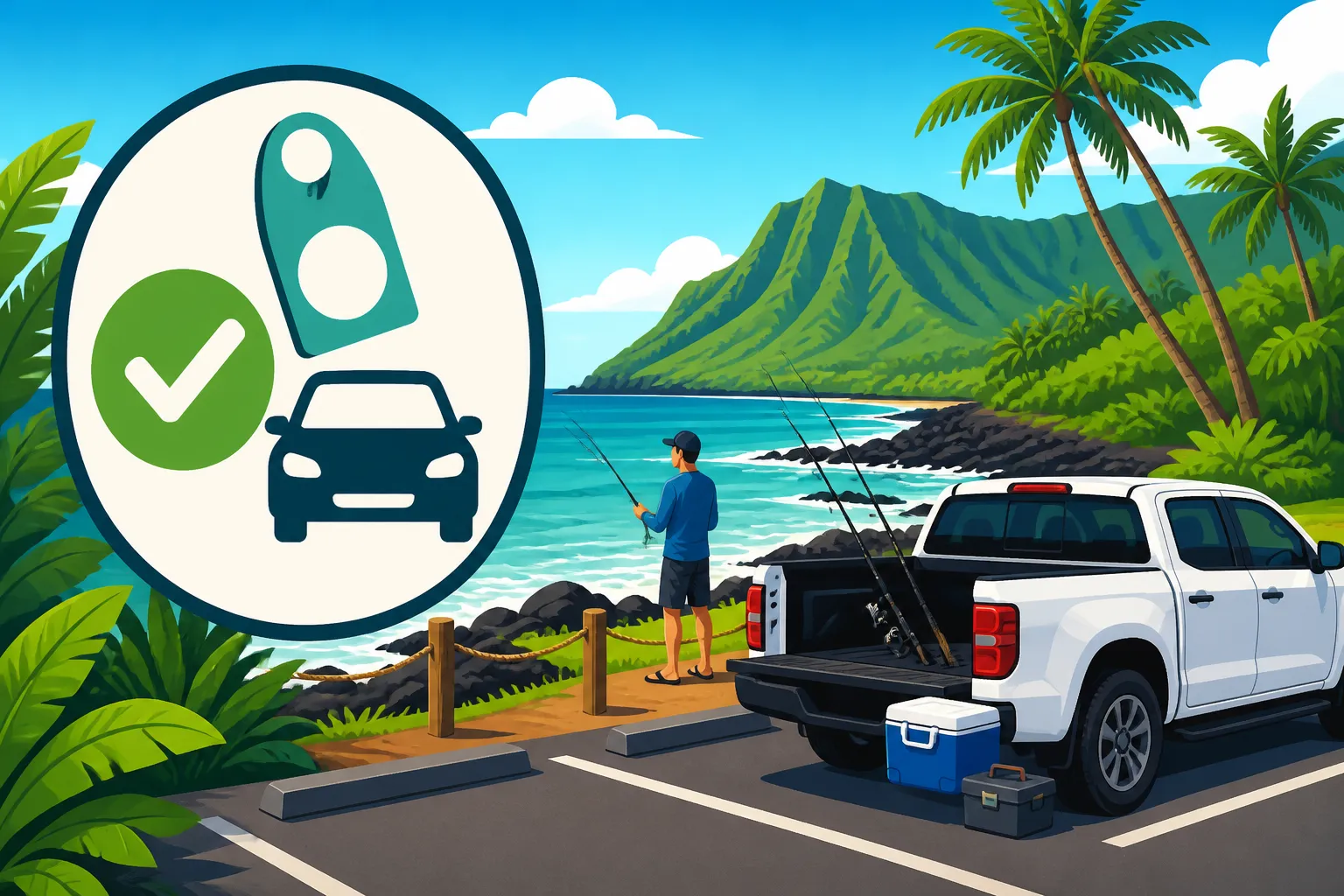
Oh, the joy of finding that perfect fishing spot along Hawaii's stunning shoreline, only to be met with confusing "No Parking" signs or the dreaded threat of a tow! It's a frustrating reality for many anglers and beachgoers alike. Navigating the maze of rules surrounding shoreline access, especially when it comes to parking, can feel like you need a law degree just to wet a line. This guide is here to unravel the complexities of Hawaii's shoreline access parking permit rules, helping you understand where you can park legally, how to get the necessary permits, and ultimately, spend more time fishing and less time worrying about your vehicle.
The Nuances of Shoreline Access in Hawaii
Before we even get to parking, it's vital to understand the bigger picture of shoreline access in Hawaii. Unlike some places where beaches are privately owned, Hawaii's constitution guarantees public access to its shorelines up to the high-water mark. This means you generally have a right to be on the beach. The challenge, however, often lies in getting to the beach, especially when natural barriers or private property block the way, and that's where parking becomes a major pinch point.
The Public Right to the Shoreline
The concept of public shoreline access in Hawaii is deeply ingrained, a legacy of traditional Hawaiian practices that emphasized shared resources. Anglers often rely on these rights to reach prime fishing grounds. But just because you can walk along the beach doesn't mean you can park directly next to it. Property owners adjacent to the shoreline are required to provide reasonable access, but "reasonable" can sometimes mean a long walk from the nearest legal parking. This often leads to people parking illegally, creating headaches for residents and visitors alike. Understanding your rights to access the shoreline is crucial, but equally important is respecting the land and the rules that govern vehicle access.
Why Parking Permits and Restrictions Exist
It might seem like a bureaucratic hassle, but parking permits and restrictions around Hawaii's shorelines are usually in place for good reasons. Often, they're designed to protect fragile ecosystems, reduce congestion in residential areas, or ensure public safety. For instance, popular spots might implement permit parking to prevent overcrowding, minimize environmental impact, or ensure emergency vehicle access. Other times, it's about managing limited space in areas not designed for heavy vehicle traffic. It’s a delicate balance between preserving our precious natural resources and allowing people to enjoy them. When you see a "No Parking" sign or a resident-only zone, it's rarely arbitrary; it's typically a response to real-world challenges like blocked driveways, excessive litter, or habitat degradation.
Deciphering Hawaii's Parking Permit Landscape
Hawaii doesn't have a single, unified statewide parking permit system for all shoreline access points. Instead, regulations can vary significantly depending on the island, the specific county, and even whether the land is managed by the state (like the Department of Land and Natural Resources, or DLNR) or a private entity that offers public access. This patchwork approach is probably the biggest source of confusion for anglers and can sometimes lead to unexpected fines.
State Parks and Recreational Areas
Many of Hawaii's most beloved shoreline fishing spots fall within state parks or designated recreational areas. These locations often have their own specific parking rules, which may include designated parking lots, day-use fees, or even time limits. For example, some popular state parks might charge a small entrance fee that covers parking for non-residents, while residents might park for free or at a reduced rate. Always look for signage upon entry, or check the Hawaii State Parks website for the specific rules of the area you plan to visit. Missing a crucial sign can turn a peaceful morning of fishing into an expensive ordeal. Remember, these rules are often in place to manage traffic, preserve natural beauty, and ensure everyone has a fair chance to enjoy the space.
County and Local Ordinances
Beyond state-managed lands, individual counties (Honolulu, Maui, Kauai, and Hawaii County) have their own ordinances governing street parking and access to beaches. These local rules are particularly relevant when you're trying to access a less-developed shoreline area that might border a residential neighborhood. You might encounter:
- Resident-only parking zones: These are common in neighborhoods directly adjacent to popular beaches, designed to ensure residents have parking and to discourage excessive tourist traffic. Without a resident sticker, you risk a ticket or tow.
- Time-limited parking: Some spots might allow parking for a couple of hours, perfect for a quick dip or a short fishing session, but not for a full day.
- Permit-by-zone systems: In some high-demand areas, you might need a special permit issued by the county to park. These are usually tied to residency within a specific zone.
It's a good practice to research the local county parking regulations for your target fishing spot before you head out. A quick search on the county's Department of Transportation or Parks and Recreation website can save you a lot of hassle.
Private Landowner Agreements and Access
Sometimes, the most direct path to a fantastic fishing spot might cross private land. While the public has a right to the shoreline, the access route itself might be privately owned. In these cases, a private landowner might have an agreement with the county or state to allow public access, often with specific parking provisions. These might include designated public parking areas, specific hours, or even a requirement to sign in. Always be on the lookout for signs indicating public access easements and their associated parking rules. Disregarding these can lead to trespassing charges, not just parking fines. In some instances, a private development might offer public parking for beach access as part of their permit conditions. It's usually clearly marked.
Navigating Specific Parking Permit Scenarios Across the Islands
Because Hawaii's regulations are so localized, let's break down some common scenarios you might encounter on different islands, illustrating the varied approaches to shoreline access parking.
Oahu's Bustling Shorelines: Urban & Suburban Challenges
Oahu, with its higher population density, often presents the most complex parking challenges for shoreline access. From the crowded shores near Waikiki to the more remote stretches of the North Shore, parking can be a real headache.
- Honolulu City & County: In areas like Diamond Head or Sandy Beach, you'll find a mix of metered parking, time-limited zones, and residential permit parking. For instance, around popular surf breaks or scenic lookouts, parking might be free but limited to 1 or 2 hours, enforced strictly. Residents in certain zones can apply for parking permits through the City and County of Honolulu to park on their streets. If you're visiting and want to fish in these areas, your best bet is often paid parking lots, if available, or finding legal street parking a few blocks away and walking. Consider bringing a sturdy backpack, perhaps one you found on Amazon, to carry your gear if you anticipate a longer walk to your fishing spot.
- State Parks on Oahu: Areas like Kaena Point State Park or Makapu'u Point Lighthouse Trail have designated parking lots. While Kaena Point allows vehicle access to a certain point, the very end of the trail to the point is often foot traffic only, meaning you'll park and walk. Always check for signs on specific day-use fees or closures, especially after heavy rains or high surf.
- Kaneohe Bay and Windward Side: Accessing Kaneohe Bay for fishing or kayaking can involve public boat ramps with parking or smaller, less obvious shoreline access points. Parking near residential areas in towns like Kailua or Kaneohe will be subject to local county ordinances. It's not uncommon to see signs prohibiting parking on narrow residential streets, leading to hefty fines if ignored.
Maui's Varied Coasts: Resorts and Local Spots
Maui offers a diverse range of fishing opportunities, from the busy resort areas of West Maui to the rugged, less-developed east coast. Parking regulations reflect this variety.
- West Maui (Lahaina, Kaanapali): Resort areas typically have their own parking facilities, often with fees, or designated public beach access parking lots that fill up quickly. Many popular beaches like Ka'anapapali Beach offer public access points, but parking is usually limited and can be challenging to find, especially on weekends. Always look for public access signs.
- South Maui (Kihei, Wailea): Similar to West Maui, parking around the busy beaches of Kihei can be tight. There are often designated public beach parks with free parking, but these spots are hot commodities. Wailea, being a more upscale area, often has limited public parking for beach access, sometimes requiring a bit of a walk.
- East Maui (Hana Highway): Along the famous Hana Highway, accessing fishing spots can be adventurous. Parking is often informal, but illegal parking (blocking roads, private driveways, or parking in no-parking zones) is heavily enforced due to narrow roads and safety concerns. Always park in clearly designated areas, even if it means a longer walk to the shoreline.
Big Island's Expansive Shores: Kona to Hilo
The Big Island's vastness means different types of parking challenges. The busy Kona Coast and the more rural Hilo side have distinct access and parking situations.
- Kona Coast (Kailua-Kona, Honokohau Harbor): This is a hub for Marlin Fishing off the Kona Coast and other offshore adventures. Honokohau Harbor has extensive parking, though some areas might be reserved for commercial vessels or permit holders. For shore fishing near Kailua-Kona, you'll find a mix of public beach parks with free parking and limited street parking in town. Spots like the Old Kona Airport State Recreation Area offer ample parking for beach access.
- South Point (Ka Lae): The southernmost point of the U.S. is a popular, albeit remote, fishing spot. Parking is generally informal in open, unpaved areas. While it might seem like a free-for-all, always be mindful not to block access roads or park on culturally sensitive land. The bumpy roads often require a 4×4, and common sense parking rules apply even in remote locations.
- Hilo Side: Accessing the fishing grounds around Hilo Bay often means utilizing public parks like Liliuokalani Gardens or Honolii Paka. These typically have free parking lots. For more remote areas, look for established public access points. On the Hamakua Coast, parking can be limited to small pull-offs or roadside spots, so caution and respect for private property are paramount.
Kauai's Lush Landscape: North to South Shore
Kauai's beautiful, often rugged, coastline also presents a range of parking scenarios.
- North Shore (Hanalei Bay, Na Pali Coast access): Parking for popular spots like Hanalei Bay is often in designated public lots or limited street parking in town. For accessing areas along the Na Pali Coast (like the Kalalau Trailhead), permits and reservations are often required, and parking is strictly regulated. This is to manage the heavy foot traffic and preserve the fragile environment. You'll definitely want to check the Hawaii State Parks website for the latest on this.
- South Shore (Poipu, Port Allen): Poipu offers public beach parks with good parking. Port Allen, a commercial harbor, has more structured parking for charters and fishing operations. Less formal fishing spots might require parking in residential areas, so pay close attention to signs.
- Kokee Public Fishing Area: For freshwater fishing in the Kokee Public Fishing Area, parking is typically in designated areas near trailheads or along the main road. Specific regulations for this unique area are important to follow, as detailed in "Hawaii Kokee Trout Fishing Season Dates".
The Consequences of Ignoring Parking Rules
Thinking you can just chance it and hope for the best? In Hawaii, that's a gamble that rarely pays off. The consequences of illegal parking can range from a minor inconvenience to a major financial headache, potentially ruining your entire fishing trip.
Fines and Penalties
Parking fines in Hawaii can be substantial, often starting at $35-50 and quickly escalating for more serious infractions or repeat offenses. Ignoring "No Parking" signs, parking in resident-only zones without a permit, or exceeding time limits are common culprits. These fines add up quickly, especially if you're on vacation and need to factor in potential processing fees or mailing delays. It's far cheaper and less stressful to find legal parking, even if it means a longer walk.
Towing and Impoundment
This is the angler's worst nightmare. Parking in tow-away zones, blocking fire hydrants, or impeding traffic will almost certainly result in your vehicle being towed. The cost of retrieving an impounded vehicle in Hawaii can easily run into hundreds of dollars, including the tow fee, storage fees (which accrue daily), and any outstanding parking fines. Imagine trying to explain that bill to your family after a fishing trip! It's an expense and a logistical nightmare that is entirely avoidable by simply respecting parking regulations. It's often worse than the penalties for "Fishing Without a Required License in Hawaii: Penalties".
Community Relations and Respect for the Aina
Beyond the financial penalties, consistently ignoring parking rules can strain relations between anglers and local communities. When streets are constantly blocked, residential access is impeded, or beautiful natural areas are cluttered with illegally parked cars, it creates resentment. This can sometimes lead to stricter regulations, reduced public access, or even less friendly interactions. As anglers, we are stewards of the land and sea. Demonstrating respect for local rules, residents, and the 'aina (land) ensures that these precious fishing spots remain accessible and enjoyable for everyone for generations to come.
Tips for Anglers: Avoiding Fines and Finding Legal Parking
So, how can you navigate these waters successfully and ensure your vehicle is safe while you're out chasing fish? A little preparation goes a long way.
Research Before You Go
This is perhaps the most important tip. Before heading to a new fishing spot, especially on an unfamiliar island or in a busy area, do a quick online search for "parking at [fishing spot name]" or "beach access parking [town name]". Check the websites for:
- Hawaii DLNR Division of Aquatic Resources (DAR): While they primarily focus on fishing regulations (like "Hawaii Bag and Size Limits by Species"), they often have information on access points and sometimes link to park rules.
- Hawaii State Parks: Essential for any fishing within a state park.
- County websites: Look for Departments of Parks and Recreation, Public Works, or Transportation. They often have maps or lists of public access points and associated parking rules.
- Google Maps: Use satellite view to scout potential parking areas and look for signs or designated lots. Sometimes, a wider street or an official public beach access point will be visible.
Utilize Public Transportation or Ride-Sharing Where Available
On Oahu, in particular, TheBus system can get you surprisingly close to many shoreline access points, especially in the urban and suburban areas of Honolulu. For a short trip, a ride-share service might drop you off right at a legal access point, eliminating parking worries entirely. While not always feasible with a full complement of fishing gear, it's an option for some.
Consider Off-Peak Hours
If your schedule allows, try fishing during off-peak hours (very early mornings or late evenings). Parking lots that are packed during midday might have spots available at sunrise. Plus, those are often prime fishing times anyway! This can make all the difference, especially in popular spots like those mentioned in "Best Shore Fishing Spots in Hawaii".
Park Legally, Walk Further
Sometimes, the only legal parking might be a few blocks or even a mile away from your desired fishing spot. Embrace the walk! It's good exercise, and it ensures your vehicle is safe. Invest in comfortable, sturdy footwear and a quality backpack for your gear. You can find many great options on Amazon for all-weather, durable fishing backpacks that make those longer treks much easier.
Look for Clear Signage
Always, always read parking signs. They are your best friend. Look for:
- "No Parking" signs, especially those indicating tow-away zones.
- "Permit Parking Only" or "Resident Parking Only" signs.
- Time limit signs (e.g., "2-hour parking").
- Days and hours of enforcement.
If you don't see any signs, that usually means general parking rules apply, but it's always safer to err on the side of caution.
When in Doubt, Ask a Local (Respectfully)
If you're truly unsure about parking in a specific area, and you see a local resident, you can politely ask for advice. A simple, "Excuse me, I'm hoping to fish here and want to make sure I'm parked legally. Is there a designated public parking area nearby?" can often get you helpful, accurate information. Just remember to be respectful of their property and space.
Following these guidelines will not only keep you from receiving an unwelcome surprise on your windshield but also allow you to fully enjoy the incredible fishing Hawaii has to offer. Mahalo for respecting our beautiful islands!
Disclaimer
The information provided in this guide is for general informational purposes only and does not constitute legal advice. Parking regulations and permit requirements in Hawaii are subject to change and can vary by island, county, and specific location. Always consult the most current regulations from the Hawaii Department of Land and Natural Resources (DLNR), relevant county government websites, and posted signage at your specific fishing destination. Failure to comply with parking rules can result in fines, towing, or other penalties.