Do You Need a Fishing License in Hawaii
It’s a common question, one that can cause a lot of head-scratching and even a little anxiety for anyone looking to cast a line in Hawaii: "Do I actually need a fishing license here?" The answer, as is often the case with regulations, isn't a simple yes or no, and the confusion is completely understandable. This guide will cut through the fog, explaining exactly when and where you need a fishing license in the Aloha State, and when you can simply enjoy the stunning waters without one.
The Basics: Do You Really Need a Fishing License in Hawaii?
Navigating the rules and regulations around fishing licenses in a new place can feel like trying to untangle a particularly stubborn fishing knot. For many folks, the assumption is that any type of fishing requires a license, just like in many other states. However, Hawaii operates a bit differently, and understanding this fundamental distinction is key to a stress-free fishing experience.
The Ocean vs. Freshwater Divide
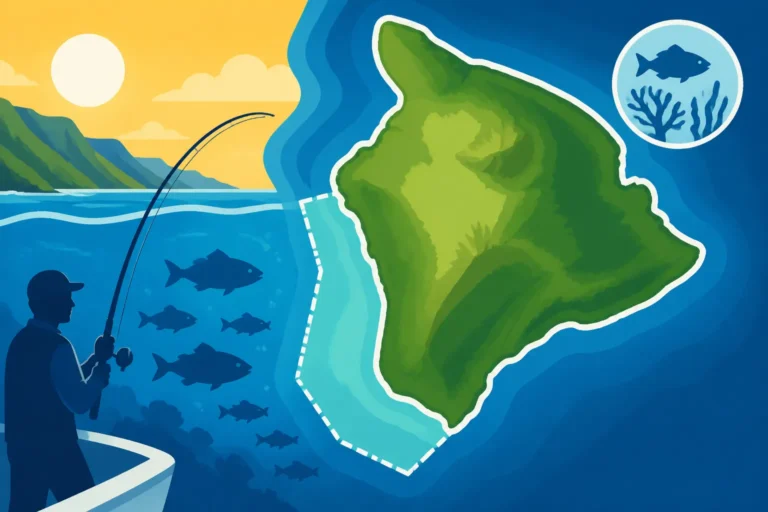
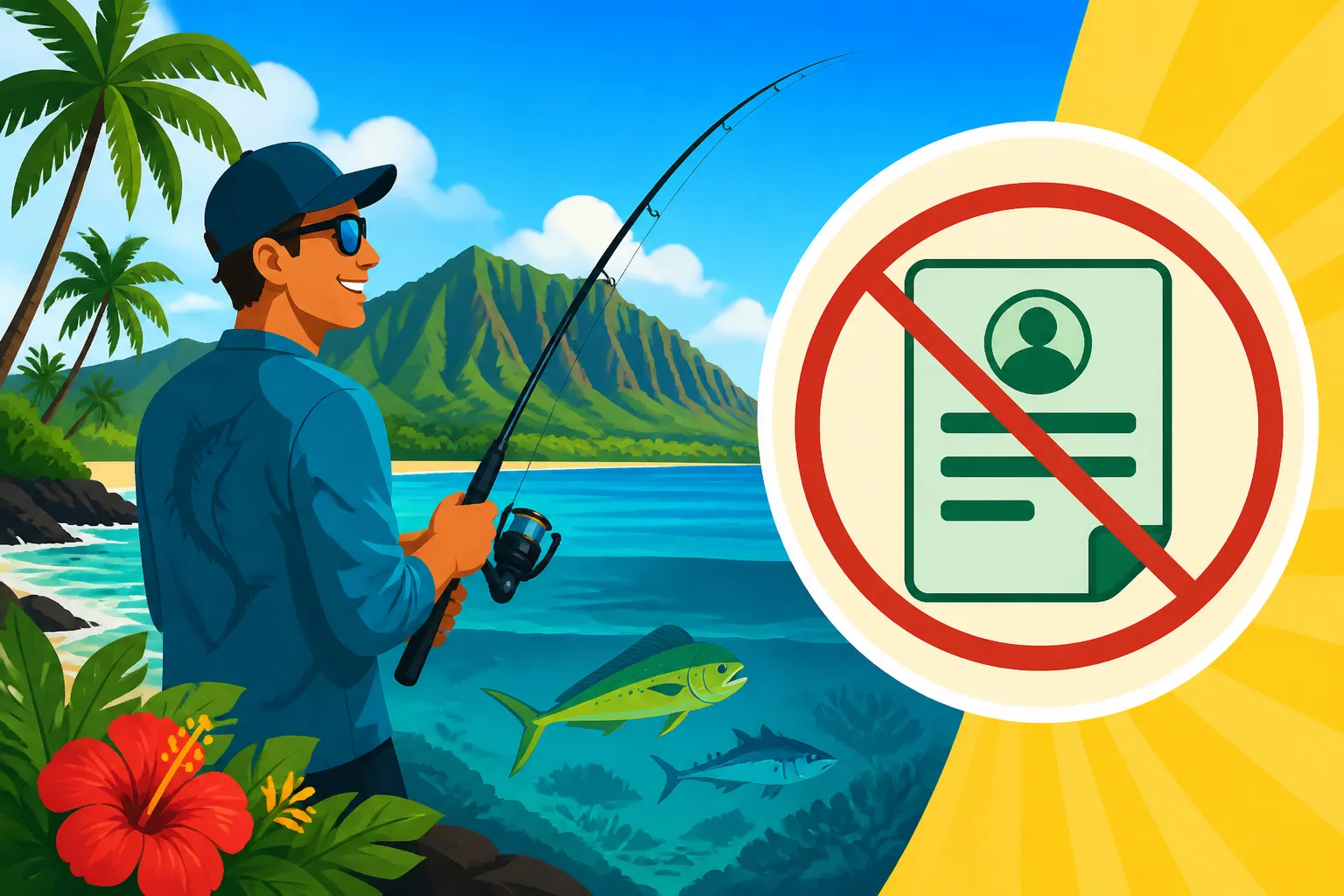
This is the biggest piece of the puzzle, and it often catches people off guard. In Hawaii, the vast majority of recreational ocean fishing activities do not require a state-issued license. That's right – you can often fish from the shore, a private boat, or even spearfish in the ocean without needing to purchase an official document from the state. This is a huge relief for many visitors and residents alike who simply want to enjoy the abundant marine environment.
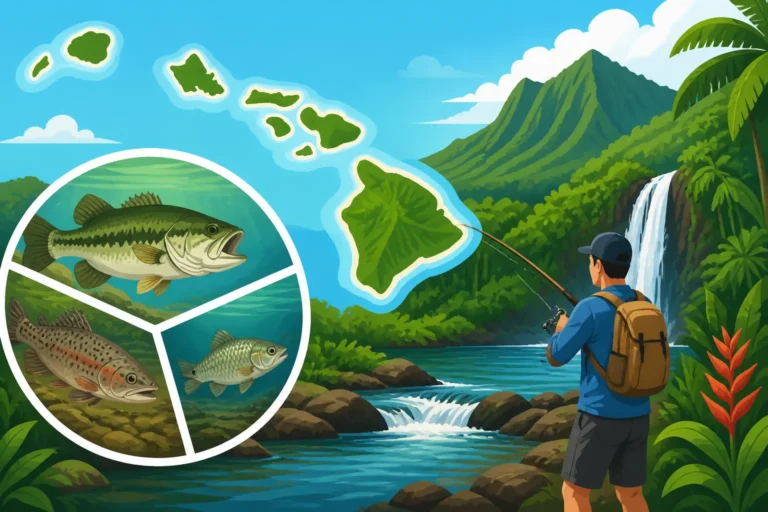
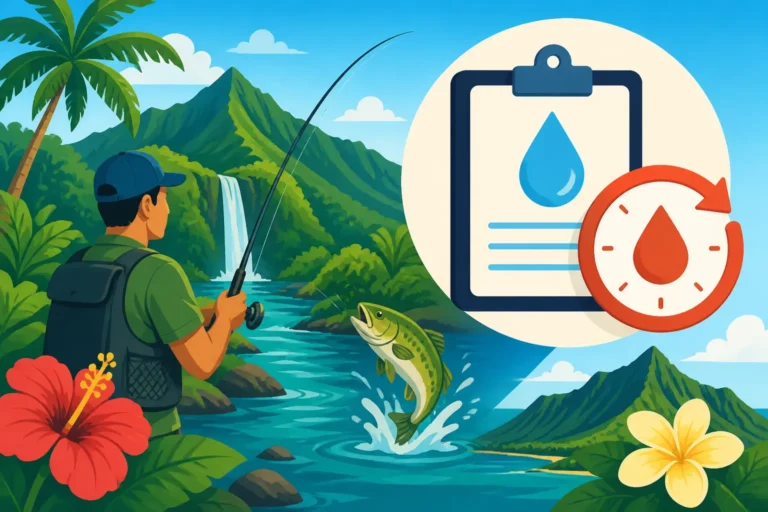
But here’s where the "divide" comes in: if you plan to fish in Hawaii’s freshwater environments, then yes, you absolutely do need a freshwater fishing license. This distinction stems from how the state manages its resources. The ocean, while vast, is managed through a complex system of bag limits, size restrictions, seasonal closures, and designated protected areas. Freshwater resources, on the other hand, are much more limited and often involve stocked fisheries or specific management programs that require funding and oversight. This ensures sustainable practices for species like the rainbow trout in Kokee or the various bass species in reservoirs.
For instance, if you're standing on a beautiful sandy beach on Oahu, casting into the waves for papio or ulua, you typically don't need a license. But if you decide to head inland to Wahiawa Reservoir to try your luck with peacock bass, that's where the license requirement kicks in. It's a critical difference to keep in mind, and it's what often leads to the initial confusion for anglers arriving from places with blanket marine licensing.
Who Needs a Freshwater License and Why
So, let's get specific about those freshwater requirements. In Hawaii, any person 18 years of age or older who intends to fish in designated public freshwater fishing areas with a rod and reel, throw net, or spear needs a valid freshwater fishing license. This applies to both residents and non-residents, though the costs and types of licenses might differ.
The "why" behind these licenses is quite straightforward. Hawaii's freshwater ecosystems, while beautiful, are relatively scarce and often contain introduced species that require careful management. A significant portion of the funds generated from freshwater license sales goes directly back into the Division of Aquatic Resources (DAR) programs. This money supports critical initiatives like stocking rainbow trout in the Kokee Public Fishing Area on Kauai, maintaining public access points at reservoirs, conducting research on freshwater fish populations, and enforcing regulations to ensure these precious resources remain viable for future generations. Without these licenses, the state wouldn't have the necessary funding to manage and protect these unique inland fisheries. It's about ensuring that everyone who enjoys these waters contributes to their health and sustainability.
Understanding Hawaii's Ocean Fishing Exemptions
It's truly one of the unique charms of fishing in Hawaii: the freedom to drop a line in the vast Pacific without the red tape of a recreational marine license. This can feel almost too good to be true for many visiting anglers, but it’s a long-standing practice here, designed to be accessible to everyone.
Recreational Marine Fishing: Generally License-Free
Let's reiterate this fantastic fact: for the majority of recreational ocean fishing activities in Hawaii, you generally do not need a state fishing license. This includes everything from casting a line from the shoreline for local reef fish, bottomfishing from your private boat, kayak fishing along the coast, or even spearfishing (with certain regulations, of course). The sheer convenience of this system is a huge plus, allowing residents and visitors to spontaneously decide to fish without having to find a vendor or navigate an online portal first.
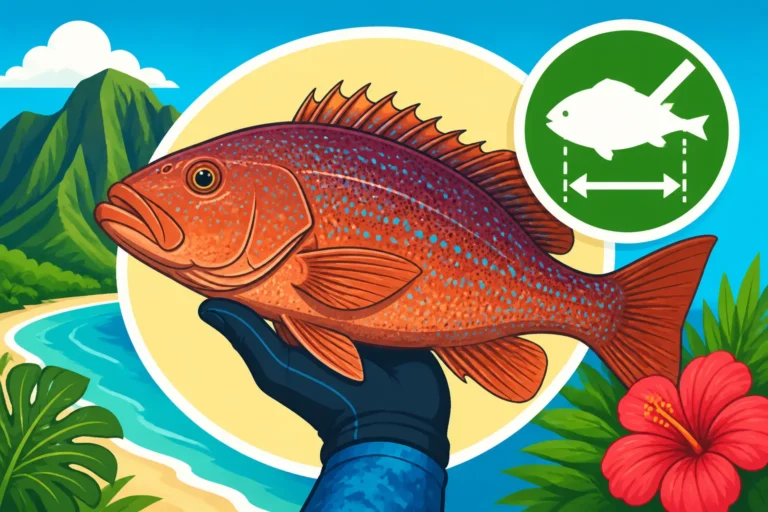
The state manages its ocean resources differently than many other coastal regions. Instead of relying on a broad recreational marine license fee, Hawaii focuses its conservation efforts through comprehensive Hawaii Fishing Regulations Explained. These regulations include specific bag limits and size limits for various species like ulua, papio, and ahi, as well as seasonal closures for certain popular fish such as moi or uhu. There are also Marine Life Conservation Districts (MLCDs) and Fish Replenishment Areas (FRAs) where fishing activity is strictly controlled or prohibited. These measures, combined with commercial licensing and enforcement, are the primary tools used to ensure the sustainability of Hawaii's marine life. So, while you don't need a general license, you still need to be very aware of what you can and cannot catch, and where. It’s a system built on respecting the resource and understanding local rules.
Charter Boats and Tournaments: What You Need to Know
This is another common point of confusion, especially for visitors excited to experience Hawaii’s legendary offshore fishing. If you book a fishing charter in Hawaii, whether for a thrilling marlin hunt off the Kona Coast or a bottomfishing excursion near Maui, you, as the client, typically do not need to purchase an individual fishing license. The charter boat itself, and more specifically, the captain and crew, operate under special commercial licenses and permits that cover all fishing activities conducted from their vessel. This means all you need to do is show up, ready to fish, and enjoy the experience. This exemption applies to most reputable charter operations across the islands. For a more detailed look, check out Do You Need Your Own Fishing License for a Hawaii Charter?.
The same principle often extends to organized fishing tournaments. While the tournament organizers or charter captains might need to secure specific permits for the event, individual anglers participating in a tournament typically don't need their own personal recreational marine license. However, it is always a smart move to confirm this with the tournament organizers beforehand. They will be able to provide clear guidelines on what, if any, additional documentation participants need. Remember, even if you don't need a license, you'll want to be prepared. For instance, bringing a good quality hat and polarized sunglasses, perhaps a pair you found on Amazon, can make a huge difference in comfort and spotting fish, even if the charter provides all the tackle.
Freshwater Fishing License Requirements and Types
Alright, now that we've cleared up the ocean fishing situation, let's dive deeper into the freshwater world where licenses are indeed a necessity. It’s important to distinguish between resident and non-resident options, as the eligibility, cost, and validity periods vary significantly.
Resident Freshwater Licenses
For those of us lucky enough to call Hawaii home, obtaining a freshwater fishing license is a fairly straightforward process, provided you meet the residency requirements. To qualify as a Hawaii resident for licensing purposes, you generally need to have been physically present in the state for at least one year immediately preceding your application, with the intention of making Hawaii your permanent place of abode. This means showing proof of residency like a Hawaii driver's license, utility bills, or a rental agreement.
Once you’ve established residency, you can apply for an annual freshwater fishing license. The cost for a resident annual license is typically quite modest, designed to be accessible to local anglers. You can find the most up-to-date pricing on the Department of Land and Natural Resources (DLNR) Division of Aquatic Resources (DAR) website. This license is usually valid for a full calendar year from the date of purchase. For specific cost details, you might want to look into Hawaii freshwater license cost for residents.
Beyond the standard annual license, Hawaii also offers exemptions or special provisions for certain resident groups. For example, Hawaii residents who are 65 years of age or older, or those with certain documented disabilities, may be eligible for a discounted or even free freshwater fishing license. These programs are in place to honor our kūpuna (elders) and support accessibility for all anglers. If you fall into one of these categories, it's definitely worth exploring the options detailed in Hawaii Senior and Disabled Freshwater License Exemption and Hawaii Fishing License for Disabled Residents.
Imagine a scenario: a lifelong kama'aina on Oahu wants to spend their Saturday morning trying to catch peacock bass at Wahiawa Reservoir. They've been fishing there since they were a kid. To ensure they're fishing legally, they would need to purchase their annual resident freshwater fishing license, which helps fund the stocking and management of these very fisheries. The funds collected contribute directly to maintaining places like Wahiawa, ensuring that there are fish to catch and access points to enjoy. If you're planning a trip to this popular spot, make sure you're up-to-date on Hawaii Wahiawa Reservoir Fishing Rules.
Non-Resident and Tourist Freshwater Licenses
For our visitors and those who haven't yet established Hawaii residency, there are specific freshwater fishing license options tailored to different stay durations. It's crucial for non-residents to understand these distinctions to avoid any run-ins with enforcement officers.
The most common options for non-residents are:
- Annual Non-Resident Freshwater Fishing License: This is for those planning an extended stay or frequent visits throughout the year. It provides the same 12-month validity as the resident annual license but comes at a higher cost.
- 30-Day Non-Resident Freshwater Fishing License: This is a popular choice for tourists spending a month or so on the islands and wishing to enjoy some freshwater angling. It offers good value for a longer vacation. Check out Hawaii 30-day tourist freshwater license cost for current pricing.
- 7-Day Non-Resident Freshwater Fishing License: Perfect for shorter trips, this license allows you to fish freshwater for a week. It's ideal if you're only planning one or two freshwater outings during your Hawaiian getaway. For the exact cost, refer to Hawaii nonresident 7-day marine fishing license cost (note: this is specifically for marine, but often listed near freshwater options or with similar pricing structure guidance for short-term recreational licenses).
The costs for non-resident licenses are understandably higher than for residents, reflecting that non-residents typically don't contribute to state taxes in the same way residents do, yet still benefit from the state's managed resources. Comparing these options will help you choose the most economical and appropriate license for your trip.
Consider a family visiting from the mainland who are staying on Kauai for two weeks. They've heard about the exciting rainbow trout fishing at Kokee Public Fishing Area and want to take their kids. To legally fish, the adults (18 and over) would need to purchase either a 7-day or 30-day non-resident freshwater license, depending on how many days they plan to devote to fishing. Knowing the Hawaii Kokee Trout Fishing Season Dates in advance would also be smart planning for their trip! Securing this license before they head up into the mountains ensures they can fully enjoy the experience without worry.
Age Requirements and Special Exemptions
Understanding who specifically needs a license, based on age or other circumstances, is vital. It’s not just about knowing the "when," but also the "who," to ensure everyone in your fishing party is legal.
Youth and Senior Exemptions
Hawaii, like many places, aims to encourage fishing among its youth and acknowledge the contributions of its elder community by offering specific exemptions. For freshwater fishing in Hawaii, individuals typically under the age of 18 are not required to purchase a freshwater fishing license. This is fantastic news for families, as it means kids and teenagers can join in on the freshwater fun without the additional cost or paperwork. It’s a wonderful way to introduce the next generation to the joys of fishing and conservation. For clarity on the exact age cutoff, you can refer to Hawaii Freshwater License Age Requirements.
On the other end of the spectrum, Hawaii residents who are 65 years of age or older are also often eligible for exemptions or significantly discounted licenses for freshwater fishing. This is a respectful nod to our kūpuna, recognizing their many years of contribution to the community. To qualify, senior residents usually need to provide proof of age and residency. It's always best to check the current DLNR DAR guidelines for the most up-to-date information on eligibility and application procedures for Do Seniors Need a Freshwater Fishing License in Hawaii?. These programs ensure that fishing remains an accessible and enjoyable pastime for all ages, fostering intergenerational connections through the shared love of the outdoors.
Disabled Angler Provisions
Hawaii is also committed to making outdoor recreation accessible to everyone, including anglers with disabilities. Resident individuals who have certain documented permanent disabilities may be eligible for a special freshwater fishing license or an exemption from license fees. This is a thoughtful provision designed to remove barriers and allow all residents to enjoy Hawaii’s unique freshwater fisheries.
To apply for such a provision, applicants typically need to provide official documentation proving their disability, along with proof of Hawaii residency. The application process usually goes through the DLNR Division of Aquatic Resources. It’s always recommended to contact DAR directly or visit their website for the precise criteria and required paperwork, as these can sometimes involve specific medical certifications. This ensures that the process is smooth and that those who qualify receive the support they need to continue their passion for fishing. For comprehensive details, you can find information on Hawaii Fishing License for Disabled Residents. These provisions reflect a broader commitment to inclusivity within Hawaii’s outdoor community, ensuring that the therapeutic and recreational benefits of fishing are available to as many people as possible.
Where and How to Obtain Your Freshwater License
Once you've determined that you need a freshwater fishing license, the next logical step is figuring out how and where to get one. Fortunately, Hawaii has made the process fairly convenient, offering both online and in-person options.
Online and Retail Purchase Options
In this digital age, one of the easiest ways to secure your Hawaii freshwater fishing license is through the official DLNR Division of Aquatic Resources (DAR) website. Their online portal allows you to purchase and print your license from the comfort of your home or even on your mobile device. This is particularly convenient for non-residents planning their trip or for busy residents who prefer to avoid an extra errand. The online system is usually user-friendly, guiding you through the necessary steps and information inputs. For a detailed walkthrough, you can consult How to Buy a Hawaii Fishing License Online. It’s quick, efficient, and ensures you’re legal before you even head out the door.
If you prefer a more traditional approach or need to ask questions in person, freshwater fishing licenses are also available at various retail vendors across the islands. These often include local tackle shops, larger sporting goods stores, and sometimes even general merchandise stores or convenience stores that serve as official license agents. For example, on Oahu, places like certain Walmart or KTA Super Stores locations might be licensed to sell them. These physical locations are great if you need to pick up some last-minute bait or tackle, or if you simply prefer human interaction. When purchasing in person, remember to bring a valid photo ID and, if you're a resident, proof of Hawaii residency. This ensures you get the correct type of license and avoid any delays. Before you go, you might even pick up a new tackle box from Amazon, ready to be filled with local freshwater fishing essentials!
What to Do After Purchase: Printing and Carrying
So, you’ve bought your license – phew! The next crucial step is ensuring you have it with you, in an easily accessible format, whenever you're out fishing in Hawaii's freshwater areas. It’s not enough to simply purchase it; you must be able to present it to a conservation officer upon request.
The DLNR generally accepts both a physical, printed copy of your license or a digital copy displayed on your smartphone or other mobile device. If you purchased online, you'll usually be given the option to print a hard copy immediately. It's often a good idea to print a few copies: one to keep in your tackle box, one in your wallet, and perhaps a backup at home. Laminating it can help protect it from the elements. If you choose to go digital, ensure your phone is charged, and you know exactly where to access the license on your device. Having a screenshot can sometimes be faster than navigating to a website with spotty service in remote fishing areas. For more tips on this, see Printing or Carrying a Digital Fishing License in Hawaii.
Always double-check the latest DLNR guidelines regarding acceptable proof of license, as regulations can sometimes be updated. The goal is to make it easy for you to comply and for enforcement officers to verify your compliance quickly and easily. Nothing puts a damper on a peaceful day of fishing faster than a citation because you couldn't produce your license!
Understanding Special Regulation Waters and Penalties
Even with your shiny new freshwater fishing license in hand, there are still a few more layers to Hawaii's fishing regulations you need to be aware of, especially concerning specific areas and the consequences of non-compliance.
Freshwater Special Regulation Areas
While your freshwater fishing license grants you general permission to fish in Hawaii's public freshwater areas, it’s not a blanket approval for all activities everywhere. Some specific bodies of water are designated as "Special Regulation Waters," and these areas often come with their own unique set of rules that supersede or add to the general statewide regulations. These rules are put in place for various reasons, such as protecting specific species, managing catch rates, or ensuring environmental preservation.
For instance, the Kokee Public Fishing Area on Kauai, famous for its rainbow trout, has very specific seasonal dates, bag limits, and often restrictions on bait and lure types. Similarly, the Wahiawa Reservoir on Oahu, known for its bass and tilapia, has particular rules about public access, fishing hours, and sometimes even methods of take. You might find certain sections of a reservoir designated as Hawaii Catch and Release Only Freshwater Waters, or limits on horsepower for boats. These localized rules are crucial to the sustained health of these unique fisheries.
It is absolutely imperative that before you head out to fish any specific freshwater body in Hawaii, you consult the latest regulations for that particular location. The Hawaii DLNR Division of Aquatic Resources (DAR) website is your best friend here, as they provide detailed maps and rules for all regulated waters. Ignorance of these special regulations, even with a valid license, can still lead to penalties. Always do your homework – a quick check online can save you a lot of hassle and ensure you're fishing responsibly.
Consequences of Fishing Without a License
Now for the serious stuff. While the ease of ocean fishing without a license is a wonderful thing, don't let it lull you into a false sense of security when it comes to freshwater. Fishing without a required freshwater license in Hawaii is a violation of state law, and it carries real consequences.
The penalties for fishing without a license can vary depending on the specific circumstances and whether it's a first offense, but they typically include significant fines. These fines can range from a couple of hundred dollars to much more, making that small license fee seem like a bargain in comparison. In addition to monetary penalties, enforcement officers also have the authority to confiscate your fishing gear, including your rods, reels, and any fish you may have caught. Repeat offenses can lead to even harsher penalties, including potential community service or even jail time in extreme cases. For a comprehensive overview, you should definitely read up on Fishing Without a Required License in Hawaii: Penalties.
It's natural to feel frustrated if you genuinely didn't know you needed a license, especially as a visitor. However, the law generally operates on the principle that "ignorance is not an excuse." It is every angler's responsibility to understand and abide by the regulations of the state they are fishing in. Taking a few minutes to confirm your licensing requirements and carrying your license with you is a small effort that prevents a potentially very expensive and disheartening experience. It’s a far less stressful experience to ensure you’re legal, and then you can relax and enjoy your new fishing rod from Amazon, knowing you're fully compliant.
Commercial and Other Specific License Types
While this guide primarily focuses on recreational fishing for the casual angler, it’s worth briefly touching upon other types of licenses and permits that exist in Hawaii’s aquatic world. These generally won't apply to your typical weekend fishing trip but are important for specific activities.
Commercial Marine Licenses
If your fishing activities extend beyond catching dinner for your family and friends, and you intend to sell any of your catch, you are no longer considered a recreational angler. At that point, you enter the realm of commercial fishing, and a completely different set of rules and licenses applies. Hawaii requires anyone harvesting marine life for commercial purposes to obtain a Commercial Marine License (CML).
This license comes with a host of additional requirements, including detailed reporting of your catch, adherence to commercial-specific bag limits and regulations, and often necessitates specialized gear and vessel registration. The intent behind these licenses is to monitor and manage commercial fishing pressure, ensuring the long-term sustainability of Hawaii's valuable marine resources. For those considering making a living from the ocean, understanding the distinction and requirements for Hawaii Commercial vs Recreational Fishing License Rules is absolutely critical. This is a far more complex and regulated sector than recreational fishing, reflecting the economic and environmental impacts involved.
Research and Special Activity Permits
Beyond recreational and commercial fishing, there are other, more specialized activities that require specific permits from the state. These might include scientific research that involves the collection of marine or freshwater organisms, aquaculture operations, educational programs that take or possess aquatic life, or even certain large-scale fishing derbies or tournaments that might require special event permits.
These permits are highly specific, often requiring detailed proposals, environmental assessments, and strict adherence to scientific and conservation protocols. They are designed to allow controlled activities for beneficial purposes (like conservation research or sustainable food production) while minimizing potential negative impacts on Hawaii's unique ecosystems. For the average recreational angler, you generally won't need to worry about these types of permits. Your focus will be on the recreational freshwater license (if applicable) and adherence to general marine regulations. But it's good to know that the state has robust systems in place to manage all forms of interaction with its precious aquatic resources.
| License Type | Eligibility | Typical Cost (Annual, example)* | Duration | Notes |
|---|---|---|---|---|
| Resident Freshwater Annual | HI Resident (1+ year) | $6 – $10 | 1 Year | For residents 18+ fishing freshwater. Discounts/exemptions for seniors (65+) and disabled residents. |
| Non-Resident Freshwater Annual | Non-HI Resident | $20 – $30 | 1 Year | For non-residents 18+ fishing freshwater, ideal for frequent visitors. |
| Non-Resident Freshwater 30-Day | Non-HI Resident | $15 – $25 | 30 Days | For non-residents 18+ fishing freshwater, suitable for longer vacations. |
| Non-Resident Freshwater 7-Day | Non-HI Resident | $10 – $20 | 7 Days | For non-residents 18+ fishing freshwater, great for short trips or single freshwater outings. |
| Ocean Recreational | All Anglers | $0 (Exempt) | N/A | No general license required for most recreational marine fishing (shoreline, private boat, spearfishing). Always adhere to bag, size, and area regulations. Charter boat clients are covered by the captain's license. |
| Commercial Marine License | Individuals selling catch | Varies | 1 Year | Required for any commercial harvesting. Subject to extensive reporting and regulations. Not for recreational anglers. |
| Youth Freshwater | All Anglers under 18 | $0 (Exempt) | N/A | No license needed for freshwater anglers under 18 years old. |
*Note: Costs are approximate and subject to change. Always verify current pricing and regulations directly with the Hawaii Department of Land and Natural Resources (DLNR) Division of Aquatic Resources (DAR) website before purchasing.
Disclaimer
Please remember that fishing regulations, including license requirements, can change. While every effort has been made to provide accurate and up-to-date information in this guide, it is essential to always consult the official Hawaii Department of Land and Natural Resources (DLNR) Division of Aquatic Resources (DAR) website or contact them directly for the most current regulations before you go fishing. This content is for informational purposes only and should not be considered legal advice.