Fishing Without a Required License in Hawaii: Penalties
It's an honest mistake, really. You're out there, poles cast, enjoying the incredible beauty of Hawaii's waters, maybe even reeling in a beautiful catch, and the last thing on your mind is paperwork. But the reality is, misunderstanding or simply forgetting the rules around fishing licenses in Hawaii can quickly turn a peaceful day into a stressful, and expensive, encounter with enforcement. This guide is here to lay out exactly what happens when you're caught fishing without the required license in Hawaii, detailing the penalties and how to avoid them, so your fishing adventures remain nothing but joyful.
Understanding Hawaii's Fishing License Landscape
Let's be real, navigating fishing regulations can feel like deciphering ancient texts sometimes. You've got different rules for different types of water, for residents and non-residents, and even age exemptions that can make your head spin. But before we dive into the nitty-gritty of penalties, it's crucial to understand the foundation: who exactly needs a license in the first place when casting a line in the Hawaiian islands. The confusion often stems from long-held traditions or assumptions about ocean fishing.
Who Needs a License and Who Doesn't?
For a long time, if you were just dipping a line into the vast blue ocean from shore or a private boat as a recreational angler, Hawaii didn't require a marine fishing license. This was a unique aspect of fishing in the islands, and it’s what many long-time residents and frequent visitors still mistakenly believe to be the universal rule. However, things have changed. As of 2024, if you're engaging in marine recreational fishing—that means fishing in the ocean—you generally need a license unless you fall under specific exemptions. This applies whether you're casting from a sandy beach on Oahu, dropping a line from a rocky point on Maui, or trolling offshore from a boat on the Big Island.
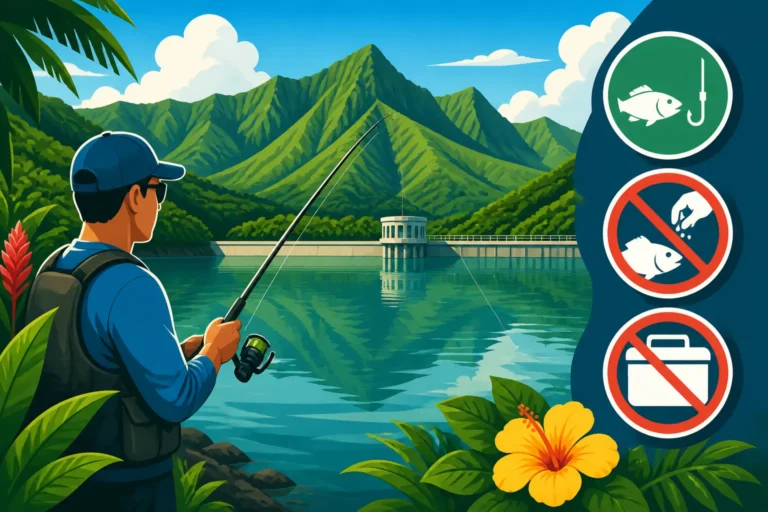
The freshwater scene has always been different, though. If you're heading to places like the Wahiawa Reservoir on Oahu or the streams of Kokee State Park on Kauai to chase peacock bass or rainbow trout, you absolutely do need a freshwater fishing license. This isn't new; it's been the standard for anyone targeting freshwater game fish. The complexity really arises when people, particularly tourists who might assume all fishing here is "ocean fishing," stumble into freshwater areas without realizing the distinct requirements. It's easy to get caught off guard, especially if you're not deeply familiar with the nuances of island regulations. For a full breakdown, check out our guide on whether or not you need a fishing license in Hawaii.
Types of Licenses and Their Requirements
So, what kind of license are we talking about here? It's not a one-size-fits-all situation. Hawaii offers different licenses depending on what kind of water you're fishing and your residency status.
Marine Recreational Fishing License: This is the big one that recently came into effect. Whether you're a Hawaii resident or a visitor, if you're fishing recreationally in the ocean, you'll need one. Residents actually have a specific exemption if they fall into certain categories or are traditionally practicing subsistence fishing, but for most recreational anglers, this license is now a must-have. Non-residents, however, have no such broad exemption. They'll need to purchase either an annual license or one of the shorter-term options like a 1-day or 7-day marine license, perfect for those vacationing for a shorter period. It's wise for anyone visiting to plan ahead and secure their permit. You can often find detailed information about the Hawaii nonresident marine fishing license, explained, which covers costs and how to apply.
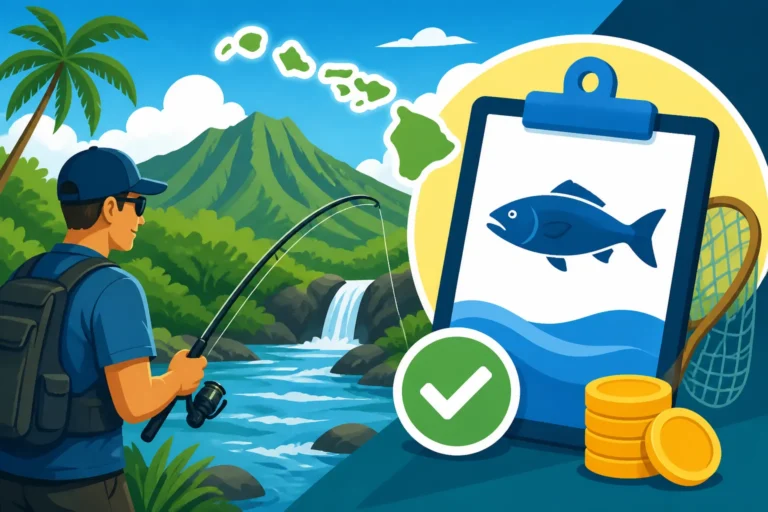
Freshwater Game Fishing License: This license is distinct and separate from the marine license. It's specifically for those pursuing species like rainbow trout, largemouth bass, peacock bass, and channel catfish in designated public fishing areas. Both residents and non-residents need this license, though the costs differ. There are also age requirements for a freshwater fishing license in Hawaii, where younger anglers might not need one, and seniors or disabled residents might have exemptions. It’s crucial to understand that having a marine license doesn't cover freshwater fishing, and vice-versa. Many visitors, in particular, come to the islands envisioning ocean adventures and don't even consider the freshwater opportunities, only to find themselves unprepared if they decide to try their hand at an inland reservoir.
For residents, understanding the specific categories for a Hawaii Resident Ocean Fishing License Exemption is key, as some long-time practices might still be permissible without a physical license if they meet certain criteria, like traditional sustenance fishing. But for the vast majority of us hitting the water for fun, buying the appropriate license is the straightforward path. You can often find specific details on the Hawaii freshwater game fishing license cost for residents and non-residents, depending on your situation.
The Immediate Repercussions of Getting Caught
Okay, let's get down to the brass tacks. You're out there, minding your own business, maybe pulling in a nice papio, when a Division of Aquatic Resources (DAR) officer or other law enforcement approaches. You're asked for your license, and you don't have it, either because you forgot it, didn't know you needed one, or simply chose not to get one. What happens next isn't pretty, and it's designed to be a deterrent. These aren't just minor inconveniences; they can seriously impact your wallet and your fishing trip.
Fines and Monetary Penalties
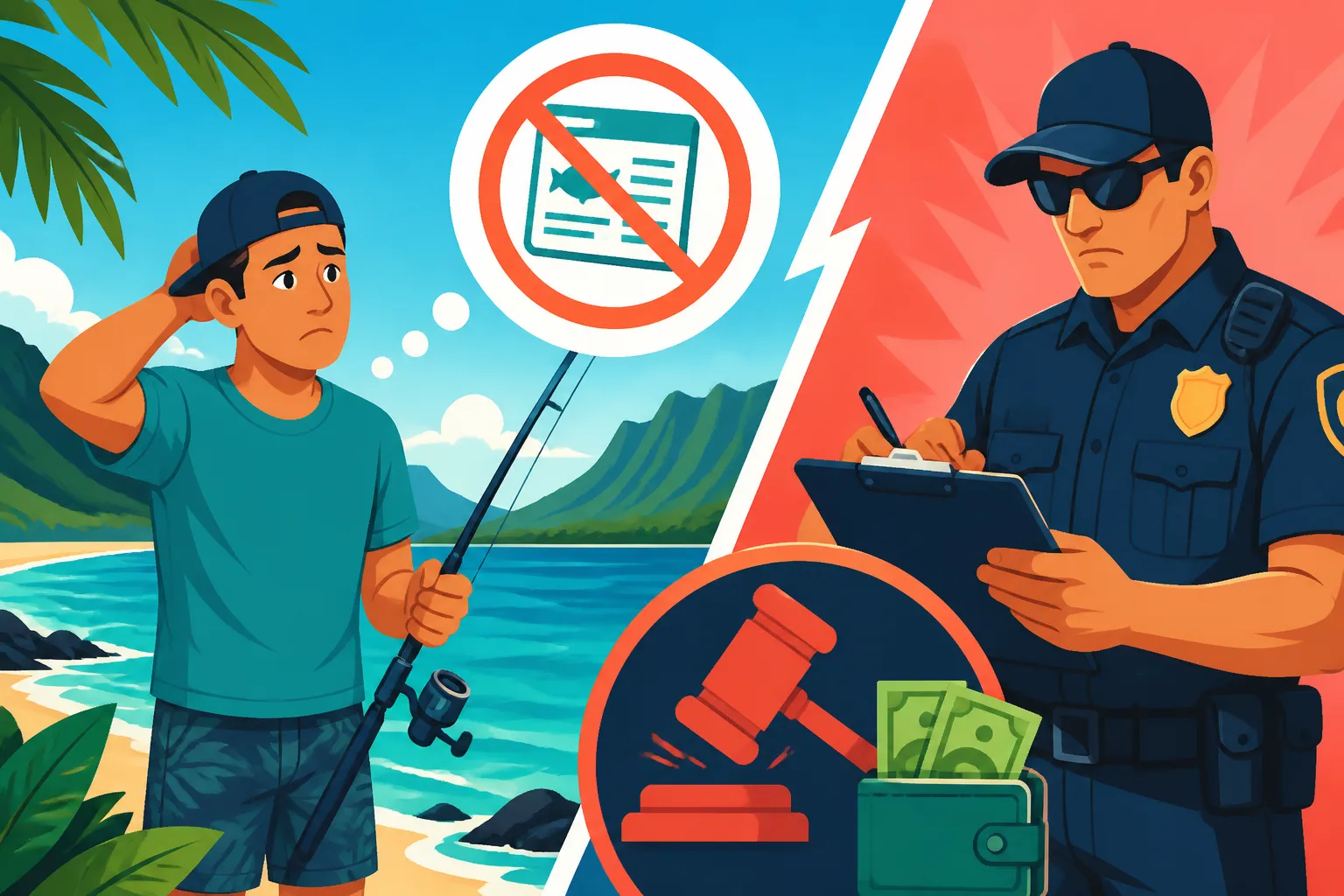
The most common and immediate consequence of fishing without a required license in Hawaii is a hefty fine. This isn't just a slap on the wrist; these penalties are designed to be significant enough to make you think twice. The exact amount can vary depending on the specific violation, whether it's your first offense, and the discretion of the enforcing officer. However, it's not uncommon for initial fines to start in the hundreds of dollars. For instance, being caught without a valid freshwater license might incur a different fine than being caught without a marine license.
Consider a scenario: You're a visitor from the mainland, excited to try some shore fishing on Maui, and you remember hearing "no license needed in Hawaii" from a friend who visited years ago. You didn't do your homework and now you're casting your line near Makena. A DAR officer spots you. Upon asking for your license, you have nothing to show. You could be looking at a citation for several hundred dollars right there on the spot. That's a huge chunk out of your vacation budget, not to mention the stress of dealing with it while trying to relax. The goal of these fines isn't just punishment; it's to fund enforcement efforts and underscore the importance of conservation through regulated fishing. These fines are often codified under specific chapters of Hawaii's Revised Statutes, giving them full legal weight.
Confiscation of Gear and Catch
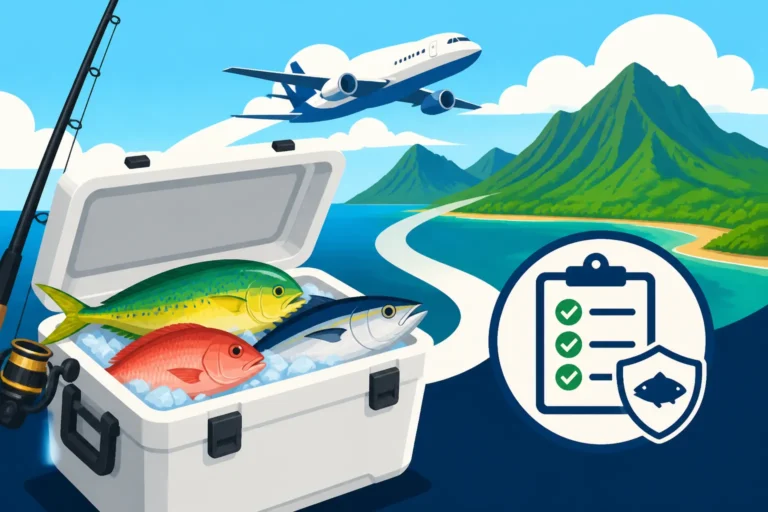
This is where things can get even more painful, especially if you have expensive gear or have just landed a prize catch. In many cases, if you're found to be fishing illegally—which includes fishing without a required license—enforcement officers have the authority to confiscate your fishing gear and any fish you've caught. Imagine spending hundreds, even thousands, on a quality rod, reel, and tackle, only to have it taken away. This can be a particularly bitter pill to swallow for passionate anglers.
Let's say you're out deep-sea fishing with your own boat off the Kona Coast, forgot to renew your marine license, and managed to hook into a beautiful mahimahi. An officer pulls alongside, checks your papers, and discovers the expired license. Not only could you face a significant fine, but your valuable rods, reels, and that fresh mahimahi you were planning to grill for dinner could all be confiscated. This isn't just about the monetary loss of the equipment; it's the emotional sting of losing your prized catch and the gear you cherish. This policy serves as another powerful deterrent, making the cost of non-compliance far greater than just the price of a license.
Court Appearances and Legal Troubles
While many minor license violations might result in a citation that you can simply pay, more serious or repeat offenses, or situations compounded by other violations (like exceeding bag limits or fishing in a restricted area), can escalate to require a mandatory court appearance. This isn't just an inconvenience; it can be a significant legal hassle, especially if you're a non-resident.
Imagine you're a tourist from California, caught fishing without a license near Honolulu. You get a citation, but maybe you dispute it, or you don't pay it on time. What started as a simple fine can now balloon into a legal issue requiring you to appear in a Hawaii court. This means taking time off work, paying for flights back to the islands, and potentially hiring local legal counsel. The costs and stress associated with a court appearance can far exceed the initial fine, turning a vacation into a prolonged legal headache. A court summons means dealing with the Hawaiian judicial system, which, while fair, is still a bureaucratic process that demands time and attention. It’s a stark reminder that fishing regulations are indeed laws, and breaking them carries serious consequences. For more on the consequences, you can look into details on Fishing Without a Required License in Hawaii: Penalties.
Long-Term Consequences Beyond the Initial Fine
The immediate hit to your wallet or the loss of gear can feel bad enough, but the repercussions of fishing without a license in Hawaii don't always end there. Depending on the severity and frequency of the infraction, you could face longer-lasting issues that impact your ability to enjoy fishing in the islands for years to come. These are the kinds of consequences that truly underscore the importance of respecting local regulations.
Suspension or Revocation of Future Privileges
One of the most significant long-term penalties for repeated or serious license violations is the suspension or outright revocation of your fishing privileges. This means you could be legally barred from obtaining a fishing license in Hawaii for a certain period, or even permanently in extreme cases. For someone who loves to fish, this can feel like a life sentence.
Picture this: You’re a local resident, and you’ve been cited multiple times for fishing without a marine license, perhaps because you stubbornly believed the old rules still applied. After a few warnings and escalating fines, the Division of Aquatic Resources might decide to suspend your ability to obtain any Hawaii fishing license for a year or more. This isn't just about paying fines anymore; it's about being actively prevented from participating in a beloved pastime. This kind of suspension can be particularly painful during peak fishing seasons, or if you've been looking forward to a specific event like the Hawaii Kokee Trout Fishing Season Dates. It’s a powerful tool for enforcement agencies to ensure compliance and protect the state's natural resources from those who repeatedly disregard the rules.
Impact on Commercial Fishing Aspirations
For those who dream of turning their passion for fishing into a livelihood in Hawaii, a history of recreational license violations can throw a major wrench into their plans. Applying for a commercial marine license in Hawaii is a rigorous process, and any past infractions can be viewed negatively by the issuing authorities. They want to ensure that commercial operators are responsible and respectful of the regulations, as their actions have a much larger impact on the ecosystem.
Imagine you've been working as a deckhand on a charter boat for years, saving up to buy your own vessel and become a licensed captain. You've always been casual about your recreational fishing licenses, getting caught once or twice without one, just paying the fine. Now, when you apply for your Hawaii Commercial vs Recreational Fishing License Rules or even a captain's license, that history of non-compliance pops up. The licensing board might see you as a high-risk applicant, questioning your commitment to following regulations. This could lead to delays, outright rejection, or a requirement to jump through additional hoops to prove your trustworthiness. What seemed like minor recreational infractions can suddenly become significant obstacles to your professional ambitions in the fishing industry.
Reputation and Community Standing
In Hawaii, community and reputation (or lokahi and hanohano) are incredibly important. Being known as someone who disregards fishing regulations, especially those designed to protect the islands' fragile marine and freshwater ecosystems, can lead to a tarnished reputation within the local fishing community. Word travels fast, especially among those who share a passion for the water and a deep respect for its sustainability.
Consider a scenario where you're regularly seen fishing without a license at a popular local spot, like Kewalo Basin. Local anglers, who diligently purchase their licenses and follow all the rules, might quickly recognize you as someone who doesn't play by the rules. This can lead to being ostracized, or even reported to authorities by your peers. It’s not just about avoiding legal trouble; it’s about being a responsible member of the community that shares the resources. This loss of community trust can extend beyond just fishing, potentially impacting other social and even business interactions in tight-knit island communities. It might seem abstract, but for many who live and fish in Hawaii, the respect of their peers and community is just as valuable as the fish they catch.
How Enforcement Works on the Islands
Knowing the penalties is one thing, but understanding how you might encounter enforcement on your fishing trip can help you be better prepared. It’s not about avoiding enforcement, but about ensuring you’re always in compliance so that any interaction is a smooth and pleasant one. The enforcement landscape in Hawaii is overseen by a dedicated group of professionals committed to protecting the state's unique aquatic resources.
Who Patrols Hawaii's Waters and Shores?
The primary agency responsible for enforcing fishing regulations in Hawaii is the Department of Land and Natural Resources (DLNR), specifically its Division of Conservation and Resources Enforcement (DOCARE). These are the officers you're most likely to encounter on the water, at boat ramps, or along the shoreline. They patrol in marked vessels, vehicles, and sometimes on foot, looking for compliance with everything from licensing to bag limits and gear restrictions.
Beyond DOCARE, you might also encounter officers from the U.S. Coast Guard, especially in federal waters or for vessel safety checks. Local police departments, while not primarily focused on fishing regulations, can also get involved if other issues arise. For those venturing into freshwater areas, you could also encounter staff from the Division of Aquatic Resources (DAR), who manage the state's freshwater fisheries. These officers are trained in aquatic resource management and law enforcement, and they take their job seriously because the health of Hawaii's aquatic ecosystems depends on it. They’re not just looking for trouble; they’re ensuring that everyone shares the resources responsibly, preserving them for future generations. Knowing who these officers are and what their role is can help you understand why they might be approaching you. You can often find contact information or read more about their work in the Reading the Hawaii DLNR Fishing Regulations documents.
Common Scenarios Leading to Inspection
Enforcement officers don't just randomly appear out of thin air (though sometimes it feels that way!). There are specific situations and locations where they are more likely to conduct inspections. Being aware of these can help you ensure you're always ready.
- Boat Ramps and Harbors: This is a classic spot for inspections. As you're launching or retrieving your boat, officers might be present to check licenses, boat registrations (like the Hawaii Boat Registration Requirements), and safety equipment. Places like Honokohau Harbor on the Big Island or Maalaea Harbor on Maui are frequent patrol areas. It's a convenient choke point for them to interact with a high volume of anglers.
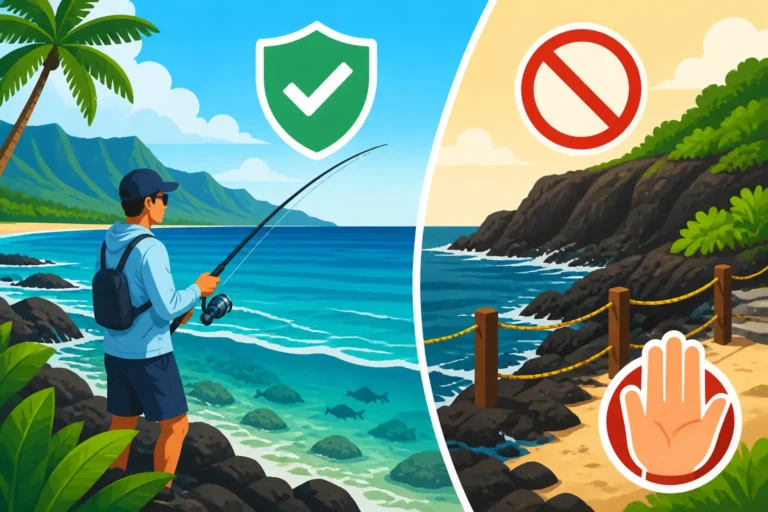
- Popular Fishing Spots: Heavily fished areas, whether it's a bustling pier, a popular surf casting beach, or well-known offshore fishing grounds, are often monitored. Officers know these spots attract anglers and thus present opportunities for both compliance checks and addressing potential violations. For instance, areas known for high fishing pressure, or those close to marine protected areas, receive extra attention.
- Targeted Patrols: Sometimes, DOCARE will conduct specific patrols targeting known problem areas, or certain species during their closed seasons. If there's been an increase in reports of illegal activity in a certain bay or coastline, you can bet enforcement will be stepping up their presence there.
- Public Complaints/Tips: Believe it or not, fellow anglers, concerned citizens, or even tour operators might report suspicious activity. If someone sees you fishing without a visible license (if required to be displayed) or engaging in what looks like illegal activity, they might call it in.
- Routine Checks: Just like a police officer might pull you over for a routine traffic stop, DOCARE officers conduct routine checks to ensure general compliance. This could be on the water during a troll, or a quick stop on the beach.
The key takeaway here is that you should always assume you could be inspected. It’s not personal; it’s part of their job to protect Hawaii’s precious aquatic resources.
What to Do if Approached by Enforcement
Okay, so an officer is approaching you. What’s the best way to handle this interaction? The most important thing is to remain calm, cooperative, and respectful. An aggressive or uncooperative attitude can quickly escalate a minor issue into a much larger problem.
- Stop Fishing Immediately: If you're actively fishing, stop what you're doing. Reel in your lines, put down your pole. This shows immediate compliance and respect for their authority.
- Identify Yourself and Provide Documentation: Have your fishing license (physical or digital), photo ID, and any other relevant permits (like boat registration if you're on a vessel) readily available. If you have a Printing or Carrying a Digital Fishing License in Hawaii, make sure your phone is charged and you can quickly access it. Being organized saves time and shows you're prepared.
- Answer Questions Honestly: Officers will likely ask you about your fishing activity, what you're targeting, and if you've caught anything. Answer truthfully. Fabricating stories or lying will only make things worse if they discover the truth.
- Do Not Obstruct or Resist: Do not impede their work, attempt to hide fish or gear, or physically resist. These actions can lead to additional, more serious charges.
- Understand Your Rights: While being cooperative is essential, you also have rights. If you feel an officer is overstepping or behaving inappropriately, you can politely ask for their badge number and supervisor's contact information. However, save any arguments or disputes for a later legal process, not on the spot with the officer.
Remember, most officers are simply doing their job to enforce laws that are in place to protect Hawaii's environment. A polite and cooperative interaction, even if you've made a mistake, can often lead to a smoother resolution compared to a confrontational one.
Avoiding Penalties: The Best Defense
The absolute best way to avoid any penalties for fishing without a required license is, quite simply, to ensure you always have the correct and current license. It sounds obvious, but the number of anglers caught off guard shows that it's a message worth repeating loudly and clearly. Prevention is always better than dealing with the aftermath of a citation.
Verifying License Requirements for Your Trip
Before you even pack your bags or load your boat, take a few minutes to confirm the exact license requirements for where and how you plan to fish. Don't rely on outdated information from friends or old internet searches. Regulations change, as evidenced by the relatively recent implementation of the marine recreational fishing license.
- Check the Official DLNR Website: The Hawaii Department of Land and Natural Resources (DLNR), specifically the Division of Aquatic Resources (DAR), is the authoritative source for all fishing regulations. Their website (dlnr.hawaii.gov/dar) will have the most up-to-date information, including details on the Hawaii fishing license guide for 2026. This should be your first and last stop for verification.
- Know Your Waters: Are you fishing in the ocean or a freshwater reservoir? The type of water dictates the type of license. If you're thinking of trying both, you'll likely need two separate licenses. For freshwater, make sure you know the specific rules for a Hawaii Freshwater Fishing License and Rules.
- Understand Your Status: Are you a resident or a non-resident? This affects pricing and specific exemptions. Don't assume; verify. For non-residents, check the details on the Hawaii nonresident marine fishing license, explained, and consider if a Hawaii 1-Day and 7-Day Nonresident Marine License Cost makes more sense for your trip length.
- Consider Age and Disability Exemptions: If you're fishing with children or senior citizens, or if you have a disability, there might be specific exemptions. For example, some age groups may not require a license, and there are provisions for a Hawaii Senior and Disabled Freshwater License Exemption. Always confirm these specific details, as they can save you money and hassle.
An ounce of prevention here is truly worth a pound of cure. It's much easier to spend 15 minutes online verifying the rules than it is to spend hundreds of dollars and hours in court.
Proper Documentation and Display
Once you’ve got your license, don’t just tuck it away and forget about it. How you carry and display it can make a big difference during an inspection.
- Carry it with You: Always have your current, valid fishing license on your person when fishing. Whether it's a physical card or a digital copy on your smartphone, it needs to be accessible. Officers won't take your word for it, nor should they. They need to see proof. Make sure you understand the rules for Printing or Carrying a Digital Fishing License in Hawaii.
- Keep it Protected: If it's a physical license, store it in a waterproof wallet or pouch to protect it from the elements. A soggy, illegible license is almost as bad as no license at all. For digital copies, ensure your phone is adequately charged. Consider bringing a portable power bank, which you can easily find on Amazon, for those long days out on the water.
- Display if Required: While marine licenses in Hawaii typically don't require external display, some freshwater licenses or specific permits might. Always check if there's a requirement to visibly display your license or a tag on your gear. Following these small procedural details demonstrates your awareness and respect for the regulations.
- Multiple Copies: It’s not a bad idea to have a physical copy, a digital copy on your phone, and even a backup screenshot or email of your license. Losing your wallet or having a dead phone shouldn't derail your fishing trip or land you a citation. Many people buy their licenses online, which makes it easy to save multiple digital versions. Information on How to Buy a Hawaii Fishing License Online is widely available.
Being prepared with your documentation isn't just about avoiding a ticket; it's about making any interaction with enforcement quick and painless, allowing you to get back to what you love doing.
Staying Informed About Regulation Changes
Fishing regulations are not static; they evolve. New species might become protected, bag limits can change, or, as we've seen, entirely new license requirements can be implemented. Staying current is vital for responsible angling.
- Sign Up for DLNR Alerts: Many state wildlife agencies offer email newsletters or alert systems. Subscribing to Hawaii's DLNR alerts is a great way to stay informed about upcoming changes, public meetings, and important announcements related to fishing.
- Regularly Check the Official Website: Make it a habit to periodically review the Division of Aquatic Resources website, especially before a major fishing trip or at the start of a new year. Don't just skim; read the full Hawaii Fishing Regulations Explained to catch any nuanced changes.
- Consult Local Bait Shops and Charter Captains: These individuals are often on the front lines and hear about changes quickly. A quick chat with a knowledgeable local at a bait and tackle shop before heading out can provide valuable, real-time insights. They often have printed copies of the latest regulations or can direct you to where to find them. However, always double-check with official sources if something sounds uncertain.
- Invest in a Regulations Guide: Some anglers find it helpful to purchase or download a concise guide to local regulations. While not official, they can be handy quick-reference tools if updated regularly. You might even find comprehensive fishing guides or regulation summaries available on platforms like Amazon, offering a convenient way to keep a digital copy with you.
Being proactive about staying informed ensures you're always fishing legally and contributing to the conservation efforts that make Hawaii such a phenomenal fishing destination. Ignorance of the law, unfortunately, is rarely an acceptable defense.
Special Considerations and Exceptions
While we've covered the general rules and penalties, Hawaii's fishing landscape, much like its diverse ecosystems, has unique considerations. Understanding these can prevent misunderstandings and ensure you're always on the right side of the law.
Freshwater vs. Marine License Differences
This is a point of confusion for many, especially visitors. It's crucial to reiterate: Hawaii operates on a dual licensing system for recreational fishing. A marine license allows you to fish in the ocean, and a freshwater license allows you to fish in designated freshwater public fishing areas. They are not interchangeable.
Imagine a scenario where a keen angler from the mainland arrives on Oahu, excited to fish. They diligently buy their annual nonresident marine fishing license, thinking they’re good to go for any fishing opportunity. A few days later, they decide to try their hand at peacock bass in Wahiawa Reservoir. Confidently, they cast their line, believing their marine license covers them. An officer conducting checks at the reservoir discovers they only have a marine license. Now, despite having a license, they are technically fishing without the required freshwater license, leading to a citation. This is a common pitfall that can be easily avoided by understanding that specific freshwater fishing locations, like the Hawaii Wahiawa Reservoir Fishing Rules, demand a separate permit. The logic is simple: different environments, different fish populations, different management needs, and thus, different licenses.
Native Hawaiian Traditional and Customary Fishing Rights
Hawaii recognizes and protects the traditional and customary practices of Native Hawaiians for subsistence, cultural, and religious purposes. These rights are often tied to specific historical practices and locations, and they can sometimes allow certain types of fishing without a standard recreational license for individuals who qualify. However, this is not a blanket exemption for all residents or anyone claiming Hawaiian ancestry.
These rights are very specific, and typically require the individual to be actively engaged in traditional subsistence practices within their family or community. It is a nuanced and deeply respected aspect of Hawaiian culture and law, and it is not a loophole for general recreational fishing. Misrepresenting your activity as a traditional practice to avoid a license or regulation is a serious offense that disrespects both the law and the cultural significance of these rights. For the vast majority of recreational anglers, both resident and non-resident, the standard licensing requirements apply. Any claim to traditional rights must be legitimate and verifiable, often in consultation with the Hawaii traditional and customary fishing rights explained guidelines by DLNR. The intent behind these protections is to preserve cultural practices, not to exempt individuals from modern conservation regulations designed for broad recreational and commercial activities.
Junior Anglers and Seniors
Just like many other states, Hawaii often provides specific age-related exemptions or discounts for fishing licenses. It’s important to understand these for both younger and older anglers in your fishing party.
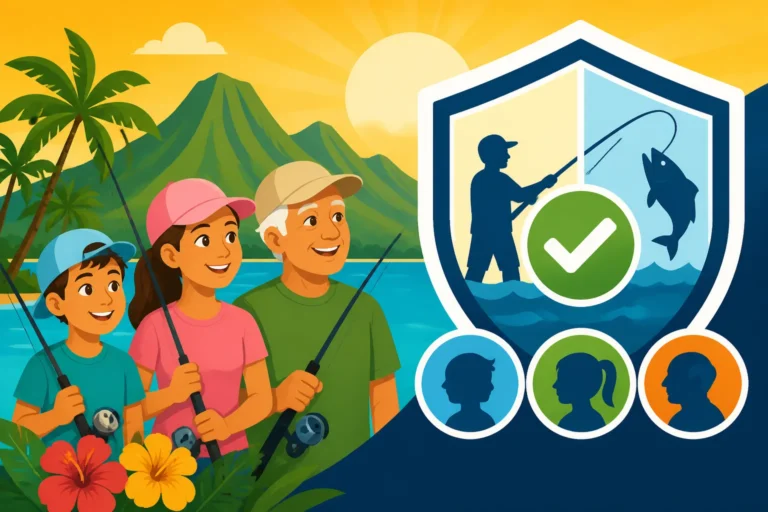
- Youth Exemptions: Often, children below a certain age are not required to have a fishing license. This encourages young people to get into fishing without an initial financial barrier. For example, there are specific Hawaii Fishing License Age Requirements for freshwater fishing. Knowing these age cutoffs means you don't unnecessarily purchase a license for a child who doesn't need one, or conversely, ensure an older child has the required permit.
- Senior Exemptions/Discounts: Similarly, senior citizens in Hawaii may qualify for discounted licenses or even full exemptions, particularly for freshwater fishing. This acknowledges their long-standing contributions and aims to keep fishing accessible in their later years. Details on Do Seniors Need a Freshwater Fishing License in Hawaii? are available through the DLNR. Again, verification is key, as the exact age and residency requirements for these benefits can change.
These exemptions are designed to promote participation and recognize specific demographics, but they are not universal. Always check the current regulations to confirm if your junior angler or senior companion falls within the qualifying criteria to avoid any accidental infractions.
Disclaimer
The information provided in this guide is for general informational purposes only and does not constitute legal advice. Fishing regulations in Hawaii are subject to change by the Department of Land and Natural Resources (DLNR). It is the sole responsibility of each angler to confirm and adhere to all current state and federal fishing laws and regulations before engaging in any fishing activity. Always consult the official Hawaii DLNR Division of Aquatic Resources (DAR) website or contact them directly for the most up-to-date and accurate information.