Hawaii fishing license age exemptions summary
It can feel like you need a law degree just to figure out who needs a fishing license these days, especially with different rules for age, residency, and whether you're in freshwater or the big blue ocean. Nobody wants to get caught enjoying a relaxing day of fishing only to face a fine because they misunderstood a regulation. This comprehensive guide will untangle the Hawaii fishing license age exemptions, helping you understand exactly who needs a license and who can cast a line worry-free.
Understanding Hawaii's Freshwater Fishing License Age Requirements
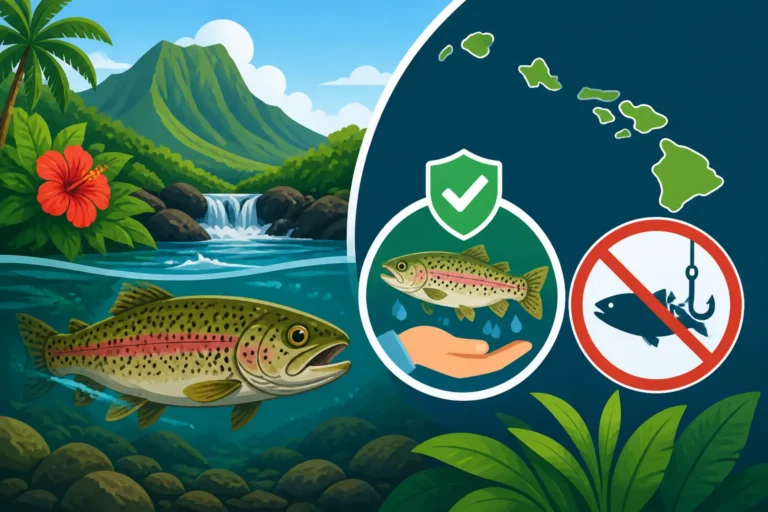
Let's start with freshwater fishing, which often has distinct rules compared to ocean angling. If you're planning to chase trout in the uplands of Kauai or bass in an Oahu reservoir, these are the rules you'll want to pay close attention to. Misinterpreting these can lead to an unexpected encounter with a Division of Aquatic Resources (DAR) enforcement officer, which is definitely not how you want to end your fishing trip.
The Standard Age Requirement
Generally speaking, anyone who is 18 years of age or older and wants to fish in Hawaii's public freshwater areas, like the popular Wahiawa Reservoir or Kokee Public Fishing Area, needs to possess a valid freshwater fishing license. This rule is pretty standard across many states, and Hawaii is no exception. These funds from license sales are crucial; they help the Department of Land and Natural Resources (DLNR) manage fish populations, stock reservoirs, maintain access points, and enforce conservation laws. Without these licenses, the sustainability of these unique freshwater fisheries would be severely impacted. So, while it might feel like another hoop to jump through, it's all part of ensuring there are fish for future generations to enjoy. For a complete breakdown, you might want to review the official guide on Hawaii Freshwater Fishing License and Rules.
Let's say you're a long-time resident, enjoying retirement, and you've always just fished the ocean without thinking much about licenses. Now, your grandkids want to try their hand at catching tilapia at a local pond, and you decide to join them. If you’re 60 years old and a Hawaii resident, you might think you’re exempt, but that only applies to certain age groups and conditions, which we'll get into shortly. For most adults who don't meet specific exemption criteria, that freshwater license is a must. It's not just about the act of catching; it's about being prepared to show proof of compliance if asked.
Exemptions for Younger Anglers
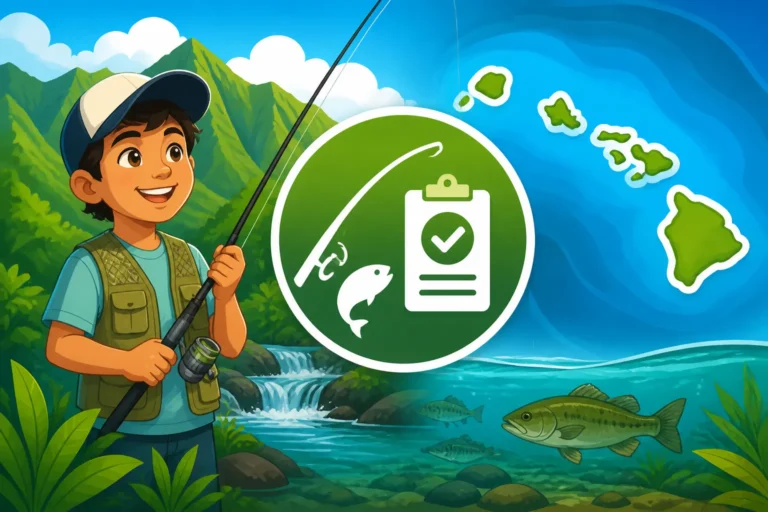
This is usually a relief for families! In Hawaii, children under the age of 18 are generally exempt from needing a freshwater fishing license. That's right, if your keiki (child) is excited to try fishing for the first time, you don't need to worry about purchasing a separate license for them. This exemption is fantastic because it encourages youth participation in outdoor activities and fosters a love for fishing from a young age without adding financial burden to parents. Imagine taking your 12-year-old nephew, who's visiting from the mainland, to Wahiawa Reservoir to try and catch some peacock bass. He can fish alongside you without needing his own license, as long as he's under 18.
This makes family outings much simpler. You can focus on teaching them how to cast, bait a hook, and the thrill of a tug on the line, rather than wrestling with online forms or permit offices. While they don't need a license, it's still crucial for adults to supervise them closely and ensure they understand and follow all other fishing regulations, such as bag limits and size restrictions. Even without a license, proper etiquette and responsible angling are essential. For more detailed information on specific age requirements, check out Hawaii Freshwater License Age Requirements.
Exemptions for Senior Residents
Hawaii truly values its kupuna, and that appreciation extends to fishing regulations! If you are a Hawaii resident and 65 years of age or older, you are exempt from needing a freshwater fishing license. This is a wonderful benefit that recognizes the contributions of our elders and encourages them to stay active and engaged in the community through outdoor pursuits like fishing. It’s a small way to say mahalo for their years of hard work.
To qualify for this exemption, you must be able to prove your residency and age if requested by a DAR officer. A Hawaii state ID or driver's license showing your age and local address would typically suffice. So, if you're a Hawaii resident who has passed that 65-year milestone, you can enjoy a peaceful day by the stream or reservoir without the extra step of purchasing a license. Just remember to carry that proof of age and residency with you. This exemption makes fishing more accessible and enjoyable for many seniors, letting them focus on the experience rather than the paperwork. You can dive deeper into this specific exemption by reading about Hawaii Senior and Disabled Freshwater License Exemption.
Marine Fishing License Age Exemptions in Hawaii
Now, let's turn our attention to the vast and beautiful ocean waters surrounding Hawaii, which is where most people picture fishing when they think of the islands. The rules for marine fishing licenses have seen some changes over the years, and it's essential to understand the current situation, especially concerning age.
The General Rule for Ocean Fishing
This is a point of confusion for many, so let's clarify it right away: Hawaii residents generally do NOT need a recreational marine fishing license to fish in ocean waters. This has been a long-standing tradition in the islands, allowing residents to freely engage in shoreline fishing, spearfishing, or small boat fishing for subsistence or recreation without a state-issued license. This applies whether you're casting a line off a pier in Lahaina, flicking a lure for papio from the rocky points of Oahu, or bottomfishing from your personal boat off the Big Island.
However, the landscape changed significantly for visitors. As of late 2024, non-residents (anyone who is not a resident of Hawaii) ARE required to purchase a marine recreational fishing license if they are 18 years of age or older. This regulation was put in place to help fund marine conservation efforts and manage visitor impact on Hawaii's precious marine resources. If you're visiting from the mainland and planning to fish from a beach, a jetty, or your own rented kayak, and you're 18 or older, you'll need that license. You can find more detailed information on Hawaii Nonresident Marine Fishing License, Explained.
Age-Related Exemptions for Marine Waters
Given the distinction between residents and non-residents, the age exemptions for marine fishing primarily apply to the non-resident category. For non-residents, just like with freshwater, children under the age of 18 are exempt from needing a marine recreational fishing license. This is great news for visiting families. If you're bringing your kids to Hawaii and they're eager to try their hand at catching some reef fish or smaller game from the shoreline, they can do so without you needing to purchase a license for them.
This means a 10-year-old visiting from California can join their parents for some fun fishing on Waikiki Beach without any licensing concerns for the child, though any adults (18+) in the party who are non-residents would still need one. The rationale here is similar to freshwater: encourage youth engagement, reduce barriers for families, and focus licensing efforts on the adult population who typically have a greater impact. For residents, since there's no general marine recreational fishing license requirement, age exemptions aren't a factor unless they move into commercial fishing territory. For a clear understanding of the broader requirements, consult the Hawaii Fishing License Age Requirements guide.
Special Considerations and Specific Scenarios
Fishing regulations aren't always black and white, and there are often nuances that can trip up even experienced anglers. Let's delve into some particular situations that might affect license age exemptions in Hawaii.
Disabled Anglers and License Exemptions
Hawaii is committed to making fishing accessible to everyone, and that includes providing exemptions for residents with disabilities. If you are a Hawaii resident and meet specific disability criteria, you may be eligible for a discounted or exempt freshwater fishing license. This is a thoughtful provision that ensures physical challenges don't prevent individuals from enjoying the therapeutic and recreational benefits of fishing.
The exact criteria often involve a permanent disability that significantly impairs major life activities. To apply for such an exemption, you would typically need to provide documentation from a licensed physician or government agency verifying your disability status. It’s always best to contact the Hawaii Division of Aquatic Resources (DAR) directly or visit their official website for the most up-to-date requirements and application procedures. This might involve submitting paperwork, which can feel like a chore, but it's a necessary step to ensure the program is only utilized by those who genuinely qualify. You can find more comprehensive details on Hawaii Fishing License for Disabled Residents.
Fishing in Commercial vs Recreational Contexts
This is a huge distinction that can dramatically change your license requirements, regardless of age. Recreational fishing is exactly what it sounds like – fishing for fun, sport, or personal consumption. Commercial fishing, however, involves catching and selling fish, or harvesting marine products for profit. The moment you step into the commercial realm, even if it's just selling a small portion of your catch to a local restaurant, you enter an entirely different regulatory framework.
For commercial fishing, age requirements are more stringent, and specific commercial marine licenses are almost always required, often with minimum age stipulations (e.g., 18 years old to hold certain commercial permits). These licenses are far more complex and costly than recreational ones and involve detailed reporting of catch and sales. Even if you're a Hawaii resident exempt from a recreational marine license, attempting to sell your catch would immediately put you in violation if you don't possess the proper commercial permits. It's vital to understand this difference because claiming you were "just selling a few fish to a friend" can still land you in trouble. If you have any aspirations of making money from your catch, make sure to look into Hawaii Commercial vs Recreational Fishing License Rules to understand what's required before you even consider it.
Charter Boats and Age Exemptions
Fishing on a charter boat is a popular way for both residents and visitors to experience Hawaii's incredible offshore fishing. This is another area where the licensing rules can feel a bit murky. Here's the general gist:
For Hawaii residents: Since residents don't need a recreational marine fishing license anyway, there's no age exemption discussion to be had on a charter. You're good to go.
For non-residents (visitors): This is where it gets important. Even if you are fishing on a licensed charter boat, if you are a non-resident aged 18 or older, you are still required to possess your own Hawaii marine recreational fishing license. The charter boat itself holds a commercial license for its operation and might have certain permits, but that doesn't exempt individual non-resident anglers from their personal licensing requirement. Think of it like a driver's license: the car is registered, but the driver still needs their own license.
So, when booking a charter, always confirm this point. Reputable charter companies, like those operating out of Honokohau Harbor or Maalaea Harbor, will often inform their non-resident guests about this requirement and might even offer assistance in purchasing the license, sometimes directly through their website or by guiding you to the DAR portal. Don't assume the charter "covers" your individual license; it almost certainly does not for non-residents. Children under 18, as non-residents, would still be exempt, just like if they were fishing from shore. Always ask the charter operator if you're unsure, or check the Hawaii Boating Laws for Anglers for related information on vessel requirements.
| Category | Freshwater License Required (Ages 18-64) | Freshwater License Exempt (Age) | Marine License Required (Non-residents 18+) | Marine License Exempt (Age) |
|---|---|---|---|---|
| Hawaii Residents | Yes (18-64) | Under 18, 65+ | No (generally) | All ages (generally) |
| Non-Residents | Yes (18+) | Under 18 | Yes (18+) | Under 18 |
| Disabled Residents | Exempt/Discounted (with proof) | N/A | N/A | N/A |
Note: This table summarizes general age exemptions for recreational fishing. Specific rules apply for commercial fishing, protected areas, or unique situations. Always verify with official DAR resources.
How to Verify and Stay Compliant
Navigating regulations can be tricky, but it's crucial for protecting Hawaii's natural resources and avoiding penalties. The best way to ensure you're on the right side of the law is to proactively seek out and understand the official information.
Checking Official Resources
The absolute best source for the most accurate and up-to-date fishing regulations in Hawaii is the official website of the Hawaii Division of Aquatic Resources (DAR), which is part of the Department of Land and Natural Resources (DLNR). Government websites can sometimes be a bit clunky to navigate, but they are the definitive word on the law. Look for their "Fishing Regulations" or "Licenses & Permits" sections. They typically publish annual regulation handbooks or pamphlets that cover all species, bag limits, size limits, and, of course, licensing requirements.
These resources are invaluable, especially since regulations can change periodically. What was true last year might have a slight modification this year, so a quick check before your trip is always a smart move. You can often find PDF versions of the latest regulations available for download, which can be super handy to have on your phone, like downloading a book from Amazon for quick reference. Make it a habit to check the Hawaii DLNR Fishing Regulations PDF before each season or major trip.
Carrying Proof of Exemption or License
Even if you believe you are exempt from a license requirement based on age or residency, it is absolutely vital to carry documentation that proves your status. For age exemptions, a valid government-issued ID like a driver's license or state ID card showing your birthdate is usually sufficient. For residency, the same ID with a Hawaii address should work. If you have a physical fishing license (for freshwater, or as a non-resident marine angler), make sure it's always with you.
In today's digital world, many states are moving towards digital licenses that can be displayed on your smartphone. Hawaii does allow for Printing or Carrying a Digital Fishing License in Hawaii, which offers a convenient way to keep your documentation safe and accessible. However, always ensure your phone is charged! A dead battery is no excuse if an enforcement officer asks to see your license. A simple waterproof pouch for your license and ID, which you can easily find on Amazon, can be a lifesaver in a humid, watery environment like Hawaii. Don't risk a misunderstanding; have your proof ready.
Penalties for Non-Compliance
Let's be real: no one wants to get a ticket while on vacation or enjoying a cherished pastime. Fishing without a required license, or violating any other fishing regulation, can result in significant penalties in Hawaii. These penalties aren't just a slap on the wrist; they can include hefty fines, confiscation of your catch and gear, and in some cases, even more severe legal consequences. The exact fine amount can vary depending on the specific violation and whether it's a first offense, but it's certainly enough to ruin your day and your budget.
The DLNR and DAR take conservation and compliance very seriously. Their officers are out there to protect Hawaii's precious aquatic resources, and they do not hesitate to enforce the rules. It’s far better to spend a few dollars on a license or take a few minutes to confirm your exemption status than to face the financial and emotional stress of a violation. Remember, ignorance of the law is rarely accepted as a valid defense. For a detailed look at what you could be facing, check out Fishing Without a Required License in Hawaii: Penalties.
Disclaimer
Please note that fishing regulations can change. While this guide provides a comprehensive overview based on current information, it is your responsibility to verify all rules and requirements with the official Hawaii Division of Aquatic Resources (DAR) or the Department of Land and Natural Resources (DLNR) before engaging in any fishing activities. This article is for informational purposes only and should not be considered legal advice.