Hawaii ono bag limit rules
Aloha, fellow anglers! There's a common misconception that every fish species in Hawaii has a strict, individual bag limit, and that can lead to a lot of head-scratching, especially when you're targeting a prized catch like ono (wahoo). The truth about Hawaii's ono bag limit rules isn't always what people expect, and misunderstanding them could easily land you in hot water. This guide is here to unravel the current regulations for ono, explain why they are the way they are, and provide you with the practical knowledge to fish responsibly and legally in our beautiful waters.
Understanding Hawaii's Ono Bag Limit Rules
When you're out on the water, whether you're trolling offshore or whipping from a rocky point, knowing the rules for the fish you're targeting is paramount. For ono, also known as wahoo, the regulations in Hawaii might surprise you compared to some other popular species. It’s not as straightforward as a simple "two fish per person" rule like you might find for, say, certain freshwater game fish on the mainland.
The "No Specific Recreational Bag Limit" Reality
Here's the often-overlooked truth: for recreational anglers in Hawaii, there is currently no specific daily bag limit for ono. Yes, you read that right. While many other species, especially reef fish and certain bottomfish, have very strict limits on how many you can take and their minimum sizes, ono typically falls under a different category within Hawaii's regulations. This doesn't mean it's a free-for-all, but it reflects a different management approach for highly migratory pelagic species like ono, ahi (yellowfin tuna), and mahimahi. These fish travel vast distances across the open ocean, making localized population assessments and daily bag limits a complex challenge. Instead, conservation efforts often focus on monitoring commercial harvests, gear restrictions, and general ecosystem health. It’s always a good idea to check the latest official Hawaii Fishing Regulations Explained, as rules can change.
Distinguishing Recreational from Commercial Ono Fishing
It's absolutely critical to understand that the "no specific recreational bag limit" status for ono does not extend to commercial fishing operations. The Hawaii Division of Aquatic Resources (DAR), part of the Department of Land and Natural Resources (DLNR), maintains separate and often much stricter rules for commercial marine licensees. These commercial regulations might include reporting requirements, catch quotas, specific gear restrictions, and even closed areas or seasons that don't apply to recreational anglers. For instance, a commercial fisherman targeting ono might need a specific commercial marine license and would be subject to stringent reporting on their catch, which helps the state monitor overall stock health. Recreational anglers, on the other hand, typically don't face such reporting obligations unless they are participating in a specific tournament or research project. Understanding this distinction is vital, especially if you ever consider selling your catch, as that immediately pushes you into the commercial sphere with an entirely different set of rules. For more details on this, you can refer to the guide on Hawaii Commercial vs Recreational Fishing License Rules.
Are There Size Limits or Closed Seasons for Ono?
Adding to the clarity (or sometimes confusion) for anglers, there are also generally no specific recreational size limits or closed seasons for ono in Hawaii. This again contrasts sharply with many other local species. For example, certain reef fish have strict minimum and maximum size limits to protect juveniles and breeding adults, and moi (Pacific threadfin) even has a specific closed season to allow for spawning. However, ono, being a fast-growing, highly migratory pelagic predator, is managed differently. Their life cycle and wide-ranging habits mean that traditional size and season limits, which are effective for more sedentary reef fish, are less practical for their conservation. The focus remains on overall stock assessment and commercial take. This freedom, however, comes with a strong expectation of ethical angling. Even without explicit limits, responsible anglers always practice self-restraint and only take what they can use.
Why Ono Regulations Differ from Other Species
The unique approach to ono regulations in Hawaii isn't arbitrary. It's rooted in the biological characteristics of the species, the vastness of the Pacific Ocean, and the complexity of managing highly migratory fish stocks. The DLNR's Division of Aquatic Resources (DAR) carefully considers a multitude of factors when crafting rules, aiming for sustainability while allowing for reasonable fishing opportunities.
Conservation Strategies for Pelagic Fish
Unlike many of the reef fish that spend their entire lives in relatively small, localized areas, ono are true pelagic wanderers. They roam the open ocean, often associated with temperature breaks, current lines, and offshore FADs (Fish Aggregating Devices). This wide-ranging behavior makes traditional, geographically-fixed conservation measures, like small no-take zones or specific spawning closures, less effective for their direct management. Instead, conservation strategies for pelagic fish like ono often rely on broader, regional assessments of stock health conducted by international bodies. Locally, efforts focus more on overall ecosystem health, habitat protection, and ensuring that commercial pressure doesn't become unsustainable. The thinking is that if the ocean environment is healthy, and commercial harvest is monitored, these fast-growing species can replenish naturally. If you're interested in other pelagic species, our guide on Hawaii Pelagic Species Bag Limits might offer additional insights.
The Role of the Division of Aquatic Resources
The Hawaii Division of Aquatic Resources (DAR) is the primary state agency responsible for managing Hawaii's aquatic resources, including all marine and freshwater fisheries. Their mandate is to ensure the sustainable use and conservation of these resources for current and future generations. For species like ono, the DAR collaborates with federal agencies like NOAA Fisheries and regional fisheries management organizations (such as the Western and Central Pacific Fisheries Commission) to monitor stock status across the Pacific. While they set local rules, these decisions are often informed by larger scientific assessments of shared international stocks. The DAR constantly collects data, conducts research, and reviews existing regulations to adapt to changing environmental conditions and fishing pressures. This continuous monitoring is why it's so important for anglers to stay updated on the latest rules, even if they seem static for a while. You can find their contact information and resources like the Hawaii Division of Aquatic Resources customer service phone number if you have specific questions.
Impact of Species' Life Cycles on Regulation Decisions
The life cycle of ono plays a significant role in why their regulations differ. Ono are known for their rapid growth rate and relatively short lifespan, typically only a few years. They reach maturity quickly and spawn multiple times throughout the year in warm oceanic waters. This "boom and bust" reproductive strategy means their populations can rebound relatively fast if conditions are favorable, unlike some slow-growing, long-lived bottomfish species that are more vulnerable to overfishing. Their high fecundity (ability to produce many offspring) and widespread distribution make them somewhat resilient to localized fishing pressure. Because of this, blanket daily bag limits for recreational anglers are often deemed less critical for their conservation compared to species with more delicate life histories or concentrated spawning behaviors. However, this doesn't mean they are invincible; responsible fishing practices are still essential to ensure their continued abundance. For more on their behavior, check out Ono Habits and Feeding Behavior.
Here’s a quick summary of the key points regarding ono regulations in Hawaii:
| Regulation Type | Recreational Angler Rule (Ono/Wahoo) | Commercial Angler Rule (Ono/Wahoo) |
|---|---|---|
| Daily Bag Limit | No specific limit | Subject to specific reporting, quotas, etc. |
| Size Limit | No specific limit | No specific limit |
| Closed Season | No specific season | No specific season |
| License Required | Generally not required for ocean fishing unless commercial or in certain freshwater areas | Required (Commercial Marine License) |
| Reporting Required | Generally not required | Yes, detailed catch reporting |
Note: While ocean fishing generally does not require a recreational license in Hawaii, freshwater fishing certainly does. Always verify the latest regulations directly from the DLNR website.
Practical Considerations for Ono Anglers in Hawaii
Even without specific bag or size limits for recreational ono fishing, being a responsible and well-informed angler means understanding broader guidelines and best practices. Fishing for ono is incredibly exciting, but it comes with the responsibility of upholding the health of our marine ecosystems.
General Pelagic Species Guidelines
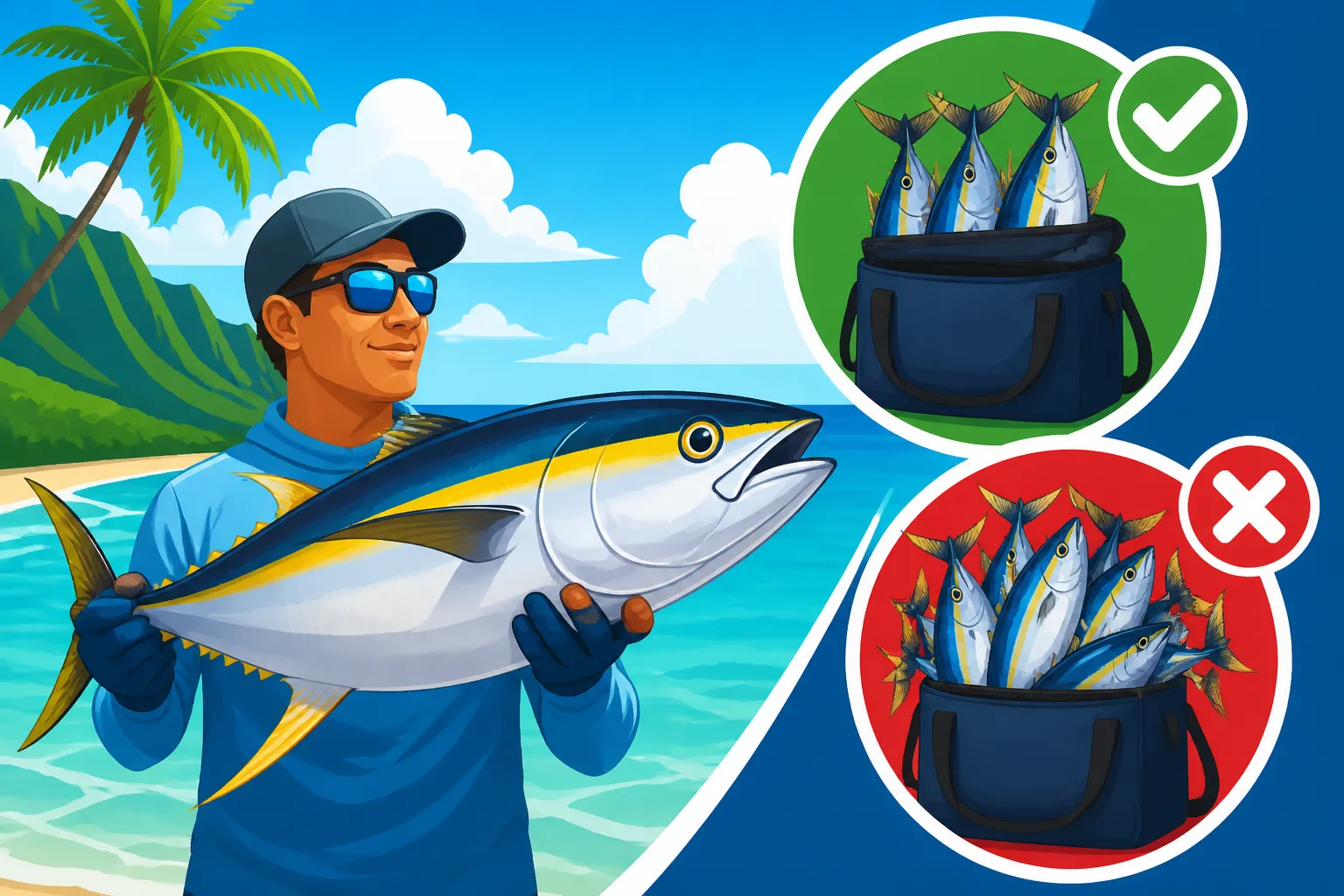
Because ono are part of the larger pelagic family, understanding general guidelines for these open-ocean travelers is helpful. Many charter captains and seasoned local anglers adhere to unwritten rules of respect and sustainability, even when formal regulations aren't in place. This often includes limiting your catch to what you can realistically consume or share, avoiding wasteful harvesting, and being mindful of other species that might be regulated. For example, while targeting ono, you might also hook a mahimahi, which also typically doesn't have a recreational bag limit, but it's still good practice to not fill your cooler beyond what is practical. Always be aware of the overall condition of your gear and ensure you're not contributing to marine debris. The Best Time of Year to Fish in Hawaii can often correlate with the abundance of various pelagic species, including ono.
Ensuring You Stay Compliant
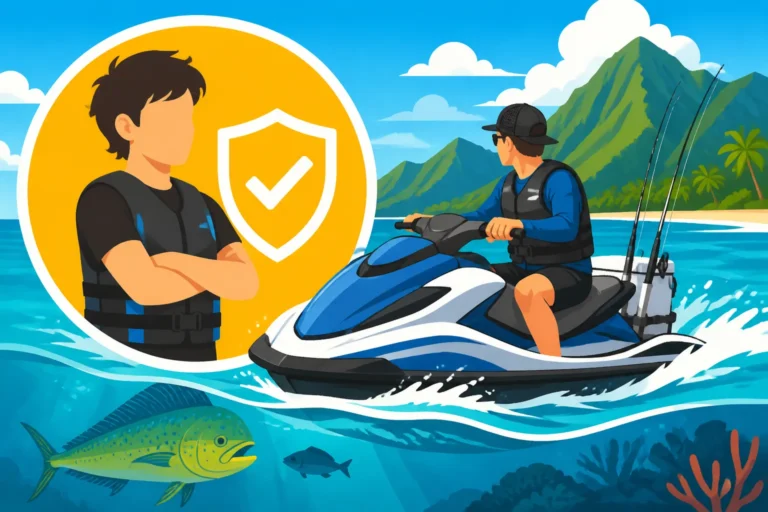
Staying compliant is about more than just the rules for a single species. It involves understanding the entire regulatory landscape. While you typically don't need a recreational license for ocean fishing in Hawaii, there are specific situations where you might, such as if you are freshwater fishing. It's always best to be sure. Check the Hawaii Fishing License Guide for 2026 for comprehensive information. Additionally, if you’re fishing from a boat, you must adhere to Hawaii Boating Laws for Anglers, including safety equipment and registration requirements. Even if you're not selling your catch, claiming that a fish is for personal consumption when you're caught with an excessive amount could raise questions, so always exercise good judgment. Carrying a copy of the official Hawaii DLNR fishing regulations PDF, or having access to it on your phone, is an excellent practice.
Gear and Techniques for Responsible Ono Fishing
Catching ono is a thrilling experience, and having the right gear is key. Most ono are caught trolling offshore, often around FADs, current lines, or ledges. Heavy-duty conventional gear is common, with lines often in the 50-80 lb class, especially when paired with powerful reels from brands like Penn or Shimano. Lures are usually high-speed trolling lures, often skirted, that imitate baitfish. You can find a vast selection of these lures, as well as necessary accessories like leader material, swivels, and crimps, on platforms like Amazon. Ensure your hooks are sharp and appropriately sized to minimize harm to fish you intend to release. For those seeking specific techniques, our guide on Trolling Techniques for Hawaii Pelagics can provide valuable insights. If you're going out on a charter, they'll provide all the necessary gear, but it's still good to know what they're using. Many anglers specifically book Best Charters for Trolling for Ono because these captains are experts at putting you on the fish.
Staying Informed About Hawaii's Dynamic Fishing Regulations
The ocean is constantly changing, and so too can the rules governing its resources. What's true today might be updated tomorrow, especially as scientific understanding evolves and fishing pressures shift. Being a proactive and informed angler is not just about avoiding penalties, but about contributing to the long-term health of Hawaii's unique marine environment.
Where to Find the Latest Official Information
The absolute best source for up-to-date fishing regulations in Hawaii is the official DLNR Division of Aquatic Resources (DAR) website. They publish comprehensive guides, species-specific regulations, and any emergency rule changes. You can often find physical pamphlets at local tackle shops, harbors, or DLNR offices, but the website will always have the most current information. Always cross-reference what you hear on the docks with official sources. Don't rely solely on word-of-mouth, as regulations can sometimes be nuanced, and misunderstandings can propagate quickly. Before any trip, especially if you're targeting a species you haven't fished for recently, make it a habit to quickly check the DAR's official portal.
The Importance of Responsible Angler Behavior
Ultimately, fishing responsibly goes beyond simply adhering to the letter of the law. It’s about respecting the resource, the environment, and the local culture of Hawaii. This includes practices like:
- Only taking what you need: Even without a bag limit, don't overharvest. Take enough for a good meal or to share with family and friends, but avoid catching fish just for the sake of it.
- Handling fish carefully: If you intend to release a fish, handle it minimally and quickly to increase its chances of survival.
- Proper disposal of waste: Pack out everything you pack in. No trash, fishing line, or bait containers should be left on the shoreline or discarded overboard. Many anglers carry a small tackle box or bag to keep their gear organized, preventing anything from accidentally falling into the water. You can find excellent, durable options on Amazon for keeping your fishing area clean.
- Being mindful of Marine Life Conservation Districts (MLCDs) and other protected areas: While often more relevant to reef fishing, knowing where these zones are ensures you don't inadvertently fish in a protected area.
By practicing these responsible behaviors, you not only ensure your own compliance but also contribute to the health and abundance of Hawaii's fisheries for future generations to enjoy. It’s our collective kuleana, our responsibility, to malama i ke kai – care for the ocean.
Disclaimer
Please remember that fishing regulations are subject to change at any time. While we strive to provide the most accurate and up-to-date information, it is always your responsibility to verify current regulations with the Hawaii Division of Aquatic Resources (DAR) or the Department of Land and Natural Resources (DLNR) before engaging in any fishing activities. This guide is for informational purposes only and should not be considered legal advice.