Hawaii mahimahi size limit rules
It's incredibly frustrating, isn't it, trying to navigate all the different fishing regulations here in Hawaii? You hear about size limits for some fish, bag limits for others, and sometimes it feels like you need a law degree just to go out and enjoy a day on the water. When it comes to mahimahi, or dolphin fish as many call them, there's a particular nuance that often trips people up. This guide is going to clear up all the confusion around mahimahi size limits and help you understand exactly what the rules are, so you can fish confidently and responsibly.
The Truth About Mahimahi Size Limits in Hawaii: There Isn't One!
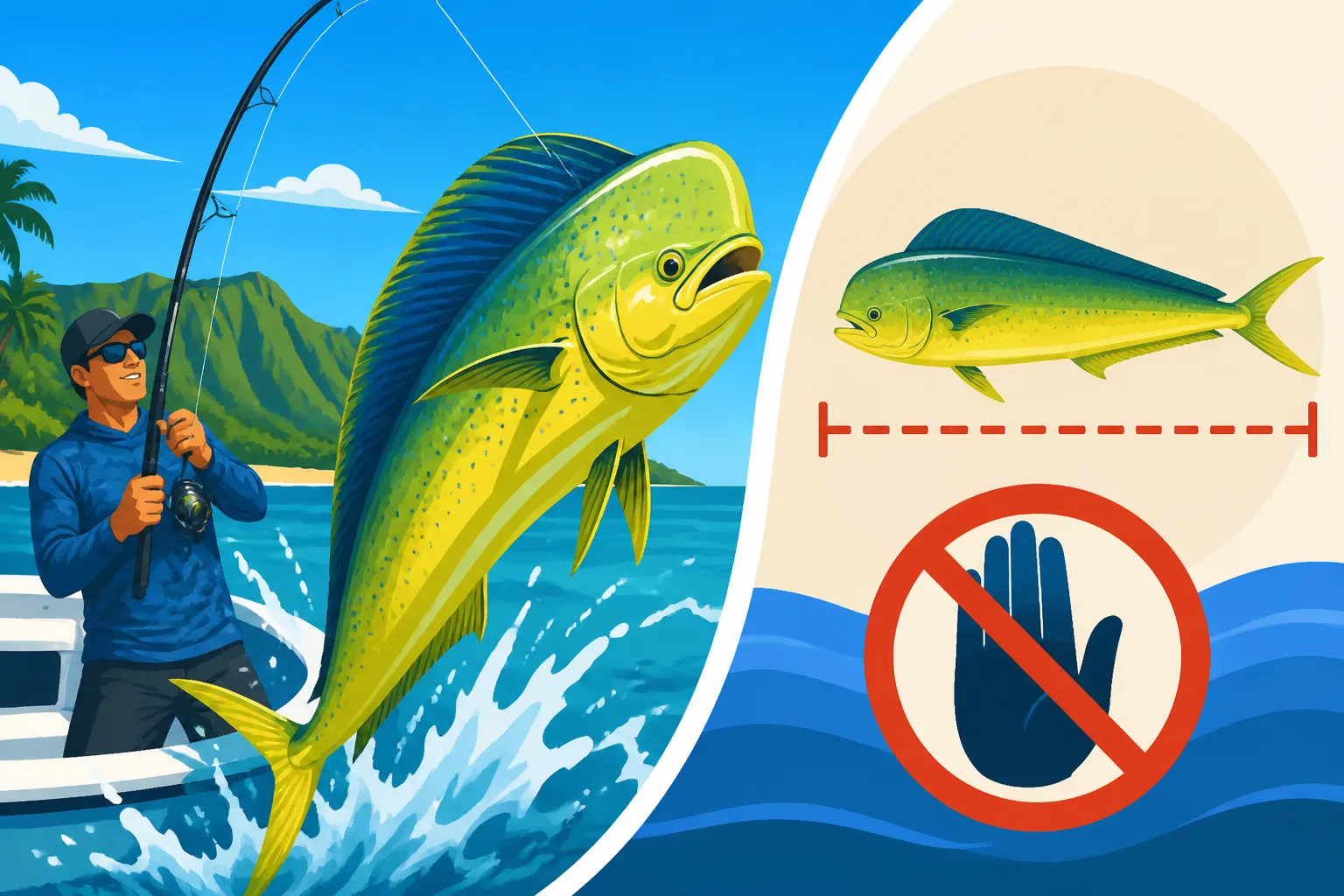
Let's cut right to the chase because this is where a lot of anglers get confused, especially if they've fished in other states or countries where mahimahi might have minimum size requirements. Here in Hawaii, the Division of Aquatic Resources (DAR) under the Department of Land and Natural Resources (DLNR) does not enforce a minimum size limit for mahimahi (Coryphaena hippurus) for recreational anglers. Yes, you read that right – there's no legal minimum length your mahimahi has to be before you can keep it. This can be a surprising revelation for many, as common sense often suggests that larger fish are always better for conservation.
Why No Minimum Size Limit for Mahimahi?
This isn't an oversight or a lack of care for the fishery; rather, it's a reflection of the unique biology and life cycle of mahimahi. Mahimahi are incredibly fast-growing, highly migratory pelagic species. They mature quickly, often within their first year, and have a relatively short lifespan, typically just 3-5 years. They reproduce frequently and in large numbers. Because they grow so rapidly and travel vast distances across the open ocean, managing their populations through minimum size limits, as is common for many slower-growing, reef-dwelling, or bottomfish species, isn't the most effective conservation strategy.
Think about it this way: if a mahimahi grows from a small juvenile to a full-sized adult in a single year, the window for a minimum size limit to have a significant impact on breeding stock might be too narrow to be practical. Instead, regulatory efforts for these highly productive, wide-ranging species often focus on bag limits, ensuring that individual anglers don't take an excessive number of fish, rather than dictating how small a fish must be to keep. This approach helps spread the harvest among more anglers and prevents localized overfishing, especially in a fishery where the fish are constantly moving in and out of Hawaiian waters. This contrasts sharply with species like Ulua (Giant Trevally) or Moi (Pacific Threadfin), which have very specific size restrictions because of their slower growth rates and more localized habitats. If you're curious about how other fish are regulated, you can always check out the comprehensive guide on Hawaii Bag and Size Limits by Species.
Understanding "Fork Length" for Other Species
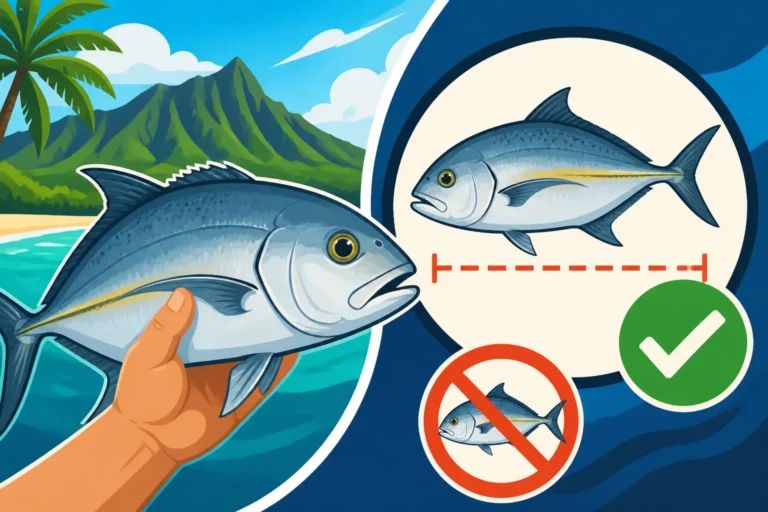
Even though mahimahi don't have a minimum size limit, the concept of "fork length" is incredibly important for many other regulated species in Hawaii. Since your initial query brought it up, let's dive into what it means, as you'll undoubtedly encounter it when fishing for other Hawaiian species. Fork length is the standard measurement used for many fish species, especially those with forked tails like tuna, marlin, and many jacks. It's measured from the tip of the fish's snout to the V-notch (the deepest part) of its tail fin. It’s crucial to understand this distinction because measuring to the tip of the tail (total length) would result in a different, longer measurement, which could lead to you unknowingly violating regulations for other species.
When measuring, lay the fish flat, with its mouth closed and its body straight. Use a rigid measuring device like a fish ruler or a measuring board. These tools are fantastic because they often have a stop at one end to butt the fish's nose against, ensuring accuracy. You can find excellent, durable fish rulers and measuring boards on retailers like Amazon, which are invaluable for any serious angler to keep on their boat or even for shore fishing. They come in various lengths, so you can pick one suitable for the species you typically target. Always measure carefully and, if in doubt, give the fish the benefit of the doubt and assume it's undersized if it's close to the legal minimum.
What Does Apply: Mahimahi Bag and Possession Limits
Since minimum size limits aren't a concern for mahimahi, what do you need to know to stay within the law? The primary regulation governing recreational mahimahi fishing in Hawaii is the daily bag limit. This is a common conservation tool for highly migratory species and helps ensure a fair distribution of the resource among all anglers.
Daily Bag Limit Explained
For recreational anglers in Hawaii, there is a daily bag limit of 10 mahimahi per person per day. This means that in any 24-hour period, an individual angler cannot catch and keep more than ten mahimahi. It's a straightforward rule, but it's important to understand the implications, especially if you're fishing with a group.
Let's imagine you're out on a boat with two friends, making a total of three recreational anglers. If each of you catches your limit of 10 mahimahi, your boat could legally have 30 mahimahi on board. However, if one person catches 12 and another only 8, that first person is over their individual limit, even if the boat's total (20 fish) is well under the combined limit of 30. The limit applies to each individual angler. This is a critical distinction that can sometimes lead to misunderstandings, so make sure everyone on your trip understands their personal responsibility for adhering to the limit. The idea behind these limits, which also apply to other pelagic species like ahi, as detailed in Hawaii ahi bag limit rules, is to prevent excessive harvest by a few individuals and ensure that there's plenty of fishing opportunity for everyone. You can learn more about these types of limits in our broader guide on Hawaii Pelagic Species Bag Limits.
Commercial vs. Recreational Regulations
It's also important to understand that the rules we're discussing here are specifically for recreational fishing. If you plan to sell your mahimahi catch, even if it's just to a local restaurant or market, you are no longer considered a recreational angler. Commercial fishing has an entirely separate set of regulations, including different reporting requirements, permits, and often, different harvest limits or no limits at all, depending on the species and market demand.
To engage in commercial fishing, you would need to acquire a Commercial Marine License (CML) and adhere to all the associated rules, which are much more extensive than recreational ones. Trying to sell fish caught under recreational limits can lead to serious legal trouble. So, if you're thinking about turning your passion into a business, make sure you look into Hawaii commercial marine license requirements and get properly licensed before you start selling your catch. This distinction helps maintain the integrity of both the recreational and commercial fishing sectors and ensures that all harvests are appropriately managed and accounted for.
Best Practices for Sustainable Mahimahi Fishing
While Hawaii's regulations for mahimahi focus primarily on bag limits rather than size, that doesn't mean we, as anglers, should disregard ethical practices. Sustainable fishing is about more than just following the letter of the law; it's about respecting the resource and ensuring healthy fish populations for generations to come.
Responsible Harvest and Catch-and-Release
Even without a minimum size limit, responsible anglers often choose to practice selective harvesting. This means that if you hook a very small mahimahi, and you already have enough fish for dinner or are approaching your bag limit, you might consider releasing it. While mahimahi are fast growers, allowing smaller individuals to continue their journey can contribute to the overall health of the ecosystem.
When you do decide to release a mahimahi, especially a smaller one, it's crucial to do it properly to maximize its chances of survival.
- Minimize Air Exposure: Fish gills are designed to extract oxygen from water. Holding a fish out of the water for too long causes stress and damage. Get a quick photo if you must, but prioritize getting the fish back into the water as fast as possible.
- Wet Hands: Always handle fish with wet hands, or better yet, use a wet cloth or glove. Dry hands can remove the protective slime coat, making the fish vulnerable to infections.
- Support Its Weight: Mahimahi are strong, but their internal organs can be damaged if they are held incorrectly. Support the fish horizontally, especially around its belly, if it's a larger one. For smaller fish, a firm grasp around the base of the tail and under the belly works well.
- Dehook Carefully: Use dehooking tools, like long-nose pliers or specialized dehookers, to remove hooks quickly and cleanly. If the hook is deeply swallowed, it's sometimes better to cut the line as close to the hook as possible rather than tearing internal organs trying to retrieve it. You can find excellent dehooking tools on Amazon that are designed to make this process quick and efficient, minimizing stress on the fish.
- Revive If Necessary: If a fish looks sluggish or has been out of water for a while, gently hold it upright in the water, moving it back and forth to force water over its gills until it regains its strength and swims away on its own.
These practices, while not legally mandated for mahimahi size, are an integral part of being a good steward of our marine resources. If you want to dive deeper into successful techniques that also promote conservation, take a look at our guide on How to Catch Mahimahi in Hawaii.
Avoiding Waste and Respecting the Resource
The ocean provides us with incredible bounty, and part of being a respectful angler is to avoid waste. This means only taking what you will truly use and consume. Mahimahi is a delicious and highly sought-after fish, prized for its firm, white meat. If you're fortunate enough to catch a few, make sure you have a plan for them. Whether you're planning a big luau, sharing with friends and family, or freezing portions for later, ensure that no part of your catch goes to waste.
In Hawaiian culture, there's a deep reverence for the ocean and its creatures, often encapsulated in the concept of malama kai (care for the sea). This includes taking only what you need, showing gratitude, and ensuring the health of the marine ecosystem for future generations. When you respect the bag limits and make conscious decisions about what to keep and what to release, you're not just following rules; you're participating in a long-standing tradition of mindful stewardship. For a more general overview of mahimahi and their characteristics, our article on Mahimahi Fishing in Hawaii is a great resource. You might also find it interesting to learn about the broader Mahimahi Life Cycle in Hawaiian Waters to truly appreciate why these creatures are managed the way they are.
Knowing Your Limits: Enforcement and Resources
Even with simpler regulations for mahimahi, understanding the rules and where to find official information is paramount. Enforcement in Hawaii is taken seriously, and ignorance of the law is never an excuse.
Consequences of Exceeding Bag Limits
While there's no size limit, exceeding the daily bag limit of 10 mahimahi per person can lead to significant penalties. Enforcement officers from the Division of Conservation and Resources Enforcement (DOCARE) patrol Hawaiian waters and shorelines, and they are authorized to issue citations and fines. These fines can range from hundreds to thousands of dollars, depending on the severity of the violation and whether it's a repeat offense. Additionally, your fishing gear or even your vessel could be subject to confiscation.
Imagine you're having an incredible day offshore, and the mahimahi are biting like crazy. It's easy to get caught up in the excitement, but it's essential to keep a running tally of your catch. If you and your two friends each hit your limit of 10 fish, you'll have 30 mahimahi on board. That's a great day! But if one person gets greedy and decides to keep an 11th or 12th fish, that individual is now in violation. When DOCARE pulls up, that extra fish could turn a fantastic fishing trip into a very expensive lesson. Remember, the rules are there to protect the resource, and enforcement is how those protections are upheld. It's not just about mahimahi; penalties for fishing without any required licenses are equally severe, as outlined in Hawaii fishing without a license penalty.
Where to Find Official Regulations
The best way to stay informed about all fishing regulations in Hawaii, including any updates or changes to mahimahi rules (though they are fairly consistent), is to consult the official source: the Hawaii Department of Land and Natural Resources (DLNR) Division of Aquatic Resources (DAR). They publish comprehensive rulebooks and often have online resources that are regularly updated.
- DAR Website: The DAR website is your go-to for the most current information. They typically have a "Fishing Regulations" section where you can download PDFs of the latest rulebooks for marine and freshwater fishing.
- Physical Rulebooks: Many tackle shops and licensing agents also carry printed copies of the official regulations. It's always a good idea to pick one up and keep it on your boat or in your tackle box, especially if you spend a lot of time fishing.
- Contact DAR Directly: If you have specific questions or need clarification on a particular regulation, don't hesitate to contact the DAR directly. Their staff can provide accurate, up-to-date information. You can often find their contact information, including phone numbers, on the DLNR website, or check out our resource on Hawaii Division of Aquatic Resources customer service phone number.
By actively seeking out and understanding the official regulations, you not only protect yourself from potential fines but also contribute to a culture of responsible and informed angling that benefits everyone who loves to fish in Hawaii. Our guide on Reading the Hawaii DLNR Fishing Regulations offers a deeper dive into how to interpret these important documents.
Summary of Hawaii Mahimahi Regulations
To make things easy, here’s a quick overview of the key mahimahi regulations for recreational anglers in Hawaii:
| Regulation Type | Details for Mahimahi (Coryphaena hippurus) | Notes |
|---|---|---|
| Minimum Size Limit | NONE | There is currently no minimum fork length or total length requirement for recreational anglers keeping mahimahi in Hawaii. This differs from many other regulated species. |
| Daily Bag Limit | 10 fish per person per day | Each individual recreational angler is limited to possessing no more than ten (10) mahimahi in a 24-hour period. This limit applies to each person, not per boat. |
| Possession Limit | Same as Daily Bag Limit | For most recreational fishing, the possession limit generally aligns with the daily bag limit when fishing, unless specific extended trip rules apply (which are rare for mahimahi and would be clearly stated by DLNR). |
| Season | Year-round | Mahimahi are generally available year-round in Hawaiian waters and do not have a specific closed season. Their abundance can fluctuate with seasonal patterns and water conditions. |
| Measuring | Not applicable for size | While not needed for mahimahi size, "fork length" is the standard measurement for many other pelagic species, measured from the tip of the snout to the V-notch of the tail. Tools for this can be found on Amazon. |
| License | Not required for ocean fishing | A Hawaii freshwater fishing license is required for freshwater fishing, but currently, recreational saltwater fishing for species like mahimahi does not require a license for residents or non-residents. See Hawaii Fishing License Guide for 2026 for details. |
This table provides a concise overview, but always remember to refer to the official DLNR DAR resources for the most up-to-date and complete information, as regulations can change.
Disclaimer
Please note that fishing regulations can change. While every effort has been made to provide accurate and up-to-date information, it is the angler's responsibility to verify all current rules and regulations with the Hawaii Department of Land and Natural Resources (DLNR) Division of Aquatic Resources (DAR) before engaging in any fishing activity. This article is for informational purposes only and should not be considered legal advice.