Hawaii Division of Aquatic Resources customer service phone number
It can be incredibly frustrating when you're standing on the shoreline, a question about a new regulation popping into your head, or perhaps you've witnessed something concerning out on the water, and you just can't seem to find a direct, reliable source for answers. Navigating government websites can feel like a maze, especially when you need a quick clarification. This guide is here to cut through that confusion, providing you with the essential contact information for the Hawaii Division of Aquatic Resources (DAR) customer service phone number and detailing how and when to best utilize it for all your fishing and aquatic resource inquiries.
Finding the Right Contact: Why It Matters for Hawaii Anglers
Let's be real, trying to figure out who to call or where to find official information in Hawaii can sometimes feel like trying to catch a fish with your bare hands – nearly impossible and often leading to frustration. Whether you're a seasoned local fisherman with decades of experience under your belt or a visitor eager to try your luck in our beautiful waters, having direct access to the authorities who manage our aquatic resources is absolutely crucial. Misinformation, or a lack of information, can lead to accidental violations, missed opportunities, or even prevent you from reporting important observations. It’s not just about avoiding penalties; it’s about participating responsibly in the conservation of Hawaii’s unique marine and freshwater ecosystems.
Think about it: you've just landed an incredible Ulua, but now you're second-guessing the slot limit or wondering about the daily bag limit. Or maybe you're out kayak fishing and notice someone engaging in potentially illegal activity. In these moments, clarity and direct communication are invaluable. Relying on outdated internet forums or well-meaning but ultimately unofficial advice just won't cut it when it comes to the rules and regulations set forth by the state. This is precisely why knowing how to reach the Hawaii Division of Aquatic Resources directly is so important for every angler in the islands.
The Direct Line to Answers
For direct inquiries, the Hawaii Division of Aquatic Resources (DAR) operates under the Department of Land and Natural Resources (DLNR). While there isn't one single, universally advertised "customer service hotline" like you might find for a retail store, the main administrative office number for the Division of Aquatic Resources is your primary point of contact for general questions and referrals.
As of my last check, the main contact number for the Hawaii Division of Aquatic Resources (DAR) is (808) 587-0100.
When you call this number, you'll typically reach the main administrative office in Honolulu. From there, the staff can usually direct your call to the appropriate section or a biologist on staff who can answer more specific questions related to marine or freshwater fishing, conservation, or permits. Be prepared to explain your query clearly so they can connect you with the right expert. It might not be an instant "answer desk" in the traditional sense, but it is the official gateway to getting accurate information straight from the source.
When to Pick Up the Phone
Knowing the number is one thing, but understanding when it's most effective to use it is another. While there's a wealth of information available online (which we'll cover shortly), sometimes a quick conversation is the only way to get the nuanced answer you need.
Here are some common scenarios where dialing the DAR might be your best bet:
- Complex Regulation Clarifications: You've read the official guidelines, maybe even referenced our guide on Hawaii Fishing Regulations Explained, but there's a specific detail about a certain species, a unique fishing spot, or a new rule that's still fuzzy. For instance, if you're trying to understand the intricacies of the Hawaii Uhu (Parrotfish) Size and Bag Limits or the nuances of the Hawaii Moi Closed Season, Explained, a quick call can clear things up immediately.
- Reporting Suspected Violations: If you witness illegal fishing activity, such as someone taking undersized fish, using illegal gear, or fishing in a restricted area like a Marine Life Conservation District, contacting DAR directly is crucial. While there are other ways to report violations (which we'll discuss), a phone call can often be the most immediate method.
- Permit or License Application Questions: You might have specific questions about applying for a Hawaii Freshwater Fishing License and Rules, a special permit, or questions regarding residency requirements for a Hawaii Resident Ocean Fishing License Exemption. The DAR staff can guide you through the process and clarify any tricky aspects.
- Conservation Concerns: If you have concerns about the health of a reef, an unusual fish die-off, or other environmental issues impacting aquatic life, DAR is the agency to notify. They are responsible for monitoring and protecting Hawaii's aquatic resources.
- Specific Species Information Not Readily Available: Perhaps you're looking for incredibly specific biological information about a lesser-known species or want to understand specific management strategies beyond what's publicly published.
Before you call, it’s always a good idea to gather any relevant information you have, like specific dates, locations, or the exact regulation you're trying to understand. This will help the DAR staff assist you more efficiently.
Navigating the DAR System: Beyond Just a Phone Call
While the phone number is a direct link, it's part of a broader network of resources provided by the Department of Land and Natural Resources (DLNR) and its Division of Aquatic Resources (DAR). Understanding this system can save you time and ensure you get the most accurate and up-to-date information. Sometimes, a quick search online can be far more efficient than waiting for a call back, especially for common questions.
It's a lot like gearing up for a fishing trip: you don't just grab one lure and hope for the best. You bring a tackle box with a variety of options, right? The same goes for finding information. Different tools are better suited for different tasks. For instance, if you're wondering about the precise Hawaii Fishing License Guide for 2026 or need details on Hawaii Boating Laws for Anglers, you might start with a quick online search before picking up the phone.
Exploring Online Resources and Websites
The DLNR Division of Aquatic Resources maintains an official website that is an absolute treasure trove of information. Before you call, it's highly recommended to check their site first. You'd be surprised how many common questions are already answered there, often with comprehensive guides and downloadable documents.
Here's what you can typically find on the official DAR website:
- Regulations and Rules: Detailed breakdowns of marine and freshwater fishing regulations, including bag limits, size limits, closed seasons, and gear restrictions. You'll often find specific documents like the official Hawaii DLNR Fishing Regulations PDF.
- Licensing Information: Complete guides on how to obtain various fishing licenses, whether you're a resident looking for a freshwater license or a nonresident curious about the Hawaii Nonresident Marine Fishing License, Explained. You can often find links to purchase licenses online directly, making it incredibly convenient.
- Permit Applications: Information and forms for special permits, such as those for collecting aquarium fish or research.
- Marine Life Conservation Districts (MLCDs) and Fish Replenishment Areas (FRAs): Maps, rules, and boundaries for these protected areas. Understanding Hawaii Marine Life Conservation Districts, Explained is vital for responsible angling.
- Species Information: Details on various aquatic species found in Hawaii, including conservation status and biological profiles.
- News and Updates: Announcements regarding new regulations, public hearings, and conservation initiatives.
- Contact Information: While we've provided the main number, the website often lists contact details for specific district offices or program managers, which might be more direct for localized questions.
The website is constantly updated, so it’s always a good first stop. You can often download forms, print out regulations to keep with you, or even find links to resources like the Department of Health for fish consumption advisories. For many anglers, especially those just starting out or visiting, getting comfortable with the DLNR website is like having a well-stocked tackle box. You can even find great regulation summary charts or species identification guides, some of which you might find available on Amazon for a physical copy if you prefer.
Visiting a Local DAR Office
While the phone is great for quick questions, and the internet for self-service, sometimes you need to speak to someone face-to-face, or perhaps you're in an area where internet access is spotty. The DLNR Division of Aquatic Resources has offices on several islands. Visiting an office can be particularly helpful if you have very specific local questions, need to review physical documents, or prefer personal interaction.
Here are the main DAR office locations:
- Oahu (Main Office):
- Kalanimoku Building
- 1151 Punchbowl Street, Room 330
- Honolulu, HI 96813
- Maui:
- State Office Building
- 54 High Street, Room 207
- Wailuku, HI 96793
- Hawaii Island (Big Island):
- Old Kona Airport State Recreation Area
- 79-7539 Mamalahoa Hwy (at the back of the park)
- Kailua-Kona, HI 96740
- And another office in Hilo:
- 75 Aupuni Street, Room 204
- Hilo, HI 96720
- Kauai:
- State Office Building
- 3060 Eiwa Street, Room 306
- Lihue, HI 96766
It's always a good idea to call ahead to confirm office hours and ensure that someone will be available to assist with your specific query. Staff at these offices are typically knowledgeable about local conditions and regulations, such as specific rules for Hawaii Fish Replenishment Areas in West Hawaii or regional fishing seasons. These offices can also be helpful if you need to replace a lost license or have questions about Printing or Carrying a Digital Fishing License in Hawaii.
Common Questions and Scenarios for Contacting DAR
Let's dive deeper into some of the most frequent reasons anglers, both seasoned and novice, find themselves reaching out to the Division of Aquatic Resources. Understanding these common scenarios can help you prepare your questions and ensure you get the answers you need efficiently. It's about being proactive and informed, just like knowing what bait to use for a particular species you're targeting!
License Questions and Clarifications
Fishing licenses are often a source of confusion, especially with different types available for residents, non-residents, and even specific activities.
- "Do I even need a license?": This is probably the most common question. While ocean fishing for residents has historically been license-free, rules can change, and freshwater fishing always requires a license. If you're wondering, "Do You Need a Fishing License in Hawaii", the answer depends on where and how you plan to fish. A call to DAR can confirm the most current requirements based on your specific situation.
- Residency Status: What if you're a college student from the mainland studying in Hawaii, or a military member stationed here? Your residency status can impact the type and cost of your license. Questions about Hawaii fishing license residency requirements or special discounts for active military are best directed to DAR.
- Cost and Validity: Details about the Hawaii freshwater license cost for residents, or even the different durations for non-resident marine licenses like the Hawaii nonresident 7-day marine fishing license cost can be clarified. Sometimes, you just need to confirm the expiration date or if a specific license covers all the activities you plan to do.
- Exemptions: Are there age exemptions for children or seniors? What about disabled residents? Understanding who qualifies for a Hawaii Senior and Disabled Freshwater License Exemption or the specific Hawaii fishing license age exemptions summary can save you money and ensure compliance.
It's always better to ask than to assume, especially when it comes to licenses. A quick call can prevent a misunderstanding that could lead to a fine or, worse, confiscation of your catch.
Reporting Violations or Concerns
Witnessing illegal activity can be upsetting, but it’s important to know how to report it correctly so the authorities can take action. DAR relies heavily on public cooperation to enforce regulations and protect our aquatic resources.
- Illegal Fishing Gear: If you see someone using nets in restricted areas, or gear that doesn't comply with Hawaii Net Fishing Restricted Areas rules, or even something as specific as Hawaii Spearfishing Regulations being violated, a report is warranted.
- Taking Undersized or Over-Limit Fish: Observing someone with a cooler full of Moi during the closed season or fish that are clearly undersized is a serious concern. Providing details like location, time, and descriptions of the individuals or vessel can be very helpful.
- Fishing in Protected Areas: Fishing within a Marine Life Conservation District (MLCD) or a designated Fish Replenishment Area (FRA) when it's prohibited is a violation. If you're unsure if an area is protected, consult the DAR website or call for clarification.
- Environmental Damage: Seeing pollution, coral damage, or other actions that harm the marine environment are also valid reasons to contact DAR. They can investigate and coordinate with other agencies if necessary.
When reporting, try to gather as much detail as possible: the date, time, specific location (GPS coordinates if possible!), descriptions of individuals, vessel names/numbers, and the nature of the violation. You can often make these reports anonymously, but providing contact information (which is kept confidential) allows officers to follow up for more details if needed.
Understanding Specific Regulations
Hawaii's fishing regulations are designed to sustain our diverse aquatic populations for generations to come, but they can be incredibly detailed and vary by species, location, and even time of year.
- Species-Specific Rules: You might have questions about the minimum size limit for Hawaii Papio and Ulua Size Rules, or the precise dates of a closed season for a particular fish. These are dynamic regulations that can sometimes change, making direct clarification essential.
- Gear Restrictions: Are certain types of hooks, lures, or nets prohibited in specific areas? What are the rules for cast netting baitfish? DAR can clarify these nuances.
- Special Regulation Waters: Freshwater reservoirs like Wahiawa Reservoir or Nuuanu Reservoir often have unique rules about access, catch limits, and even the type of bait you can use. If you're planning a trip to a spot like Hawaii Wahiawa Reservoir Fishing Rules, a call to DAR can confirm any last-minute details.
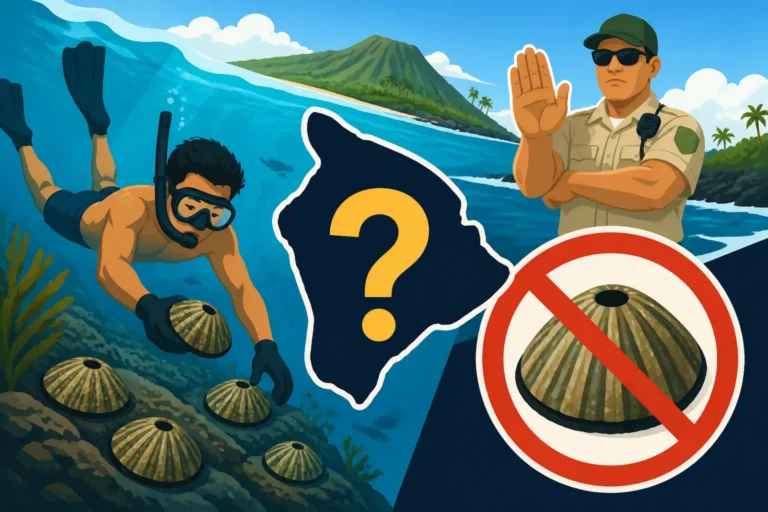
- Permitted Activities: For example, questions like "Is It Legal to Dive for Opihi in Hawaii?" or queries about harvesting other invertebrates like sea urchins or crabs often have specific regulations that DAR can explain.
Here's a handy table summarizing when a call might be most appropriate versus checking online:
| Scenario / Type of Query | Best Approach: Call DAR (808-587-0100) | Best Approach: Check DLNR DAR Website |
|---|---|---|
| Urgent Reporting (Violations, Environmental Harm) | Yes, for immediate action, or call DOCARE Enforcement. | No, phone is better for immediate action. |
| Complex Regulation Clarification | Yes, for nuanced questions or specific interpretations. | Good for general rules, but a call helps with specifics. |
| License Application Issues | Yes, for specific eligibility, payment, or technical issues. | Good for general requirements, forms, and online purchase links. |
| Species-Specific Limits/Seasons | Yes, if online information is unclear or for recent changes. | Excellent for current bag, size, and season details for most species. |
| General Fishing Information | No, typically less efficient. | Excellent for broad understanding of regulations and areas. |
| Permit Questions (Special) | Yes, for unique permits like research, commercial, or collection. | Good for general permit types, forms, and application guidelines. |
| Office Hours / Location Info | Can confirm, but often listed online. | Always available online. |
| Suggesting Policy Changes | Often directed to specific programs or public comment periods. | Check for public hearing announcements or policy white papers. |
| Reporting Lost License | Yes, for specific guidance on replacement, or check online replacement process. | Good for general replacement policy. You might need to buy new supplies or a backup line from Amazon for your next trip, but DAR handles the license itself. |
Remember, the staff at DAR are there to help protect Hawaii's aquatic resources and ensure everyone can enjoy them responsibly. Approaching them with clear, concise questions will help them assist you much more effectively.
Disclaimer
Please note that fishing regulations in Hawaii, as with any jurisdiction, can change. While every effort has been made to provide accurate and up-to-date information, it is always the angler's responsibility to verify the most current regulations before fishing. Always consult the official Hawaii Department of Land and Natural Resources (DLNR), Division of Aquatic Resources (DAR) website, or contact them directly for the latest information.