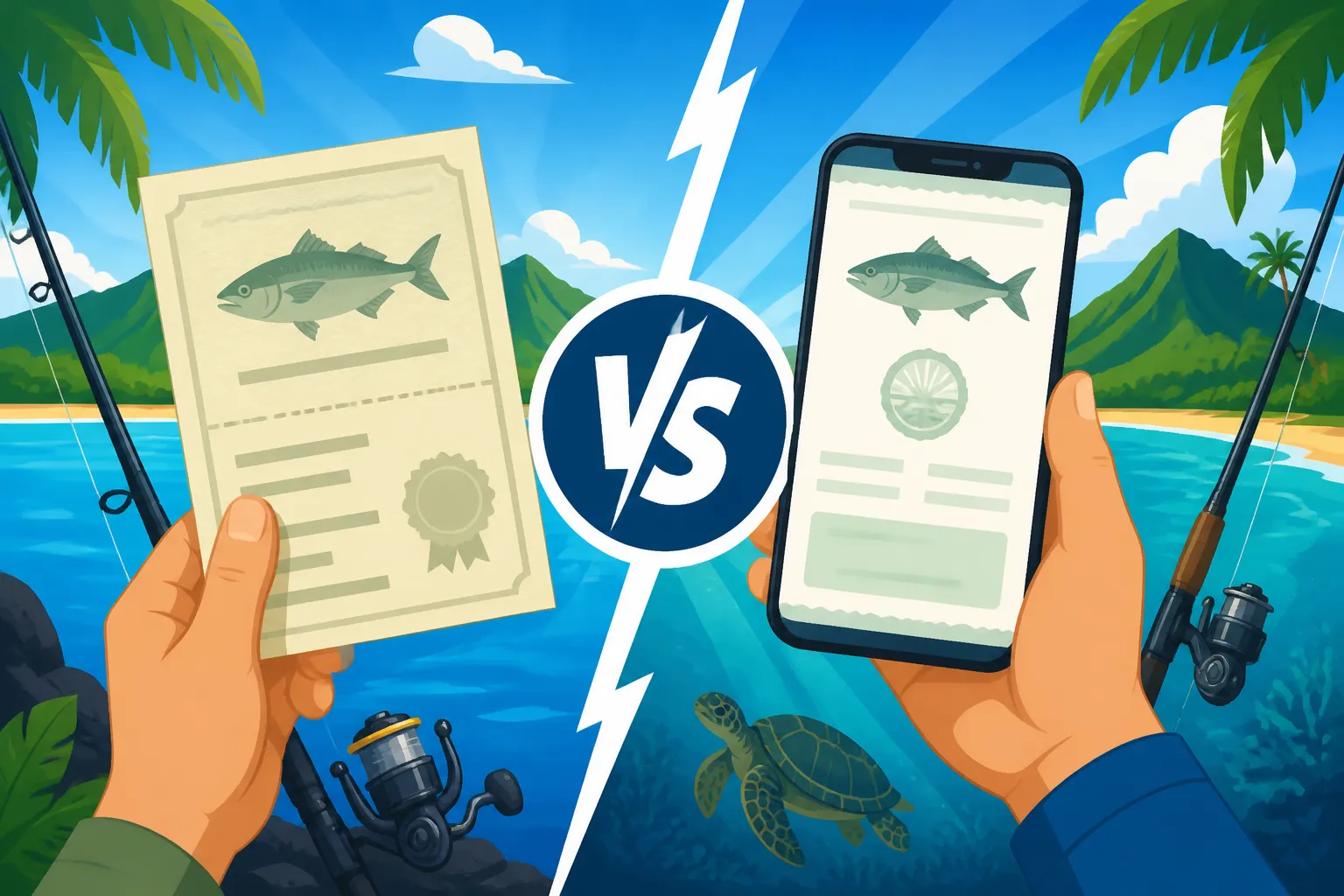
Digital vs paper fishing license in Hawaii
It's happened to all of us: you're standing at the edge of Hawaii's breathtaking shoreline, or maybe you're out on the deep blue, ready to cast your line, and that nagging thought creeps in – "Do I have my fishing license with me? Is it even valid?" In today's world, where so much is digital, knowing whether to rely on your smartphone or a trusty piece of paper can be confusing. This guide is here to clear up that confusion, offering a deep dive into the pros, cons, and essential details of both digital and paper fishing licenses in Hawaii so you can fish with confidence and stay on the right side of the law.
The Modern Angler's Dilemma: Digital or Paper Fishing License?
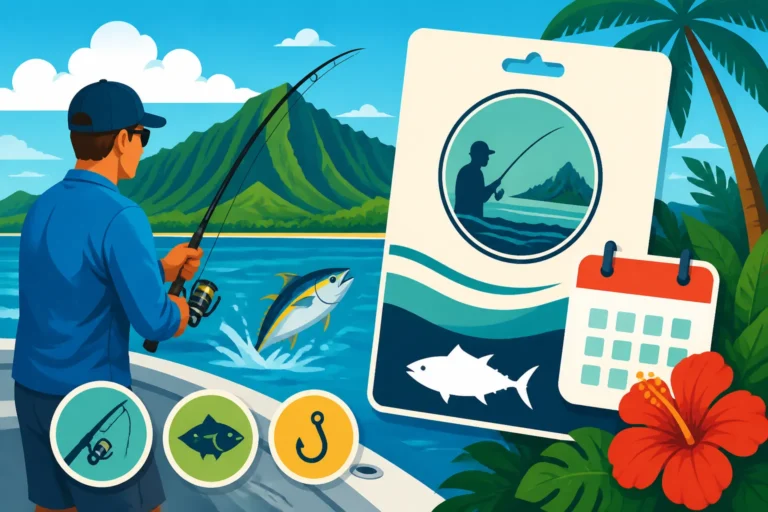
For years, the paper fishing license was the undisputed king. You bought it, folded it carefully into your wallet, and hoped it didn't disintegrate from sweat or an unexpected dunk. But as technology has advanced, particularly with the widespread adoption of smartphones, the Hawaii Department of Land and Natural Resources (DLNR) Division of Aquatic Resources (DAR) has embraced digital solutions. This shift, while convenient for many, presents a new set of questions for anglers. Is one truly better than the other, or does it simply boil down to personal preference and preparation?
Understanding the Shift to Digital Options
The move towards digital fishing licenses is a national trend, and Hawaii has certainly kept pace. The primary motivation is convenience. Imagine being able to purchase your license online, receive an email confirmation, and have instant proof of licensure right there on your phone. This eliminates the need to rush to a physical vendor before your fishing trip or worry about losing a small paper slip. For anglers who are always connected and prefer to minimize physical clutter, the digital option feels like a natural evolution. It's especially appealing to those who might decide on a spontaneous fishing excursion or visitors who need a quick and easy way to get licensed. If you're wondering Where and How to Buy a Hawaii Fishing License, the online portal is often the quickest route to a digital license.
However, this convenience isn't without its considerations. While the digital format reduces paper waste and makes the purchasing process more streamlined, it places a greater reliance on technology. What happens if your phone battery dies mid-trip, or if you're in an area with no signal? These are the real-world scenarios that give many anglers pause and lead them to consider backup plans or stick with tradition.
The Enduring Appeal of a Physical License
Despite the digital wave, the traditional paper fishing license continues to hold significant appeal for a large segment of the fishing community. There's something inherently reliable about a physical document that doesn't depend on battery life or cell service. For many seasoned anglers, it’s also a matter of tradition – the worn corner of a license from a particularly memorable season is almost a badge of honor.
Beyond sentiment, there are practical advantages. A physical license is readily visible and doesn't require fumbling with a phone, unlocking it, or navigating through apps, especially when a conservation officer is conducting a check. It can be easily stored in a tackle box, a waterproof pouch, or even laminated for extra durability. For those who frequently fish in remote areas of the islands where cell service is spotty or nonexistent, a paper license provides peace of mind. While the state encourages digital access, understanding Printing or Carrying a Digital Fishing License in Hawaii is still important for ensuring you have a physical backup if you choose the digital route.
The choice often comes down to individual fishing habits, technological comfort, and the specific locations you plan to fish. Both options are legally valid, but being aware of their nuances can save you a lot of hassle.
Embracing the Future: The Perks of a Digital Fishing License in Hawaii
The convenience of modern technology has transformed many aspects of our lives, and fishing licenses are no exception. For many anglers in Hawaii, the digital fishing license is a game-changer, offering a streamlined experience that fits perfectly with a tech-savvy lifestyle.
Convenience at Your Fingertips
The most significant advantage of a digital fishing license is undoubtedly its convenience. You can purchase your license online from anywhere with an internet connection, whether you're relaxing at home in Honolulu, planning a trip to Maui, or even waiting at the airport. Once purchased, the license is typically emailed to you instantly, allowing you to display it on your smartphone or other mobile device. This means no more searching for a brick-and-mortar vendor or stressing about their operating hours. If you're a visitor wondering Hawaii Nonresident Marine Fishing License, Explained, buying online and having a digital copy means you can literally arrive at the airport and have your license ready before you even reach your hotel.
Furthermore, a digital license is much harder to "lose" in the traditional sense. While your phone itself can be lost or stolen, your license information is usually stored in your email, a dedicated app, or a cloud service. A quick login on a new device or a friend's phone can often retrieve it. For those who enjoy spontaneous trips to the fishing grounds or are just prone to misplacing small papers, this digital accessibility is a huge relief. Think of it: you're driving to the North Shore for some shoreline action, realize your license might be expired, and can renew it right there from your phone in the car (while parked safely, of course!).
Environmental Benefits and Accessibility
Beyond personal convenience, digital licenses offer broader benefits. From an environmental standpoint, reducing the production of paper licenses translates to less paper consumption and less waste. This aligns with Hawaii's strong commitment to conservation and protecting its natural resources. Every little bit helps to preserve the pristine beauty of our islands for future generations of anglers.
Digital licenses also enhance accessibility. For individuals with disabilities, or those who find it challenging to visit physical vendors, purchasing and carrying a digital license can be far simpler. The Hawaii DLNR aims to make fishing as inclusive as possible, and digital options play a vital role in removing barriers. For example, if you're a disabled resident looking into Hawaii Fishing License for Disabled Residents, the ease of online access can simplify the process significantly. It ensures that more people can enjoy the therapeutic and exciting experience of fishing in Hawaii's diverse waters.
What to Do When Technology Fails Practical Solutions
While digital licenses offer immense convenience, it's crucial to acknowledge the Achilles' heel of all technology: it can fail. A dead phone battery, a cracked screen, a lost device, or a lack of cell service in remote fishing spots can turn a convenient digital license into a headache. This is where preparation becomes paramount.
Here are some practical solutions to mitigate potential tech woes:
- Charge, Charge, Charge: Always ensure your phone is fully charged before heading out. For longer trips, consider a portable power bank. Many reliable brands are available on Amazon that can recharge your device multiple times.
- Screenshots and PDFs: Don't just rely on the live email or app. Take a screenshot of your license and save it to your phone's photo gallery. Better yet, download the PDF version and save it to a secure folder or a cloud service. This way, even if you lose internet access, the image or file is locally stored.
- Waterproof Protection: Fishing environments are notoriously wet. Invest in a good waterproof phone case or a waterproof pouch. Amazon offers a wide variety of options that can protect your device from splashes, rain, or even an accidental dip in the ocean. This also helps with visibility, as a wet screen can be hard to read.
- The "Buddy System": If you're fishing with someone else, both of you can carry a digital copy of each other's licenses (with permission, of course). If one phone fails, the other can serve as a backup.
- The Paper Backup: Even if you prefer digital, having a printed copy stashed away in your tackle box, glove compartment, or a zippered pocket is always a smart move. This combines the best of both worlds – convenience with a fail-safe. Think of it as your emergency reserve, like having a spare tire.
The Tried and True: Why a Paper Fishing License Still Holds Its Own
For all the advancements in digital convenience, there's a comforting solidity to a physical paper fishing license. It's a tangible piece of proof that doesn't rely on battery life or cellular signals, and for many, that reliability is invaluable, especially when you're out in the elements.
Reliability in Remote Areas
Hawaii is a paradise, but many of its most pristine and productive fishing spots are, by their very nature, remote. Venture out to Kaena Point on Oahu, a quiet stretch of beach on Molokai, or a secluded reef off the Big Island, and you'll quickly realize that cell service can be non-existent. In these situations, a digital license displayed on a smartphone suddenly becomes useless.
A paper license, however, functions perfectly regardless of network coverage. It’s a simple, low-tech solution that works every time. This reliability is a huge plus for those who regularly explore the less-traveled paths or fish from boats far offshore where signals drop out. When a DLNR officer approaches for a license check in these remote locales, simply handing over a laminated or securely stored paper copy makes the process smooth and straightforward. You'll never have to explain a dead battery or a "no signal" message with a paper license.
The Tangible Proof and Tradition
There's a certain traditional satisfaction that comes with a paper license. For many long-time anglers, it's part of the ritual – acquiring the license, signing it, and placing it securely in their fishing kit. It's a tangible symbol of their commitment to responsible fishing and conservation. Furthermore, a physical license can serve as a quick visual confirmation for anyone observing from a distance that you are indeed licensed, promoting transparency and adherence to regulations.
For younger anglers just starting out, getting their first physical fishing license can feel like a rite of passage. It connects them to a long-standing tradition of sport fishing and responsibility. Plus, it's easier for kids to understand and manage a physical card than navigating digital files on a parent's phone. For instance, understanding Hawaii Fishing License Age Requirements and getting that first paper license can be a proud moment for a young fishing enthusiast.
Keeping Your Paper License Safe and Sound
The main drawback of a paper license is its vulnerability to the elements and loss. Water, sweat, tears (of joy, hopefully!), and simple wear and tear can quickly render a paper license illegible or destroy it entirely. However, with a few proactive measures, you can ensure your paper license stands the test of time and keeps you compliant.
Here’s how to protect your paper license:
- Lamination: This is perhaps the most effective way to safeguard your paper license. Many office supply stores or even local print shops offer lamination services for a small fee. Once laminated, your license becomes waterproof, tear-resistant, and significantly more durable.
- Waterproof Pouches: If lamination isn't an option, a high-quality, sealable waterproof pouch is an excellent alternative. These pouches are readily available at outdoor recreation stores or on Amazon and come in various sizes suitable for licenses, identification, and even small amounts of cash. They can be worn around your neck, clipped to a belt loop, or kept inside a tackle box.
- Designated Storage: Avoid just stuffing your license into a wallet where it can get crumpled or damaged. Instead, designate a specific, secure pocket in your fishing vest, tackle box, or a waterproof compartment on your boat. Always put it back in the same spot so you know exactly where it is when you need it.
- Keep a Digital Backup: Even if you prefer paper, it’s a smart move to take a clear photograph of your paper license (front and back) with your smartphone. Store this image in your phone's gallery or email it to yourself. This digital backup can be invaluable if your physical license is lost or damaged beyond recognition, making it easier to arrange for Replacing a lost Hawaii fishing license.
By taking these simple steps, you can enjoy the traditional reliability of a paper license without constantly worrying about its integrity.
Navigating Compliance: Ensuring Your License is Valid, No Matter the Format
Whether you lean towards the sleek efficiency of a digital license or the dependable simplicity of paper, the most critical factor is ensuring you remain compliant with Hawaii's fishing regulations. It’s not just about having a license; it’s about having it accessible, valid, and ready for inspection. Getting caught without a valid license can lead to fines and legal complications, turning a peaceful day of fishing into a stressful ordeal. Understanding the rules is the foundation of responsible angling in our beautiful state.
Proper Display and Carrying Requirements
One of the most common questions anglers have is exactly how their license needs to be "displayed" or "carried." The Hawaii DLNR rules generally require your license to be in your immediate possession and available for inspection by any authorized enforcement officer. This means you can't just leave it at home and say, "Oh, I have one!"
- For Digital Licenses: This usually means having it on your smartphone or another mobile device. The screen must be clear, legible, and the battery powered sufficiently to display the full license information upon request. It's a good idea to have the license easily accessible – perhaps as a saved PDF or a screenshot – rather than buried deep in your email inbox, requiring an internet connection to retrieve. Officers understand technology, but they don't want to wait while you troubleshoot your phone. Remember to save a copy that doesn't require an active data connection.
- For Paper Licenses: The standard is to carry it on your person. This could be in a wallet, a fishing vest pocket, or a waterproof pouch. Many anglers choose to laminate their paper license to protect it from moisture and wear, and then clip it to their vest or tuck it into a waterproof box. The key is that it should be in a condition where all information is clearly visible and readable without obstruction.
Regardless of format, your license must be current. Double-check the expiration date, especially if you're holding an annual license. If you're fishing in freshwater, ensure you have the correct Hawaii Freshwater Fishing License and Rules in addition to any marine licenses, as they are separate.
What to Expect During an Enforcement Check
It's a reality of fishing: at some point, you're likely to encounter a conservation officer or other authorized personnel conducting a routine check. This isn't meant to spoil your day; it's a vital part of ensuring compliance, protecting fish stocks, and maintaining fair access for everyone. Knowing what to expect can make the interaction brief and respectful.
When approached by an officer, remain calm and cooperative. They are performing their duties, which often include verifying licenses, checking for compliance with bag and size limits (like Hawaii Papio and Ulua Size Rules), and ensuring adherence to specific area regulations (such as those in Hawaii Marine Life Conservation Districts, Explained).
Here's how a typical check might unfold:
- Identification Request: The officer will usually identify themselves and state the purpose of their stop. They will then ask to see your fishing license and often a form of personal identification.
- Presenting Your License:
- Digital: Unlock your phone and display the digital license clearly. Be prepared to scroll or zoom if necessary to show all required information. If your phone battery is dead or you can't access it, this is where problems can arise.
- Paper: Hand over your physical license. If it's laminated, it might be easier for the officer to inspect without handling it directly.
- Answering Questions: The officer might ask questions about your catch, your fishing methods, or where you've been fishing. Answer truthfully and respectfully.
- Inspection of Catch/Gear: They may also inspect your cooler, stringer, or live well to ensure you're within legal limits for size and quantity of fish. They might also check your gear to ensure it complies with specific regulations, especially if you're involved in activities like Hawaii Spearfishing Regulations.
It's rare for an officer to be overly aggressive if you're cooperative and clearly demonstrating an effort to comply. If you genuinely forgot your license or it's unreadable, explain the situation calmly. While they might issue a warning, it's more likely you'll face penalties for Fishing Without a Required License in Hawaii: Penalties.
Troubleshooting Common License Issues
Even with the best preparation, issues can arise. Knowing how to troubleshoot common problems can save you from potential citations and stress.
- "My Phone Died/No Signal": This is the classic digital license pitfall. If you have a portable charger, try to revive your phone. If not, this is where a paper backup (if you followed the advice above!) becomes your savior. If you have neither, you might be out of luck, and the officer will likely need to verify your license information through their dispatch, which can take time and potentially result in a citation if verification isn't immediate.
- "I Can't Find My License (Digital or Paper)": For digital, try searching your email, cloud storage, or even a past download folder. For paper, retrace your steps and check all your usual fishing gear compartments. If truly lost, you'll need to contact the Hawaii DLNR Division of Aquatic Resources. You can also visit their website to explore the option of reprinting your license if you purchased it online. This often involves logging back into the purchasing portal.
- "My Paper License is Damaged/Illegible": If water or wear has made your paper license unreadable, it essentially becomes invalid. You'll need to secure a replacement. Again, a digital photo backup can help with this process. The Hawaii DLNR customer service phone number can be a valuable resource in these situations.
By being proactive, understanding the legal requirements, and preparing for common eventualities, you can ensure that your fishing adventures in Hawaii are not just enjoyable, but also fully compliant.
Hawaii Fishing License Formats: A Comparative Table
To help you decide which format is best for your angling adventures, here's a quick comparison of digital and paper fishing licenses in Hawaii.
| Feature | Digital Fishing License | Paper Fishing License |
|---|---|---|
| Purchase Method | Online (via Hawaii DLNR portal) | Online (print at home), Authorized Vendors |
| Accessibility | On smartphone/device; email/cloud backup | Physical document; can be stored in wallet/tackle box |
| Reliance on Tech | High (battery, signal, device functionality) | Low (physical document integrity) |
| Portability | As portable as your phone | Can be bulky, easily folded |
| Durability | Dependent on device/case protection | Vulnerable to water/tears; can be laminated |
| Immediate Proof | Instant upon online purchase | Instant if printed at home; otherwise, vendor wait |
| Remote Areas | Limited by cell signal/battery life | Works anywhere, no tech dependency |
| Cost | Same as paper | Same as digital |
| Environmental Impact | Lower (less paper) | Higher (paper, printing) |
| Replacement Ease | Often simple online retrieval | Requires reprint (if digital copy exists) or vendor visit |
Disclaimer
The information provided in this article is for general guidance only and is subject to change. While we strive to provide accurate and up-to-date content, fishing regulations in Hawaii, including those related to licenses, can be complex and are updated periodically by the Department of Land and Natural Resources (DLNR) Division of Aquatic Resources (DAR). It is always the angler's responsibility to consult the official Hawaii DLNR website or contact the DAR directly for the most current and specific regulations before engaging in any fishing activities. Adherence to all applicable laws is crucial for responsible and sustainable fishing.