Where and How to Buy a Hawaii Fishing License
It can be incredibly confusing trying to figure out the ins and outs of fishing licenses in Hawaii. You're probably scratching your head, wondering if you even need one, let alone where to get it and what the actual process involves. This guide is here to untangle all that complexity, providing you with clear, step-by-step instructions on precisely where and how to purchase your Hawaii fishing license, ensuring you're compliant and ready to cast your line.
Understanding Hawaii's Unique Fishing License System
Hawaii's approach to fishing licenses isn't quite like what you might find on the mainland. This can throw a lot of people off, especially those new to the islands or visiting for a fishing vacation. Before you even think about where to buy a license, it’s vital to grasp the foundational differences in Hawaii’s regulations. It's not a one-size-fits-all situation, and understanding these distinctions will save you a lot of headache and potential fines down the road. The goal here is to get you fishing legally and responsibly, enjoying the beauty of our ocean and freshwater resources without worry.
Marine vs. Freshwater Licenses: The Big Distinction
One of the most significant differences in Hawaii is the distinction between marine (ocean) and freshwater fishing licenses. For a long time, Hawaii was one of the few places in the U.S. where residents didn't need a license for recreational ocean fishing. This often led to misunderstandings, with visitors assuming the same applied to them. However, for non-residents, that has changed in recent years. While Hawaii residents still largely enjoy an exemption for ocean fishing (though it's wise to double-check the latest regulations as things can evolve, you can find more detailed information on the nuances of a Hawaii Resident Ocean Fishing License Exemption), non-residents absolutely need one for recreational marine activities.
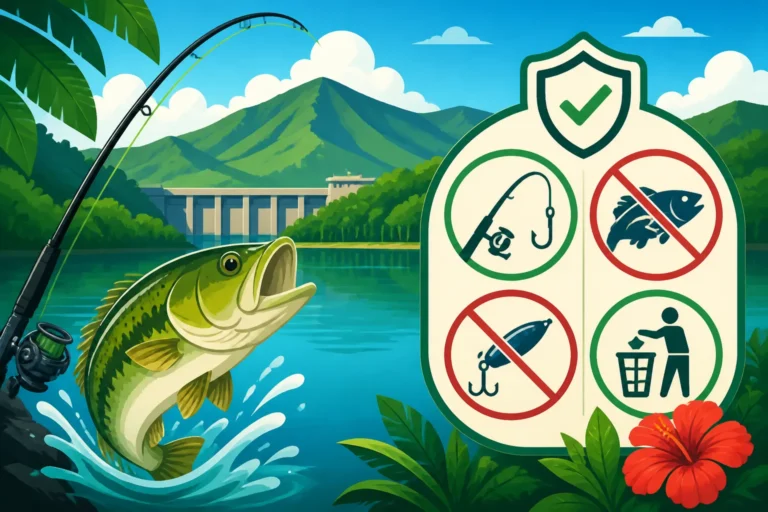
On the other hand, freshwater fishing is a different ballgame entirely for everyone. Whether you're a long-time resident of Oahu, a visitor trying your luck for peacock bass on Wahiawa Reservoir, or someone wanting to try for trout in the streams of Kauai, a freshwater license is a universal requirement. This applies to everyone, regardless of residency status, unless specific age exemptions apply, which we’ll discuss shortly. So, the first question to ask yourself isn't "Do I need a license?", but rather "Am I fishing in salt water or fresh water, and am I a resident or a non-resident?"
Who Needs a License: Residents, Non-Residents, and Age Requirements
The simple answer to "Do You Need a Fishing License in Hawaii?" depends entirely on where you plan to fish and your residency status. For freshwater fishing, practically everyone needs a license. This includes both residents and non-residents who are 15 years of age or older. Children under 15 generally don't need a freshwater license, making it a fantastic, accessible activity for families. However, it's always good practice for an adult with a valid license to supervise younger anglers.
For marine (ocean) fishing, the rules diverge significantly. As mentioned, Hawaii residents traditionally have not needed a license for recreational ocean fishing. This has been a long-standing tradition reflecting the cultural importance of gathering from the ocean. However, this exemption does not extend to non-residents. If you're visiting Hawaii and plan to do any recreational marine fishing – whether from shore, a kayak, or a private boat – you will need a non-resident marine fishing license. There are various options, including short-term and annual licenses, designed to accommodate tourists. We'll delve into the specifics of the Hawaii Nonresident Marine Fishing License, Explained in a later section. It’s critical to remember these distinctions to avoid any legal trouble.
The Importance of Compliance: Avoiding Penalties
Fishing in Hawaii is an incredible experience, but it comes with the responsibility of adhering to the rules. The Department of Land and Natural Resources (DLNR) Division of Aquatic Resources (DAR) is serious about protecting Hawaii's unique aquatic ecosystems. This means that ignorance of the law is not an excuse. Fishing without a required license, or violating other regulations like bag and size limits, can lead to significant penalties. These aren't just slaps on the wrist; fines can range from hundreds to thousands of dollars, and in some cases, even result in the confiscation of your gear or vessel.
Imagine you're on a dream vacation, reeling in a beautiful mahimahi from the shore off Maui, only to be approached by an enforcement officer and realize you should have had a non-resident marine license. That's a memory you don't want to make. Beyond the legal ramifications, respecting the licensing system and the broader Hawaii Fishing Regulations Explained helps fund conservation efforts, stock freshwater reservoirs, and manage marine protected areas, ensuring that the incredible fishing opportunities here remain for future generations. So, before you head out, confirm your license status and always carry it with you, whether it's a physical card or a digital copy.
Your Go-To Places to Purchase a Hawaii Fishing License
Alright, so you’ve figured out what kind of license you need. Now, the big question is, where do you actually go to get one? Thankfully, the process has become more streamlined in recent years, with a few convenient options available. The days of hunting down obscure offices are largely behind us, especially with the advancements in online services. Knowing your options will help you choose the most efficient path, whether you’re planning ahead from afar or need to snag a license last-minute while on the islands.
Online Through the DLNR Portal: Convenience at Your Fingertips
Without a doubt, the most convenient and recommended method for purchasing your Hawaii fishing license is online, directly through the Department of Land and Natural Resources (DLNR) Division of Aquatic Resources (DAR) portal. This digital storefront is accessible 24/7, meaning you can purchase your license from anywhere in the world, at any time of day or night. It’s perfect for visitors planning their trip from the mainland or even residents who prefer the ease of managing their affairs from home. The online system guides you through the process, allowing you to select the correct license type, duration, and input all necessary personal details.
The benefits of purchasing online are numerous. You avoid lines, don't have to worry about store hours, and can take your time reviewing the options. Once purchased, you typically receive a confirmation email with a temporary license that you can print out immediately or save to your phone. This makes the whole process incredibly efficient. For a detailed walkthrough, you'll want to check out the guide on How to Buy a Hawaii Fishing License Online, but generally, it involves visiting the official DAR licensing website, creating an account if you don't have one, selecting your license, and completing the payment. While you can't buy your license on Amazon, you can certainly find portable printers there to print your temporary license if you don't have one at home, or even waterproof cases to protect your paper copy while out on the water.
Authorized Vendors: Local Tackle Shops and Retailers
While the online portal is a fantastic resource, sometimes you just prefer the human touch, or perhaps you're already on the island and need a license right away. That's where authorized vendors come in handy. These are typically local tackle shops, sporting goods stores, and sometimes even larger general merchandise retailers that have been designated by the DLNR to sell fishing licenses. They are equipped with the necessary software and knowledge to process your application and issue a physical license on the spot.
Purchasing from an authorized vendor offers a unique advantage: local expertise. The staff at a local tackle shop often have a wealth of knowledge about local fishing conditions, what's biting, and even specific regulations for nearby spots. This can be invaluable, especially for newcomers. They can also help clarify any questions you might have about different license types or exemptions, such as the specific Hawaii Freshwater License Age Requirements. It's a great opportunity to pick up some local bait or lures, get tips on good fishing spots, and support local businesses all at once. Just be sure to bring all your necessary identification and payment methods, as they'll need to verify your information.
DLNR Offices: When You Need In-Person Assistance
For those rare occasions when you encounter an issue, have complex questions, or simply prefer to deal with government agencies directly, visiting a physical DLNR office is another option. The Division of Aquatic Resources (DAR) has offices on the major islands, including Oahu, Maui, Kauai, and the Big Island. While they don't primarily serve as walk-in license sales centers in the same way an authorized vendor would, they can certainly assist with license purchases, especially for unique situations or if you need to clarify specific regulations not easily found online.
These offices are staffed by knowledgeable DLNR personnel who can provide official interpretations of regulations, help with lost licenses, or assist with applications for special permits if needed. It’s always a good idea to call ahead to confirm their operating hours and services, as walk-in availability might be limited, and specific staff members might specialize in different areas. While it might not be the quickest way to get a standard license, knowing this option exists provides peace of mind for those times when direct agency support is necessary.
Step-by-Step Guide to Buying Your License Online
Navigating government websites can sometimes feel like trying to find your way through a lava field without a map. But don't worry, purchasing your Hawaii fishing license online through the DLNR portal is actually quite straightforward once you know the steps. This method is incredibly efficient and allows you to secure your license before you even set foot on the islands, which is perfect for planning your trip. Let's walk through it together, ensuring you hit all the right marks.
Navigating the Hawaii Department of Aquatic Resources (DAR) Website
Your first port of call will be the official Hawaii DLNR Division of Aquatic Resources (DAR) licensing portal. A quick search for "Hawaii DLNR fishing license" should lead you directly to the correct page. Once there, you'll likely need to either create a new user account or log in if you already have one. This account will house all your licensing information, making renewals or future purchases much simpler. It's crucial to ensure you're on the official government website, as there can sometimes be third-party sites that look legitimate but might charge extra fees or not provide valid licenses. Look for ".hawaii.gov" in the URL.
The website is generally user-friendly, with clear links for "Purchase License," "Manage My Account," and sections detailing various regulations. Take a moment to familiarize yourself with the layout. You'll typically be asked to confirm your residency status, as this dictates the types of licenses available to you. For instance, a non-resident will be presented with different options than a Hawaii resident. This initial step is vital for ensuring you're viewing the correct licensing products.
Choosing the Right License Type and Duration
Once logged in and having confirmed your residency, you'll be presented with a list of available fishing licenses. This is where your earlier understanding of marine vs. freshwater licenses and resident vs. non-resident status comes into play.
- For Freshwater: You'll typically see options for an annual resident freshwater license, an annual non-resident freshwater license, and various tourist-specific freshwater licenses (e.g., 7-day or 30-day options). The Hawaii freshwater license cost for residents will be clearly displayed, as will the non-resident equivalents.
- For Marine: If you are a non-resident, you will find options for marine recreational fishing licenses. These often come in different durations, such as a 1-day, 7-day, or annual license, catering to short visits or longer stays. You can check out specific costs like the Hawaii nonresident annual marine fishing license cost directly on the portal. Remember, Hawaii residents still do not require a recreational marine fishing license, so if you select "resident," this option won't appear.
Carefully review the descriptions and select the license that best fits your fishing plans. Don't rush this step; double-check the type and duration before adding it to your cart. The system will usually prompt you to confirm your age, as some exemptions apply, especially for youth anglers, as highlighted in the Hawaii Freshwater License Age Requirements.
Payment and Confirmation: What to Expect
After selecting your license(s), you'll proceed to the payment section. The DLNR portal accepts major credit and debit cards, just like any other online shopping experience. You'll need to input your card details, billing address, and confirm your purchase. The system is secure, ensuring your personal and financial information is protected.
Once your payment is successfully processed, you'll receive a confirmation page on the website and an email confirmation sent to the address associated with your account. This email will typically contain a temporary license or a link to download and print your official license. It’s absolutely crucial to either print this out or save a digital copy to your phone before heading out to fish, as you'll need to present proof of your license if requested by an enforcement officer. This step covers the guidance on Printing or Carrying a Digital Fishing License in Hawaii. Some anglers even print multiple copies or laminate theirs for protection, which you can easily do with basic supplies found on Amazon. Keep this documentation safe and accessible, and you're good to go!
Purchasing Your License In-Person: What to Bring and Expect
While the online option offers undeniable convenience, sometimes purchasing your Hawaii fishing license in person is the better choice. Maybe you're already on the islands and decided on a whim to try fishing, or perhaps you just prefer the reassurance of speaking with someone directly. Whatever your reason, the in-person process is also quite straightforward, provided you come prepared. It often offers the added benefit of gleaning local knowledge from the sales agent, which can be invaluable.
Required Documentation: Proof of Residency and Identification
When you head to an authorized vendor or a DLNR office to purchase your fishing license, the most important thing is to bring the correct documentation. This typically includes:
- Valid Photo Identification: A state-issued driver's license, ID card, or passport is usually sufficient. This confirms your identity.
- Proof of Residency (if applicable): If you are a Hawaii resident purchasing a resident-rate license, you'll need to prove your residency. This could be your Hawaii driver's license or ID card, or sometimes a combination of documents like a utility bill with your local address alongside another form of ID. The criteria for residency are clearly defined by the DLNR, so if you're a new transplant or an out-of-state student, you'll want to ensure you meet the official requirements.
The staff at the vendor location will use this information to accurately process your application, ensuring you get the correct type of license (resident or non-resident) and verify any age-related exemptions. For example, if you're applying for a senior or disabled resident exemption for freshwater fishing, specific documentation might be required to qualify for those benefits, as detailed in articles like Hawaii Senior and Disabled Freshwater License Exemption. Always have these documents readily available to avoid any delays.
Finding a Local License Agent: Tackle Shops and Sporting Goods Stores
The most common places to buy a Hawaii fishing license in person are authorized license agents. These are typically:
- Local Fishing and Tackle Shops: These are prime spots. Not only can you get your license, but the staff are usually avid anglers themselves and can offer current fishing reports, recommend specific lures or baits, and give you pointers on local techniques or regulations. It's a goldmine of information, especially if you're trying a new area.
- Sporting Goods Stores: Larger retail chains that carry fishing equipment often have a license sales counter. Think stores that cater to outdoor enthusiasts.
- Select General Merchandise Stores: In some smaller communities, certain general stores or convenience stores might also be authorized agents.
To find the closest authorized agent, you can usually check the DLNR website for a list of vendors by island or zip code. This ensures you're not driving around aimlessly. When you visit one of these locations, simply inform the clerk that you'd like to purchase a Hawaii fishing license. They'll guide you through the digital application on their system, input your details, verify your identification and residency, and process your payment. Many of these agents can also help you understand some of the basic Hawaii Bag and Size Limits by Species that apply to your catch.
Filling Out the Application and Receiving Your Physical License
The process of filling out the application in person is usually done with the assistance of the license agent. They will input your personal details (name, address, date of birth, physical characteristics, etc.) into the DLNR's electronic licensing system. You'll be asked to confirm the information on a screen before proceeding. This is your chance to double-check for any typos or errors, which could cause issues later if there’s a discrepancy.
Once all your information is correctly entered and verified, and you've selected the appropriate license type and duration (e.g., a 7-day tourist freshwater license or a Hawaii nonresident 7-day marine fishing license cost), you'll complete the payment. The agent will then print out your official physical fishing license right there on the spot. This is a small, durable card that you should sign immediately and keep with you at all times while fishing. Unlike the temporary online printout, this is typically a more robust card, designed to withstand a bit of wear and tear, though still advisable to keep it protected in a wallet or waterproof holder. The convenience of walking out with your physical license in hand, ready to fish, is a significant advantage of the in-person purchasing method.
Different Types of Licenses and Their Costs
Understanding the different types of fishing licenses available in Hawaii, and their associated costs, is key to making the right purchase. It's not just about getting a license, but getting the correct license for your specific needs, whether you're a resident, a visitor, fishing freshwater, or enjoying the vast ocean. The pricing structure varies significantly based on these factors, as well as the duration of the license.
Freshwater License Options: Annual, Tourist, and Exemptions
For anyone planning to fish Hawaii's freshwater bodies – primarily reservoirs like Wahiawa or Nuuanu, or the stream-fed Kokee Public Fishing Area on Kauai – a freshwater license is mandatory (unless you fall under a specific age exemption).
- Resident Annual Freshwater License: This is the most common option for Hawaii residents. It typically covers a full year from the date of purchase, or often aligns with a calendar year, allowing you to fish all freshwater areas. The Hawaii freshwater license cost for residents is generally quite affordable, encouraging local participation in this unique fishery.
- Non-Resident Annual Freshwater License: For non-residents planning an extended stay or frequent freshwater fishing trips, an annual license is available. It offers similar coverage to the resident annual license but at a higher price point.
- Non-Resident Tourist Freshwater Licenses: These are perfect for visitors who only plan to fish freshwater for a short period. Options typically include:
- 7-day Tourist Freshwater License: Ideal for a week-long vacation. You can find the Hawaii 7-day tourist freshwater license cost easily on the DLNR website.
- 30-day Tourist Freshwater License: Suited for longer visits or multiple freshwater excursions during your stay. The Hawaii 30-day tourist freshwater license cost provides excellent value for a month-long period.
Exemptions: It's important to remember that certain individuals are exempt from needing a freshwater license. This commonly includes children under a specific age (e.g., 15 years old, but always check current regulations for precise age requirements). Additionally, qualified senior residents and disabled residents may also be eligible for exemptions or reduced-cost licenses, which is excellent news for those groups.
Marine License Options: The New System for Non-Residents
The landscape for marine fishing licenses changed significantly in Hawaii in recent years with the introduction of a recreational marine fishing license for non-residents. This was a move to better manage and understand fishing pressure on Hawaii's invaluable ocean resources.
- Non-Resident Marine Licenses: If you're a visitor and want to fish in Hawaii's ocean waters – whether from shore, a pier, or your own private boat – you must purchase a non-resident marine fishing license. These come in several durations to suit your visit:
- 1-Day Non-Resident Marine License: Perfect for a quick fishing excursion. The Hawaii nonresident 1-day marine fishing license cost is designed for minimal impact and short-term enjoyment.
- 7-Day Non-Resident Marine License: A popular choice for vacationers staying for a week. You can easily find the Hawaii nonresident 7-day marine fishing license cost online.
- Annual Non-Resident Marine License: If you plan multiple trips throughout the year or an extended stay, this offers the best value. The Hawaii nonresident annual marine fishing license cost covers you for a full year of marine recreational fishing.
It’s worth reiterating that Hawaii residents do not currently need a recreational marine fishing license, though commercial marine activities always require specific commercial licenses. This distinction is vital for residents to understand, as it can often lead to confusion when comparing notes with visiting anglers.
Special Exemptions and Discounts: Seniors, Disabled, and Youth
Hawaii's fishing license system does offer some thoughtful exemptions and discounts for specific demographics, especially for freshwater fishing. These programs are designed to make fishing accessible and enjoyable for a broader segment of the community.
- Youth Exemptions: Generally, children under a certain age (often 15 years old) are not required to purchase a freshwater fishing license. This is a wonderful way to introduce youngsters to the joys of fishing without an additional cost barrier, encouraging family outdoor activities. Always verify the exact age cutoff with the current DLNR regulations before assuming an exemption.
- Senior Exemptions/Discounts: Qualified senior residents of Hawaii often receive exemptions or significantly reduced rates for freshwater fishing licenses. These programs acknowledge the contributions of kupuna (elders) and aim to keep them active and engaged with nature. Specific age requirements and residency verification will apply.
- Disabled Exemptions/Discounts: Residents with qualifying disabilities may also be eligible for exemptions or discounted freshwater fishing licenses. These provisions ensure that physical challenges do not prevent individuals from enjoying Hawaii's unique freshwater fisheries. Documentation of disability status, usually from a medical professional or government agency, will be required to apply for these special considerations, as outlined in details like Hawaii Fishing License for Disabled Residents.
It's always best to check the most current information directly on the DLNR website or contact one of their offices if you believe you qualify for one of these special exemptions. Requirements can sometimes change, and having up-to-date information will ensure a smooth application process.
Here's a quick reference table summarizing the typical recreational fishing license types and approximate costs:
| License Type | Residency Status | Duration | Typical Cost Range (USD) | Notes |
|---|---|---|---|---|
| Freshwater | Resident | Annual | $5 – $10 | Required for all freshwater fishing |
| Freshwater | Non-Resident | Annual | $20 – $30 | Required for all freshwater fishing |
| Freshwater (Tourist) | Non-Resident | 7-Day | $10 – $15 | Good for short visits to freshwater areas |
| Freshwater (Tourist) | Non-Resident | 30-Day | $20 – $25 | Best for longer freshwater fishing trips |
| Marine (Ocean) | Resident | N/A | $0 (Exempt) | Residents do not need a license for recreational marine fishing |
| Marine (Ocean) | Non-Resident | 1-Day | $10 – $15 | Shortest option for non-resident ocean anglers |
| Marine (Ocean) | Non-Resident | 7-Day | $20 – $30 | Popular choice for week-long vacations |
| Marine (Ocean) | Non-Resident | Annual | $50 – $70 | Best value for frequent non-resident ocean fishing |
Note: These costs are approximate and subject to change. Always verify current prices and regulations on the official Hawaii DLNR website.
After You've Bought Your License: Important Next Steps
Congratulations! You've successfully navigated the process and secured your Hawaii fishing license. But simply buying it isn't the end of the journey. There are a few crucial steps you need to take after your purchase to ensure you're fully compliant and can enjoy your fishing experience without any hiccups. Ignoring these steps could lead to unwanted headaches, even with a valid license in hand. Think of it as crossing the finish line, but still needing to make sure you've tied your shoes properly.
Printing and Carrying Your License: Digital vs. Physical Copies
Once you've purchased your license, especially online, you'll receive a digital copy or a confirmation that acts as a temporary license. It is absolutely imperative that you either print a physical copy of this license or save a digital copy on your mobile device that can be easily accessed and displayed to an enforcement officer. This is not optional; you must be able to present proof of your valid license upon request. The guide on Printing or Carrying a Digital Fishing License in Hawaii goes into more detail, but here are the key takeaways:
- Physical Copy: A printed license provides peace of mind, especially if your phone battery dies or you're in an area without signal. Many anglers laminate their printed licenses to protect them from water damage and wear and tear. You can find laminating pouches and small, portable laminators on Amazon if you're looking for a DIY solution. Keep this in a wallet, tackle box, or a waterproof pouch.
- Digital Copy: Saving a clear image or PDF of your license on your smartphone or tablet is also acceptable. Make sure it's not buried deep in your photo album; having it quickly accessible, perhaps in your "favorites" or a dedicated fishing folder, is smart. Some states even have official apps for digital licenses, though Hawaii's system typically relies on easily accessible digital files.
Regardless of your preference, always ensure your license is current and visible. Fishing with a valid license but not having it on your person is akin to not having one at all in the eyes of the law, and could still lead to fines.
Understanding the Regulations: It's More Than Just a Piece of Paper
Your fishing license is your permit to fish, but it doesn't give you carte blanche to do whatever you want. It's merely the first step. Just as critical is understanding the specific fishing regulations that govern where you can fish, what you can catch, how many you can keep, and when certain seasons are open or closed. Hawaii's waters are teeming with diverse marine life, and many species have specific rules to ensure their sustainability.
These regulations cover a wide array of topics, including:
- Bag and Size Limits: How many fish of a particular species you can keep per day, and the minimum/maximum sizes. For example, specific rules apply to Hawaii Uhu (Parrotfish) Size and Bag Limits or Hawaii Moi Closed Season, Explained.
- Closed Seasons: Certain species have specific times of the year when they cannot be harvested to allow for spawning or population recovery.
- Gear Restrictions: What types of fishing gear are allowed (e.g., specific hook types, net restrictions, spearfishing rules).
- Protected Areas: Marine Life Conservation Districts (MLCDs) and Fish Replenishment Areas (FRAs) have very strict rules, often prohibiting fishing entirely or allowing only certain types. Understanding What a Marine Life Conservation District means for anglers is paramount before heading to any popular shoreline.
The DLNR website is your authoritative source for all current regulations. Take the time to review the Hawaii Fishing Regulations Explained before each trip, as regulations can sometimes be updated. It's a small investment of your time that protects both you and the precious Hawaiian ecosystem.
Renewal and Replacement: Keeping Your License Valid
Fishing licenses, like most permits, have an expiration date. It's your responsibility to keep track of when your license needs to be renewed. Many annual licenses expire on a specific date (e.g., December 31st of the year issued) or one year from the date of purchase. The online portal often sends email reminders closer to your expiration date, but don't rely solely on that. Mark your calendar!
- Renewal: Renewing your license is usually a simple process, often much quicker than the initial purchase, especially if you do it online through your existing DLNR account. You simply log in, select the renewal option, and process payment.
- Replacement: What happens if you lose your physical license? Don't panic. The DLNR understands that accidents happen. You can typically obtain a replacement license through the online portal or by visiting an authorized vendor or DLNR office. There might be a small fee for a replacement, but it's much better than risking a fine for fishing without one. The process for Replacing a lost Hawaii fishing license is designed to be straightforward. Always keep a record of your license number, as it makes the replacement process much smoother.
Staying on top of your license's validity ensures continuous legal access to Hawaii's incredible fishing opportunities.
Common Pitfalls and Pro Tips When Buying Your License
Even with a clear guide, it's easy to make small mistakes or overlook details when purchasing something as important as a fishing license. Hawaii's unique rules add another layer of complexity. Having been around the block a few times, I've seen common issues arise, and I want to help you avoid them. A little foresight and attention to detail can prevent a lot of frustration and ensure your fishing adventure starts smoothly.
Double-Checking Information: Accuracy is Key
This might seem obvious, but rushing through the online application or hurrying at the vendor counter can lead to errors. Incorrectly entered personal information, such as your date of birth, address, or even a misspelled name, can render your license invalid or cause issues if you're ever asked to present it alongside your ID.
Pro Tip: Take an extra minute to review all the fields before you click "submit" or confirm with the agent. Check that your residency status is correct, especially if you're a new resident or a long-term visitor. Ensure the license type and duration are exactly what you intended. An error might not seem like a big deal, but an enforcement officer needs to see that your license accurately matches your identification. It’s better to correct a mistake upfront than deal with the consequences later.
Planning Ahead: Don't Wait Until the Last Minute
The excitement of a fishing trip can sometimes make us overlook administrative tasks. However, waiting until the very last minute to purchase your fishing license can lead to unnecessary stress and potential delays.
Scenario: Imagine you've just arrived in Kona, your charter boat is leaving Honokohau Harbor at dawn tomorrow, and you suddenly realize you need a non-resident marine license. If it's late at night, the online system is your only option. But what if you have connectivity issues? Or what if you prefer a physical license from a local shop, which is now closed?
Pro Tip: Purchase your license a few days, or even a week or two, before you plan to fish. This gives you ample time to troubleshoot any online issues, visit a local vendor during business hours, and ensure you have a printed or digital copy readily available. For those visiting from out of state, buying your Hawaii Fishing License Guide for 2026 in advance, right after booking your flight, is a smart move. It allows you to focus on the fun parts of planning, like what bait to use or which fishing spots to target, instead of scrambling for paperwork.
Staying Updated on Regulation Changes
Hawaii's aquatic resources are dynamic, and so are the regulations designed to protect them. While your license allows you to fish, the specifics of how and what you can fish for can change. Marine conservation efforts, scientific findings, and public input can all lead to adjustments in bag limits, size restrictions, closed seasons, or even new protected areas.
Pro Tip: Don't assume that because you bought a license last year, all the rules remain the same. Before each significant fishing outing, especially if it's been a while, quickly check the DLNR Division of Aquatic Resources website for the latest updates. They typically publish alerts or news releases about regulation changes. A quick scroll through the current Hawaii Fishing Regulations Explained document can save you from inadvertently violating a new rule. This proactive approach shows respect for the resource and keeps you on the right side of the law, making your Hawaii fishing experiences truly sustainable and enjoyable. You might even find helpful gear or current events related to fishing news on online platforms like Amazon in the form of specialized magazines or guidebooks, but always verify specific regulations on the official DLNR channels.
Disclaimer
Please note that fishing regulations, license requirements, and costs are subject to change by the State of Hawaii. While this guide aims to provide accurate and up-to-date information, it is your responsibility to verify all current rules, laws, and fees directly with the Hawaii Department of Land and Natural Resources (DLNR) Division of Aquatic Resources (DAR) before engaging in any fishing activities. This guide is for informational purposes only and does not constitute legal advice.