Hawaii 7-day tourist freshwater license cost
It’s a common question that pops up for so many folks visiting our beautiful islands: "Do I need a fishing license here?" And if you’re a tourist eyeing our serene freshwater reservoirs for a bit of angling, the answer can get a little murky. This guide is here to clear up exactly what you can expect to pay for a Hawaii 7-day tourist freshwater license and walk you through everything you need to know to fish legally and enjoyably in our inland waters.
Understanding the Hawaii 7-Day Tourist Freshwater License Cost
Navigating the various rules and regulations when you're visiting a new place can be a real headache, especially when it comes to something as specific as fishing licenses. Many visitors assume that because Hawaii is surrounded by ocean, all fishing must be marine, and often don't realize there's a whole different set of rules for our freshwater spots. But for those looking to cast a line in our lakes and streams, a specific freshwater license is indeed required, and for tourists, the 7-day option is a popular choice.
The Hawaii Division of Aquatic Resources (DAR), under the Department of Land and Natural Resources (DLNR), sets these fees. As of recent information, a 7-day nonresident freshwater fishing license will typically set you back around $10.00. This is a straightforward fee, designed to allow visitors a week-long window to experience Hawaii’s unique freshwater fisheries. It’s important to note that this cost is generally consistent, but like anything, it's always wise to check the official DLNR website or consult with an authorized vendor right before your trip, just in case there have been any slight adjustments. There are usually no hidden fees or extra charges tacked on, outside of perhaps a small convenience fee if you purchase it through an independent vendor or online portal, which is a pretty standard practice nowadays.
For comparison, if your freshwater fishing adventure might extend a bit longer, or if you plan multiple trips within a year, the DLNR also offers a 30-day nonresident freshwater license for about $15.00, and a full annual nonresident license for approximately $20.00. But for a short vacation where you only plan a few days of freshwater angling, that $10.00 7-day option is usually the perfect fit, offering good value and convenience.
Why a Freshwater License is Essential for Hawaii's Inland Waters
You might be thinking, "Wait, I thought ocean fishing didn't require a license in Hawaii?" And you're mostly right! For general recreational marine fishing – whether you're casting from the shoreline, a pier, or a boat in the vast Pacific – Hawaii currently doesn't require most residents or nonresidents to have a license. This is a common point of confusion for visitors, and it's totally understandable why you'd assume the same for freshwater. However, our freshwater systems are a different beast entirely, managed separately to protect and sustain their unique ecosystems and introduced species.
Hawaii's freshwater fisheries, though limited in number, offer distinct angling experiences. The most prominent and popular spots include the beautiful upland streams and reservoirs of the Kokee Public Fishing Area on Kauai, where you can find rainbow trout, and the Wahiawa Reservoir and Nuuanu Reservoir on Oahu, known for their peacock bass, largemouth bass, tilapia, and channel catfish. These areas are carefully managed by the state, and the funds generated from fishing license sales contribute directly to the stocking programs, habitat restoration, and enforcement efforts that keep these fisheries thriving. Without these licenses, the resources to maintain these precious fishing opportunities simply wouldn't exist.
So, while the ocean is generally open access, if you're planning to target those feisty peacock bass in Wahiawa or chase rainbow trout in the cool mountain streams of Kokee, you absolutely need that freshwater license. It's not just a bureaucratic hoop; it's a contribution to the health and future of these unique inland fishing environments. To dive deeper into all the specifics, you'll want to check out our detailed guide on the Hawaii Freshwater Fishing License and Rules.
Step-by-Step Guide to Purchasing Your 7-Day License
Getting your Hawaii 7-day tourist freshwater license is a pretty straightforward process, whether you prefer the digital route or a good old-fashioned in-person transaction. The key is knowing where to go and what information you’ll need to have handy.
Buying Online Through the DLNR Portal
For many, the easiest and most convenient way to purchase a license these days is online. The Hawaii DLNR Division of Aquatic Resources (DAR) has an online licensing system that makes it simple to buy your license from anywhere with an internet connection – even before you even step foot on the islands.
- Visit the Official DLNR Website: Head directly to the Hawaii DLNR DAR licensing portal. Be cautious of third-party sites that might try to upsell you or are not official vendors.
- Select License Type: Look for the option for "Freshwater Fishing License" and specifically choose the "Nonresident 7-Day" option.
- Provide Information: You’ll need to input some basic personal details. This typically includes your full name, date of birth, physical address (your permanent address, not your temporary Hawaii lodging), and a valid form of identification, such as your driver's license number or passport number. They also usually ask for your height, weight, hair, and eye color – standard stuff for identification purposes.
- Payment: You'll complete your purchase using a credit or debit card. The $10.00 fee for the 7-day license will be processed securely.
- Print or Save: Once your purchase is complete, you'll receive a confirmation and often a printable version of your license. You can print this out at home and carry a physical copy, or simply save the digital version to your smartphone or tablet. For more details, our article on Printing or Carrying a Digital Fishing License in Hawaii is a great resource. This digital option is fantastic; just make sure your phone is charged!
In-Person Purchase at Authorized Vendors
If you prefer to speak to a person or simply want to pick up your license once you're on the ground, there are authorized vendors across the islands.
- Locate a Vendor: The DLNR website usually provides a list of authorized license agents. These often include local tackle shops, some sporting goods stores, and occasionally even government offices. A quick search for "Hawaii fishing license vendors near me" once you're in the state will point you in the right direction. Places like Charley's Fishing Supply on Oahu, or certain hardware stores in smaller towns, often serve as agents.
- Bring ID and Payment: Just like online, you'll need a valid photo ID (driver's license or passport) and the $10.00 fee.
- Fill Out Form: The vendor will assist you in filling out the necessary paperwork, which collects the same personal information as the online portal.
- Receive License: You'll typically receive a physical paper license on the spot. Make sure to keep this in a safe, dry place during your fishing excursions.
Many anglers use their fishing trips as an excuse to pick up new gear. While you're at it, if you need a new waterproof phone case to protect that digital license or some small tackle items, you can always check out what's available on Amazon before you head out!
What Your 7-Day Freshwater License Allows
So you've got your shiny new 7-day tourist freshwater license – congratulations! Now, let's talk about what this license actually enables you to do and, just as importantly, what its limitations are. Knowing the scope of your license prevents any accidental rule-breaking and ensures your fishing trip is enjoyable and hassle-free.
Dates of Validity and Coverage
Your 7-day license is valid for seven consecutive calendar days, starting from the specific "effective date" you choose at the time of purchase. For instance, if you select July 1st as your start date, your license will be valid through the end of July 7th. It's not seven 24-hour periods that you can spread out; it's a fixed block. This makes planning your freshwater excursions pretty simple.
Crucially, this license grants you the privilege to fish in all legally accessible freshwater bodies throughout the State of Hawaii where fishing is permitted. This includes the various reservoirs, public fishing areas, and designated streams. It does not, however, cover any marine waters. Even if a stream flows into the ocean, your freshwater license only applies to the designated freshwater portion. If you step onto the beach and cast into the surf, you're back under marine rules (which, as mentioned, usually don't require a general recreational license, but have their own set of species-specific regulations).
Species and Special Regulations
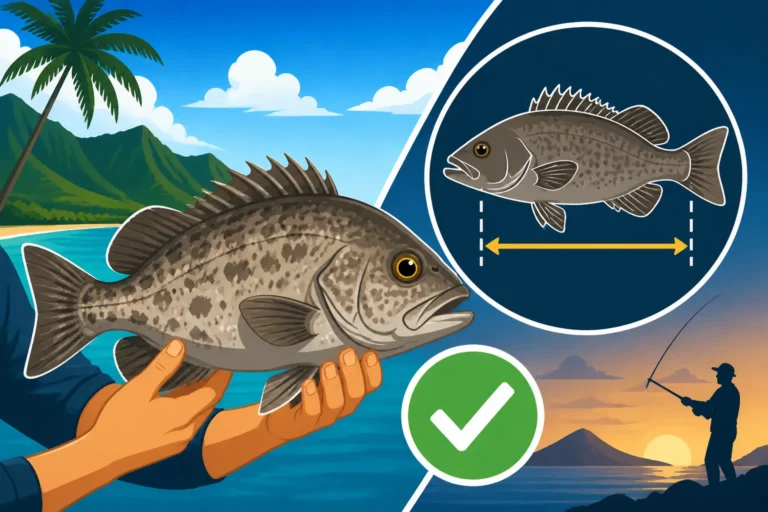
With your freshwater license, you can target the diverse array of species found in Hawaii’s inland waters, including rainbow trout, largemouth bass, peacock bass, smallmouth bass, tilapia, channel catfish, and even some panfish. However, simply having a license doesn't give you free reign. Every freshwater fishing area in Hawaii operates under specific rules regarding what you can catch, how many, and what size.
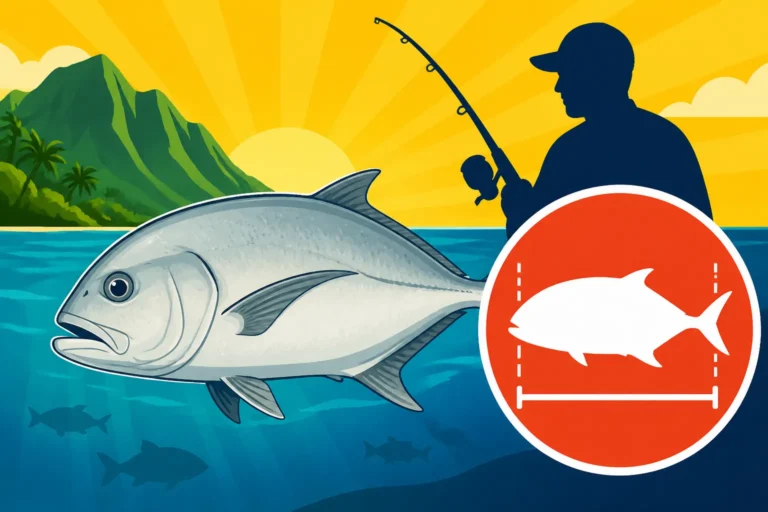
For example, the Kokee Public Fishing Area on Kauai, famous for its rainbow trout, has a very strict seasonal opening. You can’t just fish for trout year-round. You’ll need to be aware of the Hawaii Kokee Trout Fishing Season Dates to ensure you're fishing when it's legal. Similarly, places like the Hawaii Wahiawa Reservoir Fishing Rules have specific regulations on daily bag limits and size restrictions for species like peacock bass. It's vital to consult the specific rules for the body of water you intend to fish before you go. The DLNR website is your best friend here, providing detailed breakdowns for each location. You can also review our general guide on Hawaii Bag and Size Limits by Species for an overview.
Remember, these rules are in place to ensure sustainable fishing for everyone. Abiding by them protects our precious resources and guarantees that future generations of anglers, both residents and visitors, can enjoy the thrill of freshwater fishing in Hawaii.
Common Misconceptions and Avoiding Penalties
Fishing in Hawaii should be a relaxing and enjoyable experience, not one filled with anxiety about breaking rules. However, misunderstandings about licenses and regulations can quickly turn a good day bad. Let’s clear up some common misconceptions and emphasize why strict adherence to the rules is so important.
The "Ocean vs. Freshwater" Confusion
We've touched on this, but it bears repeating: the biggest misconception for tourists is often conflating ocean and freshwater fishing license requirements. Just because you don't need a general recreational license for marine fishing (though specific activities like commercial fishing or harvesting certain protected species do require permits) does not mean the same applies to lakes, reservoirs, and streams. The state's freshwater resources are limited and managed differently, making that freshwater license non-negotiable for inland angling. Don't fall into the trap of thinking "Hawaii fishing" means one set of rules for everything.
Penalties for Non-Compliance
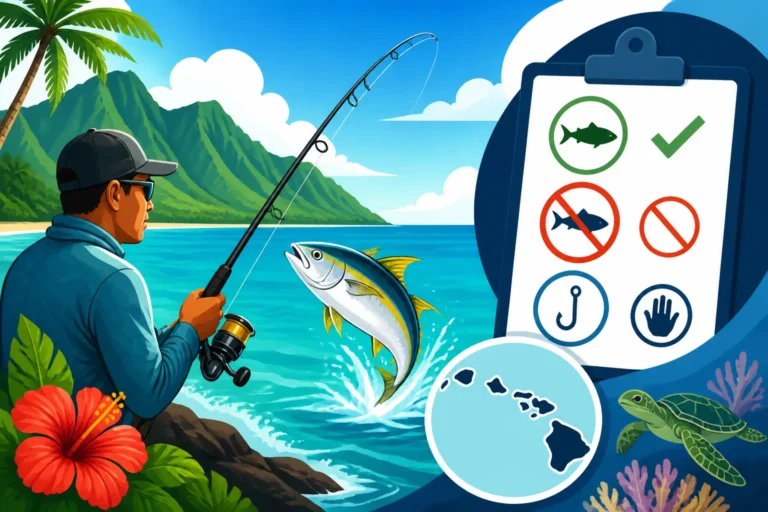
Fishing without the appropriate license in Hawaii's freshwater areas is a serious offense. The Hawaii DLNR actively patrols these areas, and officers are not shy about issuing citations. The penalties for fishing without a required license can range from hefty fines to the confiscation of your fishing gear and catch. These fines can quickly add up, easily surpassing the small $10.00 cost of the 7-day license, making it a very expensive mistake indeed. Nobody wants to remember their Hawaiian vacation by the legal trouble they got into, so always err on the side of caution. For a complete understanding of the repercussions, take a moment to read our article on Fishing Without a Required License in Hawaii: Penalties.
It's also worth remembering that ignorance of the law is generally not considered a valid excuse. As an angler, it's your responsibility to know and follow all applicable regulations, from licenses to bag limits and gear restrictions. Before you head to any specific fishing spot, always double-check the local rules on the DLNR website or consult with a local tackle shop. Many anglers even pick up small, laminated rule cards they can keep in their tackle boxes – a great idea that you might even find available on Amazon!
Freshwater License Options and Costs Comparison
To give you a clearer picture of the different freshwater license options available to nonresidents, here's a handy table outlining the typical costs. This can help you decide if the 7-day license is truly the best fit for your trip, or if a longer duration might offer better value for your specific plans.
| License Type | Duration (Nonresident) | Typical Cost | Ideal For |
|---|---|---|---|
| Freshwater Fishing License | 7 Days | $10.00 | Short vacations with specific freshwater fishing days planned. |
| Freshwater Fishing License | 30 Days | $15.00 | Extended vacations, or multiple freshwater trips within a month. |
| Freshwater Fishing License | Annual | $20.00 | Frequent visitors, or those with very long stays (e.g., snowbirds). |
| Marine Fishing License | N/A | Generally Not Required for Recreational Angling | Shoreline, pier, or boat fishing in the ocean (check specific rules). |
Note: All costs are approximate and subject to change by the Hawaii Department of Land and Natural Resources (DLNR). Always verify current prices on the official DLNR website before purchase.
This table highlights that for just an extra $5.00, you could extend your freshwater fishing opportunities to a full month, or for another $5.00 beyond that, you could have a whole year of freshwater access! If you anticipate even a second short freshwater trip within the same year, the annual license becomes incredibly cost-effective. However, for most tourists focusing on a specific week, the 7-day license is generally sufficient and the most budget-friendly choice.
Remember, having the license is the first step. You'll also want to make sure you're geared up for the specific type of freshwater fishing you're doing. Whether it's light tackle for trout or heavier gear for bass, a quick browse on Amazon can help you get sorted with all your fishing essentials, from lures to line.
Final Thoughts on Freshwater Fishing in Hawaii
The thrill of freshwater fishing in Hawaii, whether it’s wrestling with a peacock bass at Wahiawa Reservoir or fly fishing for rainbow trout in Kokee, offers a fantastic contrast to our famous ocean adventures. Getting your 7-day tourist freshwater license is a small but crucial step to ensuring your inland angling experience is completely legal and worry-free. For just $10.00, you gain access to unique fishing opportunities that many visitors overlook, contributing directly to the conservation efforts that keep these special places vibrant. Take the time to understand the rules, get your license, and most importantly, enjoy the serene beauty and exciting fishing that Hawaii's freshwater habitats have to offer.
Disclaimer
Please be aware that fishing regulations, license requirements, and associated fees in Hawaii are subject to change at any time by the Department of Land and Natural Resources (DLNR). While this guide provides the most up-to-date information available at the time of writing, it is your responsibility to verify all current rules and costs directly with the official Hawaii DLNR Division of Aquatic Resources (DAR) before engaging in any fishing activities. This content is for informational purposes only and should not be considered legal advice.