Hawaii uhu minimum size limit
Navigating the myriad of fishing regulations in Hawaii can feel like trying to untangle a particularly stubborn fishing knot, especially when you're targeting a specific and culturally significant fish like the uhu, or parrotfish. It's easy to get confused about what's allowed and what's not, and no one wants to accidentally run afoul of the rules. This comprehensive guide is here to cut through the confusion and clearly lay out everything you need to know about the minimum size limit for uhu in Hawaiian waters, so you can fish confidently and responsibly.
Understanding Uhu Parrotfish in Hawaii
Uhu, or parrotfish, are an incredibly important part of Hawaii's nearshore reef ecosystems and a prized catch for many anglers, both for their delicious taste and their vibrant colors. They play a vital role in maintaining reef health by grazing on algae, which helps corals thrive. Without these diligent grazers, algae can overgrow and smother coral. There are several species of uhu found around the Hawaiian Islands, each with its own characteristics and, sometimes, slightly different regulations.
From the common Uhu 'ele'ele, often seen darting around shallow reefs, to the more elusive Uhu 'ahu'ula, known for its stunning terminal phase colors, these fish are truly special. Their unique ability to change sex and color throughout their lives, often starting as females and transitioning to males, makes them fascinating creatures to observe. Because of their ecological importance and popularity, the state of Hawaii has implemented specific regulations, including minimum size limits, to ensure their populations remain healthy for future generations.
The Official Uhu Minimum Size Limit
When it comes to keeping uhu in Hawaii, size definitely matters. The Hawaii Department of Land and Natural Resources (DLNR), specifically the Division of Aquatic Resources (DAR), sets these rules to promote sustainable fishing practices. These regulations are designed to allow uhu to reach reproductive maturity and contribute to the spawning population before being harvested.
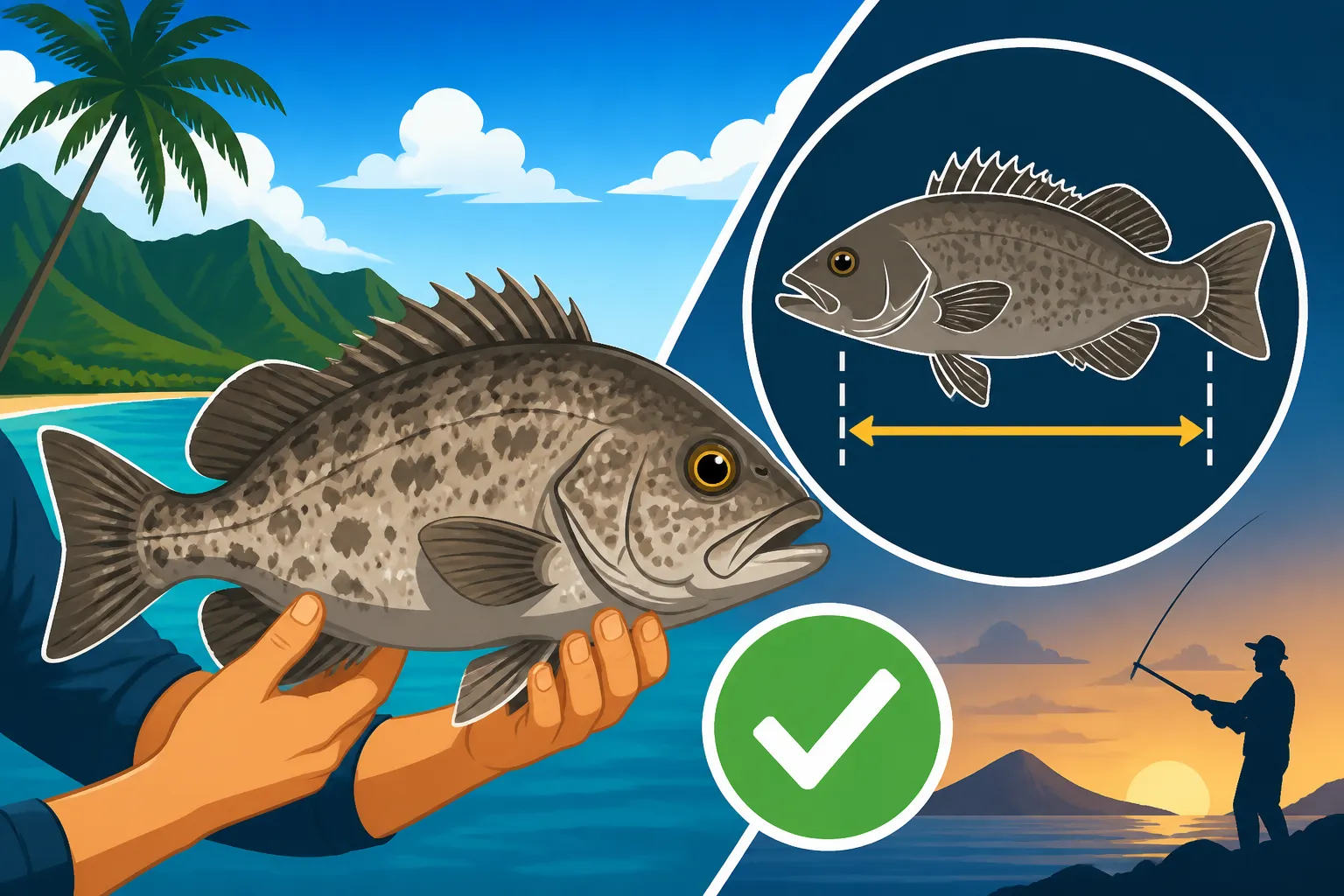
It's important to understand that the minimum size limits can vary slightly depending on the specific species of uhu. This is where things can get a little tricky, but don't worry, we'll break it down clearly. The measurement typically used is "fork length," which is measured from the tip of the snout to the fork of the tail. It's not the total length (which includes the longest tail fin lobe), so make sure you're measuring correctly to avoid any misunderstandings.
Currently, based on the Hawaii Administrative Rules, here are the minimum size limits for some of the more commonly encountered uhu species:
| Uhu Species (Common Name) | Hawaiian Name | Minimum Size Limit (Fork Length) | Notes |
|---|---|---|---|
| Bullethead Parrotfish | Uhu 'ele'ele | 10 inches | Commonly found in shallow reef areas. |
| Palenose Parrotfish | Uhu uliuli | 10 inches | Often confused with Uhu 'ele'ele; check local guides for ID. |
| Stareye Parrotfish | Uhu palukaluka | 8 inches | Smaller species, found across various reef habitats. |
| Spectacled Parrotfish | Uhu 'ahu'ula | 12 inches | Known for its vibrant coloration, especially males. |
| Steephead Parrotfish | Uhu lae'ohi | 12 inches | Distinctive head shape, often found in deeper reef environments. |
| Redlip Parrotfish | Uhu 'uli | 10 inches | A common species found in both shallow and deeper waters. |
It's absolutely crucial to remember that these regulations can change, so always double-check the latest information from the Hawaii DLNR Fishing Regulations PDF or the DAR website before heading out. Understanding Hawaii Fishing Regulations Explained comprehensively is key to responsible angling.
Why Size Limits Matter for Uhu
You might wonder why such specific measurements are necessary. It really boils down to conservation and ensuring the long-term health of our precious marine resources. When you catch an undersized fish, you're essentially removing a potential breeder from the population before it's had a chance to reproduce. This can have significant impacts over time, leading to fewer fish in the future.
- Protecting Reproductive Maturity: Minimum size limits are primarily set to allow fish to reach sexual maturity and spawn at least once, or preferably multiple times, before they are harvested. For uhu, this means ensuring they can contribute to the next generation of parrotfish, maintaining a healthy population cycle.
- Sustainable Populations: By allowing fish to grow larger and reproduce, these limits help maintain sustainable populations of uhu. This ensures that the species remains abundant enough for both ecological balance (like their crucial role in algae control on reefs) and for future fishing opportunities. Without these limits, overfishing of juvenile fish could quickly deplete stocks.
- Ecosystem Health: As mentioned, uhu are vital for coral reef ecosystems. They graze on algae, preventing it from overgrowing and suffocating corals. By protecting larger, mature uhu, we're not just preserving a fish species; we're helping to safeguard the entire reef system that so many other marine creatures, and indeed humans, depend on. You can learn more about the diverse aquatic life in our Reef Fish Species Identification Guide for Hawaii.
These regulations are a testament to Hawaii's commitment to responsible resource management, reflecting traditional Hawaiian practices of malama 'aina (caring for the land/resources). Adhering to these limits is a way for every angler to contribute to the health and abundance of Hawaii's marine life.
Practical Tips for Measuring and Releasing Uhu
Knowing the rules is one thing, but actually putting them into practice out on the water is another. Proper measuring and, if necessary, responsible releasing, are critical skills for any angler targeting uhu.
Measuring Your Catch Accurately
First things first, you need a reliable measuring device. A simple fish ruler or a measuring board is essential. You can find many great options online, like those available on Amazon, specifically designed for marine fish with clear markings for fork length. When you catch an uhu:
- Lay the fish flat: Gently place the fish on a flat, wet surface, such as a measuring board or a cooler lid. Make sure it's stable and not flopping around too much. Wetting your hands and the surface minimizes the removal of the fish's protective slime layer.
- Align the nose: Position the fish so its snout is at the zero mark of your ruler or measuring board.
- Find the fork of the tail: With the fish stretched out naturally, read the measurement at the fork (the deepest indentation) of its tail fin. Do not pinch the tail or stretch it; let it rest naturally.
- Read the measurement: Compare this measurement to the species-specific minimum size limit from the table above.
Always measure immediately after catching the fish. Time is of the essence, especially if you need to release it.
Responsible Release Practices
If your uhu doesn't meet the minimum size limit, or if you simply choose to practice catch-and-release, it's your kuleana (responsibility) to ensure the fish has the best possible chance of survival.
- Minimize handling: The less you handle the fish, the better. Avoid touching its gills or eyes.
- Wet hands: Always wet your hands before touching the fish. Dry hands can remove the protective slime coat, making the fish susceptible to infection.
- Support the fish: If you must pick it up, support its body horizontally. Never hold a fish vertically by its jaw or tail alone, as this can damage its internal organs or spine.
- Quick removal of hooks: Use pliers or a dehooking tool to quickly remove the hook. If the hook is deeply swallowed, cut the line as close to the hook as possible rather than trying to yank it out. Some hooks, especially those made of non-stainless steel, may dissolve over time.
- Revive if necessary: If the fish seems stunned or sluggish, gently hold it upright in the water, facing into a mild current, until it regains its strength and can swim away on its own.
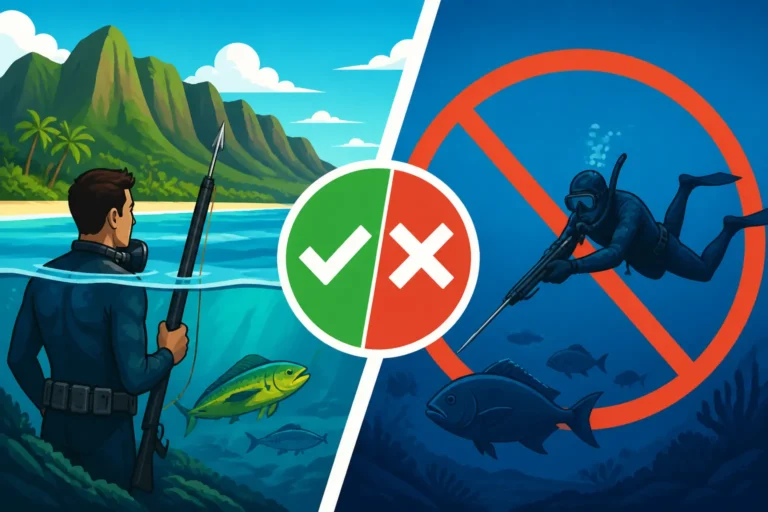
- Consider spearfishing guidelines: Uhu are also popular targets for spearfishing. If you're Hawaii Spearfishing Regulations, remember that these size limits apply equally. Make sure you have a reliable way to measure your catch accurately underwater or immediately upon surfacing.
Following these practices not only helps the fish but also enhances your reputation as a respectful and ethical angler. Keep in mind that ignorance of the law is no excuse, and penalties for fishing without a required license in Hawaii, or for keeping undersized fish, can be significant. It's always a good idea to refresh your knowledge with resources like the Hawaii Bag and Size Limits by Species to stay informed.
Navigating Special Regulation Areas
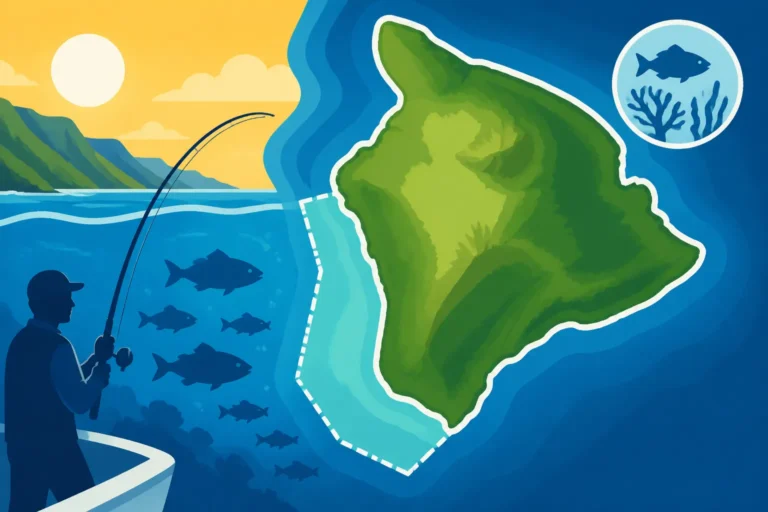
Hawaii is home to several designated areas with additional or different fishing rules. These include Marine Life Conservation Districts (MLCDs) and Fish Replenishment Areas (FRAs), as well as specific State Parks or Natural Area Reserves. While the general state-wide minimum size limits for uhu apply in most open ocean areas, it’s imperative to be aware of any hyper-local rules that might override or add to these.
For instance, in certain MLCDs, fishing for any species, including uhu, might be completely prohibited, or only specific types of gear might be allowed. Understanding What a Marine Life Conservation District means for anglers is crucial. Similarly, some areas might have seasonal closures or even different size limits for specific species to protect local breeding populations or habitats. Always check the specific regulations for the area you plan to fish. Local bait and tackle shops, as well as the DLNR website, are excellent resources for up-to-date information on these special zones. Planning your trip carefully will ensure you're compliant with all rules and help conserve Hawaii's unique marine environments.
Disclaimer
The information provided in this guide is intended for general informational purposes only and is subject to change. While we strive to offer accurate and up-to-date details, fishing regulations in Hawaii can be complex and are regularly updated by the Department of Land and Natural Resources (DLNR) Division of Aquatic Resources (DAR). Always consult the official Hawaii Administrative Rules (HAR) and the latest DAR publications or website for the most current and authoritative fishing regulations before engaging in any fishing activity. It is the responsibility of each individual angler to know and comply with all applicable state and federal laws and regulations.