Hawaii 30-day tourist freshwater license cost
Planning a Hawaiian vacation often brings dreams of deep-sea fishing for marlin or casting for ulua from a pristine beach, but many visitors are surprised to learn that Hawaii also offers fantastic freshwater fishing opportunities. If you're a tourist eyeing a longer stay and hoping to explore Hawaii's unique inland fisheries, understanding the cost and details of a 30-day freshwater license can feel a bit like navigating a maze. This guide is here to untangle all that for you, specifically focusing on the ins and outs of the Hawaii 30-day tourist freshwater license cost.
Understanding the Cost of Your 30-Day Freshwater License
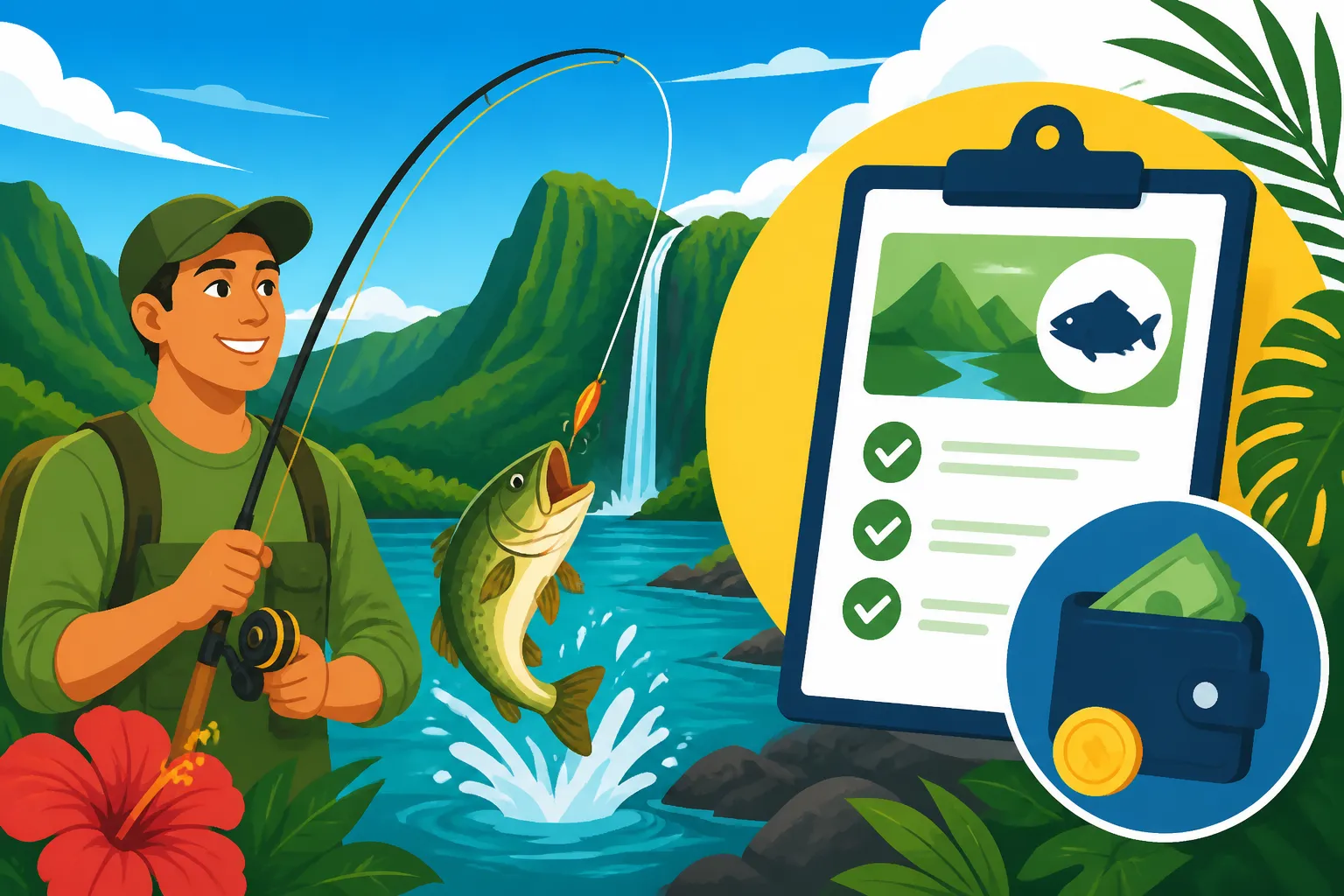
Let's get right to the heart of the matter: what will a 30-day tourist freshwater license set you back? The Hawaii Division of Aquatic Resources (DAR) sets these fees, and it's good to know exactly what you're budgeting for. For non-residents, the 30-day freshwater game fishing license typically costs $20.00. This fee is designed to be accessible for visitors who plan an extended stay or multiple freshwater excursions without committing to a full annual license.
It’s crucial to remember that these fees are subject to change, so always double-check the official Hawaii DLNR Division of Aquatic Resources website before your trip to ensure you have the most current information. While the $20.00 price point has been fairly consistent, regulatory bodies occasionally adjust these figures, and you wouldn't want any surprises when you're ready to hit the water. This small investment opens up a world of unique angling experiences that many tourists completely overlook, focusing solely on the ocean.
This particular license type caters specifically to those who might be on an extended vacation, perhaps a month-long sabbatical or even visiting family, and want to experience freshwater fishing beyond just a quick day trip. Unlike a shorter 7-day option, the 30-day license provides ample flexibility, allowing you to space out your fishing adventures throughout your stay, explore different locations, or simply wait for the perfect weather window without having to repurchase a new short-term license every week. It's a sweet spot for many who appreciate both convenience and value.
Hawaii's Unique Freshwater Landscape for Anglers
When most people picture fishing in Hawaii, their minds immediately drift to the vast, shimmering blue of the Pacific Ocean. They envision battling giant blue marlin off the Kona Coast or reeling in colorful reef fish. However, Hawaii, despite its oceanic fame, possesses a small but vibrant freshwater fishing scene that often catches visitors by surprise. The islands are home to several reservoirs and streams that have been stocked with various game fish, offering a completely different kind of angling adventure.
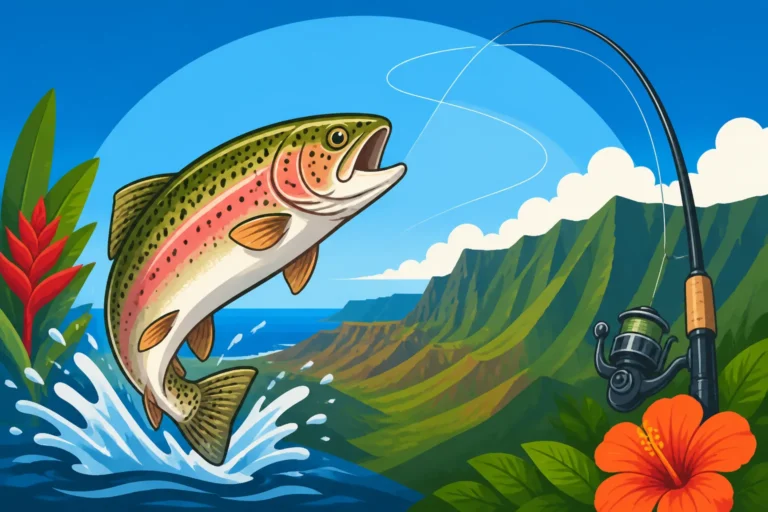
The primary draw for freshwater anglers here is the opportunity to target species like rainbow trout in the cooler, higher elevations of Kauai's Kokee Public Fishing Area, or to go after the feisty largemouth and peacock bass, as well as tilapia and channel catfish, found in Oahu's Wahiawa Public Fishing Area. These areas are carefully managed by the state, providing regulated access and ensuring sustainable populations. For many anglers, the novelty of catching a rainbow trout in a tropical paradise, or a peacock bass against a backdrop of lush green mountains, is an unforgettable experience.
It’s this unique blend of tropical scenery and diverse freshwater species that makes obtaining a freshwater license a worthwhile consideration for the adventurous tourist. You're not just buying a permit; you're gaining entry to a specialized niche of Hawaiian recreation that few get to explore. Imagine the stories you'll tell about catching a bass under the shadow of a volcanic peak, a stark contrast to the typical beach day.
Current Costs and Where to Verify Them
As we've established, the standard cost for a non-resident 30-day freshwater game fishing license in Hawaii is $20.00. However, being a savvy angler means always confirming the latest information directly from the source. The official portal for all things related to Hawaii fishing regulations and licenses is the Department of Land and Natural Resources (DLNR), Division of Aquatic Resources (DAR) website. A quick search for "Hawaii fishing license" will lead you straight to their online licensing system, where you can verify the current pricing for all license types.
Beyond the online platform, you can also check with authorized license vendors located throughout the islands. These vendors often include local bait and tackle shops, larger sporting goods stores, and even some general stores in more rural areas. They're typically well-informed about the latest regulations and pricing, and it's a great opportunity to get some local tips on hot spots or what bait is working. Think of places like West Marine or even smaller, locally-owned fishing stores – they're your best bet for in-person inquiries and purchases.
Verifying the cost isn't just about the dollar amount; it's about making sure you're compliant. Fishing without the proper license can lead to penalties and fines, which nobody wants on their Hawaiian vacation. So, take a moment to confirm the details, whether it's online or by stepping into a friendly local shop. It’s a small step that ensures your fishing adventure remains enjoyable and legal.
What the 30-Day License Covers for Freshwater Anglers
The Hawaii 30-day tourist freshwater license is specifically designed for fishing in the state's designated freshwater Public Fishing Areas (PFAs). This means you'll be able to legally pursue game fish like rainbow trout, largemouth bass, peacock bass, channel catfish, and tilapia in locations such as the Kokee Public Fishing Area on Kauai and the Wahiawa Public Fishing Area and Nuuanu Reservoirs on Oahu. Each of these locations offers a distinct fishing experience, from the cool, misty streams of Kokee to the warmer, bass-filled waters of Wahiawa.
It's important to understand that this license only covers freshwater game fishing. It does not grant you the right to fish in the ocean or harvest marine species. While many recreational ocean fishing activities in Hawaii do not require a license for residents or non-residents (with some exceptions like commercial fishing or spearfishing in certain areas), the freshwater fisheries are managed separately and strictly require a license. This distinction is a common point of confusion for tourists, so make sure you’re clear on which type of fishing you plan to do. If you plan on doing any ocean fishing, make sure you understand the nuances of Do Hawaii Residents Need an Ocean Fishing License?.
The 30-day period begins from the date of purchase, giving you a full month to explore Hawaii's freshwater offerings. This flexibility is a huge advantage for visitors who might want to try trout fishing one week and then bass fishing the next, or simply spread out their fishing days over a longer holiday. It saves you the hassle and cost of buying multiple shorter-term licenses if your freshwater angling ambitions extend beyond a single week.
Comparing Your Freshwater License Options
While the 30-day freshwater license offers a great balance for many tourists, it's not the only option available. Hawaii offers a few different non-resident freshwater licenses, each suited to different lengths of stay and fishing plans. Understanding these alternatives will help you make the most cost-effective and convenient choice for your trip.
| License Type | Cost (Approximate) | Duration | Best For |
|---|---|---|---|
| Non-Resident 7-Day Freshwater | $10.00 | 7 Days | Short trips, single freshwater outing, testing the waters. |
| Non-Resident 30-Day Freshwater | $20.00 | 30 Days | Longer vacations, multiple freshwater trips, flexible schedule. |
| Non-Resident Annual Freshwater | $40.00 | 1 Year | Frequent visitors, extended stays over a month, annual fishing plans. |
| Resident Annual Freshwater | $5.00 | 1 Year | Hawaii residents fishing regularly. |
As you can see, the state has tried to create options that fit various needs, ensuring that whether you're here for a week or a year, there's a license that makes sense for you. Always consider your exact travel plans and how much freshwater fishing you realistically intend to do.
Short-Term vs. Annual Freshwater Licenses for Non-Residents
Beyond the 30-day option, non-residents have two other main choices for freshwater fishing: the 7-day license and the annual license. The 7-day non-resident freshwater license typically costs around $10.00. This is the perfect choice if you're only planning one or two quick freshwater trips during a shorter vacation, or if you simply want to try it out without a larger commitment. It's affordable and covers your bases for a week, making it ideal for a spontaneous decision to visit, say, the Hawaii Wahiawa Reservoir Fishing Rules for an afternoon of bass fishing.
On the other end of the spectrum is the non-resident annual freshwater license, which usually costs about $40.00. This option is geared towards individuals who visit Hawaii frequently, plan to stay for more than a month, or anticipate many freshwater fishing days throughout a calendar year. If your Hawaiian adventures often involve extended stays or you foresee yourself returning multiple times within a 12-month period for freshwater angling, the annual license offers the best value in the long run. It covers you completely, eliminating the need for repeated purchases.
Comparing these, the 30-day license sits squarely in the middle, offering more flexibility than the 7-day without the higher upfront cost of an annual pass. It's often the 'just right' choice for many tourists whose visits fall between a week and a full year, making it a popular option for those aiming to truly explore Hawaii's freshwater offerings without commitment overkill.
Why the 30-Day Option Might Be Right for Your Trip
Deciding on the 30-day license really comes down to your personal travel itinerary and fishing aspirations. If you're planning a trip that lasts longer than a week but less than a month, or perhaps a full month, this license is usually your most economical and convenient choice. Imagine you're spending two weeks on Oahu, with plans to spend a few days exploring Honolulu, a few days hiking, and then dedicating a few scattered days to hitting the reservoirs for bass. A 7-day license would expire mid-trip, forcing you to buy another, while an annual license might be overkill for a single two-week visit.
This option truly shines for those who want flexibility. Maybe you're waiting for ideal weather conditions, or perhaps you want to fish in the morning, enjoy the beach in the afternoon, and then hit the water again a few days later. The 30-day window allows for this kind of spontaneous planning without the pressure of a rapidly expiring short-term license. It provides peace of mind, knowing your freshwater fishing needs are covered for an entire month, letting you focus on the actual fishing experience rather than administrative details.
Furthermore, if you're combining your fishing with other activities, like trying some of the Best Freshwater Fishing Spots in Hawaii or venturing into the Hawaii Kokee Trout Fishing Season Dates, the 30-day permit ensures seamless transitions between different parts of your vacation. It's less about a single intense fishing spree and more about integrating a leisurely angling experience into a broader Hawaiian adventure.
How and Where to Purchase Your License
Once you've decided the 30-day freshwater license is for you, the next step is actually acquiring it. Thankfully, Hawaii has made the process fairly straightforward, offering both online and in-person options to suit different preferences. Having a smooth purchasing experience means more time enjoying the fishing and less time worrying about paperwork.
Online Purchase Process for Convenience
The most convenient way for many tourists to purchase their Hawaii 30-day freshwater fishing license is online, through the official DLNR Division of Aquatic Resources licensing portal. This system is designed to be user-friendly, allowing you to complete the entire process from the comfort of your home before you even pack your bags, or from your hotel room once you've arrived. All you'll need is an internet connection and a payment method.
To get started, you'll typically navigate to the DLNR DAR website, find the "Fishing Licenses" section, and select the option for a non-resident freshwater game fishing license. You'll be prompted to create an account or log in if you already have one. The system will then walk you through entering your personal information, selecting the 30-day option, and processing your payment. Once completed, you'll usually receive a digital copy of your license via email, which you can then print out or save to your phone. Remember, having your license on hand, whether digital or physical, is a requirement, so printing or carrying a digital version is essential. You can learn more about Printing or Carrying a Digital Fishing License in Hawaii.
Purchasing online offers several advantages: it's accessible 24/7, avoids potential lines at physical vendors, and ensures you have your license in hand before you head to the fishing grounds. This proactive approach saves valuable vacation time and prevents any last-minute scrambling.
Local Vendors and Agents for In-Person Service
For those who prefer a more traditional approach, or if you simply find yourself in Hawaii and realize you want to try freshwater fishing, there are numerous authorized license vendors scattered across the islands. These are typically local businesses that partner with the DLNR to distribute licenses, making it easy to purchase one wherever you might be staying.
You'll often find these vendors at local bait and tackle shops, larger outdoor and sporting goods stores, and sometimes even at general merchandise stores in areas close to popular fishing spots. For example, if you're on Oahu and planning a trip to Wahiawa Reservoir, there might be a small shop nearby that sells licenses. These local spots aren't just for licenses; they're also fantastic resources for current fishing reports, local tips, and purchasing any last-minute gear you might need. Sometimes, you can even find great deals on fishing accessories like specialized lures or tackle boxes on Amazon before your trip, saving you time once you're on the island.
When buying in person, you'll need to provide similar personal identification as you would online. The staff will help you fill out the necessary paperwork, and you'll walk away with a physical copy of your license immediately. This can be a great option if you have questions about the local fisheries or want to pick up some bait and tackle at the same time. Just be sure to check their operating hours, especially if you're planning an early morning fishing trip.
Essential Information Needed for Purchase
Regardless of whether you purchase your 30-day freshwater license online or in person, you'll need to have certain information readily available. This data helps the DLNR track licenses and ensures you're properly registered. It's always a good idea to have these details handy to make the process quick and smooth.
Typically, you'll need:
- Full Legal Name: As it appears on your identification.
- Date of Birth: To verify age requirements for licensing. You can check Hawaii Freshwater License Age Requirements if you have questions about specific age cutoffs.
- Physical Address: Your permanent residence outside of Hawaii.
- Phone Number and Email Address: For contact and sending digital license copies.
- Proof of Identification: A valid government-issued ID, such as a driver's license or passport. While not always explicitly asked for during online purchase, it's good practice to have it, especially for in-person transactions.
- Payment Method: A credit card or debit card for online purchases, or cash/card for in-person vendors.
Having all this information ready will streamline your purchase, allowing you to move quickly from paperwork to planning your first cast. Don't let a missing detail delay your fishing adventure!
Important Considerations for Freshwater Anglers
Beyond simply getting your license, there are a few other vital aspects that any tourist planning to freshwater fish in Hawaii should keep in mind. From knowing the rules to having the right gear and respecting the environment, these considerations will ensure a successful and enjoyable experience for everyone.
Key Regulations to Know Beyond the License
Having a license is just the first step; understanding the specific regulations for the waters you plan to fish is equally, if not more, important. Hawaii's freshwater fisheries, though limited, are carefully managed, and specific rules apply to different locations and species. For instance, the Hawaii Wahiawa Reservoir Fishing Rules might have different creel limits or restrictions compared to the trout fishery at Kokee.
You'll need to familiarize yourself with:
- Bag and Size Limits: How many fish of a particular species you can keep, and their minimum or maximum legal sizes. These are in place to ensure sustainable populations.
- Gear Restrictions: Certain types of bait, lures, or fishing methods might be prohibited in specific areas. For example, live bait regulations can be very strict to prevent the introduction of invasive species.
- Closed Seasons/Areas: Some waters or species might have seasonal closures to protect spawning fish or sensitive habitats. The Hawaii Kokee Trout Fishing Season Dates are a perfect example of a seasonal fishery.
- Designated Fishing Areas: Only certain waters are open to public fishing. Make sure you're not trespassing or fishing in a restricted zone, such as a wildlife sanctuary or private property.
The best way to stay informed is to consult the official Hawaii DLNR fishing regulations. They often publish a detailed PDF document that covers all the rules. It's truly your Bible for legal angling in the islands. You can usually find a link to the Hawaii DLNR fishing regulations PDF right on their licensing website. Take the time to read through it, even if it seems a bit dry—it will save you headaches later.
Gear Essentials for Hawaii Freshwater Fishing
While you don't need highly specialized gear for Hawaii's freshwater fishing, having the right basic setup will definitely enhance your experience. Many tourists might arrive with only beachwear, but freshwater fishing requires a bit more. For bass fishing in reservoirs like Wahiawa, a medium-light to medium action spinning rod and reel combo spooled with 8-12 lb monofilament or braided line is a good all-around choice. You'll want to bring a variety of lures such as plastic worms, spinnerbaits, crankbaits, and topwater frogs.
For trout fishing at Kokee, lighter tackle is generally preferred—think ultra-light spinning gear with 2-6 lb test line. Small spinners, spoons, and flies are popular choices here. If you're really serious about your tackle, you might even consider bringing a dedicated fly rod. Don't forget essentials like a small tackle box, pliers, a net, and possibly a cooler for any keepers. Local bait shops can also provide insights into what's currently working, but having some basics already packed will put you ahead.
Many of these items, from fishing rods to specific lure kits, can be conveniently purchased beforehand through online retailers like Amazon, ensuring you have everything you need upon arrival without having to search around local shops that might have limited stock. Just make sure to check baggage restrictions if you’re flying with longer rods!
Respecting the Aina and Sustainable Practices
Hawaiians have a deep reverence for the 'aina (land) and kai (ocean), and sustainable practices are ingrained in the local culture. As a visitor, it's incredibly important to adopt this mindset and practice responsible angling. This means not only adhering to all regulations but also practicing good stewardship.
Here are a few key points:
- Leave No Trace: Pack out everything you pack in, including fishing line, bait containers, and any other trash. Do not leave anything behind.
- Catch and Release Responsibly: For fish you don't plan to keep (or if specific areas are catch-and-release only), learn proper handling techniques to minimize stress and injury to the fish. Wet your hands before touching fish, use barbless hooks, and release them quickly.
- Respect Private Property and Sacred Sites: Always be aware of your surroundings and respect any signs indicating private land or culturally significant areas. Shoreline public access is generally good, but always verify if you're venturing inland.
- Prevent Invasive Species: Be mindful of not introducing non-native species. Clean your gear thoroughly between different water bodies, especially if you're bringing your own waders or nets. This is crucial for protecting Hawaii's fragile ecosystems.
By embracing these principles, you not only ensure that Hawaii's freshwater fisheries remain healthy and vibrant for future generations but also show respect for the local culture and environment. Your actions as an angler reflect on all visitors, and contributing positively leaves a lasting impression.
Disclaimer
The information provided in this guide is for general informational purposes only and is subject to change. While we strive to provide accurate and up-to-date content, fishing regulations, costs, and access can vary. Always consult the official Hawaii Department of Land and Natural Resources (DLNR) Division of Aquatic Resources (DAR) website or contact them directly for the most current and authoritative information before planning your fishing trip. Compliance with all local, state, and federal laws is the responsibility of the individual angler.