Do Hawaii Residents Need an Ocean Fishing License?
The world of fishing regulations can feel like navigating a maze, especially when you're visiting a new place or even if you’ve lived somewhere for years and the rules seem to shift. For many Hawaii residents, there's often a lingering question: do you actually need an ocean fishing license to cast a line or throw a net in the beautiful waters surrounding our islands? It’s a common point of confusion, and this guide is here to clear up the mystery, breaking down exactly what's required so you can focus on the joy of fishing without any lingering doubts.
The Truth About Ocean Fishing Licenses for Hawaii Residents
It's easy to get mixed up about fishing license requirements, especially with all the changes and discussions surrounding marine resources. What was true a decade ago might not be today, and what applies to visitors often doesn't apply to those of us who call these islands home. Let's dive into the specifics for ocean fishing.
Why the Confusion Exists
For generations, the ocean surrounding Hawaii has been a free resource for its residents when it comes to recreational fishing. This isn't just a rule; it's a deep-seated tradition, a cultural practice that goes back centuries. You could always grab your pole, head to the beach or jump in your boat, and fish for your family's dinner without needing a permit. This long-standing exemption has naturally led to the assumption that no ocean fishing license is required for residents, ever.
However, recent years have seen the introduction of a new marine recreational fishing license requirement, but it’s crucial to understand who it applies to. This change was primarily aimed at gathering better data on fishing effort and catch from non-residents to help with fisheries management. This implementation, while important for conservation efforts, created a ripple of confusion. Many residents heard "new fishing license" and immediately wondered if their traditional fishing rights were being impacted or if they, too, now needed to jump through hoops to enjoy their favorite pastime. It’s a totally valid concern, given how much our local lifestyle is tied to the ocean.
Current Regulations for Recreational Ocean Fishing
Here’s the straightforward answer you’ve been looking for: As a Hawaii resident, you currently do NOT need a license for recreational ocean fishing in Hawaii waters. That means if you live here and you're fishing purely for sport, personal consumption, or to share with your ʻohana (family) and friends, you are exempt from needing a marine fishing license.
The Hawaii Department of Land and Natural Resources (DLNR), specifically the Division of Aquatic Resources (DAR), has deliberately structured the current licensing system to focus on non-resident data collection. This exemption for residents acknowledges the historical and cultural significance of ocean fishing within our local communities. So, imagine you're planning a weekend trip to cast for papio off the rocky points of Waianae, or you're heading out from Honokohau Harbor in your own boat to troll for mahimahi; you can do so without worrying about purchasing a state fishing license.
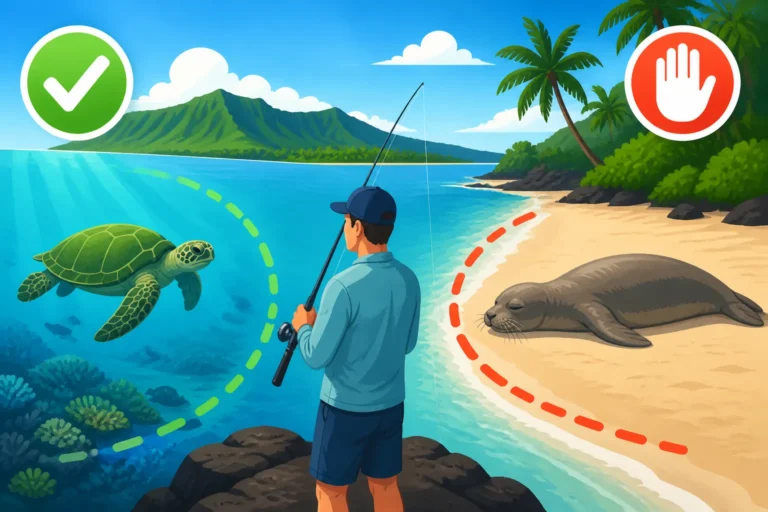
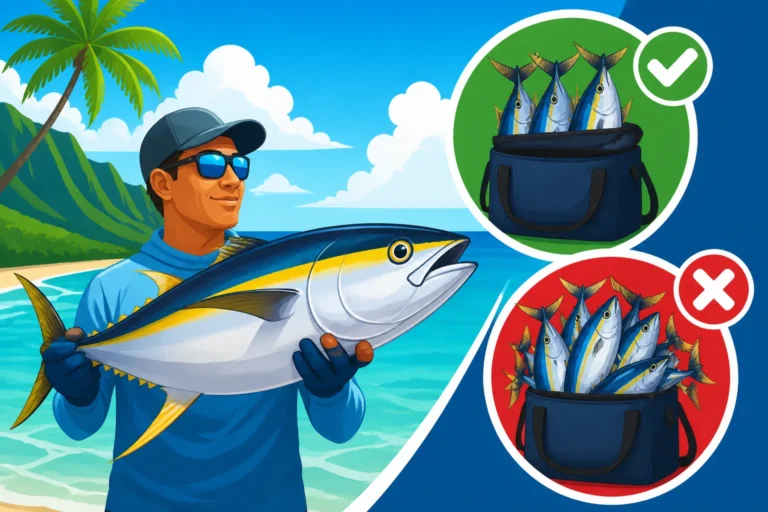
While you don't need a license, it's incredibly important to remember that this exemption doesn't mean a free-for-all. All other existing fishing regulations still apply. This includes adherence to specific size limits, daily bag limits, and closed seasons for various species. For example, if you're lucky enough to hook into some uhu, you need to be aware of the specific Hawaii Uhu Parrotfish Size and Bag Limits to ensure your catch is legal. Likewise, certain areas, like Marine Life Conservation Districts or Fish Replenishment Areas, have very strict rules about what kind of fishing, if any, is permitted. Staying informed about the broader Hawaii Fishing Regulations Explained is a responsibility we all share to protect our precious marine resources for future generations.
Understanding Freshwater Fishing Licenses in Hawaii
Now, while the ocean fishing license situation for residents is quite clear, the rules for freshwater fishing are a different kettle of fish entirely. It's a common mistake to assume that if you don't need an ocean license, you don't need a freshwater one either. But Hawaii's inland waters, though less extensive, have their own distinct regulations and requirements.
Who Needs a Freshwater License and When
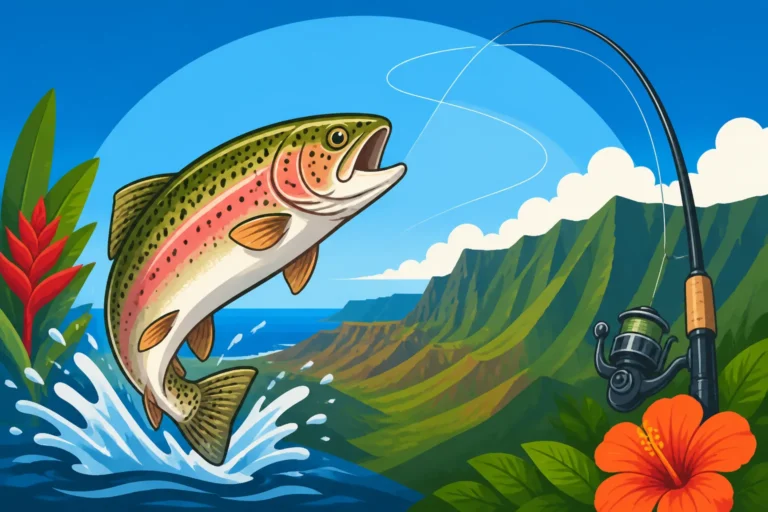
Unlike the ocean, if you're a Hawaii resident and you plan to fish in any of the state's designated public freshwater fishing areas, you absolutely need a freshwater fishing license. These areas primarily include reservoirs and streams that are managed for sport fishing. The most popular spots include the expansive Wahiawa Reservoir on Oahu, known for its peacock bass and largemouth bass, and the picturesque Kokee Public Fishing Area on Kauai, which offers a unique opportunity to catch rainbow trout.
The requirement for a freshwater license helps the DLNR manage these specific fisheries, fund stocking programs, and monitor fishing pressure in these more confined environments. So, if your idea of a perfect fishing day involves chasing trophy largemouth bass or trying to land a rainbow trout, that license is non-negotiable. Without it, you could face penalties, which is definitely not the kind of souvenir you want to take home from a fishing trip. You can find all the specific details on the requirements by checking out the guide on Hawaii Freshwater Fishing License and Rules.
How to Obtain a Freshwater License
Getting your freshwater fishing license as a Hawaii resident is a fairly straightforward process. You have a few convenient options:
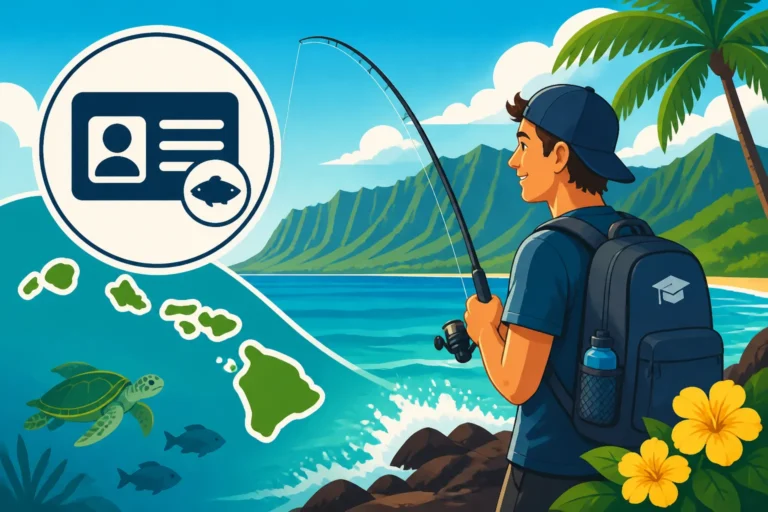
- Online: The easiest and often quickest way is through the official Hawaii Department of Land and Natural Resources (DLNR) Division of Aquatic Resources (DAR) website. Their online portal allows you to purchase and print your license from the comfort of your home. Just make sure you have your current Hawaii ID and proof of residency handy. You can learn more about this convenient option in the article How to Buy a Hawaii Fishing License Online.
- In-Person at Authorized Vendors: Many local tackle shops and sporting goods stores across the islands are authorized license agents. This is a great option if you prefer a personal touch, need some local advice, or want to pick up some bait and tackle at the same time. These vendors often have the most up-to-date information on local conditions and regulations, too.
- DLNR Offices: You can also visit a DLNR/DAR office directly during business hours to purchase your license.
The cost for a resident freshwater license is quite reasonable, especially when you compare it to non-resident fees. It’s a small investment that goes directly back into maintaining and improving the fisheries you enjoy. Here’s a quick overview of typical resident freshwater license costs:
| License Type | Hawaii Resident Cost (Annual) | Non-Resident Cost (Annual) |
|---|---|---|
| Annual Freshwater | ~$5 | ~$70 |
| 7-Day Freshwater | N/A (Primarily non-resident) | ~$20 |
| 30-Day Freshwater | N/A (Primarily non-resident) | ~$40 |
| Junior Freshwater (10-15) | ~$3 (If required) | ~$10 |
Note: Prices are approximate and subject to change by the DLNR. Always check the official DLNR website for the most current fees.
Remember, once you have your license, it's essential to have it with you while fishing. Whether you prefer to print it out or carry a digital copy, knowing how to handle Printing or Carrying a Digital Fishing License in Hawaii is crucial for compliance.
Exemptions and Special Considerations for Residents
Even within the freshwater fishing regulations, there are a few important exceptions and distinctions that can apply to Hawaii residents. Understanding these can save you time, money, and potential headaches.
Age Requirements and Disability Exemptions
When it comes to freshwater fishing, not everyone needs a license. This is especially good news for families wanting to introduce their keiki (children) to the joys of angling. In Hawaii, children under a certain age are exempt from needing a freshwater fishing license. While this age can vary slightly by regulation updates, generally, anglers younger than 9 or 10 years old can fish without a license. It's always best to check the current Hawaii Freshwater License Age Requirements on the DLNR website to be absolutely sure, as rules can occasionally be updated. This exemption encourages youth participation in fishing, fostering a love for the outdoors from an early age.
Additionally, certain Hawaii residents with disabilities or those who are seniors may also qualify for exemptions or discounted licenses for freshwater fishing. These programs are designed to ensure that fishing remains accessible to all members of our community. For instance, there might be specific provisions for disabled residents to obtain a free or reduced-cost license, and senior citizens often have similar benefits. If you believe you might qualify for one of these, digging into the details of the Hawaii Senior and Disabled Freshwater License Exemption and Hawaii Fishing License for Disabled Residents on the official DLNR website or contacting their office directly would be your best bet to understand the specific criteria and application process.
Commercial vs. Recreational Fishing
This is a really important distinction, and one where the rules are absolutely crystal clear. Our discussion about residents not needing an ocean fishing license applies only to recreational fishing. Recreational fishing means you're catching fish for your personal consumption, to share with your family and friends, or simply for the sport of it. You are not selling your catch.
However, if your intent is to sell any portion of your catch, or if you're operating a fishing charter for profit, you are no longer considered a recreational angler. At that point, you're engaging in commercial fishing, and that requires a completely different set of licenses and permits. Commercial fishing in Hawaii is highly regulated, and requires a Commercial Marine License (CML), among other potential permits depending on the type of fishing and species targeted.
The penalties for commercial fishing without the appropriate licenses are severe, often involving hefty fines and confiscation of gear and catch. So, if you're thinking about turning your passion into a business, or even just selling an occasional extra catch, make sure you thoroughly research and obtain all the necessary commercial licenses. The distinction between Hawaii Commercial vs Recreational Fishing License Rules is a huge one, and misunderstanding it can lead to serious legal trouble.
Where to Find Official Information and Resources
Staying informed is your best defense against inadvertently breaking a rule. The regulations for fishing in Hawaii, while generally stable, can change, and specific rules for certain areas or species are often updated. Don't rely solely on what you heard from a friend or read on an old forum post.
Navigating the DLNR Website
Your absolute best, most reliable source for current fishing regulations in Hawaii is the official website of the Hawaii Department of Land and Natural Resources (DLNR), specifically the Division of Aquatic Resources (DAR) section. This is where all the legal statutes, administrative rules, and public notices are posted.
It can sometimes feel a bit overwhelming to navigate government websites, but here are some tips:
- Look for sections titled "Aquatic Resources," "Fishing Regulations," or "Licenses and Permits."
- Pay close attention to "Hawaii Administrative Rules" (HAR) or "Public Notices," as these contain the legal text and any recent changes.
- Don't just search for "license requirements." Also search for specific species (e.g., "moi closed season," "ahi bag limit") and specific locations (e.g., "Hanauma Bay fishing rules," Hawaii Fish Replenishment Areas in West Hawaii) to ensure you're aware of all applicable rules.
- They often publish PDF documents that compile all the current regulations, which can be easier to read and even print out. A good starting point would be to search for the official Hawaii DLNR Fishing Regulations PDF.
Local Support and Retailers
While the official website is paramount, never underestimate the value of local expertise. Our local tackle shops and bait stores are often treasure troves of information. Shops like POP Fishing & Marine on Oahu or J. Hara Store on the Big Island aren't just places to buy gear; they are community hubs where experienced anglers and shop owners can provide invaluable, up-to-the-minute advice on local conditions, hot spots, and, yes, current regulations. They often serve as authorized license agents, so you can often get your freshwater license and local tips all in one stop.
These local businesses have their pulse on what's happening on the water and are usually very happy to help out fellow anglers, resident or visitor. While you can pick up all your lures and line on Amazon, these local shops offer invaluable firsthand advice on permits and regulations. It's also a good practice to double-check state regulations before investing in any specialized gear, even if you find a great deal on a new rod and reel combo on Amazon. For those planning a freshwater trip, you might find specific Kokee trout fishing gear or Wahiawa Reservoir peacock bass lures on Amazon, but remember to secure your license first and check with local experts on the best local setups. Always prioritize local knowledge and official sources for regulatory information.
Disclaimer
The information provided in this guide is for general informational purposes only and is subject to change. While we strive to be accurate and up-to-date, fishing regulations can be complex and are regularly updated by the Hawaii Department of Land and Natural Resources (DLNR). Always consult the official DLNR Division of Aquatic Resources (DAR) website or contact their offices directly for the most current and specific regulations before engaging in any fishing activity.