Hawaii Fish Replenishment Areas in West Hawaii
It's incredibly frustrating, isn't it, trying to figure out where you can and can't fish in Hawaii without accidentally breaking a rule? The islands are a patchwork of regulations, and understanding concepts like Fish Replenishment Areas (FRAs) can feel like deciphering a secret code. But don't worry, my friend, this guide is here to untangle the complexities of Hawaii Fish Replenishment Areas in West Hawaii, making sure you can enjoy your time on the water with confidence and respect for our precious marine life.
Understanding Hawaii's Fish Replenishment Areas (FRAs)
When you hear "Fish Replenishment Area" or "FRA," it's easy to picture a place where all fishing is banned, a complete no-take zone. But here in Hawaii, it's a bit more nuanced than that, especially in West Hawaii. These areas were specifically established not to completely prohibit fishing for everyone, but to address very particular concerns about the health of our reef ecosystems, primarily focusing on the commercial aquarium fish trade and certain harmful fishing practices. Think of them as designated recovery zones, places where our marine life can get a bit of a break from specific pressures, allowing populations to rebound and thrive, ultimately benefiting everyone who enjoys our oceans.
What Exactly Are FRAs and Why Do We Have Them?
At their core, Fish Replenishment Areas are marine management zones designed to enhance the populations of certain reef fish species. The primary driver for their establishment, particularly along the Kona coast of the Big Island, was the concern over the intensive collection of small reef fish for the aquarium trade. Imagine thousands of tiny, vibrant fish being scooped up from the reefs year after year; it takes a toll. FRAs aim to reduce this pressure, allowing juvenile fish to grow into adults and reproduce, sending their offspring out into surrounding waters. It's about ensuring a sustainable future for our reefs, not just for the fish themselves, but for the entire ecosystem that relies on them, including the larger predators that feed on healthy fish populations.
The concept behind FRAs is essentially to provide "spillover" benefits. By protecting certain areas from specific types of exploitation, these zones act like biological banks, accumulating biomass and producing larvae that can drift with ocean currents and replenish populations in adjacent, less protected areas. This scientific approach helps maintain the overall health and productivity of the fishery, providing a long-term benefit that outweighs the short-term inconvenience of restrictions. It’s a proactive measure, learning from past mistakes where unregulated harvesting led to declines in some of our most beautiful and important reef inhabitants.
Differentiating FRAs from Marine Life Conservation Districts (MLCDs)
This is a crucial point of confusion for many anglers, and honestly, it’s understandable. Hawaii has several types of protected marine areas, and their rules can overlap or differ significantly. Marine Life Conservation Districts (MLCDs) are essentially our state’s equivalent of national parks for the ocean. In MLCDs, fishing, spearfishing, and even the collection of most marine life are strictly prohibited, with very few exceptions. They are true "no-take" zones, designed for scientific study, conservation, and passive enjoyment like snorkeling and diving. Places like Hawaii Marine Life Conservation Districts, Explained are perfect examples.
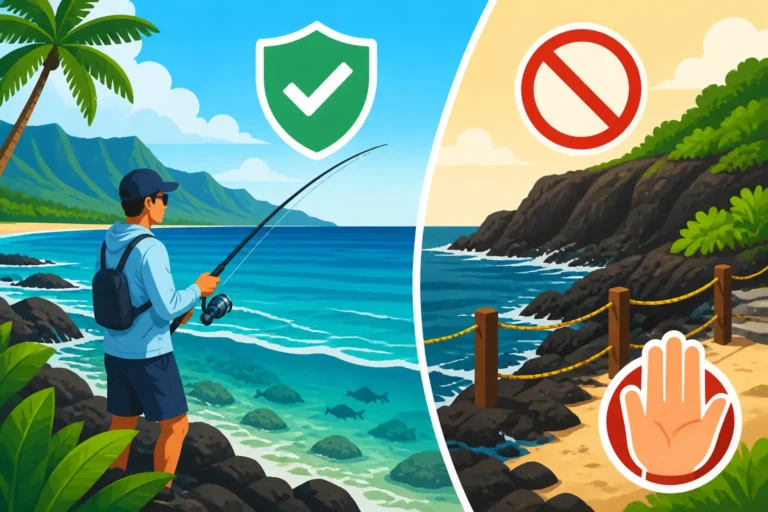
FRAs, on the other hand, typically have more specific, targeted restrictions. While MLCDs ban almost everything, FRAs in West Hawaii are primarily known for regulating or prohibiting the commercial collection of aquarium fish and sometimes limit specific gear types like lay nets or certain types of traps. Recreational fishing, with rod and reel or pole, often is allowed within FRAs, provided you adhere to all other general state fishing regulations, such as Hawaii Bag and Size Limits by Species and Hawaii Spearfishing Regulations. The key takeaway is: don't assume an FRA is a total fishing ban. Always check the specific rules for that particular FRA, because ignorance of the law, as they say, is no excuse, and the penalties can be quite steep.
Key West Hawaii Fish Replenishment Areas
The West Hawaii Regional Fishery Management Area (WHRFMA) is a massive undertaking, stretching along the Big Island's Kona coast, from Upolu Point in the north all the way down to Ka Lae (South Point) in the south. Within this larger management framework are the specific Fish Replenishment Areas that target particular conservation goals. The establishment of these areas didn't happen overnight; it was the result of years of community input, scientific study, and legislative efforts to protect one of Hawaii's most iconic and economically important reef systems.
Major Zones and Their Geographic Scope
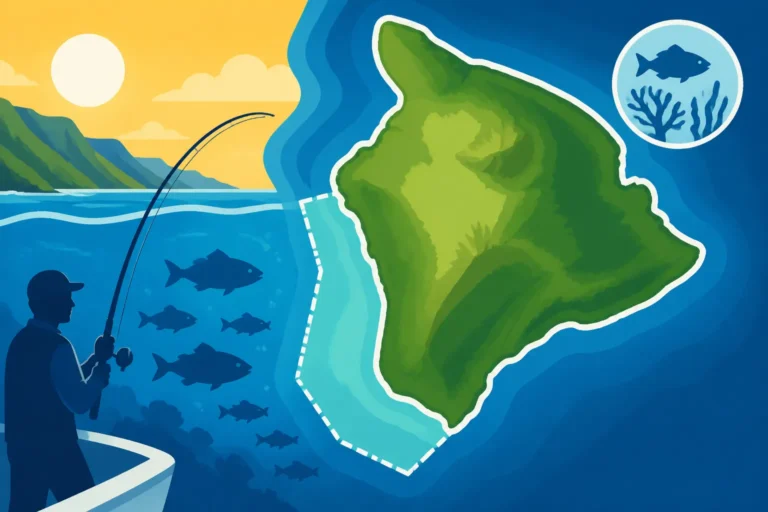
The primary Fish Replenishment Area (FRA) designation within the WHRFMA covers a significant portion of the Kona coastline. It's essentially a continuous stretch from ʻUpolu Point, which is the very northern tip of Hawaii Island, southward along the entire leeward (western) side of the island, extending out to the 20-fathom depth contour. This means it encompasses a vast area of nearshore waters, including shallow reefs, drop-offs, and deeper pinnacles that are vital habitats for a multitude of marine species. For anglers and boaters, understanding this general geographic scope is the first step to compliance. Imagine drawing a line 20 fathoms (about 120 feet) offshore along almost the entire Kona coast – that's roughly the extent of this significant FRA.
Within this large FRA, there are further designations and nuances. While the entire stretch is an FRA, certain types of fishing activity might be restricted more heavily in particular sub-zones. For instance, specific bays or harbors within this broader FRA might have additional rules due to their ecological sensitivity or high recreational use. The sheer size of this FRA means it encompasses many popular fishing spots and diverse habitats, from the bustling waters off Honokohau Harbor to the more remote stretches near Ka Lae. Checking detailed charts or even specialized apps on your phone or tablet (many of which are available via platforms like Amazon) that display marine protected areas is highly recommended before heading out.
Historical Context and Establishment
The genesis of the West Hawaii FRAs can be traced back to growing concerns in the 1990s and early 2000s over the decline of reef fish populations, particularly those targeted by the commercial aquarium trade. Scientists and local communities observed a noticeable reduction in the abundance and size of common reef fish like tangs, butterflyfish, and wrasses in easily accessible areas. These fish, while small, play crucial roles in maintaining reef health by grazing algae and consuming detritus. The cumulative impact of thousands of fish being removed for aquariums overseas was undeniable.
In response, the Hawaii State Legislature passed Act 306 in 1998, which paved the way for the establishment of the West Hawaiʻi Regional Fishery Management Area (WHRFMA). The specific Fish Replenishment Areas were then designated in 1999, after extensive public hearings, scientific review, and stakeholder input. The goal was clear: to create areas where fish populations could recover and subsequently "replenish" the fishing grounds outside the FRAs. This forward-thinking legislation demonstrated a commitment to sustainable marine resource management, recognizing that short-term commercial gain should not compromise the long-term health of Hawaii's unique marine environment. It was a pioneering effort, setting a precedent for similar conservation initiatives in other parts of the world.
Specific Regulations Within West Hawaii FRAs
Navigating the rules within West Hawaii's Fish Replenishment Areas can be a bit like trying to read a menu in a foreign language – there are general categories, but the specifics matter. The crucial thing to remember is that these aren't universal no-fishing zones. Instead, they are designed with highly specific restrictions, primarily aimed at certain types of commercial take and gear. For the average recreational angler, many traditional fishing methods are still permitted, but it's paramount to understand what is expressly prohibited to avoid fines and potential loss of your fishing gear.
Prohibited Activities and Gear Types
The most significant restriction within West Hawaii FRAs is the prohibition on the commercial collection of marine life for the aquarium trade. This means that individuals holding commercial marine licenses cannot take reef fish or other marine invertebrates if they intend to sell them for aquarium purposes. This targeted ban was the very reason FRAs were created in this region, to allow these heavily exploited species to recover. For recreational anglers, this rule generally doesn't apply, as you're not collecting for sale.
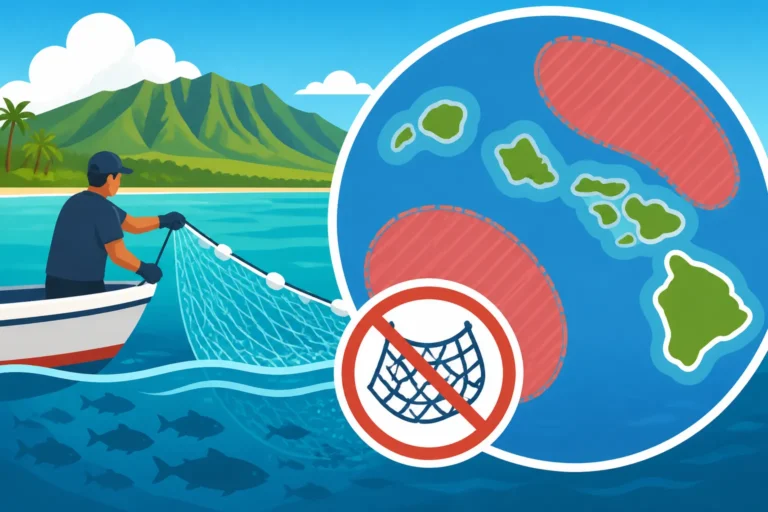
Beyond the aquarium trade, certain gear types are also prohibited or heavily restricted within FRAs. For instance, the use of lay nets (also known as gill nets or barrier nets) is generally banned or highly regulated within the nearshore waters of the WHRFMA, which includes the FRAs. These nets can be indiscriminate, catching and killing a wide variety of marine life, including non-target species and protected animals. Similarly, certain types of fish traps might be prohibited in specific areas to prevent overfishing of particular species. Always consult the most current Hawaii DLNR Fishing Regulations for the exact, up-to-date rules on gear, as these can be updated periodically. You don't want to find yourself in hot water because you missed a small detail.
Permitted Recreational Fishing Methods
Good news for the casual angler! Recreational fishing with a rod and reel or pole is generally permitted within the West Hawaii Fish Replenishment Areas, assuming you follow all other state regulations. This means you can still cast a line from shore or boat, try for that elusive ulua, or catch some papio for dinner, as long as you're using legal methods and adhering to bag and size limits. Think of it as a place where you can still enjoy the thrill of the catch, but with the added benefit of knowing you're fishing in a healthier, more robust environment thanks to the conservation efforts.
However, "permitted" doesn't mean "unregulated." Even with a rod and reel, you still need to be aware of species-specific rules, such as closed seasons for moi, or size limits for kumu and weke. For instance, if you're targeting Hawaii Moi Closed Season, Explained then you definitely need to know the dates. Spearfishers, too, will find that Hawaii Spearfishing Regulations still apply, including restrictions on certain species and the complete ban on SCUBA spearfishing across the state. The idea is to allow sustainable recreational take while preventing practices that could undermine the replenishment goals of the FRAs. It’s a balance, designed to preserve the beauty and bounty of Hawaii's oceans for generations to come.
The Ecological Impact and Importance of FRAs
It's easy to see marine regulations as inconvenient roadblocks, especially when you're just trying to enjoy a relaxing day of fishing. But when it comes to Fish Replenishment Areas, the long-term ecological benefits are profound and truly essential for the health of Hawaii's unique marine ecosystems. These areas are much more than just lines on a map; they are critical tools in ensuring the resilience and vibrancy of our coral reefs and the myriad of creatures that call them home. Understanding why these areas are important can shift our perspective from frustration to appreciation.
How FRAs Benefit Reef Ecosystems and Fish Populations
FRAs act as safe havens, allowing marine populations to recover and mature without the intense pressure of constant collection, particularly for the aquarium trade. When these small reef fish, like tangs, butterflyfish, and wrasses, are left undisturbed, they can grow larger, produce more offspring, and contribute significantly to the overall health of the reef. These fish are often herbivores, diligently grazing on algae that would otherwise overgrow and smother corals. A healthy population of grazing fish means a healthy coral reef, which in turn provides habitat for countless other species. It's a domino effect, where protecting one part of the ecosystem strengthens the whole.
Beyond the direct impact on the targeted species, FRAs foster greater biodiversity and ecosystem resilience. When fish populations are robust, they are better equipped to withstand environmental stresses like coral bleaching events or disease outbreaks. These protected areas can become critical nurseries, where juvenile fish have a higher chance of survival, eventually migrating out of the FRA to populate surrounding areas. This "spillover" effect is a key principle of marine protected areas, demonstrating that protecting a portion of the ocean can benefit the entire region, ultimately improving fishing opportunities for everyone outside the protected zones.
The "Spillover Effect" and Sustainable Fisheries
The concept of "spillover" is central to the effectiveness of Fish Replenishment Areas. Imagine a bank account where deposits are made but withdrawals are restricted. Over time, that account grows. Similarly, in an FRA, fish populations build up over time. These larger, more numerous fish not only produce more eggs and larvae, but the adult fish themselves can eventually migrate out of the protected boundaries into adjacent fishing grounds. This "spillover" of adult fish and, more importantly, larvae, helps to replenish populations in areas open to fishing.
This phenomenon directly supports sustainable fisheries. If nearby areas are constantly fished, but are regularly restocked by the bounty of an FRA, then the overall health and productivity of the fishery are maintained or even improved. Local fishermen, both recreational and commercial (those not engaged in the aquarium trade within the FRA), indirectly benefit from the conservation efforts within these areas. It’s a long-term investment in our marine resources, ensuring that future generations can also experience the joy of fishing and the beauty of Hawaii’s underwater world. This interconnectedness of our ocean environment makes FRAs a vital component of responsible marine stewardship, allowing for both conservation and utilization.
Navigating and Respecting FRA Boundaries
Knowing where a Fish Replenishment Area begins and ends is just as important as knowing the rules themselves. Unlike a physical fence or a sign on the water, marine boundaries are invisible, requiring boaters and shore anglers to rely on maps, GPS, and good old-fashioned awareness. The last thing you want is to inadvertently stray into a restricted zone and face the consequences. Being prepared and proactive is key to respecting these vital conservation areas.
Tools and Resources for Anglers
In this day and age, there's no excuse for not knowing where you are on the water. Modern technology has made navigating marine protected areas far easier than it used to be. For boaters, a good GPS unit with up-to-date marine charts is indispensable. Many chartplotters will display the boundaries of various marine protected areas, including FRAs and MLCDs. Make sure your charts are updated regularly! If you don't have a dedicated chartplotter, mobile apps like Navionics or C-MAP on your smartphone or tablet can turn your device into a powerful navigation tool, showing your precise location relative to these boundaries. You can often find waterproof cases and mounts for your devices on Amazon, ensuring they're protected and accessible on the water.
Shore anglers also have resources. Printed maps from the Hawaii Division of Aquatic Resources (DAR) often detail these zones. Before heading to a new spot, a quick search online for "Hawaii Fish Replenishment Area maps" will usually yield detailed diagrams. Even simple topographic maps or satellite views can give you a better sense of landmarks and depths that might correspond to boundaries. The key is to do your homework before you even wet a line. Don't just assume a spot is open; verify it.
Practical Tips for Identifying Boundaries on the Water
Once you're out there, actively paying attention to your surroundings is paramount. If you're on a boat, set alarms on your GPS unit to notify you if you approach a boundary. This provides an audible warning, giving you time to adjust your course. For shore anglers, identifying prominent land features or specific depth contours can help. For instance, if an FRA boundary is stated as extending to the "20-fathom line," knowing how to read the depth sounder on your boat, or referring to a depth chart, is critical.
Another practical tip is to observe what other local, knowledgeable anglers are doing. While not foolproof, if you see everyone else fishing in a certain way or avoiding a particular area, it's a good cue to double-check your own understanding. However, never solely rely on others; always verify the rules yourself. If you're ever in doubt, err on the side of caution and fish outside the suspected boundary. Remember, these areas are designed for the long-term benefit of our marine resources, and respecting their boundaries is a small price to pay for future abundance.
Consequences of Non-Compliance and Enforcement
Ignoring or unknowingly violating the regulations within West Hawaii's Fish Replenishment Areas can lead to some pretty serious headaches. The Hawaii Department of Land and Natural Resources (DLNR), through its Division of Conservation and Resources Enforcement (DOCARE), actively patrols these waters and takes violations very seriously. It's not just about getting a slap on the wrist; the penalties are designed to be a significant deterrent, reflecting the importance of these areas for marine conservation.
Penalties for Violating FRA Rules
The penalties for violating FRA rules can vary depending on the nature and severity of the offense. For minor infractions, you might be looking at substantial fines, often starting in the hundreds or even thousands of dollars. For instance, if you're found to be illegally collecting aquarium fish or using prohibited gear within an FRA, the fines can quickly escalate. This isn't just a hypothetical scenario; enforcement officers are out there, both on the water and sometimes even underwater, ensuring compliance.
More serious or repeated violations can lead to even harsher consequences. This could include the forfeiture of your fishing gear, your boat, and even your vehicle if it was used in the commission of the offense. Imagine losing your prized fishing rods, your boat that you've invested so much in, or even your truck, all because you didn't know or chose to ignore a boundary. Beyond the financial and material losses, egregious violations can sometimes result in criminal charges, leading to jail time. It's a stark reminder that these aren't just suggestions; they are laws, and they come with very real repercussions. You can learn more about these potential outcomes in Fishing Without a Required License in Hawaii: Penalties.
The Importance of Knowing and Following the Rules
It cannot be stressed enough: it is your responsibility to know and follow the rules. Claiming ignorance is rarely a valid defense when it comes to marine regulations. The Hawaii DLNR makes these rules publicly available through their website, printed pamphlets, and informational signs at boat ramps and harbors. Organizations like the Western Pacific Regional Fishery Management Council (WPRFMC) also provide extensive resources to help anglers understand the rationale behind such regulations.
Following the rules isn't just about avoiding penalties; it's about being a responsible steward of Hawaii's unique marine environment. When we all respect these protected areas, we contribute to healthier fish populations, more vibrant reefs, and a more sustainable future for fishing in Hawaii. These FRAs are a testament to our community's commitment to conservation. By understanding their purpose, respecting their boundaries, and adhering to their specific regulations, you play a direct role in preserving the beauty and bounty of West Hawaii's ocean for yourself and for generations of anglers to come.
Disclaimer
The information provided in this guide is for general informational purposes only and does not constitute legal advice. Fishing regulations in Hawaii are subject to change, and it is the responsibility of each individual angler to consult the most current official regulations published by the Hawaii Department of Land and Natural Resources (DLNR), Division of Aquatic Resources (DAR), before engaging in any fishing activities. Always verify specific rules, boundaries, and licensing requirements before heading out.