Hawaii nonresident annual marine fishing license cost
It can be incredibly confusing trying to navigate fishing regulations when you're visiting a new place, especially an island paradise like Hawaii. Many nonresidents naturally assume they'll need to purchase an annual marine fishing license to enjoy the abundant ocean waters. You're trying to budget and plan, and you just want a straightforward answer to what you'll owe. This guide will clarify the actual requirements for nonresidents fishing in Hawaii's marine waters and shed light on what licenses you do need.
The Surprising Truth: No General Recreational Marine Fishing License for Nonresidents in Hawaii
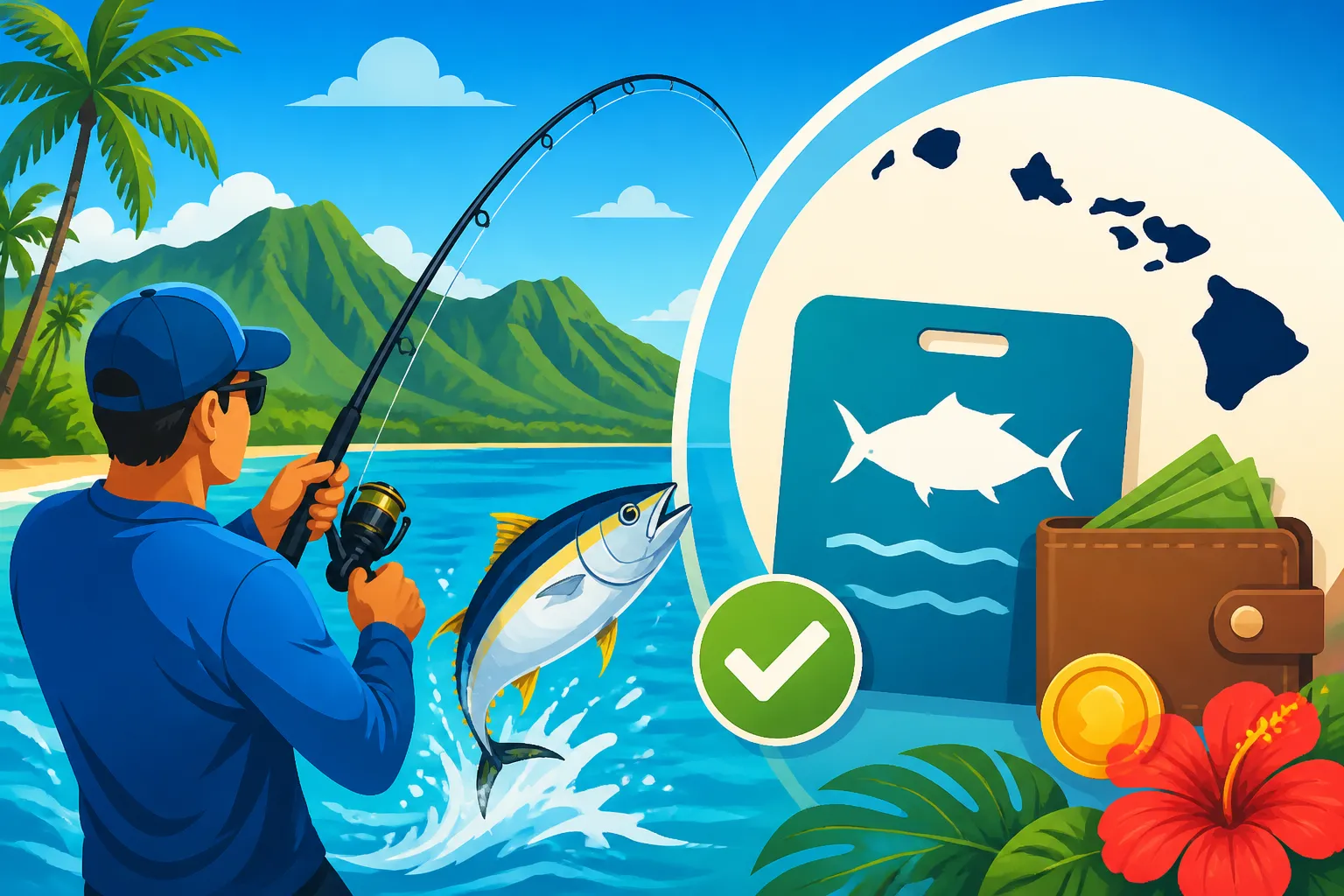
Let's get straight to it, because this often catches people by surprise: as a nonresident visiting Hawaii, you generally do not need to purchase a specific annual, 7-day, or 1-day recreational marine fishing license to fish in the ocean. That's right, unlike many other states and popular fishing destinations, Hawaii has a unique system when it comes to its vast saltwater resources. This applies to both residents and nonresidents alike who are fishing for purely recreational purposes.
Dispelling the Common Misconception
It's a really common point of confusion, and frankly, I hear it all the time from visitors who are meticulously trying to follow the rules. Many seasoned anglers arrive in Hawaii with the expectation of heading to a local tackle shop or jumping online to secure their saltwater permit, only to find there isn't one. The fact that a topic like "Hawaii nonresident annual marine fishing license cost" even comes up so frequently in searches is a testament to how deeply ingrained the idea of a universal fishing license is in our minds. But for the vast majority of recreational shoreline, pier, or boat fishing in Hawaii's ocean waters, you can breathe a sigh of relief on the license front.
Why This System Exists
Hawaii's approach to recreational marine fishing licenses stems from a combination of historical tradition, cultural practices, and a unique view on resource management. For generations, fishing has been an integral part of Hawaiian life and culture, deeply tied to subsistence and community. The idea of restricting access to the ocean, a fundamental source of food and livelihood, through a general recreational license fee has not traditionally been implemented for the broader public. Instead, the focus for managing marine resources largely falls on specific regulations concerning species, size limits, gear types, and protected areas, rather than a blanket licensing requirement for every recreational angler. This approach aims to ensure sustainability while still allowing relatively free access for everyone to enjoy the ocean.
What This Means for Your Ocean Fishing Trip
This absence of a general recreational marine fishing license is fantastic news for nonresidents planning a trip! It means one less thing to worry about in your planning and one less expense to factor into your budget. You can focus your energy and resources on other aspects of your trip, like getting the right gear, booking a great charter, or exploring the best fishing spots. Whether you're planning to cast a line from the beach, try your luck on a pier, or head out on a friend's boat, as long as it's purely for recreational purposes in saltwater, you won't need that specific license. This opens up so many possibilities for visitors, from a casual afternoon dip-netting for baitfish to serious surfcasting for ulua. You can learn more about this general exemption in our detailed article, "Do You Need a Fishing License in Hawaii".
When You Do Need a License: Specific Marine and Freshwater Scenarios
While the general rule is no recreational marine license, there are indeed specific situations where a license or permit is required. It's crucial for nonresidents to understand these distinctions to avoid any legal trouble or misunderstandings. These requirements are in place to manage specific resources, protect vulnerable areas, or regulate commercial activities.
Freshwater Fishing License Requirements
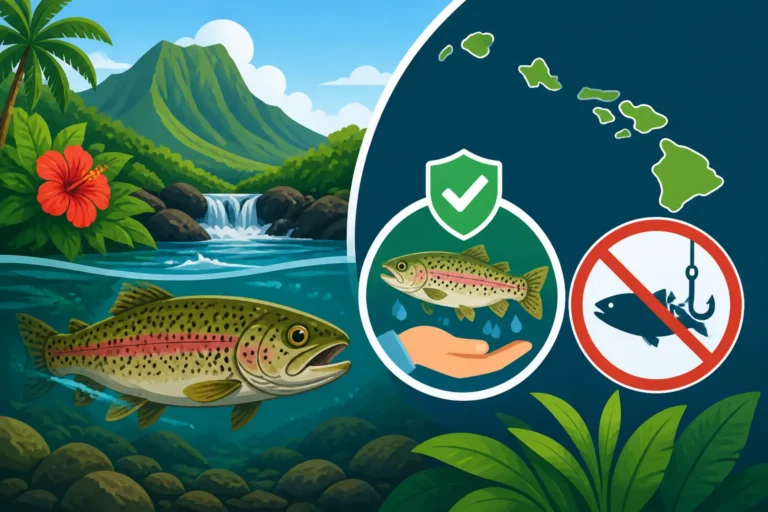
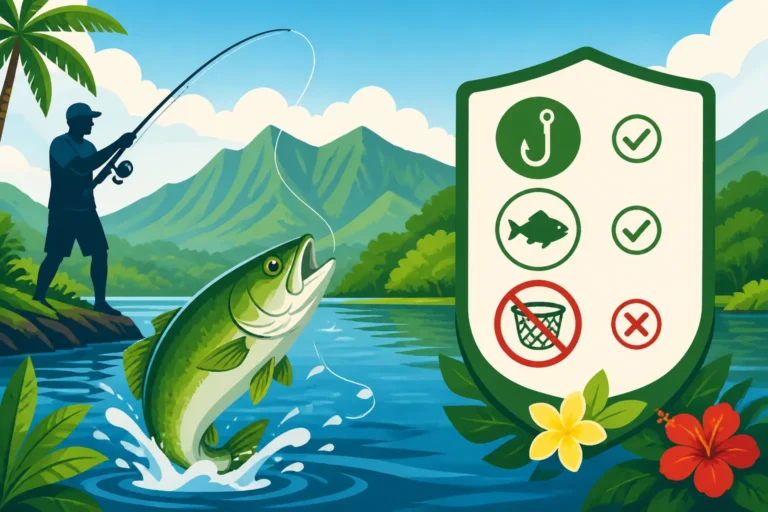
Here's where the licensing picture changes dramatically for nonresidents: if you plan to do any freshwater fishing in Hawaii, you absolutely need a license. This includes targeting species like rainbow trout in the Kokee Public Fishing Area on Kauai, or peacock bass, largemouth bass, and tilapia in Oahu's Wahiawa Reservoir or Nuuanu Reservoir. The Hawaii Division of Aquatic Resources (DAR) issues specific freshwater game fishing licenses. For nonresidents, these typically come in annual, 7-day, or 30-day options, each with its own cost structure. For instance, an annual nonresident freshwater license currently costs $20.00. This is a very different system than the marine side, and it's vital not to confuse the two. You'll want to check out our guide on "Hawaii Freshwater Fishing License and Rules" for all the specifics, and if you're curious about the actual costs, we have a breakdown in "Hawaii freshwater license cost for nonresidents".
Commercial and Charter Operations
Another important distinction applies to commercial fishing activities and licensed charter operations. If you're running a business that involves harvesting marine resources for sale, or if you're operating a fishing charter where clients pay for the service, you (the operator) will need the appropriate commercial fishing licenses and permits. This is a completely separate category from recreational fishing. However, if you are a nonresident client booking a spot on a licensed fishing charter, like those operating out of Honokohau Harbor on the Big Island or Maalaea Harbor on Maui, you typically do not need your own individual recreational marine fishing license. The charter captain's commercial license covers the operation, and you are fishing under their purview. Always confirm with your charter operator, but generally, your personal license isn't necessary. This can save you a lot of hassle and is one of the reasons many nonresidents opt for a guided trip. For details on the captain's side of things, refer to "Hawaii commercial marine license requirements".
Special Permits and Restricted Areas
Beyond general recreational marine and freshwater licenses, there are other specific situations where permits might be required. These usually pertain to:
- Collecting Aquarium Fish: If you're interested in collecting small reef fish for personal aquarium use, specific permits are required, and these activities are heavily regulated and restricted to certain areas. This is not covered by general fishing regulations.
- Fishing in Marine Life Conservation Districts (MLCDs): While not a "license," these are areas where fishing and even entry can be highly restricted or completely prohibited. Examples include certain sections of Hanauma Bay. Always check if an area is designated as an MLCD before fishing. For more, see "Hawaii Marine Life Conservation Districts, Explained".
- Specific Species Harvest: Certain species might require special permits for harvest, or have very tight regulations beyond just size and bag limits. For instance, the gathering of limu (seaweed) or opihi (limpets) often has specific rules tied to traditional practices.
- Research or Scientific Collection: If your activities are for scientific research, you'll need specific research permits from the state.
The key takeaway here is that while broad recreational ocean access is largely license-free, the moment you venture into freshwater, commercial activities, or highly specific collection/restricted zones, you'll encounter permit requirements. Always double-check with the Hawaii Division of Aquatic Resources (DAR) if you have any doubts about a specific activity.
Navigating Hawaii's Fishing Regulations Without a General License
Just because you don't need a general recreational marine fishing license doesn't mean it's a free-for-all out on the water. Hawaii has a comprehensive set of regulations designed to protect its precious marine and freshwater resources. Ignorance of these rules is not an excuse, and violating them can lead to significant fines, confiscation of gear, and even legal action. It's truly your responsibility as an angler to be informed.
Understanding Bag and Size Limits
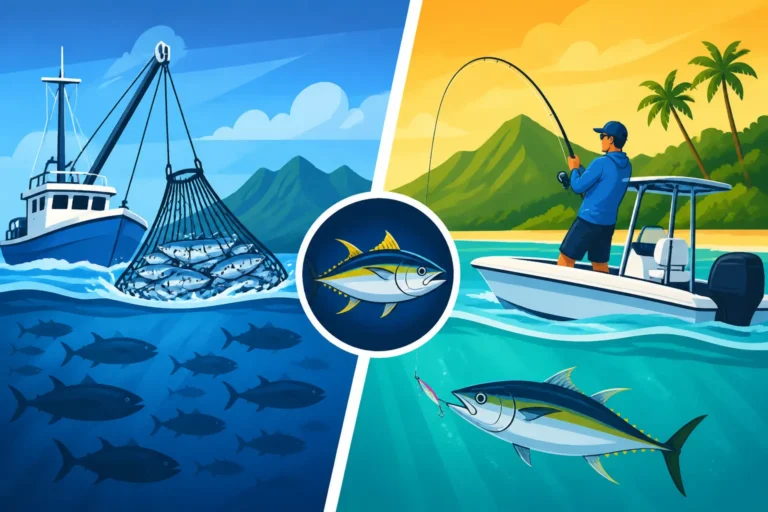
This is perhaps the most critical aspect of fishing legally in Hawaii. For almost every desirable species, there are strict rules about how many you can keep (bag limit) and what size they must be (size limit). These limits are based on scientific data and conservation efforts to ensure sustainable fish populations. For example, popular target species like Uhu (parrotfish), Moi (Pacific Threadfin), Papio (juvenile trevally), and Ulua (giant trevally) all have specific rules. You can't just keep every fish you catch; you must measure them and release any that are too small or too large, or if you've already reached your daily bag limit. This is especially true for highly sought-after pelagic species like Ahi (yellowfin tuna), Mahimahi, and Ono (wahoo), which also have specific bag limits. To ensure you're compliant, check out "Hawaii Bag and Size Limits by Species".
Here's a simplified look at how some limits might compare (always verify current regulations):
| Species (Example) | Minimum Size Limit | Daily Bag Limit | Notes |
|---|---|---|---|
| Ulua / Papio | 10 inches (Papio) | 20 per person | Ulua have different rules based on size/type |
| Moi | 7 inches | 10 per person | Closed season exists |
| Uhu (Parrotfish) | 10 inches | 10 per person | Species-specific limits within the group |
| Mahimahi | None specified | 10 per person | No specific size, but bag limit applies |
| Ahi (Yellowfin) | None specified | 5 per person | No specific size, but bag limit applies |
Note: This table provides illustrative examples. Always consult the official Hawaii DLNR/DAR regulations for the most current and accurate information before fishing. Regulations can change.
Closed Seasons and Protected Species
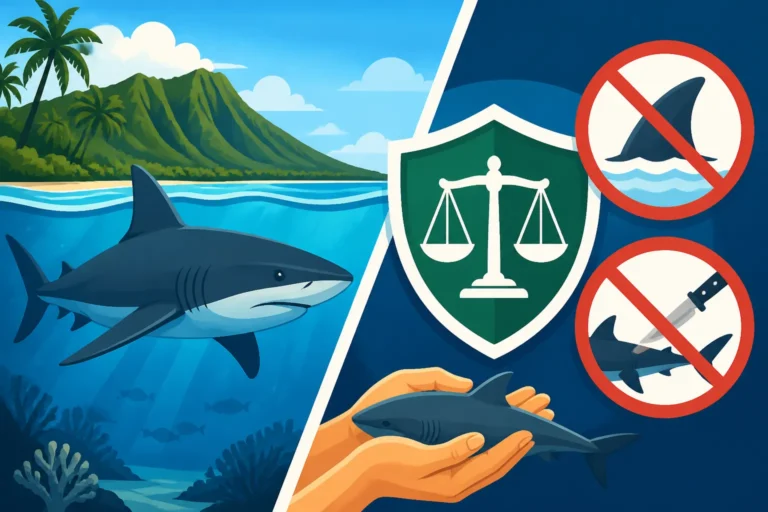
Beyond daily limits, some species have specific closed seasons during which they cannot be harvested at all, regardless of size or quantity. These closures often coincide with spawning periods, allowing fish to reproduce undisturbed and replenish their numbers. For example, the popular Moi often has a closed season to protect its breeding cycle. Being aware of these periods is crucial. You can find more information about these in "Hawaii Moi Closed Season, Explained". Furthermore, some marine animals are entirely protected and cannot be harvested or harassed, such as sea turtles, monk seals, and certain types of sharks. If you accidentally catch a protected species, you must release it immediately and unharmed. Familiarize yourself with these protections before you head out.
Marine Life Conservation Districts and Forbidden Zones
Hawaii has established Marine Life Conservation Districts (MLCDs) and other restricted areas where fishing may be prohibited or heavily controlled to preserve fragile ecosystems. These are not always obvious, and you might inadvertently stumble upon one if you're not careful. For instance, specific parts of Kealakekua Bay on the Big Island or areas around Waikiki are MLCDs with very strict rules. It's imperative to consult maps and signage before fishing in any new area. Always look for information from the Hawaii Division of Aquatic Resources (DAR) or local signs at popular fishing spots. Our article, "Hawaii Marine Life Conservation Districts, Explained", delves deeper into what these areas mean for anglers. Failing to heed these restrictions can result in severe penalties.
Planning Your Hawaii Fishing Adventure as a Nonresident
Even without a general marine fishing license, planning your trip requires a bit of homework to ensure it's successful and, most importantly, legal. Hawaii offers an incredible diversity of fishing experiences, from tranquil freshwater streams to the vast open ocean, and being prepared makes all the difference.
Researching Your Target Species and Locations
Before you even pack your bags, think about what kind of fishing you want to do and what species you hope to catch. This will dictate your gear, location, and the regulations you need to study. For instance, if you're dreaming of landing a trophy Ulua from shore, you'll need heavy tackle and a good understanding of wave conditions and tidal movements. If you're after Ahi offshore, you'll likely be looking at charter options. Each island offers unique opportunities: Oahu has excellent shoreline access and freshwater reservoirs, while the Kona Coast of the Big Island is world-renowned for marlin. A great starting point would be our comprehensive guide, "Best Fishing Spots in Hawaii", to help you narrow down your choices. Once you have a target, dive into the specific regulations for those species.
Essential Gear for Your Trip
Since you're a nonresident, you might be traveling light, which means you'll need to consider what gear to bring versus what to buy or rent locally. For ocean fishing, even without a license, sturdy rods and reels capable of handling saltwater conditions are essential. Braided line is popular, and you'll need a good selection of hooks, weights, and leaders. Don't forget sun protection – Hawaii's sun is no joke! Reef-safe sunscreen, polarized sunglasses, a wide-brimmed hat, and long-sleeved shirts are non-negotiable. Many nonresidents find it incredibly convenient to order specific travel-friendly gear, like compact fishing rod setups or high-quality polarized sunglasses, from Amazon before their trip. This ensures you have exactly what you need without relying solely on local availability, which can sometimes be limited to specific brands or types. However, always support local tackle shops for fresh bait, terminal tackle, and invaluable local knowledge once you arrive. You can also get some great tips on what to pack by reading "What to Bring on a Hawaii Fishing Charter".
Considering a Guided Experience
For many nonresidents, especially those unfamiliar with Hawaii's unique fishing environments and regulations, booking a guided trip or charter is an excellent investment. While you don't need your own marine license, a professional guide or charter captain brings invaluable expertise, local knowledge, and all the necessary equipment. They know the best spots, the current conditions, and all the intricate regulations, taking the guesswork out of your trip. Whether you're interested in deep-sea trolling for marlin, bottomfishing for snapper, or even a guided shore fishing excursion for Papio, a local expert can significantly increase your chances of success and ensure a safe, legal, and enjoyable experience. Check out our detailed article, "Best Fishing Charters in Hawaii", to explore your options and find the perfect match for your angling aspirations. This is particularly useful for those who might only have a few days to fish and want to maximize their time on the water.
Nonresident Recreational Fishing License Overview for Hawaii
This table summarizes the general licensing requirements for nonresidents engaging in recreational fishing in Hawaii. Remember, regulations can change, so always verify with the official Hawaii Department of Land and Natural Resources (DLNR), Division of Aquatic Resources (DAR) website for the most current information.
| Activity Type | License Required for Nonresident? | Cost (Approximate, Annual) | Key Considerations |
|---|---|---|---|
| Ocean/Marine Fishing (Recreational) | NO | N/A (Not required) | Adhere to all bag/size limits, closed seasons, gear restrictions, and no-fishing zones (e.g., MLCDs). |
| Freshwater Fishing (Recreational) | YES | $20.00 | Required for all freshwater bodies. Options for 7-day ($10) and 30-day ($15) also available. Must follow specific rules for each waterway. |
| Fishing on a Commercial Charter | NO (as a client) | N/A (Covered by charter) | The charter operator must hold appropriate commercial licenses. Confirm with your specific charter. |
| Commercial Fishing | YES | Varies greatly | Requires specific commercial marine licenses and permits. |
| Collecting Aquarium Fish | YES | Permit required | Highly regulated, restricted areas. Special permits are necessary. |
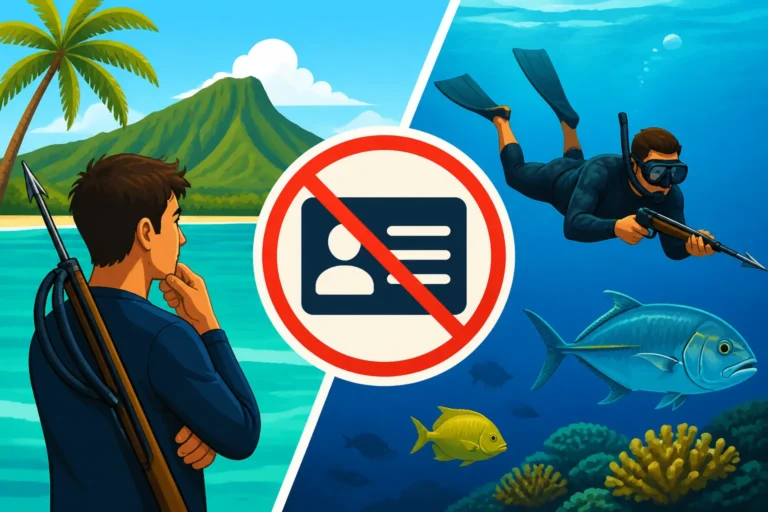
| Spearfishing (Recreational) | NO | N/A (Not required) | Subject to all marine bag/size limits and specific spearfishing regulations (e.g., no SCUBA spearfishing). |
Disclaimer
The information provided in this article is for general guidance and informational purposes only, and does not constitute legal advice. Fishing regulations in Hawaii are subject to change by the Department of Land and Natural Resources (DLNR) and its Division of Aquatic Resources (DAR). It is the responsibility of every angler to familiarize themselves with and adhere to the most current and specific regulations before engaging in any fishing activity. Always consult the official Hawaii DLNR/DAR website or contact their offices directly for the most up-to-date and accurate information.