Hawaii aku commercial vs recreational rules
Understanding the ins and outs of fishing regulations in Hawaii can feel like trying to untangle a particularly stubborn fishing knot, especially when you're trying to figure out if you're fishing for fun or planning to sell your catch. Many anglers, both residents and visitors, often scratch their heads trying to differentiate between what's permitted for recreational fishing versus the rules that apply to commercial operations, particularly for popular pelagic species like aku (skipjack tuna). This comprehensive guide is here to clear up that confusion, offering a realistic breakdown of Hawaii's aku fishing rules for both recreational and commercial purposes, ensuring you stay on the right side of the law while enjoying Hawaii's incredible waters.
The Foundation of Hawaii's Fishing Regulations
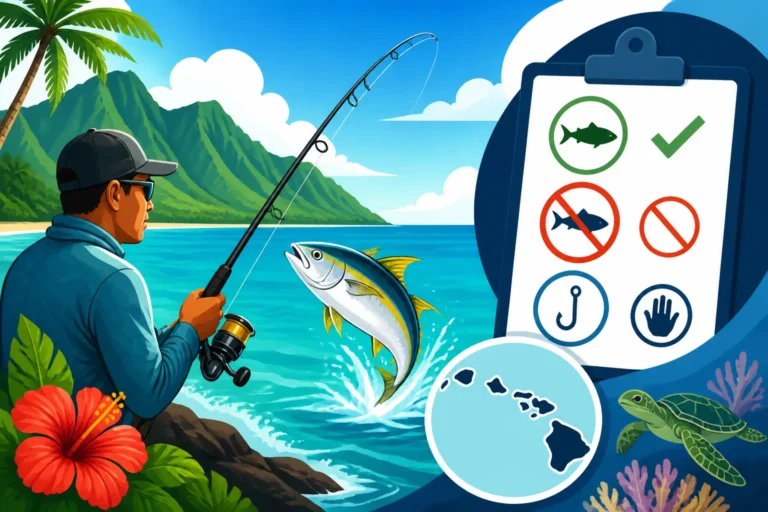
Before we dive specifically into aku, it’s important to understand the broader framework that governs all fishing activities in Hawaii. The Division of Aquatic Resources (DAR), under the Department of Land and Natural Resources (DLNR), is the primary authority setting these rules. Their mission is to manage and conserve Hawaii's aquatic resources, which means balancing the needs of various user groups – recreational anglers, subsistence fishers, and commercial operations – with the long-term health of the fish stocks. This balance is critical, especially for fast-growing, highly migratory species like aku that play a significant role in both the ecosystem and the local economy.
For most ocean fishing in Hawaii, there hasn't traditionally been a statewide recreational fishing license requirement, which often surprises newcomers. However, this doesn't mean it's a free-for-all. Every angler is still bound by specific rules regarding bag limits, size limits, gear restrictions, and prohibited areas. For freshwater fishing, the rules are different, and a license is required. If you're looking for a complete rundown on what's needed, you can check out the guide on Hawaii Fishing License Guide for 2026 This nuance between saltwater and freshwater, and between recreational and commercial, is precisely where the confusion for aku often begins.
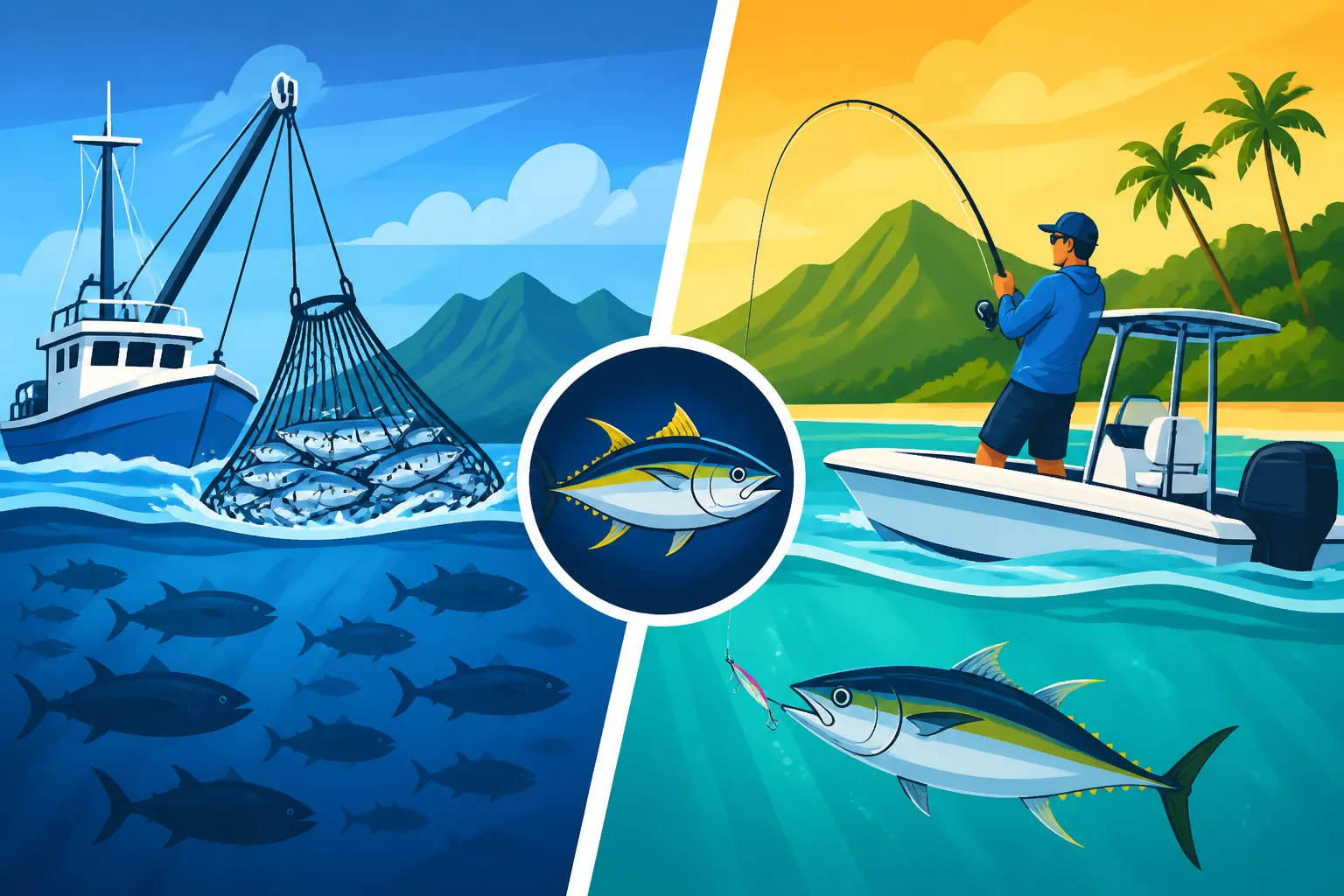
The core distinction hinges on intent: are you catching fish for personal consumption, family use, or as a hobby, or are you catching fish with the intent to sell them for profit? This fundamental difference dictates which set of regulations you must follow, the type of license you'll need, and the reporting obligations you'll incur.
Commercial Aku Fishing Rules and Requirements
Commercial fishing for aku in Hawaii is a cornerstone of the local fishing industry, providing fresh fish for markets, restaurants, and communities across the islands. Because of its economic importance and the scale of operations involved, commercial aku fishing is subject to a more stringent set of regulations designed to monitor catch, ensure sustainability, and maintain fair practices.
Commercial Marine License Is Essential
If you intend to catch aku and sell any portion of your catch, even a single fish, you must possess a valid Commercial Marine License (CML). This isn't just a suggestion; it's a legal requirement. Obtaining a CML involves an application process with the DLNR and typically requires providing information about your vessel, gear, and fishing intentions. The cost and application process can vary, so it's always best to consult the latest DAR guidelines or visit their office. Without a CML, selling any fish you catch is illegal and can result in significant fines and penalties. This is a critical point that many aspiring commercial fishers overlook or misunderstand, leading to serious legal trouble.
Beyond the CML, specific vessel registration and safety requirements fall under Hawaii Boating Laws for Anglers. Commercial vessels, especially those engaged in offshore pelagic fishing like for aku, must adhere to Coast Guard regulations, carry appropriate safety equipment, and often undergo regular inspections. These rules are in place not only for the safety of the crew but also to ensure accountability within the commercial fleet.
Gear and Method Considerations for Commercial Operations
Commercial aku fishing primarily employs methods like pole-and-line (or "skipjack tuna poling"), trolling, and sometimes net fishing in specific contexts. Pole-and-line fishing, often using live bait and chum, is a traditional and highly effective method for targeting aku schools, especially when they are feeding aggressively near the surface. Trolling with lures or bait is also common, particularly for locating schools or targeting larger aku that might be mixed in with other pelagic species.
While commercial operations generally have more leeway in the type of gear they can use compared to recreational anglers, there are still strict regulations on how that gear is deployed and where. For instance, certain types of nets might be restricted in specific areas, such as near reefs or within Marine Life Conservation Districts. It's crucial for commercial operators to stay updated on all gear restrictions, which can be found in the comprehensive Hawaii Fishing Regulations Explained, and other specifics are all covered, and ignorance of these rules is no excuse for violations. Even useful gear or parts available on Amazon, like specific hooks or line, must comply with local regulations if used for commercial purposes.
Catch Reporting and Data Collection
One of the most significant differences between commercial and recreational aku fishing in Hawaii is the mandatory catch reporting for commercial operations. All CML holders are required to submit regular catch reports to the DLNR, detailing their catch by species, weight, area fished, and gear used. This data is absolutely vital for the state's fisheries management program. It allows marine biologists and managers to track fish stocks, assess population health, identify trends, and make informed decisions about future regulations, including potential changes to bag limits or season closures.
Imagine a scenario where aku catches suddenly decline. Without accurate commercial catch data, it would be incredibly difficult for the DLNR to understand if this is a natural fluctuation, a sign of overfishing, or an environmental factor. These reports ensure that the resource is managed sustainably, protecting the livelihoods of commercial fishers and the availability of aku for future generations. Failing to submit timely and accurate catch reports can lead to fines, suspension, or even revocation of a CML.
No Personal Bag Limits for Commercial Sales
Unlike recreational fishing, commercial fishing, by its nature, doesn't have a personal "bag limit" in the traditional sense if the fish are intended for sale. A licensed commercial fisher is allowed to catch as much aku as their operation can reasonably handle and sell, provided they adhere to all other regulations. The implicit "limit" is often determined by market demand, vessel capacity, and the actual availability of fish. However, this is distinct from recreational limits which are strictly enforced per person per day. It's a common misunderstanding that if you have a CML, you can just fish without any concern for quantity. While there isn't a personal bag limit like for recreational anglers, the overall fishery is still managed through the collection of catch data and, if necessary, broader fleet-wide quotas or restrictions can be implemented by the DLNR.
Recreational Aku Fishing Rules in Hawaii
For those of us who just want to enjoy a day on the water, feel the thrill of a powerful aku on the line, and bring home some fresh fish for dinner, recreational fishing rules are much simpler, though no less important. The key here is personal consumption – you're catching fish for yourself, your family, or friends, without the intent to sell.
No Ocean Fishing License Generally Required
This is often the biggest surprise for visitors and even some residents: currently, Hawaii does not require a general recreational fishing license for saltwater fishing. This means you can typically grab your rod and reel, head to the shore or out on a boat, and fish the ocean waters without needing to purchase a specific permit, as long as you adhere to all other regulations. However, it’s absolutely critical to understand that this exemption for a general license does not apply to freshwater fishing, nor does it exempt you from knowing and following all other fishing laws. If you are ever in doubt about what's needed, especially if your plans change, always double-check the latest guidelines for Do You Need a Fishing License in Hawaii.
This freedom for recreational ocean fishing is part of Hawaii's unique approach to managing its marine resources, relying heavily on species-specific regulations and area-based rules instead of a universal license for saltwater.
Specific Bag Limits for Aku
While you don't need a license, recreational aku fishing does come with specific daily bag limits. For aku, there are currently no statewide minimum size limits, but there is a daily bag limit. As of my last check, the bag limit for aku (skipjack tuna) for recreational anglers is typically 10 fish per person per day. This limit is designed to prevent overfishing by individual recreational anglers and ensure that there's enough fish for everyone, including those who depend on it commercially or for subsistence.
It's vital to check the most current Hawaii Bag and Size Limits by Species before you head out, as these regulations can be updated by the DLNR. These limits apply whether you're fishing from shore, a kayak, or a private boat. If you catch more than the daily bag limit, you are legally required to release the excess fish immediately and unharmed. The intent is clear: these fish are for personal consumption, not for stockpiling or commercial gain without the proper licensing.
No Sale of Recreational Catch
This is perhaps the most fundamental difference and the rule that recreational anglers absolutely must adhere to: you cannot sell any fish caught under recreational fishing rules. Period. The moment you intend to sell your catch, even a single aku to a friend or a restaurant, you cross the line into commercial fishing and, as discussed, require a CML. Selling recreationally caught fish without a CML is a serious offense that can lead to substantial fines, confiscation of gear, and potential legal action. The distinction here is not about the fish species, but about the intent of the angler. If you're on a charter, for instance, the captain and crew might be commercially licensed, but your portion of the catch is typically considered recreational.
General Gear Restrictions
Recreational anglers are also subject to general gear restrictions. While most common rod-and-reel setups, handlines, or basic trolling gear are usually permitted for aku, there are rules against certain types of nets, traps, or spear-fishing techniques in specific areas or for specific species. Aku are often caught by trolling small lures or baits from kayaks or boats, or by whipping (casting) from shore or rocky points when schools come close. It’s always a good idea to ensure your gear complies with general Hawaii Fishing Regulations Explained before you drop a line. While you can find a vast array of fishing gear on Amazon, always make sure what you purchase is permissible for recreational use in Hawaiian waters.
Key Differences Summarized: Commercial vs. Recreational Aku Fishing
To make it easier to grasp the distinct rules, here's a side-by-side comparison of the key differences for aku fishing in Hawaii:
| Feature | Commercial Aku Fishing | Recreational Aku Fishing |
|---|---|---|
| Licensing | Required: Commercial Marine License (CML) | Not required for ocean fishing; only for freshwater |
| Intent of Catch | Primarily for sale and profit | Primarily for personal consumption, subsistence, or sport |
| Sale of Catch | Permitted, with CML | Strictly Prohibited |
| Bag Limits | No personal bag limit (fleet-wide management applies) | Yes, typically 10 aku per person per day (check current DLNR rules) |
| Size Limits | Generally none for aku (check other pelagic species) | Generally none for aku (check other pelagic species) |
| Catch Reporting | Mandatory and frequent (species, weight, area, gear) | Not required |
| Vessel Requirements | Adherence to Coast Guard and commercial vessel regulations | Basic boating safety for private vessels (Life Jacket Requirements for Hawaii Boaters) |
| Data Collection Impact | Essential for fisheries management and sustainability | Provides anecdotal data; less formal impact on management |
| Typical Gear | Pole-and-line, trolling, some netting (regulated) | Rod-and-reel, handline, trolling |
This table clearly illustrates why understanding your intent is paramount. The rules diverge significantly based on whether you're aiming to sell your catch or simply enjoy the experience and bring home dinner.
Why These Different Rules Matter
You might wonder why such a seemingly straightforward activity like fishing needs such distinct rule sets. The answer lies in sustainable resource management and economic fairness.
Protecting Fish Stocks
Aku, like all fish species, are a finite resource. While skipjack tuna are generally considered robust and fast-reproducing, they are also a crucial part of the marine ecosystem and a valuable food source. Without regulations, unchecked commercial and recreational fishing could quickly deplete stocks, leading to ecological imbalances and economic hardship for those who depend on the fishery. The mandatory reporting for commercial operations gives the DLNR the vital data needed to monitor the health of aku populations and adjust management strategies proactively. Think about it: if every angler, commercial or recreational, just took as many fish as they wanted, it wouldn't be long before the fishing grounds were barren.
Economic Stability for Commercial Fishers
Commercial fishing is a business, and regulations help maintain a level playing field. Licensing ensures that those who are selling fish are contributing to the costs of managing the resource and are accountable for their impact. It also helps legitimize their operations in the marketplace. Without these distinctions, a "black market" for recreationally caught fish could emerge, undermining the livelihoods of legitimate commercial fishers who invest significantly in their boats, gear, and licenses. This protects the local economy and ensures that fresh, legally caught aku is available in markets. For a deeper dive into these distinctions, you can review Hawaii Commercial vs Recreational Fishing License Rules.
Fairness for All Anglers
For recreational anglers, bag limits ensure that everyone has a fair chance to catch fish. If there were no limits, a few individuals could potentially catch and keep a disproportionately large number of fish, leaving less for others. It's about sharing the resource responsibly. These limits also instill a conservation mindset, encouraging anglers to take only what they need.
Common Misunderstandings and How to Avoid Them
Even with clear rules, misunderstandings can happen. Here are a few common pitfalls to avoid:
- "Just selling a few extra to cover gas costs." This is a classic trap. As soon as money changes hands for your catch, you're engaging in commercial activity. Even if it's just a few fish to a friend at a "discounted" rate to help cover your expenses, it's still considered a sale by the DLNR. The intent to sell, regardless of the amount or the price, dictates the need for a CML. Don't risk a hefty fine for a few bucks.
- Assuming charter boat rules apply to you. When you go on a fishing charter, the captain typically has a Commercial Marine License, and their operations are governed by commercial rules. However, your portion of the catch, as a passenger, is almost always considered recreational. This means you are still subject to recreational bag limits (like the 10 aku per person) and cannot sell your share. The captain might be able to sell the excess fish (beyond the cumulative recreational limit of all passengers), but you, as an individual recreational angler, cannot.
- Not checking current regulations. Fishing rules, especially for pelagic species like aku or even Hawaii ahi bag limit rules, can change. What was true last year might be different this year. Always make it a habit to check the latest DLNR regulations before each season or before a significant trip. Their website is typically the most up-to-date resource, or you can find a printed guide.
- Ignorance of specific area restrictions. While aku are pelagic and often fished offshore, certain areas, like Marine Life Conservation Districts (MLCDs) or near certain harbors, may have specific gear or method restrictions that could indirectly affect aku fishing if schools are present there. Knowing Hawaii Net Fishing Restricted Areas or other area-specific rules is always a good idea.
Aku Fishing: A Deeper Look
Aku (Katsuwonus pelamis), also known as skipjack tuna, are incredibly vibrant and energetic fish. They are characterized by their dark stripes on their belly and their schooling behavior. Aku are a staple in Hawaiian cuisine, often used in poke, sashimi, and dried fish products. Their abundance and relatively fast growth rate make them a resilient species, but consistent management is still key.
Recreationally, aku provide fantastic sport. They are powerful fighters for their size and often provide fast and furious action when a school is encountered. You can catch them by trolling small feathers, jigs, or live bait. Shorecasters sometimes connect with aku when schools move close to the coast, especially around points or harbors.
For commercial operations, aku are often targeted by "pole-and-line" boats, a traditional method where live bait (like opelu or akule) is thrown overboard to create a feeding frenzy, and fish are caught one by one using barbless hooks on bamboo poles. This method is highly selective and results in very high-quality fish. Other techniques for these Hawaii Pelagic Species Bag Limits include trolling or, for larger vessels, using purse seines in international waters, though pole-and-line remains iconic for the local Hawaiian aku fleet.
Essential Resources and Staying Informed
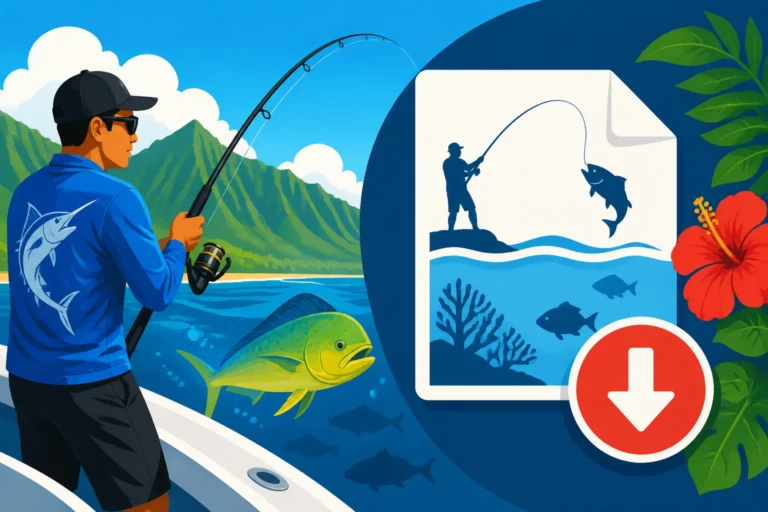
Staying informed is your best defense against inadvertently breaking fishing laws. The Hawaii Division of Aquatic Resources (DAR) website is your primary resource for all official regulations, updates, and licensing information. You can often download PDF versions of the regulations.
For broader questions about marine life and conservation efforts, understanding what Marine Life Conservation Districts (MLCDs) mean for anglers is also highly recommended. These areas have stricter rules for obvious conservation reasons.
Remember that fishing is a privilege, not a right. By respecting the rules, whether you're a recreational angler enjoying a day on the water or a commercial fisher providing for your community, you contribute to the health and sustainability of Hawaii's precious aquatic resources. So next time you're targeting aku, you'll know exactly which rules apply to you and why they're in place, allowing you to focus on the thrill of the catch!
Disclaimer
Please note that fishing regulations in Hawaii are subject to change. While every effort has been made to provide accurate and up-to-date information, it is your responsibility to verify all current rules and regulations with the Hawaii Division of Aquatic Resources (DLNR-DAR) before engaging in any fishing activities. This guide is for informational purposes only and should not be considered legal advice.