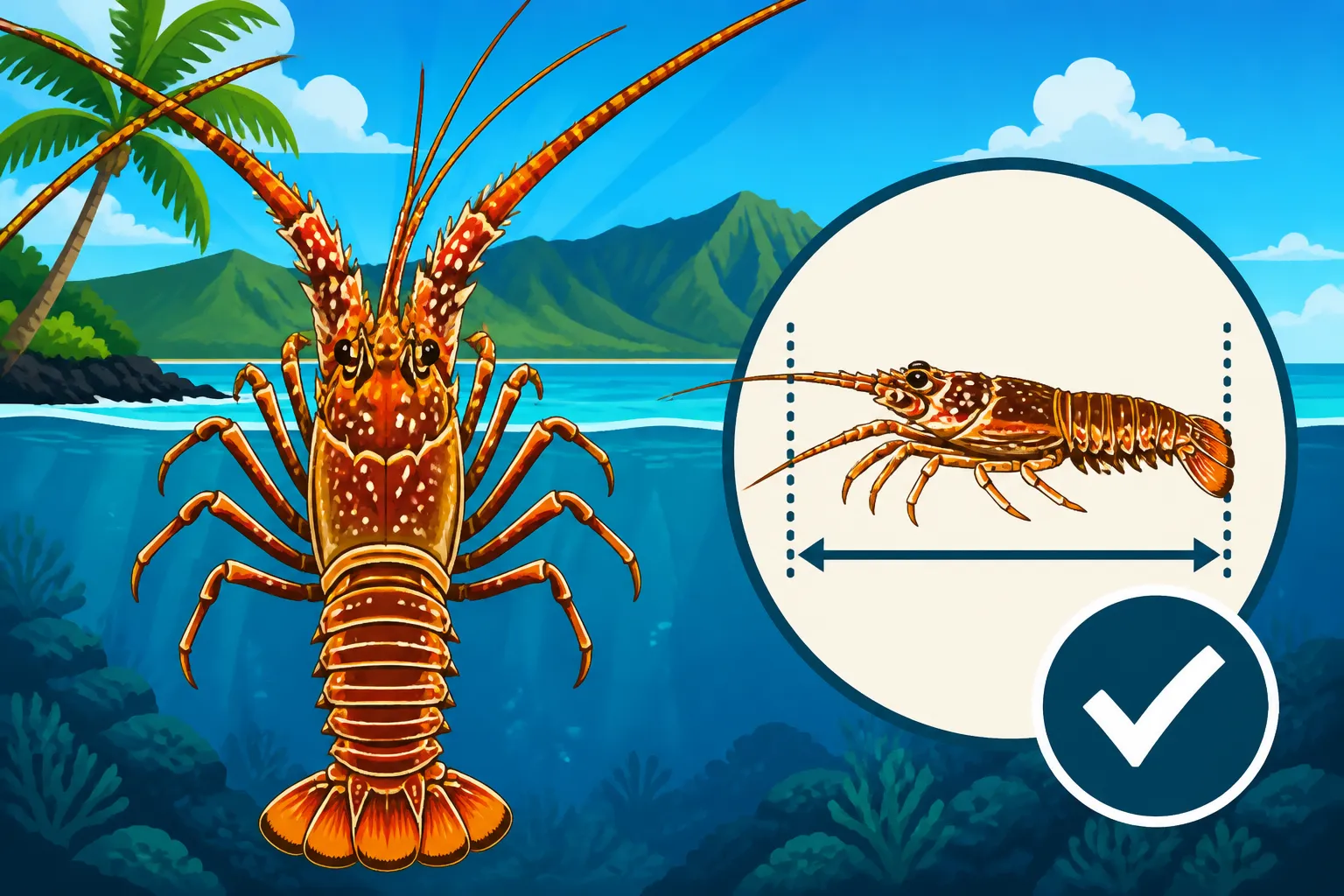
Hawaii spiny lobster minimum size limit
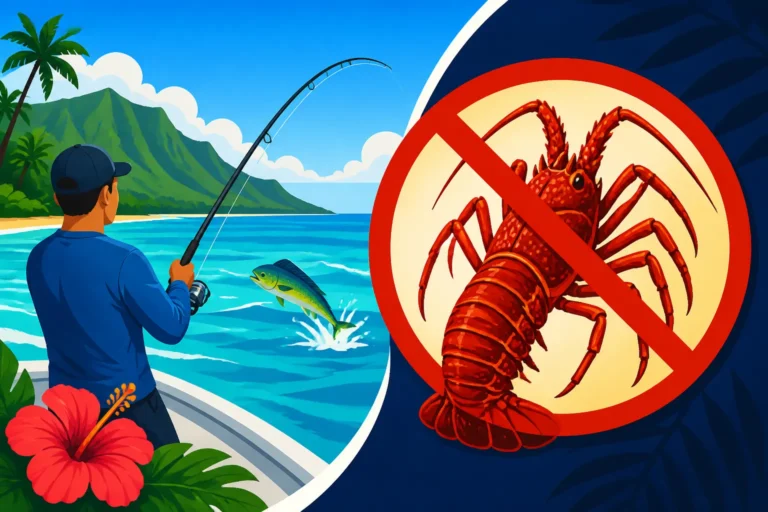
It's incredibly frustrating when you're out on the beautiful Hawaiian reefs, feeling that thrill of finding a plump spiny lobster, only to second-guess yourself about whether it's truly legal to keep. The rules can feel like a moving target, and nobody wants to inadvertently break the law. This guide is here to clear up all that confusion, detailing the specific minimum size limits for Hawaii's spiny lobsters so you can harvest responsibly and with confidence.
The Critical Need for Spiny Lobster Minimum Size Limits in Hawaii
When you think about the vibrant marine life thriving in Hawaii's waters, it's easy to see why we have rules in place to protect it. Spiny lobsters, or ula as they're known in Hawaiian, are not just a delicious meal; they're a vital part of our delicate reef ecosystem. Without proper management, these populations could easily be overfished, leading to long-term decline that impacts not only future harvests but also the entire reef community. That's why understanding and adhering to the minimum size limits isn't just about following the law; it's about being a good steward of our ocean resources. These regulations are designed to allow lobsters to reach maturity and reproduce at least once, ensuring there are plenty of keiki (babies) lobsters to replenish the stock for generations to come.
Why Size Matters for Lobster Conservation
Imagine a farmer harvesting all their crops before they've had a chance to grow seeds for the next season. That's essentially what happens if lobsters are caught before they've had the opportunity to spawn. Minimum size limits are a cornerstone of sustainable fisheries management. By protecting juvenile lobsters, we give them a fighting chance to mature, mate, and contribute to the population. This foresight helps maintain a healthy balance in the ecosystem, preventing the kind of widespread decline that has unfortunately affected other species in different parts of the world. It’s a common-sense approach that protects both the species and the tradition of local harvesting that many of us cherish.
Broader Hawaii Fishing Regulations and Lobster Harvest
The specific size limits for spiny lobster are part of a much larger framework of rules governing ocean recreation and harvesting in Hawaii. These rules encompass everything from bag limits to gear restrictions, and they are constantly evaluated and updated by the Department of Land and Natural Resources (DLNR) Division of Aquatic Resources (DAR). If you're planning any kind of fishing or gathering trip in our islands, it's always a good idea to familiarize yourself with the full scope of these regulations. For a more comprehensive overview, you might want to look into the general Hawaii Fishing Regulations Explained. Understanding the overall regulatory landscape helps you make informed decisions, whether you're targeting lobster, fish, or other marine life.
How Minimum Size Limits Protect Future Generations
Think of it like this: every lobster you release because it's undersized is a potential parent for countless future lobsters. The larger, older individuals are often the most prolific breeders, producing more eggs and contributing more significantly to the genetic diversity and resilience of the population. By letting them grow, we're investing in the future. This applies not only to spiny lobsters but to many other species, which is why you'll find similar guidelines when researching Hawaii Bag and Size Limits by Species. These rules are a collective effort to ensure that Hawaii's marine resources remain abundant and vibrant for our children and grandchildren to enjoy.
Specific Size Requirements for Spiny Lobster in Hawaiian Waters
Alright, let's get down to the nitty-gritty: the actual measurements. For spiny lobsters in Hawaii, there are two primary measurements you need to be aware of, and you must meet both criteria to legally keep the lobster. This dual requirement ensures that even if a lobster has a particularly long tail but a small body, it’s still protected until it reaches a more mature size. It's a robust approach to conservation that leaves little room for ambiguity.
Carapace Length: The Primary Measurement
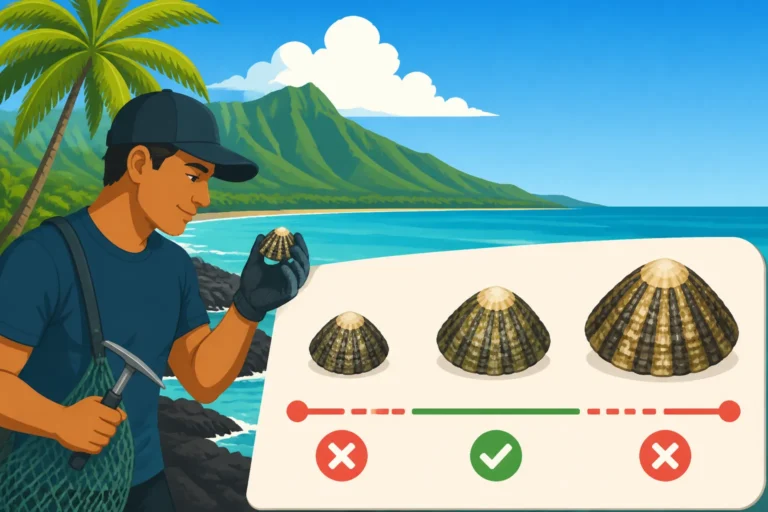
The most important measurement for a spiny lobster is its carapace length. The carapace is the hard, upper shell of the lobster's body, essentially its 'head' and 'thorax' area, from which the antennae and legs extend. In Hawaii, the minimum carapace length for a spiny lobster is 3¼ inches (3.25 inches). You measure this from the ridge between the two orbital spines (those sharp little points right above the eyes) straight back to the rear edge of the carapace. It's crucial to measure accurately, so having the right tool is key.
Tail Width: The Secondary Measurement
In addition to the carapace length, spiny lobsters must also meet a minimum tail width. The tail, or abdomen, is the fleshy, segmented part that you often associate with lobster meat. The minimum tail width for a spiny lobster in Hawaii is 1 inch (1.0 inch). This measurement is taken at the third segment of the tail, at its widest point. Why the third segment? It's generally the most consistent and widest part of the tail, providing a reliable point of reference. Both measurements are vital for ensuring that only mature lobsters are harvested.
Other Important Lobster Harvest Regulations
While size limits are central, it's critical to remember that they're just one piece of the puzzle. Hawaii also has specific Hawaii lobster season closed dates, typically running from May through August, when all harvesting of spiny lobsters is prohibited. This closed season coincides with their peak breeding period, offering an additional layer of protection for spawning females. Furthermore, the taking of ovigerous (egg-bearing) females – often called "berried" lobsters – is strictly prohibited year-round, regardless of their size. These females are easily identifiable by the clusters of tiny eggs carried under their tails. You also cannot harvest lobsters using any spear or piercing device, nor can you possess any lobster parts that are not whole, making it impossible to check for size or sex. These additional rules are all designed to maximize the reproductive success of our lobster populations.
How to Accurately Measure Your Spiny Lobster
Measuring a squirming lobster can be a bit of a challenge, especially when you're in the water or dealing with a lively specimen. But doing it correctly and quickly is paramount, both for legal compliance and for the lobster's survival if it needs to be released. Having the right tools and a clear understanding of the technique will make all the difference. Remember, the goal is to be precise and gentle.
Essential Tools for Accurate Measurement
You're going to need a reliable measuring device specifically designed for lobster. While a standard ruler can work in a pinch, a specialized lobster gauge or caliper is truly your best friend here. These tools are usually made of durable plastic or stainless steel, designed to resist corrosion in saltwater, and often have fixed points for quick and accurate measurement of both carapace length and tail width. Many divers and shoreline gatherers carry these on their person. You can find a good selection of durable and accurate lobster gauges on platforms like Amazon, which offer various styles and materials to suit your preference. Having one of these handy ensures you’re not guessing and inadvertently keeping an undersized lobster.
Step-by-Step Measurement Process
Let's walk through it. This process needs to be swift and stress-free for the lobster.
- Secure the Lobster Gently: Hold the lobster firmly but carefully. Avoid squeezing its body or tail, as this can cause injury. Keep your fingers clear of its antennae and walking legs.
- Locate the Carapace Measurement Points: Identify the orbital spines – these are two distinct, sharp points located just above the eyes on the front of the carapace. You'll measure from the ridge between these spines.
- Measure Carapace Length: Place one end of your lobster gauge or ruler at the ridge between the orbital spines. Extend the measuring tool straight back along the midline of the carapace to its rear edge. Ensure the measurement is taken in a straight line, not curving over the shell. The carapace must be 3¼ inches or longer.
- Locate the Tail Measurement Point: Once the carapace is confirmed, flip the lobster over if necessary to access its underside or simply observe the tail. Identify the third segment of the tail from the body.
- Measure Tail Width: Use your gauge or ruler to measure the widest point of this third tail segment. Ensure the measurement is taken across the width, not along the length. The tail must be 1 inch or wider.
- Check for Eggs: Before making a final decision, always visually inspect the underside of the tail for any signs of eggs. Ovigerous females are protected year-round, regardless of size. The eggs typically appear as a dark, spongy mass.
If both the carapace length and tail width meet the minimum requirements, and there are no eggs, then you can legally keep your lobster. If not, it's time for a gentle release.
Best Practices for Releasing Undersized or Egg-Bearing Lobsters
Releasing a lobster properly is just as important as measuring it accurately. The goal is to maximize its chances of survival.
- Handle with Care: Minimize the time the lobster is out of the water. Handle it gently, avoiding rough contact or dropping it.
- Return to Water Quickly: Place the lobster back into the water as soon as possible, ideally in the same habitat where it was found. Don't just toss it; lower it gently.
- Avoid Damaging Habitat: If you're diving or freediving, be mindful not to disturb the surrounding coral or rock structures when retrieving or releasing the lobster.
- No Spear or Piercing Gear: As mentioned, using spears or any piercing gear to take lobsters is strictly prohibited. This is to prevent injury to lobsters, especially those that need to be released. This particular rule highlights why even if you're out Hawaii Spearfishing Regulations for fish, you need to switch tactics for lobster.
By following these steps, you contribute directly to the health of Hawaii’s lobster populations, ensuring these amazing creatures continue to thrive.
Penalties and Enforcement of Lobster Regulations
It's tempting sometimes, especially after a long day of searching, to bend the rules a little, but the consequences for violating Hawaii's fishing regulations are serious. The enforcement of these rules is critical to protecting our marine environment, and the Department of Land and Natural Resources (DLNR) officers are vigilant. Ignorance of the law is never an excuse, and penalties can range from hefty fines to confiscation of catch and gear, or even more severe legal repercussions.
Fines and Legal Consequences for Violations
The fines for illegally harvesting undersized, egg-bearing, or out-of-season lobsters can be substantial. For a single violation, fines can easily run into hundreds, if not thousands, of dollars. For instance, possession of an undersized lobster could cost you a significant penalty per animal. Repeat offenses or more egregious violations can lead to even higher fines, suspension of fishing privileges, and potentially even criminal charges in severe cases. Enforcement officers from the Division of Conservation and Resources Enforcement (DOCARE) have the authority to issue citations on the spot. Beyond the financial hit, having a violation on your record can carry its own long-term implications. It’s simply not worth the risk.
Confiscation of Catch and Gear
Beyond monetary fines, a common consequence of violating lobster regulations is the immediate confiscation of your illegal catch. Any undersized lobsters, berried females, or those caught out of season will be seized. In some cases, depending on the severity and nature of the violation, your fishing or diving gear used in the commission of the offense might also be confiscated. This could include your measuring tools, nets, dive gear, or even your boat if it was integral to a major violation. Losing valuable equipment can be a double whammy on top of the financial penalties.
The Broader Impact of Non-Compliance on Ecosystems
While the legal penalties are a strong deterrent, it's important to remember why these rules exist in the first place: to protect Hawaii's precious marine ecosystems. Every undersized or egg-bearing lobster illegally taken represents a direct blow to the reproductive potential of the population. Over time, consistent violations by even a small percentage of harvesters can lead to a significant decline in lobster numbers, impacting the health of our reefs and potentially affecting other species that rely on lobsters as part of the food web. This degradation of marine life hurts everyone, from local fishermen to tourism operators, and ultimately diminishes the natural beauty and ecological resilience of our islands. Adhering to these rules is an act of aloha for our ocean. Sometimes, regulations even extend to specific areas, so it's always good to be aware of what a Hawaii Marine Life Conservation Districts, Explained designation means for your activities.
Contributing to Sustainable Lobster Populations in Hawaii
Being a responsible ocean user in Hawaii means more than just knowing the rules; it's about actively participating in the stewardship of our marine environment. Our spiny lobster populations are a valuable resource, both ecologically and culturally, and their continued health depends on the collective actions of every angler and gatherer. By adopting a mindset of conservation, we ensure that these magnificent crustaceans will be around for future generations to appreciate and, when appropriate, to sustainably harvest.
Reporting Violations and Community Stewardship
One of the most powerful tools we have for protecting our marine resources is community vigilance. If you witness someone violating fishing regulations, whether it's taking undersized lobsters, keeping berried females, or harvesting during a closed season, don't hesitate to report it. The DLNR's Division of Conservation and Resources Enforcement (DOCARE) has a hotline for reporting suspected violations, and your anonymity is protected. By reporting, you're not just "snitching"; you're actively contributing to the enforcement efforts that protect everyone's access to healthy fisheries. It's an act of collective responsibility, ensuring that those who disregard the law don't negatively impact the resources for those who follow it.
Continuous Learning and Adapting to Changes
Hawaii's marine environment is dynamic, and so are the regulations designed to protect it. Laws can change based on scientific research, population assessments, and community input. It's a good practice for any serious angler or gatherer to regularly check the official DLNR Division of Aquatic Resources (DAR) website for the most current information. They often publish updates on Hawaii Fishing Season Dates and Closures and changes to size or bag limits. Stay informed, stay compliant, and keep learning. This commitment to ongoing education is what truly sets apart a responsible ocean user. Additionally, if you operate a boat to get to your favorite spots, understanding Hawaii Boating Laws for Anglers is another crucial layer of responsibility.
Embracing the Spirit of Malama Kai
In Hawaii, we have a concept called mālama kai, which means to care for the ocean. It's more than just a phrase; it's a way of life that emphasizes respectful interaction with our natural world. When it comes to spiny lobsters, this means understanding their life cycle, respecting their need to reproduce, and adhering strictly to the size and season limits. It means making sure you have the proper tools, like a reliable lobster gauge (easily found on Amazon or local dive shops), and the knowledge to use them correctly. It also means educating others, gently sharing information with fellow ocean enthusiasts who might not be as informed. By embracing mālama kai, we contribute to the long-term health and abundance of our oceans, ensuring that the thrill of finding a spiny lobster remains a cherished part of the Hawaiian experience for generations to come.
Disclaimer
The information provided in this guide is for informational purposes only and is not a substitute for official legal advice or the most current regulations. Hawaii's fishing regulations are subject to change. Always consult the official Hawaii Department of Land and Natural Resources (DLNR) Division of Aquatic Resources (DAR) website or local authorities for the most up-to-date and accurate information before engaging in any fishing or gathering activities.