Hawaii crab harvest regulations
It's incredibly frustrating, isn't it, when you just want to enjoy the bounty of Hawaii's ocean, but the rules and regulations surrounding something as seemingly straightforward as crabbing feel like a complicated riddle? Many kama'aina (locals) and visitors alike find themselves scratching their heads, wondering if they need a special permit, how big a crab needs to be, or even which species are legal to take. This comprehensive guide is here to untangle the confusion, offering clear, detailed insights into Hawaii's crab harvest regulations so you can gather responsibly and legally, ensuring these amazing crustaceans continue to thrive for future generations.
Understanding Hawaii's Crab Species and Conservation
When we talk about crabbing in Hawaii, we're really looking at a few key players. Each species has its own unique characteristics and, often, its own set of rules designed to protect it. It’s not just about what’s good to eat, but what’s vital for the health of our marine environment.
Common Crab Species Targeted by Harvesters
Hawaii is home to a wonderful array of crabs, but recreational harvesters typically focus on a couple of favorites. The most sought-after is undoubtedly the Samoan crab (scientifically Scylla serrata), often simply called "blue crab" by many or manaue in Hawaiian. These are big, meaty crabs, easily identifiable by their broad, smooth carapace and powerful claws. They prefer brackish water environments, like estuaries and harbors, but can also be found in nearshore ocean waters. Their impressive size and delicious flavor make them a prime target.
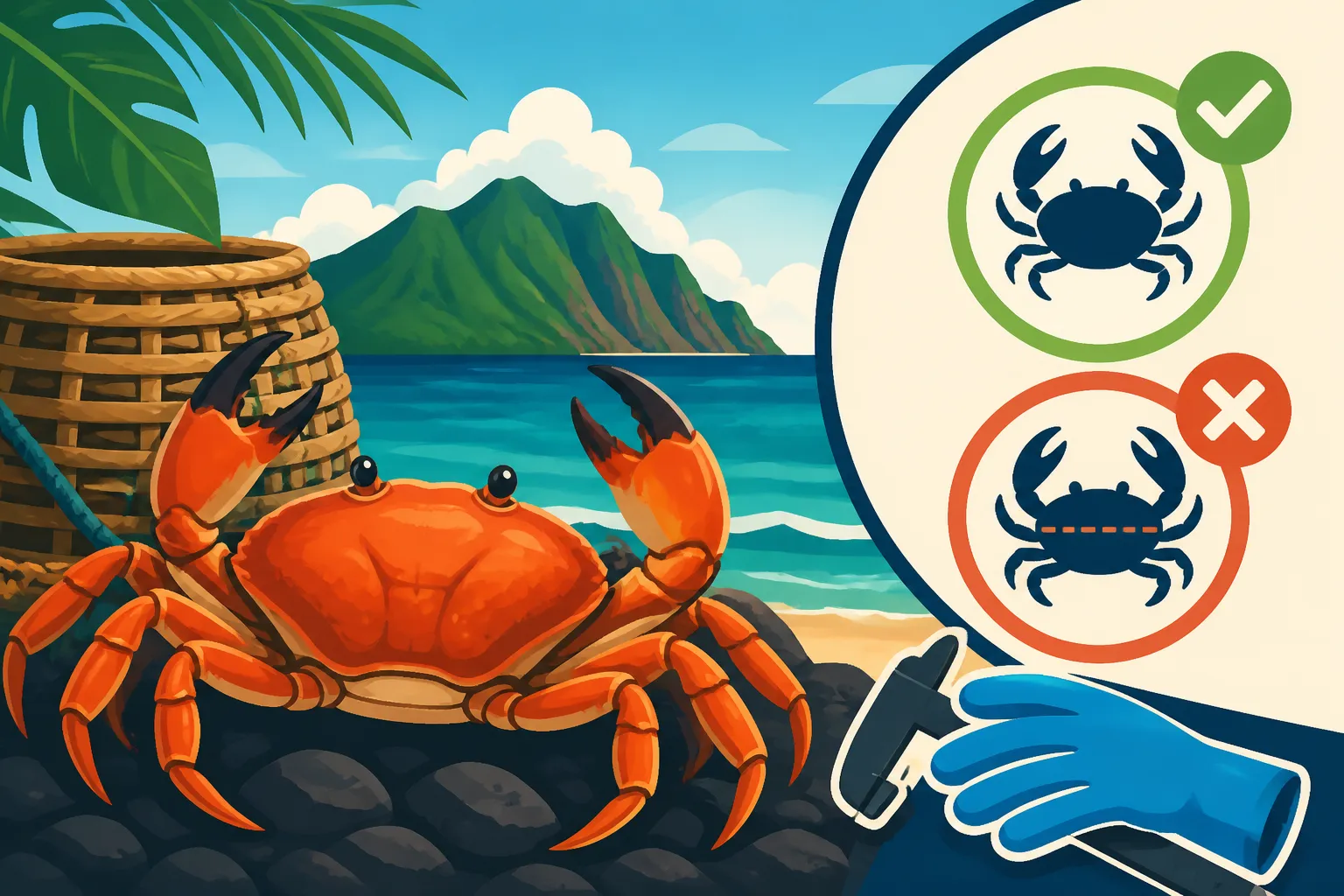
Another popular choice, especially for those who enjoy a different kind of challenge, is the Kona crab (Ranina ranina), also known as "red crab" or lauwiliwili. These crabs are unique in appearance, with a distinctive flattened, reddish-orange shell and specialized front legs that act like paddles for burrowing into sandy bottoms. They're typically found in deeper sandy channels and offshore reefs, often requiring a bit more effort to locate. While not as large as the Samoan crab, their sweet, succulent meat is highly prized.
Beyond these two main stars, you might encounter various shore crabs, ghost crabs, or even small reef crabs. While these might not be the primary focus of specific harvest regulations, it's always good practice to understand that all marine life contributes to the ecosystem, and indiscriminate harvesting can have consequences. Knowing your target species is the first step in responsible gathering. You can dive deeper into general rules by checking out our full guide on Hawaii Fishing Regulations Explained.
The Importance of Sustainable Crabbing Practices
The regulations surrounding crab harvesting aren't just arbitrary rules; they are carefully crafted to ensure that Hawaii's crab populations remain healthy and abundant. Crabs play a vital role in our marine ecosystems as scavengers and as a food source for other species. Overharvesting, especially of breeding females or juveniles, can quickly decimate local populations and throw the entire ecosystem out of balance.
Imagine if everyone took every crab they could find, regardless of size or whether it was a female carrying eggs. Within a few years, there would be very few crabs left, impacting not only future generations of harvesters but also the fish, eels, and other creatures that rely on crabs for food. This is why rules like size limits and prohibitions on taking "berried" (egg-carrying) females are so crucial. They allow crabs to grow to maturity, reproduce, and replenish their numbers.
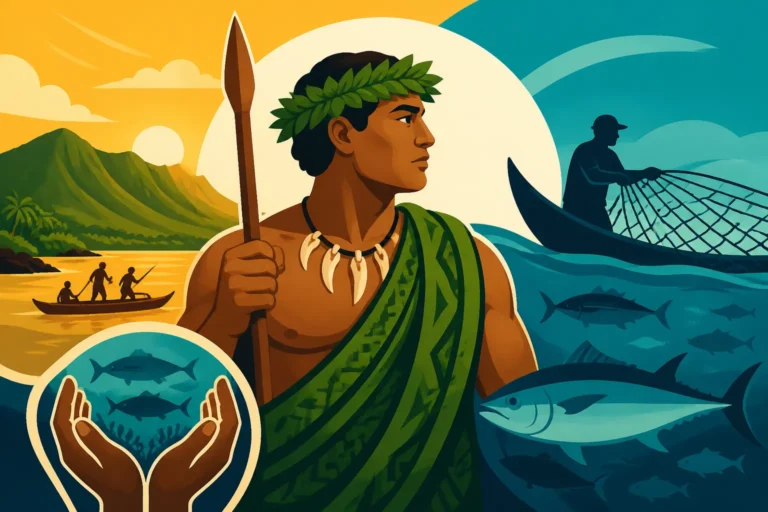
Traditional Hawaiian practices, deeply rooted in the concept of malama 'aina and malama kai (caring for the land and sea), always emphasized taking only what you need and respecting natural cycles. Many modern regulations mirror these ancient wisdoms, like establishing specific Hawaii Fishing Season Dates and Closures for certain species or protecting critical habitats. By understanding and adhering to these guidelines, we're not just avoiding fines; we're actively participating in the preservation of Hawaii's precious natural resources.
Specific Crab Harvest Regulations in Hawaii
The heart of responsible crabbing lies in knowing the specific rules for each species. These aren't suggestions; they're legal requirements designed to protect the very crabs we love to catch and eat. Ignoring them can lead to serious penalties and, more importantly, can harm the marine environment.
Size and Bag Limits for Key Species
This is where the rubber meets the road. For the two most commonly targeted crabs, the rules are fairly clear.
-
Samoan Crab (Scylla serrata):
- Minimum Size Limit: The carapace (shell) must measure at least 6 inches from point to point, across the widest part of the shell. It's crucial to measure accurately – even a quarter-inch short can mean a violation.
- Daily Bag Limit: You are allowed to take a maximum of 10 Samoan crabs per person per day.
- Prohibition on Berried Females: It is absolutely illegal to take or possess female Samoan crabs that are carrying eggs (often visible as an orange or dark mass under their tail flap). These females are the future of the species, and protecting them is paramount.
- Soft-Shell Prohibition: You also cannot take crabs that are in a soft-shell stage, as this indicates they have recently molted and are vulnerable.
-
Kona Crab (Ranina ranina):
- Minimum Size Limit: The carapace must be at least 4 inches in width, measured from tip to tip. Again, precision is key.
- Daily Bag Limit: Like the Samoan crab, the daily bag limit for Kona crabs is 10 crabs per person.
- Prohibition on Berried Females: Just like with Samoan crabs, it is illegal to take or possess female Kona crabs that are carrying eggs.
To help keep track of these measurements while out on the water, many seasoned crabbers use specialized crab gauges or a simple ruler. You can find durable, waterproof measuring tapes or crab gauges on platforms like Amazon that easily clip onto your gear, making it super convenient to check your catch against the regulations before it even hits your cooler. Always double-check your measurements; it's better to release a borderline crab than risk a fine. Our article on Hawaii Bag and Size Limits by Species offers broader context for other marine life.
Here's a quick summary table for your convenience:
| Crab Species | Minimum Carapace Width (inches) | Daily Bag Limit (per person) | Special Rules / Prohibitions |
|---|---|---|---|
| Samoan Crab | 6 inches (point to point) | 10 crabs | No berried females, no soft-shell crabs |
| Kona Crab | 4 inches (tip to tip) | 10 crabs | No berried females |
Seasonal Closures and Protected Areas
Beyond size and bag limits, timing and location are everything when it comes to crabbing in Hawaii. While there aren't typically specific seasonal closures for Samoan or Kona crabs across the entire state, specific local conditions or biological factors can sometimes lead to temporary restrictions. Always check the most current regulations from the Department of Land and Natural Resources (DLNR) Division of Aquatic Resources (DAR) before heading out.
What's absolutely critical to be aware of are Marine Life Conservation Districts (MLCDs) and other designated protected areas. These are special zones established to protect and preserve unique marine ecosystems, and often, all forms of fishing and gathering, including crabbing, are strictly prohibited. Famous MLCDs like Hanauma Bay on Oahu or Kealakekua Bay on the Big Island are prime examples where you cannot harvest anything.
Imagine planning a fun crabbing trip to a beautiful, clear bay, only to find out you're in an MLCD and all your efforts are illegal. It's a common frustration that can be easily avoided with a little research. Always consult a current map of MLCDs and other regulated areas, such as the Hawaii Marine Life Conservation Districts, Explained guide, before you drop your nets or traps. These areas are vital for the replenishment of marine life, and respecting their boundaries is non-negotiable.
Gear and Method Restrictions for Crabbing in Hawaii
It’s not just what you catch and where, but how you catch it. Hawaii has clear rules about the types of gear and methods you can employ when crabbing, all aimed at promoting sustainable practices and preventing harm to the environment or non-target species.
Legal Crabbing Methods and Equipment
For recreational crabbers, the most common and legal methods involve passive gear designed to catch crabs without causing excessive bycatch or habitat damage.
- Hoop Nets: These are perhaps the most popular choice for Samoan crabs. A hoop net typically consists of a collapsible wire or mesh net with a bait pouch in the center. When lowered to the bottom with bait, crabs crawl in to feed. The net is then quickly pulled up, trapping the crabs inside. Make sure your hoop nets are properly weighted to sit flat on the bottom and have a strong line for retrieval.
- Throw Nets: While primarily used for catching baitfish, throw nets can occasionally yield smaller crabs, especially those found in shallow, sandy areas or estuaries. However, using a throw net specifically for targeted crab harvesting is less efficient and generally not the preferred method for regulated species like Samoan or Kona crabs.
- Hand Gathering: For certain species, like small shore crabs or opihi (though not a crab, it's a common limpet gathered by hand), hand gathering is legal. However, this method is generally not effective or safe for larger, more elusive crabs like Samoan or Kona crabs, which often require nets or traps.
- Crab Traps: When using crab traps, there are specific design requirements to be aware of. They must have escape rings of a certain size to allow smaller, undersized crabs to escape, reducing incidental mortality. Traps must also incorporate biodegradable panels that will rot away over time if the trap is lost, preventing it from becoming a "ghost fishing" device that continues to catch and kill marine life indiscriminately. Always ensure your traps comply with DLNR specifications.
When you're out buying your gear, whether it's a new hoop net or a well-designed crab trap, look for products that explicitly state their compliance with local regulations. A quick search on Amazon for "Hawaii legal crab traps" or "crab measuring gauge" can often show you options that meet these specific design requirements, saving you a headache later.
Prohibited Methods and Practices
Just as important as knowing what you can use, is knowing what you cannot. These prohibitions are often in place due to the destructive nature of the methods or their potential to harm protected species or habitats.
- Spears or Gigs: You absolutely cannot spear or gig crabs. This method is considered harmful and unsportsmanlike for crab harvesting, and it can easily injure or kill crabs that are undersized or berried, which are illegal to take. While spearfishing is a legitimate method for certain fish, it is not permitted for crabs. For specific spearfishing rules, refer to Hawaii Spearfishing Regulations.
- Chemicals or Poisons: Using any chemical, poison, or stupefying substance to attract or subdue crabs is strictly illegal and extremely detrimental to the marine environment. These substances can wipe out entire ecosystems, harming everything from coral to fish and other invertebrates.
- Explosives: This should go without saying, but using any form of explosive device to catch crabs or any marine life is highly illegal, incredibly dangerous, and utterly destructive.
- SCUBA-assisted Crabbing: Recreational crabbing while using SCUBA gear is generally prohibited. The intent is to prevent undue advantage and ensure a more even playing field for traditional harvesting methods, as well as to limit potential disturbance to deeper habitats.
- Damaging Habitat: Regardless of the method you use, it is illegal and unethical to damage coral reefs, overturn rocks indiscriminately, or otherwise destroy marine habitat while crabbing. Always be mindful of your surroundings and leave the environment as undisturbed as possible.
These prohibitions are rigorously enforced by the DLNR, and violations can result in significant penalties. The goal is always to protect the delicate balance of Hawaii's unique marine environment.
Permits, Licenses, and Enforcement for Crab Harvesters
The legal framework around crabbing can feel a bit complex, especially when it comes to licenses and what constitutes a violation. Let's clear up some of the most common questions and concerns.
Do You Need a License to Crab in Hawaii?
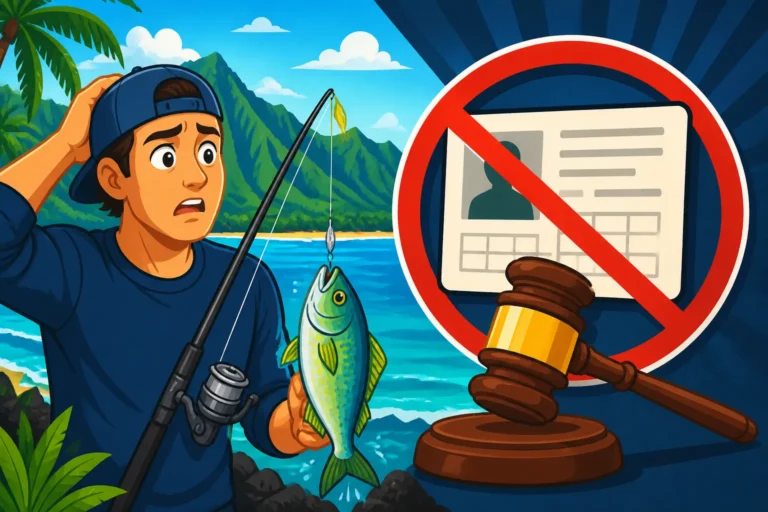
This is a question that often trips up both visitors and new residents, and it’s a good one! The short answer, for most recreational ocean fishing and gathering, is no, you do not currently need a recreational ocean fishing license to harvest crabs in Hawaii. This is a common misconception, especially for those coming from other states where ocean fishing licenses are mandatory.
However, there's a critical distinction to make:
- Recreational Crabbing: For individuals gathering crabs for personal consumption, the current regulations do not require a specific recreational marine fishing or gathering license. You just need to adhere to all the size, bag, method, and area restrictions we’ve discussed.
- Commercial Crabbing: If you are harvesting crabs with the intent to sell them, or if you are using commercial-level gear or quantities, then you absolutely do need a valid Hawaii Commercial Marine License (CML) and potentially other permits. The rules for commercial operations are much stricter and involve detailed reporting requirements. This distinction is crucial, and it's best to review our guide on Hawaii Commercial vs Recreational Fishing License Rules if you think your activities might cross into the commercial realm.
While a recreational license isn't required for ocean crabbing, please remember that freshwater fishing in Hawaii does require a license. So if you're planning to switch gears and try for some tilapia or bass in one of the islands' reservoirs, you'll need to secure a permit for that. Our article Do You Need a Fishing License in Hawaii clarifies these nuances.
Reporting Violations and Penalties
Hawaii's marine resources are protected by the Department of Land and Natural Resources (DLNR), specifically its Division of Aquatic Resources (DAR), which sets the rules, and the Division of Conservation and Resources Enforcement (DOCARE), which enforces them. These agencies work tirelessly to safeguard Hawaii's unique ecosystems.
If you witness a violation of crab harvest regulations – someone taking undersized crabs, berried females, using illegal methods, or gathering in a prohibited area – it's important to report it. You can contact DOCARE directly via their hotline. Your vigilance helps protect the resources for everyone.
The consequences for violating Hawaii's crab harvest regulations can be significant:
- Fines: Penalties can range from hundreds to thousands of dollars, depending on the severity and nature of the violation. Each undersized or illegal crab can count as a separate offense.
- Confiscation of Gear: Your crabbing equipment (nets, traps, vessel) can be seized.
- Criminal Charges: Serious or repeated violations can lead to criminal charges, potentially including jail time.
- Loss of Privilege: In some cases, individuals may lose the privilege to participate in future fishing or gathering activities.
These penalties are not meant to be punitive for the sake of it, but rather to deter illegal activities and ensure compliance that protects our precious marine life. It's far better to err on the side of caution and ensure you're fully compliant than to face the legal repercussions. For more details on what happens when rules are broken, see Fishing Without a Required License in Hawaii: Penalties. It’s a good idea to keep a copy of the regulations handy, perhaps in a durable, waterproof case you can easily get from Amazon, so you can refer to them on the go.
Access and Traditional Rights
Understanding where you can crab also involves understanding public access and the unique concept of traditional and customary rights in Hawaii. Generally, Hawaii's shorelines are considered public property up to the high-water mark, ensuring public access for recreation and gathering. However, there are exceptions, such as military bases, private lands with restricted access, or specific areas under management. It's always wise to be aware of your surroundings and respect private property boundaries. Our article on Hawaii shoreline fishing rights and public access rules offers a detailed look at this important topic.
Furthermore, Hawaii recognizes traditional and customary native Hawaiian gathering rights. These rights are deeply embedded in the culture and history of the islands, allowing native Hawaiians to gather resources for subsistence, cultural, and religious purposes, often under specific conditions that predate modern statutory law. However, even these rights are not unlimited and are generally subject to certain regulations and the requirement to prove practice and ancestral ties to a specific area. If you're interested in learning more about this complex but fascinating aspect, Hawaii traditional and customary fishing rights explained provides a deeper dive. For everyone, it's always best to consult the official Hawaii DLNR fishing regulations PDF or even call the Hawaii Division of Aquatic Resources customer service phone number if you have any lingering doubts about specific areas or rules.
Disclaimer
The information provided in this guide is intended for general informational purposes only and does not constitute legal advice. While we strive to be accurate and up-to-date, fishing regulations in Hawaii can change. It is the responsibility of each individual angler to consult the most current regulations issued by the Hawaii Department of Land and Natural Resources (DLNR) Division of Aquatic Resources (DAR) before engaging in any fishing or gathering activity. Failure to do so may result in penalties.