Hawaii boating under the influence penalties
Navigating Hawaii's breathtaking waters is an experience unlike any other, offering a unique blend of adventure and serenity. However, the allure of the ocean can sometimes lead to relaxed judgment, and unfortunately, some individuals make the dangerous choice to operate a vessel under the influence. This guide is here to shed light on the serious consequences of boating under the influence (BUI) in Hawaii, detailing the legal repercussions, real-world impacts, and crucial steps to ensure a safe and responsible day on the water.
What Exactly is Boating Under the Influence (BUI) in Hawaii?
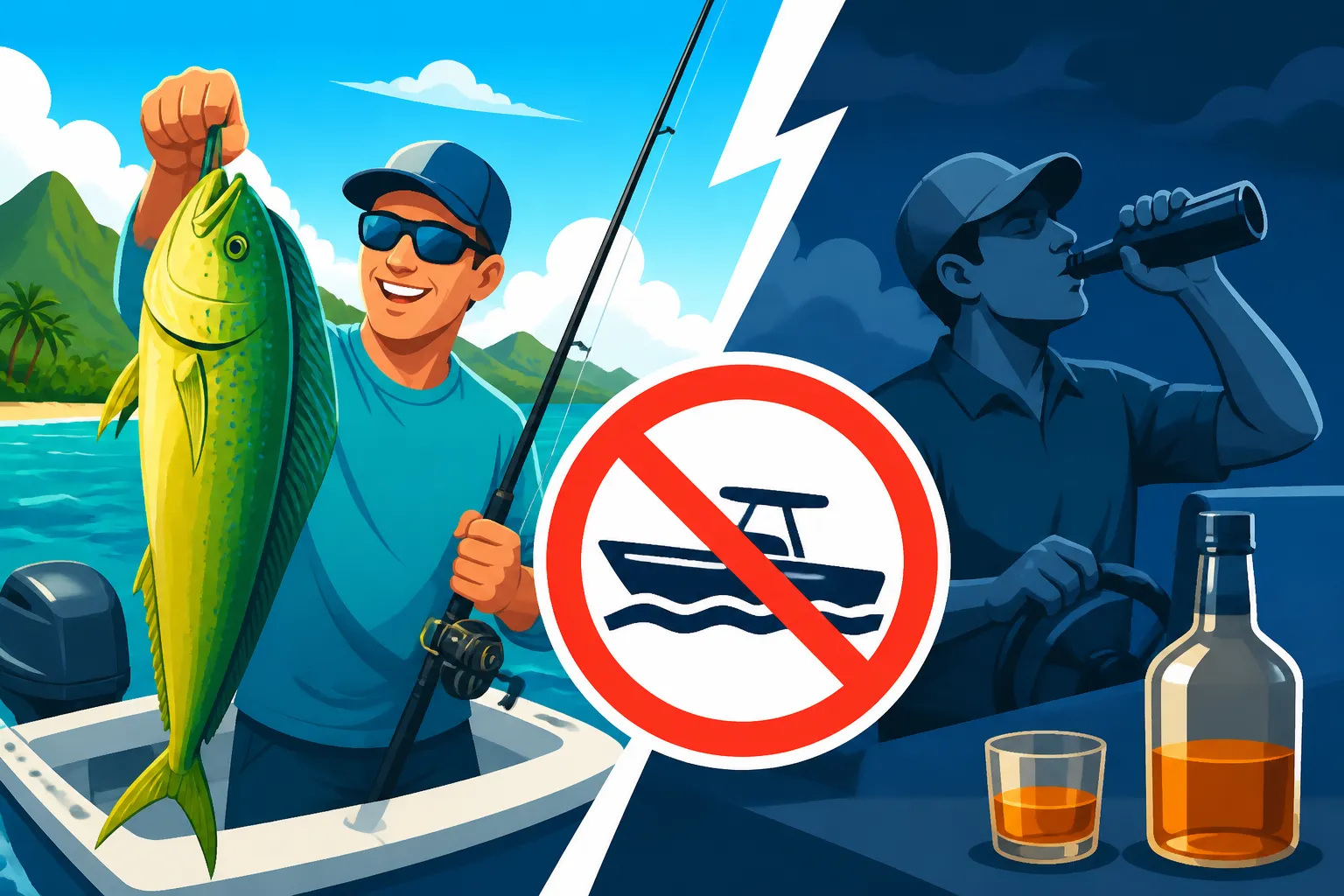
Boating Under the Influence (BUI) in Hawaii is essentially the aquatic equivalent of driving under the influence (DUI). It's a serious offense that can carry life-altering penalties, and it's not just about alcohol. The law prohibits operating any vessel, whether it's a small kayak, a personal watercraft (PWC), or a large fishing charter, while impaired by alcohol, illegal drugs, or even certain prescription medications that affect your ability to operate safely. The state of Hawaii, like many others, takes the safety of its waterways incredibly seriously, and these laws are in place to protect everyone.
Impairment Standards and Blood Alcohol Content (BAC) Limits
In Hawaii, the legal standard for impairment by alcohol is generally a Blood Alcohol Content (BAC) of 0.08% or higher for individuals 21 years of age or older. This percentage refers to the amount of alcohol in your bloodstream. For commercial operators, or anyone under 21, the threshold is often much lower, sometimes even a zero-tolerance policy. It’s a common misconception that because you’re on the water, the rules are different or more lenient than on the road. They are not. If you’re at the helm, you are responsible for maintaining a safe environment, and that includes being sober and alert.
Beyond the specific BAC limit, you can also be cited for BUI if you are operating a vessel with "any amount" of certain illegal drugs in your system, or if your ability to operate is impaired to "any extent" by alcohol, drugs, or a combination thereof. This means even if your BAC is below 0.08%, if an officer determines your judgment, motor skills, or perception are compromised, you can still face BUI charges. Think about the unpredictable nature of the ocean—sudden swells, changing currents, other boats, marine life, and navigating busy harbors. All these require your full attention and quick reflexes, something that impairment severely compromises.
Implied Consent and Consequences of Refusal
Just like with a DUI on land, Hawaii has an "implied consent" law when it comes to BUI. This means that by operating a vessel on Hawaii's waters, you implicitly consent to chemical testing (breath, blood, or urine) if a law enforcement officer has reasonable suspicion to believe you are under the influence. Refusing to submit to such a test can carry its own set of administrative penalties, regardless of whether you are ultimately convicted of BUI.
For example, refusing a test can lead to the immediate suspension of your operating privileges, sometimes for a year or more for a first offense. This suspension isn't tied to a BUI conviction itself but is a separate penalty for not complying with the implied consent law. Many boaters, particularly visitors, are often unaware of this critical detail, assuming they can simply refuse. It's a tough lesson to learn when you're facing separate legal battles for refusal and potentially for the BUI itself.
The Legal Consequences of a Hawaii BUI Conviction
The legal penalties for a BUI conviction in Hawaii are severe and designed to deter impaired operation. They escalate significantly with repeat offenses or if aggravating factors are present. It's not just a slap on the wrist; these consequences can impact your freedom, finances, and future. Understanding what you're up against is the first step toward making responsible choices on the water.
Penalties for a First-Time Offender
For a first-time BUI offense in Hawaii, you're looking at a range of serious penalties. While there's no mandatory minimum jail time, the courts can impose it. More commonly, you'll face hefty fines, mandatory attendance at an alcohol and drug assessment program, and a suspension of your boating privileges. The goal of these penalties is not just punishment, but also rehabilitation and education to prevent future incidents.
Imagine planning your next fishing trip or a leisurely cruise around the islands, only to realize your boating privileges are suspended for a year because of a poor decision. That’s a very real scenario. These penalties serve as a stark reminder that operating a boat requires the same level of responsibility as operating a car. You might also be ordered to perform community service, adding further inconvenience and a public record of your offense. These are not minor inconveniences; they are significant disruptions to your life and demonstrate the state's firm stance against impaired boating.
Enhanced Penalties for Repeat Offenses or Aggravating Factors
The penalties for BUI increase substantially for repeat offenders. If you have a prior BUI conviction within a certain timeframe (usually five or ten years), the fines become steeper, jail time can become mandatory and longer, and the suspension of your boating privileges can extend for several years. The system is designed to progressively punish those who do not learn from their initial mistakes.
Aggravating factors also trigger harsher sentences. For instance, if you are convicted of BUI while having a minor (typically under 16 years old) on board your vessel, the penalties can be significantly enhanced, reflecting the increased danger posed to vulnerable passengers. Even more severe consequences arise if a BUI incident results in property damage, serious bodily injury, or, tragically, a fatality. In such cases, charges can be elevated to felony offenses, carrying years of imprisonment and astronomical fines. These aren't just hypotheticals; they happen, and the emotional and legal toll on everyone involved is immense. It's a stark reminder of why adhering to Hawaii Boating Laws for Anglers is so critical.
Below is a simplified table outlining potential penalties for BUI in Hawaii, based on common guidelines. Keep in mind that actual sentences can vary based on judicial discretion, specific circumstances, and changes in legislation.
| Offense Level | Fines (Approx.) | Jail Time (Approx.) | Boating Privilege Suspension | Other Penalties |
|---|---|---|---|---|
| 1st Offense | $150 – $1,000 | 48 hours – 5 days (or community service) | 3 – 6 months | Mandatory alcohol assessment/education, possible community service |
| 2nd Offense | $500 – $2,000 | 10 – 14 days (mandatory) | 6 months – 1 year | Mandatory alcohol treatment, longer community service, possible ignition interlock device (if applicable) |
| 3rd Offense | $1,000 – $5,000 | 30 days – 1 year (mandatory) | 1 – 2 years | Extensive alcohol treatment, felony charges possible depending on circumstances |
| Aggravated Factors (e.g., injury, minor on board) | Significantly higher fines, potentially thousands | Longer mandatory jail/prison sentences, potentially years | Extended suspension, possibly permanent | Felony charges, civil lawsuits, restitution, more intensive treatment |
Note: These are general guidelines. Specific penalties are determined by the court and depend on the exact nature of the offense and any prior history.
Beyond the Legal: Real-World Impacts of a BUI
While the legal penalties for a Hawaii BUI conviction are daunting, the repercussions extend far beyond fines and jail time. The real-world impacts can ripple through every aspect of your life, affecting your finances, relationships, and even your ability to pursue certain passions or careers. It’s vital to consider these less obvious consequences when making decisions about alcohol and boating.
Financial Burden and Insurance Ramifications
A BUI conviction is a black mark that significantly increases your financial burden. Beyond the court-ordered fines, you'll incur legal fees, costs for mandatory alcohol education and treatment programs, and potentially towing and impoundment fees for your vessel. These costs can quickly add up to thousands, if not tens of thousands, of dollars. It’s an unexpected and heavy financial blow that most people are ill-prepared for.
But the financial pain doesn't stop there. Your boat insurance premiums, if you even manage to retain coverage, will skyrocket. Many insurance companies will consider you a high-risk client, leading to much higher rates or even a refusal to renew your policy. Imagine having to pay double or triple your previous premium, or worse, being unable to find insurance at all. This makes enjoying your boat, or even owning one, a far more expensive and complicated endeavor. It’s a persistent financial drain that continues long after your court case is over.
Impact on Reputation and Future Opportunities
A BUI conviction leaves a permanent mark on your record, and this can have a devastating impact on your personal and professional reputation. News of such incidents can travel fast in tight-knit communities, especially in places like Hawaii where many people are passionate about ocean activities. This can lead to social stigma, strained relationships, and a loss of trust from friends, family, and colleagues.
Professionally, a BUI conviction can hinder future job prospects, particularly if your work involves driving, operating machinery, or positions of trust. Many employers conduct background checks, and a BUI conviction can be a red flag. If you hold a professional license, such as a Hawaii charter boat operator license requirements or other certifications, your license could be jeopardized or revoked. Even for seemingly unrelated fields, an employer might view a BUI as a sign of poor judgment, making you a less desirable candidate. The long-term career implications are often overlooked but can be incredibly impactful.
Civil Liability and Personal Injury Lawsuits
One of the most frightening real-world consequences of a BUI is the potential for civil liability. If your impaired boating leads to an accident that causes injury or death to others, you can face a personal injury lawsuit. Even if your boat insurance covers some of the damages, it often has limits, and you could be held personally responsible for significant financial judgments. This means your personal assets—your home, savings, future earnings—could be at risk.
Imagine causing an accident where someone sustains a lifelong injury. You would be responsible not only for their medical bills, lost wages, and pain and suffering, but potentially for their long-term care. These civil cases can drag on for years, adding immense stress and financial strain. It’s a burden that far outweighs the fleeting pleasure of having a few drinks while operating a vessel. The emotional toll of knowing your actions caused such harm to another person is immeasurable and can haunt you for years to come.
Preventing BUI: Responsible Boating Practices
The good news is that BUI is entirely preventable. By adopting responsible boating practices, you can ensure your days on Hawaii’s stunning waters are memorable for all the right reasons, not for a regrettable mistake. It’s about planning ahead, prioritizing safety, and making smart choices before you even leave the dock.
Designate a Sober Skipper
The single most effective way to prevent BUI is to designate a sober skipper before your vessel ever leaves the shore. This person commits to not consuming alcohol or any impairing substances for the duration of the outing. They are responsible for the safe navigation of the vessel and the well-being of all passengers. This isn't just a suggestion; it's a non-negotiable safety measure, especially if you plan to enjoy alcoholic beverages on board.
This designated skipper should be someone you trust, who understands Hawaii Boating Laws for Anglers, and is capable of handling the boat in various conditions. If you're out with a group, take turns being the sober skipper on different outings. Or, if everyone wants to partake, consider hiring a licensed captain for your excursion. Many popular charter services offer this option, allowing everyone to relax responsibly. Planning this ahead of time eliminates any confusion or difficult decisions once you're already out on the water.
Plan for Non-Alcoholic Options and Hydration
If you plan to have a party on the water, ensure you have plenty of non-alcoholic beverage options available. Stocking coolers with water, sparkling cider, juice, or sodas can help keep everyone refreshed and hydrated, reducing the temptation to rely solely on alcoholic drinks. Dehydration, especially in Hawaii's tropical sun, can exacerbate the effects of alcohol, making good hydration even more crucial.
Consider making a variety of fun mocktails! There are countless recipes online that can provide a festive feel without the alcohol. Having these appealing options available ensures that even your sober skipper feels included and enjoys the refreshments. You can find excellent coolers and insulated drinkware on Amazon to keep all your beverages, alcoholic and non-alcoholic, perfectly chilled throughout your trip.
Equipping Your Vessel with Essential Safety Gear
Beyond BUI prevention, a critical aspect of responsible boating is ensuring your vessel is properly equipped with all necessary safety gear. This includes having enough US Coast Guard-approved life jackets for everyone on board, a sound-producing device (like a whistle or horn), visual distress signals, a fire extinguisher, and a first-aid kit. These items are not just recommendations; they are often legally required by Hawaii required boat safety equipment checklist.
Before every outing, take a few minutes to check your equipment. Are the life jackets in good condition and easily accessible? Is your fire extinguisher charged? Do you have a functional anchor? Regularly reviewing and maintaining your gear, perhaps stocking up on replacements or upgrades from Amazon, is a small effort that can make a huge difference in an emergency. Remember, an unforeseen incident can quickly turn serious, and having the right equipment can literally save lives. Make sure to also stay updated on your Hawaii boat registration renewal period to avoid any administrative issues.
Understanding Your Responsibilities and Local Regulations
As a boater in Hawaii, it's your responsibility to understand and adhere to all local, state, and federal boating regulations. This includes rules regarding speed limits, right-of-way, restricted areas like Hawaii Marine Life Conservation Districts, Explained, and proper navigation lights. Ignorance of the law is never an excuse.
If you're new to boating or operating a particular type of vessel, consider taking a boater education course. These courses, often available online or through local organizations, cover essential safety practices, navigation rules, and emergency procedures. Completing a course like this not only makes you a safer boater but can also sometimes lead to discounts on boat insurance. For specific questions, reaching out to the Hawaii Division of Aquatic Resources customer service phone number can provide clarity on regulations. Knowing the rules, planning for sobriety, and being prepared with safety gear are the cornerstones of responsible boating in Hawaii.
Disclaimer
This article is intended for informational purposes only and does not constitute legal advice. Boating under the influence laws and penalties are subject to change. For the most accurate and up-to-date legal information regarding BUI in Hawaii, it is essential to consult with the Hawaii Department of Land and Natural Resources (DLNR) or a qualified legal professional.