Hawaii fishing derby permit requirements
Organizing a fishing derby in Hawaii can feel like navigating a maze of paperwork and rules, especially when you're trying to figure out exactly what permits you need to keep your event legal and respectful of our precious marine resources. Many enthusiastic organizers find themselves scratching their heads, wondering if their friendly neighborhood competition requires the same scrutiny as a major sportfishing tournament. This guide is here to untangle the requirements for Hawaii fishing derby permits, helping you understand the process, what’s expected of you, and how to make sure your event runs smoothly and responsibly.
Understanding Fishing Derbies in Hawaii
When you think of a fishing derby, your mind might jump to grand offshore tournaments with big cash prizes. But in Hawaii, a "fishing derby" can encompass a much wider range of organized events, from a small keiki (children's) shoreline competition to a club's annual bottomfishing challenge. Understanding what qualifies as a derby and why permits are crucial is the first step toward a successful, compliant event.
What Qualifies as a Fishing Derby?
In the eyes of the Hawaii Department of Land and Natural Resources (DLNR) Division of Aquatic Resources (DAR), a fishing derby is generally any organized event where participants compete to catch fish, and there's usually some form of prize, recognition, or scoring involved. This isn't just about the big-money tournaments; it includes charitable events, club outings, and even informal but organized competitions among friends if they meet certain criteria, especially if they are advertised publicly or involve a significant number of participants.
Imagine a scenario: your local community group wants to host a fun catch-and-release papio competition at a popular beach park on Oahu to raise money for a good cause. While it might seem like a simple gathering, the competitive element, the potential for numerous participants, and the public nature of the event mean it falls under the "fishing derby" umbrella. The intent is usually good, but the regulations are in place to manage the collective impact of many anglers targeting specific species or areas. Similarly, if your fishing club decides to hold its annual "Biggest Ulua" challenge over a weekend, complete with weigh-ins and awards, that's definitely a derby. It's about organized competition, not just a casual day of fishing with a friend.
Why Permits Are Necessary for Derbies
The Hawaiian Islands boast incredibly rich and diverse aquatic ecosystems, but they are also fragile. The primary reason for requiring permits for fishing derbies is to protect these resources and ensure sustainable practices. When multiple anglers are concentrated in one area, or when specific species are being heavily targeted for a competition, there's an increased risk of overfishing, habitat disturbance, or accidental harm to non-target species. The DLNR uses the permit process to:
- Monitor Impact: Track the cumulative effect of organized fishing on fish populations and habitats.
- Enforce Regulations: Ensure that derbies adhere to existing Hawaii fishing regulations explained, including crucial bag and size limits by species. Without a permit system, it would be much harder to ensure compliance during competitive events where the drive to win might tempt some to bend the rules.
- Manage Access: Coordinate use of public areas and prevent conflicts with other recreational users or ongoing conservation efforts. For instance, holding a large spearfishing derby in a popular swimming area could create safety hazards, so permits allow for proper planning and communication.
- Gather Data: Collect valuable data on catch rates, species composition, and effort, which helps inform future resource management decisions. This information is crucial for scientists and managers to understand the health of our fisheries.
Think of it this way: if a dozen people fish a specific reef one day, it's one thing. If 200 people are all trying to catch the biggest fish from that same reef for a prize, the potential impact escalates significantly. The permit acts as a checkpoint to ensure that everyone involved understands their responsibility to the environment. Without these permits, it would be a free-for-all, leading to potential ecological harm and negative public perception of the fishing community.
Common Types of Fishing Derbies in Hawaii
Fishing derbies in Hawaii come in many exciting forms, reflecting the diverse fishing opportunities our islands offer. Each type might have slightly different considerations during the permit application process, mainly due to the specific regulations tied to various fishing methods or locations.
- Shoreline Derbies: These are incredibly popular, often involving keiki or casual anglers. Participants typically fish from beaches, piers, or rocky points, targeting species like papio, barracuda, or even small ulua. A common format might be a "keiki catch-and-release" event at Ala Moana Beach Park, where kids learn to fish and compete for the most releases. Given the public nature of shorelines, organizers need to consider not only fishing regulations but also public safety and access for other beachgoers.
- Boat-Based Derbies: From small skiffs targeting nearshore reef fish to grander-hunting sportfishing yachts off the Kona Coast, boat derbies are a staple. These can be specific to pelagic species like ahi and marlin, or focus on bottomfish like opakapaka and onaga. For these events, organizers must ensure all participating vessels comply with Hawaii boating laws for anglers and perhaps even specific requirements for boat registration requirements. The sheer number of boats potentially converging on a fishing ground, especially during a large tournament, necessitates careful planning to avoid congestion and ensure responsible fishing practices.
- Spearfishing Derbies: Spearfishing is a highly skilled and culturally significant fishing method in Hawaii. Derbies for spearfishers are usually focused on reef fish or small pelagics and require a deep understanding of local regulations, including Hawaii spearfishing regulations and strict adherence to prohibited areas like Hawaii Marine Life Conservation Districts. Safety is a paramount concern, as are strict rules regarding species identification and ethical harvest.
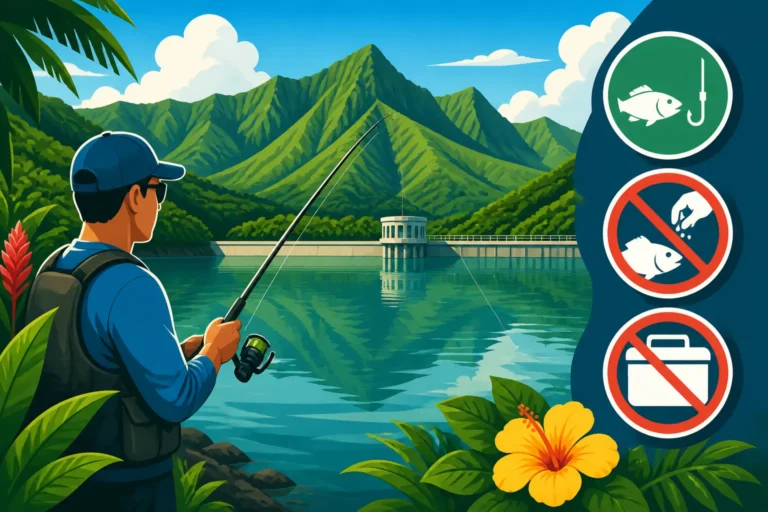
- Freshwater Derbies: While less common than ocean-based events, freshwater derbies do occur, particularly for introduced species like largemouth bass, peacock bass, or even trout in specific areas like the Kokee Public Fishing Area on Kauai. These events require adherence to Hawaii Freshwater Fishing License and Rules, which can differ significantly from marine regulations. For example, a peacock bass derby at Wahiawa Reservoir on Oahu would need to comply with specific reservoir rules and stocking information.
Each of these derby types, while different in their execution, shares the common thread of requiring a DLNR permit to ensure they are conducted safely, fairly, and sustainably, preserving Hawaii's unique fishing heritage for generations to come.
The Hawaii Fishing Derby Permit Application Process
So, you're ready to organize your fishing derby? That's fantastic! The next step is to understand the permit application process itself. It might seem daunting at first, but by breaking it down, you'll find it's a clear, albeit detailed, path.
Who Needs to Apply and When
The responsibility for securing a fishing derby permit always falls on the event organizer. This isn't something individual participants apply for; it's a master permit that covers the entire organized event. Whether it's a small club, a large commercial tournament organizer, or a non-profit hosting a fundraiser, the entity putting the derby together is the one who needs to submit the application to the DLNR Division of Aquatic Resources (DAR).
When it comes to timing, the general rule of thumb is to apply as early as possible. While there isn't one universal deadline etched in stone, most state agencies, including Hawaii's DLNR, appreciate applications submitted with at least 60 to 90 days' notice prior to the planned event date. This generous lead time allows the DAR staff ample opportunity to review your application thoroughly, check for potential conflicts, consult with other divisions if necessary, and communicate any required modifications or additional information back to you.
Trying to rush an application a few weeks before your event is a recipe for stress and potential rejection. The staff needs time to ensure everything is in order, especially if your derby involves unique aspects or sensitive locations. Imagine planning a major tournament only to find out at the last minute your permit is denied because you missed a critical step – it's a headache no one wants. Starting early also gives you flexibility to adapt your plans if the DLNR suggests changes, rather than having to scramble or cancel.
Required Documentation and Information
The DLNR's fishing derby permit application requires a comprehensive set of information. This isn't just bureaucratic red tape; it's about providing a clear picture of your event so the state can assess its potential impact and ensure compliance. While the exact forms and requirements can vary slightly, you can generally expect to provide:
- Detailed Event Description: What kind of derby is it? (e.g., shoreline, boat, spearfishing). What species are being targeted? Is it catch-and-release or harvest?
- Organizer and Contact Information: Full details of the individual or organization responsible, including names, addresses, phone numbers, and email.
- Dates and Times: Specific start and end dates, as well as daily operating hours for the derby.
- Proposed Locations: Precise geographical areas where the fishing will occur, including launch points, weigh-in stations, and any areas participants might congregate. This might require maps or GPS coordinates. For example, if you're planning a shoreline derby in Kailua-Kona, you'd specify the beach or stretch of coastline.
- Number of Participants: An estimated number of anglers, boats, or teams expected to participate.
- Rules and Regulations for Participants: A copy of the derby's official rules. These rules are crucial as they demonstrate how you plan to enforce legal fishing practices, such as adherence to Hawaii Bag and Size Limits by Species and other local regulations. This also includes any special scoring, tie-breaking procedures, or disqualification criteria.
- Safety Plan: A detailed outline of how you will ensure the safety of participants, especially for boat-based or spearfishing events. This might include communication protocols, emergency contact information, first-aid provisions, and procedures for severe weather.
- Waste Management Plan: How will you manage trash and ensure the event area is left clean? This is particularly important for shoreline derbies where litter can easily impact coastal ecosystems.
- Prize Information: What kind of prizes will be awarded? While not directly impacting environmental concerns, it's part of the overall event scope.
- Conservation Measures: What steps will your derby take to promote conservation? This could include catch-and-release best practices, educational materials for participants, or plans for donating unwanted catch.
You may be asked for additional information depending on the scale and nature of your event. For a complex, multi-day offshore tournament, the requirements will naturally be more extensive than for a small, single-day youth shoreline event. The DLNR might also request information on how you plan to manage fish that are caught, especially if they are commercially valuable species or if you have specific intentions for their disposition (e.g., donation, sale, or participant retention).
Submitting Your Application to the DLNR
Once you've meticulously gathered all your documentation and filled out the necessary forms, the next step is submission. The DLNR Division of Aquatic Resources (DAR) is the primary agency responsible for processing these permits.
Typically, applications are submitted to the DAR office on the island where your derby will primarily take place. While general information might be available online, it's often best to contact the DAR directly for the most up-to-date application forms and submission procedures. You can usually find contact information for the DAR offices on Oahu, Maui, Hawaii Island, and Kauai on the official DLNR website.
Submitting your application usually involves:
- Obtaining the Official Application Form: Start by downloading the most current "Fishing Derby Permit Application" form from the DLNR website or requesting it directly from a DAR office. Avoid using outdated forms, as requirements can change.
- Completing the Form Accurately: Fill out every section completely and precisely. Any missing information can cause delays or even rejection. Be thorough, even if it feels redundant.
- Attaching Supporting Documents: Include all the required attachments you've prepared, such as your derby rules, safety plan, and maps. Label them clearly.
- Submission Method: Most applications can be mailed, faxed, or emailed to the appropriate DAR district office. Sometimes, an in-person submission might be an option, but confirm this first. Always keep a complete copy of your submitted application for your records.
- Follow-Up: Don't be afraid to follow up politely after a reasonable waiting period (a week or two) to confirm receipt of your application. This can help you address any immediate issues or confirm it's moving through the review process.
Remember, the staff at DAR are there to help ensure sustainable fishing practices. Approaching them with clear, complete information and a willingness to cooperate will make the process much smoother. Think of it as a collaborative effort to host a great event while protecting Hawaii's natural treasures. It's not about jumping through hoops for no reason; it's about being a responsible steward of our unique aquatic environment.
Key Regulations and Considerations for Derby Organizers
Organizing a fishing derby isn't just about securing a permit; it's about integrating the derby seamlessly into the broader framework of Hawaii's conservation efforts and existing regulations. This means going beyond the application form and truly understanding the spirit of responsible resource management.
Conservation and Resource Management
At the heart of all Hawaii fishing regulations is the goal of conservation. Your derby, no matter how small, must operate within these established boundaries. This includes strict adherence to:
- Bag and Size Limits: Every species targeted in your derby must conform to the current Hawaii Bag and Size Limits by Species. This is non-negotiable. For example, if you're hosting a moi derby, participants must know and respect the moi minimum size limit and the moi closed season, explained, which usually runs from June to August to protect spawning populations. If your derby targets uhu, participants need to understand the Hawaii uhu minimum size limit and the Hawaii uhu daily bag limit. This information should be prominently displayed in your derby rules and communicated clearly to all participants. It's not enough to just say "follow the law"; specific limits should be detailed.
- Closed Seasons and Areas: Be acutely aware of any seasonal closures for certain species or specific fishing grounds. The Hawaii Moi Closed Season, Explained is a perfect example of a seasonal closure that would impact a derby targeting that species. Similarly, understanding the Hawaii Kokee Trout Fishing Season Dates is critical for any freshwater trout derby on Kauai.
- Prohibited Methods: Ensure that your derby's rules explicitly prohibit any illegal fishing methods. This includes certain types of nets in restricted areas, or specific spearfishing practices like Hawaii SCUBA Spearfishing Ban.
Beyond just following the rules, consider implementing "best practices" that go above and beyond. For catch-and-release derbies, instruct participants on proper handling techniques to maximize fish survival. For derbies where fish are harvested, encourage responsible consumption and discourage waste. Some organizers even include an educational component, teaching participants about local marine life and the importance of conservation, truly embracing the spirit of "malama i ke kai" (care for the ocean).
Safety Protocols and Emergency Planning
The safety of your participants is paramount. A fishing derby, especially those involving boats or spearfishing, carries inherent risks. A robust safety plan isn't just a permit requirement; it's a moral obligation. Your plan should address:
- Communication: How will participants communicate with each other and with derby organizers? What are the emergency contact channels? Consider using marine radios for boat-based events or designating specific check-in times.
- Emergency Services Contact: Clearly list contact information for local emergency services (Coast Guard, Fire Department, Police, medical services).
- Weather Monitoring: Outline procedures for monitoring weather conditions and making decisions about delaying, rescheduling, or canceling the event due to adverse weather. This is particularly crucial for offshore events where conditions can change rapidly.
- First Aid: Ensure qualified first aid personnel are on-site or readily available, especially at weigh-in stations or gathering points. Have well-stocked first aid kits.
- Life Jacket Requirements: Remind all boat-based participants of Hawaii life jacket rules for children and adults, and ensure they comply with all relevant Hawaii Boating Laws for Anglers.
- Designated Safety Zones: For spearfishing or shoreline events, identify any areas that might be off-limits due to hazards or heavy public use.
For a boat-based derby, it’s not uncommon to require each participating vessel to carry specific safety equipment, such as flares, fire extinguishers, and sufficient personal flotation devices. For any derby, ensuring all participants are aware of the safety plan before they even cast a line is critical.
Public Access and Marine Life Protection
Hawaii's shorelines and marine waters are for everyone. Your derby must respect public access rights and sensitive marine areas.
- Public Access: If your derby uses public beaches, piers, or boat ramps, ensure that your event doesn't unduly restrict access for others. This might involve staggered start times or designated areas for derby participants. Always be mindful of Hawaii shoreline fishing rights and public access rules.
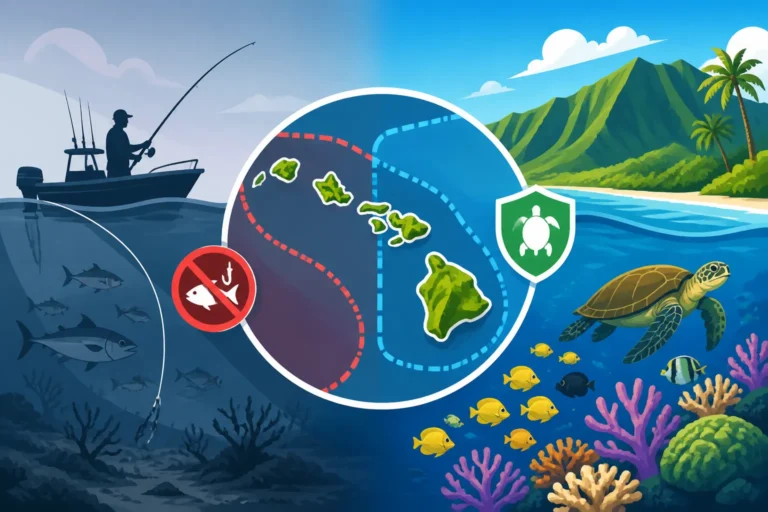
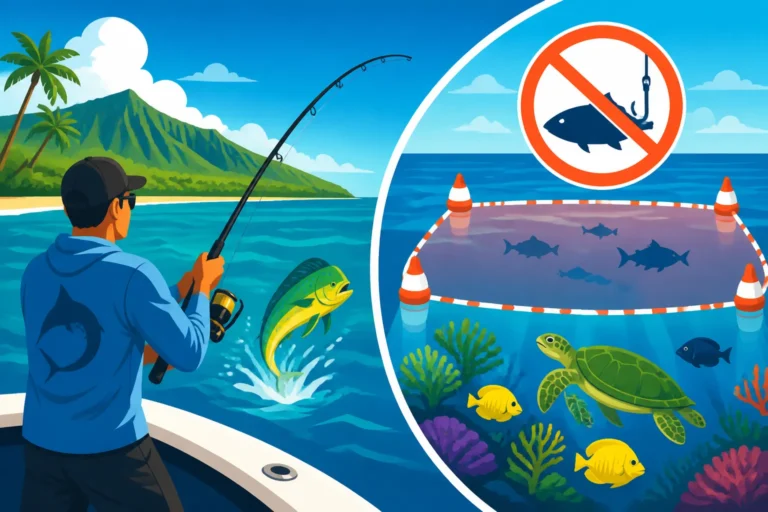
- Marine Life Conservation Districts (MLCDs): These are strictly protected areas where fishing is highly restricted or completely prohibited. You must know the boundaries of any Hawaii Marine Life Conservation Districts, Explained, and ensure your derby avoids them entirely. Fishing in an MLCD, even accidentally, can lead to severe penalties. Examples include the waters of Hanauma Bay, where fishing is strictly forbidden. Your derby rules must clearly delineate these no-fishing zones.
- Protected Species: Educate participants about protected species like Hawaiian Monk Seals and sea turtles. Establish clear protocols for what to do if these animals are encountered, emphasizing that approaching or disturbing them is illegal and harmful. The Hawaii turtle and monk seal proximity rules for anglers are not just suggestions; they are federal and state laws.
Consider where your fishing spots in Hawaii are located and how your derby might interact with other ocean users. A large shoreline event might require coordination with local lifeguards or park authorities to manage crowds and ensure everyone's safety and enjoyment.
Reporting Requirements Post-Derby
The permit process doesn't end when the last fish is weighed. Many permits, especially for larger derbies, include a requirement for organizers to submit a post-event report to the DLNR. This report often includes:
- Actual Participation Numbers: How many anglers ultimately participated.
- Catch Data: The total number and weight of each species caught, kept, or released. This is vital data for the DLNR to monitor fish stocks.
- Incidents: Any accidents, safety issues, or violations that occurred during the event.
- Conservation Outcomes: Details on any specific conservation efforts undertaken (e.g., amount of trash collected, educational activities).
This reporting is a critical feedback loop for the DLNR. It helps them understand the real-world impact of derbies and refine future regulations. Think of it as your final contribution to the sustainability of Hawaii's fisheries. Providing accurate and timely reports helps everyone maintain a healthy and thriving marine environment.
Common Pitfalls and How to Avoid Them
Even with the best intentions, organizing a fishing derby in Hawaii can present a few common challenges. Being aware of these potential pitfalls can help you navigate the process smoothly and ensure your event is a resounding success.
Overlooking Local Nuances
Hawaii is a collection of diverse islands, each with its own unique fishing environments and, sometimes, specific local interpretations or additional rules. What might be acceptable on Oahu could be different on Maui or the Big Island. Overlooking these local nuances is a common mistake.
For instance, while statewide regulations cover most species, certain bays or harbors might have specific restrictions on fishing methods or species. Kealakekua Bay Fishing Rules and Access on the Big Island are a prime example; while some areas may permit fishing, others are highly restricted. Similarly, a specific marine life conservation district might have unique regulations beyond the general statewide rules.
To avoid this pitfall:
- Contact Local DAR Offices: Don't just rely on the main DLNR website. Reach out to the Division of Aquatic Resources (DAR) office on the island where your derby will be held. They can provide hyper-local insights and clarify any island-specific rules.
- Engage with Local Fishing Communities: Talk to local fishing clubs, tackle shop owners, or experienced anglers. They often have invaluable knowledge about specific areas, local customs, and unwritten rules that are good to respect.
- Thoroughly Research Your Specific Location: If your derby is confined to a particular bay, shoreline, or reservoir, like Wahiawa Reservoir, investigate any specific rules for that body of water.
A few extra phone calls or conversations can save you a lot of headaches and help your derby be respectful of both the environment and the local community.
Late Submissions and Incomplete Applications
This is perhaps the most common and easily avoidable pitfall. In the excitement of planning the actual derby, the administrative task of permit application can sometimes be pushed aside until the last minute. However, submitting a permit application late or with missing information almost guarantees delays, stress, and potential rejection.
Imagine you've planned a major event, invited participants, and secured sponsors, only to find out two weeks before the derby that your permit is on hold because you forgot to include your detailed safety plan or the DLNR needs clarification on your proposed fishing zones. This not only jeopardizes your event but also creates a negative impression with the regulatory agency.
To avoid this pitfall:
- Start Early, Really Early: As mentioned, aim for at least 60-90 days before your event. This buffer allows for questions, revisions, and unforeseen administrative processing times.
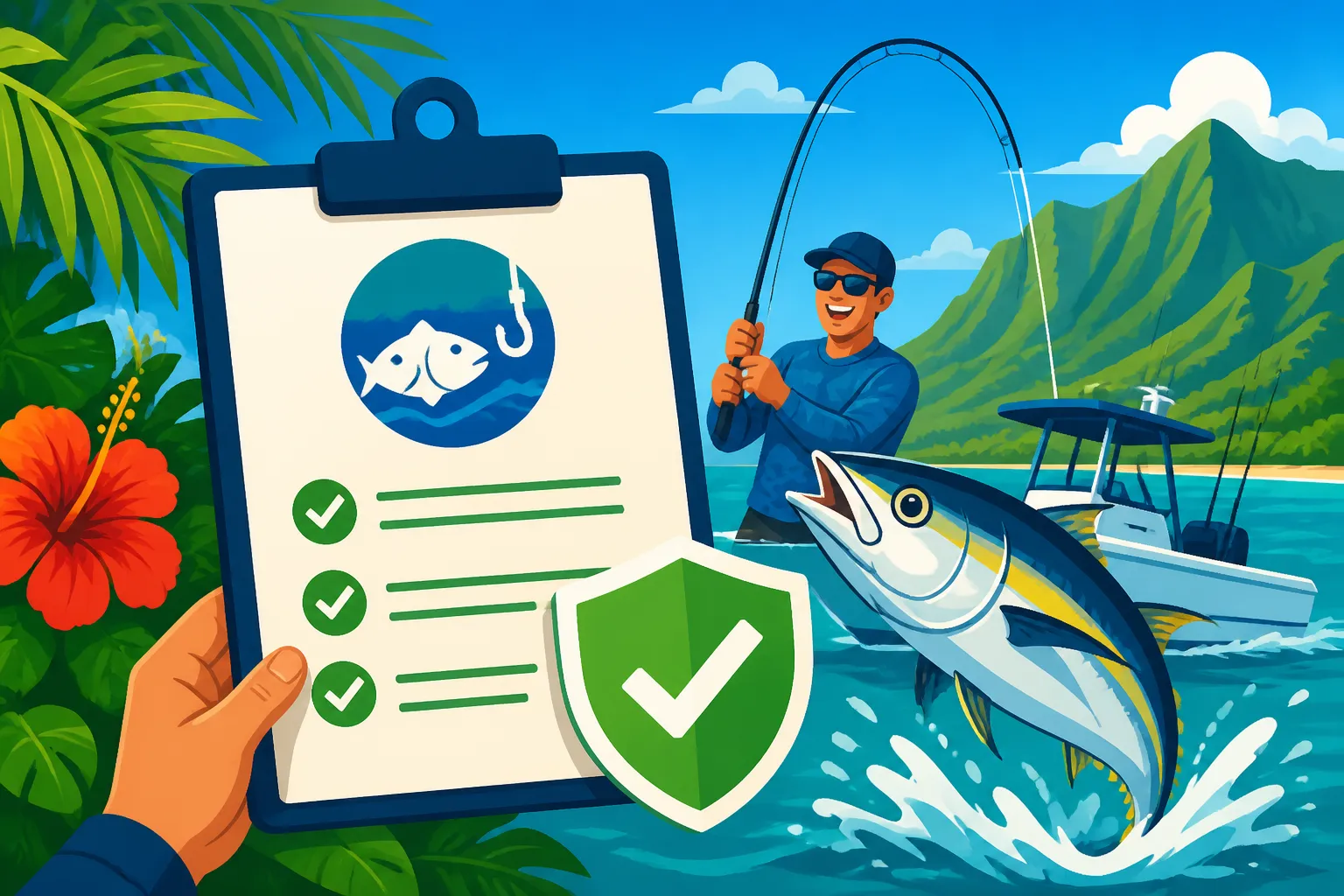
- Use a Checklist: Create a checklist of all required documents and information based on the official application form. Tick off each item as you gather and complete it.
- Double-Check Everything: Before submitting, have at least two people review the entire application package for completeness and accuracy. Ensure all fields are filled, all attachments are included, and contact information is correct.
- Communicate Proactively: If you anticipate a delay in submitting a specific document, communicate this to the DAR office beforehand. Transparency is key.
Remember, the DLNR staff are managing numerous applications. A complete and timely submission makes their job easier and increases the likelihood of a smooth approval for your fishing derby.
Misunderstanding Species-Specific Rules
Hawaii's waters are home to thousands of marine species, and regulations can vary significantly from one fish to another. A common mistake for derby organizers is to assume a general understanding of fishing rules applies to all target species, only to discover a specific closure, size limit, or bag limit they overlooked.
For instance, while many pelagic species like ahi and mahimahi have generous limits (though understanding Hawaii Pelagic Species Bag Limits is always good), popular reef fish often have more restrictive rules. If your derby is targeting moi, you absolutely need to know the Hawaii moi minimum size limit and the Hawaii moi closed season dates. If you're allowing the harvest of opihi, understanding Hawaii Opihi Harvest Limits and Size Rules is crucial. Even for invasive species like taape and roi, there are specific guidelines you should be aware of.
To avoid this pitfall:
- Deep Dive into DLNR Regulations: Familiarize yourself with the Hawaii DLNR Fishing Regulations PDF, focusing specifically on the species your derby will target. Don't just skim; read the details.
- Highlight Key Rules for Participants: In your derby rules, explicitly state the bag limits, size limits, and any closed seasons or areas relevant to your target species. Don't leave it to participants to look it up; provide the information directly.
- Consider a Pre-Derby Briefing: For participants, especially those new to Hawaii fishing or competitive events, a brief session outlining key regulations, species identification, and safe handling practices can be incredibly valuable.
- Enforcement at Weigh-In: Ensure your weigh-in staff are well-versed in the regulations and are prepared to disqualify catches that do not meet legal requirements. This demonstrates your commitment to responsible fishing.
By thoroughly understanding and clearly communicating species-specific rules, you not only protect the fish but also protect your derby from potential violations and negative publicity. It shows that your event is about respectful competition within the bounds of conservation.
Permit Requirements Table for Hawaii Fishing Derbies
To help you get a quick overview, here's a table summarizing the general permit requirements for organizing a fishing derby in Hawaii. Remember, this is a general guide, and specific details may vary, so always consult the official DLNR DAR office for the most current information.
| Requirement Category | Key Details | Action for Organizer |
|---|---|---|
| Applicant Information | Full legal name, address, phone, email of organization/individual responsible. | Complete all contact fields accurately on the application form. |
| Event Details | Type of derby (shoreline, boat, spearfishing, freshwater), target species, dates, times, estimated participant numbers, catch-and-release vs. harvest. | Provide a comprehensive description of the derby's format and objectives. Clearly state target species and intended disposition of catch. |
| Location Information | Specific fishing areas, launch sites, weigh-in locations, congregation points. May require maps or GPS coordinates. | Precisely define the geographical scope of the derby. Highlight any areas to be avoided (e.g., MLCDs, restricted access points). |
| Derby Rules | Comprehensive rules for participants, including adherence to all Hawaii Fishing Regulations, bag limits, size limits, closed seasons, and any specific derby-only rules. | Develop clear, concise rules that are easy for participants to understand. Ensure these rules explicitly reference and align with official DLNR regulations (e.g., Hawaii Bag and Size Limits by Species). |
| Safety Plan | Procedures for participant safety, emergency communication, weather monitoring, first aid, and specific risks (e.g., boating safety, spearfishing hazards). | Outline detailed safety protocols. Include emergency contact info, weather monitoring strategy, and how participants will be informed of safety guidelines. Consider a pre-derby safety briefing. |
| Conservation Measures | Steps taken to promote sustainable fishing, proper catch-and-release techniques, waste management, and avoidance of protected species/areas. | Document how the derby will minimize environmental impact. This could include recycling plans, educational materials, or emphasizing proper handling of fish. Explicitly state avoidance of Hawaii Marine Life Conservation Districts, Explained. |
| Review & Submission | All forms and supporting documents are submitted to the relevant DLNR Division of Aquatic Resources (DAR) office. Recommended 60-90 days in advance. | Gather all required information well in advance. Double-check for completeness and accuracy. Submit to the correct DAR office and retain a copy for your records. |
| Post-Event Report | Required for many permits; includes actual participation, detailed catch data (species, numbers, weights), any incidents, and confirmation of compliance with permit conditions. | Submit an accurate and timely report to the DAR office after the derby concludes. This data is crucial for conservation and helps inform future resource management decisions. |
Organizing a fishing derby in Hawaii is a wonderful way to bring people together to enjoy our beautiful waters and the thrill of the catch. By taking the time to understand and fulfill the permit requirements, you ensure your event is not only fun and fair but also contributes to the long-term health and sustainability of Hawaii's precious aquatic resources. It's a testament to responsible stewardship, allowing generations to come to experience the joy of fishing in these islands.
Disclaimer
The information provided in this guide is intended for general informational purposes only and does not constitute legal advice. Fishing regulations in Hawaii are subject to change and may vary by specific location, season, and species. Always consult the most current official publications from the Hawaii Department of Land and Natural Resources (DLNR) Division of Aquatic Resources (DAR) or contact their offices directly for precise and up-to-date information regarding fishing derby permit requirements and all applicable fishing regulations before planning or participating in any fishing event.