Hawaii boat registration renewal period
It's easy to get caught up in the excitement of Hawaii's stunning waters, but forgetting essential administrative tasks like renewing your boat registration can quickly turn a dream day into a headache. Many boaters, especially those who only get out on the water occasionally, find themselves scrambling to remember when their registration is due or where to even begin the renewal process. This guide is here to untangle the confusion, helping you understand the Hawaii boat registration renewal period and ensure your vessel is always legal and ready for adventure.
Understanding Hawaii's Boat Registration Basics
Before we dive deep into the renewal period itself, it’s really important to grasp why boat registration is even a thing here in Hawaii, and who it applies to. It’s not just bureaucracy for bureaucracy’s sake; it's about safety on the water, maintaining accurate records for emergency services, and ensuring that funds are collected to manage our precious aquatic resources. The Department of Land and Natural Resources (DLNR), specifically its Division of Boating and Ocean Recreation (DOBOR), is the main authority you'll be dealing with for all things boat-related, from initial registration to those all-important renewals.
Who Needs to Register a Boat in Hawaii?
This is where a lot of the confusion often starts, and it's totally understandable! You might assume that if it floats, it needs a number, but that's not always the case. In Hawaii, the general rule is that all motorized vessels, regardless of size, must be registered. This means if you've got a small fishing skiff with an outboard, a personal watercraft (like a jet ski), or a powerful offshore sportfisher, you're in the club. Additionally, sailboats over eight feet in length also fall under this requirement.
However, there are some common exceptions that can trip people up. If you're paddling around on a kayak, a traditional Hawaiian canoe, or a stand-up paddleboard (SUP), you're typically exempt from state registration. Likewise, vessels that are "documented" with the U.S. Coast Guard (generally larger commercial or recreational vessels) don't get a state registration number, but they still have state fees and other requirements to consider, which is a whole other layer of nuance. The key takeaway here is: if it has an engine, or it’s a sailboat over eight feet, you almost certainly need to register it. It's best to confirm the latest details on Hawaii Boat Registration Requirements if you're unsure.
Imagine you just bought a shiny new personal watercraft, eager to zip around off the coast of Oahu. You're thinking about the waves, the sun, and the thrill, not paperwork. But without proper registration, that dream ride could quickly turn into a costly interaction with law enforcement. It's these moments we want to avoid by being prepared.
The Role of Hawaii DOBOR in Boat Registration
The Hawaii Division of Boating and Ocean Recreation (DOBOR) is your go-to agency for anything related to recreational boating in the islands. They're the ones who administer the state's boating laws, manage our public small boat harbors and launching ramps, and, yes, handle all vessel registrations and renewals. Think of them as the guardians of our ocean access and the folks who ensure everyone plays by the rules to keep our waters safe and sustainable.
Dealing with government agencies can sometimes feel like navigating a maze, and DOBOR is no exception. While their mission is to serve the public, the sheer volume of regulations can be overwhelming. Knowing that they are the central authority simplifies things a bit – when in doubt, contact DOBOR directly. They're ultimately the ones who can provide the most accurate and up-to-date information on your specific vessel's status or any changes to regulations. They're also responsible for things like Hawaii Boating Laws for Anglers, ensuring a consistent approach to water safety and resource management across the islands. It’s their regulations that dictate everything from speed limits in harbors to where you can launch your vessel, all designed to protect both boaters and the marine environment.
The Hawaii Boat Registration Renewal Period in Detail
Now, let's get to the heart of the matter: how often do you need to renew your boat registration in Hawaii, and how do you figure out your specific deadline? This is one of those things that can easily slip through the cracks, especially for busy individuals who aren't constantly checking their mailbox for government notices. The good news is, once you understand the system, it's pretty straightforward.
The Biennial Renewal Cycle
Unlike some states that might have annual renewals or staggered systems, Hawaii keeps it consistent: boat registrations operate on a two-year (biennial) renewal cycle. This means that once you register your vessel, it's good for two full years from the date of initial registration. This biennial system is meant to reduce administrative burden on both boaters and the state, but it also means there's a longer gap between renewals, making it easier to forget your specific date.
Here's the crucial part that often causes confusion: your renewal date isn't a universal date like January 1st for everyone. Instead, it's tied directly to the original date you first registered your boat. For example, if you registered your boat in July of 2023, your registration will be valid until July of 2025. You'll then need to renew it before that July 2025 deadline.
Your boat will be issued a registration decal (sticker) that prominently displays the expiration year. This decal needs to be affixed to your boat's hull, usually on the bow, so it's clearly visible. This serves as a quick visual cue for law enforcement and yourself. So, if you see "25" on your decal, you know it expires sometime in 2025. The exact month will be on your registration certificate.
How to Determine Your Specific Renewal Deadline
So, you know it's every two years, but how do you pinpoint your exact renewal month and day? There are a couple of reliable ways to find this critical information:
- Your Current Registration Certificate: This is your primary source of truth. Your official Hawaii boat registration certificate, the paper document you received when you first registered or last renewed, will clearly state the "Expiration Date." This date includes the month, day, and year. Keep this document in a safe, dry place, ideally a waterproof bag on your boat or securely at home.
- The Hull Decal: As mentioned, the large sticker on your boat's bow will show the expiration year. While it won't give you the exact month and day, it's a good reminder to check your certificate as the year approaches.
- Contact DOBOR: If you've misplaced your registration certificate or can't find the information for any reason, don't panic! The Hawaii Division of Boating and Ocean Recreation is there to help. You can contact their main office or one of their district offices on the islands. They'll be able to look up your vessel's registration status and provide you with the exact expiration date. Sometimes, it's just easier to pick up the phone and speak to a real person, especially if you're dealing with a unique situation. You can find their contact information, including the Hawaii Division of Aquatic Resources customer service phone number, on the DLNR website.
Once you know your exact expiration date, I highly recommend setting up a personal reminder system. Put it in your digital calendar with an alert a month or two in advance. Write it on your physical calendar. You could even write it on a sticky note and put it on your fridge, or get a waterproof pouch for your existing registration and put a reminder note inside. While DOBOR typically sends out renewal notices by mail, it's really not advisable to rely solely on them. Mail gets lost, addresses change, and sometimes those notices just don't arrive on time. Taking personal responsibility for that reminder will save you a lot of potential grief.
The Renewal Process and Important Considerations
Okay, you've figured out when your boat registration is due. Now, what's involved in actually renewing it? The process is designed to be relatively straightforward, but there are always a few details that can make or break a smooth transaction. Understanding the steps, potential fees, and what happens if you miss the deadline is key to staying legal on Hawaii's beautiful waters.
Step-by-Step Renewal Guide
The Hawaii DOBOR provides several convenient ways to renew your boat registration:
- Online Renewal: This is often the easiest and quickest method for most people. DOBOR has an online portal where you can typically renew your registration. You'll need your current registration number, your hull identification number (HIN), and a credit card for payment. The online system is usually available 24/7, which means you can take care of it whenever it's most convenient for you, without having to rush to an office during business hours. After completing the online renewal, you'll usually get a temporary confirmation you can print, and your new decals will be mailed to you.
- Mail-In Renewal: If you prefer traditional mail, you can often renew by sending in the renewal notice (if you received one) along with your payment. If you didn't receive a notice, you might be able to download a renewal form from the DOBOR website, fill it out, and mail it in. Always make sure to send it well in advance of your expiration date to allow for mail delivery and processing time.
- In-Person Renewal: For those who prefer face-to-face interaction or need immediate proof of renewal, you can visit one of the DOBOR district offices. These offices are located on the main islands, including Honolulu (Oahu), Kailua-Kona and Hilo (Big Island), Lihue (Kauai), and Kahului (Maui). Renewing in person can be helpful if you have questions, need to update information, or want to ensure everything is processed correctly on the spot. Just be sure to check their operating hours before you go!
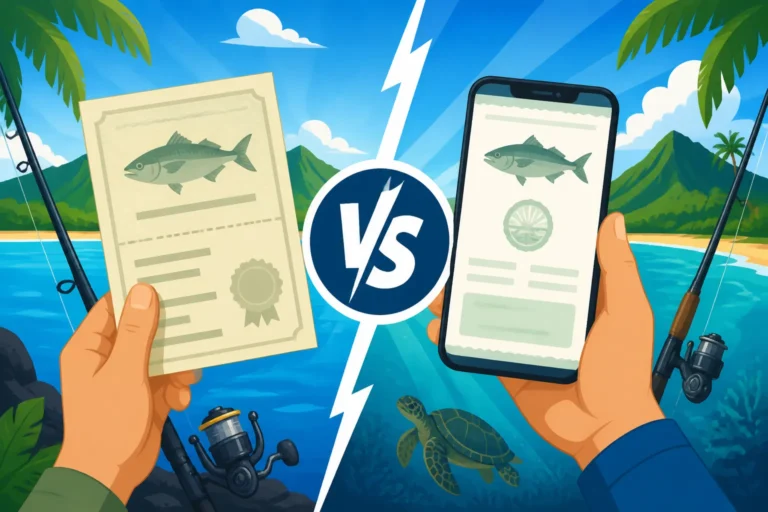
Regardless of the method you choose, you'll generally need to provide your current vessel registration number, your hull identification number, and updated personal contact information if anything has changed. Having your existing registration certificate handy will make the process much smoother. Just like with fishing licenses, it’s always a good idea to consider Printing or Carrying a Digital Fishing License in Hawaii—or boat registration in this case—to have proof readily available on your device.
Fees, Penalties, and Late Renewals
Let's talk about the less fun but absolutely critical part: money and consequences. There are fees associated with renewing your boat registration, and these fees can vary based on your vessel's length and type. It's always best to check the current DOBOR fee schedule on their official website, as these amounts can change periodically.
What happens if you miss your renewal deadline? This is where it can get costly and inconvenient. Operating a vessel with an expired registration is illegal in Hawaii and can result in fines and penalties. You could receive a citation from a DLNR enforcement officer, or even the U.S. Coast Guard, if they stop you on the water. In some cases, repeated offenses or significant delays could lead to more serious actions, like your vessel being impounded.
Imagine you've planned a fantastic day of fishing with friends, launching your boat from the Honokohau Harbor Fishing Access. You're all geared up, rods ready, ice chest packed, only to be stopped by a DLNR officer during a routine check. They ask for your registration, and you realize it expired last month. That instant sinking feeling is something no one wants. Instead of heading out for a productive day catching ahi or mahimahi, you're now dealing with paperwork, fines, and a ruined outing. This kind of situation underscores why staying on top of your renewal is so important. The penalties for an expired boat registration can be similar in spirit to those outlined for Fishing Without a Required License in Hawaii: Penalties, where ignorance is rarely an excuse.
Here's a simple table to illustrate the key aspects of the renewal cycle:
| Registration Aspect | Details | How to Stay Compliant | Potential Consequences of Non-Compliance |
|---|---|---|---|
| Renewal Period | Biennial (every two years) from original registration date. | Note expiration date from certificate; set personal reminders. | Fines, citation, potential impoundment of vessel. |
| Renewal Method | Online, mail-in, or in-person at DOBOR offices. | Choose the most convenient method for you. | Delays in processing can lead to operating with expired registration. |
| Required Info | Current registration number, HIN, personal details. | Keep registration certificate handy for quick reference. | Inability to renew; further delays. |
| Fees | Vary by vessel size/type; check current DOBOR schedule. | Factor renewal cost into annual boating budget. | Accumulation of late fees. |
| Proof of Reg. | Decal on hull, current registration certificate on board. | Affix decal clearly; carry certificate (physical/digital). | Citation for lack of visible decal or proof of registration. |
The fees are the cost of enjoying our beautiful waters responsibly, and avoiding penalties is certainly worth the effort of marking your calendar!
Keeping Your Boat Registration Current and Safe
Renewing your boat registration isn't just about avoiding a ticket; it's a fundamental part of being a responsible and safe boater in Hawaii. It ties into a broader commitment to marine safety, accurate record-keeping, and the overall health of our aquatic environment. Beyond the sticker on your hull, there are other considerations that connect your registration to the wider world of boating safety.
Updating Information and Safe Boating Practices
Life happens, and things change. You might move to a new address, get a new phone number, or make modifications to your vessel, like replacing an engine or adding new accessories. It's crucial that any significant changes to your personal information or your registered vessel are updated with DOBOR. Why? Because accurate records are vital, especially in an emergency. If your boat breaks down offshore or you need assistance, search and rescue teams rely on the information on file to identify your vessel and contact you or your emergency contacts. A small detail like an outdated phone number could make a big difference in a critical situation.
Updating your registration information is usually a simple process, often done through a specific form available on the DOBOR website or by visiting an office. Don't put it off until renewal time; if something significant changes, update it promptly.
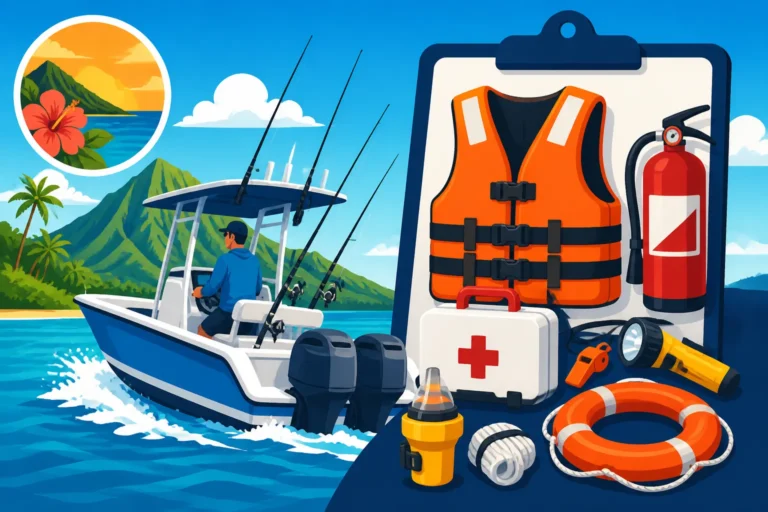
Furthermore, a current registration goes hand-in-hand with adhering to broader safe boating practices. Ensuring your vessel is legally registered is just one part of the puzzle. You also need to have all the required safety equipment on board, such as personal flotation devices (PFDs) for everyone, visual distress signals, a sound-producing device, and fire extinguishers where applicable. These requirements are detailed in resources like Life Jacket Requirements for Hawaii Boaters and are frequently checked by enforcement officers. A properly registered boat also implies a boater who is generally more aware of the rules and dedicated to safe operation on the water.
The Link Between Registration and Legal Operation
Operating an unregistered or expired vessel in Hawaii is, simply put, illegal. It's not just a minor oversight; it carries significant legal ramifications. Law enforcement agencies, including the DLNR Enforcement Division and the U.S. Coast Guard, conduct routine patrols and checks in our harbors, at popular boat launches, and out on the open ocean. They're looking for everything from proper safety equipment to valid registration.
If you're caught operating a vessel with an expired registration, you could face not only a hefty fine but also potential delays, inconvenience, and even the impoundment of your boat. Imagine the frustration of having your fishing trip cut short, or worse, having your boat towed because of a lapse in paperwork. The penalties for such violations can be substantial, similar to the consequences of Fishing Without a Required License in Hawaii: Penalties. It’s a clear message: play by the rules, or face the consequences.
To avoid any issues, always keep a copy of your valid registration certificate on board your vessel. While the decal on the hull is a visual indicator, the certificate itself is the legal proof. You can store a physical copy in a waterproof document bag, or even keep a digital copy on your phone or tablet (ensuring it's easily accessible even without cell service). This foresight can save you a lot of trouble during an unexpected stop. Many boaters find practical items like waterproof cases or document holders on online retailers like Amazon to keep their important papers safe from the elements while out on the water. These small investments can offer big peace of mind.
Staying on top of your Hawaii boat registration renewal period is an essential part of responsible vessel ownership. It's about more than just a sticker; it's about safety, compliance, and ensuring that you can continue to enjoy Hawaii's incredible marine environment without unnecessary worry.
Disclaimer
Please remember that boating regulations and fees in Hawaii can change. While this guide provides comprehensive information, it is always best to consult the official Hawaii Department of Land and Natural Resources (DLNR) Division of Boating and Ocean Recreation (DOBOR) website or contact their offices directly for the most current and accurate information regarding boat registration renewal periods, fees, and requirements.