Hawaii Opihi Harvest Limits and Size Rules
Oh, the humble opihi! For many visitors, they might just look like unassuming little limpets clinging to the rocks. But if you're a local, or someone who's spent any real time soaking in the culture of Hawaii, you know that opihi are so much more than that. They're a taste of the ocean, a connection to the 'aina, and a tradition passed down through generations. The thing is, knowing how to gather opihi properly, respectfully, and legally can feel like navigating a maze of unspoken rules and official regulations. It's a lot to take in, and nobody wants to inadvertently harm a precious resource or, worse, face a hefty fine. This guide is going to walk you through everything you need to know about Hawaii's opihi harvest limits and size rules, so you can enjoy this cherished practice responsibly.
The Cultural Heartbeat of Opihi in Hawaii
Before we even get into the nitty-gritty of regulations, it’s crucial to understand why opihi hold such a special place in Hawaiian culture. They aren't just seafood; they are deeply woven into the fabric of island life, representing resilience, connection to the land (or, in this case, the kai – the ocean), and sustenance.
More Than Just a Limpet: A Deep-Rooted Tradition
For centuries, opihi have been a staple food source for Native Hawaiians. Imagine families heading down to the rocky shores, often at low tide, with their opihi kōʻele (gathering tools), carefully prying these little delicacies off the rocks. It was, and still is, a practice that fosters a profound connection to the natural world. Children learn from their elders, observing the tides, understanding the dangers of the powerful waves, and identifying the different species. It's not merely about collecting food; it's about perpetuating a way of life, sharing knowledge, and respecting the ocean's bounty. This tradition is so vital that ensuring opihi populations remain healthy is a top priority for many communities. The thought of losing this connection, this taste of home, is something that deeply resonates with anyone who loves Hawaii.
When you're out there on the shoreline, you're not just collecting shellfish; you're participating in a living history. It’s a meditative process, watching the waves, feeling the salt spray, and carefully selecting each opihi. Many families still gather for special occasions, treating opihi as a prized delicacy that brings people together. It’s a testament to the enduring bond between the people and their environment, a bond that makes protecting these resources so incredibly important.
The Fragile Ecosystem of Hawaii's Rocky Shores
The rocky intertidal zones where opihi thrive are incredibly dynamic and surprisingly delicate environments. These areas, constantly battered by waves and exposed to the sun and wind, are home to a diverse array of marine life. Opihi themselves play a vital role as grazers, helping to keep algae in check and shaping the rocky shoreline ecosystem. They're like the tiny lawnmowers of the tide pools, and without them, the balance could shift dramatically.
However, these zones are also highly susceptible to human impact. Overharvesting, pollution, and even careless foot traffic can quickly degrade these habitats. Imagine a beautiful stretch of coastline, vibrant with marine life, suddenly becoming barren due to unsustainable practices. It's a heartbreaking thought, and one that Hawaii's resource managers work tirelessly to prevent. The state has invested heavily in understanding these sensitive environments and implementing rules to protect them. This is why you'll often find specific rules for certain areas, like those within a Hawaii Marine Life Conservation Districts, Explained. These designated zones are critical for protecting the future of our marine ecosystems.
Why Opihi Regulations Are Absolutely Essential
Let’s be honest, sometimes regulations can feel like a burden. You’re just trying to enjoy a day out, gather some food for your family, or maybe try something new, and suddenly there’s a list of rules that seems to go on forever. But when it comes to opihi, these rules aren't just arbitrary lines in the sand (or on the rocks); they are absolutely vital for the survival of the species and the continuation of cultural practices.
Preventing Overharvesting and Ensuring Future Generations
The biggest threat to opihi populations, hands down, is overharvesting. Because opihi cling to the rocks and are relatively easy to gather, especially during low tides, it’s all too simple for an eager gatherer to take too many. When more opihi are taken than can reproduce and replenish their numbers, the population declines. This isn't just a theoretical problem; it’s a very real concern that has already led to noticeable drops in opihi numbers in certain areas. Imagine heading to your favorite spot, only to find the rocks bare. It's a disheartening scenario that we all want to avoid.
The regulations, including daily bag limits and size restrictions, are designed precisely to prevent this. They act as a safeguard, ensuring that enough opihi are left behind to reproduce, grow, and contribute to the next generation. It’s about sustainability – making sure that your children and grandchildren, and their children after them, can also experience the joy of gathering opihi and the taste of this beloved limpet. Think of it as a shared responsibility; each person taking only what they need, within the legal limits, contributes to the health of the entire resource. This collective effort is what ensures the long-term viability of opihi for everyone.
Protecting Coastal Ecosystems and Biodiversity
Opihi aren't islands unto themselves; they are an integral part of the intricate coastal ecosystem. As primary grazers, they play a crucial role in controlling algal growth on the rocks, which in turn influences the species composition and health of the entire intertidal zone. If opihi populations crash, it could lead to an overgrowth of algae, changing the habitat structure and potentially displacing other native species that rely on a balanced environment.
Consider the ripple effect: an abundance of certain algae might attract different predators or alter the food sources for other creatures, leading to unforeseen consequences throughout the food web. This interconnectedness means that protecting opihi isn't just about protecting opihi; it’s about safeguarding the biodiversity of Hawaii’s unique coastlines. Regulations help maintain that delicate balance, preserving the rich tapestry of life that makes our shores so special. It's a complex puzzle, and opihi are an important piece. The Hawaii Bag and Size Limits by Species guidelines are a testament to the state's commitment to protecting the full range of marine life, not just the most popular ones.
Breaking Down Hawaii's Opihi Harvest Limits
Alright, let's get down to brass tacks: what are the actual rules you need to follow? This is where it can feel a bit technical, but understanding these specifics is absolutely crucial. These rules are put in place by the Hawaii Department of Land and Natural Resources (DLNR), specifically its Division of Aquatic Resources (DAR), and they are enforced rigorously.
Daily Bag Limits: What You Can Actually Take Home
The most fundamental rule for opihi gathering is the daily bag limit. This specifies the maximum number of opihi an individual can legally possess in a single day. As of my last check, the statewide limit for most opihi species is 75 opihi per person per day. This limit applies to all three commonly harvested species: ‘opihi ‘alinalina (yellow-foot), ‘opihi kō‘ele (black-foot), and ‘opihi māka‘iauli (smooth-foot).
Now, it's important to clarify what "per person per day" really means. It means you can take 75. Your fishing buddy can take 75. Your kid, if they're actively participating and gathering, can also take 75, provided they meet any age requirements for participation (though for opihi, typically if they are actively gathering, they count). You can't combine your limits, meaning one person can't take 150 because two people are present. Each individual must adhere to their own 75-opihi limit. This regulation, often referred to as the Hawaii opihi daily limit per person, is designed to spread the harvest pressure across more individuals and prevent single parties from depleting a local spot.
It also implies that if you go out early, gather 75 opihi, go home, and then decide to go out again later the same day, you cannot gather more. The limit is for the entire calendar day. This might sound a bit strict, but it’s a necessary measure to ensure that the resource isn't exploited by repeated trips. Always double-check the latest regulations with the DLNR/DAR directly, as rules can sometimes be updated.
Minimum and Maximum Size Rules: The Goldilocks Zone
Beyond just the number of opihi, there are also strict size regulations. This is where it gets a little more nuanced, as there are both minimum and, in some cases, maximum size limits. The idea is to protect juvenile opihi so they can grow and reproduce, and sometimes, to protect the largest, most prolific breeders.
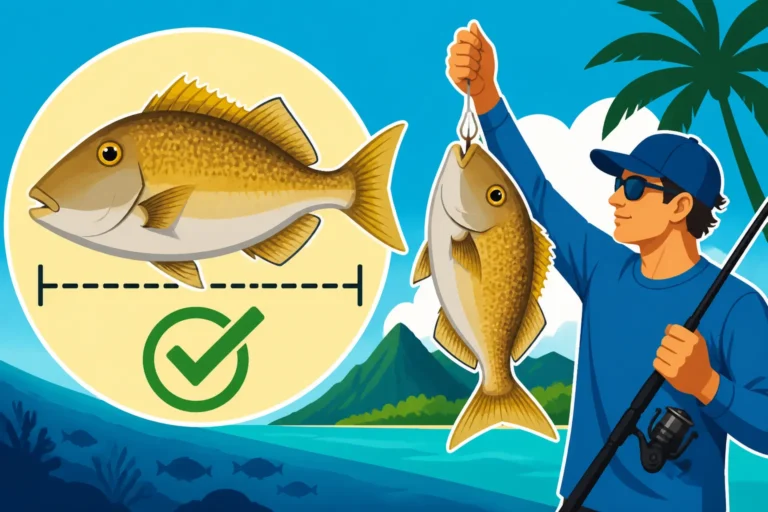
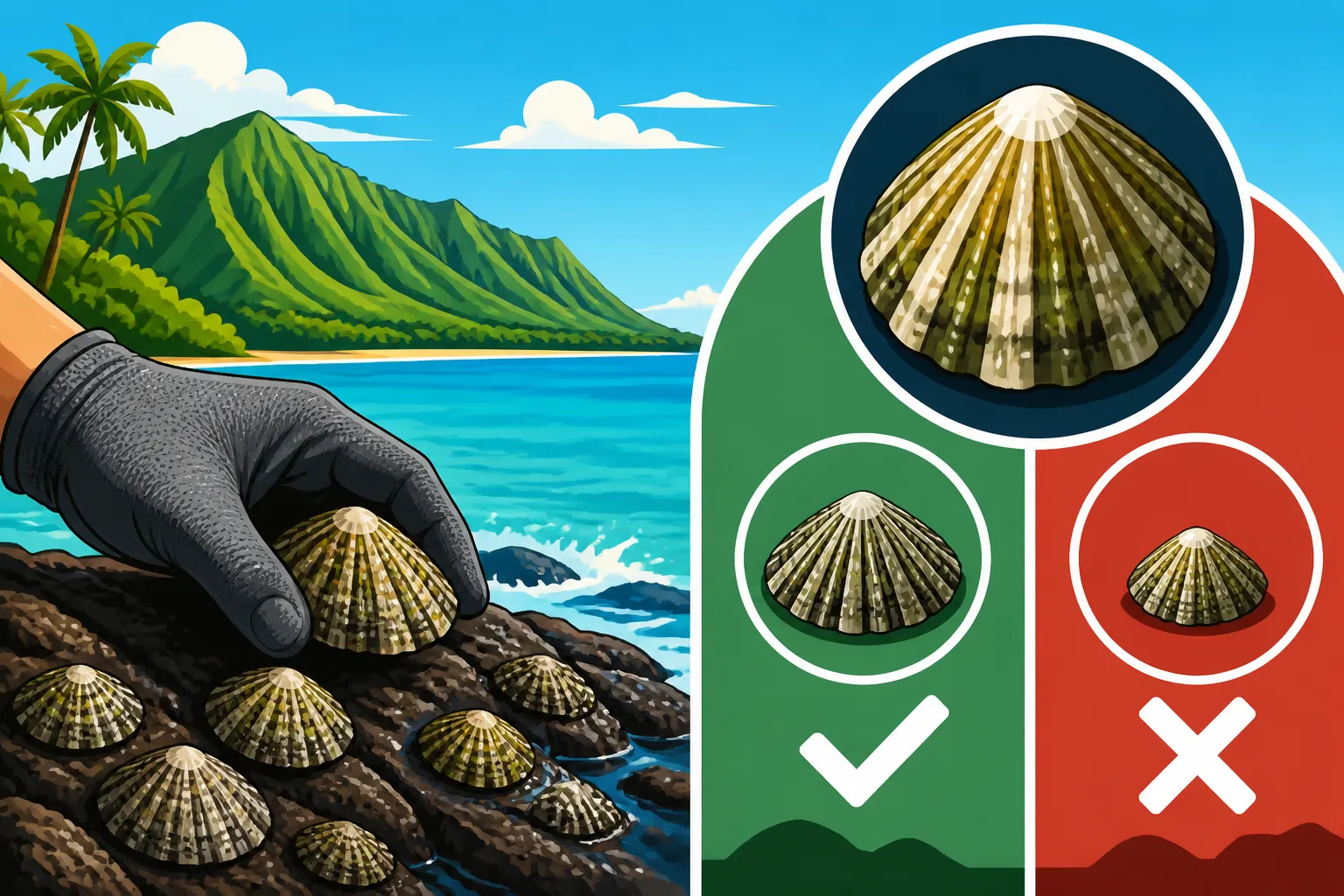
For most harvested opihi species (yellow-foot, black-foot, smooth-foot), the general rule for shell size is that they must be at least 1 inch (2.5 cm) in its greatest dimension. This means you need a measuring device. Carrying a small, waterproof ruler or a template with the correct size cut out is a really smart move. You can find simple, durable measuring tapes or small plastic rulers on sites like Amazon that are perfect for this. Don't eyeball it – it's easy to be wrong, and the consequences aren't worth it.
There's also a maximum size limit to be aware of: opihi with shells greater than 2 inches (5 cm) in their greatest dimension must be returned to the ocean. These larger opihi are often the most reproductively mature, contributing significantly to the population's future. This "Goldilocks Zone" of 1 to 2 inches ensures that only middle-aged opihi, past their most vulnerable juvenile stage but not yet at their peak breeding potential, are harvested. This specific guideline, often detailed as the Hawaii opihi legal shell size range, is a critical part of the overall conservation strategy.
Here's a quick summary table to help keep it straight:
| Opihi Species (Commonly Harvested) | Daily Bag Limit (Per Person) | Minimum Shell Size (Greatest Dimension) | Maximum Shell Size (Greatest Dimension) |
|---|---|---|---|
Yellow-Foot ('Alinalina) |
75 | 1 inch (2.5 cm) | 2 inches (5 cm) |
Black-Foot (Kōʻele) |
75 | 1 inch (2.5 cm) | 2 inches (5 cm) |
Smooth-Foot (Mākaʻiauli) |
75 | 1 inch (2.5 cm) | 2 inches (5 cm) |
Kolio (Deepwater, Rare) |
ZERO (Protected) | N/A (Cannot be harvested) | N/A (Cannot be harvested) |
Remember, these are statewide rules. Always check if there are any specific local regulations or temporary closures for the area you plan to visit, as certain bays or Marine Life Conservation Districts might have even stricter rules.
Seasonal Closures and Restricted Areas: Know Before You Go
Beyond daily limits and size restrictions, there are also times and places where opihi gathering is completely off-limits. These closures and restrictions are usually put in place for very specific reasons, often to protect breeding populations, allow an area to recover from heavy pressure, or for ecological conservation.
Seasonal Closures: While opihi don't typically have broad, statewide seasonal closures like some fish species, specific areas might implement temporary closures. These could be due to environmental factors, research initiatives, or local community requests to allow populations to rebound. For example, if a particular stretch of coastline has seen a significant decline in opihi numbers, the DLNR might implement a temporary closure to allow that specific population to recover. It’s always best to check the most current DLNR announcements or consult with local authorities before heading out.
Restricted Areas: This is perhaps the most critical aspect to be aware of. Certain areas are permanently or semi-permanently off-limits to opihi gathering, or to any harvesting activity at all. These include:
- Marine Life Conservation Districts (MLCDs): These are designated areas established to conserve and replenish Hawaii's marine resources. Fishing and gathering within MLCDs are severely restricted or completely prohibited. Examples include Hanauma Bay on Oahu, or Kealakekua Bay on the Big Island. You absolutely cannot gather opihi in these areas. For more details, you might want to look into Hawaii Marine Life Conservation Districts, Explained.
- Fishery Management Areas (FMAs) or Special Management Areas (SMAs): Some regions might have specific local rules due to unique ecological or cultural considerations.
- Private Property: Always respect private property boundaries. While Hawaii shoreline fishing rights and public access rules generally guarantee access below the high-water mark, getting to that access point often involves crossing private land, which requires permission.
- Military Installations or Federal Lands: These areas often have their own set of rules, which may prohibit or strictly regulate access and harvesting.
The frustration of showing up at a promising spot only to find out it's closed or restricted is real. To avoid this, dedicate a few minutes to researching your intended gathering spot beforehand. The DLNR website is your best friend here, providing up-to-date maps and regulations.
Distinguishing Opihi Species and Their Unique Rules
One common misconception is that all opihi are the same. While they might look similar to the untrained eye, there are actually several species found in Hawaiian waters, and one in particular has very strict protection. Knowing the difference isn't just for marine biologists; it's essential for responsible gathering.
Understanding the Three Main Types: Koko, Makaiauli, and Kolea
The three most commonly encountered and legally harvested opihi species in Hawaii are distinguished by the color of their foot (the muscular part that clings to the rock) and the texture of their shell.
-
'Opihi 'Alinalina(Yellow-Foot Opihi):- Appearance: This is probably the most sought-after opihi. It has a distinctive yellowish-orange foot. Its shell is typically smooth and somewhat rounded, often with faint radial ribs. They tend to be found higher up on the intertidal zone, closer to the splash zone, enduring more exposure to air and sun.
- Habitat: Look for them clinging to rocks in the upper intertidal zone, often in areas that are regularly splashed but not constantly submerged. They're resilient little guys!
- Rules: Subject to the 75-opihi daily bag limit and the 1-2 inch size rule.
-
'Opihi Kōʻele(Black-Foot Opihi):- Appearance: As the name suggests, this opihi has a dark, often black or dark grey, foot. Its shell is usually rougher and more conical than the yellow-foot, with prominent ribs, giving it a somewhat "rugged" look.
- Habitat: You'll generally find these lower in the intertidal zone compared to the yellow-foot, often in areas that are more consistently submerged by the tides or in slightly more protected crevices.
- Rules: Subject to the 75-opihi daily bag limit and the 1-2 inch size rule.
-
'Opihi Mākaʻiauli(Smooth-Foot Opihi):- Appearance: This species has a dark foot, similar to the black-foot, but its shell is much smoother and flatter, often resembling a small, polished cap. It's less conical and more streamlined.
- Habitat: These prefer the lowest reaches of the intertidal zone, often in areas that are almost always underwater or only briefly exposed during the lowest tides. They are often found in very exposed, wave-swept areas.
- Rules: Subject to the 75-opihi daily bag limit and the 1-2 inch size rule.
Learning to tell these three apart takes a bit of practice, but it's a skill worth developing. It ensures you're harvesting within the correct guidelines and appreciate the subtle diversity of these amazing creatures.
The Rare Opihi Kolio and Its Strict Protections
Now, here's where distinguishing species becomes absolutely critical. There is a fourth species of opihi, Opihi Kolio (or sometimes opihi kōli`o), also known as the deepwater opihi, which is severely protected and cannot be harvested at all.
- Appearance: The
Opihi Koliois distinguished by its much larger size (often growing larger than the legal harvest size for other opihi) and typically a much flatter, broader shell. Its foot color can vary but is generally paler than the black-foot or yellow-foot. The biggest giveaway is often its size and where it's found. - Habitat: Unlike the other three species that live in the intertidal zone,
Opihi Kolioare found in much deeper waters, often beyond the reach of typical shoreline gathering. This means if you encounter a very large opihi in the intertidal zone, it's highly likely to be an over-sized specimen of one of the common species that must be left behind anyway, but it's still a good reminder that not all opihi are fair game. - Rules: It is illegal to harvest
Opihi Kolio. If you ever encounter one (which is rare for shoreline gatherers), leave it be. The penalties for taking a protected species can be severe, so when in doubt, always err on the side of caution.
Understanding these differences is key to being a responsible gatherer. It's about respecting the entire ecosystem, not just the parts you want to eat.
Responsible and Safe Opihi Gathering Practices
Okay, you know the rules, you know the species. Now, let's talk about how to actually go out and gather opihi safely and responsibly. The Hawaiian shoreline, while beautiful, can also be incredibly dangerous. Big waves, slippery rocks, and sharp reef can turn a fun day into a serious emergency if you’re not prepared.
Gear Up Safely: Essential Tools and What to Avoid
Having the right gear isn't just about efficiency; it's about safety and compliance.
- Proper Footwear: This is non-negotiable. You need sturdy reef shoes or tabis (neoprene-soled booties) with good grip. Bare feet or flimsy sandals are a recipe for disaster on sharp, slippery lava rock. A good pair will also protect you from sea urchins (
wana). You can find excellent options for reef shoes on Amazon, often designed specifically for traction on wet surfaces. - Gloves: Heavy-duty work gloves, often made of tough canvas or synthetic material, are crucial. They protect your hands from sharp opihi shells, jagged rocks, and potential cuts from other marine life.
- Opihi Tool (
Opihi Kōʻeleor similar): While traditional tools were often made from sharpened bone or hardwood, modern gatherers use a variety of sturdy, flat-bladed tools. A blunt-edged putty knife or a stout screwdriver can work, but make sure the edge isn't too sharp, as you want to pry, not slice. The goal is to pop the opihi off the rock quickly and cleanly without damaging the shell or the opihi itself, and without leaving behind parts of the opihi's foot still attached to the rock. - Measuring Device: As discussed, a small ruler or a homemade template (1-inch minimum, 2-inch maximum) is essential for complying with size limits. Attach it to your gathering bucket or a lanyard so it's always handy.
- Collection Bag/Bucket: A mesh bag or a small bucket with holes is ideal. This allows water to drain, keeping your catch fresh and lighter to carry. Avoid opaque plastic bags if possible, as they can heat up quickly.
- Sun Protection: Hat, sunglasses, and reef-safe sunscreen are a must. The Hawaiian sun is intense, even on cloudy days.
- First Aid Kit: A small, waterproof first aid kit should always be with you. Cuts and scrapes are common on the rocks, and having antiseptic wipes, bandages, and perhaps some pain relievers can make a huge difference. Again, a compact kit is easy to find on Amazon and is a wise investment for any outdoor activity.
What to avoid: Don't use tools that are overly sharp or that could damage the rock face. You're trying to harvest opihi, not chisel the reef away. Also, avoid anything that makes you less stable or agile on the rocks, like carrying too much gear or wearing inadequate footwear.
Shoreline Safety: Respecting the Ocean's Power
The Hawaiian ocean is powerful and demands respect. "Never turn your back on the ocean" isn't just a saying; it’s a life-saving mantra for anyone on the shoreline.
- Watch the Waves: Always observe the ocean for at least 15-20 minutes before approaching the water. Look for sets of larger waves that might surprise you. Rogue waves are a real danger and can sweep you off the rocks or into dangerous currents.
- Know the Tides: Opihi are best gathered at low tide when more of the intertidal zone is exposed. However, know when the tide is coming back in. You don't want to get stranded or cut off by rising water. Tide charts are readily available online and on many weather apps.
- Go with a Buddy: Never gather opihi alone. If you get into trouble, having someone there to help or call for help is crucial.
- Tell Someone Your Plan: Even if you're with a buddy, let someone back home know where you're going and when you expect to return.
- Assess the Conditions: If the surf is high, the rocks are unusually slippery, or visibility is poor, it's better to postpone your trip. No opihi is worth risking your life for.
- Carry a Cell Phone (in a waterproof bag): For emergencies. Ensure it's fully charged.
Gathering opihi is a rewarding experience, but it requires vigilance and a healthy respect for the ocean's raw power.
Leaving No Trace: Preserving the Environment
Responsible gathering isn't just about following the rules; it's about minimizing your impact on the environment.
- Gather Ethically: Only take what you need and what is legal. Resist the urge to overharvest, even if you see an abundance. Leave plenty behind for others and for the future.
- Minimize Disturbance: Try to move carefully on the rocks to avoid crushing other marine life or disturbing the habitat unnecessarily. If you move rocks or expose organisms, put them back as you found them.
- Pack It In, Pack It Out: Whatever you bring to the shoreline, take it back with you. This includes all trash, fishing line, and any discarded gear. Leave the area cleaner than you found it.
- Respect Other Gatherers and Fishermen: The shoreline is a shared resource. Be mindful of others and their activities. Remember, Hawaii traditional and customary fishing rights explained are important, and respecting others' practices contributes to the overall health of the community and the resource.
By adhering to these practices, you not only ensure your safety but also contribute to the long-term health and beauty of Hawaii's precious coastal ecosystems.
The Serious Consequences of Violating Opihi Rules
It’s easy to think of regulations as suggestions, or something that only applies to "other people." But when it comes to Hawaii's natural resources, the DLNR takes enforcement very seriously. Violating opihi harvest limits and size rules can lead to some pretty significant problems, both for your wallet and for the environment.
Fines and Penalties: What It Costs to Break the Law
Let's not sugarcoat it: getting caught breaking opihi regulations can be costly. The fines are designed to be a deterrent, reflecting the seriousness of depleting a shared resource.
- Monetary Fines: Expect to face substantial monetary penalties. The exact amount can vary depending on the severity of the violation (e.g., how many opihi over the limit, how far under/over size, repeated offenses) and the specific statute. A single violation could easily result in fines ranging from hundreds to thousands of dollars. For instance, being caught with undersized opihi or exceeding the bag limit isn't just a slap on the wrist. These fines are often calculated per opihi over the limit or per illegal opihi caught.
- Confiscation of Catch and Gear: Any illegally harvested opihi will be confiscated. In some cases, the tools or equipment used in the violation (like your opihi tool or collection bucket) might also be seized.
- Court Appearances: Many violations will require a court appearance, which means time off work, legal fees, and the stress of dealing with the judicial system.
- Loss of Future Privileges: While less common for opihi violations specifically, severe or repeated offenses for various fishing and gathering activities could potentially lead to the suspension of any future fishing or gathering licenses or privileges you might hold. This is a crucial point, as the general Fishing Without a Required License in Hawaii: Penalties can be quite harsh across the board.
It's important to understand that ignorance of the law is generally not considered an excuse. The responsibility is on each individual to know and follow the rules. These penalties are not arbitrary; they reflect the value of these resources to the state and its people.
Long-Term Impacts: Why Compliance Matters for Everyone
Beyond the personal financial and legal consequences, violating opihi regulations has broader, long-term impacts that affect everyone who values Hawaii's natural environment and cultural heritage.
- Depletion of the Resource: Every opihi taken outside the legal limits contributes to the overall decline of the population. If enough people do this, even unintentionally, it leads to a visible reduction in opihi numbers on the rocks, making it harder for everyone to gather in the future.
- Ecosystem Imbalance: As discussed earlier, opihi play a vital ecological role. Their decline can lead to shifts in the intertidal ecosystem, potentially impacting other species and the overall health of the rocky shoreline.
- Loss of Cultural Practice: If opihi populations dwindle significantly, the cherished cultural practice of opihi gathering could be severely restricted or even lost. This would be a profound loss for Hawaiian culture and a tragedy for those who seek to perpetuate these traditions.
- Increased Restrictions for Everyone: When non-compliance becomes a widespread issue, the DLNR is often forced to implement even stricter regulations, such as broader seasonal closures or further reduced bag limits, to protect the dwindling resource. This impacts all responsible gatherers who are then penalized for the actions of a few. Nobody wants to see a ban on opihi gathering, but if populations don't recover, such measures could become necessary.
Ultimately, adhering to Hawaii's opihi harvest limits and size rules is an act of aloha – a respect for the land, the ocean, the culture, and for future generations. It’s a small effort on your part that has a massive positive impact on the sustainability of this cherished Hawaiian tradition and the health of its unique marine ecosystems.
Disclaimer
Please remember that fishing regulations and harvest limits in Hawaii are subject to change by the Department of Land and Natural Resources (DLNR). While this guide provides the most accurate information available at the time of writing, it is your responsibility to verify all current rules and regulations before engaging in any fishing or gathering activity. Always consult the official Hawaii DLNR Division of Aquatic Resources (DAR) website or local authorities for the most up-to-date information. Fishing and gathering activities inherently carry risks; prioritize your safety and environmental stewardship at all times.