Hawaii moi minimum size limit
It can be incredibly frustrating to head out for a day of fishing, hoping to bring home some delicious moi, only to realize you're not entirely sure about the exact rules for keeping them. Hawaii's fishing regulations, while designed to protect our precious marine life, can sometimes feel like a maze. This guide is here to untangle the specifics of the moi minimum size limit, helping you fish responsibly and confidently.
Understanding Hawaii's Moi Regulations: The Crucial Minimum Size Limit
One of the most essential pieces of information for any angler targeting moi (Pacific threadfin) in Hawaii is knowing the legal minimum size. Getting this wrong can lead to serious penalties and, more importantly, can harm the long-term health of our beloved moi populations. It’s not just about avoiding a fine; it’s about being a kuleana (responsible) fisherman.
The Seven-Inch Rule: What You Need to Know Immediately
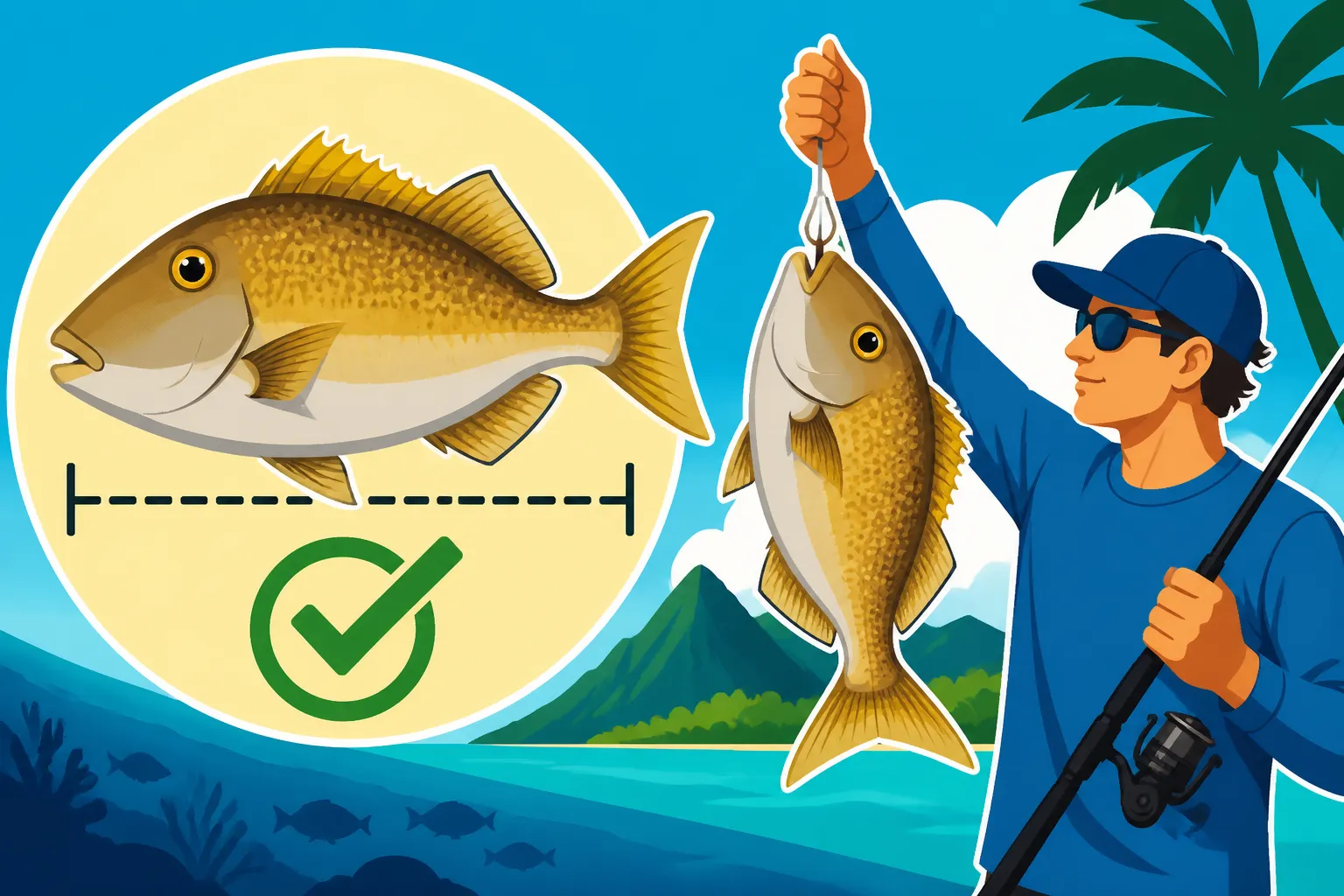
Let's cut right to it: in Hawaii, the minimum size limit for moi is seven inches in length. This isn't a suggestion; it's a hard and fast rule set by the Hawaii Department of Land and Natural Resources (DLNR). If you catch a moi that measures less than seven inches from the tip of its snout to the tip of its tail, you must immediately release it back into the water unharmed. No exceptions, no second thoughts. This rule applies to everyone, whether you're a local keiki (child) fishing from the shore or a seasoned visitor on a charter boat. Understanding this foundational rule is the first step towards compliant and sustainable fishing. For a broader overview of all marine species, you might want to check out our comprehensive guide on Hawaii Bag and Size Limits by Species.
Why Size Limits Matter for Moi Conservation
You might wonder why such a specific length is mandated. It all comes down to conservation and ensuring that moi have the chance to grow, mature, and reproduce before they become part of our dinner plates. Moi are an incredibly important species in Hawaii, both culturally and ecologically. They’ve been revered for centuries, often considered a fish of royalty.
The seven-inch minimum size limit is carefully determined based on scientific studies of moi growth rates and reproductive cycles. By protecting younger, smaller fish, we allow them to reach reproductive age, spawn, and contribute to the next generation of moi. This helps maintain healthy, robust populations, preventing overfishing and ensuring that future generations can also enjoy the thrill of catching and eating moi. Without these regulations, constant pressure on juvenile fish could quickly decimate stocks, turning a plentiful resource into a rarity. It's a long-term investment in our ocean's health and our fishing future.
Properly Measuring Your Moi: A Step-by-Step Guide
So, you’ve reeled in a moi – congratulations! Now comes the critical part: measuring it accurately. A few inches can make all the difference between a legal catch and a released fish (or worse, a violation). Here’s how to do it right:
- Handle with Care: Always handle fish as little as possible, and with wet hands to protect their slime coat, which is their natural defense against infection.
- Lay it Flat: Gently lay the fish on a flat, stable surface. A boat deck, a cooler lid, or even a designated measuring board works well. Avoid dangling it from a scale or holding it upright, as this can make accurate measurement difficult and stress the fish.
- Nose to Tail: Position the fish so its snout is at the zero mark of your measuring device. A good quality tape measure or a fishing ruler is ideal. Many anglers keep a specific fishing ruler on hand that's easily readable, and you can find various options for these on Amazon.
- Pinch the Tail: Extend the tail fin to its maximum natural length, sometimes called "pinching" the tail. This means you want to measure to the absolute furthest point of the tail, not just the fork.
- Read the Measurement: Take your reading. If it's seven inches or more, great! If it's even a fraction under seven inches, it goes back into the water. If you’re ever in doubt, always err on the side of caution and release the fish. It’s better to be safe than sorry, both for the fish and your wallet.
Remember, accuracy is key. Don't rush this step, especially if the fish is still feisty. Having a dedicated measuring tool can simplify this process immensely.
Delving Deeper into Moi Season and Size Rules
The minimum size limit for moi is just one piece of the puzzle. Hawaii's DLNR also implements closed seasons and bag limits to further protect this cherished species. Understanding all these regulations together is crucial for any responsible angler. It's not enough to just know the length; you need to know when and how many you can keep. This holistic approach ensures the ongoing health of moi stocks around our islands.
The Annual Moi Closed Season: June, July, and August
Beyond the seven-inch minimum size, there's another critically important regulation for moi: a yearly closed season. It is illegal to take, possess, or sell moi during the months of June, July, and August. This means that even if you catch a moi that's well over the seven-inch minimum during these three months, you absolutely cannot keep it. It must be released immediately and unharmed.
This closed season is implemented to protect moi during their peak spawning period. By giving them a sanctuary period when they can reproduce without fishing pressure, the DLNR helps ensure that enough new moi are added to the population each year. It's a cornerstone of sustainable moi management. Imagine if everyone fished during their spawning season; the populations would plummet. This regulation acts as a vital protective measure, allowing the species to thrive. You can learn more about specific seasonal closures for other species in our article on Hawaii Fishing Season Dates and Closures.
Bag Limits and Daily Catch Restrictions for Moi
While the core focus is on the minimum size and closed season, it’s also important to be aware of bag limits, although for recreational moi fishing, the primary focus is often on the size and season. Currently, for recreational anglers, there isn't a specific daily bag limit listed for moi beyond the general understanding that one should only take what is needed and legally allowed. However, always double-check the latest DLNR regulations, as these can change. Commercial fishermen have different rules and reporting requirements.
The spirit of these regulations, even without a hard recreational bag limit, is responsible harvesting. While you could theoretically catch many legal-sized moi outside the closed season, the ethos of conservation encourages taking only what you'll use. Think about it this way: just because you can take a lot, doesn't mean you should. It's about respecting the resource and leaving plenty for the future. Always refer to the official Hawaii DLNR Fishing Regulations Explained for the most current information.
Navigating Special Regulation Waters for Moi
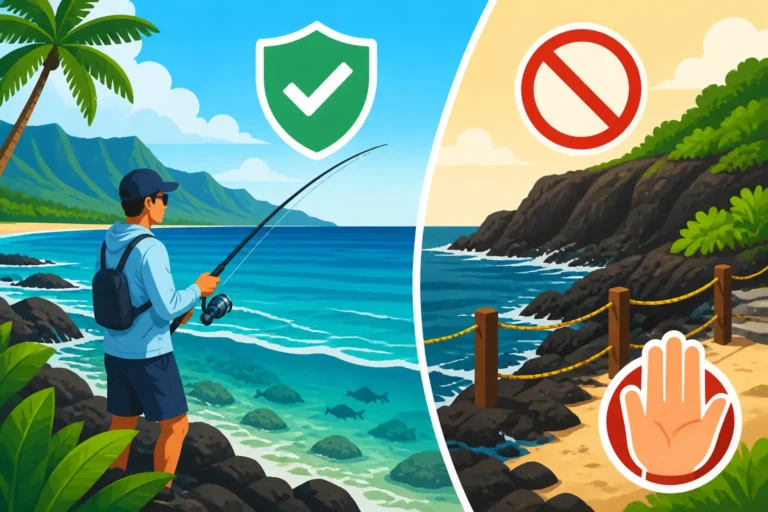
Hawaii has several areas designated as Marine Life Conservation Districts (MLCDs) or Fish Replenishment Areas (FRAs) where fishing regulations are often much stricter, or even completely prohibited. While many general fishing spots allow moi fishing outside of the closed season and with the minimum size limit, these special areas might have different rules. For instance, in an MLCD, all fishing might be banned, or certain gear types might be restricted.
It is absolutely vital to know if you are fishing in or near one of these protected zones. Ignorance of the boundaries and rules is not an excuse for a violation. Always consult a local chart or the DLNR website to confirm if your chosen fishing spot has any special regulations. For example, if you're planning to fish in West Hawaii, you should familiarize yourself with Hawaii Fish Replenishment Areas in West Hawaii. These areas are critical for marine ecosystem health and require extra diligence from anglers.
Here’s a quick overview of Moi regulations:
| Regulation Type | Specific Rule | Details |
|---|---|---|
| Minimum Size | 7 inches (snout to tail tip) | Moi must be at least 7 inches long to be legally kept. |
| Closed Season | June 1st – August 31st | No moi may be taken, possessed, or sold during these months. |
| Bag Limit | No specific recreational limit | Take only what you need and can legally possess. (Commercial limits differ). |
| Special Areas | Varies by location | Always check for MLCDs, FRAs, or other restricted areas. |
The Ramifications of Non-Compliance: Don't Risk It
It's easy to think, "What's the big deal if I keep one undersized moi?" or "Who's going to know if I fish during the closed season?" The truth is, Hawaii's conservation officers are out there, and the penalties for violating fishing regulations are significant. More than just legal trouble, ignoring these rules has a ripple effect on the very resource we all enjoy. It's a lose-lose situation.
Penalties for Undersized Moi or Fishing During Closed Season
Violating Hawaii's fishing regulations, including those for moi, can lead to serious consequences. These aren't minor infractions; they are often treated as criminal offenses or civil violations with substantial fines. For instance, possession of undersized fish or fish caught during a closed season can result in fines that range from hundreds to thousands of dollars per violation. Repeated offenses can lead to even steeper fines, confiscation of your fishing gear (including your boat!), and even potential jail time.
Imagine losing your expensive fishing rods and reels, or worse, your boat, just because you didn't release an undersized moi. It's a harsh reality that some anglers face. Enforcement officers from the Division of Conservation and Resources Enforcement (DOCARE) take these rules very seriously because they are fundamental to protecting Hawaii's natural resources. It's simply not worth the risk. If you’re curious about the broader legal landscape, our guide on Fishing Without a Required License in Hawaii: Penalties can offer more insight into the consequences of other types of fishing violations.
The Broader Impact on Hawaii's Moi Population
Beyond the personal legal and financial woes, the true cost of non-compliance is borne by the moi population itself and, by extension, the entire marine ecosystem. Every undersized moi kept, or every moi caught during its spawning season, directly undermines the conservation efforts put in place to ensure the species' survival.
When juvenile moi are removed from the population before they have a chance to reproduce, it reduces the overall breeding stock. Over time, this can lead to a decline in population numbers, smaller average fish sizes, and a less resilient species. If enough people ignore the rules, the combined impact can be devastating. This is why these regulations aren't arbitrary; they are scientific measures designed to maintain ecological balance. A healthy moi population benefits everyone: local fishermen, the tourism industry, and the intricate food web of Hawaii's reefs. It's a collective responsibility to uphold these rules for the greater good of our ocean resources.
Responsible Moi Fishing Practices for a Sustainable Future
Fishing for moi is a privilege, and with that privilege comes the kuleana to fish responsibly. It’s about more than just knowing the rules; it’s about actively engaging in practices that promote the health of the fishery. By being mindful of our gear and techniques, we can ensure that moi continue to thrive in Hawaii's waters for generations to come.
Choosing the Right Gear for Moi: Protect Your Catch
When targeting moi, the gear you choose can significantly impact the fish's survival, especially for those you need to release. Using appropriate tackle helps minimize stress and injury.
- Circle Hooks: Consider using circle hooks, especially if bait fishing. Circle hooks are designed to hook fish in the corner of the mouth, rather than deep in the gullet, which greatly increases the survival rate of released fish. They're an excellent choice for catch and release and easily available from various fishing tackle suppliers, including on Amazon.
- Appropriate Rod and Line: While moi aren't huge fighters, using a rod and line that's too heavy can overpower them quickly, leading to unnecessary stress. Conversely, too light a line can prolong the fight, also causing stress. A medium-light spinning outfit with 6-10 lb test line is often ideal for moi.
- Dehooking Tools: Invest in a good dehooking tool or long-nose pliers. These allow you to quickly and safely remove hooks without excessive handling of the fish. You can find a range of effective dehooking tools for sale on Amazon, which makes a big difference in the survival rate of released fish.
- Measuring Device: As mentioned earlier, a reliable measuring device is non-negotiable. A simple, flat fishing ruler is perfect for quick, accurate checks.
Using gear designed for responsible fishing demonstrates respect for the resource and contributes to a healthy fishery.
Mastering Catch and Release for Undersized Moi
Inevitably, if you're fishing for moi, you're going to catch some that are under the seven-inch minimum size. Knowing how to properly release them is just as important as knowing the size limit itself.
- Minimize Air Exposure: Fish cannot breathe air. Keep them in the water as much as possible. If you must remove them, do so quickly.
- Wet Hands: Always wet your hands before touching the fish. Dry hands can remove their protective slime coat, making them vulnerable to disease.
- Support the Fish: If you need to handle the fish, support its body horizontally. Avoid holding it by the jaw or vertically by the tail, as this can damage internal organs.
- Quick Dehooking: Use your dehooking tool to remove the hook quickly and cleanly. If the fish is deeply hooked and removing the hook would cause excessive damage, it's often better to cut the line as close to the hook as possible. The hook will often rust out or be expelled naturally.
- Revive if Necessary: If the fish seems stunned or sluggish, gently hold it upright in the water and move it back and forth to force water over its gills until it regains strength and can swim away on its own.
By following these simple catch and release guidelines, you significantly increase the chances of those undersized moi surviving to grow bigger and spawn. This is part of the "kuleana" that comes with fishing in Hawaii.
Staying Updated with Official Hawaii DLNR Information
Hawaii's fishing regulations, while generally stable, can change. New scientific data, conservation needs, or public input might lead to adjustments in size limits, closed seasons, or other rules. As a responsible angler, it is your duty to stay informed.
The best source for up-to-date information is the official Hawaii Department of Land and Natural Resources (DLNR) Division of Aquatic Resources (DAR) website. They publish regulation handbooks, emergency rule changes, and press releases. Before any fishing trip, especially if it's been a while since you last checked, take a few minutes to review the latest rules. You can find detailed information on the DLNR website, which is easily accessible, or you can even call their local offices if you have specific questions. Knowing how to correctly Read the Hawaii DLNR Fishing Regulations is a skill every angler should master. Don’t rely solely on word-of-mouth or outdated guides. Your vigilance helps protect yourself from penalties and, more importantly, helps protect the precious moi populations of Hawaii.
Disclaimer
The information provided in this guide is for general informational purposes only and is subject to change. While we strive to provide accurate and up-to-date content, fishing regulations, laws, and policies in Hawaii can be revised by the Department of Land and Natural Resources (DLNR) at any time. It is the responsibility of each individual angler to consult the official Hawaii DLNR Division of Aquatic Resources (DAR) website or contact their local offices directly to ensure full compliance with all current rules and regulations before engaging in any fishing activities. Fishing responsibly means staying informed.