Hawaii Wahiawa Reservoir freshwater license requirement
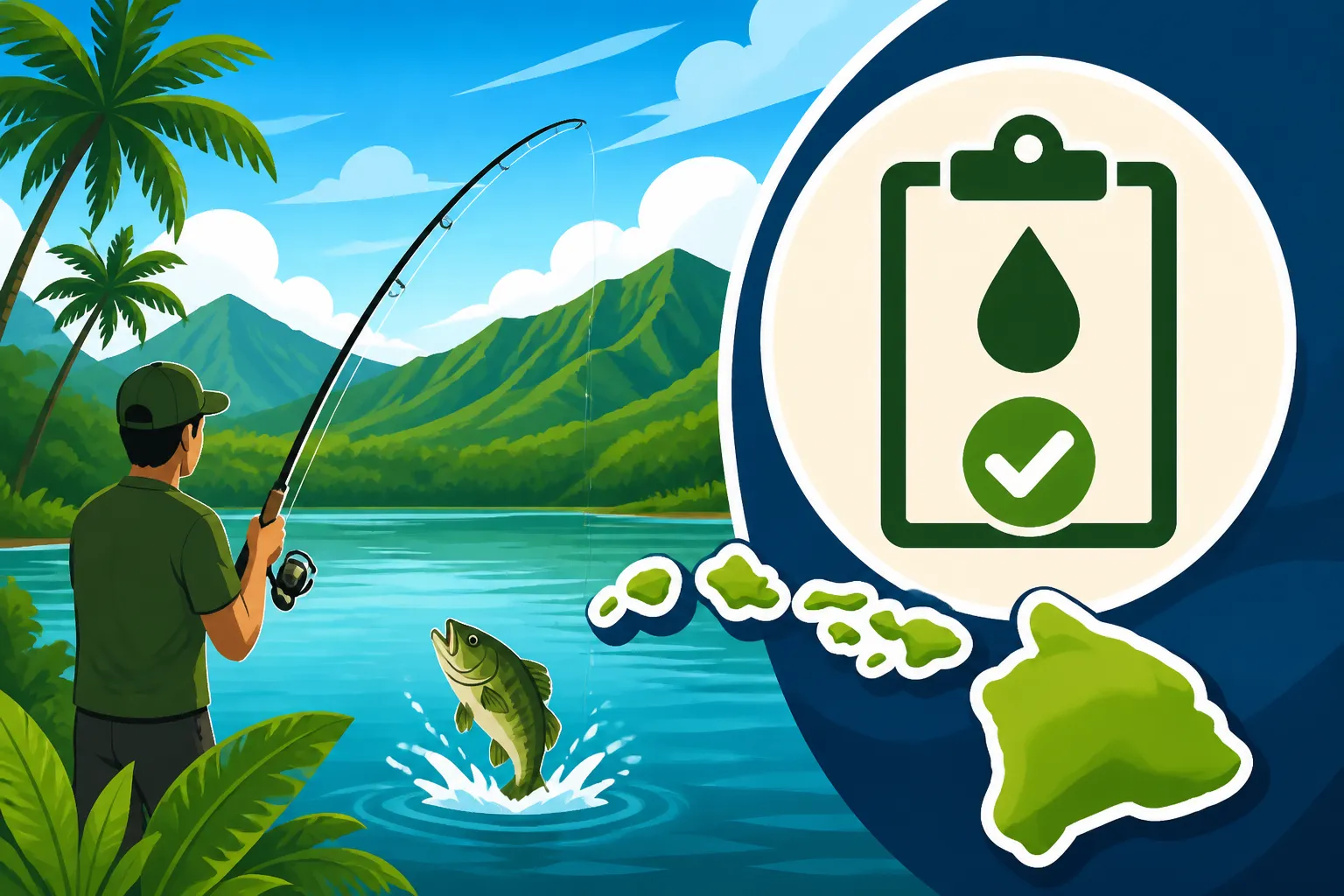
Navigating the ins and outs of fishing regulations in a place as unique as Hawaii can feel like trying to untangle a particularly stubborn fishing knot. Many folks coming to the islands, or even those who’ve lived here a while, often assume that if you're fishing in the ocean, you don't need a license, which is true for recreational marine fishing. But then they look at the stunning freshwater opportunities, like the beautiful Wahiawa Reservoir, and wonder, "Do I need a different license for that?" It's a valid question, and the answer is a resounding yes. This comprehensive guide is here to clarify exactly why you need a freshwater license for places like Wahiawa Reservoir and walk you through everything you need to know to fish there legally and responsibly.
Understanding Hawaii's Freshwater Fishing License System
It’s easy to get confused when you first start looking into Hawaii’s fishing rules. The state's approach to recreational fishing licenses is a bit unique compared to many other places, largely because of its island geography and the relatively limited, yet precious, freshwater resources. The distinction between marine and freshwater fishing licenses is probably the biggest hurdle for new anglers.
Why Freshwater Licenses Are Different in Hawaii
Unlike the vast majority of our ocean waters, where recreational anglers generally don't need a license to drop a line, Hawaii's freshwater systems operate under a different set of rules. This isn't some arbitrary bureaucratic hurdle; it's rooted in very practical considerations for conservation and management. Our freshwater environments, primarily reservoirs and a few select streams, are often stocked with non-native game fish like Peacock Bass, Largemouth Bass, Tilapia, and Channel Catfish. These fisheries require active management, including stocking programs, habitat maintenance, and monitoring. The funds generated from freshwater fishing license sales directly support these crucial conservation efforts, ensuring that these unique fishing opportunities remain viable for future generations.
It's a stark contrast to the open ocean, which is regulated differently due to the migratory nature of pelagic species and the sheer scale of the marine environment. So, while you can enjoy Do Hawaii Residents Need an Ocean Fishing License? without buying a permit, the minute you turn your attention inland, the rules change significantly.
General License Requirements for Freshwater
If you're planning on fishing in any of Hawaii's public freshwater areas, including reservoirs, streams, or ponds, you absolutely need a freshwater game fishing license. The Hawaii Division of Aquatic Resources (DAR), under the Department of Land and Natural Resources (DLNR), is the authority managing these regulations.
Generally speaking, anyone 18 years of age or older needs to possess a valid freshwater fishing license. This applies to both residents and nonresidents. Children under 18 are typically exempt, which is wonderful news for families looking to introduce their keiki (children) to the joys of fishing. However, even if they don't need a license, they still need to adhere to all other fishing regulations, such as bag limits and size restrictions. It’s always a good idea to double-check the latest Hawaii Fishing License Age Requirements to ensure you're compliant, as regulations can sometimes be updated.
Specifics of the Wahiawa Reservoir Freshwater License
Wahiawa Reservoir, located on Oahu, is a gem for freshwater anglers in Hawaii. It’s renowned for its fantastic Peacock Bass fishery, alongside healthy populations of Largemouth Bass, Tilapia, and Channel Catfish. Because it's a managed freshwater fishery, specific license requirements and rules are in place to ensure its health and sustainability.
Who Needs a License for Wahiawa Reservoir
To be crystal clear, if you are 18 years of age or older, you must have a valid Hawaii freshwater game fishing license to fish at Wahiawa Reservoir. There are no exceptions for non-commercial recreational fishing in this age group, regardless of whether you're a long-time resident or visiting for a short trip.
For our younger anglers, those under 18 years old, no license is required. This is fantastic for encouraging youth participation in fishing, allowing them to learn and enjoy the sport without an extra cost or administrative step. Just remember that even without a license, all minors must still follow Hawaii Wahiawa Reservoir Fishing Rules regarding catch limits, legal fishing methods, and any restricted areas within the reservoir. Supervising adults should ensure their young companions understand and follow these guidelines.
Types of Freshwater Licenses Available for Wahiawa
Hawaii offers a few different options when it comes to freshwater fishing licenses, catering to both residents and visitors with varying durations. Knowing which one applies to you is key.
- Resident Annual Freshwater Game Fishing License: This is the most common option for Hawaii residents. It’s valid for one calendar year, typically from January 1st to December 31st, regardless of when it's purchased. This offers the best value for local anglers who plan to fish freshwater throughout the year. The Hawaii freshwater license cost for residents is typically very affordable.
- Nonresident Annual Freshwater Game Fishing License: For visitors who plan an extended stay or frequent trips to Hawaii's freshwater spots, an annual nonresident license might be suitable. Like the resident version, it's valid for the calendar year. The Hawaii nonresident annual marine fishing license cost reference can be a bit misleading as it refers to marine, but the freshwater nonresident annual cost is also available.
- Nonresident Temporary Freshwater Game Fishing Licenses (30-day and 7-day): These are perfect for tourists or short-term visitors who want to try their hand at freshwater fishing during their trip. The Hawaii 30-day tourist freshwater license cost and Hawaii 7-day tourist freshwater license cost are designed to be convenient and economical for shorter visits, offering flexibility for your vacation plans.
It's important to remember that these licenses are specifically for freshwater game fishing. They do not cover commercial fishing activities or marine recreational fishing where a separate, or no, license applies.
Wahiawa Reservoir Specific Rules and Permits
While your freshwater fishing license covers the general right to fish in Wahiawa Reservoir, there are additional site-specific rules you must be aware of. Wahiawa Reservoir is not just any body of water; it’s a managed public fishing area with unique regulations set by the DLNR Division of Aquatic Resources. These rules are put in place to protect the fishery and ensure a quality experience for all.
Some of the common Wahiawa-specific rules often include:
- Open Fishing Days: Historically, Wahiawa Reservoir has only been open to fishing on specific days, typically weekends and state holidays. Always check the current schedule before planning your trip.
- Permitted Methods: There might be restrictions on fishing methods, such as limiting anglers to artificial lures only, or prohibiting the use of live bait to prevent the introduction of invasive species.
- Bag and Size Limits: Strict bag and size limits apply to all target species, including Peacock Bass, Largemouth Bass, Tilapia, and Channel Catfish. These are crucial for maintaining healthy fish populations.
- Access Points: Fishing might be restricted to designated access points, often around the shoreline or from specific boat ramps.
- Boat Restrictions: If you plan to fish from a boat, there may be rules regarding motor types (e.g., electric motors only), boat size, and safety equipment.
These specific rules are subject to change, so always consult the most current Hawaii Wahiawa Reservoir Fishing Rules available on the DLNR website or through official local vendors. Ignorance of the rules is never an excuse, and violating them can lead to significant penalties.
How to Obtain Your Wahiawa Reservoir Freshwater Fishing License
Getting your freshwater fishing license for Wahiawa Reservoir is a straightforward process, but knowing your options and what you’ll need beforehand can save you a lot of time and frustration. The DLNR has made efforts to make the process accessible for everyone.
Online Purchase Process
The easiest and most convenient way to purchase your Hawaii freshwater fishing license is often online through the official DLNR website. This method allows you to complete the transaction from the comfort of your home, anytime, day or night.
Here’s a general step-by-step guide:
- Visit the Official DLNR Website: Head to the Hawaii Department of Land and Natural Resources, Division of Aquatic Resources (DAR) website. Look for a section related to "Licenses" or "Freshwater Fishing Licenses."
- Select License Type: Choose the appropriate license for your needs – whether it's a Resident Annual, Nonresident Annual, or a Temporary Nonresident license (7-day or 30-day).
- Provide Personal Information: You'll need to enter personal details such as your full name, address, date of birth, and identification (e.g., Hawaii Driver's License or State ID for residents, or a passport/out-of-state ID for nonresidents). For residency verification, you might be asked for proof of continuous residency.
- Confirm and Pay: Review all the information carefully to ensure accuracy. Then proceed to payment. Most online systems accept major credit cards.
- Print or Save Your License: Once the transaction is complete, you will usually receive a digital copy of your license via email. You can then print this license to carry a physical copy, or save it to your mobile device. Remember, you must be able to present proof of your valid license if requested by a conservation officer while fishing. You can learn more about Printing or Carrying a Digital Fishing License in Hawaii.
In-Person Purchase Options
For those who prefer a more traditional approach, or if you have specific questions you'd like to ask in person, you can purchase your freshwater fishing license from authorized vendors across the islands.
These typically include:
- DLNR Division of Aquatic Resources Offices: You can visit a DAR office on Oahu (or other islands if you’re purchasing for future use elsewhere, though Wahiawa is Oahu-specific) during business hours. Their staff can assist you directly and answer any specific questions you might have about regulations.
- Authorized Retailers: Many sporting goods stores and tackle shops are authorized to sell fishing licenses. These are often invaluable resources for local knowledge on fishing conditions and bait recommendations too. A quick search for "Hawaii fishing license vendors near me" can usually point you to the closest location.
- Local Convenience Stores: In some areas, certain convenience stores might also be designated license agents. It's always a good idea to call ahead to confirm.
When purchasing in person, remember to bring a valid form of identification and the necessary funds. If you’re claiming resident status, be prepared to provide proof of residency.
What You'll Need to Apply
Regardless of whether you purchase online or in person, having the right documents and information ready will make the process much smoother.
- Valid Identification: For residents, a Hawaii Driver’s License or State ID is typically sufficient. Nonresidents will need a valid driver's license from their home state or country, or a passport.
- Proof of Residency (for Resident Licenses): If you're applying for a resident license, you might need to provide additional proof of Hawaii residency, especially if your ID doesn't clearly establish it. This could include a utility bill, voter registration, or military orders.
- Payment: Credit card for online purchases, or cash/credit/debit for in-person purchases.
- Date of Birth: Essential for verifying age requirements.
- Physical Address: For mailing any official documents if necessary, and for statistical purposes.
Having all this information ready will ensure a quick and hassle-free transaction, getting you out on the water at Wahiawa Reservoir sooner! And while you're gathering your documents, you might also consider browsing Amazon for some new lures or a tackle box.
Common Questions and Important Considerations for Wahiawa Reservoir
Fishing at Wahiawa Reservoir is a truly special experience, offering a unique freshwater challenge in the heart of the Pacific. To make sure your trip is successful and enjoyable, it's wise to consider a few more details.
Wahiawa Reservoir Fishing Rules and Regulations
Beyond the license itself, understanding the comprehensive set of rules for Wahiawa Reservoir is paramount. These aren't just suggestions; they are legally enforceable regulations designed to protect the fishery and the environment. As mentioned earlier, specific details on open days, hours, catch limits, and fishing methods are unique to Wahiawa. For instance, the bag limit for Peacock Bass might be different from that of Tilapia, and there could be minimum or maximum size requirements for certain species.
The DLNR Hawaii DLNR fishing regulations PDF is your definitive source for all the current rules. These documents are updated regularly, so always check for the most recent version before heading out. Overlooking a seemingly minor rule could lead to a citation or, worse, harm the very fishery you enjoy. For example, some regulations might dictate that only specific types of artificial lures are allowed, or that barbed hooks are prohibited to promote catch and release. This kind of detailed information is critical for responsible angling.
Consequences of Fishing Without a License
Fishing without a required freshwater license in Hawaii, or failing to adhere to the specific rules of a managed area like Wahiawa Reservoir, carries consequences that no angler wants to face. It's not just a slap on the wrist; fines can be substantial, and in some cases, your fishing gear could even be confiscated.
A conservation officer from the Division of Conservation and Resources Enforcement (DOCARE) has the authority to stop and inspect anglers to ensure compliance. If you're caught without a valid license, or violating other regulations like exceeding bag limits or fishing in a closed area, you could be issued a citation. These penalties are designed to deter illegal activity and underscore the importance of supporting the conservation efforts funded by license sales. It's always better to spend a few dollars on a license than face the stress and expense of a legal infraction. For more in-depth information, check out Fishing Without a Required License in Hawaii: Penalties.
Other Freshwater Fishing Opportunities in Hawaii
While Wahiawa Reservoir is undoubtedly the most popular freshwater fishing spot on Oahu, it's not the only place where your Hawaii freshwater game fishing license will serve you well. Other freshwater fishing opportunities exist, though they are more limited, primarily on Oahu and Kauai.
- Nuuanu Reservoir (Oahu): Another managed reservoir on Oahu, though it often has more restrictive access and different species focuses. It's crucial to check its specific rules, which may differ from Wahiawa's.
- Kokee Public Fishing Area (Kauai): This is Hawaii's only designated trout fishery, stocked with Rainbow Trout. Fishing here is highly regulated with a specific Hawaii Kokee Trout Fishing Season Dates that typically runs from June to September.
- Other Streams and Ponds: While less common for active game fishing, various streams and smaller ponds might hold Tilapia or other introduced species. However, public access can be limited, and regulations still apply.
Remember, your freshwater license is valid for all legally open freshwater fishing areas in the state. So, if you're on Kauai during the season, your Oahu-purchased freshwater license would still cover you for trout fishing at Kokee, provided it’s current. Exploring List of Hawaii freshwater fishing waters can help you discover other potential spots to cast your line.
| License Type | Resident (18+) | Nonresident (18+) | Valid For | Estimated Cost (USD) |
|---|---|---|---|---|
| Annual Freshwater Game | Yes | Yes | Calendar Year | $5 (Resident) / $20 (Nonresident) |
| 30-Day Temporary Freshwater | N/A | Yes | 30 Consecutive Days | $10 |
| 7-Day Temporary Freshwater | N/A | Yes | 7 Consecutive Days | $5 |
| Under 18 Freshwater | Yes | Yes | N/A (Exempt) | Free |
Note: Costs are approximate and subject to change by the DLNR. Always verify current prices on the official DLNR website before purchase.
Disclaimer
The information provided in this guide is for general informational purposes only and is not a substitute for official legal advice or the most current regulations. Hawaii fishing laws and regulations, particularly those enforced by the DLNR Division of Aquatic Resources, can change. Always consult the official Hawaii Department of Land and Natural Resources (DLNR) website or contact their Division of Aquatic Resources directly for the most up-to-date and accurate information before engaging in any fishing activities.