Hawaii moi closed season dates
Oh, the elusive moi! If you're anything like me, you've probably spent countless hours dreaming of catching this prized fish, only to be met with the frustrating realization that Hawaii's fishing regulations can sometimes feel like trying to untangle a hundred yards of fishing line in the dark. It’s tough when you're just trying to enjoy a peaceful day on the water but are constantly worried about breaking a rule you didn't even know existed. This guide is here to clear up one of the most common head-scratchers for moi enthusiasts: the closed season dates for this beloved Pacific Threadfin, ensuring you're always fishing legally and sustainably.
Understanding Moi and Their Importance in Hawaii
Moi, or Pacific Threadfin, are more than just a delicious fish; they hold a special place in Hawaii's cultural and ecological landscape. For centuries, these graceful fish have been revered, once even reserved exclusively for Hawaiian royalty. Today, while anyone can catch them (within the rules, of course!), their significance hasn't diminished. Understanding their role helps us appreciate why conservation efforts, like closed seasons, are so crucial.
The Cultural Significance of Moi
Back in ancient Hawaii, moi was considered a kapu (forbidden) fish, reserved solely for the ali'i, the chiefs and royalty. This wasn't just about taste; it symbolized their high status and connection to the land and sea. Commoners caught violating this kapu could face severe penalties, sometimes even death. This deep respect for moi meant that harvesting was naturally regulated, often following traditional practices that ensured the species' longevity. While those specific kapu laws are long gone, the reverence for moi persists, making modern conservation efforts a continuation of that ancient wisdom. When you catch a moi, you're connecting with a piece of Hawaii's living history, which makes it even more important to fish responsibly.
Moi Biology and Habitat
Moi are fascinating creatures. They're typically found in shallow, sandy, inshore waters, often around reef edges or near estuaries. They have a distinctive body shape with several long, free-flowing rays beneath their pectoral fins, which they use to probe the sandy bottom for food like crustaceans and small fish. Moi tend to school, especially when they're younger, and can grow quite large, though trophy-sized moi are increasingly rare due to fishing pressure. Their life cycle, particularly their spawning habits, is what largely drives the need for a closed season. They’re relatively slow-growing compared to some other popular game fish, and their reliance on specific shallow habitats makes them vulnerable to overfishing if not properly managed. Knowing where they like to hang out and what they eat can really help you out when the season is open, but understanding their life cycle is key to protecting them.
The Official Moi Closed Season in Hawaii
Now, let's get down to brass tacks: when can you not fish for moi in Hawaii? This is probably the most critical piece of information for any angler targeting this species. The Hawaii Division of Aquatic Resources (DAR) has very clear guidelines to protect moi during their most vulnerable period.
Why Closed Seasons Are Necessary
The primary reason for the moi closed season is to protect the fish during their spawning period. Fish, just like many other creatures, have specific times of the year when they reproduce. During this period, they're often concentrated in certain areas, making them easier targets for anglers. If they're heavily fished during spawning, it can severely impact the next generation, leading to a decline in the overall fish population. By implementing a closed season, the DAR gives moi a much-needed break to reproduce successfully, helping to ensure healthy fish stocks for future generations. It's a vital tool in sustainable fisheries management, allowing the population to rebound and maintain ecological balance. Without it, we'd quickly see the disappearance of this cherished fish from our waters. This is also why understanding the broader Hawaii Fishing Regulations Explained is so important for all species, not just moi.
Specific Dates and What They Mean for Anglers
Alright, here it is, the moment of truth for moi enthusiasts:
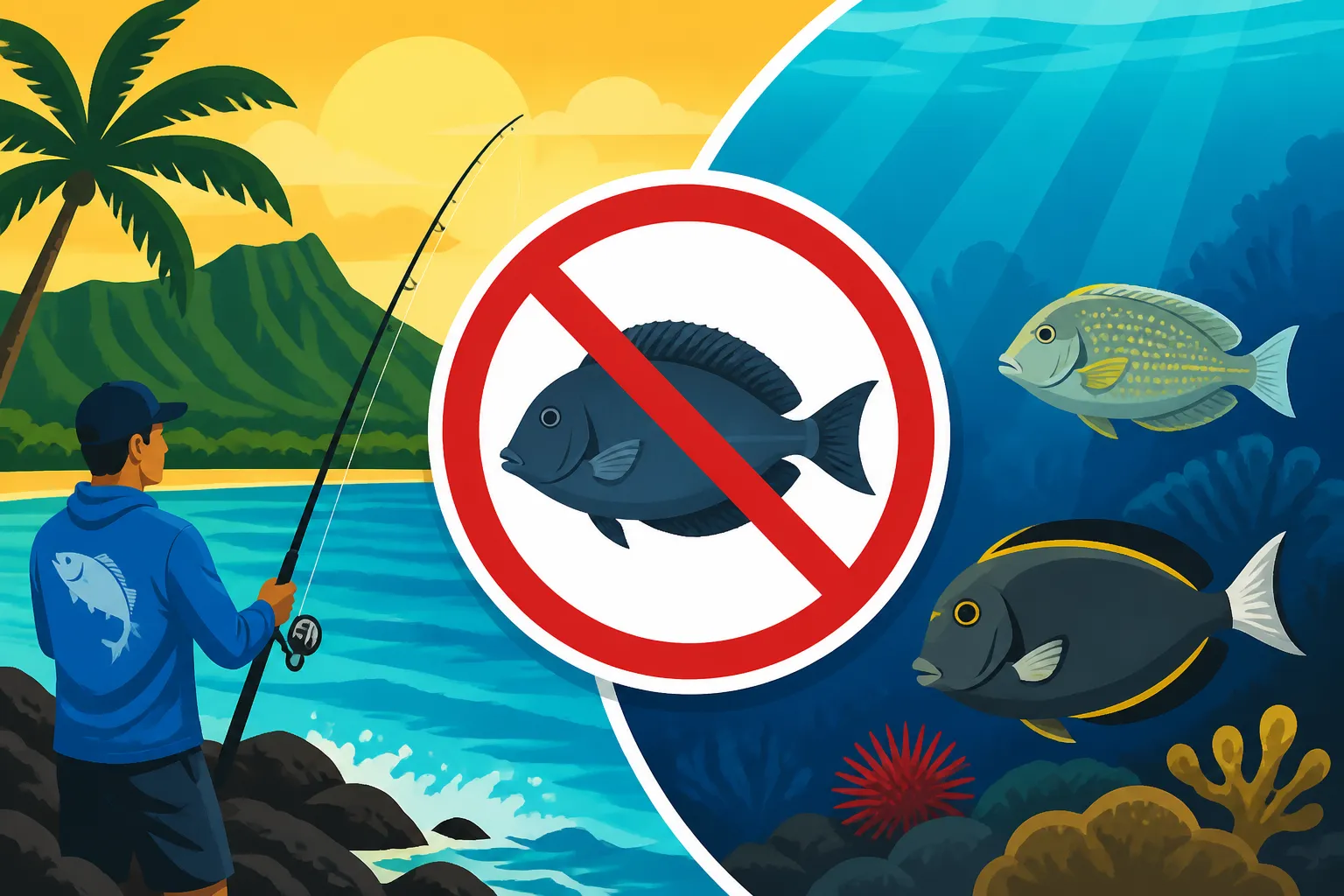
The official moi closed season in Hawaii runs annually from June 1st through August 31st, inclusive.
This means that during these three months, it is illegal for anyone to take, possess, or sell moi, unless you hold a valid commercial marine license that specifically permits such activities and you are operating under very specific commercial harvest regulations. For recreational anglers like you and me, this period is a complete no-go. No catching, no keeping, no buying from recreational sources.
If you happen to catch a moi accidentally during this closed season, the law requires you to immediately release it unharmed. It’s crucial to be prepared for this scenario, perhaps by using circle hooks or having tools ready for quick, clean releases. Make sure your tackle box, maybe one you picked up from Amazon, has everything you need for responsible catch and release. This regulation is strictly enforced, and violations can lead to significant fines and penalties, so it's not something to take lightly. Always mark these dates on your calendar and double-check them with the latest information from the Hawaii DLNR Fishing Regulations PDF before heading out.
Moi Size and Bag Limits Outside the Closed Season
So, the good news is that for the other nine months of the year, you can pursue moi! However, even outside the closed season, there are still important rules to follow regarding the size and quantity of fish you can keep. These regulations are also designed to promote sustainable fishing practices, ensuring that enough moi remain in the ecosystem to continue reproducing and growing. Disregarding these limits can lead to consequences just as serious as fishing during the closed season, so pay close attention.
Minimum Size Requirements for Moi
It's not just about when you can fish, but what size fish you're allowed to keep. The Hawaii Department of Land and Natural Resources (DLNR) has set a minimum size limit for moi to ensure that fish have a chance to mature and spawn at least once before being harvested.
The minimum size limit for moi is 11 inches (28 cm) from the tip of the snout to the tip of the tail (fork length).
This means any moi you catch that measures less than 11 inches must be released immediately, regardless of how healthy it looks. Keeping undersized fish can deplete the breeding stock, jeopardizing the future of the fishery. Always carry a reliable measuring device with you. A flexible tape measure or a marked fishing rod can be invaluable. This rule is consistent with other species-specific regulations outlined in the Hawaii Bag and Size Limits by Species, all aimed at protecting juvenile fish.
Daily Bag Limits to Sustain the Fishery
Even if you're catching legal-sized moi, you can't just keep every single one you hook. Daily bag limits are in place to prevent overharvesting by individual anglers, helping to distribute the catch more equitably among fishermen and reduce overall pressure on the moi population.
For recreational anglers, the daily bag limit for moi is 10 fish per person.
This limit applies regardless of how long you've been fishing or how many legal-sized moi you encounter. Once you've reached your limit of 10 moi, you must stop fishing for them for the remainder of that day. This doesn't mean you have to stop fishing entirely, but you must switch to targeting other species. This limit, combined with the size restrictions and closed season, forms a comprehensive management strategy to ensure a healthy and sustainable moi fishery for everyone. It’s a collective responsibility to adhere to these limits, ensuring that Moi (Pacific Threadfin) in Hawaii continue to thrive.
Best Practices for Responsible Moi Fishing
Beyond the regulations, practicing responsible angling is vital for preserving moi populations and maintaining the health of Hawaii's marine environment. We all want to catch fish, but we also want to ensure our kids and grandkids can experience the thrill of fishing for moi. This means adopting practices that minimize stress on the fish and their habitat.
Gear Considerations for Moi
When targeting moi, the gear you choose can make a big difference, especially if you anticipate catching and releasing some fish. Moi are often found in shallow, clear water, and can be quite skittish.
- Light Tackle: Using lighter rods and reels spooled with 6-12 lb test line can enhance the experience and make for a more sporting fight. This also minimizes the risk of over-stressing fish that you intend to release. You can find some great options for light tackle rods and reels on Amazon that are perfectly suited for Hawaii's inshore fishing.
- Hooks: Opt for circle hooks when bait fishing. Circle hooks are designed to hook fish in the corner of the mouth, significantly reducing gut-hooking, which is often fatal for released fish. This is particularly important if you're using bait, which is a common and effective method for moi.
- Bait vs. Lures: Moi respond well to a variety of baits, including limu (seaweed), small pieces of squid, shrimp, or even bread. If you're using lures, small soft plastics or flies that imitate their natural food sources can be very effective. Remember, the goal is often to catch them, but also to give them a good chance of survival if they're undersized or you've met your bag limit. Consider techniques like Float Fishing for Moi from Shore, which often uses light tackle and bait.
- Landing Net: A rubberized landing net is much gentler on a fish's slime coat and fins than a gaff or bare hands, especially if you plan to release the fish. It provides a safer way to bring the moi onto shore or into your boat without causing unnecessary injury.
Catch and Release Best Practices
Even when fishing during the open season and adhering to size and bag limits, you'll inevitably encounter fish that need to be released. Knowing how to do so properly is just as important as knowing the regulations.
- Minimize Handling: The less you handle a fish, the better its chances of survival. Try to keep the fish in the water as much as possible, especially during hook removal.
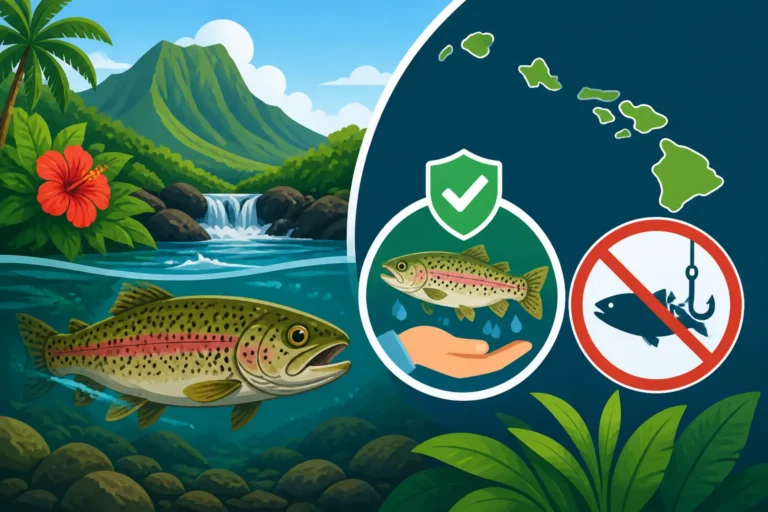
- Wet Hands: Always wet your hands before touching a fish. Dry hands can remove the fish's protective slime layer, leaving it vulnerable to infection and disease.
- Quick Hook Removal: If the fish is hooked superficially, remove the hook quickly and gently. Pliers or a de-hooking tool can make this process faster and safer for both you and the fish.
- Cut the Line: If a fish is deeply gut-hooked and you can't remove the hook easily without causing further damage, it's often better to cut the line as close to the hook as possible. The hook may rust out over time, giving the fish a chance to survive. This is a tough call to make, but it's often the most humane option.
- Revive the Fish: Hold the fish gently upright in the water, facing into the current. Move it back and forth gently to push water over its gills until it regains its strength and can swim away on its own. This is especially crucial for fish that have fought hard. Understanding the Best technique for post-spawn moi, for instance, often emphasizes responsible release to ensure future breeding success.
By being mindful of these practices, we can all contribute to the long-term health of Hawaii's moi populations and ensure that this iconic fish remains a cherished part of our islands' heritage and fishing culture.
Moi Fishing Regulations at a Glance
To make things easy, here's a quick summary of the key moi regulations discussed:
| Regulation Type | Detail |
|---|---|
| Closed Season | June 1st – August 31st (inclusive) annually. No recreational take, possession, or sale during this period. |
| Minimum Size | 11 inches (28 cm) fork length (tip of snout to tip of tail). Any moi smaller than this must be immediately released. |
| Daily Bag Limit | 10 fish per person, per day. Once limit is reached, fishing for moi must cease for the day. |
| Exceptions | Commercial marine license holders may be exempt from the closed season and bag limits under specific commercial regulations. Always verify with current DAR rules. |
| Penalties | Violations can result in significant fines and/or imprisonment. Always refer to the latest Hawaii fishing regulations for exact penalty details. |
Remember, these regulations are put in place for a reason: to protect our precious marine resources. Always stay informed and fish with aloha! You can always check official sources like the Hawaii DLNR website or even look for comprehensive Hawaii Fishing Regulations Explained guides on Amazon for the most up-to-date rules.
Disclaimer
Please remember that fishing regulations can change. While I strive to provide the most current and accurate information, it is always your responsibility to consult the official Hawaii Department of Land and Natural Resources (DLNR) Division of Aquatic Resources (DAR) website or their published regulations before engaging in any fishing activities. Local conditions, emergency closures, or legislative changes may alter the rules presented here. Adhering to the latest official guidelines is crucial for legal and sustainable fishing.