Honokohau Harbor Fishing Access
Stepping onto the bustling docks of Honokohau Harbor, many anglers, both seasoned and new, often feel a mix of excitement and a touch of overwhelm. You’re standing at the gateway to some of Hawaii’s most prolific fishing grounds, but knowing where to cast your line, what to expect, and how to navigate this vibrant hub can feel like a riddle. This guide is here to unravel that mystery, offering a comprehensive look at how to make the most of your fishing experience at Honokohau, whether you’re casting from shore or venturing offshore.
Understanding Honokohau Harbor: More Than Just a Dock
Honokohau Harbor, located just a few miles north of Kailua-Kona on the Big Island, isn't just a place where boats tie up; it's the beating heart of West Hawaii's fishing culture. For many, it's the first stop on an epic deep-sea adventure, but it also offers surprising opportunities for those who prefer to stay on solid ground. Understanding its layout and public access points is key to a successful day.
Location and General Layout
Picture this: you drive down a small access road off Queen Kaʻahumanu Highway, and suddenly, the expansive blue Pacific opens up before you. Honokohau Harbor is strategically nestled along the Kona coast, providing immediate access to the famously deep waters where marlin and tuna roam just a short distance from shore. This unique geological feature, where the Big Island's volcanic slopes plunge abruptly into the ocean, is what makes Kona one of the world's premier big-game fishing destinations.
The harbor itself is a well-developed facility. You'll find multiple boat ramps designed for easy launching and retrieval, extensive parking, and several fuel docks to keep those big sportfishing boats running. Beyond the purely functional, there's a pleasant mix of amenities, including restrooms, a small visitor information center, and a handful of local businesses ranging from charming eateries to essential tackle shops. It’s a place where charter captains mingle with local commercial fishermen, and visitors can soak in the authentic Hawaiian marine lifestyle. The constant hum of activity, from boats heading out at dawn to returning in the late afternoon with their flags flying high, tells you this is a serious fishing hub.
Public Access Points and Regulations
While Honokohau Harbor is primarily known as a launching point, there are indeed areas where land-based anglers can try their luck. The most common public access points are along the main harbor entrance breakwalls, though you’ll need to be mindful of designated areas and respect private property. It's crucial to understand that while many parts of the harbor are public, some areas are restricted due to safety concerns (like active boat ramps) or private ownership. Always look for signage and err on the side of caution.
The good news is that Hawaii, in general, has a strong tradition of public access to the shoreline, and that extends to much of Honokohau. However, fishing within the harbor requires adherence to general state and local regulations. While Honokohau itself isn't a Marine Life Conservation District (MLCD), there are strict rules about fishing practices, especially concerning safety and environmental protection. For instance, you'll need to be aware of areas where throw nets might be prohibited or where certain gear types are restricted. It's always a good idea to brush up on the current Hawaii Fishing Regulations Explained before you head out, as rules can occasionally change. Being a responsible angler means understanding these guidelines and doing your part to keep our waters healthy.
Shoreline Fishing Opportunities at Honokohau Harbor
For many, the thought of fishing in Hawaii conjures images of giant marlin or yellowfin tuna. But if you’re not looking to charter a boat, or if you simply prefer the tranquility of casting from land, Honokohau Harbor still has a lot to offer. You just need to know where to look and what to expect.
Best Spots for Land-Based Anglers
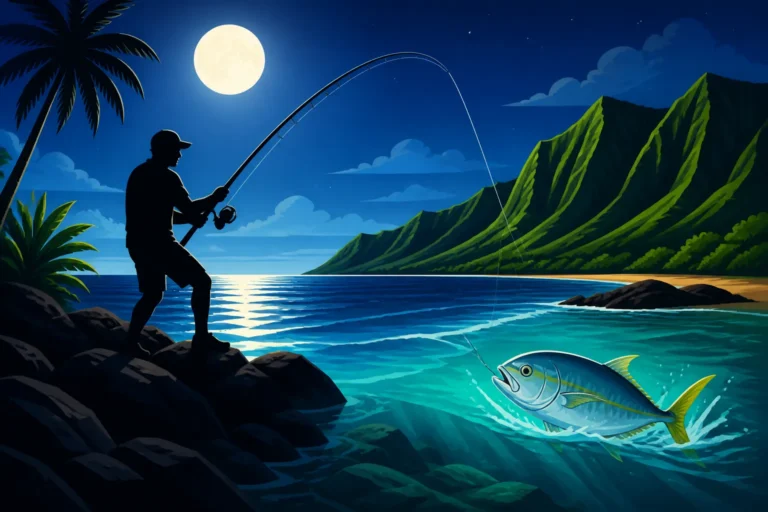
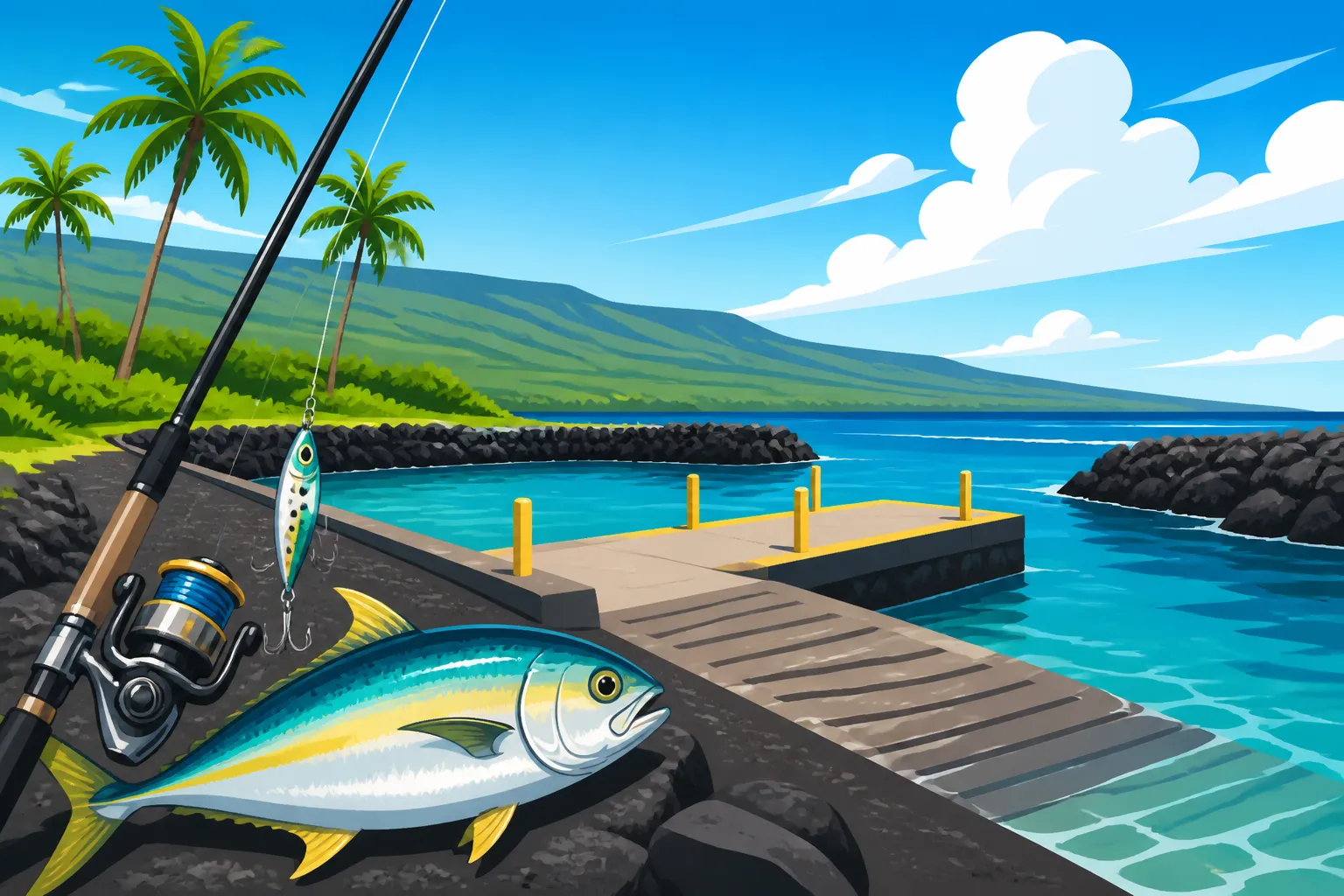
If you're planning to stick to shore, Honokohau offers a few distinct areas worth exploring. The northern jetty, which forms the outer boundary of the harbor entrance, is a popular spot. Here, anglers often find deeper water access and a chance to intercept fish moving in and out of the harbor. Be cautious, though, as these rocks can be slippery, and boat traffic is constant. Safety should always be your top priority. Another area to consider is the southern breakwall, offering similar access and potential. Near the main boat ramps, there are usually some public areas along the seawalls or smaller sandy pockets where you can set up. These spots tend to be shallower but can be excellent for smaller reef species or juvenile predators patrolling for baitfish.
The advantage of these harbor-side spots is convenience; you’re right there with easy parking and facilities. However, you're also sharing the space with other recreational users and working around a lot of boat movement. For those willing to walk a bit further, exploring the sandy stretches just outside the harbor mouth, especially to the north or south, can yield different results away from the immediate harbor activity. These more natural shorelines might offer less structure but greater tranquility and a chance at different species. Always be aware of your surroundings, especially if fishing near channels where boats are entering and exiting.
Target Species and Techniques for Shore Anglers
So, what can you actually hope to catch from the shoreline at Honokohau? While the grander marlin might be offshore, the harbor still teems with exciting possibilities. One of the most common targets, and a favorite among local anglers, is the Papio. This is the juvenile form of the formidable Giant Trevally (Ulua) and they are incredibly feisty fighters on light tackle. You might also encounter various reef fish like the colorful Kumu (goatfish) and Weke (another type of goatfish), which are excellent eating. Occasionally, smaller Akule (bigeye scad) or Opelu (mackerel scad) will school up in the harbor, attracting predators.
For techniques, "whipping" is very popular here. This involves casting small spoons, jigs, or plastics with light to medium tackle, mimicking baitfish. It's an active style of fishing that can be very rewarding. Another common method is "dunking" or bottom fishing with bait. This could be chunk bait like pieces of Opelu or Squid, or even live bait if you can catch some in the harbor using a sabiki rig. This stationary method is great for bottom feeders and can sometimes surprise you with a larger Ulua venturing in for a meal. For a deeper dive into techniques, our guide on Shore Fishing Techniques for Hawaii offers valuable insights, and if you’re specifically after those spirited Papio, check out our article on How to Catch Papio on Hawaii's Shoreline. Remember, patience and adapting your technique to the conditions are key to success from the shore.
Boating and Offshore Fishing from Honokohau
Honokohau Harbor truly shines as the launchpad for Hawaii’s world-class offshore fishing. The deep, nutrient-rich waters of the Kona coast, sometimes referred to as "Kona's Golden Alley," lie just a stone's throw from the harbor mouth, making it an ideal departure point for chasing pelagic giants.
Launching Your Own Boat
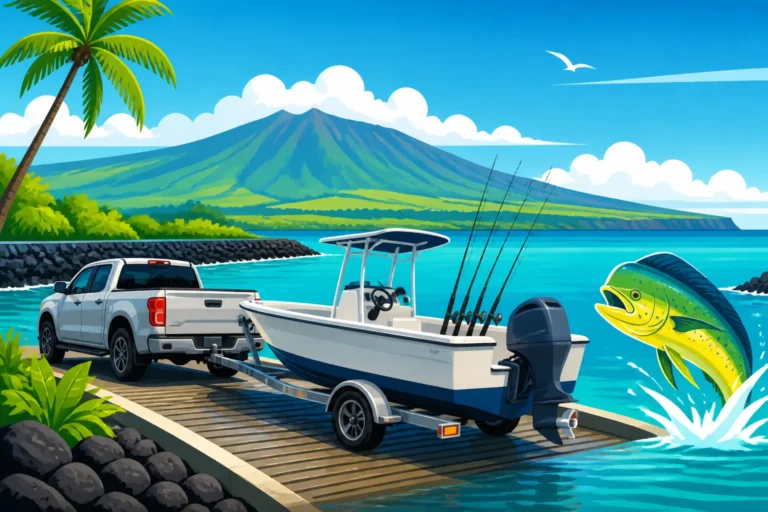
If you've brought your own boat to Hawaii or are renting one locally, Honokohau offers excellent facilities for launching. The harbor boasts multiple well-maintained boat ramps, designed to handle a variety of vessel sizes. Parking can get crowded, especially on busy weekends or during major fishing tournaments, so arriving early is often a smart move. There are usually nominal fees for launching and parking, so be prepared with cash or card. The harbor staff are generally helpful, but knowing the ropes yourself will make for a smoother experience.
Before you head out, make sure your vessel is up to snuff with all the necessary safety equipment, and familiarize yourself with Hawaii Boating Laws for Anglers. It's not just about having a Hawaii Boat Registration Requirements up to date; you'll also want to review things like Life Jacket Requirements for Hawaii Boaters, especially if you have kids onboard. The convenience of having fuel docks right in the harbor is a huge plus, allowing you to top off before heading out or immediately upon return. Just remember to give way to larger commercial and charter vessels, and always navigate at safe speeds within the harbor confines. The channel leading out to the open ocean is typically well-marked, but always keep an eye on your charts and depth sounder.
Charter Fishing from Honokohau Harbor
For most visitors and even many residents, the ultimate Honokohau fishing experience comes from booking a charter. This harbor is undeniably the epicenter of Kona's sportfishing fleet, home to dozens of highly experienced captains and top-notch boats. Whether you dream of a record-breaking Marlin or a cooler full of Ahi, there's a charter here to fit your ambition and budget. You'll find a wide array of options, from shared "split" charters where you join other anglers to full-day private charters offering a more personalized experience.
The beauty of a charter is that everything is provided: the boat, the captain, the deckhand, all the gear, and often even bait and tackle. This allows you to focus purely on the fishing. When choosing a charter, consider what species you're most interested in, your budget, and how many people are in your party. Sites like FishingBooker are excellent resources for comparing different boats, reading reviews, and booking directly with reputable captains. They offer detailed profiles of many Honokohau-based charters, making it easier to find the perfect fit. For a more detailed guide on selecting your adventure, check out our article on How to Choose a Hawaii Fishing Charter, and if big game is on your mind, our guide to the Best Fishing Charters in Hawaii is a must-read. These experienced crews know the waters like the back of their hand, and they're your best bet for a successful offshore trip, especially if you're targeting specific species like those magnificent Kona Marlin mentioned in Marlin Fishing off the Kona Coast.
Target Species and Best Seasons Around Honokohau
The diverse marine environment off Honokohau Harbor supports an incredible array of fish. From the shallow reefs to the abyssal depths just offshore, there's always something biting. Knowing what to target and when can significantly improve your chances of success.
Pelagic Powerhouses of the Kona Coast
The Kona coast is world-renowned for its pelagic species, which are open-ocean dwellers. The unique geography here means that very deep water, often reaching thousands of feet, is incredibly close to shore, making it accessible even for half-day charters. This is where the true "powerhouses" of the ocean roam:
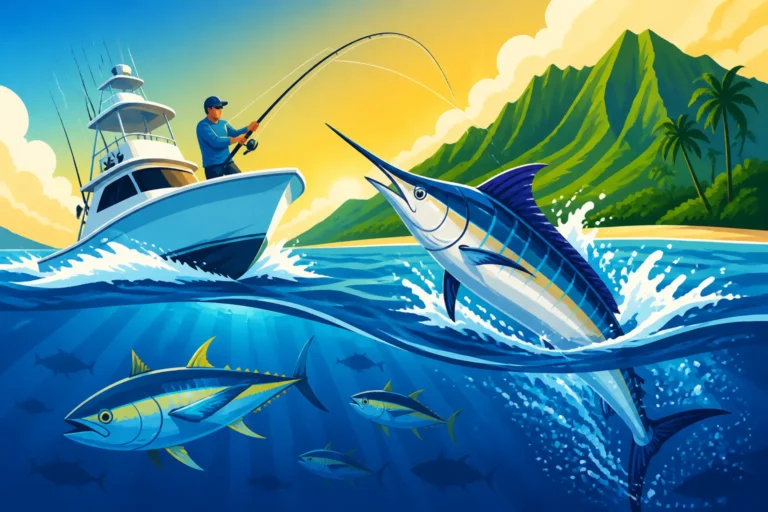
- Marlin: Kona is synonymous with marlin, particularly the majestic Blue Marlin. These apex predators can grow to immense sizes here, with "grandert" (over 1,000 lbs) caught annually. Striped Marlin and Shortbill Spearfish are also common catches, especially during cooler months. Marlin fishing is primarily a trolling game, with boats pulling large lures or rigged baits at specific speeds.
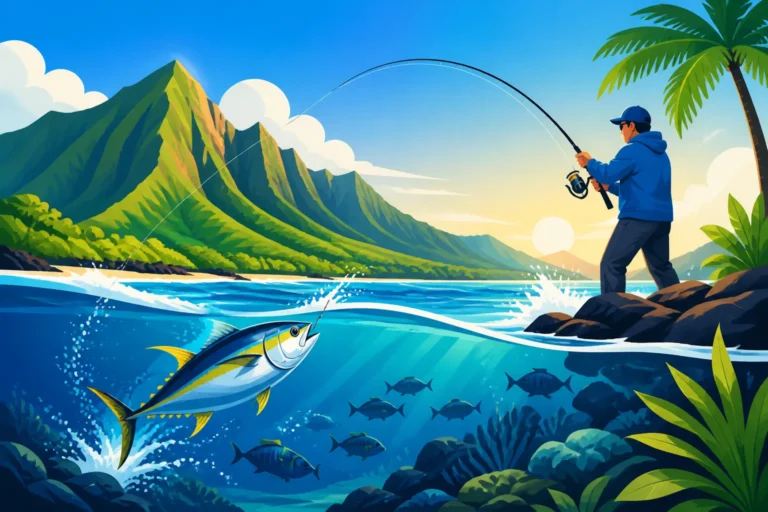
- Ahi (Yellowfin Tuna): These powerful tuna are another prized catch. They often travel in schools and can be found offshore around FADs (Fish Aggregating Devices) or chasing bait balls. Ahi provide an incredible fight and are, of course, delicious table fare. The techniques for catching Ahi vary from trolling to chunking (chumming with cut bait) or even deep jigging. Dive deeper into catching these magnificent fish with our Ahi Yellowfin Tuna Fishing in Hawaii guide.
- Ono (Wahoo): Known for their incredible speed and razor-sharp teeth, Ono are exhilarating to catch. They are typically found patrolling current lines and structure. Trolling with high-speed lures is a popular method for Ono, especially during the warmer months when their numbers peak. You can learn more about these speedy predators in our guide to Ono Wahoo Fishing in Hawaii.
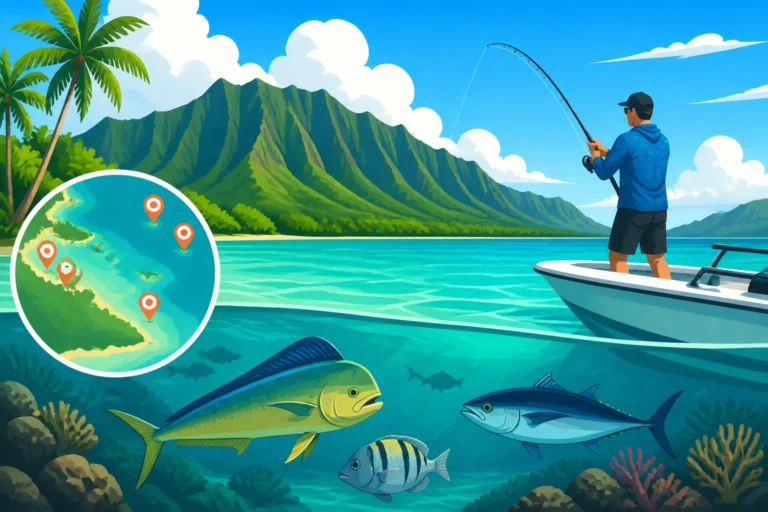
- Mahimahi (Dolphin Fish): With their vibrant colors and acrobatic fights, Mahimahi are a favorite among anglers. They often congregate around floating debris, FADs, or current breaks, feeding on baitfish. Trolling lures or small baits is effective for Mahimahi, which can provide consistent action and excellent eating. You can find more information on how to target these beautiful fish in our Mahi Mahi Fishing in Hawaii article.
The beauty of Kona is that these species are present year-round, though their numbers and peak seasons can fluctuate. Summer often brings the largest Blue Marlin, while spring and fall can be excellent for Striped Marlin, Spearfish, and Mahimahi. Ahi can be caught throughout the year, with specific periods seeing larger schools.
Reef and Bottomfish Beyond the Breakwall
While the pelagics get a lot of attention, the reefs and deep bottom structures accessible by boat from Honokohau Harbor offer fantastic opportunities for bottomfishing. This style of fishing targets species that live closer to the ocean floor, often around submerged pinnacles, ledges, and drop-offs.
These are typically much slower-growing species, and responsible angling, including adherence to bag limits and size restrictions, is paramount for their sustainability. Kona’s deep-water bottomfishing can yield some truly spectacular catches:
- Opakapaka (Pink Snapper): A highly prized Hawaiian snapper, known for its delicate flavor. Opakapaka are typically found in depths ranging from 180 to 600 feet, often around rocky bottom structures.
- Onaga (Ruby Snapper): Another exquisite deep-water snapper, recognizable by its striking red color. Onaga prefer even deeper waters, sometimes down to 1,000 feet, making them a target for specialized deep-drop techniques.
- Hapuu (Grouper): Large and powerful bottom dwellers that provide a strong fight. Several species of Hapuu can be found on the deeper reefs.
- Uhu (Parrotfish): While some Uhu can be caught in shallower reef areas, larger species are often found by bottomfishing deeper ledges. They are beautiful fish and a staple in Hawaiian cuisine.
- Kumu (Goatfish) and Weke (Goatfish): Various species of goatfish are common on shallower to mid-depth reefs. They are excellent for eating and provide consistent action.
Bottomfishing techniques typically involve using heavy tackle with multiple hooks, often baited with squid or cut fish, deployed to precise depths. Jigging with metal jigs is also a highly effective and active method for many bottomfish species. A good charter captain specializing in bottomfishing will use advanced sonar to locate these specific structures and the fish holding on them. It’s a different kind of challenge than trolling for pelagics, requiring a precise approach and often a strong arm to reel up fish from hundreds of feet down. To learn more about these fascinating creatures of the deep, our Bottomfish Species of Hawaii guide is a great resource, and always double-check the Hawaii Bag and Size Limits by Species to ensure you're fishing legally and sustainably.
Navigating Logistics and Resources at the Harbor
A successful fishing trip from Honokohau Harbor involves more than just knowing where the fish are; it’s also about understanding the practical logistics and utilizing the resources available. From grabbing supplies to ensuring you're legally prepared, a little planning goes a long way.
Essential Facilities and Amenities
Honokohau Harbor is designed to be a full-service hub for anglers, offering a range of essential facilities to make your trip smoother. The most critical, of course, are the tackle shops. You'll find a couple of well-regarded ones right in or very near the harbor, such as West Hawaii Marine & Tackle and Kona Marine Supply. These aren't just places to buy hooks and lures; they’re vital local resources where you can get up-to-the-minute fishing reports, advice on what’s biting, and stock up on everything from ice and bait to specialized offshore tackle. Locals often hang out here, and their insights are priceless.
Beyond tackle, the harbor provides fuel docks for gasoline and diesel, ensuring you can top off your tanks without a detour. Ice is readily available, which is crucial for keeping your catch fresh, especially on long offshore trips under the Hawaiian sun. You'll also find clean restrooms conveniently located throughout the harbor area. For those lucky enough to land some fish, there are often fish cleaning stations where you can process your catch, though sometimes these can get busy, so be prepared to wait or clean your fish at home. If you're looking for a bite yourself, there are a few casual eateries within walking distance or a short drive, offering everything from local plate lunches to fresh seafood. The harbor office and visitor center can also be helpful for general information or assistance.
Permits, Licenses, and Responsible Angling
Understanding Hawaii's fishing regulations can sometimes feel a bit complex, especially with recent changes. Here’s the critical takeaway:
- Hawaii Residents: Generally, residents do not need a license to fish in the ocean for recreational purposes. However, a freshwater license is required for designated freshwater fishing areas. You can read more about this nuance in Hawaii Resident Ocean Fishing License Exemption.
- Non-Residents: As of recent changes (since 2024), non-residents do need a marine fishing license for most types of ocean fishing, including shore fishing and fishing from a private boat. If you’re fishing on a licensed charter boat, the vessel's permit usually covers you, but it's always wise to confirm with your captain. For clear details, refer to Hawaii Nonresident Marine Fishing License, Explained.
- Freshwater Fishing: If your plans include visiting any of Hawaii's freshwater reservoirs (like Wahiawa Reservoir on Oahu or Kokee Public Fishing Area on Kauai), you will need a separate freshwater fishing license, regardless of residency. Our guide Do You Need a Fishing License in Hawaii clarifies these distinctions further.
Beyond licenses, it's paramount to be a responsible angler. Familiarize yourself with current bag and size limits for all target species, both pelagic and bottomfish. These limits are in place to ensure sustainable fishing for future generations. Be aware of closed seasons for certain species (like Moi) or specific harvest methods. Respect any Marine Life Conservation Districts (MLCDs) or Fish Replenishment Areas (FRAs), which have stricter rules or are entirely no-take zones. While Honokohau itself isn't an MLCD, areas nearby might be.
Finally, practice conservation. Release fish that are not intended for consumption or are undersized carefully. Avoid unnecessary waste. Take all your trash with you. The health of Hawaii's unique marine ecosystem depends on every angler doing their part. The state’s Department of Land and Natural Resources (DLNR) provides comprehensive information, and reviewing resources like Reading the Hawaii DLNR Fishing Regulations can keep you informed.
| Feature / Aspect | Shore Fishing from Honokohau Harbor | Boat Fishing from Honokohau Harbor (Private or Charter) |
|---|---|---|
| Accessibility | Easy, walk-up access to jetties, breakwalls, sandy stretches. | Requires a boat (private or charter). Boat ramp access, deep-water entry. |
| Cost | Very low (gear, bait, license if nonresident). | Higher (boat rental/ownership, fuel, charter fees). |
| Target Species | Papio (juvenile GT), smaller reef fish (Kumu, Weke), occasional Akule/Opelu. | Large pelagics (Marlin, Ahi, Ono, Mahimahi, Spearfish), deep-water bottomfish (Opakapaka, Onaga). |
| Primary Techniques | Whipping (casting lures), dunking (bottom fishing with bait), throw netting for bait. | Trolling (lures/bait for pelagics), deep dropping/jigging (for bottomfish), live baiting. |
| Required Gear | Light to medium spinning tackle, various lures/baits, net (optional), cooler. | Heavy offshore tackle, specialized lures/baits, outriggers, sonar, downriggers (for deep dropping). |
| Fishing License | Non-residents generally do need a marine license. Residents are exempt for ocean fishing. | Non-residents generally do need a marine license unless on a permitted charter. Residents are exempt. |
| Comfort/Convenience | Flexible schedule, self-paced. Exposed to elements. Limited facilities directly at fishing spot. | More comfortable (often covered boats), amenities on board. Set schedule for charters. |
| Best For | Casual anglers, families with kids, those on a budget, targeting smaller inshore species. | Serious anglers, big game pursuit, targeting specific offshore species, guided experience. |
Disclaimer
The information provided in this guide is for general informational purposes only and is subject to change. Fishing regulations, license requirements, and access policies can vary and be updated by local and state authorities. Always consult the most current regulations issued by the Hawaii Department of Land and Natural Resources (DLNR) or other relevant agencies before engaging in any fishing activities. We recommend checking with local tackle shops or the DLNR for the latest information to ensure compliance and a safe, enjoyable fishing experience.