Big Island Fishing Guide
Navigating the vast and varied fishing grounds of Hawai‘i Island, often called the Big Island, can feel like an overwhelming task for both first-time visitors and even seasoned anglers. With its unique geology, from the calm, deep waters of Kona to the rugged, current-swept coastlines of Ka Lae and the volcanic shores of Hilo, knowing where to cast your line, what to target, and how to stay within the rules can be a real head-scratcher. This comprehensive guide will break down everything you need to know to confidently plan your Big Island fishing adventure, ensuring you make the most of its incredible marine and even freshwater opportunities.
Understanding the Big Island's Unique Fishing Landscape
The Big Island lives up to its name, offering an expansive and incredibly diverse fishing environment unlike anywhere else in the archipelago. Its volcanic origins mean stark contrasts from one coast to the next, creating distinct habitats for a wide array of fish species. This geological variety is precisely what makes fishing here so exhilarating, but it also demands a bit of local knowledge to navigate successfully.
The Kona Coast: Calm Waters and Deep-Sea Action
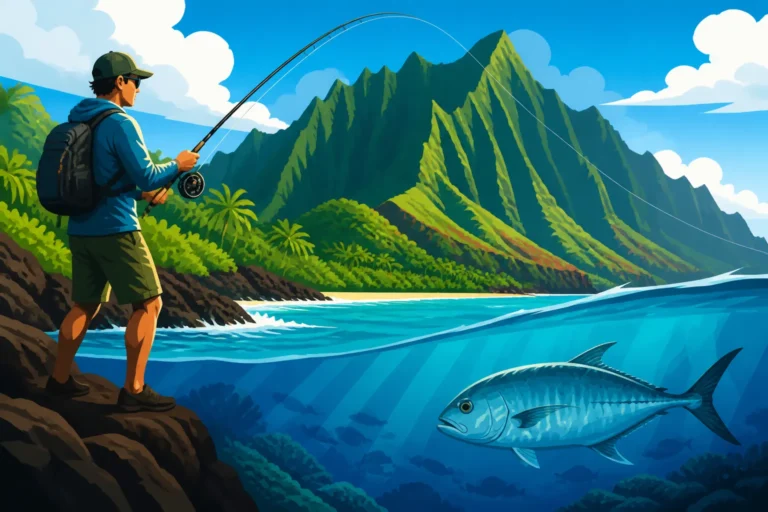
On the leeward (west) side of the island, the Kona Coast is world-renowned for its calm, deep waters that drop off dramatically just miles from shore. This unique underwater topography, combined with consistent currents, creates an ideal environment for large pelagic species. Anglers here often find themselves in awe of the immediate access to prime fishing grounds; you don't have to travel far to hit the deep blue. The shelter provided by Mauna Loa and Mauna Kea means that even on days when other parts of the island are experiencing rough seas, Kona's waters often remain relatively placid, making it perfect for offshore excursions.
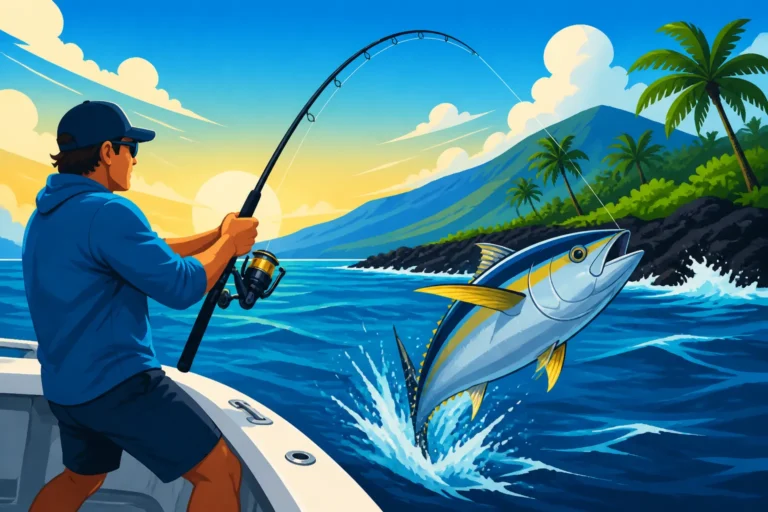
Imagine being just a few miles offshore, the sun glinting off the water, and suddenly your reel screams as a massive blue marlin decides to test your resolve. This isn't a rare fantasy in Kona; it's a daily possibility. The depths are teeming with baitfish, which in turn attract the apex predators. The water clarity is usually exceptional, allowing for mesmerizing views of marine life, though your focus will likely be fixed on your rod tip. Kona's reputation as a top sportfishing destination is well-earned, drawing serious anglers from around the globe who dream of landing a grander.
The Hilo Side: Reefs, Bays, and Freshwater Opportunities
Venturing to the windward (east) side, the Hilo Coast presents a dramatically different scene. Here, the landscape is lush, verdant, and frequently kissed by rain, leading to a more rugged coastline with numerous bays, estuaries, and vibrant inshore reefs. The waters here can be choppier due to the prevailing trade winds, but they offer fantastic opportunities for shore fishing, reef fishing, and even some surprising freshwater action. Hilo Bay itself is a significant feature, providing sheltered waters and various fishing access points.
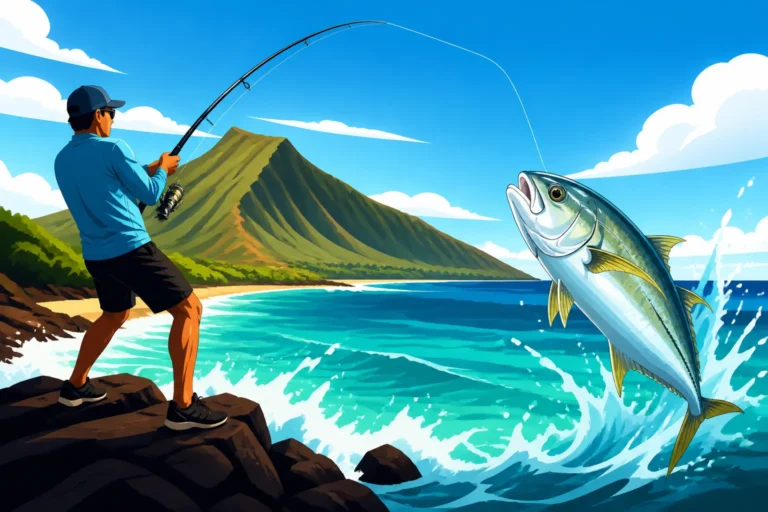
Picture yourself casting from a lava rock outcrop near Hilo, the waves crashing rhythmically, as you target papio or ulua hiding in the turbulent waters. Or perhaps you're exploring one of the island's often-overlooked freshwater ponds, casting for peacock bass or tilapia, a completely different experience from the ocean's expanse. The Hilo side truly offers a contrast, favoring inshore techniques and providing a rich tapestry of fishing experiences for those willing to explore its diverse offerings. It's a place where you might start your day chasing reef fish and end it by a tranquil pond, rod in hand.
South Point (Ka Lae): Extreme Conditions, Extreme Rewards
Then there's Ka Lae, or South Point, the southernmost tip of the U.S. and a place where two mighty currents converge. This area is not for the faint of heart; it's known for its incredibly strong currents, challenging access, and often powerful winds. However, these extreme conditions also make it a magnet for large pelagic fish that ride the currents, bringing them closer to shore than almost anywhere else. It’s a legendary spot for land-based game fishing, drawing dedicated anglers seeking trophy ulua or even ahi right from the cliffs.
Standing on the ancient lava cliffs at South Point, the sheer power of the ocean is palpable. The wind can whip around you, and the currents below churn with immense force. It's a place where specialized techniques, like slide baiting with heavy tackle, are not just preferred but necessary. But for those who brave its challenges, the rewards can be monumental. Imagine the adrenaline rush as a massive fish takes your bait, and you battle it from a precipitous cliff, knowing you’re in one of the world's most unique land-based big game fishing arenas. It's a humbling yet exhilarating experience, a true test of skill and endurance.
Top Fishing Spots on the Big Island
With its diverse coastline, the Big Island offers an incredible array of fishing locations, each with its own character and target species. Knowing the prime spots can significantly enhance your chances of a successful and memorable outing. From bustling harbors to secluded bays, there's a perfect cast waiting for every angler.
Honokohau Harbor and Kailua-Kona Area
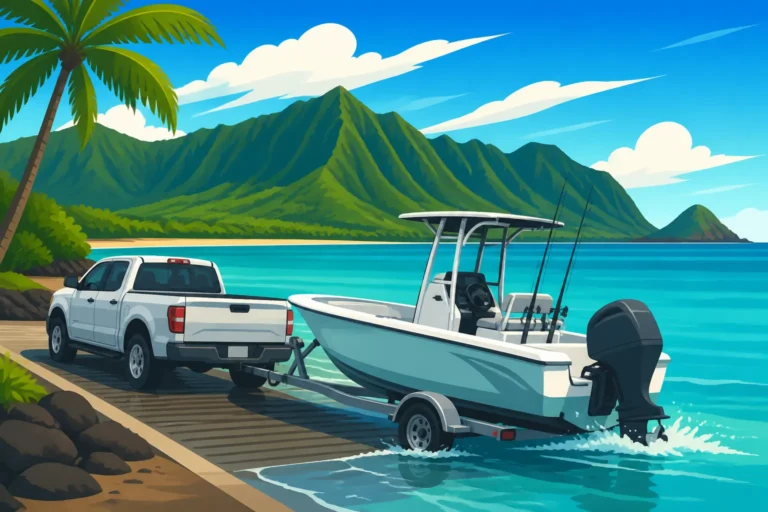
Honokohau Harbor, located just north of Kailua-Kona, is the epicenter of the Big Island's sportfishing scene. It’s a vibrant hub where numerous fishing charters depart daily, heading out to the deep-water canyons that lie just offshore. The access here is fantastic, with ample parking and facilities. While many focus on the offshore action, the harbor itself and nearby shallow reef areas can offer good opportunities for inshore species like papio, barracuda, and various reef fish for those fishing from shore or smaller craft. Just outside the harbor mouth, the deep drop-offs begin almost immediately, making it a prime location for trolling for marlin and tuna.
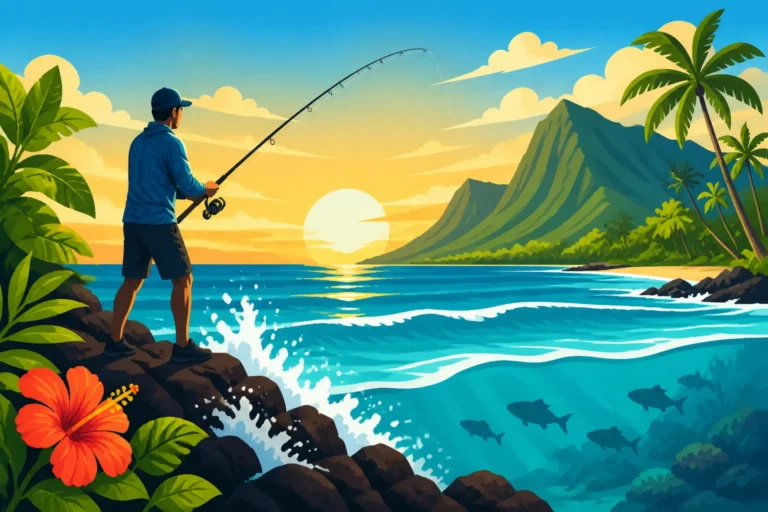
Picture the early morning bustle at Honokohau, the diesel engines rumbling as charter boats prepare for their day. For visitors hoping to join an offshore adventure, this is often where your journey begins. If you're staying in Kailua-Kona and looking for a more accessible option, the rocky shoreline stretching north and south from town provides excellent whipping grounds for smaller trevally (papio) and other reef dwellers, especially during sunrise or sunset. You might not hook a grander marlin from the rocks, but a feisty papio can offer plenty of sport, and the views are always spectacular. Many anglers find themselves spending peaceful hours casting along these accessible stretches.
Hilo Bay and Surrounding Reefs
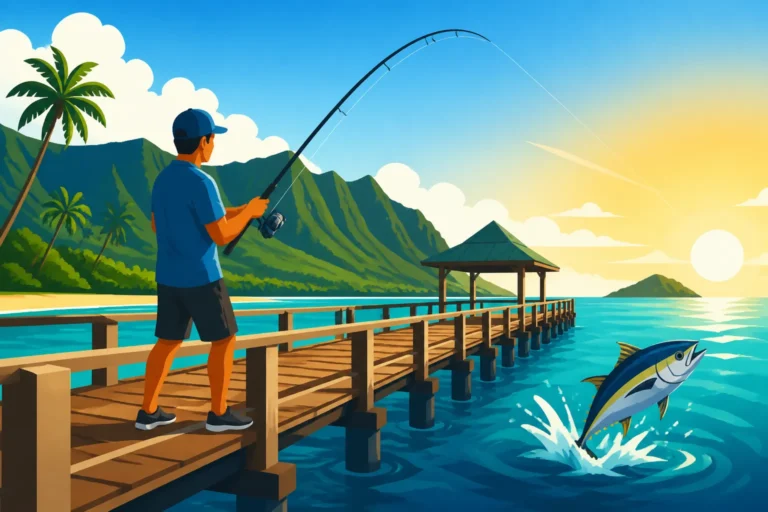
On the windward side, Hilo Bay offers a mix of sheltered waters and expansive reefs, providing a stark contrast to Kona's deep-sea focus. The bay itself is a great spot for family fishing, with opportunities for various reef fish and smaller pelagics that venture inshore. There are several public access points, including piers and shoreline parks, making it easy to set up for a casual fishing session. Beyond the bay, the coastline extends into rocky outcrops and shallow reefs that are perfect for shore casting or spearfishing, targeting moi, kumu, and the ever-present papio.
Imagine casting a line from the Wailoa River State Recreation Area's shoreline within Hilo Bay, perhaps targeting some tilapia or even a sporadic barracuda that cruises the calmer waters. The atmosphere is relaxed, often with families enjoying the lush surroundings. For more adventurous anglers, the reefs stretching out from Keaukaha or further south offer a more dynamic environment. Here, the challenge of navigating the currents and rocky bottom is rewarded with a wider variety of reef fish. You might find locals using throw nets for baitfish or spearfishing for uhu, showcasing the diverse traditional and modern methods employed in these waters.
The Iconic South Point Ka Lae
South Point, or Ka Lae, is a legendary fishing spot for those seeking a true Big Island challenge. As the southernmost point of the U.S., it's a place of immense natural power and historical significance. The converging currents here bring an incredible density of pelagic fish close to shore, making it famous for land-based game fishing. However, fishing from the steep cliffs requires extreme caution and specialized gear due to the powerful winds and currents. This isn't a spot for light tackle or the inexperienced.
Consider the dedication required to fish at Ka Lae: packing heavy-duty rods, large reels spooled with stout line, and often utilizing unique slide baiting rigs to present live bait far out into the powerful current. You'll likely see local anglers patiently waiting, their massive rods propped against the cliff edge, watching for the telltale signs of a take. The fish caught here are often trophy-sized ulua, or even offshore species like ahi and ono that ride the currents past the point. It's an arduous endeavor, but for many, the sheer thrill of potentially landing a record-class fish from shore makes it utterly worthwhile. This is a place where legends are made, and where your persistence will truly be tested against the raw power of the Pacific. To learn more about this challenging locale, read our guide on South Point Ka Lae Fishing Spots.
Hamakua Coastline and Remote Beaches
North of Hilo, the Hamakua Coast offers a breathtaking drive with dramatic cliffs, lush valleys, and hidden pockets of fishing potential. This coastline is less developed and often more rugged, requiring a sense of adventure to explore. Many areas are accessible only by hiking or with a four-wheel-drive vehicle, leading to secluded beaches and rocky points that rarely see crowds. The fishing here is primarily for inshore species like papio, ulua, and various reef fish, with occasional pelagics passing closer to shore during certain seasons.
Imagine the solitude of finding a remote black sand beach along the Hamakua Coast, surrounded by dense tropical foliage, with no one else in sight. The waves roll in, providing perfect surf fishing conditions for ulua or papio. You might spend hours casting, enjoying the peace and quiet, the only sounds being the ocean and the calls of seabirds. Access points often involve steep, sometimes slippery trails down to the water, adding to the challenge but also to the sense of accomplishment when you finally reach your chosen spot. This is where you connect with the wilder side of the Big Island, and where patience and exploration often yield surprising results.
Targeting the Big Island's Diverse Fish Species
The Big Island's waters are teeming with a spectacular array of fish, offering something for every type of angler. From the mighty pelagics that roam the deep blue to the feisty reef fish inhabiting the shallows, understanding what you can target and where will make your fishing experience far more rewarding.
Pelagic Powerhouses: Marlin, Ahi, Ono, and Mahimahi
The Big Island's reputation for world-class deep-sea fishing is largely built on its incredible pelagic species. The Kona Coast, in particular, is a global hotspot for billfish, boasting year-round opportunities for blue marlin, striped marlin, and shortbill spearfish. These magnificent creatures are often targeted by trolling large lures or rigged baits from sportfishing boats. The thrill of a marlin strike, followed by acrobatic jumps and a powerful run, is an unforgettable experience that draws anglers from around the world. For detailed insights into these majestic fish, check out our piece on Marlin Fishing off the Kona Coast.
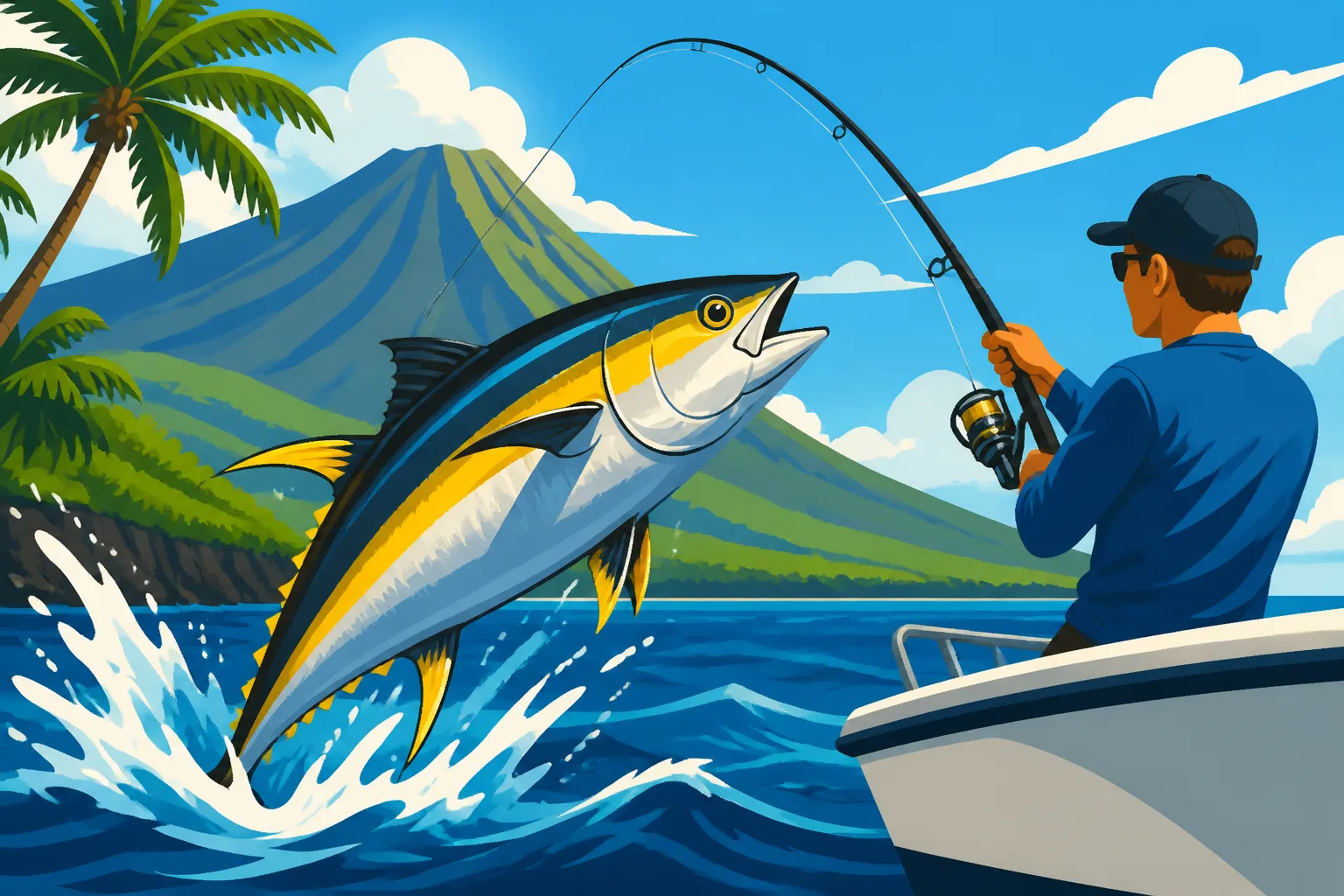
Beyond billfish, the open waters surrounding the Big Island are also home to significant populations of tuna, specifically ahi (yellowfin tuna) and aku (skipjack tuna). Ahi are highly prized for their strength and their delicious meat, often found schooling around offshore buoys or baitfish concentrations. Ono (wahoo) are another prized pelagic, known for their incredible speed and razor-sharp teeth, often caught trolling with high-speed lures. Mahimahi (dorado or dolphin fish) are stunningly colorful fish that put up a fantastic fight and are excellent eating. They tend to congregate around floating debris or FADs (Fish Aggregating Devices), making them a favorite target for many charters. Understanding the habits and best techniques for these species can lead to some truly epic catches, providing both an exhilarating fight and a delicious meal.
Shoreline Superstars: Ulua, Papio, Moi, and Reef Fish
For anglers who prefer to keep their feet on solid ground, the Big Island's extensive shoreline offers abundant opportunities to target a variety of exciting species. The most coveted among shore casters are ulua (giant trevally) and their smaller counterparts, papio (juvenile trevally). Ulua are powerful fighters, capable of stripping line off a reel with incredible speed, often targeted with heavy tackle and slide baiting techniques from rocky points or surf-swept beaches. Papio, while smaller, are equally aggressive and provide excellent sport on lighter gear, commonly caught by whipping (casting and retrieving lures) or bait fishing in reefy areas and bays.
Beyond the trevally, the Big Island's reefs and nearshore waters are home to a vibrant community of other desirable species. Moi (Pacific threadfin) are highly regarded for their delicate flavor and are often found in sandy bottom areas near reefs, especially during their season. Kumu (goatfish) and weke (other goatfish species) are also popular targets, known for their distinctive barbels used to forage in the sand. Then there are the numerous reef fish, including various snapper, parrotfish (uhu), and jacks, which can be caught using bait or small lures from accessible shorelines or shallow-water wading. Shore fishing here is about patience, reading the water, and understanding the local tides and currents that influence where these fish feed. If you're looking to specifically target the prized ulua from shore, our guide on How to Catch Ulua from Shore offers excellent tips.
Freshwater Finds: Tilapia, Bass, and Catfish
While the Big Island is overwhelmingly known for its marine fishing, it does offer some lesser-known freshwater fishing opportunities for those seeking a different experience. These inland fisheries are primarily found in reservoirs, ponds, and irrigation ditches, and they are almost exclusively for introduced species. The most common targets include tilapia, which are abundant and can be caught with simple bait setups, and various species of bass, including largemouth and peacock bass, which offer more of a sportfishing challenge. In some of the larger reservoirs, you might even find channel catfish.
These freshwater spots, often away from the bustling coast, offer a peaceful escape and a chance to hone your casting skills in a different environment. For example, local ponds near Hilo or other agricultural areas might hold decent populations of tilapia, providing easy action for kids or novice anglers. Larger reservoirs, though fewer and often with restricted access, can be exciting for bass fishing, requiring different techniques and lures than their ocean counterparts. It's a niche aspect of Big Island fishing, but one that can provide a pleasant change of pace and a chance to catch something entirely different from the typical Hawaiian fare. Always be sure to check local rules and access regulations for any specific freshwater body before heading out.
Essential Fishing Techniques for Big Island Waters
To truly unlock the Big Island's fishing potential, it's vital to match your technique to the environment and the target species. The island demands versatility, with different methods proving most effective whether you're miles offshore or casting from a rocky shore.
Offshore Trolling and Live Baiting
When you head offshore from Kona or other deep-water ports, trolling is the predominant method for targeting pelagic species. This involves dragging multiple lures or rigged baits behind a moving boat at various speeds and depths. The spread typically includes a mix of colorful artificial lures, often designed to imitate local baitfish like skipjack tuna or scad. Different lure colors and sizes work best depending on the species and conditions, and experienced captains will adjust their spread throughout the day. The goal is to cover a wide area, enticing powerful predators like marlin, ahi, ono, and mahimahi to strike.
Live baiting, usually with skipjack tuna (aku) or other small tunas, is another incredibly effective offshore technique, particularly for trophy marlin or large ahi. This involves slowly trolling or drifting a live bait, allowing it to swim naturally and attract the attention of larger predators. The finesse required to keep the bait alive and present it effectively is an art form mastered by seasoned crews. Imagine the anticipation as a live aku swims behind the boat, and suddenly the water explodes as a massive blue marlin engulfs it. This technique often yields bigger fish but requires more specialized knowledge and equipment, which is why many anglers opt for a guided charter experience. If you're keen to learn more about chasing specific pelagics, read up on How to Catch Ahi in Hawaii for expert tips.
Shoreline Casting and Slide Baiting
Shoreline fishing on the Big Island is a truly immersive experience, connecting you directly with the raw power of the Pacific. Two primary methods dominate: whipping and slide baiting. Whipping involves casting artificial lures, like Kastmasters, poppers, or various jigs, from rocky points, beaches, or piers. It's an active style of fishing, requiring constant casting and retrieving, and it’s highly effective for catching papio, small trevally, barracuda, and other aggressive inshore species. The thrill comes from the sudden strike and the rapid-fire action that can occur when a school of fish is feeding.
Slide baiting, on the other hand, is a more patient and specialized technique, particularly popular at renowned spots like South Point for targeting massive ulua or even large pelagics. It involves casting a heavy sinker out into the desired fishing zone, then attaching a live or dead bait to the main line with a "slider" clip or rig. This allows the bait to slide down the line to the water, often carried by currents far from shore, without needing to cast the heavy bait itself. This method enables anglers to present substantial baits in deep, fast-moving water, targeting the largest fish that patrol these extreme areas. It requires heavy-duty gear and a deep understanding of currents, but the potential reward of a trophy ulua makes it a cornerstone of serious land-based game fishing on the Big Island. For a deeper dive into these methods, check out our Shore Fishing Techniques for Hawaii guide.
Bottomfishing the Deep Reefs
Beyond the exhilarating chase of pelagics and the gritty challenge of shore casting, bottomfishing offers a unique opportunity to explore the Big Island's deeper, intricate reef structures. This technique involves targeting demersal species that live close to the ocean floor, often at depths ranging from 100 to over 1000 feet. Anglers use specialized electric reels and heavy lead weights to deliver bait (often squid, cut fish, or even live opelu) to the bottom. Common targets include the highly prized opakapaka (pink snapper), onaga (ruby snapper), ehu (squirrelfish snapper), and a variety of other deep-water snappers and groupers.
Imagine dropping your line hundreds of feet down, feeling the subtle tugs as fish investigate your bait, and then the satisfying thud of a solid strike. The process requires precise boat positioning, often using GPS and sonar to locate specific ledges, drop-offs, and rock piles where these deep-dwelling fish congregate. While it can be physically demanding to crank up fish from such depths, especially without electric reels, the reward of a cooler full of delicious, high-value table fish is well worth the effort. Many local charter boats specialize in bottomfishing, providing all the necessary equipment and expertise to guide you to the productive spots. This method offers a different kind of thrill, focusing on the bounty of the deep rather than the surface acrobatics, and it's a fantastic way to bring home some of the Big Island's finest eating fish. If this sounds like your kind of adventure, our detailed guide on Bottomfishing in Hawaii has all the information you'll need.
Navigating Big Island Fishing Regulations and Licenses
Fishing in Hawaii, including on the Big Island, comes with a set of rules and regulations designed to protect its unique marine and freshwater ecosystems. Understanding these guidelines, and obtaining the necessary permits, is not just about avoiding penalties; it's about being a responsible steward of these precious resources.
Understanding Marine Fishing License Requirements
One of the most common questions new anglers have is whether they need a fishing license in Hawaii. As of recent changes, a marine recreation fishing license is required for non-residents and residents over the age of 18 when fishing in Hawaii's ocean waters. This means if you're visiting the Big Island and plan to fish from shore, a kayak, or a private boat, you'll need to purchase this license. Children under 18 typically don't need a license for marine recreational fishing. However, if you're fishing on a licensed charter boat, the charter's license generally covers all passengers, so you usually don't need your own personal marine license.
The process to obtain a license is fairly straightforward, usually done online through the Department of Land and Natural Resources (DLNR) Division of Aquatic Resources (DAR) website, or through authorized vendors. Options typically include annual, 7-day, or 1-day licenses, catering to both long-term residents and short-term visitors. It's crucial to always have your license on your person (digital or physical copy) while fishing, as enforcement officers conduct checks. Failing to possess a required license can result in fines and other penalties. For a detailed breakdown of all requirements and exemptions, our article on the Hawaii Fishing License Guide for 2026 is an invaluable resource.
Key Bag and Size Limits for Popular Species
Beyond licensing, adhering to specific bag and size limits is critical for sustainable fishing. These regulations vary by species and are put in place to ensure fish populations can thrive. For instance, popular game fish like ulua (giant trevally) and papio have minimum size limits to allow them to reach reproductive age. Moi (Pacific threadfin) often have specific minimum size limits and sometimes even closed seasons to protect spawning aggregations. Uhu (parrotfish), highly valued for their role in reef health and for consumption, also have specific size and bag limits.
It’s not just about minimum sizes; some species also have maximum size limits (slot limits) to protect large, breeding individuals, or daily bag limits to prevent overharvesting. For example, pelagic species like ahi (yellowfin tuna) and marlin may have specific bag limits per person or per vessel, especially for recreational anglers. It's your responsibility as an angler to know and respect these limits before you head out. A quick check of the DLNR DAR website or a visit to a local tackle shop can provide up-to-date information. Understanding these rules is a fundamental part of responsible angling and contributes to the health of Hawaii's marine ecosystems for future generations. Our guide on Hawaii Bag and Size Limits by Species provides a comprehensive overview.
Protected Areas and Special Rules (MLCDs, FRAs)
Hawaii has established several Marine Life Conservation Districts (MLCDs) and Fish Replenishment Areas (FRAs) across its islands, including on the Big Island. These areas are vital for protecting marine biodiversity, allowing fish populations to recover, and providing educational and recreational opportunities for snorkeling and diving. Fishing within MLCDs is often heavily restricted, sometimes entirely prohibited, or limited to specific types of gear or species. For example, some MLCDs may allow only specific types of hook-and-line fishing but prohibit spearfishing or net fishing.
It's absolutely essential to know the boundaries and specific regulations of any MLCD or FRA before you fish near them. Fishing inadvertently within a prohibited zone can lead to significant fines and confiscation of gear. For example, certain bays or stretches of coastline might be designated as MLCDs to protect fragile coral reefs or unique fish communities. Additionally, specific seasonal closures may apply to certain species, like moi or uhu, to protect them during their spawning periods. Always consult the official DLNR DAR regulations or check with local authorities. Being informed ensures you're enjoying your fishing experience responsibly and legally, contributing to the long-term health of the Big Island's stunning aquatic environments. Our article on Hawaii Marine Life Conservation Districts, Explained offers crucial details.
Choosing a Big Island Fishing Charter or Guide
While the Big Island offers incredible opportunities for independent anglers, sometimes the best way to experience its world-class fishing is with a professional guide or charter. They offer local knowledge, specialized gear, and invaluable expertise that can dramatically increase your chances of success, especially in unfamiliar waters.
Deciding Between Full-Day, Half-Day, or Shore Guides
When considering a guided fishing experience on the Big Island, you’ll typically encounter a few options: full-day offshore charters, half-day offshore charters, and shore fishing guides. A full-day offshore charter (often 8-10 hours) provides the most comprehensive experience, allowing the boat to travel further to prime fishing grounds and offer more time to target a wider range of pelagic species. This is often the preferred choice for serious anglers hoping to land a trophy marlin or multiple ahi. The extended time means more opportunity to adapt to conditions and locate fish.
Half-day offshore charters (typically 4-6 hours) are a great option for those with limited time, a tighter budget, or for families with younger children who might not endure a full day at sea. While the range might be slightly more limited, Kona’s unique deep-water access still provides excellent chances for pelagics even on shorter trips. You might still catch a marlin, but perhaps not have the same opportunity for multiple species or to chase down a distant bite.
For anglers who prefer to stay on land, or those specifically interested in local inshore species, a shore fishing guide is an excellent choice. These guides specialize in targeting ulua, papio, moi, and other reef fish from the coastline. They possess intimate knowledge of local spots, tides, and techniques (like whipping or slide baiting), which can be incredibly difficult for an uninitiated visitor to figure out alone. They often provide gear and teach you the nuances of Hawaii's unique shore-based angling. The choice really depends on your budget, time, and specific fishing goals. Many people use platforms like FishingBooker to compare options and find the perfect fit for their needs, reading reviews and checking availability.
What to Expect from a Charter and Essential Questions
Before booking any fishing charter on the Big Island, it's wise to have a clear understanding of what to expect and to ask pertinent questions. Most reputable offshore charters will provide all necessary fishing gear, bait, and tackle. Many will also include a cooler with ice for drinks and your catch. What's often not included are food and beverages (beyond ice water), sunscreen, hats, sunglasses, and any personal items. Always confirm what's provided and what you should bring. Tipping the crew (usually 15-20% of the charter cost) is customary if they’ve done a good job.
When speaking with a charter operator, don't hesitate to ask about their "fish policy." Some charters are strictly catch-and-release for certain species, especially marlin, while others will allow you to keep a portion of the catch (often referred to as "boat's share" vs. "angler's share"). Clarify this upfront, especially if you're hoping to take some fresh fish home for dinner. Inquire about the experience of the captain and crew, the type of boat, and its safety equipment. Ask about their target species for the day you plan to go, as certain times of year might be better for specific fish. Using a booking service like FishingBooker can streamline this process by providing boat details, crew profiles, and transparent pricing upfront, along with customer reviews that can give you a real sense of what to expect.
Reputable Charter Operators
The Kona Coast, in particular, is home to a multitude of highly regarded charter operators, many of whom have decades of experience navigating these productive waters. Names like Kona Charter Fishing, Hooked Up Sportfishing, and Humdinger Sportfishing are often recommended for their professional crews, well-maintained boats, and consistent success rates, especially for marlin and tuna. These operations pride themselves on their deep local knowledge, often knowing the subtle nuances of currents, bait movements, and structure that lead to productive fishing. They understand that a great fishing trip isn't just about catching fish, but about the entire experience, from the moment you step aboard.
For those looking to explore bottomfishing or specific inshore techniques, smaller, specialized charters or independent guides might be a better fit. Platforms like FishingBooker can be incredibly helpful here, as they list a wide range of operators, from large sportfishers to smaller boats and shore guides. You can filter by location (e.g., departing from Honokohau Harbor), target species, and trip duration, allowing you to read reviews and compare services side-by-side. This ensures you find a reputable charter or guide whose expertise aligns with your fishing aspirations, guaranteeing a safer, more productive, and ultimately more enjoyable fishing adventure on the Big Island.
Best Times to Fish the Big Island
One of the Big Island's greatest assets as a fishing destination is its year-round productivity. Thanks to its unique oceanography and consistent temperatures, there's always something biting. However, certain seasons do offer peak opportunities for specific species, making a little planning beneficial if you have a particular target in mind.
Peak Seasons for Offshore Pelagics
While marlin, ahi, ono, and mahimahi can be caught throughout the year off the Big Island, there are definitely peak seasons that tend to yield higher numbers or larger fish. For blue marlin, the summer months (roughly June through September) are generally considered the prime time, with larger "grander" marlin more frequently encountered. Striped marlin and shortbill spearfish tend to be more prevalent in the cooler months, from late fall through spring (October to May). However, Kona's deep waters are so consistent that a blue marlin can truly be caught any day of the year.
Ahi (yellowfin tuna) fishing is often strong in the warmer months as well, peaking from late spring through early fall (May to October), when baitfish are abundant. During these periods, schools of ahi can be found around offshore buoys or actively feeding on bait balls. Ono (wahoo) tend to have two peak seasons: late spring (May-June) and early fall (September-October), though they are caught throughout the year. Mahimahi are also more abundant in the warmer waters of spring and summer, particularly from March to September, often found under floating debris or FADs. If you have a specific pelagic species on your bucket list, checking our Hawaii Fishing Seasons by Month guide can help align your trip for the best chances of success.
Year-Round Shoreline Action
Unlike the more migratory pelagic species, the Big Island's shoreline and reef fish populations provide excellent, consistent action throughout the entire year. Species like papio (juvenile trevally), various reef fish, and barracuda are always present in the nearshore waters, offering reliable opportunities for shore anglers. The key to successful shoreline fishing often lies more in understanding the local tides, currents, and moon phases than in strict seasonality.
Ulua (giant trevally), while always present, are often targeted more intensely during periods of large surf swells or strong currents, which can occur at any time of year but are perhaps more common in the winter months. These conditions stir up the bait and bring the big fish closer to shore. Moi (Pacific threadfin) have specific spawning seasons that are often protected by closed seasons, but outside of those times, they can be targeted year-round in their preferred sandy-bottom habitats. For casual shore fishing, simply finding an accessible spot and casting a line can yield results at any time, making it a perfect, flexible activity during your Big Island visit.
Weather Considerations and Ocean Conditions
While Hawaii boasts fantastic weather year-round, local conditions can significantly impact your fishing experience, especially on the Big Island. The trade winds, which typically blow from the northeast, mean the Hilo (windward) side of the island often experiences more rain and choppier seas, particularly in the winter months. The Kona (leeward) side is much drier and generally calmer, making it more favorable for offshore boat excursions virtually all year. However, even Kona can experience "Kona storms" with southerly winds and rough conditions, though these are less frequent.
Winter months (November to March) can bring larger surf swells, especially to exposed coastlines, which can make shore fishing challenging or even dangerous in some areas, but can also trigger hot bites for ulua in the surf zone. Summer (June to October) generally offers calmer ocean conditions across the board, which is ideal for smaller boats, kayaking, and family outings. Always check the local marine forecast before heading out, whether by boat or shore. Local knowledge, either from experienced anglers or charter captains, is invaluable for interpreting these conditions and choosing the safest and most productive fishing spots for the day. Being prepared for varying conditions, from sunny skies to sudden squalls, is just part of the Big Island fishing adventure.
Big Island Fishing Species and Seasons Summary
Here's a quick reference table for some of the Big Island's most sought-after fish species, their typical locations, and peak seasons. Remember, many species can be caught year-round, but these are when you have the best chances for consistent action or trophy fish.
| Species | Primary Location | Peak Season(s) | Key Characteristics |
|---|---|---|---|
| Blue Marlin | Offshore (Kona Coast) | June – September (Year-round) | Large, powerful, acrobatic; sportfishing gem |
| Ahi (Yellowfin Tuna) | Offshore | May – October | Fast, strong, prized eating fish |
| Ono (Wahoo) | Offshore | May – June, September – October | Incredibly fast, razor-sharp teeth, delicious |
| Mahimahi | Offshore | March – September | Colorful, acrobatic, excellent table fare |
| Ulua (Giant Trevally) | Shoreline, Reefs, Harbors | Year-round (Active during big surf) | Hard-fighting, land-based gamefish |
| Papio (Juvenile Trevally) | Shoreline, Reefs, Bays | Year-round | Abundant, feisty, great sport on light tackle |
| Moi (Pacific Threadfin) | Sandy bottoms near reefs | Year-round (Check seasonal closures) | Delicate flavor, challenging to find |
| Uhu (Parrotfish) | Shallow Reefs | Year-round (Check size/bag limits) | Herbivorous, vibrant reef dweller |
| Tilapia | Freshwater Ponds/Reservoirs | Year-round | Abundant, easy to catch, often used for bait |
Disclaimer
The information provided in this guide is for general informational purposes only and does not constitute legal advice. Fishing regulations, license requirements, and seasonal closures in Hawaii are subject to change by the Department of Land and Natural Resources (DLNR) Division of Aquatic Resources (DAR). It is the responsibility of every angler to consult the most current official regulations before engaging in any fishing activity. Always prioritize safety, respect marine life, and practice responsible fishing techniques.