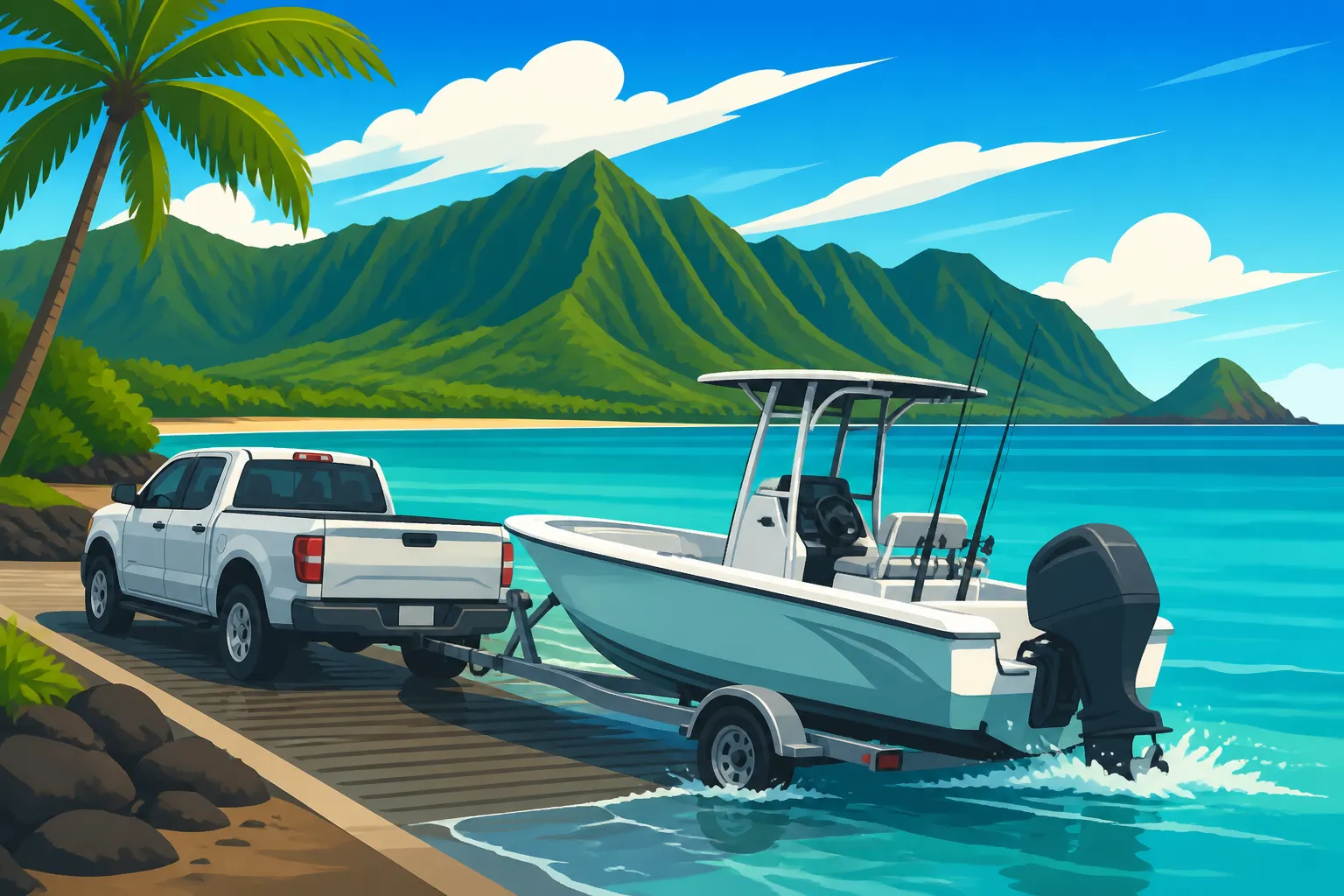
Best boat ramps on Oahu
Finding a reliable boat ramp on Oahu can sometimes feel like navigating a maze, especially when you're dealing with limited parking, unpredictable ocean conditions, and the hustle and bustle of local traffic. It's a common frustration for both seasoned kama'aina anglers and visitors eager to get their lines in the water. This comprehensive guide aims to cut through the confusion, offering a detailed look at the best boat ramps across the island, so you can launch your vessel smoothly and confidently for your next Hawaiian fishing adventure.
Understanding Oahu's Boat Ramp Landscape
Launching a boat on Oahu isn't always as simple as backing your trailer down a slope. The unique geography, population density, and diverse marine environments present specific challenges that every boater needs to be aware of. Knowing what to expect before you even leave your driveway can save you a lot of headache and ensure a smoother start to your day on the water.
The Unique Challenges of Island Launching
Oahu, being a relatively small island with a large population, means that public access points can get incredibly busy, especially on weekends and holidays. Parking is often at a premium, and ramps can experience significant congestion, leading to long wait times. Beyond the crowds, you also have to contend with the variable ocean conditions. A ramp that's perfectly calm on the leeward (west and south) side might be completely unusable due to large surf or strong winds on the windward (east) or north shores. Understanding these dynamics is crucial for a safe and successful launch. For instance, the currents and surge in some harbors can make maneuvering a larger boat tricky, even for experienced operators. Always check the marine forecast for your specific area, not just a general Oahu forecast, before heading out.
Types of Ramps You'll Encounter
Oahu offers a range of boat launch facilities, from well-maintained, multi-lane concrete ramps in major harbors to more rudimentary, single-lane access points. The vast majority of boaters, especially those with trailered vessels, will utilize the Department of Land and Natural Resources (DLNR) Division of Boating and Ocean Recreation (DOBOR) facilities. These usually feature concrete ramps, courtesy docks, and varying levels of parking. However, there are also some unimproved or lesser-known access points, often favored by kayakers or those with smaller boats, which might not have official docks or paved parking. It's vital to assess the condition of these ramps, especially during low tide, to ensure your vehicle and trailer can handle the terrain without getting stuck.
Top Public Boat Ramps on Oahu
When it comes to getting your boat into the water on Oahu, a few key locations stand out as the most popular and generally well-equipped. These ramps serve as gateways to some of the island's best fishing grounds, whether you're targeting offshore pelagics or inshore reef species.
Ala Wai Small Boat Harbor
Located right in the heart of Honolulu, adjacent to Waikiki, Ala Wai Small Boat Harbor is arguably the busiest boat ramp on Oahu. Its central location makes it incredibly convenient for many residents and visitors alike. The ramp facilities here are extensive, typically featuring multiple lanes and courtesy docks that allow for efficient launching and retrieval, even during peak hours.
However, its popularity comes with a caveat: prepare for crowds, especially on weekend mornings. Parking for truck and trailer combinations can be a challenge, requiring early arrival to secure a spot. From Ala Wai, you have immediate access to the south shore's productive waters, making it a prime launching point for deep sea fishing excursions targeting marlin, ahi, and mahimahi. Many charter operations listed on FishingBooker depart from Ala Wai, giving you an idea of its strategic importance. When using this ramp, pay close attention to the signage and flow of traffic to avoid creating bottlenecks, and remember to have your boat ready to launch before you hit the ramp itself.
Keehi Lagoon Small Boat Harbor
Just a short drive west from downtown Honolulu, Keehi Lagoon Small Boat Harbor offers another excellent and highly utilized boat ramp. This facility is known for its relatively protected waters within the lagoon, which makes for a smoother launch and retrieval, even on days when the open ocean might be a bit choppy. Keehi provides access to both the outer reefs for inshore species like ulua and papio, and a quick run to deeper waters for pelagic fishing. It's a favorite for both recreational and commercial fishermen due to its strategic location.
Like Ala Wai, Keehi Lagoon can get very busy. The ramp area is well-maintained, and there are typically sufficient lanes to handle the volume. However, parking can still fill up quickly, so the early bird truly catches the worm here. Boaters often use Keehi Lagoon to access the productive flats and channels within Keehi itself, which are excellent for bonefishing. If you're planning a trip, be sure to check the latest details on how to use these bustling facilities to maximize efficiency.
Haleiwa Small Boat Harbor
Venturing to the North Shore, Haleiwa Small Boat Harbor is the primary launching point for anglers looking to fish the famous waters of Oahu's north and west coasts. This ramp provides access to diverse fishing opportunities, from the rich fishing grounds offshore targeting tuna and marlin, to the nearshore reefs for various reef fish. It's also a popular hub for dive boats and surf charters.
The biggest consideration for Haleiwa is the ocean conditions. The North Shore is renowned for its big surf, especially in winter. While the harbor itself offers some protection, navigating the channel out to open water can be challenging and dangerous during large swells. Always check the surf forecast in addition to the marine forecast when planning to launch here. Haleiwa tends to be less crowded than the Honolulu ramps on a typical weekday, but it can still see considerable activity, particularly on weekends when the fishing is good. If you're new to the area, observing how local boaters handle the channel in varying conditions can provide invaluable insight.
Kaneohe Bay Boat Ramps
For those on the windward side of Oahu, or looking for a different fishing experience, the boat ramps around Kaneohe Bay offer unique advantages. The bay itself is Hawaii's largest sheltered body of water, making it a fantastic playground for inshore fishing, kayaking, and family boating. The main public ramp within Kaneohe Bay is often less congested than the Honolulu facilities, providing a more relaxed launching experience.
From Kaneohe Bay, you can explore the extensive coral reefs, sand flats, and channels within the bay, which hold diverse species like papio, moi, and even some predatory jacks. While offshore access from Kaneohe Bay involves a longer run around Mokoliʻi (Chinaman's Hat) and past Kualoa, the bay itself offers abundant inshore fishing opportunities. It's a great option for smaller boats and those looking to avoid the strong currents and heavy boat traffic found on the leeward side. Be mindful of the numerous designated no-wake zones within the bay to protect marine life and other recreational users.
Here’s a quick overview of these popular ramps:
| Ramp Name | Location | Primary Access To | Facilities | Best For | Considerations |
|---|---|---|---|---|---|
| Ala Wai Small Boat Hbr | Honolulu (South) | South Shore Offshore | Multi-lane, Docks, Restrooms | Deep Sea Fishing, Offshore Trolling | Very busy, parking challenging, commercial traffic |
| Keehi Lagoon Small Boat Hbr | Honolulu (South) | Keehi Lagoon, South Shore | Multi-lane, Docks, Restrooms | Inshore Reef, Bonefishing, Offshore Trolling | Busy, parking challenging, protected lagoon |
| Haleiwa Small Boat Hbr | North Shore | North/West Offshore, Reefs | Single lane, Docks | Offshore Trolling, Reef Fishing (seasonal) | Can be rough, strong surf, channel navigation critical |
| Kaneohe Bay (various) | Windward Side (East) | Kaneohe Bay Inshore | Varied (some multi-lane) | Inshore Reef, Kayak Fishing, Family Boating | Protected waters, slower pace, limited direct offshore |
Navigating Ramp Etiquette and Safety
Using public boat ramps, especially in a place like Hawaii, isn't just about backing your trailer. It's about respecting other users, prioritizing safety, and understanding the local customs that keep things running smoothly. Ignoring these can lead to frustration for everyone, or worse, dangerous situations on the water.
The Unwritten Rules of the Launch
Think of a boat ramp as a shared community space where efficiency and courtesy are paramount. The biggest rule is to prepare your boat before you get to the ramp. This means loading all your gear, securing lines, unplugging trailer lights, and removing tie-downs in the staging area, not when you're blocking the ramp. When it's your turn, execute your launch or retrieval as quickly and smoothly as possible. Don't linger. If you're a beginner, practice in a less crowded area first, or go during off-peak hours. Helping others, especially if they're struggling, is also a sign of good sportsmanship, as is offering to hold a boat or lend a hand. Remember, we're all out here to enjoy the ocean, and a little aloha goes a long way.
Essential Safety Checks Before Launching
Before you even leave your driveway, and certainly before you hit the water, a thorough safety check is non-negotiable. Ensure your boat is registered and all your lights (navigation, trailer) are working properly. Check your engine's oil and fuel levels, and make sure your battery is charged. Crucially, verify that you have all the required safety equipment on board. This includes enough Life Jacket Requirements for Hawaii Boaters for every person, a sound-producing device (like a horn), visual distress signals, and a fire extinguisher. You'll also want to make sure your Hawaii Boat Registration Requirements are up to date. Many anglers forget the simple things, like checking their drain plug before launching. A quick walk-around and checklist can prevent a disastrous start to your fishing trip.
Choosing the Right Ramp for Your Adventure
Selecting the right boat ramp isn't just about proximity; it's about matching the ramp's capabilities and location to your specific boating and fishing goals. What works for a small skiff targeting shallow reefs might not be suitable for a large sportfisher heading far offshore.
Matching Your Vessel to the Ramp
Consider the size and type of your boat when picking a ramp. A smaller, lighter boat or kayak might be fine with a single-lane ramp or even an unimproved beach access point, like some found along the coast for accessing Best Kayak Fishing Spots in Hawaii. However, if you're hauling a larger center console or a heavy cabin cruiser, you'll absolutely need a multi-lane concrete ramp with ample space for maneuvering and sturdy courtesy docks, such as those at Ala Wai or Keehi Lagoon. Also, think about your tow vehicle's capabilities; some ramps have steeper grades that require a capable truck. Don't underestimate the challenge of retrieving a heavy boat on a slick, algae-covered ramp.
Considering Your Fishing Destination
Your target fishing grounds should heavily influence your choice of ramp. If you're planning to fish the deep blue for species like marlin and ahi, you'll want a ramp that provides quick and easy access to offshore waters, like Ala Wai or Haleiwa (when conditions permit). These ramps are often close to the deep-water drop-offs and FADs (Fish Aggregating Devices) where pelagic species congregate. For an extensive look at where to find these offshore behemoths, consult our guide on Best Deep Sea Fishing Spots in Hawaii.
Conversely, if your plan is to explore the calmer inshore reefs, target papio and ulua along the shoreline, or venture into the protected waters of a bay, then a ramp like those in Kaneohe Bay might be ideal. These spots often reduce travel time to your fishing grounds and expose you to less open-ocean chop, which can be a relief on windy days. If you're targeting freshwater species, remember that those launches will be at specific reservoirs and governed by different rules, as detailed in our guide on Hawaii Freshwater Fishing License and Rules. No matter your destination, having the correct Hawaii Fishing License Guide for 2026 is always a must.
When you're mapping out your fishing trip on Oahu, don't just pick the closest ramp. Think strategically. Consider the weather, your vessel, your crew, and of course, what you're hoping to catch. Using resources like FishingBooker to see where local charters launch from can also offer clues about the best spots for different types of fishing and conditions. Planning ahead, including checking the Hawaii Boating Laws for Anglers, will ensure your day on the water is safe, enjoyable, and most importantly, productive.
Disclaimer
The information provided in this guide is for general informational purposes only and does not constitute legal advice. Fishing regulations, license requirements, and boating laws in Hawaii are subject to change. Always consult the official Hawaii Department of Land and Natural Resources (DLNR) Division of Aquatic Resources (DAR) and Division of Boating and Ocean Recreation (DOBOR) websites or publications for the most current and accurate information before planning your fishing trip. Be aware of all local advisories and conditions.