Maalaea Harbor Fishing Access
Oh, the allure of fishing in Hawaii! It’s a dream for so many, but when you arrive on Maui and look at a place like Maalaea Harbor, it can feel overwhelming. Where do you even start? Is fishing even allowed there? What can you realistically catch without a fancy charter? These are the questions that often pop up, and the good news is, Maalaea Harbor offers some truly fantastic, accessible fishing opportunities if you know where to look and what to expect. This guide is going to walk you through everything, from the calm, protected waters of the harbor itself to the offshore adventures just a short boat ride away, ensuring you can confidently drop a line in this beautiful part of Maui.
Maalaea Harbor: A Unique Fishing Hub on Maui
Maalaea Harbor is more than just a picturesque port; it's a vibrant pulse point on Maui's central coast, bustling with activity from tour boats heading to Molokini to fishing charters setting out for the deep blue. For anglers, it represents a fantastic base of operations, whether you're casting from the shore or launching a vessel into the rich Hawaiian waters. Understanding its layout and what makes it tick is the first step to a successful day on the water here.
The Layout and Importance of Maalaea Harbor
Nestled on the southwestern coast of Maui, Maalaea Harbor is a naturally protected crescent-shaped bay that has been deepened and reinforced with breakwaters to create a secure haven for boats of all sizes. It serves as a crucial gateway to the famous Molokini Crater for snorkelers and divers, as well as a departure point for many of Maui's deep-sea fishing charters. What makes it special for anglers is its direct access to the deeper channels between Maui, Kahoʻolawe, and Lānaʻi, as well as the immediate proximity of productive inshore reefs and shallow flats. The harbor itself, with its rock walls and boat slips, creates a unique ecosystem where smaller baitfish congregate, attracting larger predators. Even within the harbor's confines, you'll find channels and deeper sections that hold surprising numbers of fish, making it a viable spot for those without a boat or charter. The prevailing trade winds, which can be quite strong through the Maalaea gap, often keep the harbor waters churned and oxygenated, creating an active feeding environment, though they can also make shore casting a bit of a challenge on blustery days.
Primary Target Species for Shore and Harbor Fishing
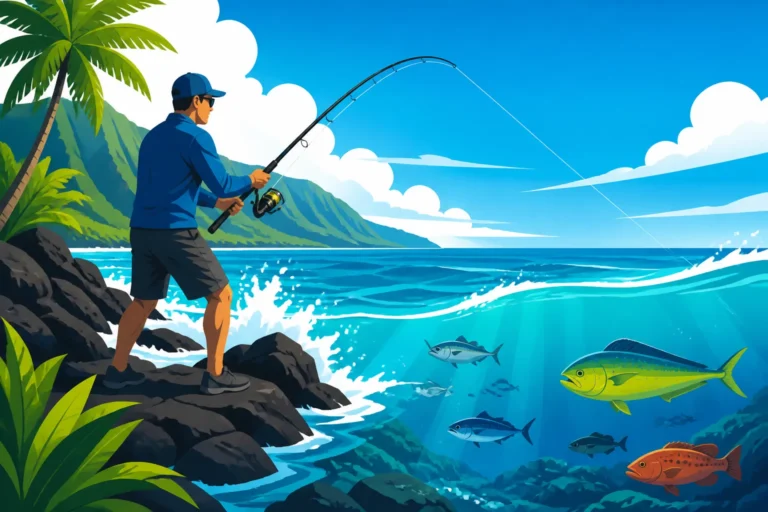
Fishing directly within Maalaea Harbor or from its surrounding shorelines offers a diverse range of species, primarily smaller, inshore fish, but with the exciting possibility of larger predators passing through. One of the most common catches from the breakwater or near the boat ramp areas are various species of papio, which are juvenile trevally. These can include bluefin trevally, giant trevally (ulua when larger), and omilu (bluefin trevally). They are aggressive feeders and provide excellent sport on light tackle. Other common catches include various reef fish like goatfish (kumu, weke), small snapper (toʻau), triggerfish, and sometimes even small barracuda. You might also encounter needlefish, which are long, slender, and often jump dramatically when hooked, providing a fun fight for kids. For those targeting something a bit bigger, the occasional ulua might cruise through, especially during the night or early morning hours, often following bait schools into the harbor. It’s always a good idea to check the latest Hawaii Bag and Size Limits by Species to ensure you're compliant with local conservation efforts for whatever you might hook.
Shore Fishing Opportunities Around Maalaea Harbor
For many visiting anglers or locals without boat access, shore fishing is the bread and butter of Hawaiian fishing. Maalaea Harbor, while primarily a boat harbor, does offer some distinct shore fishing opportunities that are worth exploring. You just need to know where to stand and what to cast.
Fishing the Breakwater and Inner Harbor Walls
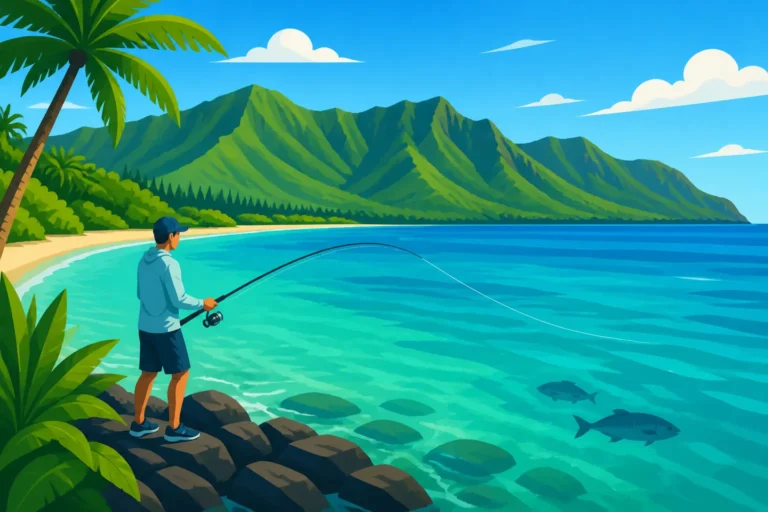
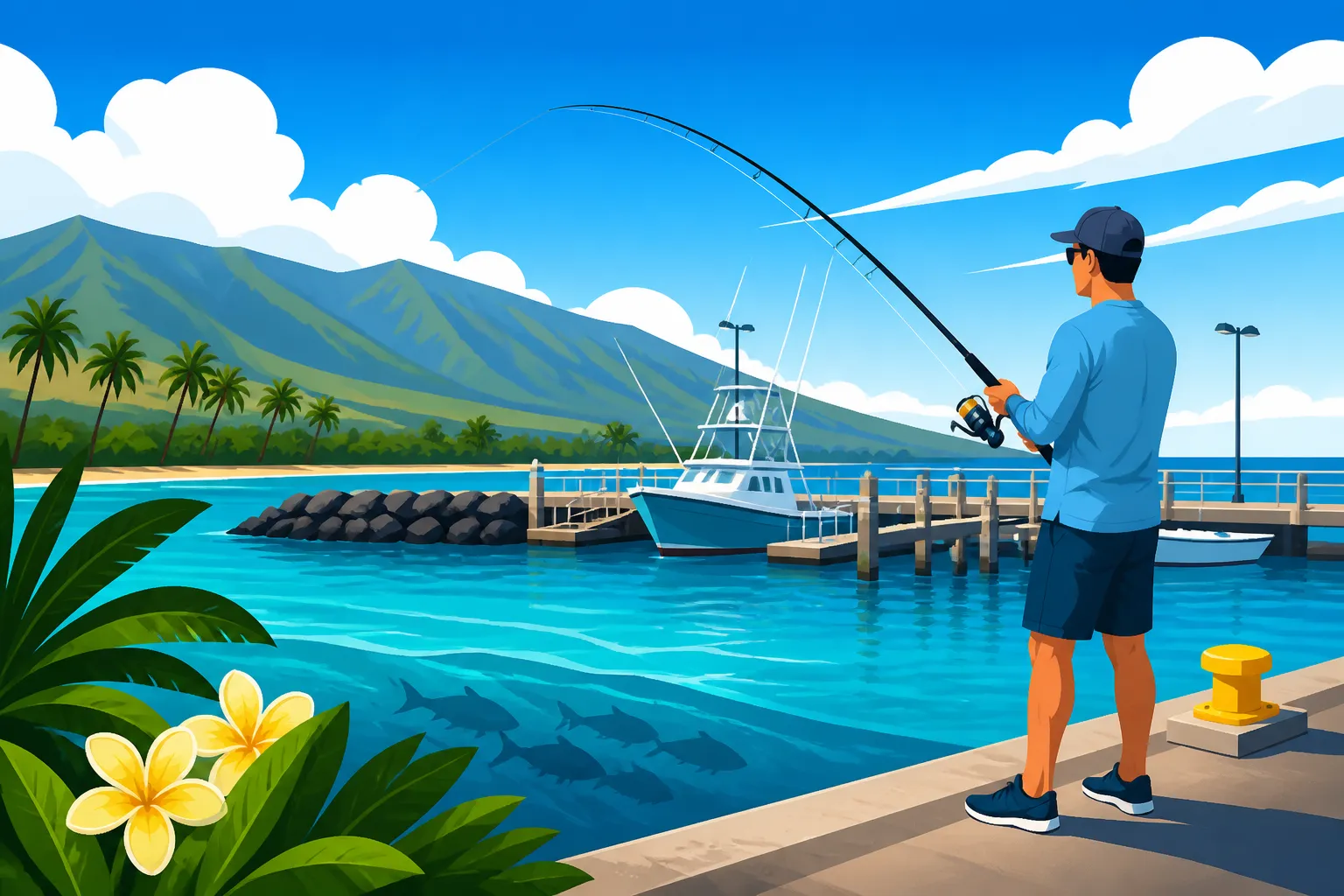
The most prominent and accessible shore fishing spot at Maalaea Harbor is undoubtedly the main breakwater. This long, rocky arm extends out, providing protection from the open ocean and creating a prime vantage point for casting into deeper water or along the rocky structure. Anglers can often be seen here with medium-action spinning gear, casting spoons, jigs, or live bait. The turbulent water around the rocks is a magnet for baitfish, which in turn attracts papio, small jacks, and various reef species. Be mindful of your footing, as the rocks can be slippery and uneven, and always keep an eye on incoming swells, especially on the outer edge.
Inside the harbor, the concrete walls and pier areas adjacent to the boat ramps and public access points can also be productive. Here, you're looking for areas with a bit more depth or structure where fish might hide. Early mornings and late evenings tend to be the best times, as boat traffic is lower, and many species move closer to shore to feed. You might hook into small snapper, triggerfish, or even the occasional moi (Pacific threadfin), though moi have specific Hawaii Moi Closed Season, Explained regulations you'll need to be aware of. Using small baits like pieces of shrimp, squid, or even bread balls can be surprisingly effective for the smaller schooling fish in these more sheltered areas. Always remember to give plenty of space to boaters and other harbor users, and pack out everything you pack in.
Nearby Coastal Access Points and Their Potential
While Maalaea Harbor offers direct access, exploring the coastline immediately surrounding the harbor can also yield good results. To the north, towards Kihei, there are stretches of rocky shoreline and small sandy coves that can be productive for whipping (casting small lures) for papio or slide-baiting for ulua. These areas often feature a mix of rocky points and sandy patches, creating varied habitat for different species. Just be aware that public access can be tricky in some residential areas, so look for designated shoreline access points.
To the south, beyond the harbor, the coastline becomes more rugged and less accessible by foot, but if you're adventurous, you might find secluded spots that see less fishing pressure. However, these areas also tend to be more exposed to the trade winds, which can make casting difficult and conditions rough. For a deeper dive into general tactics, you'll find plenty of helpful advice in resources like Shore Fishing Techniques for Hawaii. Keep in mind that while some areas are public, respecting private property and local access traditions is paramount. Always double-check maps and local signage to ensure you’re not trespassing.
Gear and Techniques for Maalaea Shoreline Success
When you're shore fishing around Maalaea, versatility in your gear is key. For general papio and reef fish, a medium-action spinning rod (7-9 feet) paired with a 3000-4000 series reel spooled with 15-20 lb braided line and a fluorocarbon leader (20-30 lb) is a great all-around setup. This allows you to cast a variety of lures, from small spoons and artificial crabs to soft plastics and even small poppers. Popular lures for papio often mimic small baitfish or crustaceans.
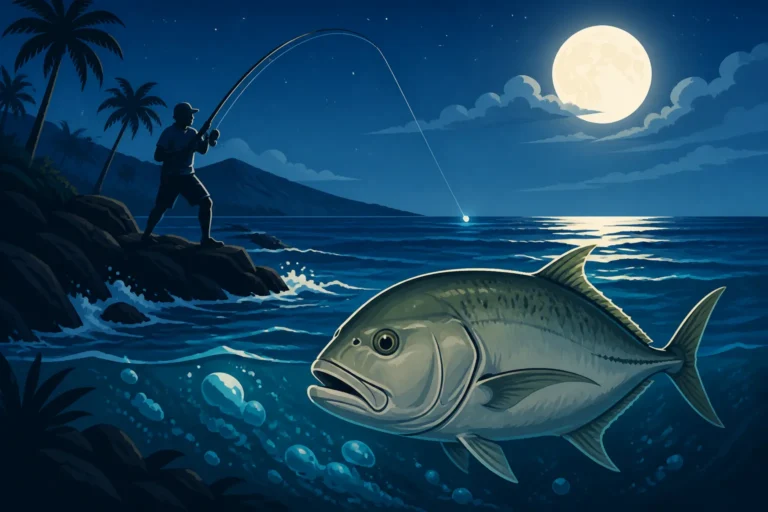
For those targeting bigger ulua or other substantial predators, especially during night fishing sessions from the breakwater, you’ll want a heavy-duty surf casting rod (10-14 feet) with a large spinning or conventional reel (6000-10000 series) capable of holding 50-80 lb braided line. This setup is designed for casting heavy weights and large baits (like whole akule or opelu) out into deeper channels or near structure. The "slide bait" technique is particularly popular for ulua, where a weighted line is cast out, and then a live or dead bait is clipped onto the main line and allowed to "slide" down to the water. Remember that heavier gear requires more skill to cast effectively and safely, especially around other people.
When it comes to bait, fresh squid, shrimp, and cut baitfish are almost always reliable. If you can catch your own baitfish with a cast net, that’s often the best option, as local fish prefer local forage. Live bait, especially small opelu or akule, is incredibly effective for enticing larger predators. Don't forget a sturdy tackle box with extra hooks, sinkers, swivels, and leaders, as the rocky bottom can lead to snags and lost gear. And, of course, a pair of pliers for hook removal and a measuring tape to ensure your catch meets legal size limits are absolute necessities.
Boat-Based Fishing from Maalaea Harbor
While shore fishing offers some excitement, Maalaea Harbor truly shines as a launchpad for incredible boat-based fishing adventures. From thrilling offshore trolling for pelagics to targeting bottom dwellers on the reefs, the options are vast.
Charter Fishing: Gateway to Maui's Deep Waters
If you're looking for the ultimate Hawaiian fishing experience without owning a boat, chartering a vessel from Maalaea Harbor is the way to go. The harbor is home to a robust fleet of experienced captains and well-equipped boats, ready to take you to the best fishing grounds. These charters often specialize in targeting big game species like marlin, ahi (yellowfin tuna), ono (wahoo), and mahimahi. They provide all the necessary gear, bait, and local knowledge, significantly increasing your chances of a successful and memorable trip. Many charter operations can be found and booked through platforms like FishingBooker, where you can compare boats, prices, and read reviews to find the perfect fit for your group and desired fishing style.
Charters typically offer various trip lengths, from half-day excursions focusing on nearshore trolling or light tackle action to full-day adventures venturing far offshore to the FADs (Fish Aggregating Devices) or deep-sea ledges. When considering a charter, it's wise to discuss what species you hope to target, as different charters might have different specialties. For example, some might focus on Marlin Fishing off the Kona Coast (even though you're on Maui, the techniques are similar), while others might be geared more towards bottom fishing. Don't hesitate to ask about their catch policy – some charters are strictly catch-and-release for certain species, while others allow you to keep a portion of the catch. You'll find a wealth of information to help you pick the right one in guides like How to Choose a Hawaii Fishing Charter.
Private Boat Launching and Nearshore Exploration
For those with their own boats, Maalaea Harbor offers a public boat ramp that provides convenient access to the ocean. This is fantastic for residents or visitors who trailer their boats and want the flexibility of exploring on their own terms. The ramp is well-maintained, but like any public facility, it can get busy, especially on weekends or during peak season. Be prepared for potentially strong crosswinds, which are characteristic of Maalaea, as these can make launching and retrieving a small boat challenging.
Once launched, private boaters have a fantastic playground at their fingertips. Immediately outside the harbor, there are productive nearshore reefs that hold a variety of species suitable for bottom fishing or light trolling. You can anchor up and drop lines for goatfish, snapper, trevally, and even small sharks. These areas are also excellent for trying out different jigging techniques. The shallow flats just outside the harbor's mouth can also hold bonefish (oio), offering a challenging and rewarding fly-fishing or light spinning experience. Always make sure your boat is properly registered and equipped with all required safety gear, following all Hawaii Boating Laws for Anglers. It’s also a good idea to file a float plan with someone on shore, letting them know where you’re going and when you expect to return, especially if you plan to venture further offshore.
Popular Offshore Fishing Grounds Accessible from Maalaea
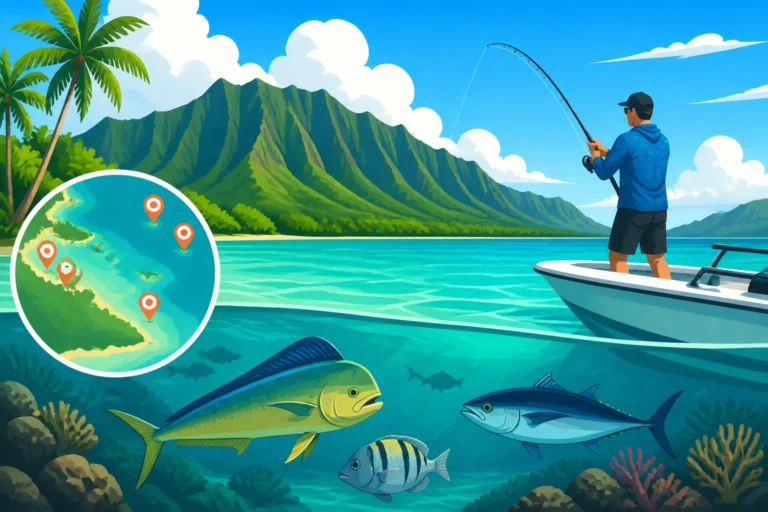
Maalaea Harbor's strategic location provides access to some of Maui's most renowned offshore fishing grounds. One of the closest and most productive areas is the channel between Maui, Kahoʻolawe, and Lānaʻi. This channel, sometimes referred to as the ʻAuʻau Channel, features varying depths and currents that concentrate baitfish, making it a hotspot for pelagic species. Trolling lures along current lines or near drop-offs in this channel can yield mahimahi, ono, and various tuna species.
Further offshore, anglers can target the numerous FADs (Fish Aggregating Devices) deployed by the Department of Land and Natural Resources (DLNR). These buoys act as artificial reefs, attracting baitfish and, consequently, large pelagics like ahi and marlin. Finding these FADs often requires a good GPS and some navigation skills, but the rewards can be incredible. Many charters from Maalaea will make the run to these FADs, especially when targeting Ahi (Yellowfin Tuna) Fishing in Hawaii. Deep-sea bottom fishing is also popular in the deeper waters around Maalaea, targeting species like opakapaka (pink snapper) and onaga (ruby snapper). These require specialized electric reels and heavy weights to get baits down to depths of several hundred feet, but these deepwater species are highly prized for their delicious table fare. If you're planning a trip, consider looking into Best Bottomfishing Charters in Hawaii for expert guidance.
| Fishing Location | Target Species (Common) | Recommended Gear | Best Time | Notes |
|---|---|---|---|---|
| Maalaea Breakwater (Shore) | Papio (juvenile trevally), small jacks, reef fish, needlefish | Medium spinning rod (7-9ft), 15-20lb braid, 20-30lb fluorocarbon leader | Dawn/Dusk, Night | Slippery rocks, strong winds possible. Use spoons, jigs, cut bait. |
| Inner Harbor Walls (Shore) | Small snapper, triggerfish, goatfish, occasional moi | Light spinning rod, 10-15lb mono/braid, small hooks | Calm hours, low boat traffic | Bait with shrimp, squid, bread. Respect boaters. |
| Nearshore Reefs (Boat) | Papio, kumu, weke, small barracuda, bonefish (oio) | Medium to medium-heavy spinning/casting, 20-40lb braid, heavier leader | Daytime, good tidal movement | Bottom fishing, light trolling, fly fishing (for oio). |
| Offshore Channels/FADs (Boat) | Marlin, Ahi, Ono, Mahimahi, Spearfish | Heavy trolling gear, big game reels (50-130lb class) | All day, depending on target | Charter highly recommended. Trolling lures, live bait. Check Hawaii Pelagic Species Bag Limits. |
| Deep Bottom Drop-offs (Boat) | Opakapaka, Onaga, Hapuu, Ehu | Electric reels, heavy conventional gear (80-130lb class) | Anytime, requires specialized equipment | Charter highly recommended. Large cut baits, squid. |
Navigating Regulations and Local Etiquette
Fishing in Hawaii, regardless of whether you’re on shore or a boat, comes with a set of rules and unwritten codes of conduct. It’s crucial to understand these to ensure you're fishing legally, safely, and respectfully in the local community.
Essential Hawaii Fishing Regulations for Maalaea
First and foremost, understanding the need for a fishing license is paramount. While many assume you always need one, the situation in Hawaii is a bit unique. For ocean recreation fishing, Hawaii residents are generally exempt from needing a license, but non-residents typically do require one. For freshwater fishing, however, almost everyone needs a license. It’s always best to clarify your specific situation by checking the official guidelines, perhaps by reading up on Do You Need a Fishing License in Hawaii or the more comprehensive Hawaii Fishing License Guide for 2026. Even if you don't need a general license, certain species have specific regulations, including bag limits, size restrictions, and closed seasons. The Hawaii Department of Land and Natural Resources (DLNR) Division of Aquatic Resources (DAR) is the authority here, and their rules are designed to protect Hawaii's precious marine and freshwater ecosystems.
Beyond licenses, familiarize yourself with general marine fishing regulations. These cover everything from methods of take (e.g., spearfishing rules, net fishing restrictions) to protected species. For instance, certain areas around Maui, while not Marine Life Conservation Districts like some other spots, may have specific restrictions on what types of gear you can use or what species you can harvest. Always carry a copy of the current regulations, either digitally or printed, or be able to access them quickly on your phone. Ignorance of the law is never an excuse, and penalties for violations can be steep, ranging from fines to confiscation of gear. Being a responsible angler means being a knowledgeable angler, and detailed information is available in resources like Hawaii Fishing Regulations Explained.
Respecting the Harbor Community and Environment
Maalaea Harbor is a working harbor and a community hub. When you're fishing there, whether from shore or launching a boat, it’s essential to be respectful of others. This means giving ample space to commercial vessels, tour boats, and other recreational users. Never block boat ramps, docks, or public access points, and always be mindful of where you cast your line to avoid snagging boats, lines, or people. Noise levels, especially during early morning or late-night fishing, should be kept to a minimum out of respect for nearby residents and other harbor users.
Beyond people, showing respect for the environment is crucial. This is Hawaii, after all, and malama ʻāina (to care for the land) is a core value. Pack out all your trash, including discarded fishing line, bait containers, and food wrappers. Even small pieces of plastic can be incredibly harmful to marine life. Avoid leaving fish carcasses or entrails in public areas, as this can attract unwanted pests and create unpleasant odors. If you catch an invasive species like taʻape or roi, it’s often encouraged to remove them from the water, but always consult current regulations on disposal. Practice responsible catch and release for undersized fish or species you don't intend to keep, handling them gently to maximize their survival chances. By being a thoughtful and responsible visitor, you contribute to the positive experience for everyone and help preserve Maui's natural beauty for generations to come.
Seasonal Considerations and Best Times to Fish
Fishing in Hawaii isn't always a year-round constant; like anywhere else, fish movements, feeding patterns, and availability can fluctuate with the seasons, tides, and even the time of day. Knowing these nuances can drastically improve your chances of success at Maalaea Harbor.
Understanding Seasonal Fish Movements Around Maui
Hawaii's fishing seasons are often dictated by the migratory patterns of pelagic species and the spawning cycles of resident reef fish. For the big game species like marlin, ahi, ono, and mahimahi, there are definitely peak seasons. For instance, mahimahi tend to be more abundant in the cooler months from fall through spring, while ono fishing often heats up in the summer. Ahi are present year-round, but their numbers can swell significantly during certain times, often influenced by bait availability and ocean currents. Marlin are also caught throughout the year off Maui, but there can be periods of higher activity for blue marlin, especially in late spring and summer.
Resident reef fish and inshore species like papio, moi, and various goatfish are generally available year-round, but their feeding activity can be influenced by water temperature, tidal flows, and local bait populations. For example, some species may be more aggressive feeders in slightly warmer waters, while others might become more active after a significant rain washes nutrients into the nearshore environment. Local knowledge is invaluable here, and a good charter captain from Maalaea will always know what's biting best at any given time. If you're planning a trip around specific targets, a general overview like Hawaii Fishing Seasons by Month can be a great starting point for your research.
Optimal Tides and Times for Maalaea Fishing
For shore fishing in and around Maalaea Harbor, tidal movement is a significant factor. Generally, incoming and outgoing tides, especially around the periods of greatest water movement (often an hour or two before and after peak high or low tide), are the most productive. These moving waters tend to stir up baitfish and crustaceans, creating feeding opportunities for predators. Conversely, slack tide (the period of minimal water movement at the peak of high or low tide) can sometimes be slower, though not always. Night fishing, particularly for ulua from the breakwater, can be incredibly productive, as these powerful jacks are known to hunt under the cover of darkness. Early mornings and late evenings also offer prime fishing, as the lower light conditions make fish less wary and boat traffic in the harbor is minimal.
For offshore fishing, while tides are less critical, the time of day can still play a role. Many pelagic species, particularly ahi and mahimahi, feed most aggressively during the dawn and dusk hours, when baitfish are most active. Charter boats often depart early in the morning to capitalize on these prime feeding windows. Weather conditions, especially the infamous Maalaea winds, also play a huge role. While the harbor itself provides some protection, strong winds can make casting from shore difficult and offshore trips uncomfortable or even unsafe. Always check the marine forecast before heading out, whether by boat or on foot. Remember, the best time to fish is whenever you can!
Disclaimer
Please remember that fishing regulations, conditions, and fish populations are dynamic. The information provided in this guide is for general informational purposes only and should not be considered legal advice. Always consult the latest official regulations from the Hawaii Department of Land and Natural Resources (DLNR) Division of Aquatic Resources (DAR) before engaging in any fishing activities. Personal safety should always be your top priority; assess conditions carefully and wear appropriate safety gear.