Lahaina Harbor Fishing Access
Lahaina Harbor, once a bustling hub of activity and a beloved gateway to Maui's rich fishing grounds, has faced immense challenges. For many anglers, both kama'aina and visitors, understanding the current state of fishing access, the lingering impacts of the devastating fires, and what opportunities still exist can be incredibly confusing and even disheartening. This comprehensive guide aims to cut through that uncertainty, providing clear, empathetic, and realistic information on how you can still experience the joy of fishing in and around Lahaina Harbor, offering insights into shore access, charter options, and essential regulations.
Lahaina Harbor's Enduring Legacy and Its Path Forward
Lahaina Harbor holds a special place in the hearts of many, not just for its historical significance as a whaling port but also as a vibrant center for recreational and commercial fishing. Before the tragic fires, it was a constant flurry of activity, with charter boats heading out for deep-sea adventures and local families casting lines from the seawalls. The devastation has undoubtedly altered the landscape, but the spirit of aloha and the desire to fish remain strong. Understanding its past helps appreciate its future as it slowly but surely rebuilds.
Historical Significance and Fishing Culture
Lahaina's connection to the ocean runs deep. From ancient Hawaiian voyagers to 19th-century whalers and, more recently, a thriving sportfishing community, the harbor has always been intertwined with the sea. This heritage fostered a unique fishing culture where knowledge was passed down through generations, and the ocean's bounty provided sustenance, recreation, and livelihood. Many local families have relied on Lahaina's waters for generations, whether it was net fishing for akule, casting for papio, or heading offshore for pelagics. This rich history means that while physical structures may change, the traditions and love for fishing here are incredibly resilient. It's a place where every cast felt connected to a long line of those who came before.
Current Status of the Harbor and Reopening Progress
The August 2023 wildfires inflicted catastrophic damage on Lahaina Town, including significant portions of the harbor infrastructure. Many docks, businesses, and vessels were destroyed or severely impacted. In the immediate aftermath, access was, understandably, extremely restricted as recovery and cleanup efforts began. As of late 2024, the harbor is in a phased reopening process. While debris removal and environmental assessments are ongoing, some areas and operations are slowly returning.
For anglers, this means a dynamic situation. Public access points that were once popular may still be closed or under reconstruction. The primary focus of the recovery has been on safety and environmental remediation. While progress is being made, it's a long road. Local authorities, particularly the Department of Land and Natural Resources (DLNR) Division of Boating and Ocean Recreation (DOBOR), are managing this process carefully. Always check their official announcements before planning a trip, as conditions can change rapidly. The goal is to restore full functionality while honoring the town's history and ensuring public safety.
Navigating Post-Fire Changes for Anglers
The post-fire environment in Lahaina presents new challenges and considerations for anglers. Beyond the physical damage, there are environmental sensitivities to be mindful of. Contamination from debris and ash, though being actively mitigated, could potentially affect certain nearshore areas. Local knowledge and adherence to any advisories from the DLNR are more crucial than ever.
Anglers accustomed to certain fishing spots or access points may find them permanently altered or still inaccessible. Patience and flexibility are key. Many local fishermen are eager to share what they know about new patterns or recovering areas, so engaging with the community can be invaluable. It's a time for adapting and finding new ways to enjoy the waters around Lahaina, perhaps by exploring areas that were less frequently fished before or by focusing on offshore opportunities that were less directly impacted. Remember that Lahaina is rebuilding, and every visitor's respectful presence contributes to its recovery.
Public Access for Shore Anglers Around Lahaina Harbor
For many, shore fishing is the most accessible and cherished way to connect with the ocean. Around Lahaina Harbor, before the fires, there were several beloved spots. Now, the situation requires careful attention to official access points and a strong understanding of local regulations. It's not as simple as just showing up with a rod and reel anymore, and setting expectations accordingly is important.
Designated Fishing Areas and Piers
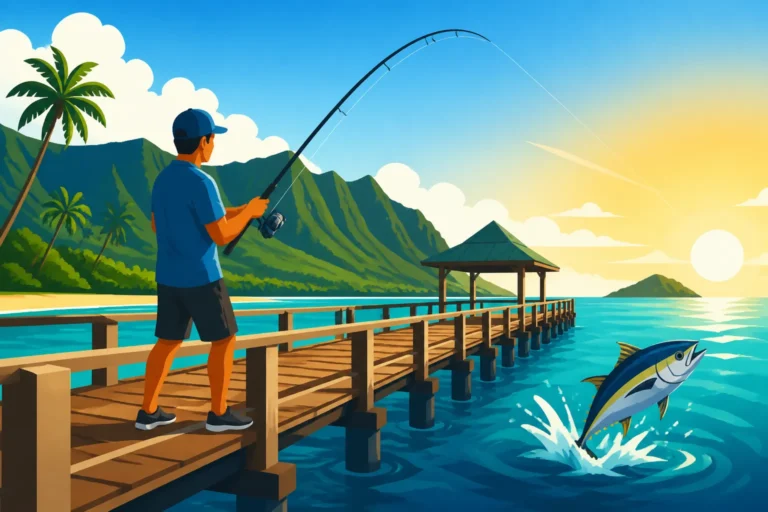
Historically, the Lahaina Breakwall was a prime spot for shore anglers, offering protection and access to deeper water. The main piers within the harbor also provided good opportunities for catching a variety of reef and schooling fish. However, access to these specific structures has been severely impacted.
Currently, it's crucial to consult the latest advisories from DOBOR regarding public access to the breakwall and any pier structures. As of recent updates, some parts of the harbor perimeter may remain closed for public safety and ongoing construction. While the breakwall itself might eventually reopen to fishing, it will likely be after significant structural assessment and repairs. For those determined to fish from shore in the general Lahaina area, it might mean looking for alternative, less centralized spots, such as rocky outcroppings or beach access points outside the immediate harbor zone that were less affected by the fire. The focus is on ensuring new access points are safe, stable, and environmentally sound before they are fully reopened to the public.
Shoreline Access Points and Techniques
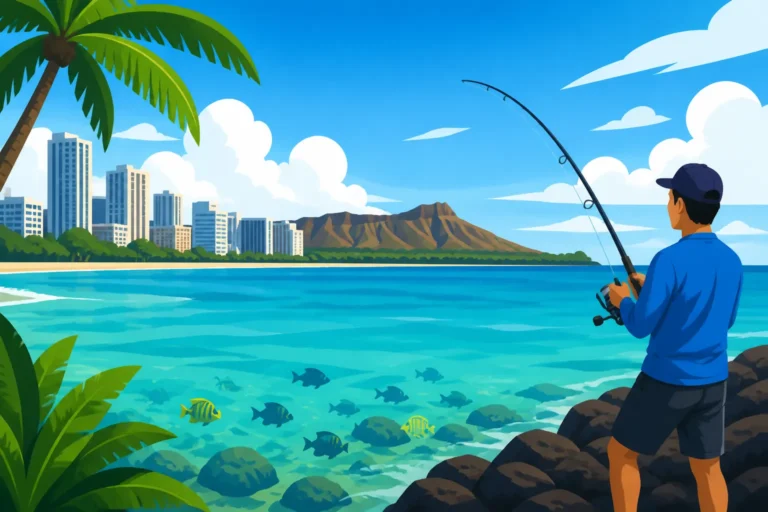
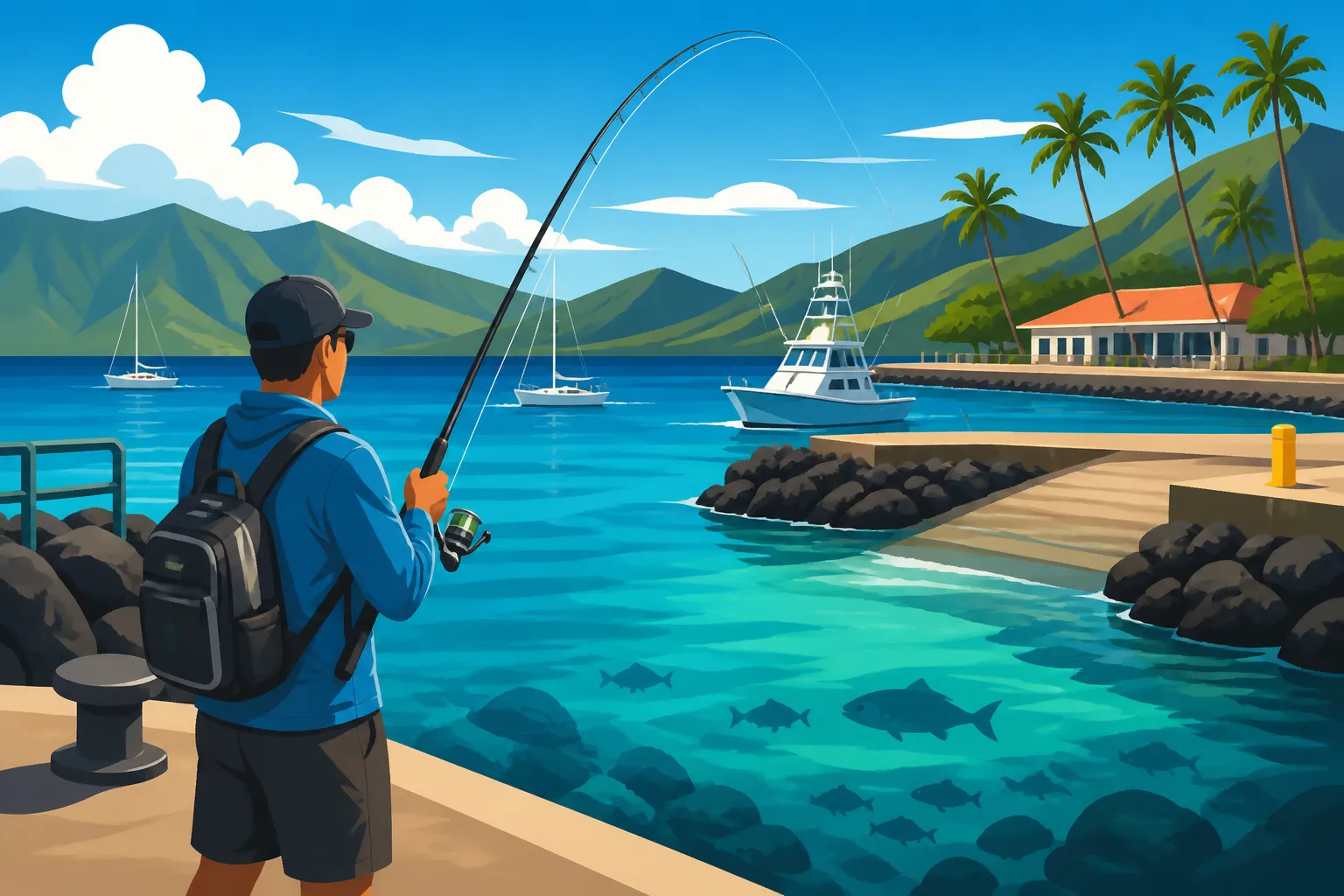
Even with the harbor's direct areas under reconstruction, Maui offers numerous shoreline fishing opportunities. Anglers in the Lahaina region can explore beaches and rocky points both north and south of the town, keeping in mind that private property laws and Marine Life Conservation Districts (MLCDs) must be respected. Popular techniques for shore fishing in Hawaii include 'whipping' (casting lures), 'dunking' (bait fishing), and 'sliding bait' for larger species like ulua. If you're targeting species like papio or small reef fish, light spinning gear with jigs or small baits can be very effective. For larger fish, a stout surf rod and reel with heavy line and a sliding rig can reach deeper channels.
Some potential access points might include areas further along the coast where beaches or rocky shores offer clear casting lanes. You might consider exploring the stretch of coast towards Kaanapali or even further south towards Olowalu, always checking for any local closures or restrictions. When fishing from the shore, always be mindful of ocean conditions, especially surf and currents. The best time of day to catch ulua from shore often coincides with dawn, dusk, or during night fishing. Make sure you understand the nuances of Shore Fishing Techniques for Hawaii to maximize your chances and stay safe.
Restrictions and Local Etiquette
Hawaii has specific fishing regulations that apply to all waters, including those around Lahaina. These include bag and size limits for various species, gear restrictions, and prohibitions on certain fishing methods in designated areas. For instance, knowing the Hawaii Bag and Size Limits by Species is essential to avoid penalties.
Beyond the formal rules, local etiquette is incredibly important. Always practice kokua (helpfulness) and malama (to care for) the land and sea. This means cleaning up after yourself, respecting other anglers' space, and understanding that certain spots may have traditional uses or cultural significance. Never trespass on private property. Given the sensitivity around Lahaina's recovery, showing extra respect and understanding for the local community and the environment is paramount. Always check for signs indicating restricted areas, especially near the harbor, and adhere strictly to any posted guidelines to ensure you're fishing legally and respectfully.
Charter Fishing Opportunities from Lahaina Harbor
While shore access within the immediate harbor area is limited, charter fishing remains a primary way to access the abundant offshore waters of Maui. Many charter operations, despite the challenges, are either rebuilding, operating from temporary locations, or have found ways to continue providing unforgettable fishing experiences. These charters offer a fantastic opportunity to explore the deeper waters and target the prized pelagic species that Hawaii is famous for.
Types of Charters Available
From Lahaina, or nearby alternative harbors like Ma'alaea, you can find a variety of charter experiences tailored to different preferences and budgets.
- Deep-Sea Trolling: This is the classic Hawaiian sportfishing experience, primarily targeting marlin, ahi (yellowfin tuna), ono (wahoo), and mahimahi. Boats typically head out to the FADs (Fish Aggregating Devices) or troll along current lines where these migratory species are found. These trips can range from half-day excursions to full-day adventures. Many experienced captains specialize in Marlin Fishing off the Kona Coast, though Maui offers incredible opportunities too.
- Bottomfishing: For those who prefer a more relaxed pace or want to target delicious table fare, bottomfishing charters are excellent. These trips focus on species like opakapaka (pink snapper), onaga (ruby snapper), ehu (red snapper), and sometimes even ulua (giant trevally) in deeper waters. Anglers use weighted lines with multiple hooks, dropping them down to specific reef structures or ledges.
- Nearshore/Reef Fishing: Some smaller charters might offer trips closer to shore, targeting smaller trevally (papio), goatfish (kumu, weke), or other reef inhabitants. These can be great for families or beginners looking for consistent action without venturing far offshore.
- Private vs. Shared Charters: You can opt for a private charter, where you have the entire boat to your group, offering maximum flexibility. Alternatively, shared charters allow individual anglers or small groups to join others, often at a more affordable per-person rate.
Many of these options, even if departing from Ma'alaea for the time being, can still give you access to the rich fishing grounds offshore from Lahaina. If you're looking for Best Charters Out of Lahaina Harbor, it's important to check their current operating status and departure points.
Booking a Charter and What to Expect
Booking a fishing charter requires a bit of planning, especially in a rebuilding area like Lahaina. It’s always best to book in advance, particularly during peak seasons, to secure your preferred dates and boat. Websites like FishingBooker can be an invaluable resource, allowing you to browse available charters, compare prices, read reviews, and see detailed information about what each boat offers. This is especially helpful now, as they can provide up-to-date information on which charters are actively operating and from which harbors. When you're looking for a charter, whether for deep-sea or bottomfishing, a platform like FishingBooker streamlines the process, making it easy to find reputable operators even as the area recovers.
When you book, clarify what's included. Most charters provide all necessary fishing gear, bait, and tackle. Some might also include drinks and snacks, but it’s always wise to confirm. You'll want to know What to Expect on a Hawaii Fishing Charter beforehand. Expect to spend a fair amount of time on the open ocean, so be prepared for sun exposure with appropriate clothing, hats, and sunscreen. If you're prone to seasickness, take preventative measures before you depart. Most importantly, communicate your expectations with the captain and crew – whether you're aiming for a trophy fish or just looking to catch dinner. They are there to make your experience enjoyable and safe.
Impact of Rebuilding on Charter Operations
The fires had a profound impact on the local charter fishing community. Many captains lost their boats, their slips, and their homes. The rebuilding process is slow and complex, affecting everything from mooring availability to the logistics of resupplying vessels. Some charter companies have successfully relocated their operations temporarily to other harbors on Maui, such as Ma'alaea Harbor, which is a major hub for fishing charters. Others are working diligently to repair and replace their fleet and infrastructure in Lahaina itself.
This means that while the spirit of Lahaina's fishing community remains, the physical footprint of its charter operations is still in flux. When you book a charter, confirm their current departure location and any specific instructions for meeting points. Supporting these local businesses during their recovery is not just about a fishing trip; it's about helping the community get back on its feet. Many operators are resilient, and by choosing a local charter, you're directly contributing to the revitalization of Lahaina's cherished maritime traditions.
Species to Target and Best Times to Fish Near Lahaina
The waters off Lahaina, like much of Hawaii, are teeming with a diverse array of fish, offering exciting opportunities for both nearshore and offshore anglers. Knowing what you're likely to catch and when can significantly improve your chances of a successful and memorable trip.
Nearshore Species for Shore and Reef Anglers
Around Lahaina's coastline and its adjacent reefs, a variety of exciting species can be targeted. These fish are generally accessible from shore or small boats, making them popular for many local anglers.
- Papio (Juvenile Trevally): These feisty fighters are a favorite. They're often found in shallow reef areas, sandy channels, and near rocky points. They readily strike small jigs, plastics, or live bait. Catching papio from shore is a classic Hawaiian experience, and understanding How to Catch Papio on Hawaii's Shoreline can greatly improve your success.
- Ulua (Giant Trevally): The larger, more elusive relatives of papio, ulua are trophy fish for many shore and boat anglers. They are powerful predators found in deeper channels, near drop-offs, and around strong current areas. Night fishing with large baits is a popular and effective method for targeting these giants.
- Moi (Pacific Threadfin): Revered for their delicate flavor, moi are often found in sandy areas near reefs. They can be caught using small live baits or specialized lures. Moi have strict closed seasons and size limits, so always consult the current Hawaii Moi Closed Season, Explained regulations before targeting them.
- Uhu (Parrotfish): These colorful reef dwellers are often caught by spearfishers but can also be hooked on bait from shore or small boats. They are excellent eating fish, but again, be aware of their specific Hawaii Uhu (Parrotfish) Size and Bag Limits regulations.
- Reef Fish: A multitude of smaller reef fish like various wrasses, triggerfish, and goatfish can also be caught, providing constant action for lighter tackle.
The best times for nearshore species often align with tidal movements, especially incoming tides which bring in baitfish closer to shore. Dawn and dusk are prime times for increased activity, and for ulua, the cover of darkness can be incredibly productive.
Offshore Pelagics for Deep-Sea Anglers
Venturing further offshore from Lahaina opens up a world of pelagic giants, drawing anglers from around the globe. These powerful, migratory fish are the stars of Hawaii's sportfishing scene.
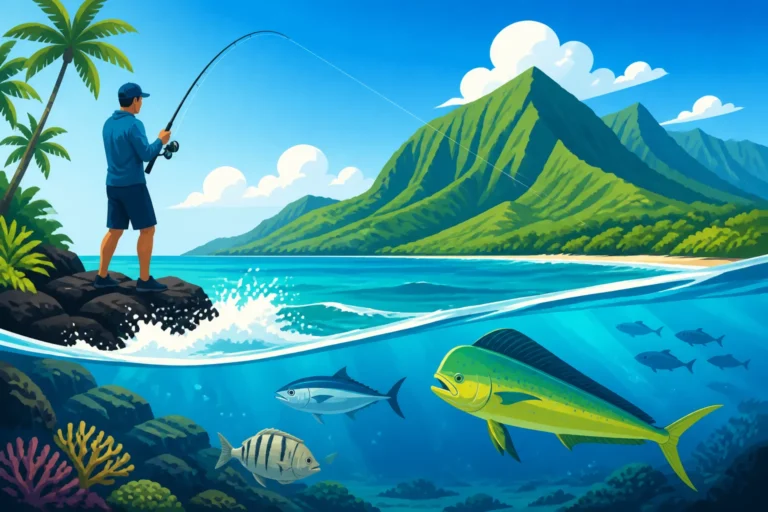
- Marlin (Blue, Striped, Shortbill Spearfish): The ultimate prize for many, blue marlin can grow to immense sizes off the Kona Coast, but Maui's waters are also renowned. Striped marlin and shortbill spearfish are also common catches. Trolling large lures or rigged baits is the primary method.
- Ahi (Yellowfin Tuna): Known for their speed and strength, ahi are highly sought after for both sport and table fare. They are often found around FADs, porpoise schools, or working birds. Chunks of bait, lures, or live bait are effective. For more on these incredible fish, check out our guide on Ahi (Yellowfin Tuna) Fishing in Hawaii.
- Ono (Wahoo): These sleek, fast predators are known for their blistering runs and delicious white meat. Ono are often caught while trolling high-speed lures, especially along current lines or temperature breaks. Our article on Ono (Wahoo) Fishing in Hawaii delves deeper into targeting them.
- Mahimahi (Dolphin Fish): Beautiful and acrobatic, mahimahi are a favorite for their vibrant colors and tasty fillets. They are often found under floating debris or FADs. Trolling lures or live bait is effective. You can learn more about how to target them in our guide, How to Catch Mahimahi in Hawaii.
Offshore fishing is highly dependent on conditions like water temperature, current lines, and bait concentrations. While these species are present year-round, certain seasons can be more productive for specific fish.
Seasonal Considerations for Lahaina Fishing
Hawaii boasts remarkable year-round fishing opportunities, but subtle seasonal shifts can influence which species are most active or abundant.
| Species Targeted | Peak Season (General) | Notes |
|---|---|---|
| Marlin | Summer (Blue), Winter (Striped) | Blue marlin fishing is often best from May through September, while striped marlin are more prevalent from November through March. Lahaina's deep waters are prime for both. |
| Ahi (Yellowfin Tuna) | Spring and Summer | While present year-round, larger schools and bigger fish often move through in spring and summer. Look for porpoise schools. |
| Ono (Wahoo) | Spring and Fall | Known for their speed, ono are consistently caught, but often see spikes in activity during the shoulder seasons. |
| Mahimahi | Spring | Spring often brings the biggest numbers of mahimahi, especially around FADs and floating debris. |
| Ulua/Papio | Year-round | Consistent catches, but often more active during certain moon phases (new and full) and stronger tidal movements. Night fishing for ulua peaks during full moon. |
| Moi | Year-round (with closed season) | Moi have a strict closed season, typically June through August, to protect spawning populations. Outside of this, they can be found year-round. Check local regulations for precise dates. |
| Bottomfish | Year-round | Deep-water bottomfish are generally available year-round, but weather and ocean conditions (swell, current) will dictate accessibility to the fishing grounds. |
While these are general guidelines, local knowledge from charter captains or experienced shore anglers is invaluable. For example, the Best Time of Year to Fish in Hawaii can vary slightly depending on the specific target species and even the island. Always remember that fishing is dynamic, and success often comes down to adapting to current conditions.
Regulations and Safety for Fishing in Lahaina Waters
Fishing in Hawaii comes with a responsibility to understand and adhere to local regulations and safety protocols. This is especially true now in Lahaina, where the environment is still recovering and community sensitivity is high. Staying informed ensures a safe, legal, and respectful fishing experience.
Local Fishing Regulations and DLNR Guidelines
The State of Hawaii, through its Department of Land and Natural Resources (DLNR) Division of Aquatic Resources (DAR), sets specific rules for recreational fishing. These regulations are designed to conserve marine resources and ensure sustainable fishing for future generations.
Key regulations to be aware of include:
- Fishing Licenses: While non-residents generally need a Hawaii Fishing License Guide for 2026 for freshwater fishing, saltwater recreational fishing currently does not require a license for residents or non-residents. However, this could change, so always verify the most up-to-date information on the DLNR website. For freshwater fishing, ensure you understand the Hawaii Freshwater Fishing License and Rules.
- Bag and Size Limits: Many species have minimum or maximum size limits and daily bag limits per person. For instance, specific rules apply to Hawaii Opihi Harvest Limits and Size Rules if you're gathering shellfish, or for larger fish, refer to the Hawaii Pelagic Species Bag Limits. It's your responsibility to know these limits for every species you intend to keep.
- Gear Restrictions: Certain types of gear, such as gill nets in some areas or specific types of traps, might be restricted or require permits. Always double-check.
- Closed Seasons: As mentioned with moi, some species have specific closed seasons to protect spawning populations. Ensure you are aware of these dates.
- Prohibited Methods: Harmful fishing practices like using explosives or certain chemicals are strictly forbidden.
Ignorance of the law is not an excuse. It's crucial to consult the official Hawaii DLNR website or acquire a physical copy of their regulations booklet. These are often available at local tackle shops or DLNR offices.
Safety Tips for Shore and Boat Fishing
Safety should always be your top priority, whether you're casting from the beach or heading out on a charter.
- Shore Fishing Safety:
- Watch the Waves: Hawaii's ocean can be unpredictable. Never turn your back on the ocean, especially on rocky coasts or during high surf. "Sneaker waves" can appear suddenly.
- Know Your Footing: Lava rocks can be sharp and slippery. Wear appropriate footwear with good grip.
- Inform Someone: Let a friend or family member know where you're going and when you expect to return.
- Bring Water and Sun Protection: The Hawaiian sun is intense. Stay hydrated and protect yourself from UV rays.
- Respect the Wildlife: Give marine animals, especially protected species like monk seals and sea turtles, ample space.
- Boat Fishing Safety:
- Choose a Reputable Charter: If on a charter, ensure the operator is licensed and the vessel is well-maintained and equipped with proper safety gear. Our guide on How to Choose a Hawaii Fishing Charter can help.
- Life Jackets: Know where life jackets are stored on any boat you board, and ensure children wear them.
- Hydration and Sunscreen: Essential on the open ocean.
- Seasickness: If prone to seasickness, take preventative medication well before departure.
- Listen to the Captain: The captain's word is law on a boat. Follow all instructions, especially concerning safety.
Remember, the ocean demands respect. A small oversight can lead to serious consequences. Be prepared, be aware, and always prioritize your well-being.
Respecting Marine Life Conservation Districts
Hawaii has established several Marine Life Conservation Districts (MLCDs) and other protected areas, which are critical for preserving the state's unique marine ecosystems. These areas have very strict rules regarding fishing, gathering, and even entry.
While there isn't an MLCD directly within Lahaina Harbor itself, nearby areas may fall under these protections or have other specific fishing rules. For instance, parts of Honolua Bay, north of Lahaina, are MLCDs where fishing is highly restricted or completely prohibited. Similarly, there are Fish Replenishment Areas (FRAs) in West Hawaii, which may have their own unique rules. It's absolutely vital to know where these boundaries are and what activities are permitted within them. Violating MLCD rules can result in significant fines and penalties. Our guide on Hawaii Marine Life Conservation Districts, Explained provides comprehensive details on these important areas. Always consult up-to-date maps and signage, and when in doubt, assume it's a protected area and refrain from fishing. Respecting these boundaries is not just about avoiding legal trouble; it's about being a responsible steward of Hawaii's precious marine resources.
Alternative Fishing Spots Near Lahaina
Given the ongoing recovery efforts at Lahaina Harbor, exploring alternative fishing spots nearby on Maui can offer fantastic angling opportunities without putting pressure on the immediate Lahaina area. Maui is, after all, a fisherman's paradise, with diverse options ranging from accessible shorelines to bustling harbors.
Fishing Opportunities in Nearby Areas Like Ma'alaea Harbor
Ma'alaea Harbor, located on the central-southern coast of Maui, is a significant alternative hub for fishing. Unlike Lahaina, Ma'alaea's harbor infrastructure was largely unaffected by the fires, and it continues to operate as a busy port for fishing charters, whale watching tours, and ferries.
- Charter Operations: Many fishing charters that previously operated out of Lahaina have temporarily or permanently relocated to Ma'alaea. This harbor offers direct access to the productive deep waters off Maui's south and west coasts, making it an excellent departure point for targeting marlin, ahi, ono, and mahimahi. Platforms like FishingBooker can help you find available Best Charters Out of Maalaea Harbor with ease, providing comprehensive listings and booking options.
- Shore Fishing: While not as expansive for shore fishing as some other areas, the jetties and surrounding areas of Ma'alaea can offer opportunities for papio, goatfish, and other smaller reef species. Always be mindful of boat traffic and harbor regulations.
- Accessibility: Ma'alaea is easily accessible from various parts of Maui and provides ample parking and amenities.
For those planning a fishing trip to Maui, Ma'alaea Harbor offers a robust and reliable alternative for charter fishing, ensuring your offshore ambitions can still be realized.
Other Maui Shore Fishing Spots
Maui boasts a myriad of other fantastic shore fishing locations, each with its unique characteristics and target species. If direct access at Lahaina is still challenging, consider these spots:
- Kihei/Wailea Coastline: The south Maui coastline, from Kihei down to Makena, offers a mix of sandy beaches, rocky points, and shallow reefs. These areas are excellent for 'whipping' for papio and small trevally, 'dunking' for goatfish, and even some light tackle action for reef species. Spots like Kamaole Beach Parks and specific rocky ledges in Wailea can be very productive.
- North Shore (Paia/Spreckelsville): While known for surfing, Maui's North Shore also has fishing spots. These areas can be more exposed to trade winds and surf, so caution is advised. However, the strong currents and reef structure can hold larger papio and ulua for experienced anglers.
- Kahului Harbor: As a commercial harbor, Kahului offers some public access points and jetties, particularly for residents. It can be a good spot for catching schooling fish like akule (bigeye scad) or even papio. However, always be aware of active shipping and harbor rules.
- La Perouse Bay: Located at the very southern tip of the developed coastline, this rugged area offers pristine waters and excellent opportunities for bonefish (oio) on the flats, as well as papio and ulua along its rocky shores. It requires a bit more effort to reach but rewards anglers with seclusion and beautiful scenery. To learn more about fishing in this unique spot, consider our guide on Where to shore fish at La Perouse Bay.
Before heading out to any of these locations, research local conditions, access points, and any specific regulations that might apply to that particular area.
Considering Kayak or Small Boat Fishing
For those who own or rent kayaks or small boats, Maui opens up even more possibilities beyond direct harbor access. This can be an excellent way to explore nearshore reefs, fish calmer bays, and access areas unreachable from shore.
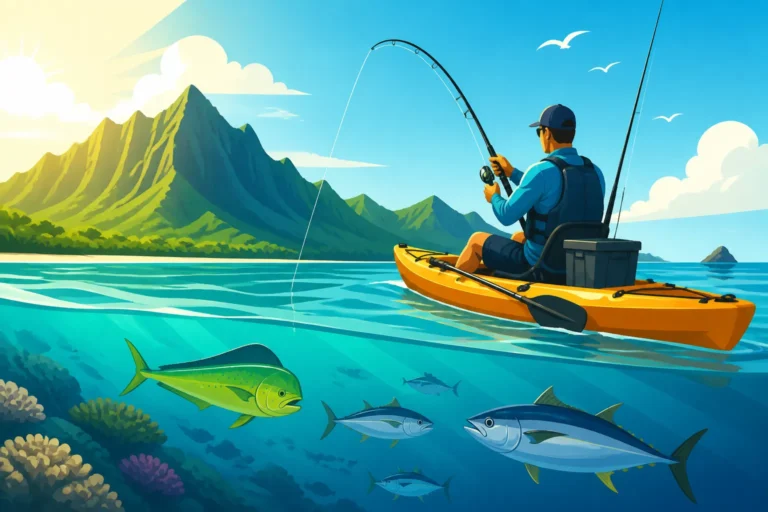
- Kayak Fishing: Kayaks allow anglers to quietly paddle along coastlines, target fish on shallow reefs, or even venture a short distance offshore for smaller pelagics. They offer a unique, intimate fishing experience. Areas with protected coves or bays, particularly on the leeward sides of the island, are ideal for kayak launching. You can typically find rentals on Maui, but check if they allow offshore use for fishing.
- Small Boat Fishing: If you have access to a small powerboat, you can explore outer reef lines, nearshore FADs, and even some deeper bottomfishing spots. Public boat ramps are available on Maui, such as those at Ma'alaea and Kihei. Remember to adhere to all Hawaii Boating Laws for Anglers, including safety equipment and registration requirements.
Whether by kayak or small boat, these options offer flexibility and the chance to discover new, productive fishing grounds around Maui, providing a perfect complement or alternative to fishing directly from Lahaina Harbor.
Disclaimer
The information provided in this guide is for general informational purposes only and is subject to change. Fishing regulations, access points, and the status of Lahaina Harbor are dynamic and can be updated by local authorities at any time. Always consult the official websites of the Hawaii Department of Land and Natural Resources (DLNR), Division of Aquatic Resources (DAR), and Division of Boating and Ocean Recreation (DOBOR) for the most current and accurate information before planning any fishing trip to Lahaina or other parts of Hawaii. Your safety and adherence to local laws are your responsibility.