La Perouse Bay Shore Fishing
Finding a productive shore fishing spot in Hawaii that lives up to the hype, while also navigating the unique challenges of the islands' diverse marine environment and sometimes confusing regulations, can feel like a quest for hidden treasure. Many anglers arrive with visions of pristine waters and abundant fish, only to find crowded beaches or confusing access. But if you're willing to venture a little further off the beaten path, La Perouse Bay on Maui offers an absolutely unparalleled shore fishing experience, and this guide is designed to equip you with all the local knowledge you need for a truly unforgettable and successful trip.
Discovering the Rugged Beauty of La Perouse Bay
La Perouse Bay, nestled on the southwest coast of Maui, is a place where raw, volcanic geology meets the vibrant energy of the Pacific Ocean. It’s a destination that immediately distinguishes itself from the more manicured beaches and resorts you might find elsewhere on the island. For an angler seeking an authentic Hawaiian fishing adventure, this bay offers a dramatic backdrop and a rich ecosystem shaped by ancient lava flows. The sheer ruggedness of the landscape is part of its charm and its challenge, drawing those who appreciate the wilder side of Hawaii.
A Volcanic Landscape for Anglers
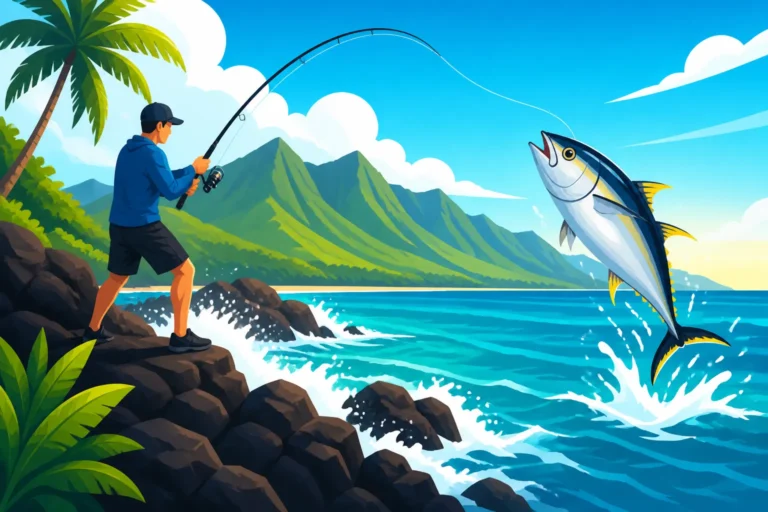
The very foundation of La Perouse Bay is a testament to Maui's volcanic origins. Here, the landscape is dominated by the remnants of Maui's last eruption, with sharp, black lava rock extending from the slopes of Haleakala right down into the sea. This isn't your typical soft sand beach fishing; instead, you'll be navigating ancient lava flows, tidal pools, and dramatic cliffs. These geological features aren't just scenic; they are crucial to the bay's excellent fishing. The intricate lava formations create a labyrinth of underwater caves, crevices, and ledges, forming ideal habitats for a multitude of reef fish and predatory species. The rough, broken bottom provides shelter, hunting grounds, and an abundance of food sources, from small crustaceans to baitfish, drawing in larger game fish closer to shore.
The way the lava meets the ocean creates distinct channels and drop-offs that act as natural fish highways. Understanding these underwater structures, even from shore, can significantly impact your success. You'll often find deeper pockets of water right alongside shallow flats, offering diverse opportunities for different species depending on the tide and time of day. This dramatic intersection of land and sea creates a dynamic environment where conditions can change quickly, demanding respect and careful observation from any angler.
Remote but Rewarding
Reaching La Perouse Bay requires a bit of commitment, adding to its allure for those looking to escape the crowds. The paved road eventually gives way to an unpaved, rocky, and sometimes challenging stretch as you head south from Makena, past Big Beach and Little Beach. While a four-wheel-drive vehicle is highly recommended, it's not strictly necessary, but prepare for a slow, bumpy ride that will test your vehicle's suspension. This somewhat challenging access helps preserve the bay's natural character and keeps the sheer volume of visitors lower than other Maui hotspots.
The journey itself becomes part of the adventure, offering breathtaking coastal views and a sense of truly venturing into untouched Hawaii. Once you arrive, the feeling of solitude and connection to nature is profound. You're not just fishing; you're immersed in a powerful, natural environment. While it feels remote, the area is still part of Maui and subject to all of Hawaii's general fishing regulations. If you're considering expanding your Hawaiian fishing horizons beyond shore casting, exploring options like those found on Maui Fishing Guide can offer different perspectives and opportunities.
Prime Fishing Opportunities at La Perouse Bay
La Perouse Bay isn't just visually stunning; it's a hotbed of marine activity, making it a fantastic destination for shore anglers looking for a diverse catch. The unique blend of deep volcanic channels, shallow reef flats, and sandy pockets creates a variety of micro-habitats, supporting a wide array of fish species. Understanding what swims here and where they prefer to hang out is key to maximizing your chances.
Target Species and What They Love
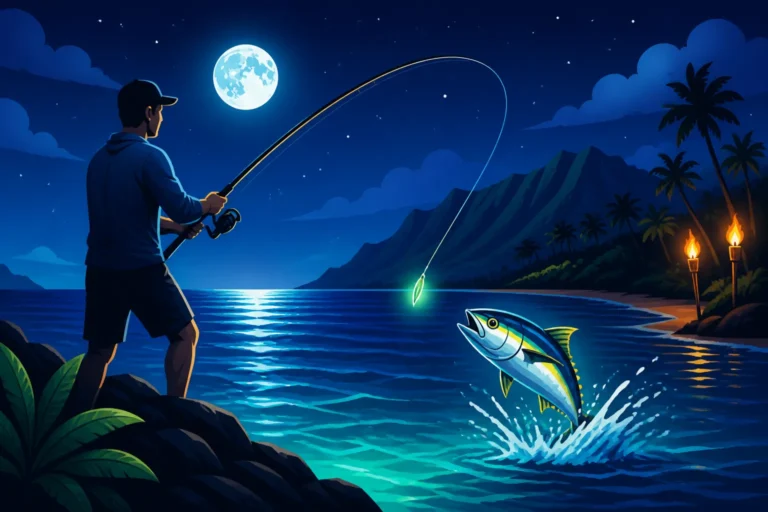
The stars of La Perouse Bay's shore fishing scene are often the hard-fighting trevally, locally known as Ulua (Giant Trevally) and Papio (smaller trevally). These powerful predators patrol the turbulent waters, feeding on baitfish and crustaceans hiding among the lava. Targeting Ulua from shore requires heavy tackle, strong lines, and often involves sliding live or large cut baits out into deeper channels, a technique described in more detail in our guide on How to Catch Ulua from Shore. Papio, on the other hand, are more accessible to lighter tackle and can be caught closer to the reef edges using whipping techniques with smaller lures or cut bait, a method well-suited for the dynamic shoreline of La Perouse. You can learn more about these techniques by checking out How to Catch Papio on Hawaii's Shoreline.
Beyond the trevally, you'll find a host of reef fish that are both fun to catch and often delicious to eat. Kumu (Goatfish) and Weke (another type of Goatfish) are common, often found nosing around sandy patches near reef structures. Moi (Pacific Threadfin), a prized eating fish, can sometimes be found in the calmer, shallower parts of the bay, especially during their feeding cycles. The bay also holds a significant population of invasive species like Roi (Bluespotted Grouper) and Taape (Bluestripe Snapper). These species are often abundant and aggressive, providing plenty of action, and anglers are encouraged to keep them due to their detrimental impact on native reef ecosystems. Always be sure to consult current Hawaii Bag and Size Limits by Species to ensure compliance.
Best Spots Along the Shoreline
The extensive coastline of La Perouse Bay offers numerous promising spots, each with its own characteristics. As you drive or walk south, you'll encounter a series of rocky points and small coves. The key is to look for areas where the lava rock creates natural channels or deeper drop-offs close to shore. These are prime ambush points for Ulua and other predatory fish. One particularly popular area is near the "Lava Fields" trail, where the extensive black lava offers both accessibility and diverse structure. Anglers often hike further down this trail to find less pressured spots.
Sandy pockets interspersed within the lava rock are also excellent. These transitional zones between rock and sand often attract species like Moi, Kumu, and smaller Papio, especially during incoming tides when baitfish are pushed closer to shore. If you're a keen observer, you might also spot small schools of baitfish, like Opelu, gathering in calmer areas, which is a sure sign that bigger predators are likely nearby. Exploring different vantage points and observing the water for signs of life, such as birds diving or baitfish scattering, can lead you to the most productive spots.
Tidal and Weather Considerations
Like all shore fishing, success at La Perouse Bay is heavily influenced by tides, moon phases, and weather. Generally, the incoming and outgoing tides tend to be the most productive, as the moving water stirs up bait and creates feeding opportunities for fish. Slack tide, when the water movement is minimal, can sometimes be slower, though bottom-feeding species might still be active. The new and full moon phases, which bring stronger tidal currents, can be particularly good for targeting larger Ulua.
Weather plays a significant role, especially the swell and wind direction. While some moderate swell can be beneficial, creating white water that disorients baitfish and provides cover for predators, heavy surf can make shore fishing dangerous and unproductive. Strong trade winds, blowing from the northeast, can make casting difficult and create choppy conditions. Conversely, calm, clear days, while beautiful, might make fish more wary. The ideal conditions often involve a moderate, consistent swell, light winds, and perhaps an overcast sky, offering a perfect blend of comfort and fish activity. Remember, safety first, especially when facing strong currents or high surf in such a rugged environment.
Essential Techniques for La Perouse Bay Shore Fishing
Fishing at La Perouse Bay demands a combination of traditional Hawaiian shore fishing knowledge and adaptable techniques suitable for its unique volcanic terrain. You won't find many piers here, so mastering various shore-based methods is crucial. The rugged coastline, coupled with the potential for powerful fish, means your gear and approach need to be robust and well-planned.
Whipping, Sliding, and Dunking
These three techniques are the staples of Hawaiian shore fishing, and all have their place at La Perouse Bay.
- Whipping: This involves casting and retrieving artificial lures, often metal jigs or poppers, to cover a lot of water quickly. It's excellent for targeting schooling Papio and other aggressive predators that are actively hunting. Lightweight setups (8-15 lb test) are common for whipping, allowing for long casts and sensitive retrieves. Look for areas with a mix of sandy pockets and reef, or along the edges of deeper channels where Papio might ambush bait. The key is to experiment with retrieve speeds and lure types until you find what the fish are hitting on that day. For a more general overview, consult our guide on Shore Fishing Techniques for Hawaii.
- Sliding: For the dedicated Ulua hunter, sliding bait is the go-to method. This technique involves casting a heavy sinker out into deeper water, then clipping a baited rig to the main line and allowing it to slide down to the sinker. The bait, often a live Opelu (mackerel scad), or a large chunk of squid or fish, then sits patiently on the bottom, waiting for a cruising Ulua. This method requires specialized sliding rigs, robust rods capable of casting heavy weights, and high-test lines (50-100 lb braided line is common). You'll typically set multiple rods with this method, waiting for that tell-tale, bone-jarring strike.
- Dunking: Also known as "bottom fishing" or "soaking bait," dunking is a simpler technique where baited hooks are cast out and allowed to rest on the bottom. This is highly effective for catching a variety of reef fish like Kumu, Weke, Roi, and Taape. Cut bait (squid, shrimp, dead fish pieces) or even small whole baitfish are common. The tackle for dunking can vary from medium-light to medium-heavy, depending on the target species and the snagginess of the bottom. At La Perouse, be prepared for snags due to the lava rock. Using a dropper loop rig with a sacrificial weight can help minimize tackle loss. This method is particularly good for families or beginners, as it's less active than whipping but often yields consistent results for a diverse catch.
Bait and Lure Selection
Choosing the right bait or lure is critical at La Perouse Bay, as fish here can be selective.
- Natural Baits: For bottom-feeding species and larger Ulua, natural baits are often irresistible. Fresh squid is a versatile bait, appealing to almost everything from Papio to Taape and Kumu. Live Opelu or Akule (bigeye scad), if you can catch them with a throw net or sabiki rig, are absolutely prime baits for Ulua and other pelagic predators. Cut pieces of fish, such as dead Opelu or any scraps you might have, can also be very effective for bottom species. The key is freshness; fresh bait consistently outperforms frozen or old bait.
- Artificial Lures: For whipping for Papio and other fast-moving predators, a variety of lures work well. Metal jigs in weights from 1/2 oz to 2 oz are popular, especially in silver, blue, or green colors that mimic baitfish. Poppers and walk-the-dog style topwater lures can create explosive strikes, particularly during dawn and dusk. Soft plastic swimbaits rigged on jig heads can also be deadly, especially when worked slowly near the bottom or along reef edges. Don't be afraid to experiment with different sizes, colors, and retrieval patterns – what works one day might not the next.
Gear Up for Success
Given the rugged environment and potentially strong fish, selecting appropriate gear is paramount.
- Rods and Reels: For whipping, a medium-light to medium-heavy spinning rod (7-9 feet) paired with a 3000-5000 size spinning reel spooled with 15-30 lb braided line is a good all-around choice. For sliding Ulua rigs, you'll need heavy-duty conventional or spinning rods (10-14 feet), often rated for 50-80 lb line, paired with robust reels (6000-10000 size spinning or a large conventional) spooled with 50-100 lb braid. For general dunking, a medium-heavy spinning rod (8-10 feet) with a 4000-6000 size reel and 30-50 lb braid should suffice.
- Line and Leader: Braided line is highly recommended for its strength, sensitivity, and casting distance. Always use a fluorocarbon leader (30-80 lb test, depending on target and technique) to provide abrasion resistance against the sharp lava and make your line less visible to fish. The lava is brutal on line, so check your leader regularly for nicks and abrasions.
- Terminal Tackle: A variety of hooks (circle hooks are great for conservation and often required for certain species), sinkers (pyramid or lead-free weights), swivels, and beads will be necessary. For sliding rigs, specialized clips and floats might also be needed. Always carry extra, as snags are an inevitable part of fishing La Perouse Bay.
Navigating Regulations and Conservation in La Perouse Bay
Fishing in Hawaii, even in seemingly wild places like La Perouse Bay, means adhering to a specific set of rules and regulations designed to protect the fragile marine ecosystem. Understanding these regulations is not just about avoiding fines; it's about being a responsible angler and contributing to the sustainability of Hawaii's unique fisheries. The spirit of Aloha 'Aina – love of the land – extends to the ocean, urging us to care for it.
Understanding Local Fishing Rules
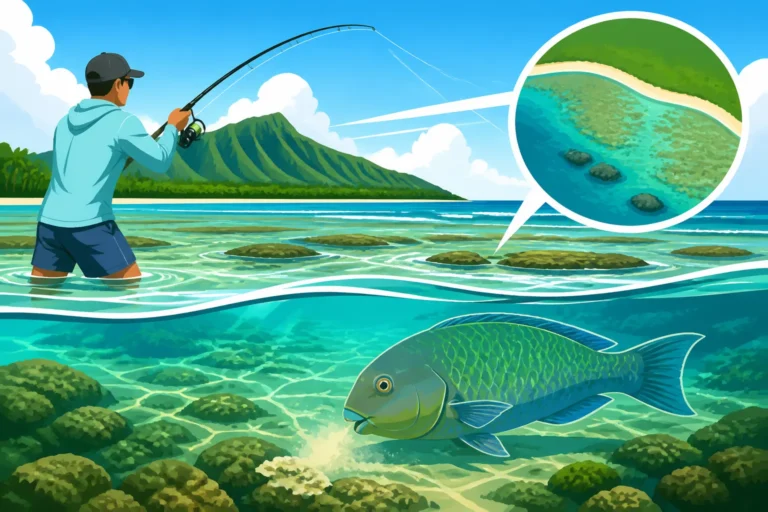
While La Perouse Bay itself is not designated as a Marine Life Conservation District (MLCD), which would impose very strict fishing restrictions as outlined in Hawaii Marine Life Conservation Districts, Explained, it is still part of Maui's diverse coastal waters. Therefore, all statewide Hawaii Fishing Regulations Explained apply. This includes specific bag limits, size limits, and closed seasons for various species. For example, some species like Moi have specific closed seasons to allow for spawning, and certain Uhu (Parrotfish) species have strict limits. Always carry a copy of the latest regulations, or have them easily accessible on your phone, to ensure you are compliant.
A crucial point for all anglers, especially non-residents, is the requirement for fishing licenses. While Hawaii residents are generally exempt from needing a license for recreational marine fishing, non-residents absolutely need one. You can find detailed information on how to obtain one in our Hawaii Fishing License Guide for 2026. Additionally, if you plan to spearfish in the bay, you'll need to be aware of Hawaii Spearfishing Regulations, which prohibit the use of SCUBA gear for spearfishing and often have rules about specific species or gear types. Always err on the side of caution when it comes to regulations; ignorance is not an excuse.
Practicing Aloha Aina and Responsible Angling
Responsible angling at La Perouse Bay goes beyond just following the rules; it's about embracing the Hawaiian concept of mālama honua – to care for the earth. This means leaving no trace and actively protecting the environment for future generations.
- Catch and Release: While you can keep your legal catch for dinner, consider practicing catch and release, especially for larger Ulua or other native species. If you do release a fish, handle it carefully, minimizing its time out of water, and revive it gently before letting it go.
- Waste Management: The remote nature of La Perouse Bay means there are very few, if any, trash receptacles. Pack out everything you pack in, including fishing line, bait containers, and food wrappers. Monofilament line is especially harmful to marine life and must be disposed of properly.
- Respect Marine Life: La Perouse Bay is home to Hawaiian Monk Seals and various species of sea turtles (Honu). These animals are federally protected, and it is illegal to harass, touch, or approach them. If you encounter them while fishing, give them a wide berth. Also, be mindful of your casting to avoid inadvertently hooking protected marine life.
- Invasive Species: As mentioned, Roi and Taape are abundant invasive species in Hawaii. Anglers are generally encouraged to keep these fish (within legal limits) rather than releasing them, as they outcompete native species and disrupt the reef ecosystem. This is one instance where keeping your catch is actively beneficial for conservation.
Maximizing Your La Perouse Bay Fishing Adventure
A trip to La Perouse Bay for shore fishing is an adventure. To make it truly successful and enjoyable, careful planning and an awareness of the unique challenges of the area are essential. From safety precautions to knowing what to pack, preparing adequately will ensure your focus remains on the thrill of the catch rather than unexpected difficulties.
Safety First in the Lava Fields
The rugged beauty of La Perouse Bay comes with inherent risks, and prioritizing safety is paramount.
- Sharp Lava Rock: The volcanic rock here is incredibly sharp and abrasive. Sturdy, closed-toe shoes or wading boots with good grip are non-negotiable. Sandals or flip-flops are completely inadequate and will lead to painful injuries. Be mindful of your footing at all times, especially when moving between fishing spots or navigating uneven terrain. A fall on the lava can result in severe cuts and scrapes.
- Ocean Conditions: The ocean at La Perouse can be unpredictable. Strong currents, rogue waves, and sudden swells are always a possibility. Never turn your back on the ocean, and always be aware of your surroundings. If the surf looks too rough, it’s better to err on the side of caution and find a calmer spot or postpone your trip. The isolation of the area means help can be a long time coming.
- Sun Exposure: Maui's sun is intense, even on cloudy days. Sunscreen, a wide-brimmed hat, UV-protective clothing, and sunglasses are absolute necessities to prevent sunburn and heatstroke. Reapply sunscreen frequently, especially if you're getting wet.
- Dehydration: The heat and physical exertion of fishing can quickly lead to dehydration. Bring far more water than you think you'll need. There are no facilities at La Perouse Bay, so you'll be reliant on what you carry in.
- First Aid: A well-stocked first-aid kit, including bandages, antiseptic wipes, and pain relievers, is essential for dealing with minor cuts, scrapes, or other mishaps common in such a rocky environment. Consider carrying a personal locator beacon (PLB) if you plan to venture far off the beaten path, especially if fishing alone.
Planning Your Trip
A successful La Perouse Bay fishing trip begins long before you even leave home.
- Best Time to Visit: While you can fish La Perouse year-round, the calmer months (typically late spring through early fall) often offer more comfortable conditions and easier access via the unpaved road. During the winter, larger swells can make shore fishing challenging and dangerous. Early mornings and late afternoons are generally the most productive fishing times, as predatory fish are more active during these cooler, lower-light periods.
- What to Pack: Beyond your fishing gear and safety essentials, remember to pack plenty of snacks and food, as there are no stores or vendors nearby. A cooler with ice will keep your drinks cold and any kept fish fresh. A dry bag for your electronics (phone, camera) is highly recommended, as splashes are inevitable. Don't forget a trash bag to pack out all your refuse.
- Parking and Access: Parking is usually along the unpaved road. Be mindful not to block access points or private property. The road can be rough, so take it slow. Some of the best spots might require a short hike over uneven lava, so factor in travel time and physical exertion. For general parking and access rules across the islands, you might find our Hawaii shoreline access parking permit rules helpful.
Utilizing Local Knowledge and Resources
While La Perouse Bay is fantastic for independent shore fishing, sometimes a little local insight can go a long way. If you’re just getting started or want to expand your fishing repertoire, consider tapping into local expertise.
For instance, if you're interested in exploring other parts of Maui's diverse fishing scene, or perhaps venturing beyond the shore for a deep-sea experience, resources like FishingBooker can be incredibly useful. While they primarily list boat charters, browsing their offerings for Maui can give you a sense of local conditions, target species, and even connect you with captains who might share insights about general areas, bait patterns, or current regulations relevant to the entire region. Even if you're sticking to shore, understanding what's biting offshore can sometimes give clues about what baitfish are active closer to the coastline.
Another excellent way to glean local knowledge is by visiting tackle shops in Kahului or Kihei before heading down to La Perouse. Shop owners and staff often have invaluable, up-to-the-minute information on what's biting, what baits are working, and any specific nuances of the local spots. They can also advise on specific gear that might perform better in the unique La Perouse conditions. Don't be shy about asking questions and sharing your plans; Hawaiian fishing communities are generally welcoming and happy to help a respectful angler. And remember, supporting local businesses ensures they continue to be a valuable resource for everyone.
Even if you prefer the solitude of shore fishing, knowing about local charter services listed on platforms like FishingBooker can be helpful. For example, if you're not having luck from shore and want a different experience, a half-day bottom fishing trip might give you a completely different perspective on the bay's marine life. Or, if you're researching potential fishing locations across the islands, exploring what guides offer on FishingBooker can sometimes highlight lesser-known spots or techniques. The more information you gather, the better equipped you'll be to adapt to conditions and find success.
Ultimately, La Perouse Bay offers a truly unique and deeply rewarding shore fishing experience. Its wild beauty, abundant fish, and the sense of adventure it provides make it a must-visit for any serious angler in Hawaii. Just remember to approach it with respect, preparedness, and an open mind, and you'll be treated to memories that will last a lifetime.
Fishing Table for La Perouse Bay
Here’s a quick reference table for some common target species at La Perouse Bay:
| Target Species | Common Size Range | Best Bait/Lure | Ideal Conditions | Notes |
|---|---|---|---|---|
| Ulua (Giant Trevally) | 10-100+ lbs | Live bait (Opelu), large cut bait, heavy poppers/jigs | Dawn/Dusk, incoming/outgoing tide, moderate swell | Powerful fighters, often near deep channels. |
| Papio (smaller Trevally) | 1-10 lbs | Small jigs, soft plastics, cut bait, small poppers | Anytime, calm to moderate swell, near reef edges | Great for whipping, schooling fish. |
| Roi (Bluespotted Grouper) | 1-5 lbs | Cut bait (squid, fish pieces), small jigs/plastics | Day, slack tide, near lava caves/crevices | Invasive species, encouraged to keep. |
| Taape (Bluestripe Snapper) | 0.5-3 lbs | Small cut bait (squid), small plastics | Day, calm waters, sandy pockets near reef | Invasive species, common, good eating. |
| Kumu (Goatfish) | 1-5 lbs | Small hooks with cut bait (shrimp, squid) | Day, sandy patches near reef | Delicious eating fish, distinctive barbels. |
| Moi (Pacific Threadfin) | 1-8 lbs | Live shrimp, small cut bait, small Kastmasters | Calm shallow waters, sandy areas near reef | Highly prized eating fish, closed season applies. |
Disclaimer
The information provided in this guide is for general informational purposes only and is subject to change. Fishing regulations in Hawaii can be complex and are updated periodically by the Hawaii Department of Land and Natural Resources (DLNR) Division of Aquatic Resources. Always consult the most current official regulations from the Hawaii DLNR before embarking on any fishing trip. Your safety is your responsibility; always exercise caution and good judgment when fishing in potentially hazardous environments like La Perouse Bay.