Kahuku Beach Shore Fishing
There's nothing quite like the dream of casting a line into Hawaii's crystal-clear waters, but for many, the reality of finding a good, accessible shore fishing spot that isn't overly crowded or heavily regulated can be a real headache. You hear whispers of secret local spots, or you try a popular beach only to find it picked over. This guide is going to walk you through everything you need to know about shore fishing at Kahuku Beach on Oahu, offering practical advice to help you avoid those frustrations and truly enjoy the bounty of Hawaii's coastlines.
The Allure of Kahuku Beach for Shore Anglers
Kahuku Beach, nestled on Oahu's iconic North Shore, often gets overshadowed by the famous surf breaks, but it holds a special magic for those of us who prefer the rhythmic tug of a line to the rush of a barrel wave. It's a place where the vibrant energy of the ocean meets stretches of serene coastline, offering diverse fishing opportunities that cater to everyone from the seasoned local to the curious visitor. Unlike some of the more bustling fishing spots closer to Honolulu, Kahuku still retains a sense of wildness and quiet, making it a fantastic escape.
Why Kahuku Stands Out Among Oahu's Shorelines
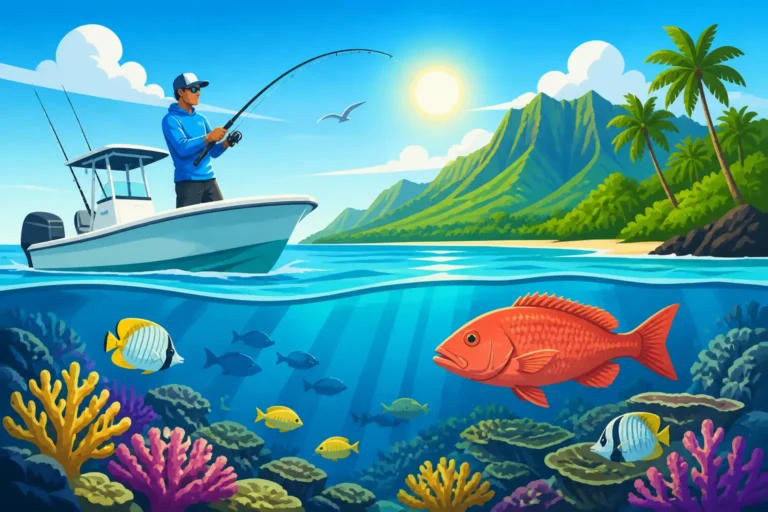
What truly sets Kahuku Beach apart is its unique combination of geographical features. You'll find a mosaic of shallow reef flats, sandy pockets, and deeper channels, all within accessible casting distance from shore. This varied underwater terrain creates a haven for a wide array of desirable fish species, from the hard-fighting ulua (giant trevally) and papio (juvenile trevally) to tasty moi (Pacific threadfin) and various reef dwellers. The expansive shoreline means you're rarely elbow-to-elbow with other anglers, even on busy weekends, giving you the space to spread out and truly immerse yourself in the experience. Plus, the surrounding area, with its agricultural lands and less developed vibe compared to other parts of the island, contributes to a feeling of getting away from it all, even if you’re just a short drive from central Oahu.
Common Frustrations and How Kahuku Mitigates Them
One of the biggest frustrations for shore anglers in Hawaii is finding public access that isn't blocked by private property or riddled with "no trespassing" signs. At Kahuku, you'll find numerous public access points, often clearly marked, which takes a huge load off your mind. Another common complaint is heavily fished areas leading to sparse catches. While no spot is guaranteed, Kahuku's sheer size and varied habitat mean fish populations tend to be more robust, and the transient nature of many pelagic (open ocean) species means there's always a chance for something big to cruise by. Moreover, navigating complex fishing regulations can be daunting, but once you understand the general rules for Oahu, applying them to Kahuku is straightforward. It’s definitely less restrictive than some of the heavily protected Marine Life Conservation Districts you find elsewhere.
Decoding Kahuku's Underwater Landscape
To truly succeed at Kahuku Beach, you need to become a student of the ocean floor. The surface might look uniform, but beneath the waves lies a dynamic landscape that dictates where the fish congregate and where your best casting opportunities will be. Understanding these underwater features is like having a secret map to the fish's dining room.
Understanding the Reef Formations and Their Impact on Fish
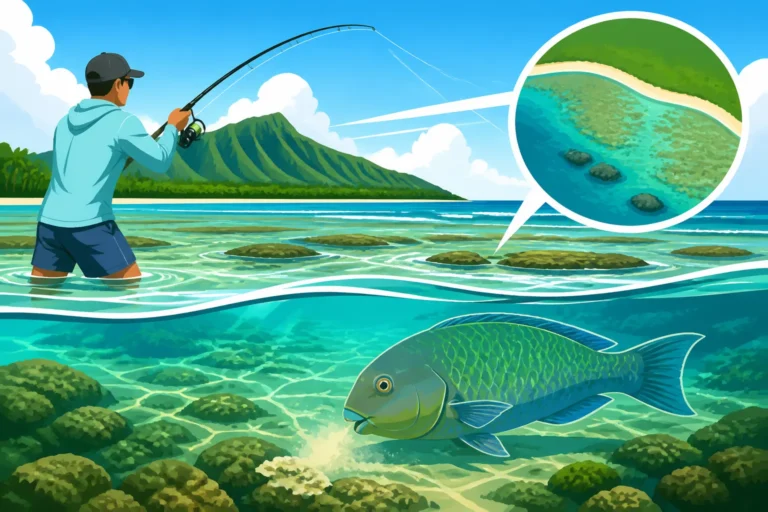
Kahuku's coastline is characterized by extensive, shallow reef flats that stretch out from shore, eventually giving way to deeper water. These reefs are vibrant ecosystems, teeming with baitfish, crustaceans, and smaller reef fish that in turn attract larger predators. For species like uhu (parrotfish), kumu (goatfish), and even papio, the reef provides both food and shelter. When you're fishing these areas, look for darker patches of water, which usually indicate deeper channels or holes within the reef structure. These are prime ambush points for predators. Also, pay attention to areas where the waves break consistently; this often signifies a change in depth or a prominent reef edge, which can be an excellent feeding zone. Knowing How to Fish a Reef Flat for Uhu can give you an advantage, even if you're targeting other species.
Navigating Tides, Currents, and Swells
The ocean at Kahuku is constantly in motion, and these movements significantly influence fish behavior. Tides, for instance, can concentrate baitfish and predators in certain areas. An incoming tide often brings cooler, cleaner water and more food closer to shore, making it a generally productive time to fish. Conversely, a strong outgoing tide can create nutrient-rich currents that draw fish to the mouths of channels. Currents are also key; look for rip currents or eddies where baitfish might be disoriented, making them easy targets for game fish. Swell size is another major factor, especially on the North Shore. While big winter swells are famous for surfing, they can make shore fishing challenging and dangerous. For safety and success, opt for days with smaller, manageable swells, which still provide enough water movement to stir up the bottom without making casting impossible. Generally, calmer conditions allow you to spot fish and structure more easily.
Identifying Productive Sandy Patches and Channels
Interspersed within Kahuku's reef system are numerous sandy patches and deeper channels. These are particularly important for species like ulua, papio, and moi, which often patrol these areas looking for food. Sandy areas adjacent to reef edges are prime feeding grounds for bottom dwellers, while deeper channels act as highways for migrating fish. A good strategy is to cast your bait into these sandy channels, especially during tidal changes. You can often spot these areas from higher vantage points or by observing wave patterns – waves tend to "stand up" and break over shallower reefs, but roll smoothly over deeper sand. Even subtle color changes in the water can indicate a shift from reef to sand.
Pinpointing Your Next Hot Spot Along Kahuku Beach
Kahuku Beach isn't just one monolithic stretch of sand and reef; it's a collection of distinct areas, each with its own character and potential fishing rewards. Knowing where to set up can make all the difference, whether you're looking for a peaceful family outing or a serious hunt for a trophy catch.
Accessible Areas for Family-Friendly Fishing
If you're bringing the family, accessibility, restrooms, and relatively calmer waters are probably at the top of your list. The areas closer to the Kahuku Sugar Mill or near the Turtle Bay Resort property (though you need to be mindful of private property lines) often provide easier access and more amenities. These spots tend to have wider sandy beaches interspersed with gentler reef lines, making them safer for kids to wade and explore. You might not hook a monster ulua every time, but these areas are fantastic for catching smaller papio, various reef fish, and sometimes even moi, especially with lighter tackle. Always check for lifeguards or warning signs, as conditions can change rapidly. Remember that even though it feels relaxed, always respect the ocean.
Secluded Stretches for the Serious Angler
For those seeking solitude and the challenge of larger game fish, you'll want to explore the less frequented stretches of Kahuku. Head further east or west from the more obvious access points, and you'll often find more rugged coastlines with rockier outcrops and deeper pockets of water that hold bigger fish. These areas often require a bit more walking, and the terrain can be challenging, so sturdy footwear is a must. Here, you'll be able to deploy heavier tackle for species like ulua, often utilizing sliding bait rigs or heavy casting setups. These secluded spots are where local anglers target Best Trevally Spots at Kahuku Beach, often staying for extended periods, especially during prime night fishing conditions. Just be prepared to pack out everything you pack in, and let someone know your plans if you're venturing far from others.
Public Access Points and Parking Considerations
Parking at Kahuku can be a mixed bag. Some areas have designated lots, while others rely on roadside parking. Always respect private property signs and avoid blocking driveways or gates. Many of the best fishing spots are accessed via small, unmarked trails through the kiawe trees or brush, so keep an eye out for tell-tale paths or areas where other cars are parked off the main road. The area near the old Kahuku Airfield and various smaller beach parks along Kamehameha Highway offer reasonable access. If you're unsure about a spot, it's often best to observe how local anglers access the area or ask respectfully for guidance. Online mapping tools can also help identify potential public easements, but nothing beats a real-world scout. For visitors looking to experience shore fishing without the hassle of figuring out logistics, platforms like FishingBooker can help connect you with local guides who know all the best public access points and can arrange a worry-free experience.
What's Biting and When at Kahuku Beach
One of the beauties of fishing in Hawaii is the year-round potential for diverse catches, and Kahuku Beach is no exception. While some species are more prevalent during certain seasons, you're almost always guaranteed a bite if you're patient and using the right approach. Knowing what to expect can help you tailor your gear and techniques for the best possible outcome.
Year-Round Staples: Papio, Ulua, and Moi
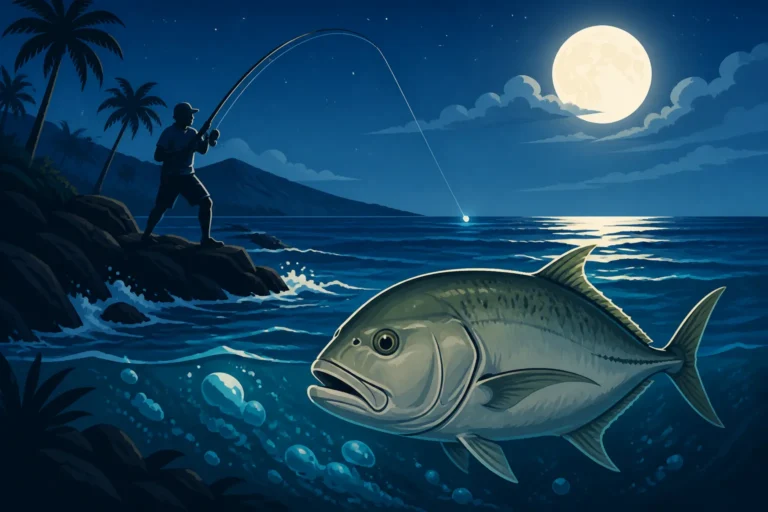
These three species are the bread and butter of Kahuku shore fishing. Papio, the juvenile form of giant trevally, are abundant and aggressive, making them fantastic targets for light tackle and a great way to keep kids entertained. They'll readily hit small lures, plastics, and various baits. As they grow, they become ulua, powerful fighters that require heavy gear and serious commitment. Ulua cruise the deeper channels and reef edges, especially at night. Moi (Pacific threadfin) are another highly prized catch, known for their delicate flavor. They prefer sandy bottoms near reef structures and are often caught using natural baits like limu (seaweed) or small pieces of shrimp. You should be aware of the Hawaii Moi Closed Season, Explained as these regulations are strictly enforced to protect spawning populations. Fishing for these species can be successful throughout the year, with lunar cycles and tide changes often influencing their activity more than seasonal temperature shifts.
Seasonal Visitors and Their Preferred Conditions
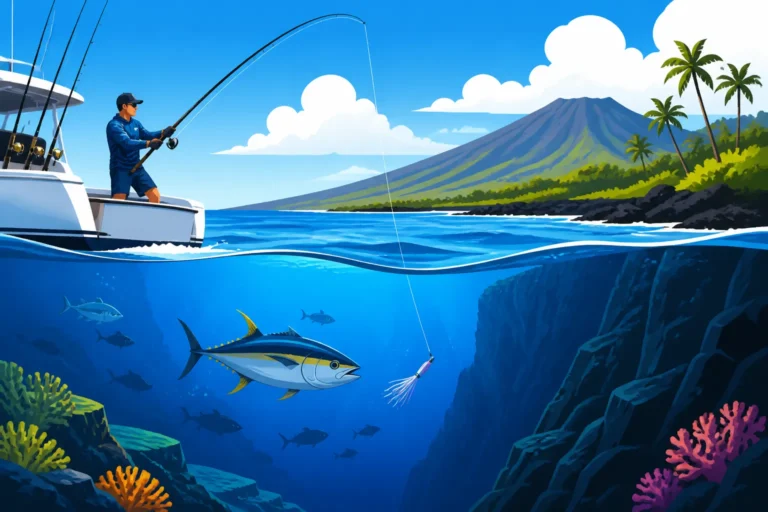
Beyond the staples, Kahuku sees its share of seasonal visitors. During the cooler winter months (roughly November to March), you might encounter various bottomfish moving into shallower waters, and even some pelagic species like omilu (bluefin trevally) become more active closer to shore, especially after a good swell. The warmer summer months (June to October) often bring in schools of baitfish, which in turn attract larger predators like barracuda or even smaller ono (wahoo) or mahimahi if they venture close enough to the reef drop-offs. Keep an eye out for diving birds, as this is a classic sign of baitfish schools, and where there's bait, there are usually bigger fish. Understanding these seasonal patterns, along with the daily conditions, significantly increases your chances of a memorable catch.
Identifying Baitfish Schools and Their Role
Baitfish are the foundation of the nearshore ecosystem, and their presence at Kahuku is a massive indicator of good fishing. Schools of small fish like nehu (anchovies) or opelu (mackerel scad) will hug the shoreline, especially during high tide or when seeking refuge from predators. Look for subtle ripples on the surface, dark patches in the water, or the aforementioned diving birds. Where these baitfish gather, predatory species like papio, ulua, and even some types of tuna will follow. Matching the hatch, as they say, by using lures or baits that mimic these local baitfish is often the most effective strategy. If you can catch your own bait using a throw net (where legal), it can often outperform store-bought options because it's exactly what the local fish are feeding on.
Essential Gear and Techniques for Kahuku Shore Anglers
Equipping yourself correctly is half the battle when shore fishing Kahuku. The diverse conditions—from light tackle for papio in calm bays to heavy setups for ulua on rugged points—demand a thoughtful approach to your arsenal. Investing in the right gear will not only make your experience more enjoyable but also drastically improve your catch rates.
The Art of Whipping and Popping for Papio
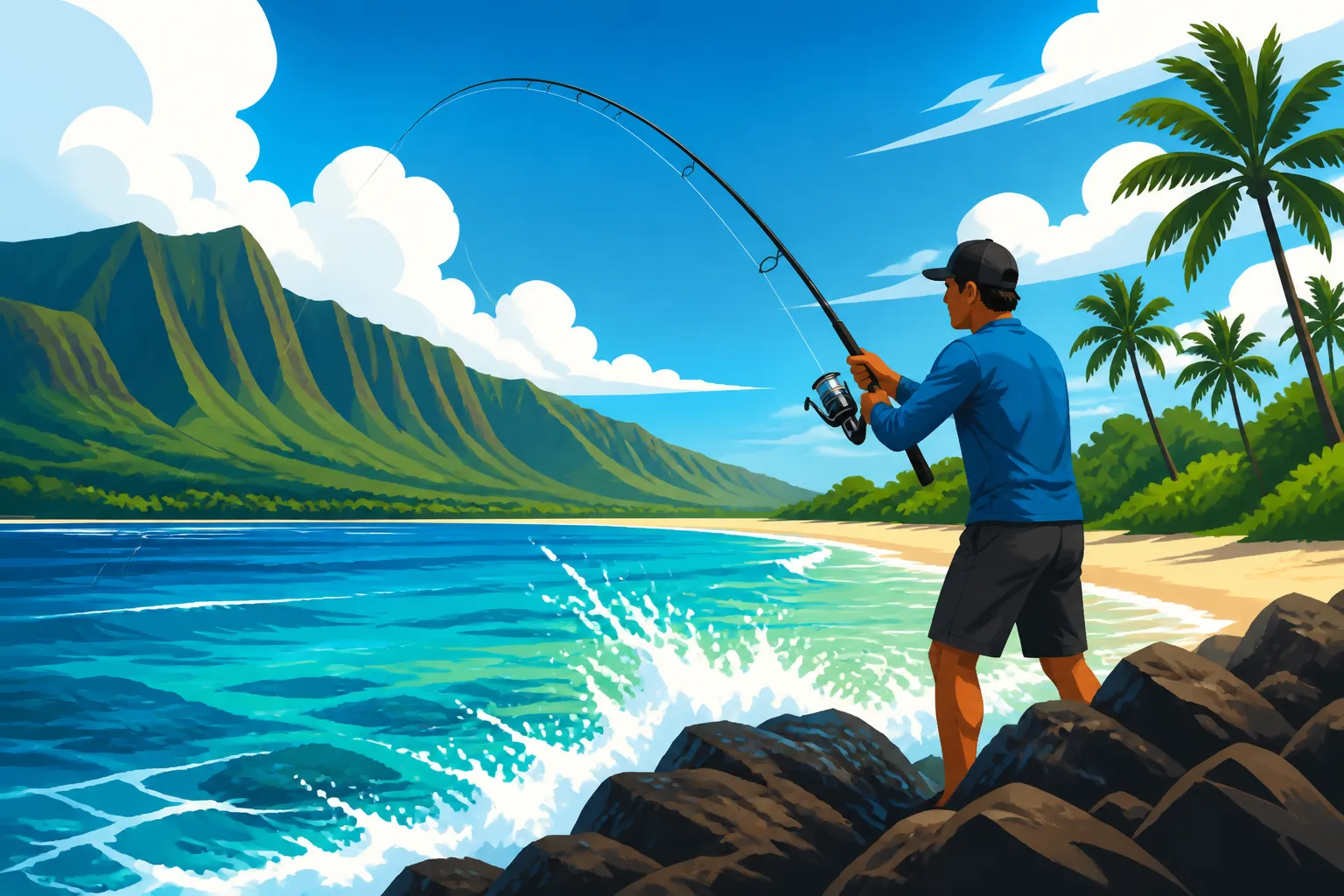
Whipping is a highly popular and effective technique for targeting papio and other active predatory fish from Kahuku's shoreline. It involves repeatedly casting small, fast-moving lures (like Kastmasters, spoons, or small jigs) and retrieving them rapidly to mimic fleeing baitfish. Light to medium-light spinning rods, typically 7-9 feet long, paired with a 2500-4000 series reel spooled with 10-20 lb braided line and a fluorocarbon leader are ideal. The key is to cover a lot of water and vary your retrieve speed until you find what triggers a bite. Popping, which uses topwater lures that "pop" or "walk the dog" across the surface, is also incredibly exciting for aggressive papio, especially during dawn and dusk. The visual strike is exhilarating! Many local anglers will spend hours perfecting their cast and retrieve, as the smallest twitch can make a difference. For a deeper dive, check out How to Catch Papio on Hawaii's Shoreline.
Sliding Bait Rigs for Elusive Ulua
When you're serious about landing a trophy ulua, a sliding bait rig is often your best bet at Kahuku. This technique involves casting a heavy sinker to get your bait out to deeper water or a distant channel, then letting your live or cut bait (often a whole akule or a large chunk of squid) slowly slide down the mainline to the bottom, where big ulua lurk. You'll need a heavy-duty surf rod, usually 10-14 feet long, capable of casting massive weights (4-8 oz) and strong baitcasting reels like the Penn Squall or Daiwa Saltiga, spooled with 50-80 lb braided line and a robust mono or fluorocarbon leader of 80-150 lbs. The waiting game is crucial here, as ulua are powerful and can take time to find the bait. Many anglers set multiple rods, patiently waiting for that tell-tale slam. For more advanced strategies, read up on How to Catch Ulua from Shore.
Essential Gear: Rods, Reels, and Terminal Tackle
Beyond the specific techniques, having the right all-around gear is crucial. For general shore fishing at Kahuku, a versatile medium-heavy spinning rod (9-10 feet) with a 5000-6000 series reel spooled with 30-40 lb braided line will serve you well, allowing you to cast moderately heavy lures or bait rigs. Always use a fluorocarbon leader appropriate for your target species – lighter for papio, heavier for ulua – as it's less visible underwater. Your tackle box should include an assortment of hooks (circle hooks are great for conservation), swivels, sinkers (pyramid or Sputnik styles for holding bottom in current), and a variety of lures. Don't forget pliers, a sharp knife, a rag, and a sturdy cooler for your catch. For those less familiar with Hawaii's unique fishing challenges, consider booking an excursion through FishingBooker to benefit from local knowledge and expertly provided gear.
| Target Species | Preferred Habitat | Best Bait/Lure | Ideal Rod/Reel | Time of Day |
|---|---|---|---|---|
| Papio (GT) | Reef edges, sandy channels, turbulent water | Small jigs, spoons, grubs, cut bait | Light/Med-light spinning (7-9ft, 2500-4000 reel) | Dawn, Dusk, Day |
| Ulua (GT) | Deep channels, reef drop-offs, rocky points | Whole live bait (akule), large cut bait | Heavy surf rod (10-14ft, 5000-8000 reel) | Night, Dawn, Dusk |
| Moi | Sandy flats near reefs, calm bays | Limu (seaweed), small shrimp, squid | Light/Med spinning (7-8ft, 2500-3000 reel) | Day (incoming tide) |
| Omilu (Bluefin Trevally) | Reefs, turbulent white water | Small poppers, stickbaits, live bait | Med-light spinning (7-9ft, 3000-4000 reel) | Day, especially after swell |
| Uhu (Parrotfish) | Shallow reef flats | Small pieces of crab, limu, shrimp | Light spinning (6-7ft, 2000-2500 reel) | Day (calm waters) |
Essential Regulations and Preserving Kahuku's Fishery
Fishing in Hawaii, like anywhere else, comes with its own set of rules and regulations designed to protect marine resources for future generations. It’s not just about avoiding fines; it’s about being a responsible steward of this incredibly special environment. Kahuku Beach is a public resource, and we all have a part to play in keeping it healthy.
Understanding Bag and Size Limits for Common Species
The Hawaii Division of Aquatic Resources (DAR) sets specific bag and size limits for many species to ensure sustainable populations. For instance, there are strict minimum size limits for ulua and moi, as well as daily bag limits for how many of each species you can keep. These rules are not arbitrary; they are based on scientific data about fish reproduction and growth cycles. Exceeding these limits or keeping undersized fish contributes to overfishing and depletion of stocks. Before you head out to Kahuku, it's vital to familiarize yourself with the current regulations, especially for your target species like moi and ulua. A quick check of the Hawaii Bag and Size Limits by Species is highly recommended. You can often find a current regulation booklet online or at local tackle shops.
Practicing Catch and Release and Reef Etiquette
While fishing for dinner is a cherished tradition, practicing responsible catch and release, especially for species you don't intend to keep or for undersized fish, is crucial. Minimize the time fish spend out of water, handle them gently with wet hands, and use circle hooks to reduce gut hooking. Releasing fish successfully ensures they can spawn and contribute to the population. Beyond individual fish, remember that Kahuku's reefs are fragile. Avoid walking on live coral, which can take decades to recover from damage. Be mindful of your footsteps and where you cast your line. Pack out all your trash, including discarded fishing line and broken lures, as these can be deadly to marine life. Think of your time on the beach as being a guest in a delicate ecosystem.
The Importance of a Hawaii Fishing License
This is a point of frequent confusion for many anglers, both resident and visitor alike. Currently, a state marine recreational fishing license is not required for fishing in Hawaii's ocean waters if you are a resident. However, if you are a nonresident, you will need a license to fish in marine waters. For freshwater fishing, licenses are required for almost everyone, regardless of residency or age (with some exceptions for seniors, disabled, and very young children in specific locations). While Kahuku is primarily a saltwater destination, it’s always best to be sure of the current regulations. If you’re planning a trip, definitely look into the specifics like Do You Need a Fishing License in Hawaii to ensure you're compliant. For comprehensive details on licensing requirements, costs, and where to purchase them, consult a Hawaii Fishing License Guide for 2026. Even if not explicitly required for ocean fishing, understanding and respecting the broader regulatory framework is part of being a responsible angler in the islands.
Disclaimer
Please note that fishing regulations in Hawaii can change. Always check the latest rules and regulations from the Hawaii Division of Aquatic Resources (DAR) before you go fishing. This content is for informational purposes only and should not be considered legal advice.