Best deep water dropoffs to fish off Kona
Navigating the vast, deep waters off Kona to find those legendary fishing spots can feel like searching for a needle in a haystack. The ocean here drops off dramatically, creating incredible habitats, but knowing exactly where to focus your efforts for trophy pelagics or deep-dwelling bottomfish is key. This guide will walk you through Kona's most productive deepwater dropoffs, helping you understand their unique characteristics and the incredible species that call them home, ensuring your next deep-sea adventure is as successful as it is unforgettable.
The Underwater Topography of Kona's Deep Dropoffs
The Big Island of Hawaii, particularly the Kona Coast, boasts some of the most unique and immediate deepwater access found anywhere in the world. Unlike many other fishing destinations where you need to run dozens of miles offshore to hit significant depths, Kona’s volcanic geology means the ocean floor plunges hundreds, even thousands, of feet just a few miles from the coastline. This creates an incredible fishery where pelagic giants cruise close to shore and elusive deepwater bottomfish thrive in their rocky abodes.
Volcanic Origins and Steep Descents
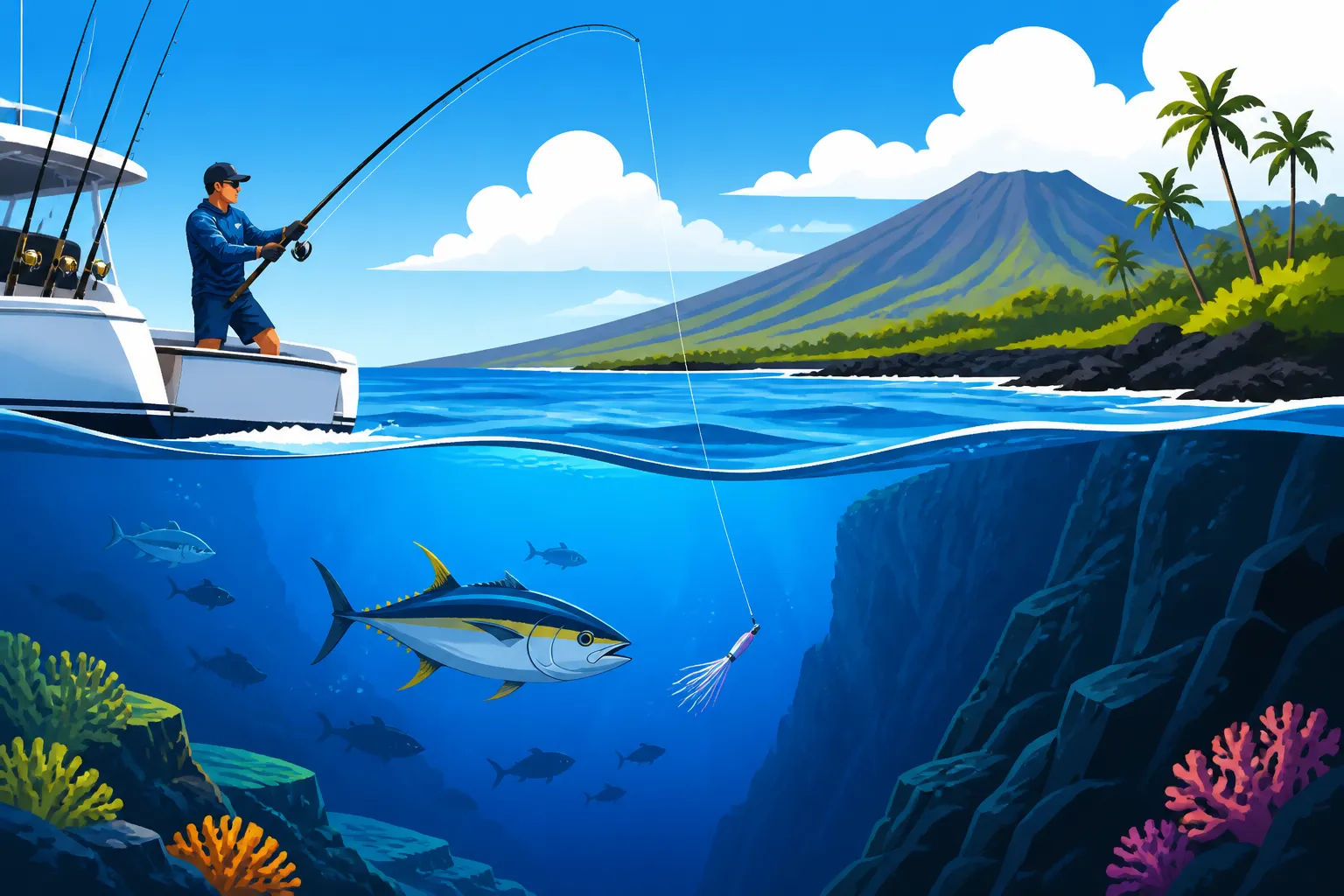
The very formation of the Hawaiian Islands through volcanic activity is what gives Kona its dramatic underwater landscape. As the lava flowed and cooled, it created steep, rugged slopes that continue far below the surface. Imagine massive underwater cliffs, ledges, and pinnacles, all created by the same forces that built Mauna Loa and Mauna Kea. These underwater features are not just visually stunning; they are critical to the marine ecosystem, providing shelter, hunting grounds, and migratory pathways for a vast array of fish. The rapid descent means that within minutes of leaving Honokohau Harbor, you can be fishing in water over 1,000 feet deep. This immediate access is a major draw for anglers seeking the thrill of deepwater fishing without long transit times. The complex structure also creates varied habitats, from sheer rock faces to sandy ledges, each attracting different species adapted to those specific conditions.
Ocean Currents and Nutrient Upwelling
The productivity of Kona's deepwater dropoffs isn't just about the structure; it's heavily influenced by the powerful ocean currents that sweep past the Big Island. The North Pacific Equatorial Current and the powerful eddy systems that form around the island create dynamic conditions. As these currents hit the submerged volcanic slopes, they are forced upwards, bringing nutrient-rich deep water closer to the surface. This phenomenon, known as upwelling, fuels the entire food chain. Microscopic plankton flourish in these cooler, nutrient-dense waters, attracting baitfish, which in turn draw in larger predatory species. Think of it as a natural buffet line set up right along the underwater cliffs. The convergence of these currents can also create distinct temperature breaks and current lines, which are essentially highways for pelagic fish like tuna and marlin. Savvy captains constantly monitor these conditions, knowing that where the bait gathers, the big fish will follow. Understanding these invisible forces is just as important as knowing the physical contours of the seafloor when it comes to locating productive deepwater fishing grounds.
Prime Deepwater Dropoff Zones Off Kona
While the entire Kona Coast offers access to deep water, certain areas are renowned for their consistent productivity due to specific geological features or human-placed aids. These are the spots that local legends are made of, where generations of fishermen have honed their skills and landed some truly magnificent catches.
The Iconic 100-Fathom Line and Beyond
The "100-fathom line" is practically a mythical boundary for Kona anglers, marking the point where the ocean floor drops from roughly 600 feet to well over a thousand feet and beyond, often within a short distance. This dramatic depth change is a prime congregating point for baitfish and, consequently, their predators. It's often the first major dropoff you encounter after leaving the harbor, making it easily accessible. This zone is a hotspot for pelagic species like Blue Marlin, Striped Marlin, and Spearfish, which cruise along this contour, ambushing baitfish pushed up from the deep. But it's not just about the marlin; the 100-fathom line and the deeper shelves immediately beyond it are also fantastic for targeting large Ahi (Yellowfin Tuna) and Ono (Wahoo). Anglers often troll lures or natural baits along this line, waiting for that explosive strike that signals a true Hawaiian battle. Many charters, easily found on platforms like FishingBooker, specialize in fishing this famous depth. For more in-depth information on these prized catches, check out our guides on Marlin Fishing off the Kona Coast and Ahi Yellowfin Tuna Fishing in Hawaii.
Submarine Canyons, Ridges, and Seamounts
Beyond the immediate 100-fathom line, the ocean floor off Kona is a labyrinth of complex structures:
- Submarine Canyons: These massive underwater gorges carve through the continental shelf, acting as natural funnels for currents and marine life. Fish use the canyon walls for cover, and baitfish schools can get trapped or concentrated within their depths, attracting larger predators. These canyons are excellent for drifting and bottomfishing, yielding species like Opakapaka (Pink Snapper) and Onaga (Ruby Snapper).
- Underwater Ridges: These elevated formations provide current breaks and upwellings that accumulate bait. They are essentially underwater mountains, offering prime ambush points for lurking fish. Trolling along the edges of these ridges can be incredibly productive for pelagics, while bottomfishing on their peaks can yield a variety of snapper and grouper.
- Seamounts: These are isolated underwater mountains that don't break the surface. They create their own localized ecosystems, with currents swirling around them, bringing nutrients from the deep. Some of Kona's best seamounts are located further offshore but are well worth the trip for their potential to hold massive schools of tuna, billfish, and even rare deepwater species.
These deep structures are where you often find the Bottomfish Species of Hawaii, requiring specialized gear and techniques, like the methods detailed in our Jigging for Bottomfish in Hawaii article.
Strategic Fish Aggregating Devices (FADs)
While not natural geological formations, Fish Aggregating Devices (FADs) are critical deepwater dropoff fishing enhancements off Kona. These are man-made buoys anchored in deep water, often near the 1,000 to 2,000-fathom marks. The FADs act like an oasis in the vast open ocean, attracting plankton, which then draws small baitfish, and ultimately, large pelagic predators like ahi, mahimahi, and ono. Fishing around FADs requires a slightly different approach than trolling the 100-fathom line. Anglers often employ live baiting, chunking (chumming), or vertical jigging techniques around these buoys. The FADs are strategically placed by the Hawaii Division of Aquatic Resources (DAR) to enhance fishing opportunities and are regularly maintained. When approaching a FAD, it’s crucial to respect other boats that might already be fishing there and to approach slowly to avoid spooking any fish. These FADs can be extremely productive, especially for Ahi, and learning their locations and how to fish them effectively is a key skill for any serious Kona angler.
Targeting Top Species in Kona's Deepwaters
Kona's deepwater dropoffs are a magnet for an incredible diversity of marine life, from some of the ocean's most powerful predators to delicious deep-dwelling bottom dwellers. Knowing what you're targeting helps you choose the right gear, bait, and technique.
Pelagic Giants of the Open Ocean
The dramatic deepwater structure off Kona creates a unique environment where apex predators of the open ocean often venture remarkably close to shore. This is the realm of the billfish and large tunas, the kind of fish that make your drag scream and your heart pound.
- Marlin: Kona is legendary for its Marlin fishing, especially the magnificent Blue Marlin. These powerful fish patrol the deep dropoffs, particularly along the 100-fathom line, hunting for schools of baitfish. Striped Marlin and Shortbill Spearfish are also common catches. Trolling large lures or natural baits like skipjack tuna or mahimahi along current lines and temperature breaks is the most common technique. The sheer size and power of a Kona marlin provide an unparalleled angling experience. You can find more specific advice on Best Lures for Marlin Trolling off Kona to enhance your chances.
- Ahi (Yellowfin Tuna): Ahi are highly sought after for their incredible fighting ability and delicious meat. They are often found around FADs and deeper temperature breaks, sometimes in massive schools. Chumming with cut bait or live baiting with opelu or skipjack can entice them, as can deep trolling or vertical jigging. Catching a large ahi is a testament to an angler's skill and endurance. Remember to always check Hawaii ahi bag limit rules before heading out.
- Ono (Wahoo): Known for their blistering runs and razor-sharp teeth, Ono are a top pelagic target. They often lurk around dropoffs, especially structure that creates current eddies. High-speed trolling with dark-colored lures or natural baits is very effective for these elusive speedsters. Ono are fantastic table fare, making them a popular target.
- Mahimahi (Dolphin Fish): Beautiful and acrobatic, mahimahi are often found near floating debris, FADs, and weed lines along the deepwater dropoffs. They hit lures aggressively and put on an incredible aerial show when hooked. They are also highly prized for their taste. Light tackle trolling or casting small lures and baits to visible schools are common methods.
These pelagic species contribute significantly to the thrill of deep-sea fishing in Kona. For detailed regulations on these magnificent fish, be sure to review the Hawaii Pelagic Species Bag Limits.
Delicious Deepwater Bottomfish
While the pelagics grab most of the headlines, Kona's deepwater dropoffs also harbor a bounty of delicious and challenging bottomfish species. These fish reside in depths ranging from a few hundred to over a thousand feet, requiring specialized techniques to target them.
- Opakapaka (Pink Snapper): One of the most prized deepwater bottomfish, Opakapaka are known for their delicate flavor and beautiful pink hue. They inhabit rocky bottoms and ledges in depths typically between 300-600 feet. Targeting them involves dropping weighted rigs with multiple hooks baited with squid or cut fish.
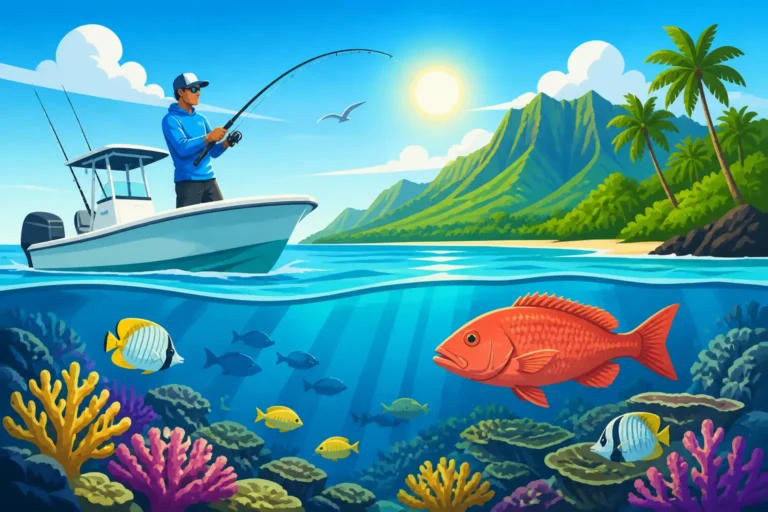
- Onaga (Ruby Snapper): Another highly prized snapper, Onaga are identifiable by their vibrant red color and delicious white meat. They prefer even deeper waters, often from 600-1,200 feet, and are found near rocky pinnacles and steep dropoffs. Similar to Opakapaka, they are caught using multi-hook rigs with fresh bait.
- Ehu (Squirrelfish Snapper): A smaller but equally tasty snapper, Ehu are found in similar depths to Opakapaka and Onaga, often alongside them. They are aggressive biters and provide consistent action on the deep rigs.
- Hapu'upu'u (Sea Bass): These deepwater groupers can grow quite large and provide a substantial fight. They are typically found on the deeper edges of the dropoffs and in submarine canyons, often below 800 feet.
- Gindai (Squamose Snapper): A beautiful, silvery fish with large eyes, Gindai are often found in very deep waters, sometimes over 1,500 feet. They are excellent eating and a rewarding catch for deep-drop specialists.
Targeting these bottomfish is a different kind of challenge compared to pelagic fishing. It requires precision in bait presentation, patience, and a good understanding of sonar readings to locate promising structure. Many anglers hire charters, which can be easily researched on sites like FishingBooker, for the best chance at a successful deep-drop bottomfishing trip.
Essential Tactics and Gear for Deepwater Dropoff Fishing
Success in Kona's deepwater dropoffs isn't just about knowing where the fish are; it's about having the right tools and knowing how to use them. The extreme depths and powerful fish demand specialized equipment and techniques.
Specialized Rods, Reels, and Lines
Deepwater fishing in Kona is a gear-intensive endeavor, and your tackle needs to be robust enough to handle both the depth and the potential size of the fish.
- Rods: For offshore trolling for marlin and tuna, you'll need heavy-duty conventional rods, often rated for 50 to 130-pound line. These rods are designed to absorb powerful strikes and provide the leverage needed for long fights. For deepwater bottomfishing, specialized "deep drop" rods are common. These are typically stout, shorter rods with very sensitive tips, designed to handle heavy lead weights (often 2-5 pounds) and detect subtle bites hundreds of feet below the surface.
- Reels: High-quality, lever-drag conventional reels are indispensable. For pelagics, reels like Penn International, Shimano Tiagra, or Daiwa Saltiga are popular choices, known for their strong drags and high line capacity. For deep dropping, electric reels are increasingly popular, as they take the strenuous work out of retrieving heavy weights and fish from extreme depths. Brands like Daiwa Tanacom and Shimano BeastMaster are favorites among deep-drop enthusiasts.
- Line: Braided line (superline) is paramount for deepwater fishing. Its thin diameter and zero stretch are critical. The thinness allows for less water resistance, making it easier to get your bait down deep, while the lack of stretch provides immediate feedback on bites and solid hooksets. Typical braided line strengths range from 60-pound test for lighter bottomfishing to 130-pound or even 200-pound test for heavy offshore trolling and deep dropping. A monofilament top shot (usually 100-300 yards) is often added for trolling to provide some stretch and shock absorption, crucial when fighting powerful billfish.
Properly matched rods, reels, and line are the foundation of any successful deepwater fishing trip in Kona. Many anglers choose to charter a boat, as these vessels come equipped with all the necessary specialized gear, ensuring you're ready for whatever the deep ocean throws at you. For guidance on choosing the right charter, check out our article on How to Choose a Hawaii Fishing Charter.
Effective Rigs and Baits for Depth
Getting your bait to the strike zone and presenting it effectively in deep water requires specific rigging strategies.
- Trolling Rigs for Pelagics: For marlin, ahi, and ono, trolling rigs typically involve large, skirted lures, often dressed with natural bait like fresh ballyhoo or strip baits. The lures are deployed in a "spread" at various distances behind the boat. Heavy leaders (150-400 lb monofilament or fluorocarbon) are essential due to the fish's size and abrasive mouths. Hook sizes vary depending on the target, but often range from 9/0 to 12/0 single or double hooks. Circle hooks are gaining popularity for their effectiveness and higher survival rates for released fish.
- Deep Drop Rigs for Bottomfish: For opakapaka, onaga, and other deepwater bottomfish, multi-hook "handkerchief" rigs are standard. These rigs consist of a heavy lead sinker at the bottom (2-5 lbs), with multiple snelled hooks (often 3-5) spaced above it on dropper loops. The hooks are typically baited with fresh squid, cut mackerel, or chunks of skipjack. Glow-in-the-dark beads or small LED lights are often added above the hooks to attract fish in the dark depths. The goal is to drop the rig directly onto the desired structure, allowing the baits to present naturally to the bottom dwellers. Understanding the specific Hawaii Bag and Size Limits by Species is crucial for these bottomfish.
- Live Baiting: For particularly finicky ahi or marlin, live bait can be irresistible. Opelu (mackerel scad), Akule (bigeye scad), or small Skipjack Tuna are often slow-trolled or drifted with minimal weight. The natural movement of live bait can trigger strikes when artificial lures fail. This technique is often used around FADs or when schools of baitfish are actively spotted on sonar.
The choice of rig and bait is highly dependent on the target species and the specific conditions of the day. Local knowledge is invaluable here, and a good charter captain will often have specialized rigs perfected over years of experience. Many people book fishing trips through services like FishingBooker to leverage this local expertise.
Safety and Navigation in Kona's Offshore Waters
Deepwater fishing, by its very nature, carries inherent risks due to the open ocean environment. Safety and proper navigation are paramount to a successful and enjoyable trip.
- Vessel Readiness: Any boat venturing into Kona's deep offshore waters must be properly equipped and maintained. This includes having a reliable engine, backup power, sufficient fuel, and essential safety gear. This isn't just a suggestion; Hawaii Boating Laws for Anglers outline specific requirements for safety equipment like life jackets, flares, fire extinguishers, and sound-producing devices. For offshore trips, a VHF radio is a must for communication, and a satellite phone or EPIRB (Emergency Position Indicating Radio Beacon) is highly recommended for added security in areas beyond cell phone range.
- Navigation and Weather Monitoring: Modern GPS and sonar systems are indispensable for deepwater fishing. GPS allows precise navigation to known dropoffs, FADs, and productive areas, while sonar helps locate fish, bait schools, and identify bottom structure. Constantly monitoring weather forecasts is crucial. Kona can experience sudden changes in sea conditions, and even a seemingly calm morning can turn into a rough afternoon. Knowing when to head back to shore or avoid going out altogether is a sign of good seamanship.
- Crew Experience: Whether you're operating your own vessel or on a charter, having experienced crew onboard is vital. They understand the nuances of the ocean, can assist with landing large fish safely, and are trained in emergency procedures. For those unfamiliar with Kona's waters, booking a trip with one of the Best Charters Out of Honokohau Harbor or other reputable operations is a wise decision, as their captains and crew possess invaluable local knowledge and expertise. They can guide you through the safest and most productive deepwater zones.
Being prepared for the unexpected is part of the deep-sea fishing experience. By prioritizing safety and leveraging modern navigation tools, anglers can confidently explore the rich deepwater dropoffs off Kona.
Conclusion
The deepwater dropoffs off Kona represent a truly world-class fishery, offering unparalleled access to both trophy pelagics and delectable bottomfish. From the dramatic volcanic slopes that plunge thousands of feet just miles offshore to the strategically placed FADs, this unique underwater landscape creates an ecosystem teeming with life. Understanding the topography, currents, and the specific habitats of the fish you're targeting is key to success. Armed with the right specialized gear, effective techniques, and a steadfast commitment to safety, anglers can embark on an incredible adventure in these prolific waters. Whether you're chasing a "grander" marlin or seeking the culinary delight of deep-sea snapper, Kona's deep dropoffs promise a fishing experience that will leave you with lasting memories and, hopefully, a full cooler.
Disclaimer
The information provided in this guide is for general informational purposes only and does not constitute professional advice. Fishing regulations, conditions, and best practices can change rapidly. Always consult the latest Hawaii Department of Land and Natural Resources (DLNR) Division of Aquatic Resources (DAR) regulations before fishing. Exercise caution and good judgment when on the water.