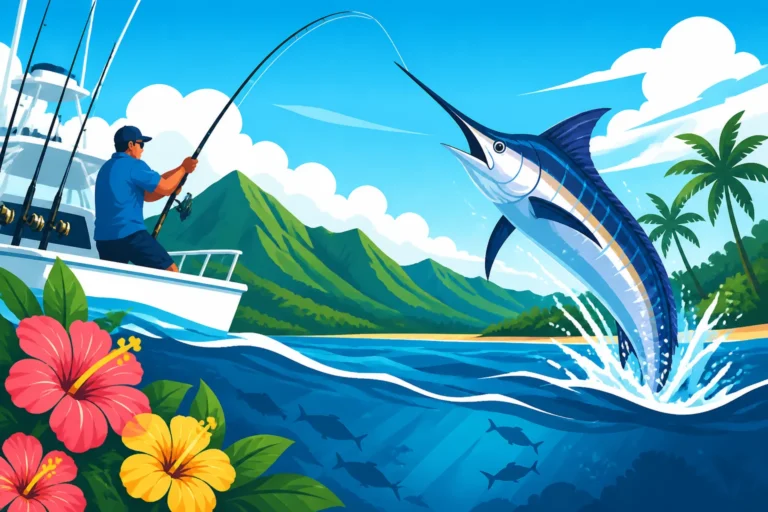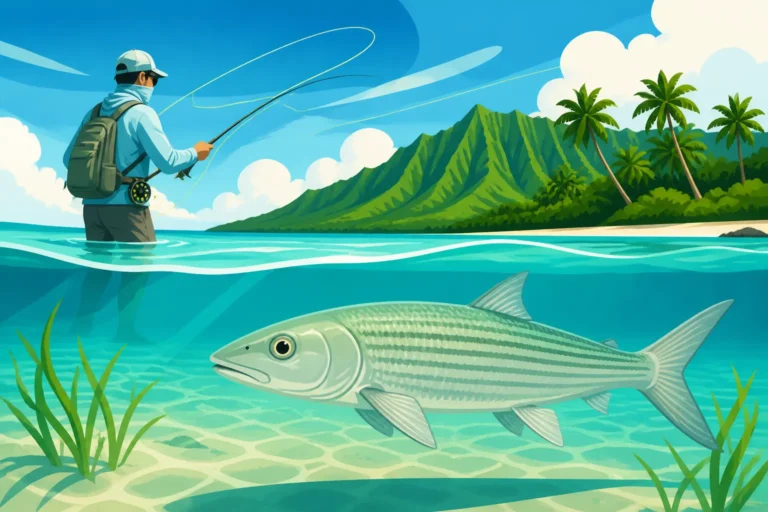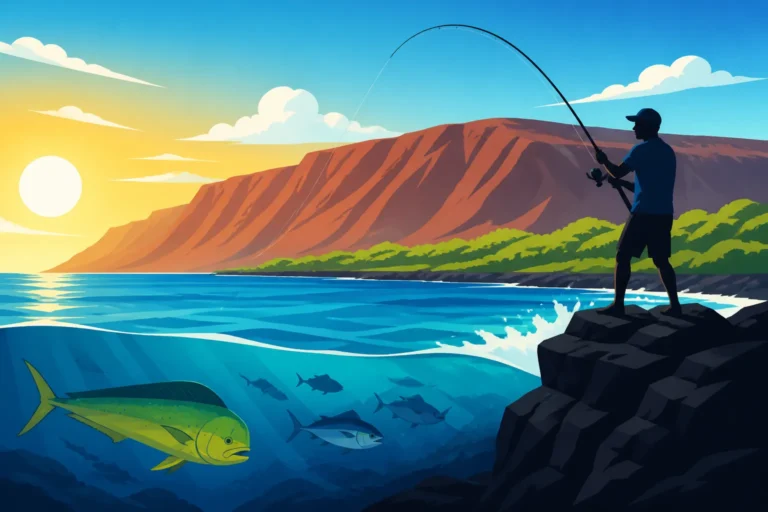
Where locals fish for ulua on Oahu
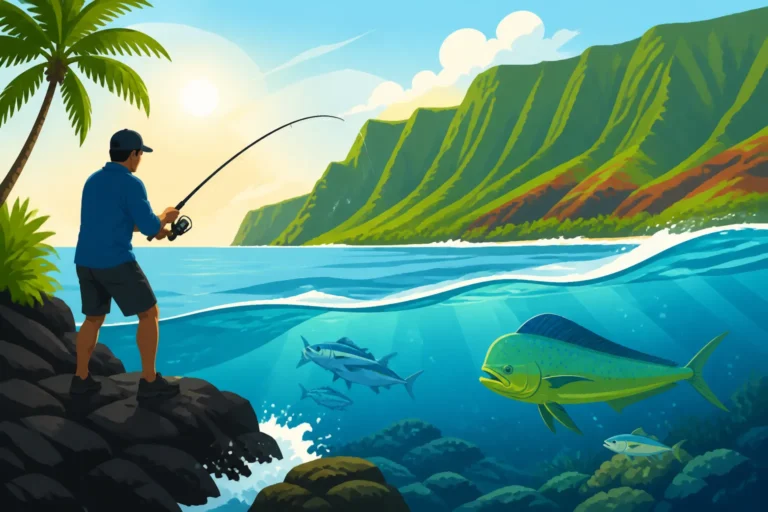
There's a special kind of thrill that pulses through local anglers on Oahu when the conversation turns to ulua. These powerful, intelligent giant trevally are not just fish; they're a test of skill, patience, and deep understanding of the ocean. Many visitors arrive hoping to target these magnificent creatures, but quickly learn that finding where the locals fish for ulua on Oahu is an art passed down through generations, often involving secret spots and honed techniques. This guide aims to pull back the curtain a bit, sharing the insights, locations, and approaches that give local anglers their edge when pursuing Oahu's most sought-after shoreline predator.
The Allure of Ulua Fishing on Oahu for Local Anglers
For those of us who grew up with sand between our toes and a rod in our hands on these islands, the ulua represents more than just a big catch. It's a connection to our heritage, a pursuit that demands respect for the ocean, and a deeply satisfying challenge. Landing a hefty ulua is a story etched in memory, a testament to hours spent scanning the horizon, tying rigs, and learning the subtle language of the tides.
What Makes Ulua a Prized Catch in Hawaiian Waters
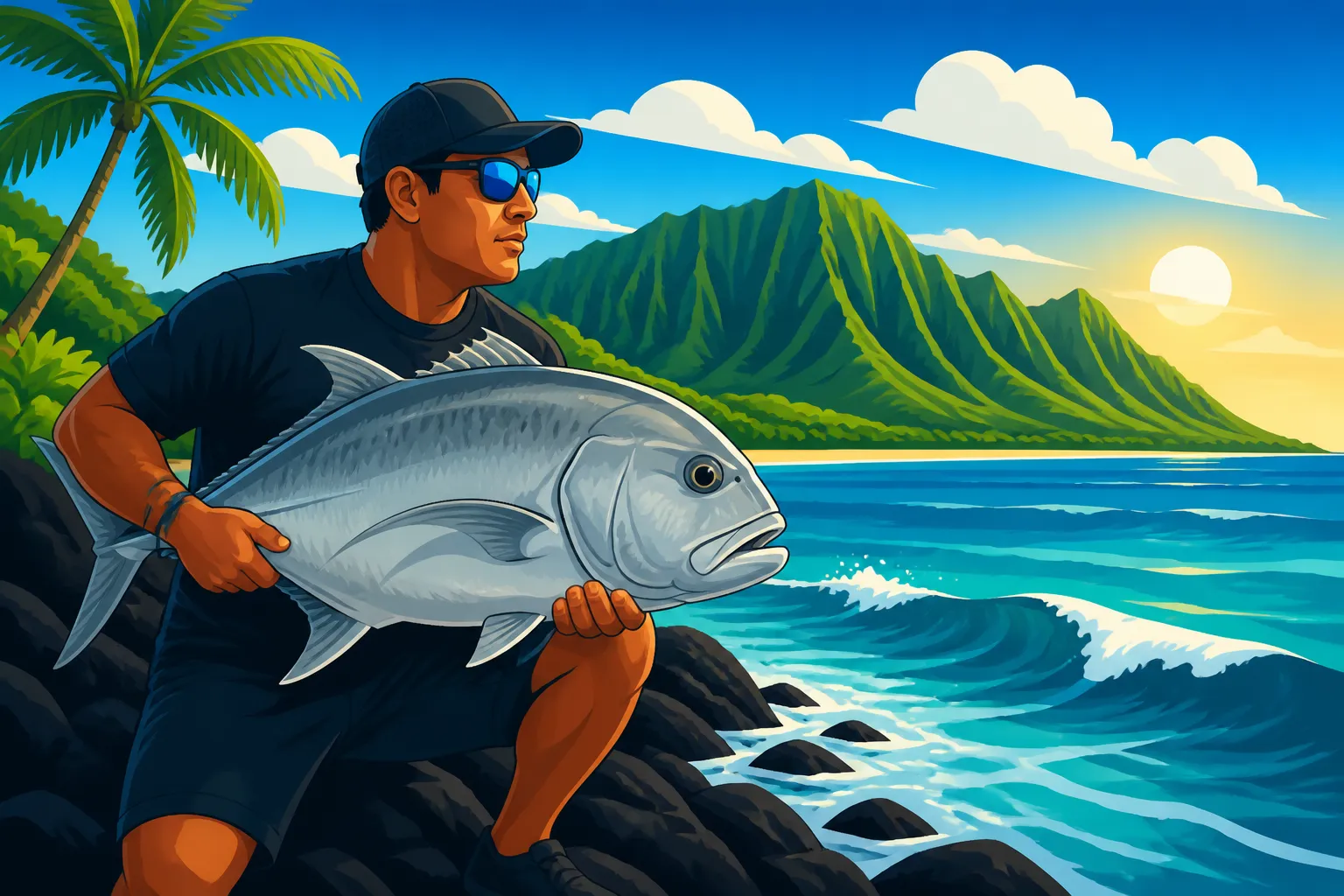
Ulua, known scientifically as Caranx ignobilis or giant trevally, are apex predators of our reef and nearshore environments. They're built for speed and power, with broad, muscular bodies and a relentless fighting spirit that can humble even the most experienced angler. The sheer size they can achieve is legendary; while "papio" refers to the smaller, juvenile trevally, an adult ulua can weigh well over 100 pounds, with the state record surpassing 190 pounds. It's this combination of raw power, impressive size, and their wary nature that makes them such a coveted prize. For many, catching an ulua isn't just about the fight; it's about the deep respect for such a formidable creature and the satisfaction of earning that catch.
Understanding Ulua Behavior and Habitat on Oahu
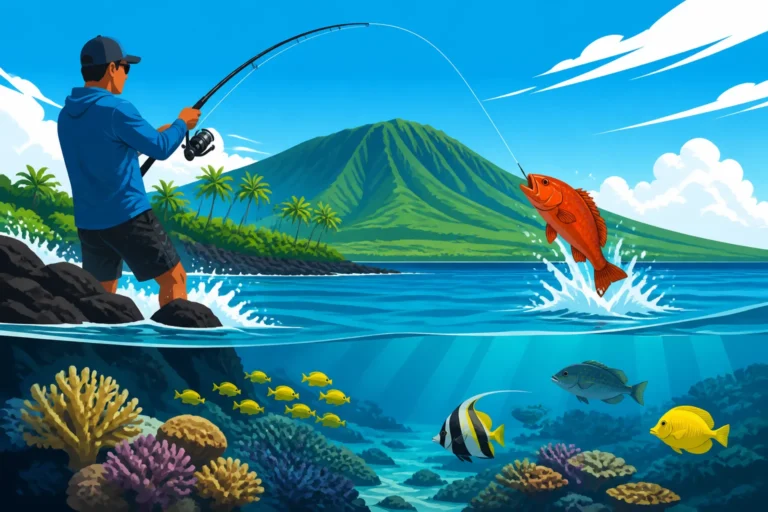
To truly understand where to find ulua, you need to think like one. These powerful fish are opportunistic hunters, always on the prowl for an easy meal. On Oahu, you'll find them frequenting a variety of habitats, from the turbulent white water of the outer reef lines to the deeper channels and drop-offs that mark the edge of the shallow reefs. They love structure – ledges, caves, sunken wrecks, and even simply large boulders that break up currents and offer ambush points. Ulua are also highly sensitive to baitfish movements. If there's a school of opelu, akule, or even smaller reef fish congregating, you can bet there might be an ulua lurking nearby, ready to strike. Understanding these patterns, combined with local knowledge about specific underwater formations, is key. Many anglers will spend hours observing the water, looking for signs like diving birds or subtle surface disturbances that indicate baitfish activity.
The Local Mindset: Patience and Persistence
If there's one thing you need to cultivate to fish for ulua like a local, it's patience. This isn't a quick-fix fishery. Ulua fishing often involves long hours, sometimes entire nights, waiting for that one explosive bite. You might cast for hours without a nibble, only to have your rod nearly ripped from its holder in an instant. It's a grind, but the payoff is immense. Local anglers often share stories of sitting for days at their favorite spots, meticulously preparing their bait and gear, knowing that the perfect window could open at any moment. This dedication is born from a deep respect for the fish and an understanding that the ocean operates on its own schedule. If you're looking for instant gratification, ulua fishing might not be your game, but if you're willing to embrace the challenge and the quiet solitude of the wait, the rewards are truly unforgettable.
Prime Shoreline Locations for Targeting Ulua on Oahu
Oahu's diverse coastline offers a multitude of spots where ulua cruise close enough to shore to be targeted by land-based anglers. Each area presents its own challenges and rewards, and locals often have a rotation of spots depending on conditions.
East and South Shores: Accessibility and Structure
The East and South shores of Oahu, especially from Makapu'u Point around to Diamond Head, are classic ulua grounds. These areas are characterized by rocky points, lava ledges, and channels that drop off relatively quickly into deeper water, providing perfect ambush points for ulua.
- Makapu'u Point: This iconic easternmost point of Oahu is a renowned spot for serious ulua fishermen. The strong currents and deep water close to shore, combined with abundant baitfish, create ideal conditions. Anglers here often target the ledges and rocky outcrops, casting out heavy sliding baits. The terrain can be challenging, requiring careful footing and knowledge of the swell. It's not uncommon to see multiple rods deployed by dedicated individuals, sometimes left overnight. If you're serious about shore fishing here, check out our guide on Makapuu Point Fishing Access for more detailed tips.
- Sandy Beach/Kaiona Beach Park: While famous for its powerful shore break, the areas surrounding Sandy Beach and stretching towards Kaiona Beach Park also hold ulua. The sand can give way to rocky patches and deeper guts where ulua will patrol for prey dislodged by the surf. Anglers often fish the edges of the reef systems here, utilizing the turbulent water to their advantage. Just be mindful of the strong currents and waves if you decide to wade or cast from the shore.
- Diamond Head and Neighboring Points: The rocky stretches around Diamond Head, stretching towards Waikiki, also offer great opportunities, especially during certain tide cycles. These spots feature reef fingers and small channels that extend offshore, providing structure. Access can be a bit tricky in some areas, but the payoff can be significant. Locals often seek out the less crowded points, particularly at dawn or dusk, when ulua are most active. For broader information on accessing the best spots, consider reading about Diamond Head Shore Fishing and other top locales in Best Shore Fishing Spots in Hawaii.
North and West Shores: Big Surf and Remote Challenges
The North and West shores are known for their rugged beauty, powerful surf, and, often, less crowded fishing spots. These areas demand a bit more effort but can yield larger, more challenging ulua.
- Ka'ena Point: The northwestern tip of Oahu is wild and remote, requiring a hike or 4×4 access, but it's a legendary spot for trophy ulua. The deep water, strong currents, and pristine environment make it a prime hunting ground for large predators. Anglers often use heavy gear and target the deep ledges and channels found along this rugged coastline. It's a commitment to fish here, often involving overnight stays, but the potential rewards are grand. For more on this rugged locale, see our Kaena Point Shore Fishing guide.
- Kahuku Area: Along the North Shore, areas around Kahuku offer extensive reef systems and rocky points that can hold ulua, especially during calmer periods or when the bait schools are in. While the North Shore is synonymous with big surf in winter, the summer months can offer calmer conditions more conducive to shore fishing these spots. Anglers look for channels and holes within the reef. Our article on Kahuku Beach Shore Fishing provides additional insights into fishing this area.
- West Side Beaches and Rocky Points: The Wai'anae coast on the west side has numerous rocky points and coves between the sandy beaches. These areas, particularly where the reef extends offshore, are also productive. While less talked about than the East or North shores, many local families have secret spots here that they've fished for generations. The key is finding areas with good depth and structure that hold baitfish. Be sure to understand the specific challenges of Best Techniques for High Surf Shore Fishing if you venture to these more exposed locations.
Essential Shore Fishing Techniques and Gear
Successfully targeting ulua from shore on Oahu requires specific techniques and robust gear. It's not your average light tackle experience.
- Sliding Bait (Slide Baiting): This is perhaps the most iconic and effective local method for ulua. It involves casting a heavy sinker out as far as possible, then clipping a live or large chunk of dead bait (like an opelu or akule) to the main line using a specialized slider rig. The bait then slides down to the sinker, presenting it in the deeper water where ulua often patrol. This technique allows you to present large baits far offshore, increasing your chances of hooking a trophy. Understanding Sliding Bait Techniques for Ulua is crucial.
- Whipping (Casting Lures): While less common for the largest ulua, whipping with heavy poppers, stickbaits, or metal jigs can be incredibly effective for smaller ulua (papio) and occasionally a surprise adult. This technique involves rapid, aggressive casting and retrieving, mimicking a fleeing baitfish. It's a more active style of fishing and can be exhilarating when an ulua smashes a topwater lure.
- Heavy Tackle is Non-Negotiable: Forget your light spinning gear. For ulua, you need heavy-duty rods, often 10-15 feet long with significant backbone, paired with large, powerful spinning or conventional reels loaded with 60-100lb braid. A stout leader (100-200lb monofilament or fluorocarbon) is essential to withstand the abrasive reefs and the ulua's powerful runs. Learn about selecting the right setup in our guide on Best Rod Setup for Surfcasting Ulua.
- Fresh Bait is Best: Ulua are notoriously picky, and fresh bait is paramount. Live opelu, akule, moi, or even smaller reef fish are prime choices. If live bait isn't available, fresh chunks of oily fish like skipjack tuna (aku) or opelu can also be effective. The smell and action of fresh bait are irresistible to a cruising ulua. For more general advice, consider reading How to Catch Ulua from Shore.
Expanding Your Search: Nearshore Boat and Kayak Spots
While shore fishing is deeply ingrained in Oahu's ulua culture, locals also know that a small boat or kayak can unlock access to even more productive grounds, taking you beyond the casting range of land-based anglers.
Reef Systems and Drop-Offs Accessible by Small Craft
Oahu is surrounded by extensive reef systems and dramatic drop-offs that are inaccessible from shore but are prime ulua territory. These are the places where ulua congregate in larger numbers and grow to impressive sizes, feasting on the abundant reef life and schooling baitfish that patrol the deeper edges.
- Offshore Reef Patches: Beyond the main fringing reef, there are numerous isolated reef patches and coral heads that hold a vibrant ecosystem, including hungry ulua. These "bombs" or "pinnacles" create their own current breaks and attract bait, making them hotspots. Anglers in kayaks or small boats can drift or anchor near these structures, live-baiting or jigging the deeper water. Knowing where these less-obvious structures lie is often a hard-won piece of local knowledge, shared only among trusted fishing buddies.
- FAD Buoys and Submerged Structures: The FADs (Fish Aggregating Devices) deployed offshore by the state are well-known for attracting pelagic species, but they also act as magnets for baitfish, which, in turn, can draw in large ulua from the deeper waters. Additionally, many nearshore areas have submerged wrecks or artificial reefs that serve as excellent habitat. While these might be a bit further out, a smaller, capable boat can reach them. For those interested in exploring different vantage points, check out Best Kayak Fishing Spots off Oahu.
Harbors and Breakwalls: Unexpected Ulua Havens
It might seem counterintuitive to look for a wild predator like ulua in bustling harbors, but these urban fishing spots can be surprisingly productive. Ulua are smart and will capitalize on any easy meal.
- Kewalo Basin and Honolulu Harbor: The deep channels and extensive breakwalls of these major harbors offer shelter and structure. Baitfish often school up inside or near the entrances, attracting predatory ulua. Anglers here might fish from the breakwalls or docks, often at night, when the activity of the harbor quiets down and the ulua become more bold. The challenge here is navigating boat traffic and adhering to specific fishing regulations within harbor zones, but the rewards can be significant. Our guide to Best Harbor Fishing Spots on Oahu delves deeper into these unique opportunities.
- Ala Wai Boat Harbor: While primarily a marina, the areas near the mouth of the Ala Wai Canal and along the outer breakwall can also hold cruising ulua, particularly after heavy rains when freshwater runoff flushes bait into the ocean. It's another example of how opportunistic these fish are, adapting to various environments to find food. Consider also looking into general Best Pier Fishing Spots on Oahu if you're interested in land-based harbor fishing.
Considering a Charter for Deeper Water Ulua
Sometimes, the best way to access the prime ulua grounds, especially those that require venturing further offshore or to specific deep-water structures, is through a fishing charter. While many locals are skilled boaters, for visitors or those without their own vessel, a charter offers unparalleled access and expert guidance.
Local captains on Oahu who specialize in bottomfishing or light tackle inshore trips often know the exact coordinates of productive ulua grounds that are otherwise unreachable. They have the gear, the bait, and, most importantly, the experience to put you on fish. A quick search on platforms like FishingBooker can connect you with reputable local captains who understand the nuances of targeting ulua, whether you're looking to jig over a deep reef or live-bait a rocky pinnacle. These charters provide all the necessary heavy-duty equipment, removing the burden of bringing your own specialized gear. It’s also a fantastic way to learn directly from local experts, observing their techniques and gaining insights into ulua behavior. Before booking, you might want to read our general guide on Best Fishing Charters in Hawaii or How to Choose a Hawaii Fishing Charter to ensure you find the perfect match for your ulua pursuit.
Timing Your Ulua Expedition for Success
Just as crucial as knowing where to fish is knowing when to fish. Ulua are highly influenced by environmental factors, and understanding these can dramatically increase your chances of success.
Tides, Currents, and Moon Phases
Local anglers pay close attention to the rhythms of the ocean. Ulua are active predators, and their feeding behavior is often tied to tidal movements and the moon's gravitational pull.
- Strong Tidal Changes: Ulua love moving water. Strong incoming or outgoing tides create currents that dislodge baitfish, concentrate nutrients, and carry scents, making it easier for ulua to ambush prey. The hour leading up to and immediately following a tide change, especially around the high or low slack, can be incredibly productive. These "turn of the tide" periods often trigger feeding frenzies.
- New and Full Moon: The strongest tides occur around the new and full moon phases, known as "spring tides." Many local ulua fishermen swear by these periods, believing the increased current activity makes ulua more aggressive. The dark nights of the new moon can also be particularly effective for night fishing, as ulua use the cover of darkness to hunt. To better plan your trips, our guide on Best Time of Day to Catch Ulua and Best Moon Phase for Ulua Fishing offers more granular advice.
Seasonal Patterns and Weather Influences
While ulua are present year-round, certain seasons and weather patterns can influence their activity and where they can be found.
- Winter Swells: During the winter months, large North Shore swells can stir up the coastline, dislodging baitfish and drawing ulua closer to shore as they look for an easy meal in the turbulent water. While challenging to fish in, these periods can produce some of the largest shore-caught ulua.
- Summer Calm: The calmer summer months might see ulua move into deeper, clearer waters around the outer reefs, making them more accessible to boat and kayak anglers. However, they can still be caught from shore, especially during dawn or dusk patrols.
- Frontal Systems and Rain: Passing weather fronts or periods of heavy rain can also influence ulua. Changes in barometric pressure can sometimes trigger feeding, and heavy rains can wash debris and baitfish out of canals and streams, creating feeding opportunities near harbor mouths or river outflows. For a broader overview of the best times to fish, our article Best Time of Year to Fish in Hawaii is a valuable resource.
Patience is Key: The Long Game of Ulua Fishing
We touched on patience earlier, but it truly cannot be overstated. Ulua fishing is not a sprint; it's a marathon. You might spend an entire night with your rod out, watching the stars and listening to the waves, only for that one screaming run to happen just before dawn. Locals understand this and embrace it. They often set up camp, bring snacks, and enjoy the camaraderie of fellow anglers, knowing that the wait is part of the experience. It’s a testament to the dedication required, and the ultimate reward of a hard-earned catch. This long-game approach is what defines local ulua fishing culture on Oahu.
Disclaimer
Fishing in Hawaii, including for ulua on Oahu, is subject to regulations set forth by the Hawaii Department of Land and Natural Resources (DLNR). This includes rules regarding licenses, bag limits, size limits, and restricted areas. It is the responsibility of every angler to be aware of and comply with all current regulations to ensure sustainable fishing practices. Always consult the official Hawaii DLNR Division of Aquatic Resources (DAR) website for the most up-to-date information before heading out on your fishing adventure. For information on current requirements, please refer to our comprehensive Hawaii Fishing License Guide for 2026.