Best Fishing Charters in Hawaii
Trying to decide on the best fishing charter in Hawaii can feel like navigating a maze blindfolded. With so many boats, captains, and fishing styles out there, it's easy to get overwhelmed and wonder if you're truly picking the right adventure for your dream Hawaiian fishing trip. This comprehensive guide is here to cut through the confusion, helping you understand the diverse options available and confidently select the perfect fishing charter that aligns with your angling aspirations, whether you're a seasoned pro or a first-time angler.
Why a Fishing Charter in Hawaii is an Unforgettable Experience
Let's be real, Hawaii isn't just a place; it's an experience. And fishing here is no exception. While shore fishing has its own magic, nothing quite compares to heading out on the open ocean with a seasoned captain and crew. It's more than just catching fish; it’s about the thrill of the chase, the stunning views, and the deep connection to the ocean that Hawaiians have cherished for centuries. If you're pondering whether to invest in a charter, consider the unique advantages it offers that truly elevate your fishing adventure.
Access to Unrivaled Fishing Grounds
One of the biggest draws of a fishing charter is gaining access to those legendary fishing grounds that are simply out of reach from shore. We're talking about the deep blue waters off the Kona Coast where grander marlin roam, or the offshore FADs (Fish Aggregating Devices) where schools of ahi (yellowfin tuna) congregate. These are spots where the really big pelagics hang out, and without a well-equipped boat and a captain who knows the local currents and structures, you'd never get a chance to even drop a line in their vicinity.
Beyond the big game, charters can take you to productive reef systems or deep drop-offs that hold an incredible array of bottomfish like opakapaka (pink snapper) and onaga (ruby snapper). These pristine spots are often miles offshore or require navigating tricky channels that only experienced boaters know. The sheer variety and size of fish you can target drastically increase when you venture out with a charter.
Expert Knowledge and Local Insights
You might be a fantastic angler in your home waters, but Hawaii's ocean environment is unique. The currents, the baitfish, the seasonal patterns – it all works a little differently here. That's where a local charter captain and crew become invaluable. They've spent years, often generations, learning the nuances of these waters. They know the bite patterns, the best times to fish certain areas, and exactly what tackle and techniques are most effective for specific species on any given day.
Think of it as having a living, breathing fishing encyclopedia right there with you. They'll teach you about the local fish, share stories, and ensure you're using the right bait or lure for the conditions. This isn't just about catching fish; it's about gaining a deeper appreciation for Hawaii's marine ecosystem and fishing culture. Their expertise dramatically increases your chances of a successful and memorable outing, transforming a good day into an epic one.
Provided Gear and Hassle-Free Adventure
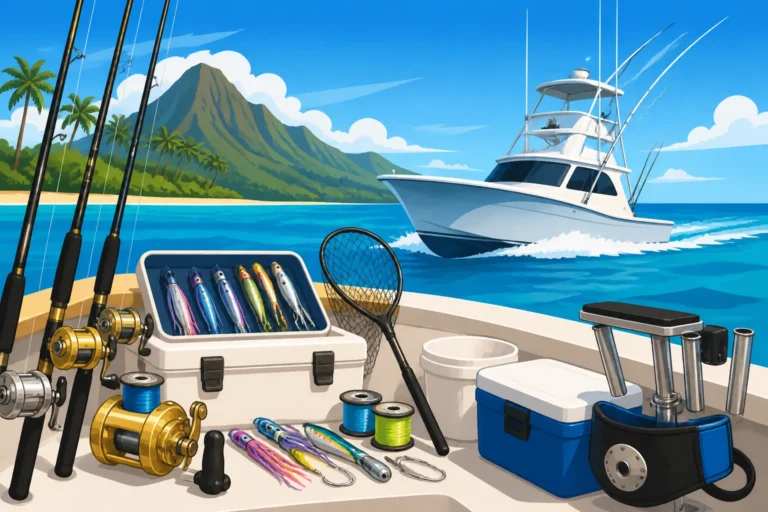
One of the most appealing aspects for many visitors is the sheer convenience. Imagine flying into Hawaii with all your heavy, specialized fishing gear. It’s a logistical nightmare! With a charter, all the necessary equipment – rods, reels, tackle, and often bait – is provided. This means you can show up with minimal fuss, step aboard, and be ready to fish immediately.
The crew also handles all the setup, baiting, knot tying, and often even the grueling work of fighting a large fish if you need a little help. After the trip, they'll clean up, process the catch (according to the boat's policy), and you can simply disembark and continue your vacation. It's a truly hassle-free way to experience world-class fishing without the headaches of transporting, maintaining, or cleaning your own extensive gear. It lets you focus purely on the joy of fishing and the beauty of the Hawaiian ocean.
Types of Fishing Charters Available in Hawaii
Hawaii's waters offer a spectacular range of fishing opportunities, and accordingly, the charter fleet caters to this diversity. Understanding the different types of charters available is the first step in narrowing down your options and finding the perfect fit for your angling desires. Each type offers a distinct experience, from the adrenaline rush of chasing giant marlin to the serene pleasure of pulling up tasty reef fish for dinner.
Offshore Deep-Sea Charters
When most people picture fishing in Hawaii, they're probably thinking of offshore deep-sea charters. These are the boats that head miles offshore into the deep blue water, often targeting large pelagic species. The Kona Coast of the Big Island is particularly famous for its calm waters and quick access to deep-sea fishing grounds, making it a prime destination for Marlin Fishing off the Kona Coast. Boats here are typically larger sportfishing vessels, equipped with outriggers, fighting chairs, and powerful engines.
These charters primarily focus on trolling for big game like blue marlin, striped marlin, ahi (yellowfin tuna), ono (wahoo), and mahimahi (dolphin fish). The excitement of a screaming reel as a 500-pound marlin takes your lure is an experience that stays with you forever. While targeting these magnificent fish, you're also likely to encounter a variety of other pelagic species, making every strike a potential surprise. If you dream of battling a true leviathan of the deep, a deep-sea charter is your ticket.
Inshore Reef and Bottomfishing Charters
Not everyone wants to spend their day far offshore battling colossal fish, and that's perfectly fine! Inshore reef and bottomfishing charters offer a different, often more relaxed, but equally rewarding experience. These boats typically stay closer to the coastline, targeting the vibrant reef systems and deep-water ledges that teem with life. You might be dropping lines directly down into the structure or drifting over shallower reefs.
Common catches on these trips include various snapper species like opakapaka and onaga, amberjack, triggerfish, ulua (giant trevally), and papio (smaller trevally). This style of fishing can be incredibly productive for putting delicious fish on the table, and it often provides a more consistent bite than the sometimes-feast-or-famine nature of big game trolling. Many charters combine a bit of trolling to get to the spots with the main focus on bait fishing or jigging for these reef dwellers. To dive deeper into this type of angling, you might look into Best Bottomfishing Charters in Hawaii.
Specialized Spearfishing and Kayak Tours
For those seeking a more immersive and active adventure, specialized charters and guided tours are also available. Spearfishing charters, for example, cater to experienced freedivers or offer instruction for beginners, taking you to prime reef locations to hunt fish like uhu (parrotfish), kumu (goatfish), and various Jacks. This is a highly selective and sustainable method of fishing, and the thrill of stalking your prey underwater is unparalleled.
Kayak fishing tours provide another unique perspective, offering a more intimate connection with the ocean. Guides will often take you to productive inshore waters where you can paddle and fish for papio, bonefish (oio), or smaller pelagics just off the reef line. These tours are often more physically demanding but reward anglers with incredible views and a quieter, more personal fishing experience. These niche options are fantastic for adventurers who want to do more than just drop a line from a boat.
Freshwater Guided Trips
While Hawaii is undeniably famous for its ocean fishing, it's worth noting that freshwater guided trips exist, particularly on Oahu and Kauai. These aren't typically "charters" in the same sense as ocean boats, but rather guided expeditions focusing on lakes and reservoirs. On Oahu, places like Wahiawa Reservoir are renowned for Peacock Bass in Wahiawa Reservoir, largemouth bass, and tilapia. On Kauai, the Kokee Public Fishing Area offers a unique opportunity to catch Rainbow Trout: Hawaii's Only Freshwater Trout Fishery.
These guides often provide specialized lightweight tackle and techniques suited for freshwater species. It's a completely different fishing experience than the ocean, offering a chance to explore Hawaii's lush interior and target different kinds of game fish. If you're looking for a break from the saltwater or want to diversify your angling portfolio while in Hawaii, don't overlook these unique freshwater options.
Key Factors to Consider When Choosing Your Best Charter
Choosing the "best" fishing charter isn't a one-size-fits-all decision; it’s about finding the best fit for you. With so many excellent operations across the islands, pinpointing your priorities before you start looking will make the selection process much smoother. This is where truly understanding your angling goals and preferences comes into play.
Trip Duration: Half-Day, Full-Day, or Multi-Day
One of the first decisions you'll need to make is how much time you want to spend on the water.
- Half-Day Charters: These are typically 4-6 hours long and are a fantastic option for families with young children, beginners, or those who want to get a taste of Hawaiian fishing without committing to an entire day. They're often more affordable and can be very productive for inshore or nearshore species like papio, small tuna, or bottomfish. If you're staying in Waikiki, for example, a morning half-day charter can get you out and back before lunch, allowing for other activities. You can learn more about these trips by searching for Best Half-Day Fishing Charters in Hawaii.
- Full-Day Charters: Ranging from 8-12 hours, full-day trips offer the most comprehensive experience. This is what you'll want for serious offshore pelagic fishing, as it allows enough time to travel to distant grounds, troll extensively, and give you the best chance at landing a trophy marlin or a cooler full of ahi. More time on the water often means more opportunities, especially when targeting migratory species.
- Multi-Day Charters: While less common for casual tourists, some operations, particularly out of Kona, offer multi-day excursions. These are for the most dedicated anglers who want to live and breathe fishing for several days, often traveling further offshore to remote FADs or seamounts. This is a serious commitment but can yield truly epic results for those seeking multiple shots at world-class fish.
Your choice of duration should balance your budget, your endurance, and your fishing goals. If you're prone to seasickness, a shorter trip might be a wiser choice, while seasoned anglers after a specific trophy will want all the time they can get.
Private vs. Shared Charters
Another crucial consideration is whether you prefer a private boat or a shared experience.
- Private Charters: Booking a private charter means you have the entire boat and crew to yourselves. This offers maximum flexibility – you can choose your target species, fishing style, and even when to break for lunch. It's ideal for groups of friends, families, or anyone who wants a tailored experience without distractions. While the upfront cost is higher, when split among a group, it can be quite comparable to individual shared spots. The privacy and personalized attention are often worth the investment for a truly custom adventure.
- Shared/Open Charters: If you're a solo angler, a couple, or a small group, a shared charter can be a more budget-friendly option. You pay for a single spot (or a few spots) on a boat with other anglers you may not know. While you lose some flexibility in terms of target species or fishing methods (the captain will make decisions based on the group and conditions), it’s a great way to meet other fishing enthusiasts and share the excitement. Keep in mind that space on deck might be more limited, and you might have to take turns on the fighting chair. Sites like FishingBooker often allow you to search for and book individual spots on shared charters, making it easier to find available trips.
Both options have their merits, and the "best" really depends on your group size, budget, and desired level of customization.
Target Species and Fishing Style
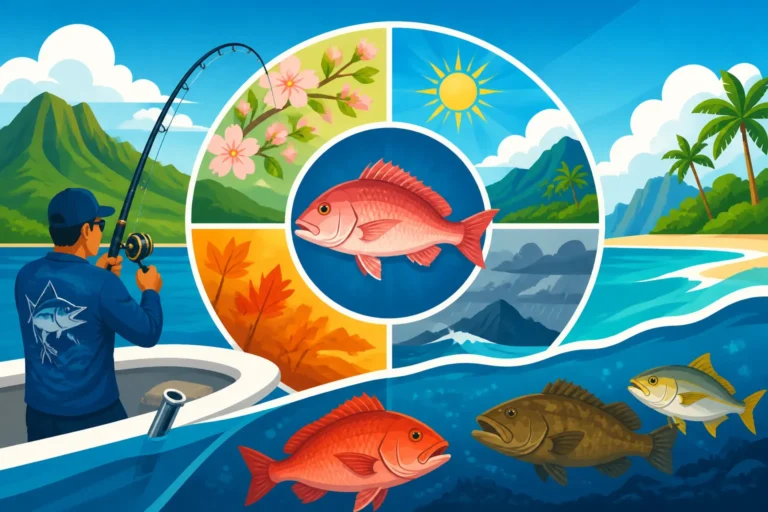
Hawaii's waters are home to an incredible diversity of fish, and different charters specialize in different types of angling. Before you book, consider what kind of fish you truly want to catch and how you want to catch them.
- Pelagic Species (Marlin, Ahi, Ono, Mahimahi): If your dream is to hook a monster blue marlin or fill the cooler with delicious tuna, you'll want an offshore sportfishing charter. These boats are set up for trolling large lures or baits, often miles from shore. Kona is world-renowned for this, and many operations specialize in targeting these apex predators.
- Bottomfish (Opakapaka, Onaga, Amberjack): For tasty table fare and consistent action, look for charters that specifically offer bottomfishing trips. These trips use heavy tackle to drop baits or jigs to the ocean floor, sometimes in hundreds of feet of water. It's less about the long, drawn-out fight of a marlin and more about steady bites and bringing up delicious reef dwellers.
- Inshore/Reef Fish (Papio, Ulua, Bonefish): Some charters, especially smaller boats or guided wade-fishing tours, focus on inshore opportunities. You might be casting lures for papio around shallow reefs, fly-fishing for elusive bonefish on the flats, or even hunting for ulua from rocky points. These trips often involve lighter tackle and more technical fishing.
Ensure the charter you choose explicitly states the species they typically target and the fishing methods they employ. Don't book a marlin boat if you're hoping to catch a snapper for dinner, and vice-versa. How to Choose a Hawaii Fishing Charter offers more guidance on matching your expectations with the right charter.
Boat Features and Amenities
The vessel itself plays a huge role in your comfort and overall experience. Charters vary widely in size, style, and amenities.
- Size and Stability: Larger sportfishing yachts, especially those out of ports like Honokohau Harbor or Maalaea Harbor, tend to be more stable in rougher seas, offering a smoother ride. Smaller center console boats might be more agile for inshore work but could be less comfortable in choppy conditions. If you're prone to seasickness, a larger, more stable boat with an air-conditioned cabin might be a top priority.
- Onboard Facilities: Does the boat have a restroom (a "head")? This is a non-negotiable for many, especially on full-day trips. Are there shaded areas to escape the sun? A comfortable cabin with seating can be a huge bonus. Some larger luxury charters even offer a galley with microwave or fridge.
- Fishing Equipment: While most charters provide gear, the quality and type can vary. High-end sportfishing boats will have top-of-the-line rods, reels, and fighting chairs designed for monster fish. Smaller boats might have more modest but perfectly functional setups for their target species. Don't be afraid to ask about the gear they provide if you're a serious angler with specific preferences.
Think about your comfort level and what amenities are essential for you and your group. A little research into the boat's specifics can prevent uncomfortable surprises.
Reputation and Reviews
In the age of online reviews, it's easier than ever to get a sense of a charter's reputation. This is arguably one of the most important factors.
- Read Reviews: Dive into online reviews on platforms like Google, TripAdvisor, or fishing-specific booking sites such as FishingBooker. Look for consistent themes – positive comments about the captain's expertise, the crew's friendliness, the boat's condition, and, of course, fishing success. Pay attention to how the charter responds to any negative feedback.
- Word of Mouth: If you know anyone who has fished in Hawaii, ask for their recommendations. Locals often have the best insights into which captains are truly passionate and ethical.
- Experience Level: Does the charter cater to beginners, serious anglers, or families? Some captains excel at teaching kids how to fish, while others are geared towards hardcore trophy hunters. Make sure their typical clientele matches your group's experience level and expectations.
A charter with a strong, positive reputation is far more likely to deliver a fantastic experience. Look for operations that prioritize safety, customer service, and a genuine love for fishing.
Understanding Costs and What's Included
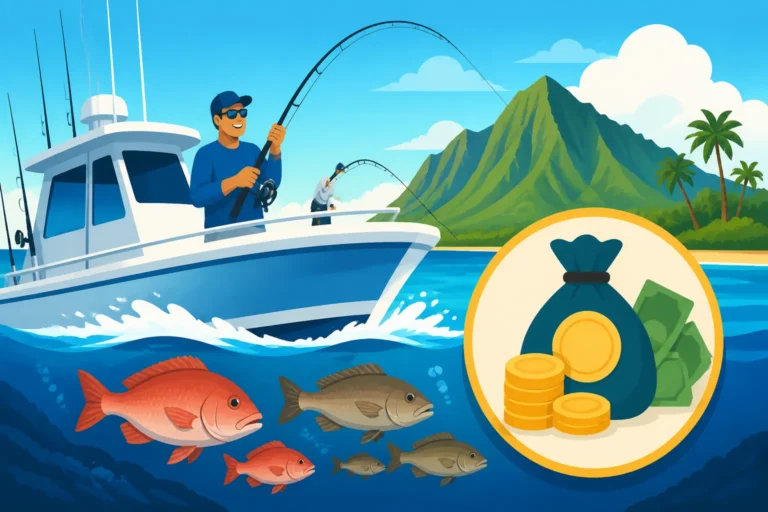
One of the biggest questions people have when considering a Hawaii fishing charter is, "How much does it actually cost, and what am I getting for my money?" It's a valid concern, as charter fishing can be a significant investment. Being prepared for the typical expenses and understanding what's usually covered will help you budget effectively and avoid any unpleasant surprises.
Typical Pricing Structures
Charter costs in Hawaii vary widely based on several factors, including the type of trip, duration, boat size, and whether it's a private or shared booking.
- Half-Day vs. Full-Day: As you might expect, longer trips cost more. A half-day (4-6 hour) private charter might be significantly less than a full-day (8-12 hour) private charter. Shared spots on half-day trips are usually the most economical entry point.
- Private vs. Shared: Private charters will always have a higher base price, as you're reserving the entire boat. However, if you're a group of 4-6 people, the per-person cost can often be comparable to, or even better than, booking individual spots on a shared trip. Shared spots offer a set price per person, which is great for solo anglers or small groups looking to minimize costs.
- Boat Size and Amenities: Larger, more luxurious sportfishing yachts with air-conditioned cabins, multiple restrooms, and top-of-the-line electronics will command a higher price than smaller, more basic center consoles. You're paying for comfort, speed, and the overall experience that a premium vessel provides.
- Location: While there's a general range, prices can sometimes vary slightly between islands or even specific ports. Kona, being a world-renowned marlin fishing destination, might see a premium on its top-tier boats.
While I can't give specific figures, expect a range that reflects these variables. It's always best to check directly with the charter company or a reputable booking platform like FishingBooker for current rates.
What Your Charter Fee Usually Covers
Most reputable fishing charters in Hawaii offer an "all-inclusive" price that covers the essentials, meaning you typically don't need to bring much beyond your personal items. Here’s what you can generally expect to be included:
- Boat and Crew: The cost covers the use of the vessel and the invaluable expertise of the captain and deckhand(s). Their knowledge, experience, and hard work are a significant part of what you're paying for.
- Fishing Gear and Tackle: This is a huge convenience. High-quality rods, reels, lines, leaders, hooks, weights, and a variety of lures and baits are provided. This saves you the expense and hassle of bringing your own specialized equipment.
- Bait: Live bait, frozen bait, or artificial lures appropriate for the target species and fishing style will be supplied by the crew.
- Fuel: The cost of fuel, which can be substantial for a full day offshore, is built into the charter price.
- Licenses (Sometimes): Many charters operate under a blanket commercial license that covers all passengers on board, meaning you won't need to purchase your own recreational fishing license for that specific trip. However, it's critical to confirm this directly with your chosen charter. For more details, refer to Do You Need Your Own Fishing License for a Hawaii Charter?.
- Safety Equipment: Life jackets, first-aid kits, and other required safety gear are always on board.
Some charters may also provide water and sodas, and occasionally a light snack, but it's wise to clarify this beforehand. Always ask for a detailed list of what's included when booking, especially if you have specific expectations.
Potential Hidden Costs and Tipping Etiquette
Even with an "all-inclusive" price, there are a few extra expenses you should factor into your budget. Being aware of these will prevent any surprises at the end of your trip.
- Food and Beverages: While some charters provide basic drinks, assume you'll need to bring your own lunch, snacks, and any specific beverages you desire for a full day on the water.
- Sun Protection: Sunscreen, hats, and sunglasses are essential, but you'll need to bring your own.
- Fish Processing: The crew will often clean and fillet your catch, but some charters might charge a small fee for extensive processing or vacuum packing, especially if you're catching a lot of fish. Clarify the boat's policy on this. Some will simply bag it for you to take to a local fish market or restaurant for further processing.
- Transportation to the Harbor: You'll be responsible for getting to and from the departure point.
- Tipping the Crew: This is probably the most significant "hidden cost" and is customary and highly encouraged in the charter fishing industry. Deckhands, in particular, work incredibly hard, often doing the lion's share of the work on deck, from rigging lines to gaffing fish and cleaning up. A standard tip for good service is typically 15-20% of the charter fee. If the crew went above and beyond, or if you had an exceptional day, consider tipping more. This topic is covered in more detail in Tipping Etiquette for Hawaii Fishing Charters.
- Mementos/Photos: Some charters may offer professional photos or videos for an additional fee.
- Fuel Surcharge: In rare cases of extremely volatile fuel prices, some charters might add a fuel surcharge, though this is less common with established pricing. Always confirm.
Understanding these potential additions allows you to build a comprehensive budget, ensuring your Hawaiian fishing adventure is enjoyable from start to finish. For a broader overview of typical expenses, check out Hawaii Fishing Charter Cost Guide.
Top Fishing Charter Destinations Across the Islands
Hawaii is made up of several distinct islands, each offering its own unique fishing opportunities and charter experiences. While big game can be found in the waters surrounding all the main islands, certain areas are renowned for specific types of fishing or easier access to prime spots. Knowing these differences can help you pick the best island and port for your dream trip.
Kona Coast, Big Island: Marlin Central
When it comes to world-class big game fishing, the Kona Coast of the Big Island stands alone. Its unique geography, with the massive volcanic slopes dropping steeply into the ocean, creates incredibly calm, deep waters very close to shore. This means less travel time to the fishing grounds and a smoother ride, which is a huge plus for those prone to seasickness. The weather here is consistently good, with protection from prevailing trade winds.
The Kona Coast is famous globally as a prime spot for giant Pacific blue marlin. Anglers from all over the world come here hoping to catch a "grander" (a marlin weighing over 1,000 pounds). Beyond marlin, the area is also excellent for ahi (yellowfin tuna), ono (wahoo), and mahimahi (dolphin fish). Most charters depart from Honokohau Harbor, just north of Kailua-Kona. If your ultimate goal is to catch a trophy billfish, the Kona Coast is undoubtedly where you want to be. For specific operations, you might search for Best Marlin Charters off the Kona Coast. For a general guide, see Kona Coast Fishing Guide.
Oahu: Diverse Fishing Opportunities
Oahu, being the most populated island and home to Honolulu, offers a wide range of fishing charters catering to different preferences and budgets. The charters here depart from various harbors, including Kewalo Basin (near Waikiki), Ko Olina, and Kaneohe Bay, providing access to both inshore and offshore waters.
You can find excellent deep-sea charters targeting marlin, tuna, ono, and mahimahi, particularly off the Waianae Coast and the North Shore. However, Oahu also excels in inshore and reef fishing, with opportunities for bottomfish, ulua (giant trevally), and papio (smaller trevally). The island is also renowned for its fantastic bonefishing flats, offering a unique fly-fishing or light tackle experience. This diversity makes Oahu a great choice if you want to explore different types of fishing within a single trip. Explore more options in Oahu Fishing Guide.
Maui: Pelagics and Scenic Views
Maui's fishing scene offers a blend of exciting offshore action and stunning scenic backdrops. Charters primarily operate out of Maalaea Harbor and Lahaina Harbor, both providing relatively quick access to productive fishing grounds off the island's west and south coasts.
Maui's waters are known for good populations of pelagic species, including ahi, ono, mahimahi, and various marlin species. Trolling is the primary method for these trips. The area around the 'Au'au Channel, between Maui, Lanai, and Molokai, can be particularly productive. Bottomfishing for snapper and other reef fish is also a popular option. What makes Maui fishing extra special are the breathtaking views of the West Maui Mountains and the neighboring islands, making for a truly picturesque day on the water. See Maui Fishing Guide for a deeper dive.
Kauai: Untouched Beauty and Quality Fishing
Kauai, the "Garden Isle," offers a fishing experience that combines incredible natural beauty with excellent angling. Charters typically depart from Port Allen or Nawiliwili Harbor, providing access to the deep waters off the island's south and west coasts.
While less known globally than Kona for marlin, Kauai's waters hold healthy populations of pelagic species like marlin, ahi, ono, and mahimahi. The fishing can be exceptionally good, often with fewer boats around, offering a more tranquil and focused experience. Inshore reef fishing and bottomfishing are also popular here, yielding a variety of delicious table fare. For those who appreciate pristine natural surroundings as much as the fishing itself, Kauai offers an unforgettable charter experience, often feeling a bit more "off the beaten path" than the busier islands. Learn more about fishing this island in Kauai Fishing Guide.
Here's a quick comparison of what you might expect from a charter on each major island:
| Island | Primary Fishing Focus | Common Target Species | Typical Departure Harbors | Key Feature |
|---|---|---|---|---|
| Big Island | World-class offshore big game, calm waters | Blue Marlin, Striped Marlin, Ahi, Ono, Mahimahi | Honokohau Harbor | Quick access to deep water; "Marlin Capital" |
| Oahu | Diverse options: offshore, inshore, reef, freshwater | Ahi, Mahimahi, Ono, Marlin, Ulua, Papio, Bonefish, Peacock Bass | Kewalo Basin, Ko Olina, Kaneohe Bay | Most diverse choices; good for all skill levels and types of fishing |
| Maui | Offshore pelagics, scenic views, channel fishing | Ahi, Mahimahi, Ono, Marlin, Snappers | Maalaea Harbor, Lahaina Harbor | Beautiful scenery; good chance at pelagics near shore |
| Kauai | Quality offshore and inshore, less crowded, pristine nature | Ahi, Mahimahi, Ono, Marlin, Reef Fish | Port Allen, Nawiliwili Harbor | "Garden Isle" beauty; excellent fishing in less congested waters |
Preparing for Your Hawaii Fishing Charter
Once you've booked your ideal Hawaiian fishing charter, the excitement builds! But a little preparation goes a long way in ensuring your day on the water is as enjoyable and comfortable as possible. Thinking ahead about what to bring, how to protect yourself from the elements, and understanding the boat's policies will help you relax and fully embrace the adventure. For a deeper dive, check out What to Expect on a Hawaii Fishing Charter.
What to Bring and What to Wear
Even though your charter will provide all the necessary fishing gear, there are several personal items that you absolutely should bring for a day out on the ocean.
- Sun Protection is Paramount: The Hawaiian sun is intense, even on cloudy days, and reflection off the water amplifies it. Bring plenty of high SPF, reef-safe sunscreen (check local regulations on ingredients), a wide-brimmed hat, and polarized sunglasses. Long-sleeved, lightweight, breathable shirts and fishing buffs (neck gaiters) are highly recommended to prevent sunburn.
- Comfortable Clothing: Wear light, quick-drying clothing. Layers are always a good idea, as it can be cooler in the early morning and hotter in the afternoon. Avoid denim, as it stays wet and heavy.
- Footwear: Wear comfortable, non-slip shoes with good grip. Deck shoes, boat sandals, or older sneakers are perfect. Avoid flip-flops if you're worried about losing them or needing more stable footing when reeling in a big one.
- Food and Drinks: As mentioned earlier, bring your own lunch, snacks, and plenty of water or other hydrating beverages. Many charters provide a cooler with ice, so you can keep your provisions chilled. Alcohol is usually permitted, but in moderation, and glass bottles are often discouraged for safety.
- Medication: If you take any prescription medication, remember to bring it with you.
- Camera: You'll want to capture the memories! A waterproof camera or a phone in a waterproof case is ideal. Just be mindful of keeping it secure on a moving boat.
- ID/Cash: A small amount of cash for tips (see below) and any personal identification is always a good idea.
Pack light, but thoughtfully. The goal is to be comfortable and protected from the elements so you can focus on the fishing.
Battling Seasickness and Sun Exposure
Seasickness can turn a dream fishing trip into a nightmare. If you're prone to it, or even if you're not sure, it's wise to take precautions.
- Preventative Measures: Consider taking over-the-counter seasickness medication like Dramamine or Bonine the night before and again an hour before your trip. Ginger chews or wristbands can also help some individuals.
- Onboard Tips: Once on the boat, stay on deck and fix your gaze on the horizon, rather than looking down at your phone or into the cabin. Avoid reading. Fresh air can also help. Stay hydrated and avoid heavy, greasy meals before and during the trip. Inform the captain or crew if you start feeling unwell; they are experienced and can offer advice or assistance.
- Sun Exposure: Beyond the clothing and sunscreen, remember that even with protection, prolonged sun exposure can lead to fatigue and dehydration. Drink water consistently throughout the day. Seek shade whenever possible, especially during peak sun hours. Overheating can also exacerbate feelings of nausea.
A bit of proactive planning can make a huge difference in ensuring you feel good and can enjoy every moment of your time on the water.
Understanding Catch Policies
Every charter has a different policy regarding what happens to the fish you catch. It's crucial to clarify this beforehand to avoid any misunderstandings or disappointment.
- Catch and Release: Some charters, particularly those specializing in sportfishing for marlin, might be primarily catch-and-release, especially for protected species or large billfish not intended for consumption. This is often done to preserve fish stocks and ensure the future of the fishery.
- Shared Catch: On many shared charters, the catch might be split among the paying passengers, or kept by the boat to sell. This can vary widely. If the boat keeps the fish, they often provide you with a portion of the fillets for your personal consumption, which is a fantastic bonus for a fresh seafood dinner.
- Keeping Your Catch: On private charters, you usually have more say in what happens to your catch, within legal limits. You might keep all legal-sized fish you catch, with the crew filleting it for you. This is often the case for delicious eating fish like ahi, mahimahi, or bottomfish.
- Size and Bag Limits: Regardless of the charter's policy, all fishing must adhere to Hawaii's strict bag and size limits for various species. The captain and crew are experts on these regulations and will ensure compliance. For example, Hawaii Bag and Size Limits by Species will provide details on what's legal to keep. Don't be surprised if a fish is released due to regulations.
Always ask about the boat's specific catch policy when you book. Knowing whether you can take home dinner or if it's primarily a sportfishing release experience will manage your expectations and enhance your overall satisfaction.
Booking Your Charter: Tips for a Smooth Process
Booking a fishing charter in Hawaii should be an exciting part of planning your trip, not a stressful ordeal. With a few key considerations and questions in mind, you can navigate the process smoothly and secure the perfect boat for your angling adventure. Thinking ahead and being clear about your expectations will ensure a great experience from start to finish.
When and How to Book
Timing and method are crucial when it comes to booking a popular Hawaiian fishing charter.
- Book in Advance: Especially if you're traveling during peak season (like summer, spring break, or holidays) or if you have specific dates in mind, it's highly recommended to book your charter several weeks, or even months, in advance. The best boats with the most reputable captains get booked up quickly. Don't wait until you arrive on the island, as availability will be very limited.
- Online Booking Platforms: Websites like FishingBooker are incredibly useful resources. They allow you to browse multiple charters across different islands, compare prices, check availability, and read reviews all in one place. Many charters also have their own websites where you can book directly. These platforms often make it very easy to find and book your Best Fishing Charters in Hawaii.
- Direct Contact for Specific Needs: If you have very specific requirements, such as targeting a particular species with specialized tackle or accommodating a large group, it might be beneficial to contact the charter captain directly after initial research. This allows for a more personalized discussion and ensures all your needs can be met.
- Consider Mid-Week: If your schedule allows, booking a charter on a weekday rather than a weekend can sometimes mean more availability and potentially less crowded fishing grounds.
Being proactive with your booking will save you stress and ensure you get your top choice.
Questions to Ask Before Confirming
Don't be shy about asking questions before you put down a deposit. A reputable charter will be happy to answer all your inquiries. Here's a checklist of things to clarify:
- What's included in the price? (Reconfirm everything from tackle to licenses, bait, and drinks).
- What's the catch policy? (Will you keep the fish? Is it catch and release? Will they fillet it for you?)
- What type of fish do you expect to catch during my trip dates? (This can help manage expectations, as fishing success is never guaranteed).
- What should I bring? (Confirm their specific recommendations for food, drinks, and personal items).
- What if the weather is bad? (Understand their cancellation and rescheduling policy for unsafe weather).
- What are the payment terms and cancellation policy? (Deposits, final payments, and what happens if you need to cancel).
- Is there a restroom on board? (For many, this is critical, especially on longer trips).
- Is the boat suitable for children or beginners if applicable? (Some boats are more family-friendly than others).
A good captain will welcome these questions, demonstrating their professionalism and commitment to a positive customer experience.
Cancellation Policies and Weather Contingencies
Life happens, and sometimes plans change. Understanding the charter's policies around cancellations and weather is vital.
- Your Cancellation: Most charters require a deposit and have a cancellation window (e.g., 72 hours, 7 days) within which you can cancel for a full refund. If you cancel outside that window, you may forfeit your deposit. Make sure you're clear on these terms, especially if you're booking well in advance and your travel plans are still somewhat fluid.
- Weather-Related Cancellations: This is perhaps the most important contingency. Reputable captains will always put safety first. If the captain deems the weather or sea conditions unsafe or unfishable, they will cancel the trip. In such cases, you should be offered a full refund or the option to reschedule for another day (subject to availability). Do not push a captain to go out in unsafe weather. Their judgment is based on years of experience and local knowledge. Sometimes, a trip might be adjusted (e.g., inshore instead of offshore) if conditions only affect certain areas. This topic is particularly important, and you can find more information in the policies often linked from booking services or charter websites themselves.
Having a clear understanding of these policies protects both you and the charter operator, ensuring fairness and safety for everyone involved.
Disclaimer
This article is for general informational purposes only and does not constitute professional advice. Laws, prices and regulations vary by location and change over time. Consult a qualified professional for guidance on your specific situation.