Best Marlin Charters off the Kona Coast
The allure of big game fishing in Hawaii is undeniable, but for many, the sheer number of charter options off the legendary Kona Coast can feel overwhelming. You dream of battling a majestic marlin, yet the thought of sifting through countless boat names, captain bios, and conflicting reviews leaves you wondering where to even begin. This comprehensive guide is designed to cut through the noise, offering an insider's look at what truly makes a top-tier marlin charter in Kona, helping you navigate your choices with confidence and set the stage for your ultimate fishing adventure.
Why Kona is the Undisputed Capital for Marlin Fishing
Kona, located on the leeward side of the Big Island, isn't just a beautiful place; it's a geological marvel that creates one of the most productive deep-sea fishing grounds on the planet. For anyone dreaming of a blue marlin encounter, there's truly no other place quite like it, and understanding why it's so special will help you appreciate the world-class charters that call it home.
The Unique Geography and Abundant Baitfish
What makes Kona so unique is its dramatic underwater topography. The Big Island plunges steeply into the Pacific, creating incredibly deep waters just a few miles offshore. Unlike many other prime fishing destinations that require long runs to offshore banks or canyons, Kona's fishing action often begins practically right out of Honokohau Harbor. This means less travel time and more fishing time, which is a huge advantage when you're paying for a full-day experience.
This deep water close to shore creates a perfect environment for a vibrant food chain. Nutrient-rich upwellings and subsurface currents bring an abundance of baitfish – your opelu (mackerel scad), akule (bigeye scad), and even skipjack tuna (aku) – closer to the coast. Where the baitfish gather, the predators follow. Marlin, ahi (yellowfin tuna), ono (wahoo), and mahimahi all patrol these fertile waters, making Kona a veritable buffet for apex predators. Experienced captains know these subtle current lines and underwater structures like the back of their hand, constantly seeking out the bait concentrations that signal a potential marlin strike. You might be trolling over thousands of feet of water, but the life pulses just below the surface.
The Year-Round Grand Slam Potential
One of the most remarkable aspects of Kona fishing is its consistency. While fishing worldwide often revolves around distinct seasons, Kona offers phenomenal fishing opportunities year-round, particularly for marlin. It's not uncommon for anglers to achieve a "Grand Slam," catching a blue marlin, a striped marlin, and a spearfish all in a single day, or even a "Fantasy Slam" by adding an ahi. This consistent productivity is largely due to the stable warm currents and the sheer volume of pelagic species that migrate through or reside in these waters throughout the year.
While specific species might have peak times, the chances of encountering a billfish are always present. This means you don't have to plan your Hawaii vacation around a narrow fishing window, which is a massive relief for many travelers. Whether you visit in the summer, known for its giant blue marlin, or the winter, which often sees more striped marlin and spearfish, you have a legitimate shot at a fish of a lifetime. The calm leeward waters also contribute to this year-round appeal, making rough weather cancellations less frequent than in many other deep-sea destinations.
Kona's Rich History and Culture of Big Game Fishing
Kona isn't just a place to fish; it's steeped in a rich history and culture of big game angling. Generations of captains and crew have honed their skills here, passing down knowledge and techniques that are unique to these waters. The Kona "style" of fishing, often characterized by subtle lure presentations and a deep understanding of ocean currents, is famous worldwide. You'll find a deep respect for the ocean and its creatures, often intertwined with local Hawaiian traditions.
The docks at Honokohau Harbor hum with stories of granders and near-misses, a testament to the passion and dedication of the fishing community. This vibrant culture means that the best charters aren't just businesses; they are often family legacies, run by individuals who have dedicated their lives to the pursuit of marlin. When you step onto a Kona charter, you're not just buying a fishing trip; you're becoming part of a tradition, experiencing the ocean through the eyes of those who know it best. This cultural connection adds an invaluable layer to your fishing experience, making it much more than just a day on the water.
Understanding Different Types of Marlin Charters
Navigating the world of fishing charters can be a bit like trying to pick out a surfboard from a lineup of pros – there are so many options, and what's right for one person might not be for another. When it comes to chasing marlin off the Kona Coast, understanding the different types of charters available is key to matching your expectations with the perfect experience.
Shared vs. Private Charters: Weighing Your Options
This is one of the first big decisions you'll make when booking any deep-sea trip, especially for something as specialized as marlin fishing. A private charter means you book the entire boat for your group, whether that's two people or six. You get exclusive access to the captain's attention, the deckhand's help, and you dictate the pace and focus of the day. Want to spend more time trolling a specific area? Want to try bottom fishing for a bit if the marlin bite is slow? It's your call. This personalized experience comes with a higher price tag, as you're covering the entire cost of the boat's operation. However, for serious anglers, families who want privacy, or groups of friends, it often offers the most rewarding experience.
Shared charters, sometimes called "split charters" or "walk-on trips," mean you book a single spot on a boat, and you'll be fishing with other individuals or small groups who have done the same. This is a much more budget-friendly option, as the cost of the boat is divided among all the anglers. The downside is less flexibility; the captain will cater to the group's general consensus, and you might have to rotate rods or share prime fishing positions. While you might make new friends, you also run the risk of fishing with personalities that don't quite align with yours. For solo travelers or couples looking for an affordable way to experience Kona's marlin fishing, a shared charter can be a fantastic way to get out on the water. Many reputable charters, which you can often find listed on platforms like FishingBooker, clearly indicate whether they offer private or shared trip options.
Here's a quick comparison:
| Feature | Private Charter | Shared Charter |
|---|---|---|
| Cost | Higher (you pay for the whole boat) | Lower (cost split among anglers) |
| Flexibility | High (you set pace, target species, locations) | Low (captain dictates, group consensus) |
| Privacy | Full (just your group) | Limited (fish with strangers) |
| Attention | Dedicated to your group | Shared among all anglers |
| Ideal For | Serious anglers, families, groups, special occasions | Solo travelers, budget-conscious, meeting new people |
Half-Day vs. Full-Day Adventures: Maximizing Your Time
The length of your trip also significantly impacts your marlin fishing experience. Half-day charters typically run for 4-5 hours, usually in the morning or afternoon. These are great for families with young children, beginners, or those who want a taste of deep-sea fishing without committing an entire day. They are also less expensive than full-day trips. However, the limited time means shorter runs to prime fishing grounds and less time with lines in the water. While a marlin strike can happen at any moment, statistically, more time on the water increases your chances.
Full-day charters usually last 8-9 hours and are generally considered the gold standard for marlin fishing. This extended time allows the captain to travel further offshore, explore more productive areas, and spend more hours actively trolling. Marlin fishing often requires patience, and a full day gives you the best opportunity to find and fight a trophy. If you're serious about catching a marlin, or if you're traveling a long distance to fish in Kona, a full-day trip is almost always the recommended choice. The extra hours can make all the difference, providing ample opportunity for multiple hookups or for the crew to adjust tactics if the bite is slow. Best Half-Day Charters in Hawaii can be a great option for a taste, but for serious marlin, longer is usually better.
Specialty Charters: Tournament Focus or Family Fun
Beyond the basic shared or private, half or full-day options, some charters specialize in particular niches. For instance, if you're an experienced angler aiming for a truly massive "grander" marlin, you might seek out a charter known for its trophy hunting success and specific gear. These boats might use heavier tackle, target specific areas known for big fish, and have a crew specialized in long fights. Some charters might even be set up to participate in one of Kona's famous marlin tournaments, offering a competitive edge.
On the other hand, many charters cater specifically to families or beginners, offering a more relaxed atmosphere. They might prioritize a variety of catches to keep everyone engaged, explain techniques patiently, and ensure safety and comfort are paramount. These boats often have more amenities suitable for kids and might even offer options for snorkeling or sightseeing if the fishing is slow. It's vital to communicate your goals clearly when booking. Are you chasing a personal best blue marlin, or are you hoping to introduce your kids to the thrill of deep-sea fishing? Matching your intent to the charter's specialty will lead to a much more satisfying experience. Best Family-Friendly Fishing Charters in Hawaii can be a great starting point if you're bringing the whole gang along.
What to Look for in a Top Marlin Charter
Choosing the right marlin charter isn't just about finding an available boat; it's about finding the right team and vessel that will maximize your chances of success and ensure a safe, enjoyable experience. This goes beyond shiny brochures and fancy websites.
Captain Experience and Crew Expertise
The captain is the heart and soul of any fishing charter, and this is especially true for marlin fishing off Kona. You want a captain with decades of experience on these specific waters. A seasoned Kona captain knows the currents, the seasonal movements of baitfish, the subtle changes in weather patterns, and where the big marlin are likely to be lurking on any given day. They don't just drive the boat; they read the ocean, interpreting every ripple, bird flock, and color change as potential clues. Ask about their years fishing Kona, their biggest catches, and their philosophy on finding fish.
Equally important is the crew, particularly the deckhand. A skilled deckhand is the unsung hero of a marlin trip. They are responsible for rigging baits, setting lures, spotting fish, coaching anglers during a fight, and safely handling the fish once alongside the boat. A great deckhand anticipates needs, provides encouragement, and ensures the entire operation runs smoothly and safely. Their communication with the captain is vital. Don't be shy about asking about the captain's and crew's experience when you inquire about a charter; their expertise is a direct investment in your success. They are the ones who put in the long hours and have the muscle memory from countless battles. The best marlin captains in Kona, often found through word-of-mouth or detailed online listings, are legendary for a reason.
The Boat and Gear: Safety, Comfort, and Capability
A top-tier marlin charter requires a well-maintained, seaworthy vessel equipped with the right gear. First and foremost, safety is paramount. The boat should be properly licensed, inspected, and equipped with all necessary safety equipment, including life jackets, communication devices, and first-aid supplies. Don't hesitate to observe the overall cleanliness and maintenance of the boat. A well-cared-for vessel often reflects a professional operation.
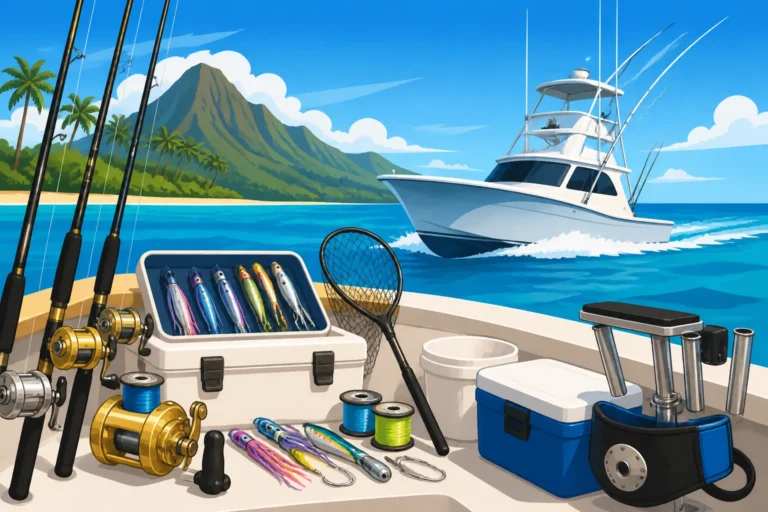
Beyond safety, consider comfort and capability. Marlin fishing can be a long day under the sun, so amenities like a clean restroom, shaded seating, and perhaps even an air-conditioned cabin can make a huge difference. The fishing gear itself should be top-notch: heavy-duty rods and reels capable of handling massive marlin, fresh line, a variety of proven lures, and a well-stocked baitwell. You'll want to ensure the gear is in excellent condition and appropriate for the size of fish you're targeting. A charter that cuts corners on tackle is a red flag. Look for boats with a fighting chair for serious battles, especially if targeting "grander" fish, though stand-up tackle is also common. Many charters list their vessel and gear specifications on their websites or booking platforms like FishingBooker, giving you a good overview of what to expect. What Gear a Hawaii Charter Provides is an important question to ask.
Reputation and Reviews: What Other Anglers Say
In today's connected world, reputation and reviews are invaluable. Before booking, take the time to read reviews on multiple platforms. Look for consistent themes: do people praise the captain's knowledge, the crew's helpfulness, the boat's condition, and the overall fishing experience? Be wary of charters with consistently negative feedback or very few reviews. While everyone has an off day, a pattern of complaints is a clear warning sign.
Also, consider what the reviews don't say. Are there mentions of fish caught, or is it mostly about the boat ride? For marlin fishing, you'll want to see reviews that highlight successful trips, even if it's just hookups rather than landed fish (as marlin are notorious for shaking the hook). A good captain will be transparent about catch rates and what to realistically expect. Word-of-mouth referrals from trusted sources are also incredibly valuable. If you know someone who had a fantastic marlin trip in Kona, ask them for their charter recommendation. Remember that sometimes the most respected charters are booked far in advance due to their stellar reputation.
Key Factors for Choosing Your Ideal Kona Marlin Charter
Once you have a handle on the types of charters and what makes a good operation, it's time to refine your search based on your personal preferences and circumstances. Every angler is different, and the "best" charter for one might not be the "best" for another.
Your Fishing Goals: Catch-and-Release vs. Trophy Hunt
Before you even start looking at specific boats, honestly assess what you want to achieve. Are you a purist who believes in the thrill of the fight and the conservation of the species, opting for a strict catch-and-release policy? Many Kona charters operate this way, especially for marlin, allowing these magnificent fish to fight another day. Or are you dreaming of a trophy photo with a fish destined for the taxidermist? Perhaps you simply want to catch dinner, and any pelagic species will do.
Some charters specialize in catch-and-release, using circle hooks and careful handling techniques to ensure the fish's survival. Others are geared towards trophy hunting, often with heavier tackle and a willingness to gaff a fish of a lifetime. If keeping a fish is important to you, clarify the charter's policy beforehand. Most charters adhere to strict Hawaii Bag and Size Limits by Species regulations, and their policy regarding keeping certain pelagic species (like ahi or mahimahi) will vary. Discuss your goals with the captain or booking agent. A good charter will respect your preference and guide you toward a trip that aligns with it. Marlin Fishing off the Kona Coast often focuses on catch and release for blues.
Budget Considerations: What Drives the Cost
Let's be realistic: a top-tier marlin charter in Kona is an investment. The cost of a charter is influenced by several factors: the boat's size and amenities, the captain and crew's experience, the length of the trip (half-day vs. full-day), and whether it's a private or shared trip. Larger, more luxurious boats with highly experienced crews will naturally command a higher price. Fuel costs, bait, tackle, and boat maintenance are all significant expenses that factor into the overall price.
While it's tempting to go for the cheapest option, remember the adage: "you get what you pay for." A significantly lower price might mean a less experienced crew, older equipment, or a less comfortable boat. Consider your budget, but also consider the value. Is saving a few hundred dollars worth potentially missing out on a prime fishing opportunity or having a less enjoyable experience? Think of it as an investment in a memorable adventure. Many people save specifically for this experience, and choosing a reputable charter within your budget often provides the best balance. For a detailed breakdown of costs, check out Hawaii Fishing Charter Cost Guide.
Communication and Booking Process
The ease and clarity of the booking process are often indicators of a charter's professionalism. A good charter operation will be responsive to your inquiries, provide clear information about their rates, policies (cancellation, weather, fish sharing), and answer all your questions thoroughly. They should be transparent about what's included (e.g., tackle, bait, drinks, snacks) and what you might need to bring yourself.
Pay attention to how they handle your initial contact. Do they seem genuinely interested in your fishing goals? Do they offer helpful advice? A smooth booking process with good communication will set a positive tone for your entire trip. If you find yourself struggling to get answers or feeling pressured, it might be a sign to look elsewhere. Using a reputable booking platform like FishingBooker can often streamline this process, as they typically feature charters that maintain high standards of customer service and transparency. Ensure you understand all terms before you confirm your reservation. How to Choose a Hawaii Fishing Charter emphasizes the importance of good communication.
Preparing for Your Kona Marlin Adventure
Once your charter is booked and your excitement is building, a little preparation goes a long long way to ensure you have the most comfortable and productive day possible out on the water.
Essential Gear and Personal Items to Bring
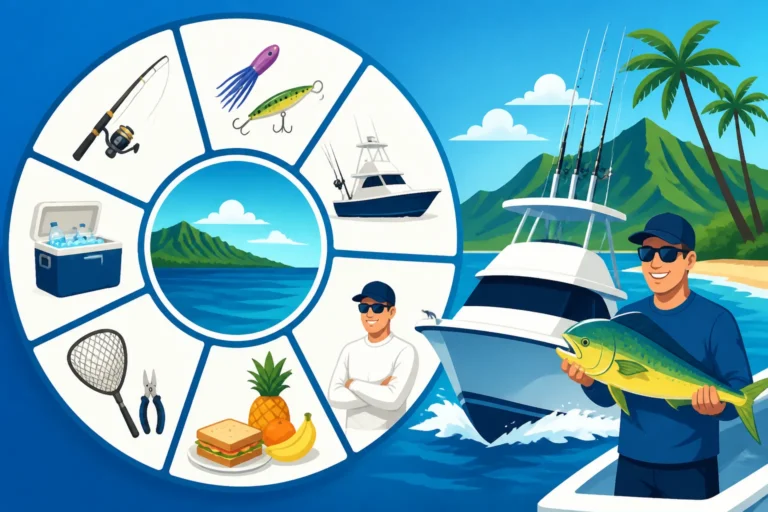
Even though the best charters supply all the fishing gear, there are crucial personal items you'll need to bring to ensure your comfort and safety. Kona's sun is incredibly strong, even on cloudy days. Sun protection is paramount: a wide-brimmed hat, sunglasses (polarized are a bonus for spotting fish), and high-SPF sunscreen are non-negotiable. Light-colored, long-sleeved shirts and pants made of breathable, quick-drying material offer excellent protection.
Footwear should be comfortable and have good grip, as boat decks can be wet. Closed-toe shoes are preferable to protect your feet from hooks or other hazards. Bring a reusable water bottle to stay hydrated, and perhaps some non-alcoholic beverages you enjoy. Snacks are a good idea, especially for full-day trips, even if the charter provides some. A camera is essential to capture the memories (just be mindful of spray and a fighting fish!), and a waterproof bag or case can protect your electronics. Finally, cash for tipping the crew is always appreciated at the end of a successful trip. What to Bring on a Hawaii Fishing Charter offers more specific details.
Battling Seasickness: Prevention and Remedies
For many, the fear of seasickness is a real concern that can dampen the excitement of a deep-sea trip. Kona's waters are generally calm on the leeward side of the Big Island, but offshore conditions can still be bumpy. It's always best to be prepared. If you're prone to motion sickness, or even if you're not sure, it's wise to take preventative measures.
Over-the-counter medications like Dramamine or Bonine should be taken the night before your trip and again an hour before departure, as they work best when in your system. Ginger in various forms (candied, tea, capsules) is a natural remedy many swear by. Acupressure wristbands can also provide relief for some. Avoid heavy, greasy meals before your trip, and stay hydrated. Once on the boat, focus on the horizon, get fresh air, and try to stay towards the back of the boat where motion is typically less pronounced. If you start to feel queasy, alert the crew; they are experienced in handling seasickness and can offer advice or a quiet spot to rest. Don't let the fear of seasickness stop you from enjoying a potentially life-changing experience!
Understanding Tipping Etiquette and Expectations
Tipping is a standard practice in the charter fishing industry, and it's an important way to show your appreciation for the hard work and expertise of the captain and crew. These professionals work long hours, often in challenging conditions, to ensure you have a safe and successful trip. A typical tip for the crew (usually shared between the captain and deckhand) ranges from 15% to 20% of the charter fee.
Even if the fish aren't biting, if the crew worked hard, provided excellent service, and maintained a positive attitude, a tip is still warranted. Their effort isn't solely judged by the catch. It's a gesture that acknowledges their professionalism, knowledge, and dedication. Bring cash for tipping, as it's the easiest and most direct way to show your gratitude. Hand it to the deckhand at the end of the trip, or ask the captain if you're unsure. This small act of appreciation goes a long way in acknowledging their commitment to your experience. Tipping Etiquette for Hawaii Fishing Charters covers this in more detail.
What to Expect on Your Marlin Charter Day
The day of your marlin charter is filled with anticipation and excitement. Knowing what to expect from the moment you arrive at the dock until you head home can help you relax and fully immerse yourself in the experience.
The Morning Buzz: Pre-Departure Routines
Your day will typically begin early, often before sunrise, as the best fishing often happens during the cooler morning hours. You'll head to Honokohau Harbor, the bustling hub of Kona's sportfishing fleet. Arrive a little early to find parking, locate your boat, and get settled. The harbor itself is a vibrant scene, with charter boats fueling up, crews loading ice and bait, and other excited anglers gathering.
Once on board, the crew will typically give a brief safety orientation, discuss the day's plan, and answer any last-minute questions. This is your chance to reiterate your fishing goals, whether it's a specific species you're hoping for or a preference for catch-and-release. The deckhand will ensure all gear is ready, lines are rigged, and the boat is prepared for departure. As the boat pulls away from the dock, the first rays of Hawaiian sunshine often paint the sky, setting a truly magical backdrop for the start of your adventure. It's a moment of pure possibility, as you leave the coastline behind and head for the deep blue.
The Hunt: Trolling Techniques and Spotting Signs
Once offshore, the real hunt begins. Marlin fishing in Kona predominantly involves trolling, where the boat moves at a steady speed, pulling a spread of lures or rigged baits behind it. The captain will carefully select a trolling pattern, often along depth contours, current lines, or known fishing grounds like the famous "100-fathom line" off the Kona coast. The crew will set out multiple lines, each with a different lure or bait, creating an enticing spread designed to attract the attention of passing marlin.
Your role as an angler during this phase is primarily one of observation and patience. Keep an eye on the rod tips for any unusual movement, listen for the drag screaming, and scan the horizon for signs of feeding activity, such as diving birds or jumping baitfish. The crew will also be constantly vigilant, watching their spread, checking sonar for bait schools, and observing the ocean for any indication of a marlin. When a fish strikes, the deckhand will leap into action, grabbing the rod, ensuring the hook is set, and then passing the rod to you, ready for the battle. This waiting game is part of the allure, the anticipation building with every mile of trolling. How to Catch Marlin off the Kona Coast details these techniques further.
The Fight and Beyond: Landing and Releasing Marlin
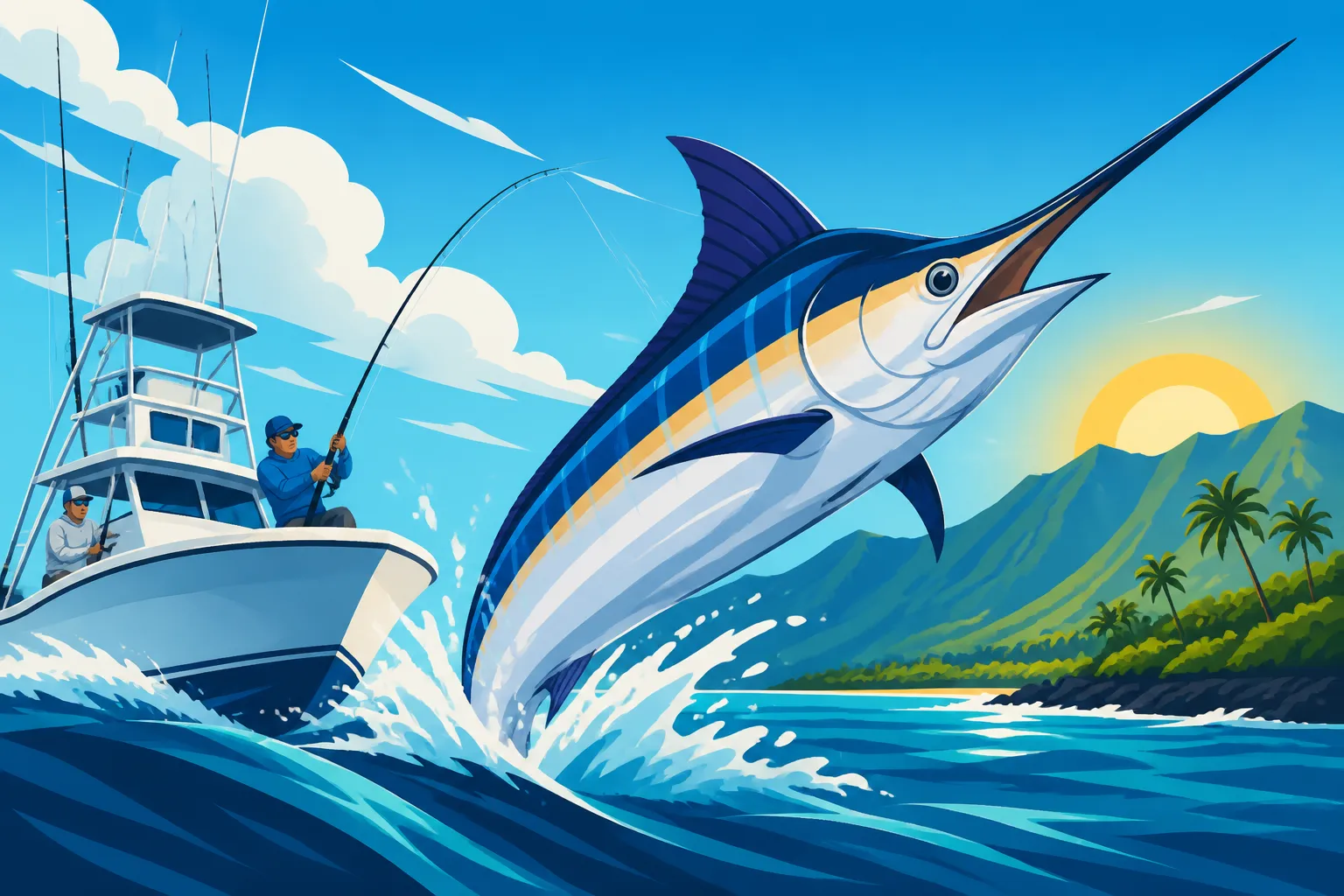
When a marlin hits, it's an explosion of power and adrenaline. The reel screams, line peels off at an incredible rate, and often, the fish leaps dramatically from the water, putting on an aerial show that will take your breath away. The deckhand will coach you through the fight, explaining how to properly use the rod, reel, and fighting chair (if applicable). It's a true test of strength and endurance, and these fish fight hard. Listen closely to their instructions, as their guidance is crucial for landing the fish.
Once the marlin is brought boat-side, the crew will work quickly and efficiently. If it's a catch-and-release, they will take swift measurements and photos, then carefully dehook the fish and release it, minimizing stress and ensuring its best chance of survival. If you've opted to keep a trophy fish, they will secure it safely. The crew will celebrate your accomplishment, often with high-fives and stories of the battle. This moment, whether it's a release or a retained fish, is the culmination of hours of effort and the peak of your marlin adventure. It's an experience that stays with you long after you've returned to shore. Marlin catch and release survival tips are often employed by the best Kona crews.
Top Tips for Maximizing Your Marlin Fishing Success
A great charter takes care of most of the heavy lifting, but there are a few things you, as the angler, can do to increase your chances of a successful and memorable marlin fishing trip.
Listen to Your Captain and Crew
This might seem obvious, but it's perhaps the most important tip. The captain and crew are the experts, having spent countless hours on these specific waters. They know the nuances of the local fishery, the conditions of the day, and the best strategies to employ. When they give you instructions, whether it's how to hold the rod, how to pump the reel, or where to look for birds, listen carefully and follow their guidance precisely.
Resist the urge to offer unsolicited advice or try to direct the boat's movements. Trust their judgment. They want you to catch a fish just as much as you do, and their experience is your greatest asset. A respectful and cooperative angler makes for a much more productive and enjoyable trip for everyone on board. They have a vested interest in your success and are masters of their craft.
Stay Hydrated and Energized
Marlin fishing, especially on a full-day charter, is physically demanding. The sun can be relentless, and fighting a powerful fish can be an exhausting workout. Staying well-hydrated throughout the day is crucial to prevent fatigue, headaches, and even seasickness. Drink plenty of water and other non-alcoholic beverages.
Bring snacks that provide sustained energy, like granola bars, fruit, or sandwiches. Avoid sugary drinks and junk food that can lead to energy crashes. A well-nourished and hydrated angler is more alert, more patient, and better equipped to handle the physical demands of a long fight. Think of it as preparing for a marathon, not a sprint, especially if you're hoping for a grander.
Patience is a Virtue
Marlin fishing is called "fishing," not "catching," for a reason. There will be periods of intense action, and there will be long stretches where nothing seems to happen. It's easy to get discouraged during these quiet times, but patience is absolutely critical. A marlin strike can come at any moment, often when you least expect it.
Enjoy the journey, the beautiful scenery, the company, and the peaceful rhythm of the ocean. Trust that the captain and crew are doing everything in their power to put you on fish. Don't let quiet periods diminish your enthusiasm. Often, the most memorable catches happen after hours of anticipation. Embrace the waiting, soak in the surroundings, and be ready to spring into action when that reel finally screams. Best Time of Year to Fish in Hawaii can vary, but patience is always key.
Common Misconceptions About Marlin Fishing in Kona
There are a lot of myths and misunderstandings floating around about big game fishing, and clearing these up can help manage your expectations and enhance your overall experience.
Guarantees and Expectations
One of the biggest misconceptions is that booking a marlin charter guarantees you'll catch a marlin. This is fishing, not a theme park ride. While Kona's waters are incredibly productive, there's no such thing as a guaranteed catch, especially for a specific species like marlin. Weather, ocean conditions, fish migration patterns, and sheer luck all play a role. A reputable charter will never guarantee a catch.
Instead, they will guarantee a professional effort, a safe boat, and an experienced crew doing everything possible to put you on fish. It's important to set realistic expectations. Focus on the entire experience: the thrill of the hunt, the beauty of the ocean, the skill of the crew, and the potential for an unforgettable encounter. If you go into the trip expecting a fish, you might be disappointed. If you go in expecting an adventure, you'll rarely be let down. The biggest fish sometimes come when you least expect them.
The "Right" Time of Year Myth
While some areas of the world have very distinct marlin seasons, Kona often defies this rule, leading to the misconception that there's one single "best" time to catch marlin here. As discussed earlier, Kona offers year-round opportunities. Blue marlin tend to be more prevalent in the warmer summer months (June to September), with some of the largest granders caught during this period. Striped marlin and spearfish are more common in the cooler winter and spring months (October to May).
However, a big blue can be caught in December, and a striped marlin can show up in July. The key is that the opportunity for billfish is always present. Don't let the idea of a "perfect" season dictate your travel plans. Instead, book when it works best for your schedule, and trust that Kona's prolific waters and your chosen charter will give you a legitimate shot. Each season brings its own unique set of possibilities and target species. Best Season to Book a Marlin Charter often depends on which species of marlin you're hoping to encounter.
Overlooking Smaller Details
It's easy to get caught up in the excitement of big fish and overlook the smaller, yet significant, details that contribute to a truly great charter experience. Things like the cleanliness of the boat's head (restroom), the quality of the snacks and drinks provided, the friendliness of the communication during booking, and the overall attitude of the crew might seem minor, but they collectively shape your perception of the trip.
A top-tier charter understands that the overall guest experience is paramount. They pay attention to these details because they know it makes a difference. Don't just focus on the fishing reports; consider the comprehensive picture. A comfortable, welcoming environment, even if the fish are finicky, will always make for a better day than a poorly managed boat that happens to hook a fish. These small elements highlight a crew's professionalism and their dedication to providing a memorable experience, not just a fishing trip.
Disclaimer
This article is for general informational purposes only and does not constitute professional advice. Laws, prices and regulations vary by location and change over time. Consult a qualified professional for guidance on your specific situation.